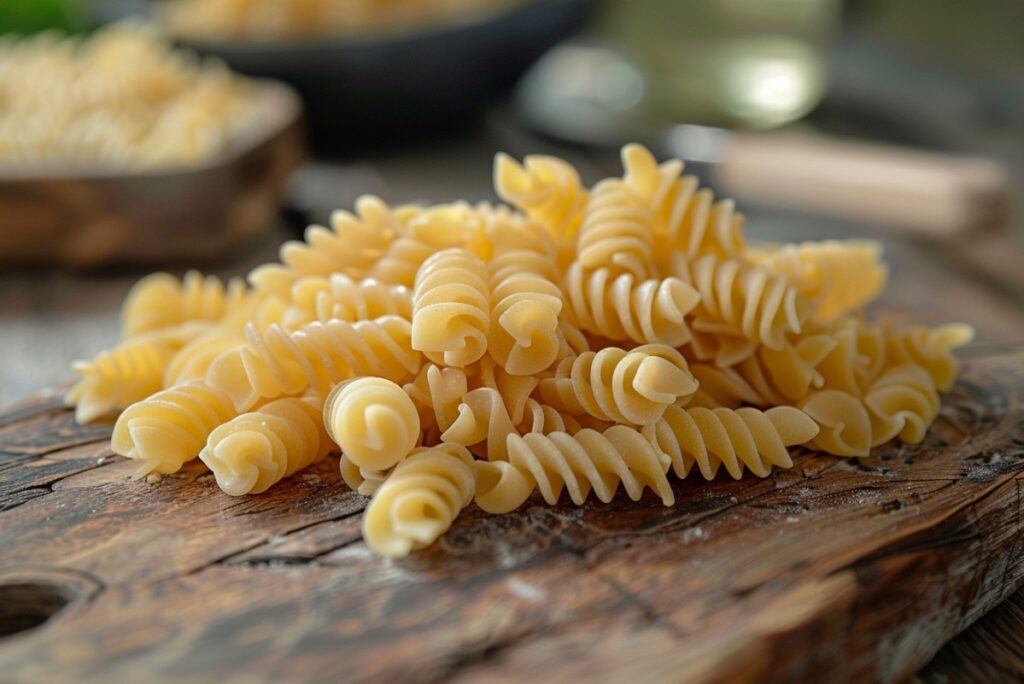
10 Cooking Fixes That Can Save Even a Hopeless Dinner


It happens: you cook with your whole heart, and the result is… let’s just say it’s not exactly restaurant-worthy. Too salty, overcooked, a little burnt, or just plain “meh.” Sound familiar? Don’t rush to toss it in the bin. These 10 cooking fixes can turn a dinner flop into something totally edible—and sometimes genuinely delicious.
1. Too salty? Use potato or milk
How it works
You can oversalt just about anything—soup, stew, gravy, even porridge. And even if it feels ruined, it usually isn’t. One of the oldest tricks is to add a chunk of raw potato. Potato acts like a sponge and will soak up some of the excess salt, especially in hot, liquidy dishes. Another option: mellow it out with milk or cream. It softens the saltiness and gives you a nicer, creamier texture at the same time.
When to use it
This works best for soups, braises, stews, and sauces. The key is catching it early. If the dish is already on the edge of inedible, add the potato and a splash of water or stock to lower the overall salt concentration.
Extra tips for balancing the flavor
- Add acidity—lemon juice or tomato paste can make the saltiness feel less aggressive.
- Use something sweet—a teaspoon of sugar or honey can smooth out the harsh edge.
- Serve with a neutral side—pasta, mashed potatoes, or rice will soften the overall taste.
2. Overcooked vegetables? Turn them into purée or soup
A quick veggie cream soup idea
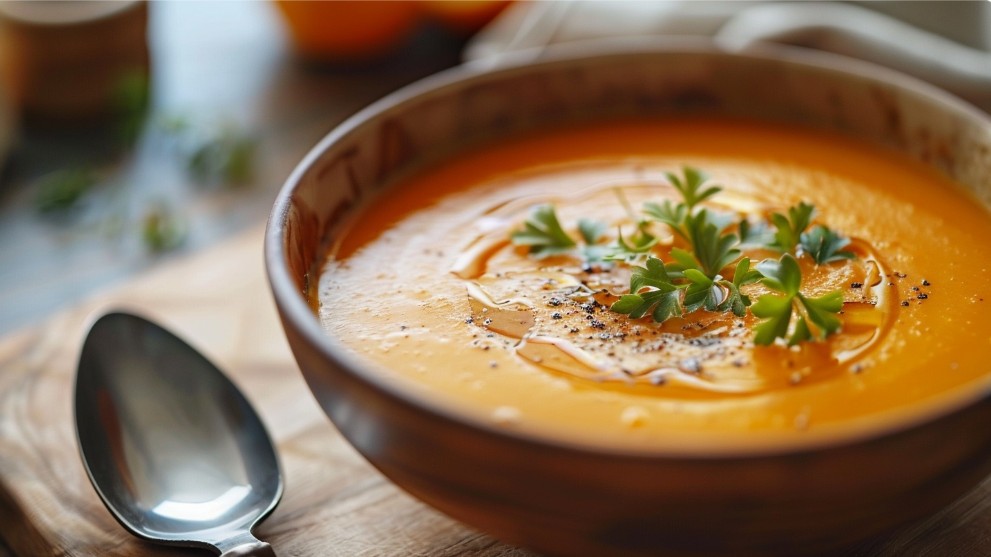
If your broccoli is falling apart and the carrots have basically become mush—don’t panic. Toss everything into a blender, add a little cream, stock, or even plain water, season with your favorite spices, and you’re done. Suddenly it’s a cozy cream soup. It’s also a great way to “hide” veggies for kids who swear they hate broccoli or cauliflower.
What to use to thicken purée or soup
- Potato—the classic. One or two boiled potatoes will make it thick and velvety.
- White bread (crust removed)—works beautifully in purées.
- Beans or chickpeas—add protein and a nice, creamy body.
Serving ideas to disguise the “oops”
- Top with grated cheese or crunchy croutons.
- Add a spoonful of sour cream or Greek yogurt for a pretty finish.
- Fresh herbs—parsley, dill, or basil make anything look more appetizing.
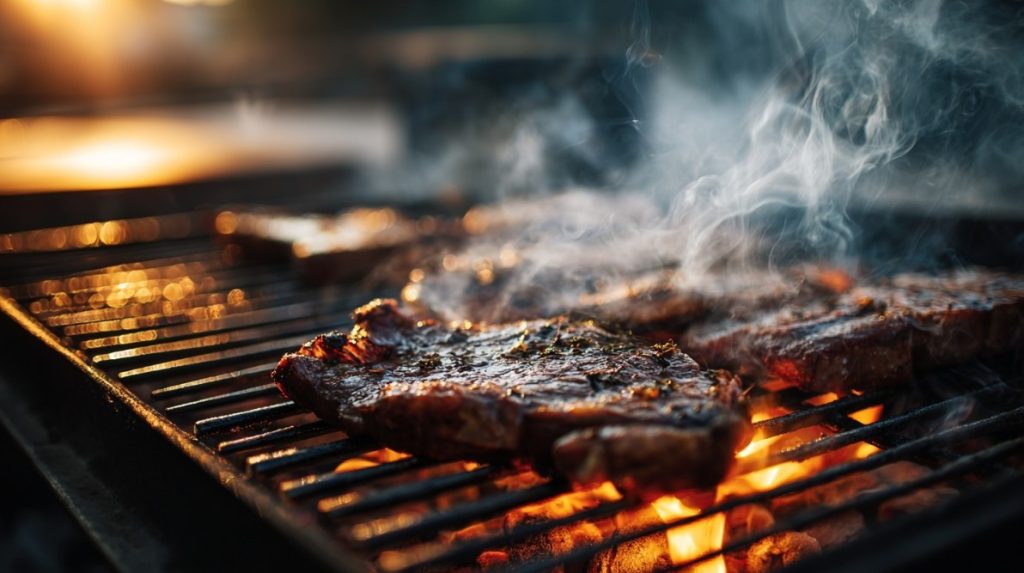
3. Burnt meat? Don’t toss it—hide it
How to deal with a burnt crust
The main thing: don’t scrape the blackened crust with a knife. That just spreads the burnt smell and bitterness. Instead, carefully trim off the top layer—or “repackage” the meat into a new dish. Chop it up, mix it with a sauce (tomato-based or creamy), add spices, and suddenly you’ve got a solid filling for burritos or a wrap.
Sauces that can save the day
- BBQ sauce—bold enough to cover that burnt note.
- Honey mustard—adds a sweet, tangy balance.
- Creamy sauces—help neutralize bitterness.
Dishes where slightly burnt meat actually works
- Tacos or shawarma—those little crispy bits can add character.
- Stews—lots of vegetables and sauce smooth out imperfections.
- Pizza—burnt edges can read as a “grilled” vibe in the topping.
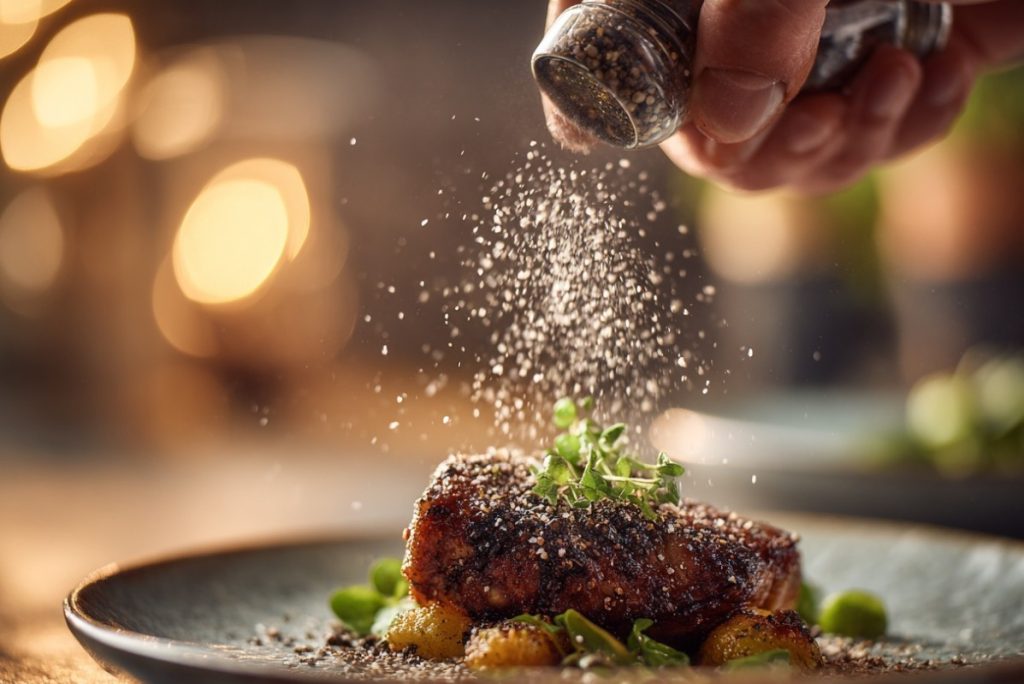
4. Mushy rice? Make meatballs or a baked casserole
What to make with overcooked rice
No one wants “rice porridge” when they were aiming for fluffy pilaf. But overcooked rice is perfect for shaping. You can turn it into meatballs, stuffed cabbage rolls, or even a sweet baked casserole. Mix the rice with an egg, grated cheese, spices—then bake it in a dish. For savory versions, add ground meat, onion, and grated carrot.
What to add for better texture
- Breadcrumbs or semolina—to bind everything together.
- Grated carrot or zucchini—for moisture and tenderness.
- Flax or chia seeds—for a more “healthy-ish” approach.
How to season it so it tastes intentional
- Sour cream sauce with garlic.
- Tomato paste with basil.
- Soy sauce or teriyaki—for an Asian-inspired twist.
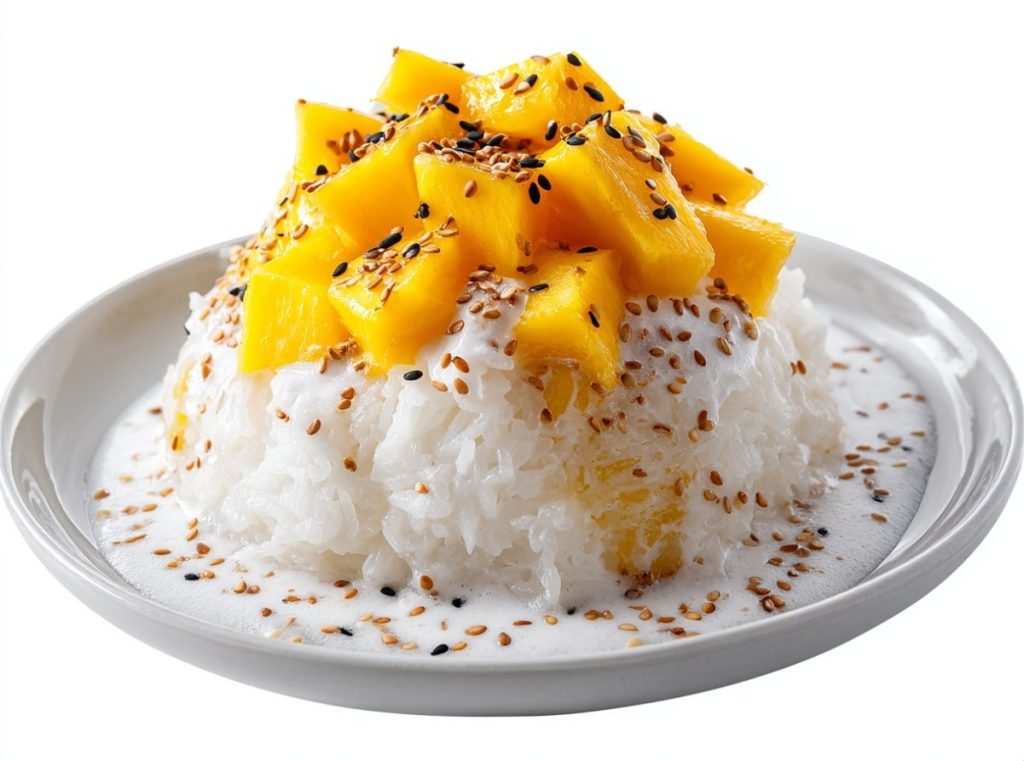
5. Too spicy? Fix it with sour cream or sugar
The idea behind calming heat
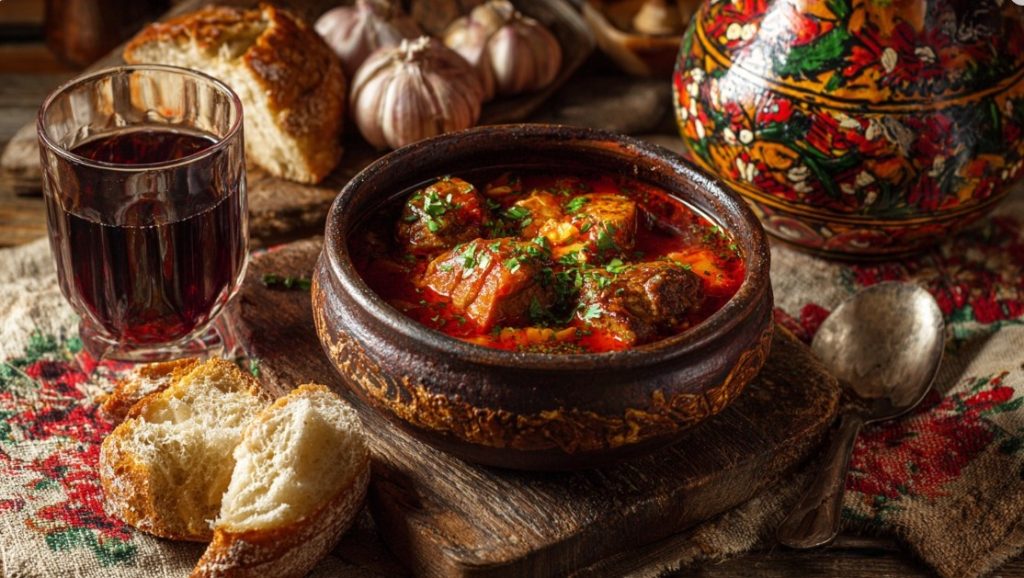
If you went overboard with chili, you need fat or sweetness. Sour cream, cream, or yogurt will take the sting down. A teaspoon of sugar, honey, or even fruit (pineapple, mango) can also soften the heat. And tell me—what’s your go-to rescue move? (Especially if you’ve ever saved a pot of homemade solyanka.)
Other ways to mellow the flavor
- Coconut milk—especially great in curry.
- Avocado—a fatty ingredient that cools things down.
- Nut butter—adds depth and balance.
Mistakes to avoid
- Don’t add water—it just spreads the heat around your mouth.
- Don’t overdo the sweetness—add it gradually.
- Taste before serving—balance matters.
6. Sauce too watery? Starch or cheese will help
What to do when your sauce is too thin
Sometimes you look at the pan and realize your “sauce” is basically soup. Too much liquid is a common issue, especially if you added extra stock, wine, or watery vegetables. The quickest fix is starch. Dissolve 1 teaspoon of cornstarch or potato starch in a little cold water, then slowly pour it into the sauce while stirring constantly. In a few minutes, it will thicken up.
Other ingredients that can save it
- Grated cheese: Perfect for creamy sauces. Cheddar, Parmesan, mozzarella—adds thickness and a deeper flavor.
- Butter mixed with flour: Combine in equal parts and whisk into the hot sauce.
- Bread crumbs or breadcrumbs: A classic Mediterranean-style thickener.
Extra tips
- Add thickeners gradually—otherwise the sauce can turn oddly “gummy.”
- Always bring it to a simmer after adding starch—that’s when it activates.
- Use spices to bring back aroma that got diluted by extra liquid.
7. Meat turned tough? Make a stew or braise it longer
How to bring dry meat back to life
Meat can be heartbreaking: you cook and you try, and it still comes out tough as a boot. Not the end of the world. One of the best ways to save it is to turn it into a stew or another braised dish. Cut it into smaller pieces, add it to a pot with sauce, stock, or tomatoes, throw in some vegetables, and let it simmer on low heat for another hour.
What to add to help tenderize
- Acidic ingredients: wine, vinegar, lemon juice—help soften proteins.
- Soy sauce or teriyaki: adds depth and helps break down fibers.
- Onion, carrot, celery—adds flavor and texture.
Other ways to use tough meat
- Shred it and use it as a filling for hand pies or wraps.
- Mix with mushrooms and make a saucy topping for pasta or rice.
- Hide it in cheesy dishes—lasagna is perfect for this.
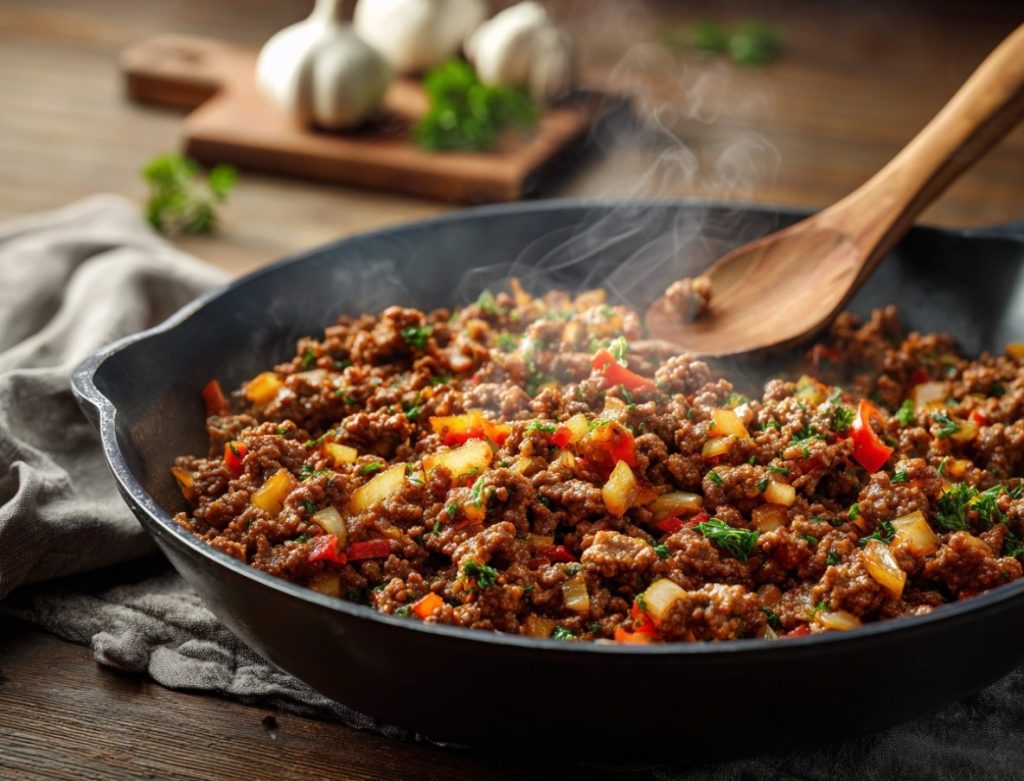
8. Flavor feels flat? Add acid or fresh herbs
Why “acid” is a chef’s secret weapon
If a dish tastes bland even though you did everything “right,” don’t automatically reach for more salt. It might just need brightness. Add a little acid: lemon or lime juice, or vinegar (apple cider, wine vinegar, or balsamic). It wakes up the ingredients and makes flavors pop.
What else helps lift the flavor
- Fresh herbs: parsley, dill, basil, cilantro—adds aroma and color. By the way, here’s how to make proper shakshuka.
- Lemon or lime zest: yes, even in meat dishes.
- Heat or sweetness: sometimes a pinch of chili or a spoonful of honey is all it takes.
Easy examples of where acidity helps
- Vegetable dishes—a splash of vinegar makes veggies taste brighter.
- Salads—lemon juice dressing can replace heavy sauces.
- Fish—acid cuts that overly “fishy” aroma.
9. No time for a side dish? Here are 3 options in 5 minutes
Quick sides from whatever you’ve got
Sometimes the main is ready, and the side is… still raw. Luckily, there are a few lifesavers—fast, tasty, and made from simple pantry stuff.
1. Couscous or bulgur
- Ready in about 3 minutes—just pour over boiling water.
- Add a little olive oil, lemon juice, and herbs—perfect.
2. Fried eggs with veggies or a green herb omelet
- Use up leftover vegetables, sauté them, pour in beaten eggs—5 minutes.
- Great as a side—or honestly, a full meal.
3. Purée from canned beans or peas
- Blend with garlic, salt, and oil.
- Filling, wholesome, fast.
Quick “on-the-fly” plating ideas
- Use a cookie cutter to shape the side so it looks intentional.
- Sprinkle with seeds or microgreens—instant restaurant vibes.
- Finish with a drizzle of sauce or spiced oil for extra flair.
10. Still tastes bland? Use flavored butter or infused oil
How flavored butter saves the day
Even plain butter can feel like kitchen magic. Melt it with garlic, herbs, or spices, then spoon it over the finished dish. It instantly changes the aroma, the flavor, and the whole “wow” factor of dinner.
Flavored butter ideas
- Garlic + parsley—for fish, meat, or potatoes.
- Paprika + lemon zest butter—amazing with chicken.
- Basil-chili oil—for pasta or pizza.
Storage tips
- Make it ahead and store it in the freezer.
- Shape into a log, wrap in foil, and slice off what you need.
- It replaces a sauce when you’re short on time.
FAQ: Common questions about cooking fixes
Що робити, якщо страва одночасно і пересолена, і гостра?
У цьому випадку важливо нейтралізувати обидва аспекти. Додай жирний компонент — вершки, сметану або навіть кокосове молоко. Вони зменшать як солоність, так і пекучість. Також можна розбавити страву — додати більше овочів, гарніру або бульйону, аби знизити загальну концентрацію спецій і солі.
Чи можна використовувати крохмаль у будь-якій страві для загущення?
Крохмаль — універсальний, але не завжди доречний. У соусах, супах чи підливах — чудово працює. Але в стравах з кислотами (лимон, томати) може давати u0022сопливуu0022 текстуру. В таких випадках краще скористатися альтернативами: сиром, борошняною заправкою або пюре з овочів.
Як уникнути підгоряння м’яса в майбутньому?
Не став м’ясо на занадто сильний вогонь відразу — краще почати з середнього.u003cbru003eВикористовуй товстодонний посуд або антипригарну сковорідку.u003cbru003eМаринади з медом, цукром або соєвим соусом часто призводять до підгоряння — смаж на слабкому вогні або додай їх наприкінці.
Що робити, якщо страви виходять прісними, попри додавання солі?
Можливо, бракує не солі, а u003cstrongu003eбалансуu003c/strongu003e. Спробуй додати кислоту (оцет, лимон), трохи цукру чи спеції. А ще — обов’язково куштуй на кожному етапі приготування. Смак змінюється, і саме в момент приготування найпростіше щось виправити.
Які інгредієнти завжди варто мати під рукою для “рятувальних операцій”?
Картопля (від солі, для загущення)u003cbru003eСметана або вершки (від гостроти, для кремовості)u003cbru003eКрохмаль або борошно (для соусів)u003cbru003eЛимон або оцет (для яскравості смаку)u003cbru003eЗелень (для аромату та декору)u003cbru003eСир (для смаку та текстури)u003cbru003eКонсерви (квасоля, кукурудза, томати — для “додавок”)
Almost any kitchen fail can be turned into a win—you just need to know what to do. And now you do.
Margherita Pizza — 5 common mistakes and the secrets to getting it right
Want to make Margherita pizza that tastes like it came from a real trattoria in Naples? It’s time to talk about the little details that can ruin even great dough—and how to avoid them. In the article “Margherita Pizza: 5 Common Mistakes and the Secrets to Success,” we break down why poor dough fermentation, too many toppings, or a low baking temperature can turn a masterpiece into a disappointment. You’ll also find practical tips: which cheese to choose, when to add basil, how to preheat your oven as hot as it will go, and even options for home ovens without a pizza stone.
Get ready for real aroma, crunch, and that perfect balance—without overcomplicating it.
➡️ Read the full article and grab your new favorite pizza know-how: how to make Margherita Pizza.
If you’re just getting started, check out this simple guide: Where to Start in the Kitchen