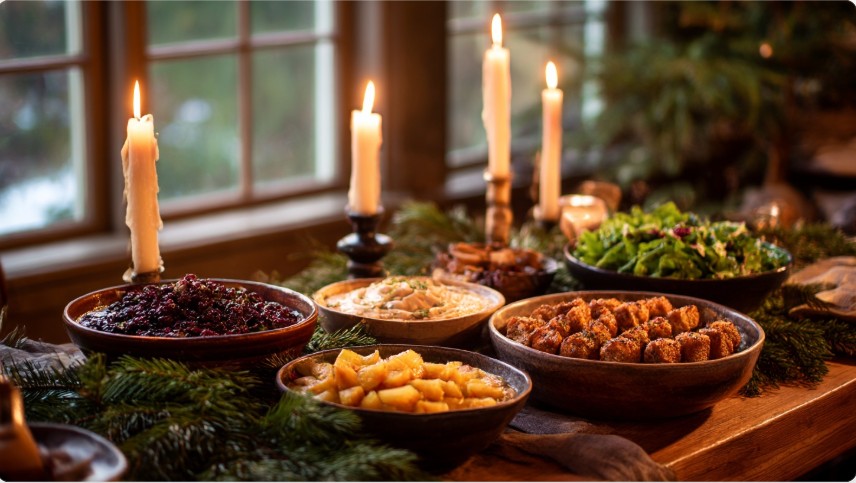
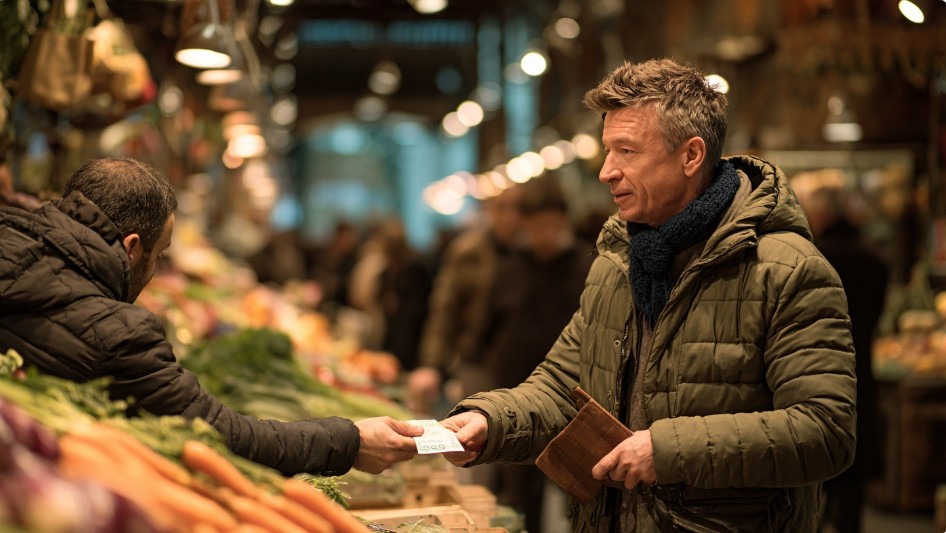
The last days before Christmas at the market and in supermarkets are a real hustle. People with baskets and bags, focused, search, sniff, and squeeze vegetables in their hands. Everything that ends up on the table goes through several decisions: to buy or not, to overpay or find something simpler, to take a risk or ‘play it safe.’ A lean table is about simplicity and warmth, but even here, you want every product to be genuine, fresh, and tasty. Because the set of ingredients can be simple, but quality is a whole different story.
Often I hear: ‘What’s there in lean food — potatoes, beans, beets…’. But if you look into it, the choice is wide even at a regular market now. Some are looking for something interesting for kutia, others for the usual carrots or cabbage, but there is one rule: better less, but of higher quality. During holiday preparations, I always return to simple, proven things: not to chase the trendy, but to find the best among the usual. And here the details begin: what color should it be, what smell, how not to lose the product before cooking, and finally, how not to be deceived in the marketing hustle.
I’ll share what I buy myself, how I choose, why not all beautiful vegetables are equally good, and where you should stop, even if your hand is already reaching for your wallet. Because the Christmas lean table is not about expensive delicacies, but about human warmth and attention to details. Everything else is a matter of taste and mood.
Beans: How to Choose and Not Miss
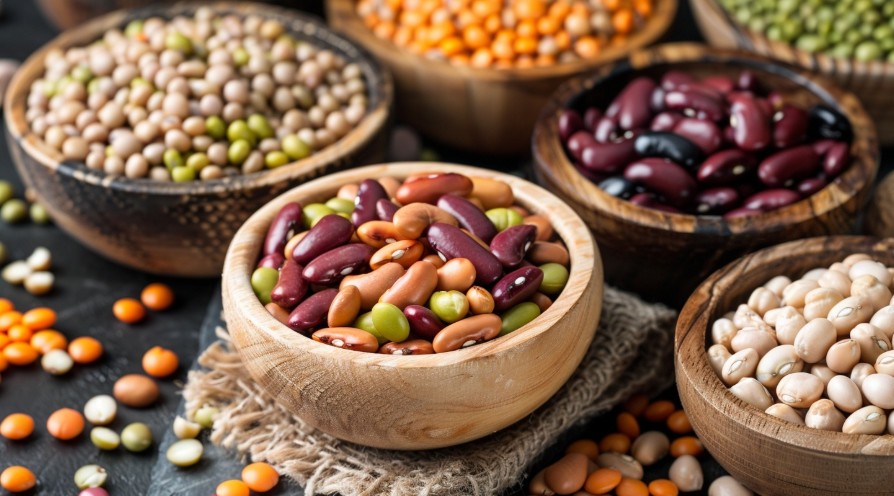
Beans are the queen of the lean table. Nutritious, affordable, and versatile: suitable for salads, side dishes, spreads. But here lies the first trap: not all beans cook well, and not all store perfectly.
Color is not just for beauty. Fresh beans have a uniform, matte shade. If the grains look ‘worn out’ — dull, spotted, wrinkled — they have likely lost moisture. Such grains take longer to cook and often fall apart.
The smell should be barely noticeable, ‘dry,’ without foreign notes. If you smell dust, mold, or sourness — don’t risk it. I’ve taken beans that smelled like a warehouse several times — then had to throw away the entire bowl of the prepared dish.
Texture — grains should be dense, smooth, without cracks. If they crumble easily in your hand, they are over-dried or improperly stored. Choose transparent packaging or bags where you can see what’s inside. Factory packages often contain impurities — stones, pod fragments.
Tip: don’t buy beans in bulk from open bags if they are dusty or have insects flying around them. It’s better to take packaged ones from a trusted supplier.
Seasonality — in fact, beans store well even in winter. But the best are those harvested and dried in September-October. They haven’t lost their flavor yet. For the festive table, I always take slightly more expensive but fresher ones — the difference is noticeable in the finished dish.
Price is not always an indicator of quality, but very cheap beans are usually old or mixed with broken grains. It’s also not worth overpaying: ‘elite’ varieties are often just marketing.
Peas: What to Pay Attention to in the Store
Peas for the Christmas table are a classic. It seems, what could go wrong? But in practice, half of the peas on the shelves are either over-dried or have already ‘gone bad’ for the season.
Color — bright, yellow or green (depending on the variety). Peas should be uniform, without dark spots, rusty shades. If you see pale grains — they are frozen or old peas.
Smell — almost absent, with a slight nutty note. Any musty, sour, or raw aromas are a signal that the peas are spoiled.
Texture — whole, smooth, not crumbling in your fingers. If peas break with light pressure, they are over-dried and will overcook into mush.
Tip: choose peas in soft bags, not in cellophane packages, where they can ‘steam’ and mold.
Storage: in a dry, ventilated place, away from spices with a strong smell (otherwise, peas will absorb foreign aromas). From my experience, they store perfectly in a glass jar with a lid.
When cooking: fresh peas cook in 40-60 minutes, old ones can stay on the stove for half a day and remain hard. If unsure of the quality, soak overnight.
Beetroot: Choosing the Real ‘Star’ of the Table
Beetroot is the vegetable that can be both a decoration and a failure. At the market, they sometimes sell real ‘wooden’ ones. When I buy, I always squeeze each root vegetable in my hand: it should be dense, firm, without soft sides.
Color — rich, burgundy, without white or green spots. Light rings on the cut are usually found in old or frozen beets. If the skin is thin and shiny, the beet is likely young, with a pleasant sweetness.
Smell — fresh, earthy, but not ‘rotten.’ If you smell sourness or musty notes, the beet has been lying or frozen.
Texture — smooth skin, without cracks and wrinkled areas. Sellers often try to sell old beets by cutting off the tips — I always ask to see the whole vegetable.
Storage: beets do well in a dry box or paper bag in the fridge. Do not wash before storing — moisture accelerates spoilage.
Tip: for salads and vinaigrette, look for medium-sized beets — small ones are often dry, large ones can be ‘woody.’
When cooking: fresh beets cook quickly and don’t become ‘cottony.’ Old ones remain hard for a long time, even in a multicooker.
Potatoes are the staple of the table, even if you’re making homemade stew in a clay pot, but there are many nuances here too. At the market — dozens of varieties, in supermarkets — polyethylene bags with ‘perfect’ tubers. But perfect-looking potatoes aren’t always tasty.
Color — yellow or white, without green spots (a sign of solanine). The skin should not have black or soft areas.
Smell — fresh, ‘potato-like,’ without sweet or sour notes. If the potatoes smell rotten, don’t take them, even if the price is attractive.
Texture — the tuber should be dense, not soft, without cracks. I often lightly tap one tuber against another — if the sound is dull, the potato is fresh. Just the kind that suits a classic meat dish.
Tip: don’t buy potatoes in wet bags or polyethylene — they quickly start to rot at home.
Seasonality: in winter, they mostly sell potatoes from the autumn harvest. The best-storing ones are varietal, with thicker skins. Young potatoes for the festive table now are rare and, honestly, a waste.
Storage: in a dark, cool place. Light makes them green and poisonous. In the fridge, potatoes become sweet and ‘soapy’ in taste.
Cabbage: White and Sauerkraut
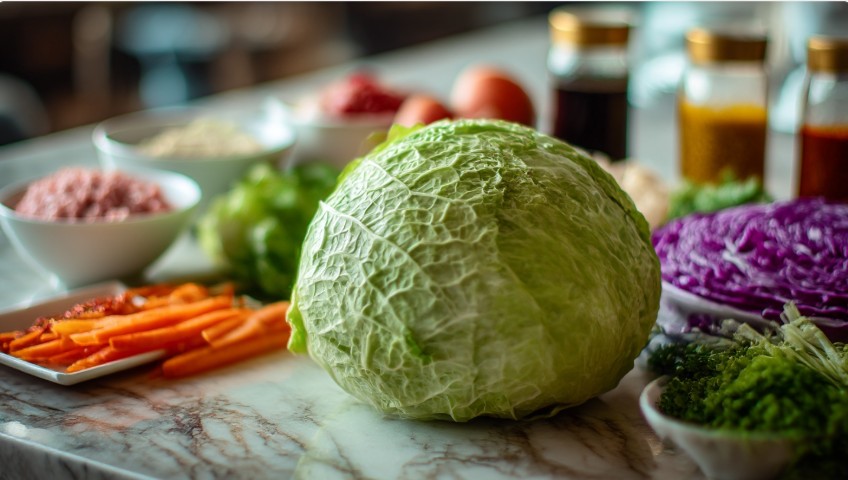
Cabbage is another ‘pillar’ of the lean table. I take both fresh and sauerkraut. Fresh should be dense, heavy for its size, with white or light green leaves.
Color — clean, without yellow or dark spots. Outer leaves may be slightly dry, but the main thing is that the head should not have cracks and should not be soft.
Smell — fresh, slightly ‘herbal.’ If the cabbage smells sour or musty, it’s a sign of spoilage.
Texture — dense, crunchy. If the head is soft or the leaves easily detach, the cabbage has already ‘gone bad.’
Sauerkraut is a separate story. The ideal one is light, with a slight crunchy sound when pressed. The smell is pleasant, slightly sour, without harshness. Don’t buy cabbage floating in cloudy brine or with a ‘pharmacy’ smell.
Tip: if buying sauerkraut at the market, ask to taste it. Good cabbage is not sticky, not slimy, not bitter.
Storage: fresh cabbage likes coolness and dryness. It’s better to wrap cut cabbage in film to prevent drying. Keep sauerkraut in a glass jar with a lid, in the fridge.
Cabbage for the Christmas table
Carrots: How to Choose Fresh in Winter
Carrots are sold everywhere now, but finding good ones is harder than it seems. Immediately discard carrots with rot at the tip or with cracks.
Color — bright orange, without green or white spots. Dull, pale carrots are likely old or frozen.
Smell — fresh, ‘carrot-like,’ slightly sweet. If the carrot doesn’t smell or smells like earth, it has been in storage for a long time.
Texture — dense, smooth, doesn’t bend with light pressure. I check like this: if the carrot breaks with a characteristic crunch, it’s fresh.
Tip: for salads, choose medium-sized carrots, without ‘beards’ and thin tips.
Storage: in the fridge, in a paper bag or wrapped in a napkin. Do not wash before storing — moisture promotes spoilage.
Mushrooms: Dried, Pickled, Fresh
Mushrooms are the ‘highlight’ of the lean table. Now, dried or pickled are most often bought. But there are tricks here too.
Dried mushrooms: choose ones with a pleasant, slightly sweet smell. Color — light brown, without mold or dark spots. If mushrooms are sticky or clumped together, they may have been stored in a damp place.
Pickled: factory jars often contain vinegar and preservatives. At the market, you can find homemade ones, but choose only from familiar sellers. Mushrooms should be whole, firm, without slime and excess liquid in the jar.
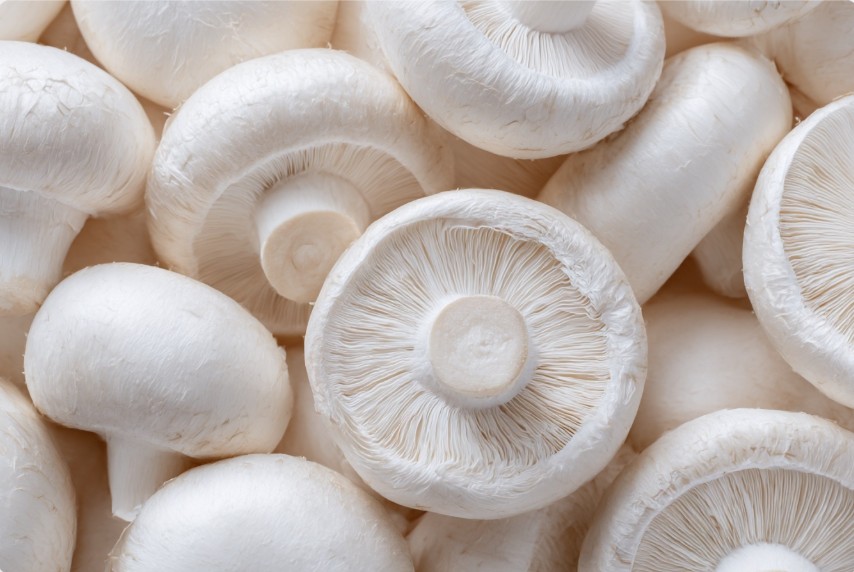
Fresh champignons or oyster mushrooms: the cap is dense, the gills are light. Smell — light, mushroomy, without sourness. If mushrooms have turned black or become soft, nothing will come out of cooking them.
Tip: store dried mushrooms in a glass jar with a lid. They ‘draw’ moisture from the air, quickly mold in polyethylene.
How they behave when cooking: dried mushrooms give a rich aroma, pickled ones — sourness and juiciness. Fresh ones quickly lose flavor if over-fried or left in the open air.
mushrooms for the Christmas table
Grains: Wheat, Rice, Buckwheat
Kutia is the main dish. But here, too, the main thing is not to buy ‘dust’ instead of good grain.
Wheat for kutia: whole grain, golden, without dark spots. Smell — fresh, slightly malty. If the wheat smells musty or gives off bitterness, it was stored in a damp place. Old groats do not cook well, crack, and give bitterness.
Rice: it’s better to take round, for porridge. Color — milky white, without yellowness. If rice in the package has stones or husks, it’s of poor quality. Smell — almost neutral, without a ‘stale’ tint.
Buckwheat: roasted (brown) and green. For the lean table, roasted is most often taken — it is more aromatic. The grain is whole, not crumbled, without dust. Smell — ‘buckwheat,’ pleasant, without sourness.
Tip: store grains in tightly closed jars. They quickly absorb moisture and the smells of spices or coffee.
Typical mistake: buying grains by weight in open boxes. Often insects breed in such places, and the grain loses freshness before cooking.
Oil: Sunflower, Olive, Flaxseed
Without oil, the lean table is not a table. But you need to choose it carefully. On the shelves — dozens of bottles, prices — from ‘on sale’ to ‘elite.’
Sunflower oil: transparent, with a light aroma of seeds. Should not have the smell of old fat. If there is sediment in the bottle, it’s normal for unrefined, but for refined, it’s a sign of spoilage.
Olive: color — from light green to golden. Smell — fresh, slightly herbal. If the oil is bitter or smells like fish, it’s either old or stored in the light.
Flaxseed: specific smell, easily oxidizes. Buy only in glass and in small volumes.
Tip: after opening, keep the oil in a dark place, and flaxseed — always in the fridge.
Marketing traps: ‘first cold pressing,’ ‘organic,’ ‘homemade’ — often just words on the label. I take the one I know and always smell it before use.
Dried Fruits and Nuts: What to Look For
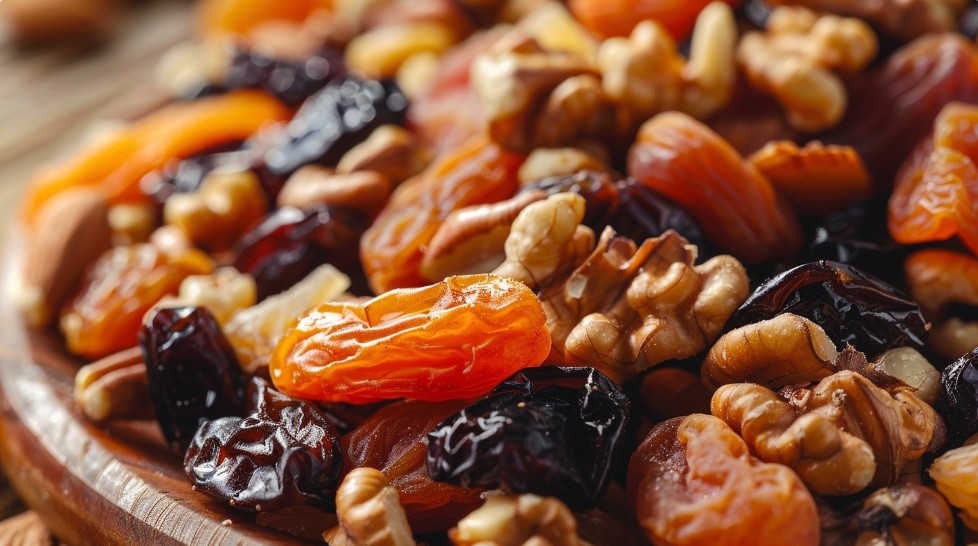
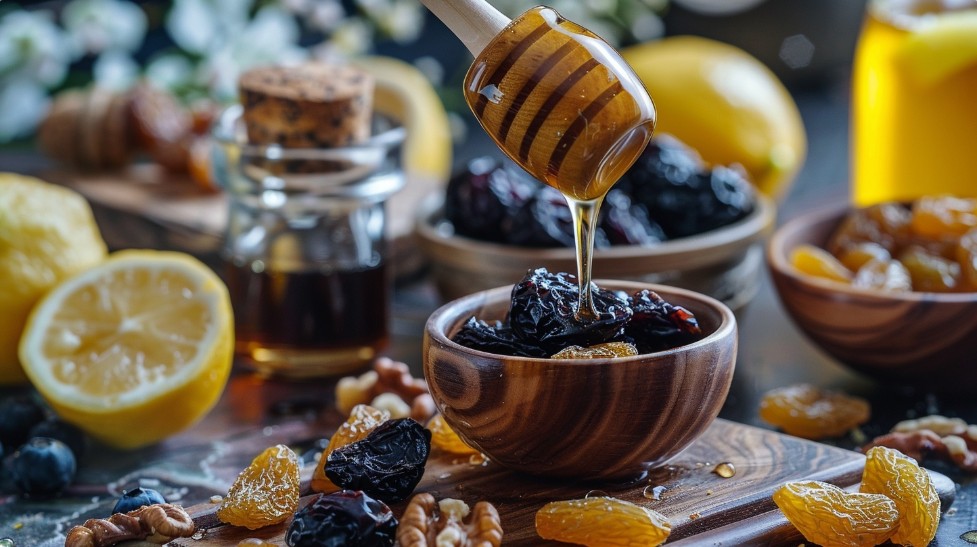
Dried fruits — raisins, dried apricots, prunes — are not just a dessert, but also the basis for kutia. At the market, you often find ‘rubbery’ raisins or dried apricots treated with sulfur.
Color: natural dried fruits are not very bright, slightly dull. If raisins look like glass beads, they have been treated with chemicals for shine.
Smell: pleasant, fruity. Any mustiness or alcohol smell is a sign of spoilage or improper processing.
Texture: soft, but not ‘sticky.’ If dried fruits are clumped together, it’s moisture or sugar syrup.
Nuts: walnuts are most often bought. Kernels are light, not wrinkled, without bitterness. If nuts smell like oil or have black spots, they are old. Don’t buy nuts in plastic bags with condensation inside.
Tip: store dried fruits and nuts separately, in jars with lids. They quickly absorb smells and moisture.
Lifehack: buy dried fruits and nuts not by weight, but in small packages — there’s less chance they’ll spoil before the holiday.
Apples and Pears: Winter Fruits for the Lean Table
Apples in winter are not the same as in summer, but good ones can be found. The best are winter varieties: ‘Simirenko,’ ‘Idared,’ ‘Fuji.’ Pears are mostly imported, but sometimes local ones are found, stored longer.
Color: apples should be matte, without shine — a sign they haven’t been waxed. The skin is smooth, without spots and dents.
Smell: fresh, apple-like. If the fruit doesn’t smell, it’s old or treated. Pears often smell stronger — that’s good.
Texture: firm, but not ‘stone-like.’ If you press an apple, it should slightly yield. Too soft ones are overripe, not suitable for the table.
Tip: don’t buy fruits with wet spots or mold on the stem. They will spoil overnight.
Storage: in the fridge, separately from potatoes (ethylene accelerates spoilage). It’s better to buy less but fresh than a large bag that will spoil before the holiday.
Seasonal Greens and Onions: Fresh Doesn’t Always Mean Expensive
Greens in winter are an expensive pleasure, but fresh onions, parsley, dill are still found. I always take small bunches — fresh greens wilt quickly.
Color: bright, juicy. If the greens are pale or with yellow tips, they are old.
Smell: strong, fresh. If parsley smells like ‘nothing,’ it was grown on chemicals or has been in the fridge for a week.
Texture: stems are crunchy. If the greens break when bent, they are fresh; if soft, don’t take them.
Tip: store greens in a glass of water in the fridge, covered with a bag. This way, they ‘live’ for a few days.
Onions — green and bulb. I choose bulbs that are firm, with dry husks. Green onions should be firm, without slime at the root.
Typical Mistakes and Marketing Traps When Choosing Products
Before the holidays, stores and markets are filled with ‘festive’ offers. But not everything that is beautifully packaged is of high quality. I often see people grabbing bright carrots in vacuum or ‘homemade’ beans in a beautiful jar at double the price.
‘Fresh’ greens in plastic bags are often frozen and have lost their flavor.
‘Elite’ grains and seeds — in reality, the taste difference is minimal, but the overpayment is large.
Bright dried fruits are almost always treated with chemicals for color.
Vegetables with perfect skin may have been treated with paraffin or wax.
Very cheap beans or peas are old, won’t cook well, and saved money will end up in the trash.
My advice: always ask the seller where the product is from, when it was harvested or made. Don’t be afraid to smell, taste, even if people look at you sideways. The holiday is not a show, but coziness and real taste.
When to Pay More: Price and Common Sense
I’ve often caught myself thinking: ‘Maybe take the more expensive one, just to be safe?’ Sometimes it’s justified. I always overpay for:
Dried fruits and nuts — good, fresh, with minimal processing. Especially for children.
Sauerkraut — only from trusted sellers, because quality affects health.
Oil — I take the one I know, even if it’s more expensive. Spoilage here is not worth the risk.
But I don’t see the point in overpaying for ‘perfect’ vegetables from the supermarket. Varietal potatoes or carrots from the farmers’ market are usually cheaper and tastier.
How to Prolong Freshness and Store Products Properly
To ensure everything bought lasts until the table, simple attentiveness is needed. It’s happened more than once that ‘super fresh’ greens or beans spoiled overnight if left on the kitchen table.
Vegetables (beetroot, carrots, cabbage) — in the fridge, in paper bags or boxes. Do not wash until use.
Grains, beans, peas — in glass jars with lids, in a dry place.
Dried fruits and nuts — separately, in airtight jars, away from spices and moisture.
Oil — in a dark place, after opening — tightly closed.
Greens — in water, under a bag in the fridge.
Lifehack: arrange vegetables so that those that spoil quickly are in sight. This way, you won’t forget to use them first.
How Lean Products Behave When Cooking
Here it’s simple: fresh beans or peas cook evenly, don’t fall apart. Old ones sit on the stove for hours and remain hard. Vegetables, if not frozen, have a pleasant smell when boiling, don’t darken.
Mushrooms — dried give a rich aroma, pickled — a slight sourness. Apples for uzvar or salads should be firm, not turning into mush after slicing.
Oil when heated should not smoke or become bitter. If this happens, it’s better not to risk it and not add it to the dish. Dried fruits in kutia — soft, but don’t fall apart, nuts don’t taste bitter or gritty on the teeth.
Each product behaves differently, but the main thing is to remember: the fresher and more natural, the less hassle when cooking and more flavor on the table. A micro-story from my experience — once I bought beans ‘under the counter’ because they were cheap. Four hours of cooking, and they were still ‘on the teeth.’ Since then — only trusted sellers and a little attentiveness when choosing.
Summing up — the best lean product is the one chosen with the head, not in haste or advertising. Then the dishes will not only be filling but festive.
What products for the Christmas table are you looking for most carefully? Have there been cases when a seemingly good product let you down in cooking? Share in the comments — it’s interesting to read real stories.
delicacy – fresh berries for the Christmas table
Most Frequent Questions About the Lean Christmas Table
What products are considered lean for the Christmas table?
Lean products include vegetables, fruits, grains, legumes, mushrooms, nuts, honey, vegetable oil, and fish (on permitted fasting days). They are most often used to prepare Christmas dishes without meat and dairy products.
What lean products are most often bought before Christmas?
The most popular purchases are potatoes, beets, sauerkraut, mushrooms, fish, beans, lentils, dried fruits, nuts, and honey. They are used to prepare traditional dishes for the Christmas table.
Is it necessary to prepare all dishes lean for Christmas?
It depends on traditions and personal beliefs. Many families adhere to a lean menu on Christmas Eve, and then add non-lean dishes on Christmas. Both options are acceptable.
What are the simplest lean dishes to prepare?
The simplest lean dishes are vegetable salads, baked vegetables, boiled potatoes with oil, beans, mushroom dishes, and fruit slices. They do not require complex recipes and are suitable for beginners.
How to set a lean Christmas table without big expenses?
It’s worth choosing seasonal products, grains, legumes, and locally produced vegetables. Combining simple ingredients allows you to create a tasty and varied lean Christmas table without unnecessary expenses.
Every December, I find myself thinking the same thing: there is no perfect time to prepare for Christmas. No matter how much you plan, something always goes wrong.
Please note:
This action will also remove this member from your connections and send a report to the site admin.
Please allow a few minutes for this process to complete.