7 Hacks for a Quick Dinner

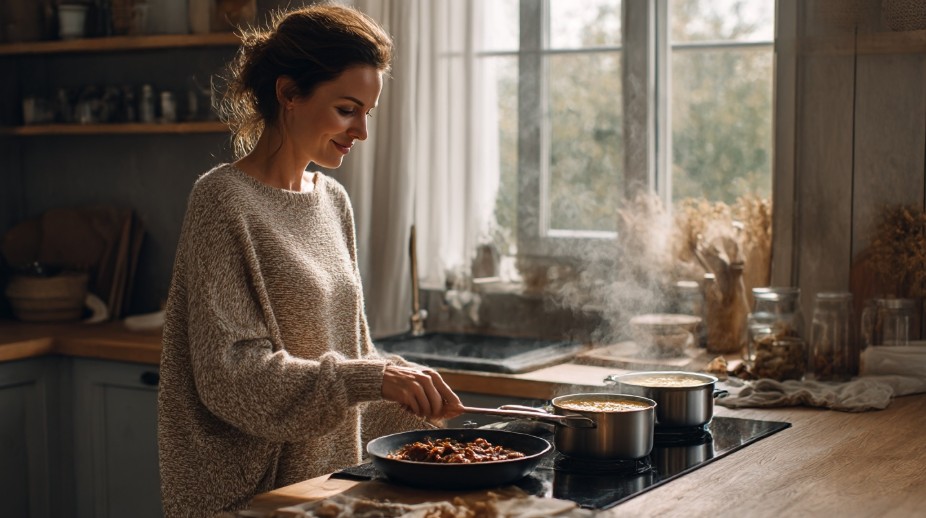
You come home, it’s already dark, and the only thing on your mind is how to eat something quickly. The fridge holds a random assortment of ingredients, and you lack the energy and inspiration for culinary masterpieces. I’ve been there more than once. You feel like you’re either going to starve completely or grab something on the go again. It’s important to remember: a quick dinner is not a compromise with yourself but a normal way to take care of yourself during the week.
I’ve often caught myself realizing how quickly you can put together something tasty if you know a few simple tricks. You don’t need to guess how they do it in restaurants or scroll through Instagram — it’s important to understand how your kitchen works and what can be done more easily. Many people think, ‘I can’t cook quickly,’ but in reality, it’s not about talent; it’s about small decisions right at hand.

Start with What’s Already Ready
The quickest way to put together dinner is to use what’s already prepared. When I come home, I first open the fridge and see what’s ready to eat or requires minimal processing. Leftovers from lunch, yesterday’s baked potatoes, or even a piece of bread — that’s already a start. If you’re just opening your culinary world, find out where to start in the kitchen literally from scratch.
Imagine: you take out a piece of chicken from the evening, add to it the salad that was left, a bit of soft cheese — and it’s no longer just ‘leftovers’ but a full dinner plate. I often notice that many dishes can be assembled literally from three different ‘remnants.’
Why It Works
Cooking from semi-prepared ingredients saves time and prevents food waste. Products that have already undergone some processing heat up faster and combine better with each other. It’s also an opportunity to improvise without following a strict order.
Common Mistakes
Many avoid giving dishes a ‘second chance’ because they think leftovers aren’t tasty. In reality, it all depends on how you serve them. Don’t mix everything together — better to lay it out in parts, add something fresh (greens, vegetables), a bit of sauce.
Tip: Leftover baked potatoes or meat can be revived on a hot skillet with a spoon of oil — the taste becomes fresher, and the aroma returns. And from yesterday’s mashed potatoes, you can make delicious patties.
Cook in One Pan
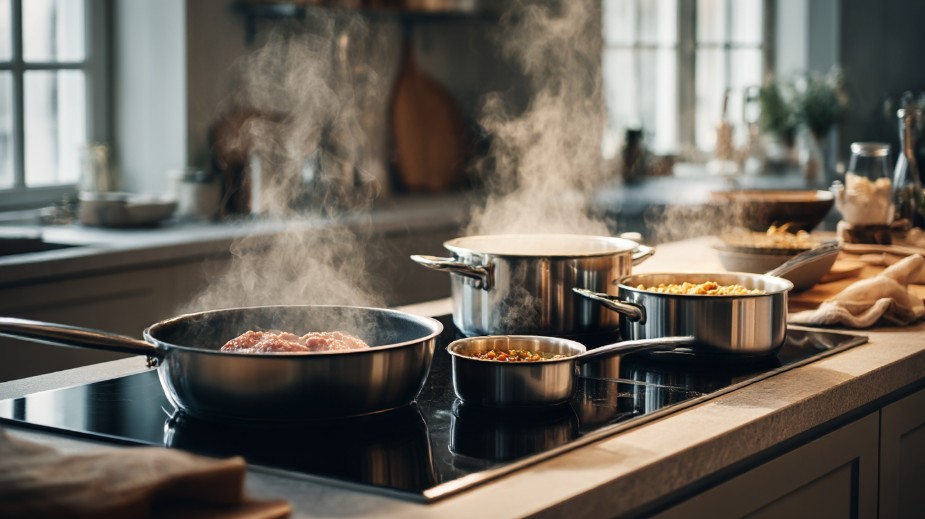
When time is short, one pan can be your main savior. I’ve often found myself thinking: the less dishes, the less fuss. The main thing is to understand in what order to add ingredients so that everything cooks properly.
For example, on a home skillet, you can first fry something denser (like pieces of sausage or chicken), then add chopped vegetables, and finally eggs or cheese. The whole process takes 10-12 minutes, and the taste is rich because all the juices stay inside the dish.
How to Properly Distribute Temperature and Time
On the stove, things often happen faster than it seems. If the pan is already hot, the ingredients immediately start releasing aroma — that’s the signal to add the next ingredient. Vegetables should be added later than meat or sausage, so they don’t turn into mush.
Common Mistake
Many people add everything at once, resulting in something steamed, without a crust, with water at the bottom. Sound is what helps: when the pan sizzles, the temperature is right. If it’s quiet — add heat or remove excess liquid.
Micro-story: Once I was in a hurry and just dumped everything at once — ended up with a gray, limp mix. Since then, I always add ingredients in portions, like in a game of Tetris.
Use Frozen Foods for Speed
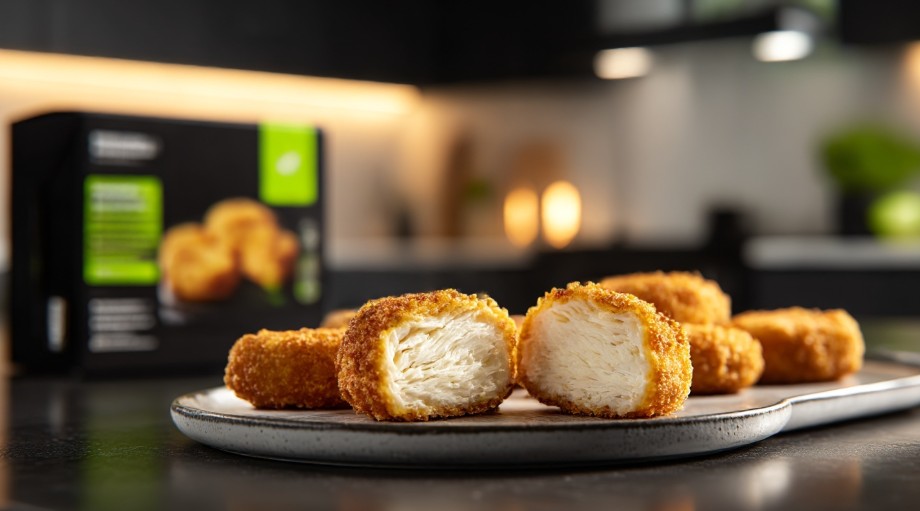
Freezing is not an enemy but the best helper for evening cooking. I often stock my freezer with vegetable mixes, greens, even sliced meat in small portions. This saves the day when there’s nothing fresh on hand, and you don’t want to cook for long.
The main thing is to know how to use them correctly. Frozen vegetables can be thrown directly onto a hot skillet without defrosting: this way, they don’t lose shape and taste. Meat, if sliced thinly, also cooks in 5-7 minutes. Another option is ready-made frozen dumplings or pelmeni, which can be fried instead of boiled: it gives a completely different taste and texture.
How to Retain Flavor
The main thing is high temperature at the start and minimal water. If you want the vegetables not to become ‘wet,’ fry them in portions, don’t cover with a lid, and don’t salt immediately: salt draws out excess moisture.
Common Mistake
Often frozen items are placed directly into a cold pot or microwave, resulting in watery puree. Sound and appearance are important here too: vegetables should sizzle, not steam. If you notice ‘grayness’ or liquid at the bottom — just increase the heat and let them brown a bit.
Hack: Add a bit of garlic, soy sauce, or a spice mix to frozen vegetables on the skillet — the flavor becomes more vibrant, even if it’s a simple store-bought mix.
Prepare Grains and Pasta in Advance
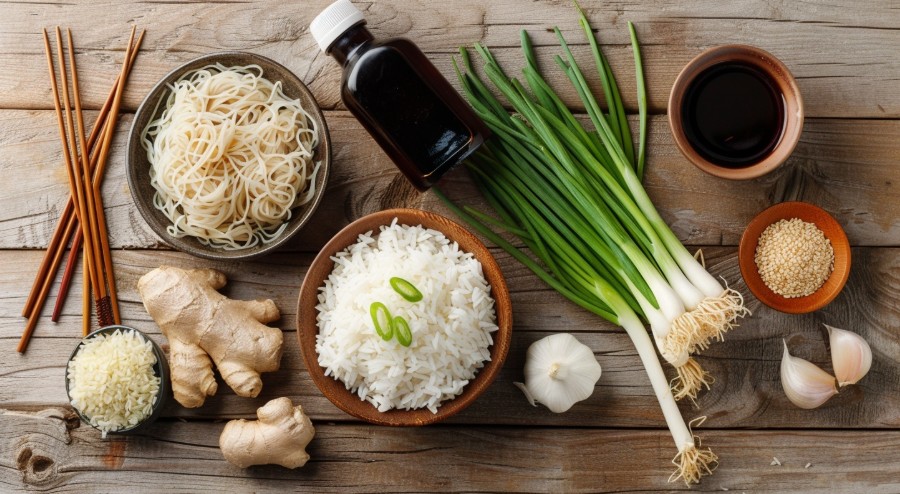
Another way to quickly assemble dinner is to have cooked grains or pasta on hand. I often cook rice or buckwheat at the beginning of the week and store it in a container. The same goes for pasta: cook twice as much, leave half for tomorrow.
It’s important not just to reheat but to breathe new life into these products. On a skillet, cooked rice or pasta quickly browns and becomes crispy. Add a bit of butter, leftover vegetables, or meat — and dinner is ready in 5 minutes.
Texture Hack
To prevent grains or pasta from sticking, add a drop of oil before storing and mix. When reheating, add a few drops of water to restore moisture, especially if using a microwave.
Common Mistakes
Many store grains or pasta directly in the pot, and they quickly become dry or ‘mushy.’ Another mistake is reheating large portions at once: it’s better to reheat in parts to avoid drying out and losing flavor.
Micro-story: Once I left rice in a pot with a lid — by morning, it was like plasticine. Now I always transfer it to a plastic container and leave the lid open to avoid condensation.
Sauces — Your Secret Ingredient
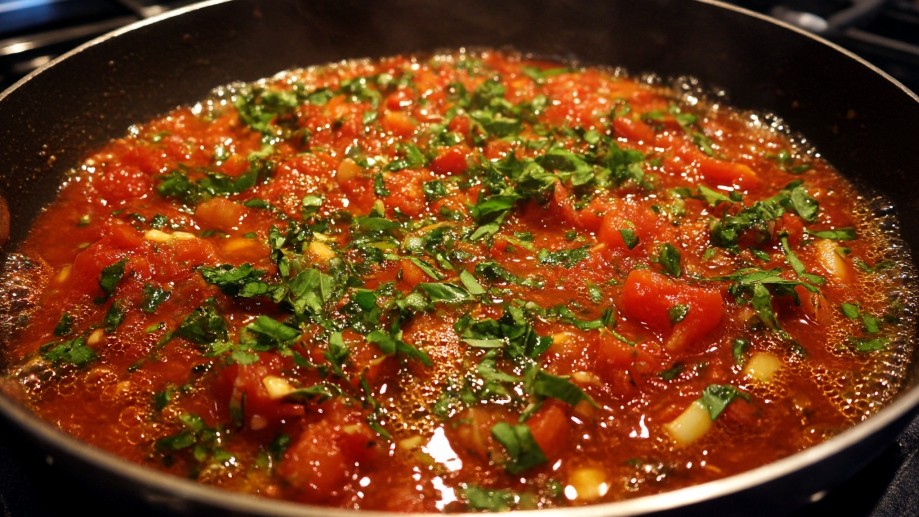
A quick dinner is often saved by sauce. Even simple porridge or potatoes will gather more compliments if there’s something vibrant with them. I always have a jar of mustard, ketchup, a bit of yogurt, or mayonnaise in the fridge. This is the base for any ‘quick’ sauce.
Mix a spoon of mustard with honey and vinegar — a different taste already. Or yogurt with garlic and greens. No need to cook or wait — just mix and pour on top. Sauce not only adds flavor but also makes dry products (rice, chicken, vegetables) more pleasant to eat.
Why It Works
Sauces bind different ingredients into one dish. Food seems more varied, even if there are minimal ingredients. It’s also a way to ‘save’ slightly over-dried rice or meat.
Common Mistakes
Sometimes people try to make sauces too complex or use only store-bought options without changes. It’s better to add something of your own: lemon juice, spices, herbs. Don’t be afraid to improvise — it gives a sense of control over the taste.
Hack: Mix leftover yogurt or sour cream with something spicy (garlic, mustard) and a bit of honey — you get a universal sauce for everything. Here’s a similar recipe for Tartar sauce
Cook in Parallel, Not Sequentially
This is probably the main secret of a quick dinner. Many people finish one action first and then start another. I’ve noticed: if you do several things at once — the food appears on the table twice as fast.
While the water is boiling — I cut vegetables. While the skillet is heating — I take out sauces and set the table. The more actions you perform simultaneously, the less time is spent waiting.
Common Mistake
Often people stop, waiting for something to ‘come to’ — for example, water for pasta. During this time, you can prepare everything else. Important: don’t rush, just keep in mind that the kitchen is not a conveyor belt, but a place for maneuver.
Examples from Practice
- While the meat is frying on one side, you can chop greens and get the sauce.
- While the toaster is working — prepare the salad dressing.
- While the grain is in the microwave — chop vegetables for garnish.
Micro-story: Once I was cooking dinner for friends and noticed that the most time was spent not on the dish itself, but on waiting. Since then, I always plan several processes in parallel.
What to Do If Something Goes Wrong
The kitchen is not a textbook; there’s always something unexpected. Over-salted, overcooked, something stuck, or completely forgot about the dish on the stove. This happens to both experienced cooks and beginners.
How to Save Overcooked or Burnt Dishes
If the dish is dry, add a spoon of water or sauce, cover, and leave for a minute — the dish will become softer. If the bottom part is burnt — carefully remove the top layer, and pour hot water over the bottom and leave for a few minutes: the smell will go away, and you can use at least part of the dish.
What to Do with Over-Salting
Add something bland (rice, potatoes, bread) to ‘absorb’ the salt. You can also add a bit of liquid or yogurt to balance the taste. Don’t try to ‘dilute’ everything at once — it’s better to act gradually.
Micro-story from Personal Practice
Once I forgot eggs on the skillet, and they became rubbery. I didn’t throw them away — added a bit of sour cream, mixed, and got a completely different texture. A dish doesn’t always have to be perfect — the main thing is that it’s edible and you enjoy it.
Tip: If something didn’t work out — don’t rush to get upset. Often such ‘failures’ open up new combinations of flavors or textures.
Plan Ahead When You Have 5 Minutes
The best hack for a quick dinner is to think ahead, even if it’s just a minute in the morning. I like to quickly look into the fridge before work and figure out what needs to be bought and what’s already there. This relieves evening stress — no need to invent something out of thin air.
I often share this with friends: if you know that there won’t be time in the evening, set the grain in the multicooker in the morning, or marinate a piece of meat while getting ready for work. Even a simple note ‘there are eggs, there’s bread — there will be an omelet’ already helps not to panic in the evening.
Space Organization Hack
Keep what’s quick to cook in a visible place: eggs, grains, quick freezes. I always put in the front of the fridge what needs to be used soon — this way, less is wasted and cooked faster.
Common Mistake
Sometimes you want to come up with something complex when you’re tired. But it’s worth remembering that dinner is about yourself, not about the ‘perfect picture.’ Even if it’s just a hot sandwich or vegetables with sauce — it’s already caring for yourself.
Tip: Even one note about what’s at home saves 15 minutes of evening confusion. Especially when you also need to plan a tasty weekly menu for a child in winter.
A quick dinner is not about sacrifices but about smart use of time and ingredients. The main thing is not to be afraid to experiment and not to chase perfection. A dinner you put together in 10-15 minutes can be just as cozy as a festive table. What tricks and hacks work for you? Let’s discuss this in the comments — I’m curious to know how people save their evenings.