
How to Properly Rinse Buckwheat to Make It Fluffy

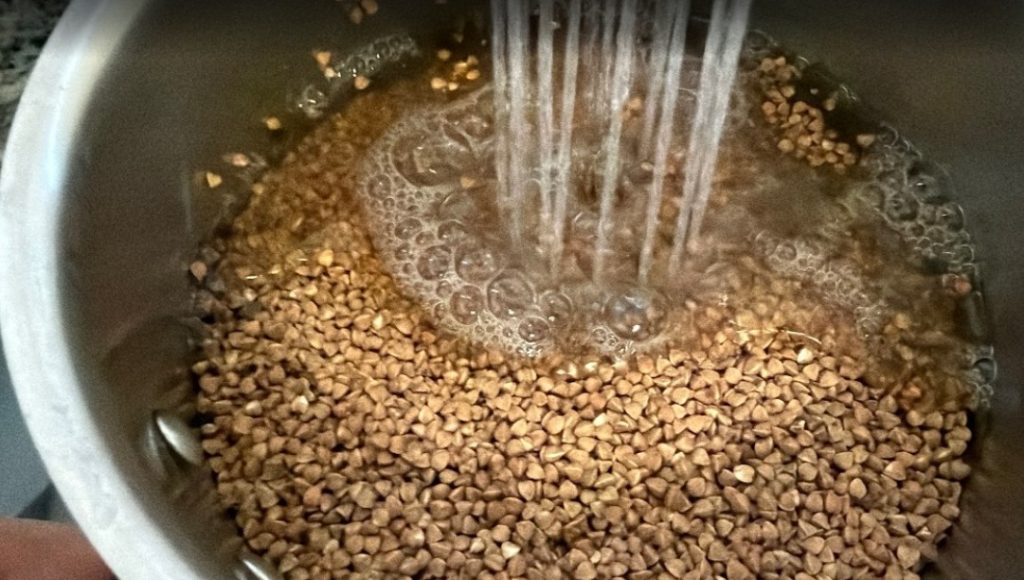
Every time I hear “my buckwheat is clumpy,” I imagine someone carefully opening the pot lid, seeing a solid lump instead of fluffy porridge, and sighing. This feeling is familiar to many — worrying that even with such a simple grain, something might go wrong. And even more common is not understanding why your buckwheat isn’t like your mom’s or grandma’s. In the kitchen, it’s important not just to follow the “instructions” but to understand what and why you are doing. This knowledge gives freedom and confidence, even if things didn’t go as planned before.
Why Rinsing Buckwheat is Necessary
Buckwheat is a product that seems elementary but actually requires attention even before cooking. If you forget about rinsing, you might end up with porridge not only from the grain but also from dust, small debris, and sometimes even random foreign particles. Rinsing is not just “cleanliness for cleanliness’ sake.” Water washes away the dust that settles on the grains during transportation and storage. But that’s not all.
The real magic is that rinsing helps get rid of excess starch. This starch is the reason why buckwheat turns into a sticky mass. If you don’t rinse the grain, the starch remains on the surface, combines with water during cooking — and instead of fluffy grains, you get something like sticky porridge.
Once I was in a hurry, cooked buckwheat without rinsing — and got a result that not even the cat wanted to eat. That was the first time I realized that even the simplest things have their logic, and it’s not just about habit.
How Rinsing Affects Buckwheat Texture
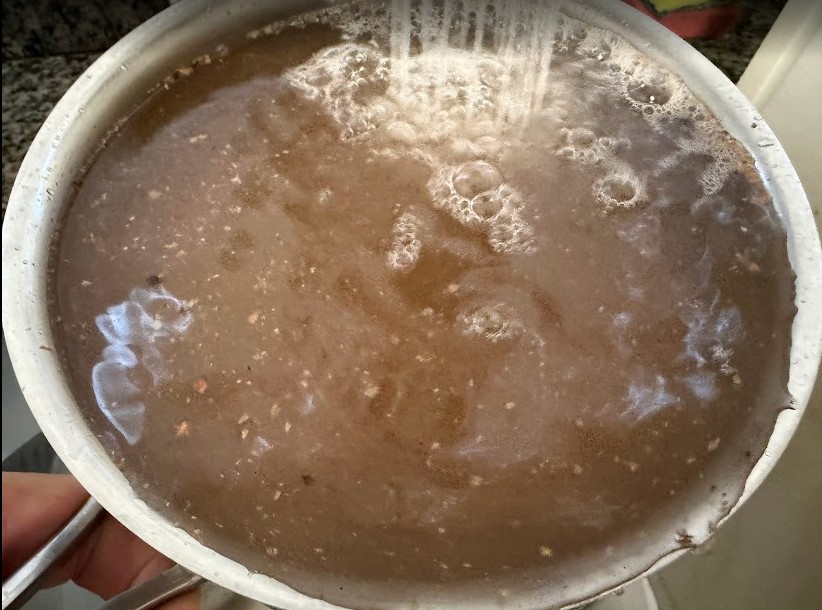
I always remember this scene: you pour buckwheat into a bowl, pour water, and it immediately becomes cloudy. This is not just a visual effect but a real indicator of how much “extra” is on the grain’s surface. Water extracts dust, starch, even small debris that is invisible to the naked eye.
By rinsing buckwheat several times, you remove this excess. The last water should be clear or almost clear — this is your indicator that the grain is ready for cooking. If you leave even a little starch, it will start working like glue: the grains stick together, adhere to the pot walls, and the whole idea of fluffy porridge disappears.
A friend of mine always thought that “sticky” buckwheat was normal. When I showed him the difference after proper rinsing, he just raised his eyebrows in surprise: “I thought it was supposed to be like that!” True fluffy buckwheat consists of separate, slightly springy grains, between which the spoon easily slides. You can feel a light nutty aroma, there’s no wet “dirt” at the bottom, and the taste is cleaner.
Temperature and Duration of Rinsing: What Really Matters
One of the common myths is that buckwheat should be rinsed with boiling or hot water. In fact, cold or slightly warm water works better. Hot water can start “brewing” the grain surface, and starch sticks faster rather than washing off. Therefore, the optimal choice is cool or room temperature water.
As for duration: it’s simple — rinse until the water becomes clear. Usually, this is three to five times. Sometimes more — if the buckwheat is not of the best quality or was stored carelessly. I always focus not on the quantity but on the appearance of the water.
Another small detail that changes everything: always rinse the grain right before cooking, not in advance. If you leave rinsed buckwheat for a few hours, it can swell, partially change its structure, and this will affect the result. Here the principle works: rinse — cook immediately.
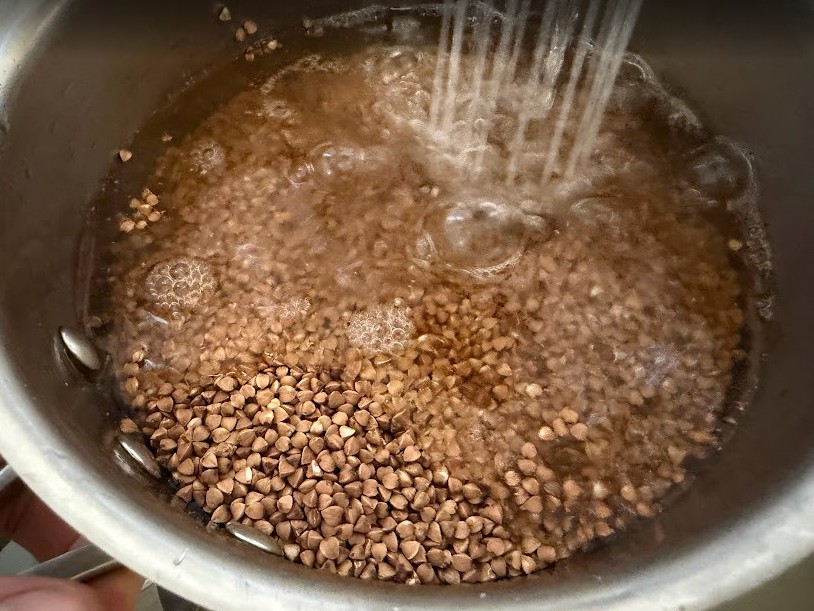
Tip: Don’t try to fill the bowl with water all at once. It’s better to gradually add and drain, gently stirring the buckwheat with your hands or a spoon.
Common Mistakes and How to Avoid Them
It’s at the rinsing stage that many make small but critical mistakes. Here are the most common ones and how to avoid them:
- Rinse once and cook immediately. Starch doesn’t wash off completely in one go. The water after the first rinse is always cloudy — a sign that the grains need more attention.
- Pour boiling water “for disinfection”. Hot water doesn’t sterilize the grain, but it does ruin the structure: grains can crack, and the surface becomes sticky.
- Rub the grain too intensely by hand. Buckwheat isn’t peas; it doesn’t need to be mashed or rubbed. Gentle stirring is enough, otherwise small grains break, and debris only adds to the cloudiness.
- Don’t drain the water enough. If you leave excess water after the last rinse, it will go into the pot with the grain and bring starch again.
- Add salt to the rinsing water. This doesn’t work: salt doesn’t affect the grain’s cleanliness but can make the grain surface more slippery.
I know a woman who always complained that her “buckwheat doesn’t hold its shape.” It turned out she was washing the grain in a sieve under a stream, but so quickly that even the dust didn’t have time to wash off. When she tried gently stirring the buckwheat in a large bowl, the difference was immediately noticeable.
Why Buckwheat Still Clumps Even If You Rinsed It
Sometimes it seems: you did everything right — but the buckwheat is still not fluffy. The reasons may not only be in the rinsing. Here are a few traps that are easy to fall into:
- Too much water during cooking. If you pour buckwheat with a reserve, it will overcook and lose its structure.
- Low-quality grain. Small, heavily crushed buckwheat (so-called “chopped”) will almost always be more sticky.
- Frequent stirring during cooking. This destroys the grains and triggers starch release.
- Overcooking. If you leave buckwheat on the fire longer than necessary, it will turn into porridge with no texture.
I had a period when I experimented with different types of buckwheat. The noticeable difference: large groats are always fluffy after proper rinsing, while small chopped ones almost never are. The choice of grain also matters.
Details in our material on how to properly cook buckwheat groats.
What to Do If Something Goes Wrong
Situations vary. The buckwheat is already cooked, but instead of fluffy — a solid sticky mass. Don’t despair. There are several ways to save the situation or at least do it differently next time:
- Drain the buckwheat on a sieve. If the porridge is too wet, just transfer it to a sieve and let the excess liquid drain. You can even rinse it again, but very quickly (literally a few seconds under cold water), then return the grain to the pan and quickly fry it without oil — this will help dry the grains a bit.
- Add a piece of butter. The butter slightly separates the grains, and the porridge becomes more pleasant in taste and appearance, although it won’t save the structure drastically.
- Plan the next cooking in advance. If it didn’t work out this time, make a note for yourself: next time, pay attention to rinsing and the water-to-grain ratio.
I’ve made mistakes many times, even after many years in the kitchen. The main thing is not to be afraid to experiment and draw conclusions. If something didn’t work out today, it’s not the end of the world.
The Logic of the Process: How Proper Rinsing Looks Step by Step
To make buckwheat fluffy, it’s important not only to rinse it but also to understand why it should work. Here’s how this process looks in practice — not as an “algorithm,” but as a feeling:
- Select the grain. Before rinsing, I always check the buckwheat: sometimes there are black grains or even small stones. It’s better to spend a minute than to search for foreign sounds on your teeth later.
- Use a large bowl. The water should freely wash the grains. A small container complicates movement, and dust remains.
- Pour a little water. Enough to cover the grain and let it “float.” Gently stir with hands or a spoon, don’t press, don’t rub.
- Drain the water. Do it slowly so as not to lose the grains. You can use a sieve, but the main thing is not to rush.
- Repeat the process several times. Each time the water becomes cleaner. I look not at the quantity but at the transparency of the water.
After such rinsing, buckwheat looks different: the grains are clean, slightly moist, but not slippery. In your hands, you feel a slight friction, not sliding. This is the signal — the grain is ready for further actions.
Lifehack: If you don’t have a large bowl, you can use a pot or even a plastic container. The main thing is not to rinse in a small cup.
Visual and Tactile Signs: How to Know When Buckwheat is Rinsed
It’s not always easy to know when to stop. Here’s what I pay attention to:
- The water after rinsing is almost clear, without cloudiness and dirt.
- The grains to the touch are not slippery, not sticky, slightly rough.
- During stirring, the water doesn’t foam, and there’s no thin film on the surface.
- There’s no musty or dusty smell — only a light nutty aroma remains.
Sometimes I even quickly sniff the rinsed buckwheat — if there’s a foreign smell, maybe another rinse is needed. This helps avoid unpleasant surprises after cooking.
Household Lifehacks for Convenience and Speed
- Use a fine-mesh sieve. If you don’t want to lose a single grain, a sieve is your best friend. But it’s better to rinse in a bowl, not under a stream, then drain.
- Always control the amount of water. No need to fill the bowl completely — it’s better to rinse in parts, draining each time.
- Stir with a spoon, not hands. Especially if the grain is small — this reduces the chance of damaging it.
- If the buckwheat is very dirty, do the first rinse with warm water, and the next ones with cold.
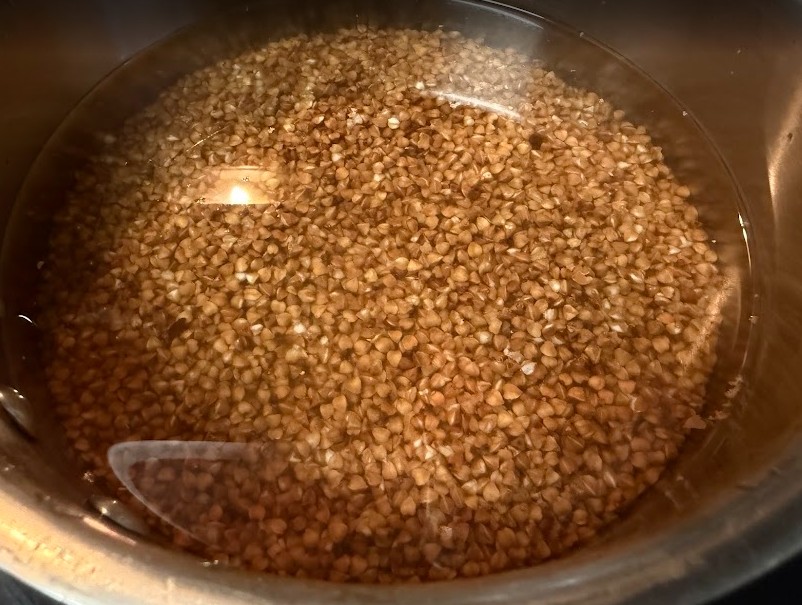
- Don’t leave rinsed buckwheat without water for long. It can dry out and become brittle, affecting the texture after cooking.
I remember a chef friend saying: “Buckwheat is like a person: it will love you if you don’t rush it.” Over the years, I’ve realized it’s true.
How Not to Be Afraid to Experiment and Trust Yourself
The main thing I’ve learned over the years: even if the first experience with rinsing buckwheat isn’t perfect, don’t stop. Every porridge is a little different — and that’s normal. Listen to yourself, observe changes, don’t be afraid to try something new.
My first attempts to make perfect fluffy buckwheat were far from ideal. But when I started paying attention to the process itself, not just the result, I gained a sense of control. Now, even if something goes wrong, I know how to fix it — and that brings peace.
Your kitchen is your laboratory. Rinsing buckwheat is just one of many processes you can understand and feel. Don’t be afraid of mistakes. They are part of learning and the path to confidence.