How to Store Food in Winter to Prevent Spoilage: Rules That Really Work

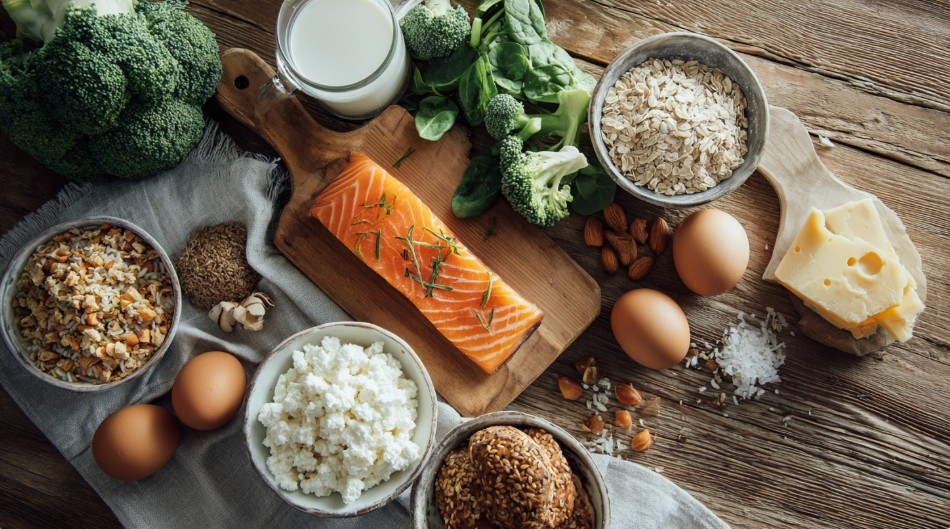
The winter fridge is always a bit special. It’s freezing outside, and at home, it’s the warm heating season, radiators dry the air, and it seems like food should last longer. But the reality is different: in winter, food spoils imperceptibly, quickly, and, I admit, often due to our habits. I’ve seen it more than once—both in my family and with friends who complain: “The chicken spoiled in two days, the cheese got moldy, the vegetables rotted together in bags.” Familiar? No wonder, because in winter we often buy in bulk, pay less attention to each carrot, and at home—it’s either hot, drafty, or wet bags on the windowsills. The problem is simple: how to keep food as fresh as possible, not overpay, and not throw away excess? For me, these questions have long been practice, not theory. And I’ll tell you what really works—not from books, but from real life.
How to Choose Products for Winter Storage
Everything starts not from the fridge, but from the market or store. Even the best cabinet won’t save a soft, slightly frozen, or old steak, a limp cucumber, or bread that’s already “walked” around the warehouse. I’ve felt disappointment more than once when you open a package—and the smell isn’t what you expect. So the first rule: choose only what looks and smells fresh, even if it’s winter.
- Color. Bright, rich, without spots and darkening. For steak—uniform red color, for carrots—orange, not dirty yellow.
- Smell. Light, fresh, without sourness. For fish—marine, not sharp. For meat—almost unnoticeable.
- Texture. Dense, not slippery. If the meat is sticky, the vegetable is soft, the cheese is moist on the sides, it will only get worse.
- Packaging. Whole, without condensation, without torn seams. Vacuum is good, but check the production date. Don’t be swayed by bright film or the promise of “farm”—look at the product, not the label.
- Seasonality. In winter, buy what’s really seasonal: beets, carrots, cabbage, apples. Cucumbers and tomatoes—only if you plan to eat them immediately.
The habit of buying “in reserve” can let you down. There were times I bought two chickens because of a sale, and then had to throw one away. It’s better to buy a little less, but fresher.
Common Mistakes in Winter Storage
It seems like winter is the time when everything should be stored better because it’s cold. But that’s not the case. Here’s where even experienced housewives and hosts often miss:
- Overheating in the kitchen. Radiators dry the air, windowsills are warm, and products “wander” around the house. Meat or cheese left near the radiator spoil faster than in the summer in the fridge.
- Bags without ventilation. Vegetables and fruits in polyethylene without holes—this is almost guaranteed fungus in a couple of days.
- Careless placement in the fridge. Everything is thrown on one shelf: cheese with sausage, fish with apples—smells mix, moisture accumulates, spoilage processes accelerate.
- Belief in the “winter windowsill.” Many think it’s cold on the windowsill, but if the radiators are working, the temperature there can be 25°C+.
- Violation of temperature regime. Frequent opening of the fridge in frost—sharp fluctuations. Products “condense,” and then spoil.
Once I left an open jar of sour cream overnight by the window—in the morning there was a crust on top, and underneath it was already sour. Since then—only the fridge, even if it seems “frosty” on the windowsill.
Where and How to Store Products in Winter: Zone by Zone
I’ll divide everything into several typical zones: fridge, freezer, windowsill, pantry, balcony. Each has its own nuances.
Fridge
The heart of winter storage. If it’s old and doesn’t have precise temperature control—check with a thermometer, especially on the top and bottom shelves. For meat (steak, chicken, minced meat)—ideally 0…+2°C. For vegetables—+3…+6°C. Don’t pack everything tightly: air should circulate.
- Keep meat on the bottom shelf, separately, preferably in a container with a lid.
- Cheese—in parchment or food paper, not polyethylene.
- Vegetables—in the vegetable compartment, but not in polyethylene bags without holes.
Never put hot items in the fridge—otherwise, condensation will raise humidity, and products will spoil faster.
Freezer
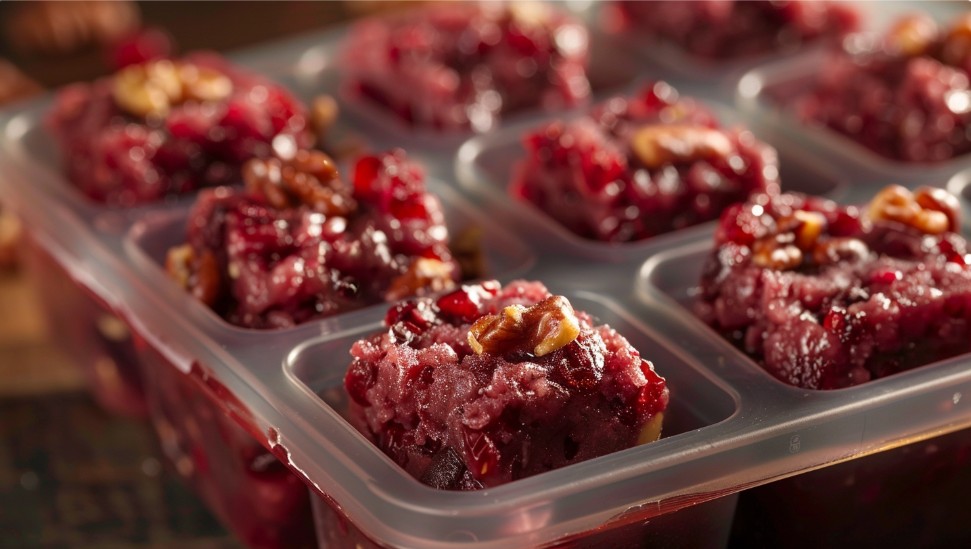
In winter, we often freeze in reserve: meat, fish, greens. Freeze in small portions in airtight bags. Don’t forget to label the date! In winter, it’s easy to forget about “old stocks”—and then you find a steak that’s already lost its color and smell. If the meat has turned gray or yellow, it’s better not to risk it.
Windowsill, Balcony, Pantry
These places are suitable only for vegetables and fruits that aren’t afraid of slight cold: beets, potatoes, carrots, apples. But there’s a nuance: the temperature shouldn’t drop below +2°C and rise above +8°C. If the balcony is open, products can freeze, becoming watery and quickly rotting. I stored apples in a cardboard box, covered with paper—they lasted for months, but only with stable temperature.
I’ve often seen people leave bread on the balcony—and it “absorbs” moisture and molds. Better in paper, and not in the coldest spot.
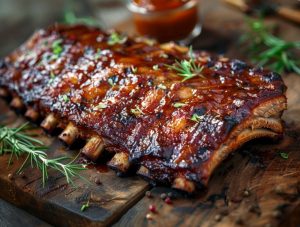
Storing Meat and Steak: Winter Tips
Meat—especially steaks—can behave treacherously in winter. It seems like the cold extends the shelf life, but even a slight temperature fluctuation spoils the structure and taste. What I always do:
- Buy meat only where I know the date of butchering. Better a bit more expensive, but fresh.
- Place the steak in a container lined with a paper towel, and change it every 1-2 days—excess moisture leads to stickiness.
- Don’t store raw meat with ready-to-eat products.
- Don’t defrost meat at room temperature: only in the fridge, otherwise, there’s a risk of “souring” the whole piece.
If you see the steak has become dull, with a sour smell—don’t risk it, even if it’s a pity to throw away.
There was a case: the steak lay on the balcony for two days, then I cooked it—and the meat became rubbery, the moisture was gone, the smell changed. Winter isn’t a fridge, and that should be remembered.
How to Store Vegetables and Fruits in Winter
Vegetables and fruits in winter are a separate story. They fear both cold and dry air inside the apartment. Here are some working principles that give me results:
- Don’t wash vegetables before storage. Moisture on the skin is a quick path to rot. Better to wipe off dirt with a dry cloth.
- Potatoes, beets, carrots—in boxes with air access, in the dark.
- Apples—lay in one layer, interleave with paper, don’t keep with potatoes (they emit gases, and apples age faster).
- Onions and garlic—in nets or braided braids, hung in a dry place.
- Cucumbers, tomatoes—only in the fridge and no more than 2-3 days.
Ripe bananas or kiwis don’t withstand heat—better to buy less, but more often.
A friend kept carrots in a large bag without holes—after a week, half were rotten. If it’s a bag, then with holes or none at all.
Cheese, Milk, Eggs: How to Avoid Spoilage
Cheese is very sensitive to humidity. In polyethylene, it quickly “sweats” and molds, especially if the fridge is packed. I use parchment, and on top—a container with a lid. Soft cheeses (feta, mozzarella) always in their own liquid, just don’t pour into tap water—a sour smell will appear.
Milk—buy in small portions, even if it seems “it won’t sour in winter.” If an open package stands for more than a day—smell and look at the color. Yellowness is a sign of the beginning of spoilage.
Eggs—don’t wash until use, so they last longer. In the fridge, better to keep in a box, not in the door—it’s often warmer there due to constant opening.
Once bought a large piece of cheese, and after a week had to cut off half. Parchment and container really save—cheese breathes but doesn’t dry out.
Bread, Pastries, Grains: How to Retain Taste and Freshness
Bread in an apartment with radiators is always a challenge. In polyethylene—it molds, in the open—it stales. This approach helps me: I store bread in a linen or paper bag, and if I see I can’t eat it in time—I cut a part and put it in the freezer. Thawed bread is better toasted—both taste and texture return.
Grains and flour in winter can also “start”—from moisture or temperature fluctuations. Store in a tightly closed jar, in a dark dry place. There was a funny case: forgot a bag of buckwheat on the windowsill—and there, from the dampness, it “steamed” and already smells musty. Don’t repeat my mistakes—a glass jar and lid can save more than one pack.
Marketing Traps and Price: When It’s Worth Paying More
In winter, I often catch myself thinking that manufacturers convince: “Buy more expensive—and it will be fresher.” But price doesn’t always = quality. There are a few cases when it’s worth paying more:
- Farm meat or steak. Here the price is justified if you know the seller or see the production date.
- Dairy products without preservatives. They don’t last for months, but the taste and texture are completely different.
- Apples or pears from trusted farms. Longer shelf life, fewer “surprises” inside.
Don’t overpay for packaging. Often a bright package is just marketing. Better to buy from a grandma at the market than in a supermarket with a beautiful “eco” sticker.
My advice: if the product is expensive, but already smells “off”—don’t take it. Quality is felt immediately, and that’s more important than price.
Practical Life Hacks for Winter Storage
- Paper towel in the container. For cheese, meat, greens—absorbs excess moisture. Change every two days.
- Containers with holes. Vegetables breathe, no condensation forms.
- Periodic revision. Every 3-4 days, review all stocks. Immediately separate what’s starting to spoil.
- Labels with dates. Mark everything you put in the freezer or far shelf of the fridge.
- Don’t mix raw and ready-to-eat products. Separate shelf—separate container.
- Don’t buy too much in reserve. Better to shop more often than to throw away spoiled food.
And also: if something raises doubts—better not to risk it. In winter, it’s sometimes hard to smell because the air is dry, so check everything not only by appearance but also by touch.
What Happens to Products When Cooking After Winter Storage
And one more thing that’s often forgotten: even if the product hasn’t spoiled, it may have lost its taste or texture. A steak that lay in the wrong conditions becomes “rubbery,” vegetables—watery, cheese—crumbly. Meat with freezing doesn’t hold juice well, and potatoes that have frozen become sweeter and fall apart when boiled. I always rely on feelings: if an apple has become soft, better to bake it than eat it raw. If a steak has lost color and smell—don’t put it on the pan, because nothing good will come out.
Once made soup from carrots that froze on the balcony—the taste was strange, the texture “soapy.” Since then, I keep vegetables only in the pantry or fridge.
The main thing: store products so that they remain not only safe but also tasty. Otherwise—even the best recipe won’t save.
There are no perfect conditions—there’s common sense, a little attention, and a desire not to throw money away. Winter products are always a compromise between convenience, taste, and time. A simple rule helps me: don’t be lazy to inspect your stocks and don’t buy more than you’ll actually eat. How about you? What are your favorite ways to store products in winter? Share your experience—it’s interesting to see whose “life hack” works best.