Italian Cuisine Made Simple: Key Principles That Make It Legendary

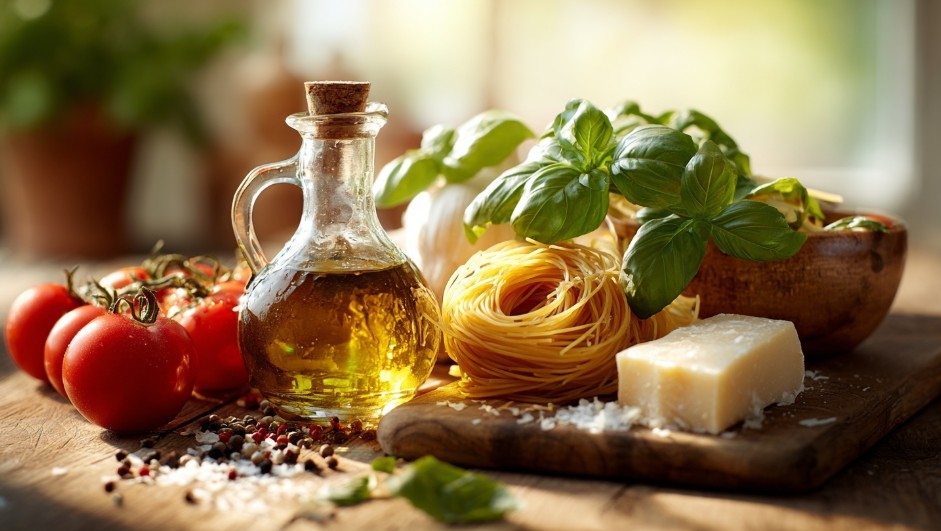
Do you know that feeling when you walk into a small Italian restaurant, and everything around smells of fresh basil, crispy pizza crust, and tomato sauce that’s been simmering for hours? I think that this atmosphere is the true magic of Italian cuisine. It’s not just about food, but about mood, warmth, and simplicity that turns every meal into a celebration. I’ve often found that even the simplest pasta with olive oil and garlic becomes something special when cooked with the right mindset and basic knowledge.
But here’s what always surprises me: many of us want to try Italian cuisine at home but get lost in the multitude of recipes, ingredients, and ‘secrets.’ In reality, Italian cuisine is not as complicated as it seems. The problem often lies in searching for ‘magical’ recipes or trying to replicate everything to the smallest detail, forgetting the basic principles. Because of this, many feel disappointed and give up before they even start.
I want to dispel these myths and show that Italian cuisine is primarily about simplicity, quality, and love for the product. Let’s talk about the key principles that make it legendary, understand the basic rules, typical mistakes, and give specific life hacks that will help you cook Italian with soul and without unnecessary hassle. I’m sure after this, you will not only love Italian cuisine but also want to cook it every time you open the fridge.
What Makes Italian Cuisine Special: An Overview
Italian cuisine is not just a collection of dishes with pasta, pizza, and risotto. It’s a whole culture formed on the basis of traditions, climate, history, and, of course, people who know how to appreciate simple yet quality products. It’s important to understand that for Italians, food is not just a way to satisfy hunger. It’s an opportunity to gather together, share joy, and pass on family traditions.
One reason why Italian cuisine has become so popular is its versatility. It adapts to regional characteristics and seasonality while maintaining common traits that are easily recognizable. These traits are the key to understanding Italian cuisine.
Three Main Pillars of Italian Cuisine
The first is the use of fresh and quality ingredients. In Italy, it’s not customary to hide the taste behind complex sauces or spices. Here, the preference is for each component to be as fresh and natural as possible.
The second is simple cooking techniques. In most cases, dishes are prepared quickly and with a minimal number of ingredients. For example, the classic ‘aglio e olio’ — pasta with garlic and olive oil — perfectly illustrates this principle.
And the third is attention to textures and flavor balance. Italians carefully select combinations to ensure contrast in the dish: crispy pizza crust against soft filling, sweetness of tomatoes against the spiciness of pepper, the tenderness of mozzarella against the aroma of basil.
These three pillars are like a compass that helps not to get lost in the variety of recipes and variations of Italian cuisine. If you stick to them, you can easily recreate the spirit of Italy in your own kitchen.
Basic Principles of Italian Cuisine: The Foundation
To cook Italian dishes, you don’t need to know dozens of recipes by heart. The main thing is to understand the basic rules by which this cuisine operates. They will help you perfectly combine flavors, even if you’re making pasta or sauce for the first time.
The first principle is quality ingredients. Italians often say ‘a first-class product doesn’t need many spices.’ This means you should buy fresh vegetables, good olive oil, quality cheese, and meat. I’ve often seen even the simplest dish become a masterpiece when using, for example, real buffalo mozzarella or first-pressed olive oil.
The second is cooking technique. It’s important to know how to handle ingredients so they reveal their flavor. For example, pasta is cooked to al dente — slightly firm inside, so it doesn’t turn into mush. Cooking time often depends on the type of pasta, so it’s worth paying attention to the packaging and tasting during cooking.
The third is flavor balance. Italian dishes are not just sweet or salty; they are a harmony of acidity, saltiness, bitterness, and aroma. A classic example is marinara sauce, where the acidity of tomatoes is balanced by the sweetness of onions and the spiciness of garlic.
How I See These Principles in My Own Kitchen
I once made pasta with old tomatoes that lacked distinct flavor. The result was flat, even with all the spices. I realized: without quality products, there is no true Italian atmosphere. On the other hand, when I first tried cooking pasta al dente, I understood that it affects the texture of the entire dish — and it’s not difficult at all if you know how and when to taste.
How to Cook Italian Dishes Correctly: Step-by-Step Tips
Let’s move on to practice — what to do to make Italian cuisine shine in your kitchen? Here are my five main tips to help avoid disappointment and achieve the true taste of Italy.
- Choose quality ingredients. Don’t skimp on first-pressed olive oil, fresh tomatoes, and fresh herbs. If possible, buy local products or trusted imports.
- Cook pasta al dente. The cooking time on the package is a guideline, but always taste the pasta 1-2 minutes before the end. It should be slightly firm inside, never overcooked.
- Don’t overcook vegetables. For example, onions and garlic in olive oil should only be lightly sautéed, not burned or browned — this gives aroma, not bitterness.
- Cook sauces on low heat. Tomatoes, sauces, and ragus become tastier if given time to develop flavor. But don’t over-dry them to maintain freshness.
- Add salt gradually and to taste. Italians often salt pasta water but don’t add much salt to the sauce right away. It’s better to bring it to balance at the end of cooking.
- Don’t forget fresh herbs. Basil, oregano, parsley — add them at the end to preserve aroma and freshness.
- Serve dishes warm and with fresh cheese. Parmesan or pecorino is not just a garnish but an important flavor accent.
These tips will not only help avoid common mistakes but also make your Italian dinner a true taste celebration. I’ve often seen even beginners start to understand Italian cuisine with these simple rules.
Common Mistakes That Ruin Italian Dishes (and How to Avoid Them)
There are a few things I’ve seen more than once, and they seriously spoil the result. Let me tell you what happens most often and how to deal with it.
- Overcooked pasta. Pasta that is overcooked loses its texture and becomes mushy. To avoid this, taste it 2-3 minutes before the recommended time and remove from heat when it’s al dente.
- Overheating olive oil and garlic. If garlic is too burnt, it gives bitterness that overpowers all other flavors. Keep the heat moderate and control the process.
- Too many ingredients. Italian cuisine is about balance, not ‘the more, the better.’ Don’t throw everything into the sauce; it’s better to choose 3-4 quality components.
- Lack of salt in pasta water. If you don’t salt the water, the pasta will be bland and boring. Salt should be added to the water when it boils, about 10 grams per liter.
- Not enough time for the sauce. Tomatoes and sauces become tastier when cooked slowly. Those in a hurry know that a quick sauce often has a flat taste.
If you’ve encountered these problems, I advise not to despair. Every mistake is an experience, and experience is the best teacher in the kitchen.
Life Hacks to Simplify Kitchen Life and Make Italian Dishes Even Tastier
Here are a few secrets I’ve accumulated over years of working in an Italian-style kitchen. They will help you get the most flavor without extra effort.
- Salt pasta water like the ocean. This is no joke — salty water makes pasta tastier from the inside. Don’t be afraid; it’s the basis of flavor.
- Save some pasta cooking water. It contains starch and will help bind the sauce, making it creamier and thicker.
- Use fresh basil, but add it at the end. If you throw it in earlier, it will lose its aroma and may darken.
- Use quality Parmesan or Pecorino for adding at the end. Grated cheese not only adds flavor but also creates texture.
- Cook sauces on moderate heat. I remember once rushing and turning on the maximum heat — the sauce burned, and the smell didn’t dissipate immediately. Don’t repeat my mistakes.
- Cook pasta without a lid. This helps control the process and not overcook it.
- Don’t forget olive oil after cooking. Add a little oil to the dish before serving — it adds shine and aroma.
In-Depth Nuances of Italian Cuisine: More Than Just Recipes
If you’ve mastered the basics and want to delve deeper, there are a few things that will make your culinary journey even more interesting. Italian cuisine is rich in regional differences, seasonality, and even rituals that affect cooking.
For example, in northern Italy, butter and rice (risotto) are often used, while in the south, olive oil and wheat (pasta, pizza) are preferred. These differences are formed due to the climate and historical development of the regions. Considering this, it’s worth giving preference to regional ingredients and techniques when you want to cook something authentic.
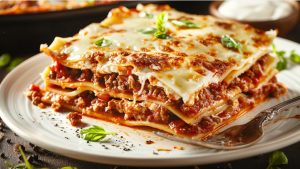
Check out the recipe here, How to Make Lasagna
Another key point is seasonality. In Italy, there’s no point in making tomato sauce from winter green tomatoes. Each season dictates its own set of products, and this helps maintain balance and freshness in dishes.
For those who want to go beyond the classics, I recommend paying attention to traditional methods: long simmering, using natural ferments (for example, for pesto sauce), proper storage of cheeses and bread. It’s not just a technique but a part of the culture worth experiencing.
Frequently Asked Questions About Italian Cuisine
Can Fresh Ingredients Be Replaced with Frozen or Canned?
Of course, sometimes it’s a necessity. But it’s worth remembering that the quality of flavor will depend on how fresh the ingredients were before freezing. Canned tomatoes, for example, can be a good substitute if they are of high quality, but fresh vegetables are always the priority. For basil and greens, it’s better to choose fresh ones, as frozen ones lose aroma.
How Much Time Is Needed to Cook Authentic Italian Pasta?
The actual pasta cooking process takes 8-12 minutes depending on the type. Preparing the sauce takes 15 to 40 minutes depending on the recipe. It’s important not to rush, especially with the sauce, so it has time to develop flavor. Overall, the whole dish is prepared quickly, but quality is a matter of attention, not speed.
Should Many Spices Be Used in Italian Dishes?
No, Italian cuisine is known for its simplicity and careful use of spices. Here, the natural taste of the products is valued, so spices are used sparingly. Most often, it’s black pepper, oregano, basil, and garlic. Excessive spices can spoil the balance and make the dish ‘heavy.’