Why Mediterranean Home Cooking Works So Well for Everyday Life

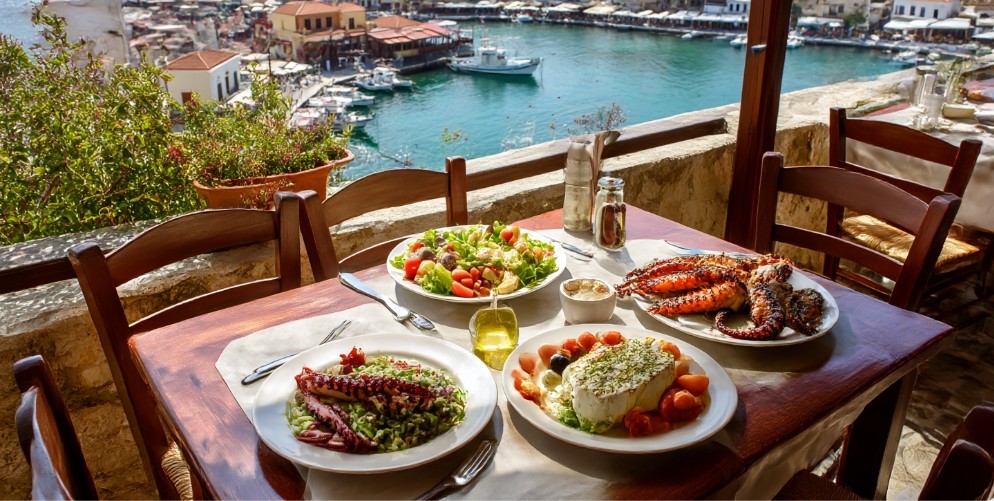
Some evenings you walk into the kitchen and you can feel the day sitting on your shoulders. Your brain is still running through a to-do list, but you still want a proper meal. Not a random snack, not “whatever’s in the fridge,” but something warm and satisfying—without feeling like you’ve just worked a second shift at the stove.
And it’s exactly on nights like that when I think about how people around the Mediterranean treat home cooking. Not as a weekend project. Not as a competition for “who can make it more complicated.” More like an everyday anchor. A lot of those dishes weren’t born out of a desire to impress—they came from necessity: feed the family, use what’s on hand, and make sure there’s something to eat tomorrow, too.
Mediterranean home cooking works for everyday life not because it’s “perfect,” but because it’s honest. It’s about simple ingredients, repeatable moves, respect for what’s in season, and small rituals that keep the day from falling apart. And the best part: it adapts easily to modern life, even if you live nowhere near the sea and don’t have time for long lunches.
Below are the habits and ways of thinking that make this style of cooking so practical—how they plan, how they mix and match, how they save time without flattening the flavor. No recipes, just the stuff that genuinely helps in a normal kitchen.
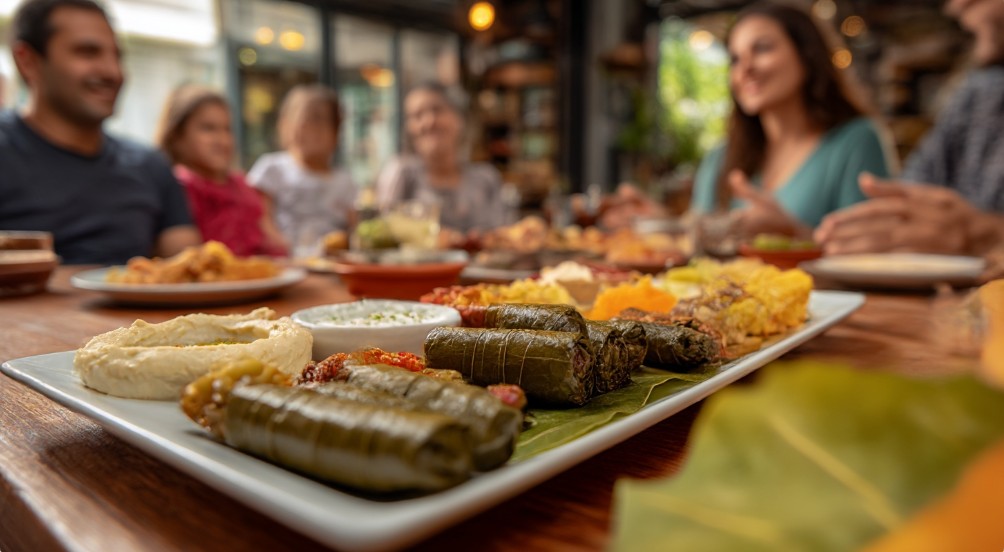
Why this cuisine became everyday food in the first place: climate, markets, and practical common sense
The Mediterranean isn’t one country and it’s definitely not one table. Spain, southern France, Italy, Greece, Turkey, the North African coast—different languages, different spices, different rules. But there’s a shared logic shaped by real life: warmth, a long vegetable season, the sea nearby, olives, grapes, herbs, legumes, grains.
When ingredients are accessible and familiar, home cooking stops being an “event.” It becomes the background of life. I still remember a moment at a small market: the vendor wasn’t trying to upsell me—he just asked what I was cooking that day and then pointed me to the tomatoes that weren’t the prettiest, but smelled the best. People often choose ingredients not for being “universal,” but for the specific job at hand. That alone makes everyday cooking feel lighter.
Another piece of the puzzle: historically, this region is all about trade and exchange. Spices, grains, oil, wine, dried fish, pickles—these are ways to preserve food and move it around. That’s where the love for simple techniques comes from: soak, salt, dry, cook ahead. Not because it’s “the right way,” but because it’s practical.
There’s also a very pragmatic relationship with time. In many families, they don’t cook “one dish for dinner.” They cook a base: something braised, something boiled, something fresh. Then those pieces turn into different plates over the next two or three days. It’s not magic—it’s a habit.
A tiny story: the first time I realized “simple” can feel luxurious
Once I was served the simplest lunch: bread, olive oil, tomatoes, a bit of cheese, some herbs. Nothing “special.” But the tomato smelled so intensely—sweet and warm, like it had stored up sunshine—that I literally stopped mid-conversation. That’s when it clicked: everyday food there isn’t built on complexity. It’s built on good basics and the skill of not getting in the ingredient’s way.
A pantry that actually helps: oil, legumes, grains, tins—and you’re not starting from scratch
When people say, “I don’t have time to cook,” the issue often isn’t their hands or their recipes. It’s the fact they’re starting from zero. The Mediterranean approach really loves having quiet support at home: ingredients that let you pull together a meal without running to the shop.
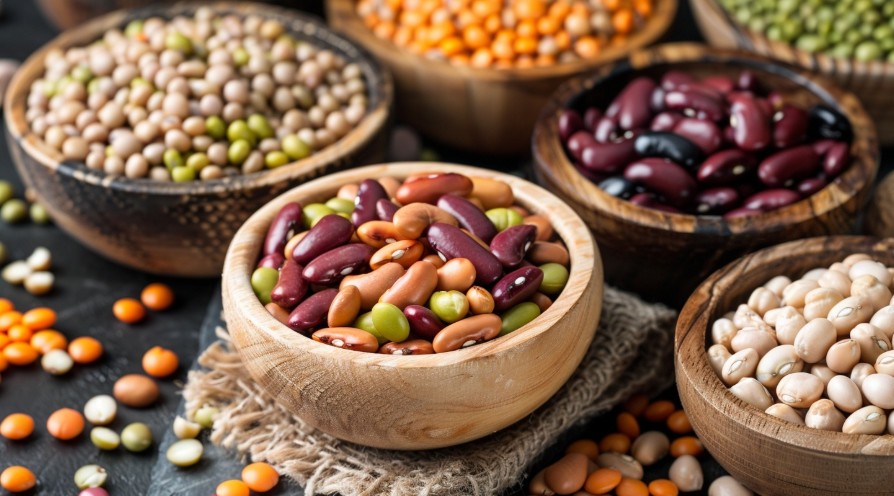
I’m not talking about stocking up for six months. I mean a short list of weeknight savers: olive oil as your main cooking fat (or another one you like), a tin of chickpeas or beans, pasta or a grain, canned tomatoes or passata, tuna/sardines, olives, capers, lemon, garlic, onion, dried herbs. Add one seasonal vegetable and you’ve already got a direction.
There’s a real psychological comfort in this. You’re not thinking, “What on earth do I cook?” You’re thinking, “What do I want to highlight today?” Totally different feeling. The first one drains you; the second one gives you room to breathe.
Quick tip: keep three “lifesavers” at home: 1) legumes (dried or canned), 2) tomatoes (canned/passata), 3) something salty and punchy (olives, anchovies, capers). With that combo, almost any vegetable turns into dinner—no panic required.
Salt, acid, bitterness: small levers that change everything
Mediterranean home cooking often leans on three “buttons” you can press right at the end: salt (including saltiness from olives/cheese), acid (lemon, vinegar, tomato), and a touch of bitterness (arugula, olive oil, citrus zest, sometimes certain herbs). When those levers are within reach, even simple ingredients taste deeper.
And yes, it saves time. Instead of trying to “cook flavor into” something for ages, you finish it with one precise move: a squeeze of lemon, a pinch of salt, a spoonful of oil—and the dish suddenly feels pulled together.
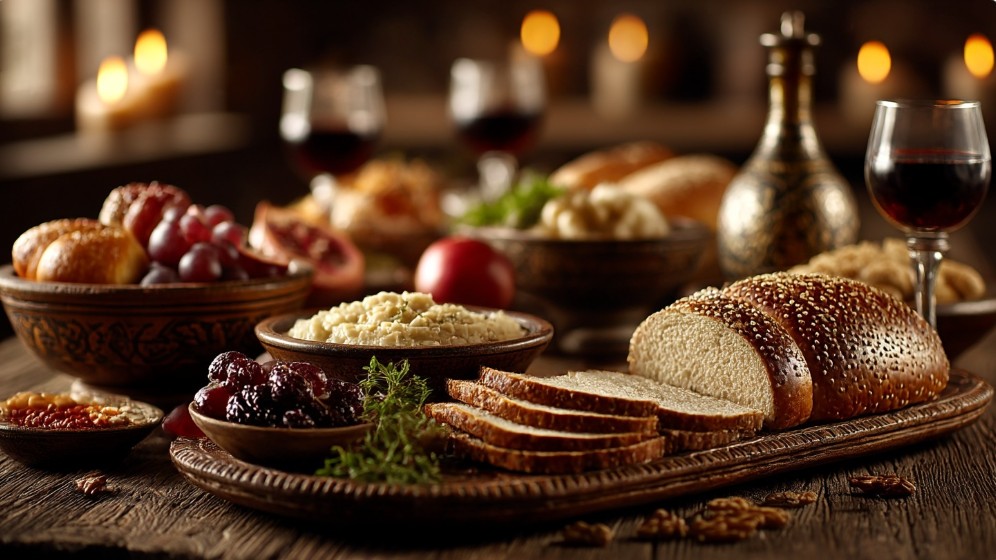
Cook once, eat a few times: the logic of building blocks and “second lives”
One of the most useful habits I’ve picked up from different Mediterranean families is this: don’t get too attached to “a finished dish.” They often cook a component that can show up in different ways. Today it’s a side, tomorrow it’s a filling, the day after it’s folded into a salad.
Take cooked legumes, for example. They can be a warm bowl with oil and herbs, a salad-style plate, or a thicker base (mash with a fork, add acid and spices). Or roasted vegetables: hot today, cold tomorrow with cheese, and the next day tucked into a sandwich.
What I love is that it doesn’t feel like a “meal plan.” It’s just life: make a little extra, and tomorrow gets easier.
A tiny story: how an “extra pot” saves your week
I once worked in a kitchen where we cooked a big batch of legumes “for later.” At first it felt like unnecessary effort. Then I watched the chef calmly put together lunch in 7 minutes: a scoop of legumes, herbs, oil, lemon, something salty—and done. And I caught myself thinking: that’s the real luxury. Not knife skills. No chaos.
Quick tip: if you’re cooking grains or legumes, make enough for 2 days. Not a massive tub—just a little more than you need today, so tomorrow feels like a gift, not a punishment of leftovers.
Vegetables as the center of the plate: not a side dish, real food
When people hear “Mediterranean food,” they often picture fish, pasta, pizza, seafood. But at home, the center of the table is very often vegetables. Not as a compromise, but as the main event: braised, roasted, grilled, raw, marinated.
It’s convenient because vegetables respond quickly to basic techniques. They’re easy to combine, easy to “tune” with oil, salt, and acid. They also take well to being reused. Roasted peppers are often even better the next day—soft, sweet, a little smoky if they hit the grill. Braised eggplant tends to get thicker and more fragrant overnight.
There’s a cultural reason, too: in many areas, meat historically wasn’t an everyday thing—it was more of a Sunday treat or a holiday luxury. So people learned how to make a meal feel hearty using what grew nearby. Legumes, vegetables, bread, a bit of cheese or fish—and you’re fed.
A comparison (no judgment): different ways to build a plate
A lot of us grew up with the idea that the “main” thing is meat/fish, and everything else is just supporting cast. In many Mediterranean homes, the logic is different: the “main” thing is whatever is in season and tastes best right now. Today it’s tomatoes and cucumbers, tomorrow it’s greens and legumes, the day after it’s fish. Not because it’s “healthier,” but because it matches their natural rhythm.
This is an easy mindset to borrow. It takes pressure off: you don’t have to invent a “main protein” every day. You look at which vegetables actually have flavor right now, and build the rest around them.
Quick tip: to make vegetables feel like the “center,” add one thing for staying power (bread/grains/legumes) and one thing for character (something salty: cheese, olives, fish, capers). That simple rule builds a plate in minutes.
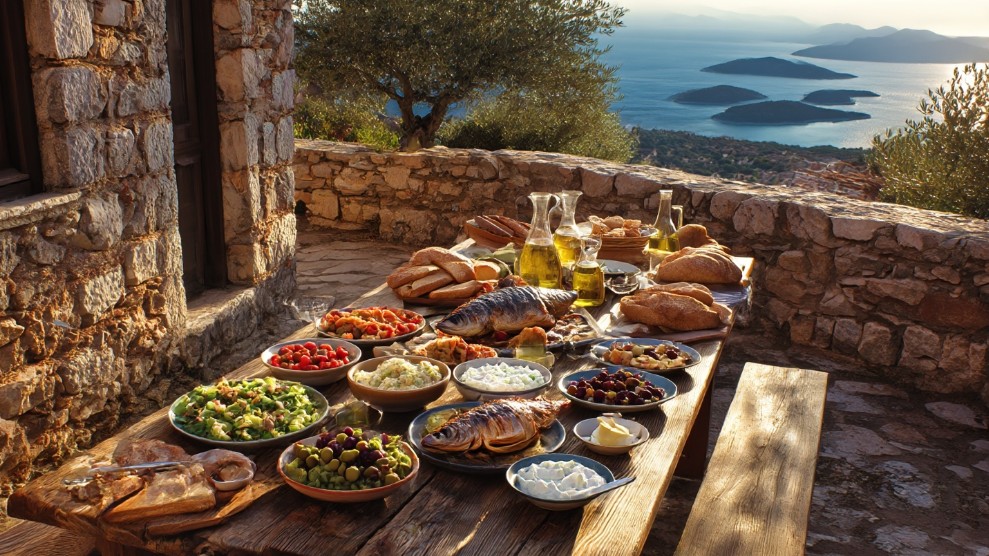
Daily rhythm and small rituals: how food fits into life (not the other way around)
One thing I genuinely love about the Mediterranean is that food isn’t just calories. It’s a pause—even if it’s a short one. Even if it’s just bread with tomato and olive oil at the kitchen table. There’s a feeling of: “Now we’re eating.” Not alongside a laptop, not standing over the sink (though that happens too), but at least for a few minutes, it’s in focus.
This isn’t romanticizing. It’s practical. When you give yourself a small ritual, you’re less likely to mindlessly overeat, less likely to crash into sweets “because I’m stressed,” and you actually taste your food. And simple meals stop feeling sad. They start feeling normal.
In family life, it’s also a language of care. You don’t have to cook anything complicated. Often it’s enough to slice some vegetables, put olive oil, salt, lemon, and bread on the table—and everyone builds their own plate. That’s a very Mediterranean kind of togetherness: shared food without micromanaging.
A tiny story: “put it on the table and let it be”
I stayed with a family once where dinner had no “plating.” They just set a few bowls on the table: salad, something braised, bread, cheese, olives. The kids took what they wanted, the adults did the same. Nobody ran around with plates, nobody begged anyone to “finish it.” And I suddenly felt the tension around food disappear. It’s a very modern idea, even though it’s as old as time.
Big flavor without the fuss: techniques that work on weeknights
Mediterranean home cooking doesn’t demand constant “chef-level technique,” but it does rely on a few simple moves. I love them because they’re sensory: garlic blooming in oil, the sizzle in the pan, warm herbs, that final hit of lemon. Those little things make food feel alive.
Oil as a carrier of aroma
When you warm oil and add garlic or herbs for just a few seconds, the kitchen immediately smells like “someone cooked.” That matters—smell is half of feeling satisfied. The only catch is you have to be gentle: garlic burns fast, and then you’re stuck with bitterness.
Quick tip: if you’re worried about burning garlic, add it to cold oil and warm them together over low heat. As soon as the aroma gets strong, remove the garlic—or add the rest of your ingredients right away.
Acid at the end is like turning on the lights
Lemon juice, a splash of vinegar, tomato—used well, it doesn’t make food “sour.” It’s more like sharpening a photo: everything comes into focus. It’s especially good with legumes, greens, fish, and roasted vegetables.
Texture: crunchy + soft
Home cooking often lacks contrast, and then everything tastes a bit “same-y.” A Mediterranean table usually has something crunchy nearby: toasted bread, fresh cucumber, salad leaves, nuts. And something soft: braised vegetables, legumes, cheese. It’s not decoration—it’s pleasure.
Quick tip: if dinner feels flat, add crunch. Toast a slice of bread in a dry pan, or toss a handful of seeds/nuts into a salad. One minute of effort, and it tastes like you really tried.
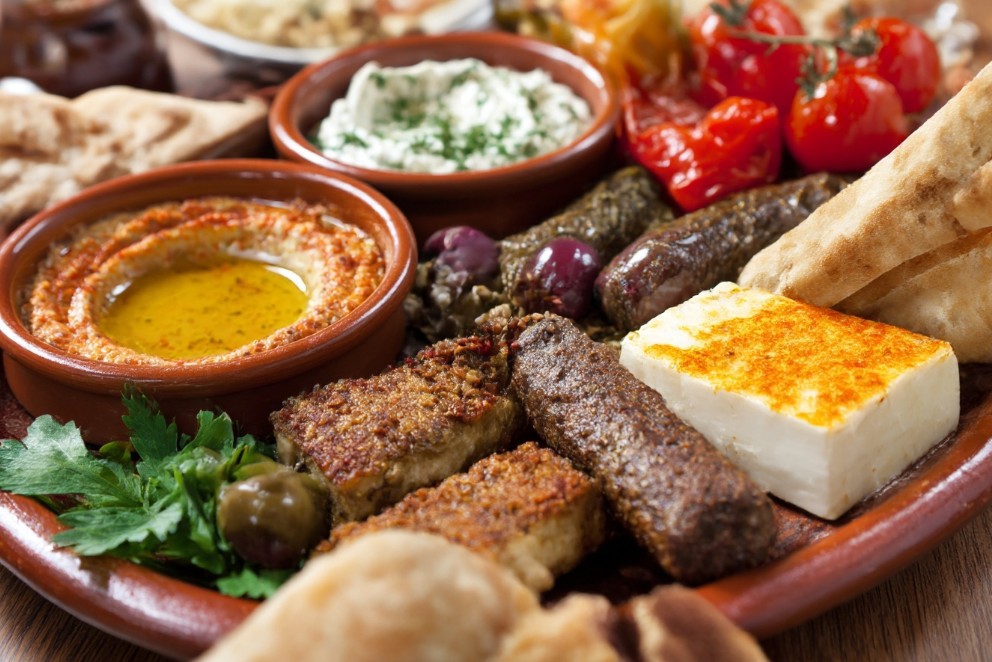
Common mistakes people make when trying to “eat Mediterranean” at home
I’ve seen people genuinely want to adopt this style, but trip over the same few things. Not because they “can’t cook,” but because a couple of myths get stuck in the head.
Mistake 1: chasing exotic ingredients instead of building a base
Buying rare olives and an expensive vinegar is easy. Keeping decent tomatoes at home (or good canned ones), plus lemon, garlic, onion, herbs—that’s the base that actually works. Mediterranean cooking isn’t built on “secret ingredients.” It’s built on consistency and simplicity.
Mistake 2: being afraid of fat—or pouring oil with no restraint
Olive oil matters, but it shouldn’t replace flavor. At home I stick to this principle: a little less, but added at the end, so the aroma stays fresh. If you start with too much, the dish can feel heavy.
Mistake 3: translating “healthy” into bland
Sometimes people remove salt, acid, cheese, bread—and end up with a plate that brings zero joy. Then they rebound into something random later. The Mediterranean approach is about balance: a little salty, a little acidic, a little fatty—then vegetables and legumes become something you want, not something you force yourself to eat.
Mistake 4: trying to cook “like a restaurant” every day
Restaurant Mediterranean food is often celebratory: more seafood, more plating, more “wow.” Home cooking is different. It allows repetition. It’s not embarrassed by simple combinations. If you try to do “restaurant” every night, you’ll quickly start hating both cooking and olive oil.
Quick tip: when you want a Mediterranean mood, don’t complicate it. Do one thing really well: a good salad with the right salt and acid, or warm vegetables with fragrant oil, or a bowl of legumes with herbs. One spot-on plate beats five mediocre ones.
How it translates to real life: work, kids, the supermarket, and a small kitchen
The most common question I hear is: “Okay, but how do I do this if I don’t have a market downstairs and I don’t have two hours for lunch?” Fair. We live differently. But here’s the good news: the Mediterranean approach doesn’t require perfect conditions. It’s built on adapting.
If you shop at a supermarket, don’t try to buy “everything.” Pick a few weekly anchors: herbs, lemons, seasonal vegetables, yogurt/cheese, bread, eggs, canned legumes, canned tomatoes. Not romantic—just practical. That set turns into dozens of simple combinations.
If you have kids, a Mediterranean-style table is handy because it’s modular. You don’t need separate meals. Put a few components on the table and let people choose: one kid eats more bread, another goes for vegetables, someone wants extra cheese. It takes the edge off the “eat this” battles.
If time is tight, the “one warm base + one fresh thing” approach works beautifully. The warm base can be anything: braised, roasted, boiled. The fresh thing can be a salad, sliced vegetables, herbs with lemon. Together it feels like a full dinner, not a snack.
A tiny story: 12 minutes—and your head goes quiet
I had a stretch where I came home late and angry at the whole world. I noticed something: if I tried to “invent a dish,” I got even more irritated. But if I followed a simple pattern—reheat something already cooked (vegetables/grains), quickly chop a salad, add oil and lemon—then in 12 minutes my head got quieter. Food stopped being a problem and became support. Very Mediterranean, even if it’s March outside and snowing.
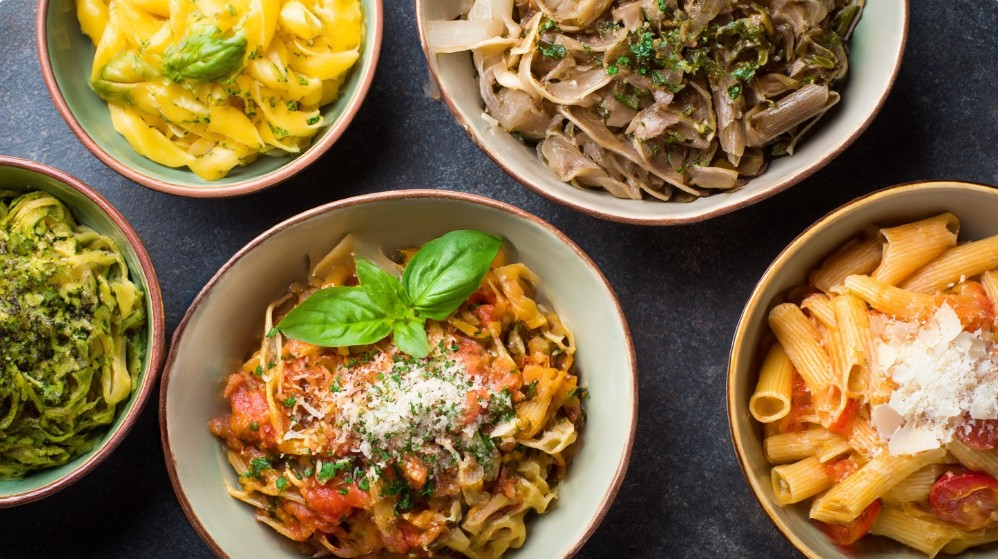
Different vibes across the region: Italy, Greece, Spain—and what’s actually useful for us
I like thinking about the Mediterranean not as “one style,” but as a family of similar habits. Each place has its own emphasis—and each one offers something you can steal for everyday cooking.
The Italian approach: fewer ingredients, more clarity
In a lot of Italian homes, there’s a respect for simple combinations. Not ten spices—two or three, but used with purpose. Not a complicated sauce—an obvious base. It’s convenient because it reduces decision fatigue in the kitchen. You’re not “engineering” dinner; you’re assembling it.
The Greek approach: cheese, herbs, lemon, and a shared table
Greek home cooking often feels generous: lots of plates on the table, simple but bold. There’s a strong love for salty + acidic flavors, herbal aromas, and the mix of fresh and roasted. For weeknights, that means you don’t need one “main masterpiece.” A few straightforward things together can be deeply satisfying.
The Spanish approach: smaller portions, big flavor
Spain teaches you not to dismiss “snacks as a meal”—as long as they’re put together with intention. A few small plates, a piece of bread, something salty, something fresh—and you’re satisfied without feeling weighed down. That’s incredibly useful for modern life, when a big lunch isn’t always realistic.
Quick tip: if you want to bring this style home, pick one “national” accent for the week: more lemon and herbs, or more tomatoes and garlic, or more small snacky plates. It’s easier than trying to do everything at once.
Mediterranean home cooking is so weeknight-friendly because it doesn’t ask you to be a hero. It asks for something else: keep a few basics on hand, respect the season, cook a little “for later,” and don’t be shy about simple plates. There’s a lot of freedom in it—and a lot of flavor, as long as you don’t rush in your head.
I’m curious—do you have an “anchor” dinner at home, or a set of ingredients that saves your week when you’re out of energy? What is it? And what would you love to make easier in your kitchen?