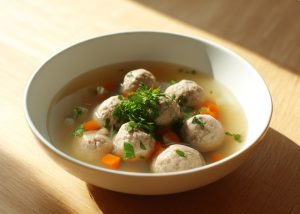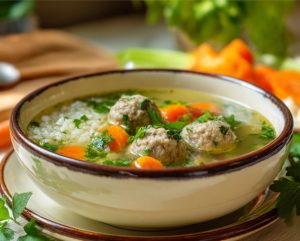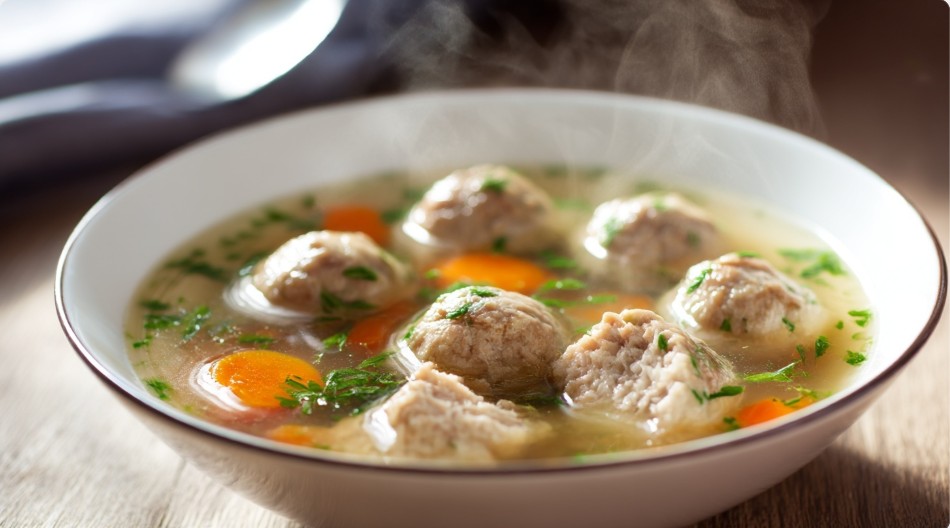
Meatball Soup as an Easy, Real-Life Protein Boost

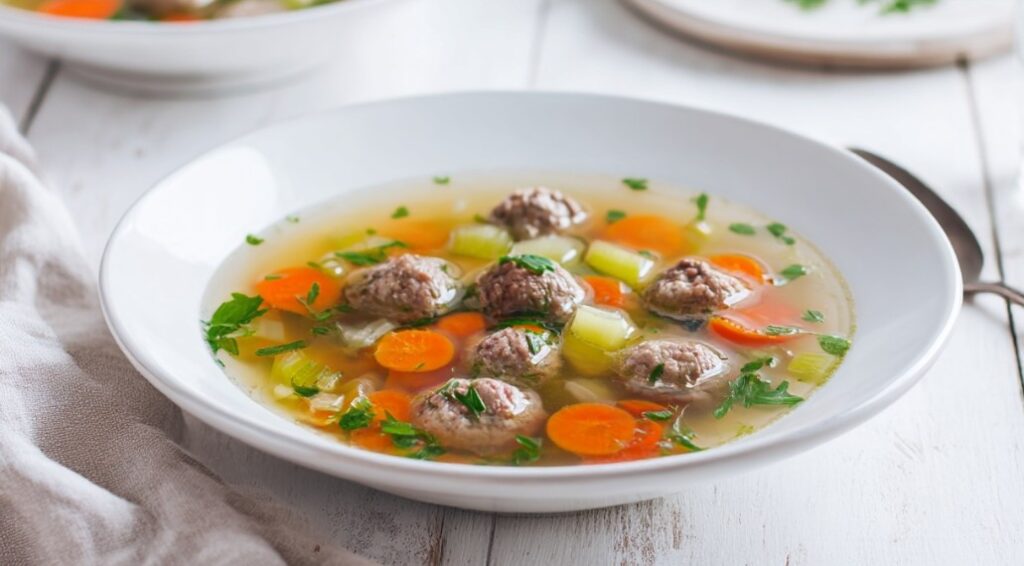
There are evenings when you want simple food—but the kind that actually keeps you going. Not “something to nibble on,” but a proper bowl that doesn’t send you back to the kitchen an hour later. That’s exactly when meatball soup almost never lets you down: warm, fragrant, with little meatballs that give you that satisfying, grounded feeling.
The problem usually isn’t the soup itself. It’s the meatballs: sometimes they turn rubbery, sometimes they fall apart, sometimes the broth ends up with that grey “cottony” fluff instead of actual meat. And then there’s the shopping part. At the market or in the supermarket it’s easy to grab ground meat that looks fine—then get home and realize it’s watery, smells odd, or behaves so badly you want to toss the whole thing.
I like to think of this soup not as a strict “recipe,” but as a smart way to buy a protein and use it so it tastes genuinely homey. The details matter: what kind of ground meat to choose, how to read quality, what to add for texture, how to store it, and why the exact same meatball can give you totally different results depending on the soup.
If I had to sum it up: meatball soup isn’t about complexity. It’s about choosing the right product and making a few small decisions that change everything once you’re at the stove.
Why meatball soup feels like ‘real food’
When people say “I need something with protein,” they often don’t mean macros or gym-shaker math. They mean how they feel after eating: a calm stomach, steadier mood, fewer snack cravings. Meatball soup is great for that—liquid that warms you up and carries flavor, plus meat that gives the meal some weight.
There’s also a very practical reason. Meatballs are small portions of meat. They cook quickly, heat through evenly, and if you don’t love big chunks of meat in soup, they’re a comfortable format. And if you’ve got kids at home—or someone picky—meatballs are basically kitchen diplomacy: friendly-looking, easy to eat, and you can scoop them up with a spoon.
I remember cooking lunch for a group once with almost no time. Someone said, “Let’s just do soup.” Everyone sighed—because soup “doesn’t fill you up,” right? But the moment there were proper meatballs in there, plus a handful of vegetables, and the broth wasn’t watery but actually smelled like meat and pepper… people went back for seconds. Not because they were starving, but because the flavor was pulled together and the texture felt right.
The key idea: the satisfying part of this soup doesn’t come from “lots of potatoes.” It comes from a good meat component and how it behaves in the broth.
Which ground meat to choose for meatballs: market vs supermarket
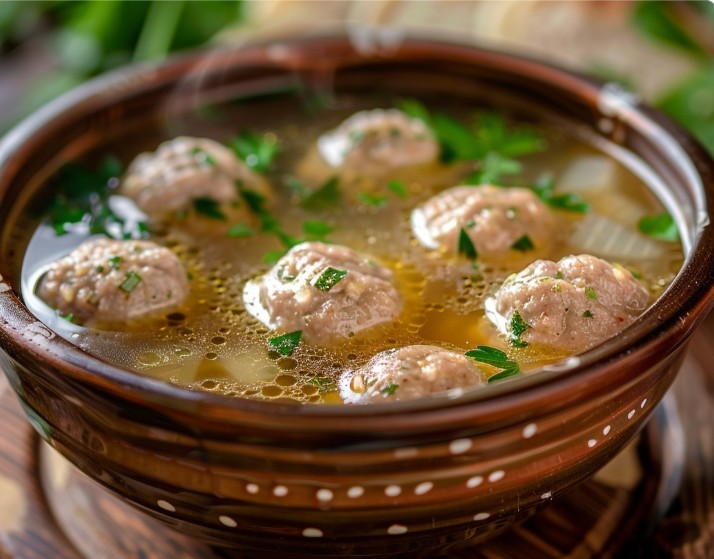
If you buy pre-ground meat, you’re basically buying trust. That’s why I always suggest either getting it from a place where you know the butcher, or buying a piece of meat and grinding it yourself (or asking them to grind it in front of you). But let’s be real: not everyone has time for that. So here’s how to choose ground meat without getting burned.
Color: don’t chase “perfect red”
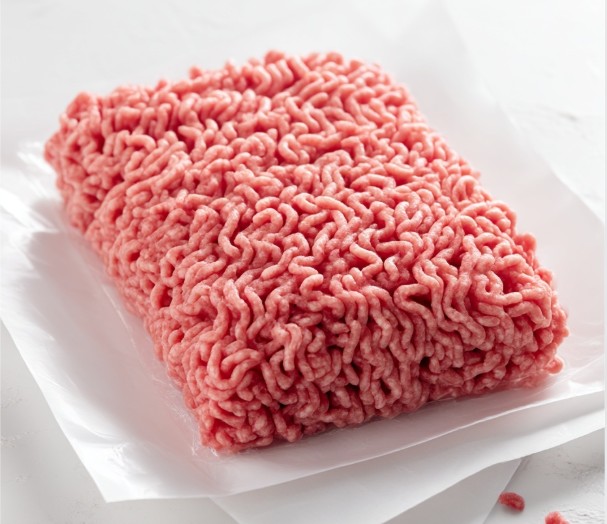
Beef mince shouldn’t be bright ruby-red like in ads. A too-“pretty” color can mean it’s been sitting under lights for ages—or that something was done to make it look more appealing. Good beef mince is a deep red-burgundy, with no grey patches and no greenish tint. Pork mince should be an even pink, without dark clots.
A mix (pork + beef) is my everyday favorite for soup meatballs: juicy, but not aggressively fatty. The color will look a bit uneven, and that’s fine—as long as there are no suspicious spots and the mixture looks like meat, not like a smooth paste.
Smell: meat should smell like meat, not “sausage”
Smell is the most honest test. Fresh ground meat smells neutral: a little metallic (totally normal), maybe slightly sweet, but never sour. If you catch a hint of sourness, “basement,” heavy spices, garlic, or smokiness, that’s often an attempt to cover up less-than-fresh meat. For meatballs in soup, you don’t need “seasoned mince.”
A tiny real-life story: once I bought “homemade” mince, and the seller went so hard on the pepper my eyes watered. At home I understood why—under the pepper there was a faint sour note. The soup survived thanks to spices and a long simmer, but the meatballs turned out dry and harsh. Since then: clean smell only, no masking.
Texture: ground meat shouldn’t be wet and shiny
For soup meatballs, you want mince that’s loose and crumbly, with visible strands. If it’s glossy like a cream and stretches, it often means extra water—or it’s been ground into mush. In soup, that kind of mince makes the broth cloudy and gives you “fluff” instead of a proper meatball.
Another red flag is liquid pooling in the tray. A little meat juice happens, sure. But if there’s a puddle and the mince is practically swimming, I’d pass. Extra moisture in meatballs = falling apart and a weird, plasticky texture after simmering.
Packaging and label: what to read without paranoia
In vacuum packs or trays under film, mince can look darker—that’s normal, because without oxygen the color shifts. What matters is that the film isn’t puffed up and there’s no slime inside. If you’re buying chilled mince at the supermarket, check the date and how it’s stored: it should be properly cold, not sitting on a lukewarm shelf near the deli counter.
A classic marketing trap: “mince for cutlets / for meatballs.” Often it’s just a name, and inside could be anything. I trust simple labels more: “pork,” “beef,” “turkey,” and as few extra ingredients as possible.
Price vs common sense: when it’s worth paying more (and when it isn’t)
Meat isn’t the kind of product where you want to play the lottery. But paying extra “for the story” isn’t necessary either. I always ask myself: what am I actually buying—flavor, texture, or convenience?
When it makes sense to pay more: when you’re buying from a butcher/farmer you trust and the quality is consistent; when you’re buying a piece and grinding it yourself; when you need a reliably tender texture (say, good-quality turkey) and you don’t want surprises in the pot.
When paying more doesn’t really get you anything: when the label is full of pretty words but the ingredients are the same; when “premium” mince has been sitting in a tray just as long as the regular one; when someone sells you “special” mince with added spices—because in soup that often just gets in the way.
One more thing: fat content. For soup meatballs, a little fat is a plus—it rounds out the flavor and makes the broth smell like home. But if the mince is very fatty, you’ll get a heavy film on top, and once chilled, a thick layer of set fat. Some people love that, but most end up skimming it off and realizing they paid for “volume,” not quality.
Tip: if you’re unsure about fat content, go for a pork-beef mix or ask for a piece with a small streak of fat. Very lean mince often turns tough in soup.
How to make meatballs firm but tender: what actually works at home
I’m not going to talk “by the book” here—I’m talking about what works in a normal home kitchen. A soup meatball has to survive simmering, not fall apart, not turn rubbery, and not make the broth look like murky water. It’s a balance.
What keeps them together
Structure doesn’t come only from egg (and you don’t always need egg). It comes from how you mix the mince and what fine ingredients you add to help it bind.
- Salt — salt the mince and let it sit for 10–15 minutes; it becomes tackier and easier to shape. It’s basic home cooking, but it works.
- Cold — cold mince rolls easily and holds its shape better. Warm mince smears all over your hands.
- Overly fine grinding makes the mixture paste-like, and it often turns rubbery after cooking. A bit of texture is your friend.
What makes them tender
Tender doesn’t mean “fluffy.” It’s that feeling when the meatball breaks easily with a spoon and stays juicy inside. In soup, tenderness often comes from small additions that hold moisture without turning the meatball into bread.
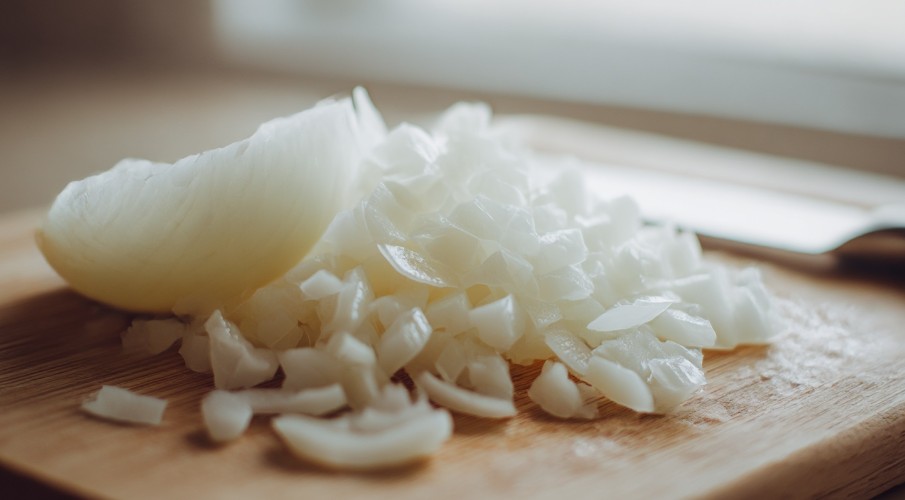
- Finely grated onion (or very finely chopped) adds juiciness and a gentle sweetness. If the onion is chunky, it can “pop” in the texture in an annoying way.
- A little soaked bread (not a lot) is the classic move for softness. In soup it reads as tender, home-style texture.
- 1 spoon of cold water or broth in the mince can rescue dry meat—but don’t overdo it or you’ll end up with mush.
Tip: if the mince feels dry, I don’t add butter or mayo. I add literally 1–2 spoons of cold broth and mix well. The meatballs come out juicier, and the flavor stays properly “meaty.”
Size matters (and I’m not joking)
Small meatballs (about walnut-sized or smaller) are the most reliable for soup. They heat through quickly, fall apart less often, and they’re just easier to eat. Big ones can be cooked on the outside and still raw inside—then you “just simmer a bit longer,” and suddenly they’re tough.
One more practical thing: if you roll them all different sizes “by eye,” the pot turns into chaos. Some end up perfect, others turn into little bouncy balls. I once rushed it and got exactly that—half great, half tragic. Now, when I want fast and even, I use a teaspoon as my measure: scoop, level, roll.
How meatballs behave in soup: stock, simmering, clarity, and flavor
Soup has its own physics. A meatball isn’t a pan-fried patty. Here it’s surrounded by water/stock, and everything it releases becomes part of the broth’s flavor.
A hard boil vs a gentle simmer
A rolling boil is the main enemy of a tender meatball. It knocks the balls against the pot, roughs up the surface, and throws protein “foam” into the broth—making it cloudy. A gentle simmer (barely moving) almost always gives you a better result.
Remember the sound: the right soup doesn’t roar, it whispers. A quiet little blip-blip, and the aroma rises softly—meat, bay leaf, pepper, vegetables. Honestly, it’s one of my favorite kitchen sounds.
Why the broth turns cloudy
Cloudiness isn’t a disaster, but if you want a cleaner-looking broth, here are the usual reasons:
- The mince is too wet or paste-like, so it sheds lots of tiny particles into the liquid.
- The soup is boiling hard, which breaks down the meatballs’ surface.
- You dropped meatballs into cold water and brought it up to temperature slowly—protein leaks out gradually and disperses through the pot.
Tip: for a clearer soup, I lower the meatballs into already-hot liquid (it doesn’t have to be boiling), then immediately reduce the heat to a gentle simmer.
Flavor: what meatballs “give” to the broth
Meatballs act like little flavor capsules. They release some salt, fat, and meat aroma into the broth. That’s why meatball soup often tastes even better the next day: everything melds, the aroma deepens, and the broth feels rounder.
But there’s a downside too. If the mince had a strong off smell (not super fresh, or heavily spiced), the soup will amplify it. Water doesn’t forgive. In a frying pan, spices can “win” over a problem; in soup, the problem spreads through the whole pot.
Common mistakes that ruin the soup (and how to avoid them without stress)
I’ve seen these mistakes hundreds of times—and made them myself when I was learning. The good news: almost all of them are fixed not by fancy technique, but by paying attention to small things.
Mistake 1: “I’ll just throw it together real quick”
If the mince isn’t salted ahead of time, not mixed properly, and goes straight into the pot, meatballs often turn out fragile. They might hold together, but inside they’ll be a bit dry and “grainy.”
What I do: I mix the mince with salt and any fine add-ins, then let it sit while I chop vegetables or bring the broth to where I want it. It’s not a ritual—it’s just convenient timing.
Mistake 2: too much bread or semolina
Sometimes people try to make meatballs “tender” and add way too much filler. In soup it eats like a soggy cutlet that’s closer to a dumpling than meat.
It helps to be honest with yourself: do you want meatballs, or an economy version? Both are valid, but if you’re thinking of this as a protein-forward meal, don’t dissolve the meat into bread.
Mistake 3: boiling on high because it’s “faster”
This one is the most common. The result: dense meatballs, cloudy broth, greasy foam on top, and then you want to dump in half a bunch of herbs just to make it smell “fresh.”
Fix: bring it to a light boil, then immediately lower the heat. If you’re short on time, make smaller meatballs—not a more aggressive boil.
Mistake 4: deli-counter ground meat sold by weight
I’m not against deli counters in general, but ground meat sitting in an open display case waiting around is a risk. It loses freshness quickly, dries out on the edges, and picks up smells. In soup, you’ll notice.
If you’re buying ready-made mince, I’d rather choose chilled, sealed packaging from a producer where you can see the date and storage conditions. Or go to a market stall where they grind it in front of you.
Mistake 5: freezing mince “as is,” then trying to make meatballs from an icy block
When mince is frozen in one big lump and you thaw it in the microwave or on the counter, it loses juices. Then the meatballs turn dry, and the broth fills with tiny particles.
Tip: if I know part of the mince is “for soup,” I shape the meatballs right away and freeze them on a board in a single layer. Then I transfer them to a bag. You can cook them almost straight from frozen—and they hold their shape better.
Storage: how to keep ground meat, meatballs, and the soup so the flavor doesn’t go flat
Storage is half the success. You can buy great mince and then ruin it at home with something small: putting it in the wrong spot, forgetting it for a day, leaving it uncovered, or shoving a hot pot into the fridge.
Ground meat in the fridge
Ground meat is delicate. It spoils faster than a whole piece of meat because it has more surface area exposed to air. I try not to keep fresh mince around for long: buy it, use it. If you bought extra, portion it right away and freeze what you won’t use soon.
Keep mince tightly covered in the coldest part of the fridge. If it’s in a bag that “breathes,” fridge odors mix in, and later your soup will have a weird background note you can’t quite explain.
Shaped meatballs
Raw shaped meatballs can sit briefly in the fridge on a plate under cling film or in a container. They’ll dry slightly on the outside—and that’s actually a plus, because they’ll hold their shape better in soup. Just don’t leave them uncovered: they’ll absorb odors, and you’ll smell it the moment the broth heats up.
Freezing without the “snow coat”
The worst is when meatballs freeze into one big clump and get covered in ice. It’s not “scary,” but the texture is worse later and they fall apart more easily. Freeze them in a single layer first, then pack into a bag. Press out as much air as you can—less ice, fewer stray smells.
Finished soup
Meatball soup often tastes better the next day—but only if it’s stored properly. I do this: let the pot cool to warm, then cover and refrigerate. I don’t like putting it in hot—hard on the fridge, and the condensation later drips back in and dulls the flavor.
One more nuance: if there’s a lot of herbs in the soup, they darken over time and can give a slightly “grassy” taste. I often add herbs straight into the bowl, or at the very end—leaving some fresh for the next day. It’s a small thing, but it really keeps the soup tasting alive. More ideas here: everything about meatball soups.
Marketing traps and ‘healthy’ swaps: how not to buy extra stuff
The moment protein comes up, the store starts throwing ideas at you: “fitness mince,” “light meatballs,” “ready-made balls,” “fat-free,” “high in…”. I’m not against convenience, but I like it when a purchase actually makes sense.
Ready-made meatballs
They can be totally fine if the ingredient list is simple and you trust the brand. But often ready-made meatballs contain a lot of additives that behave oddly in soup: extra cloudiness, a specific processed smell, or a spongy texture.
My check: I read the ingredients and look for meat at the top—not water, starch, and “protein additives.” If the list is long and tricky, I’d rather buy plain mince.
“Lean” mince as a soup idea
Lean doesn’t always mean better in a pot. Very lean mince (especially chicken breast) dries out easily. In soup it’s obvious: the meatball looks fine, but you don’t want to chew it—crumbly and oddly squeaky.
As a compromise, I like turkey (thigh) or chicken thigh mince—gentler flavor, better juiciness. And again: I’m not talking “healthier/unhealthier,” I’m talking about how it actually eats.
Packet “meat seasonings”
In soup they often taste harsh. Many have lots of salt, flavor enhancers, and dried garlic that can smell sharp. If you want a simple home-style flavor, stick to black pepper, bay leaf, herbs, a little paprika—done. A meatball should smell like meat, not like “seasoning mix.”
Tip: if you want a brighter aroma without the “packet” vibe, add a pinch of ground coriander or cumin to the mince. Just a tiny pinch—so it’s interesting, not “now we’re having a Middle Eastern soup.”
How to make the soup protein-forward in a practical way: simple moves, no obsession
When I hear “protein source,” I think about an ordinary day: work, kids, errands—and you need to eat in a way that doesn’t end with raiding the cookie tin. In that sense, you can make meatball soup more satisfying not with powders and “boosters,” but with smart shopping and how you build the bowl.
Don’t dilute the meat with fillers
If your meatball is 50% bread, it won’t give you that meaty, satisfying feeling. A little is fine, especially for tenderness. But when the ball turns into a mini bun, the soup becomes “something liquid with crumbs.”
Add vegetables so they support, not dominate
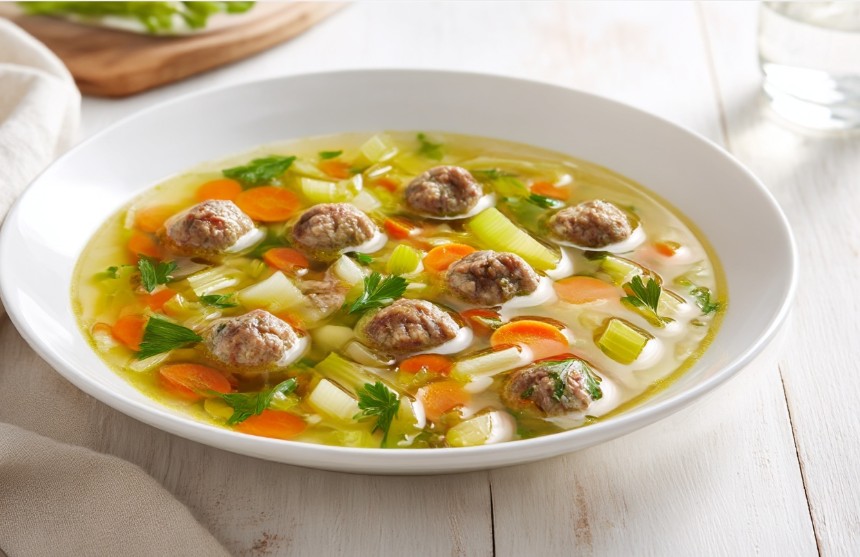
Vegetables matter for flavor and balance. But if you make the soup basically all potatoes, it’ll feel filling for an hour—and then you’re hungry again. I like having carrots, onion, celery or parsley root: they add aroma and make the broth more interesting, while the meatballs stay the main event.
A quick memory: at one point my meatball soup at home was “empty”—water, potatoes, and balls. It was fine, but something was missing. I added celery root and a bit of carrot, and suddenly the smell turned into childhood: warm, slightly sweet, with a meaty note. Same meatballs, totally different impression.
How many meatballs end up in the bowl is a choice too
In some families, the meatballs disappear first and someone ends up with broth and potatoes. If you want this soup to feel like a protein-based meal, make sure each bowl gets a fair share of meatballs. Sounds obvious, but often the issue isn’t the recipe—it’s the distribution.
Next-day soup: how to keep the flavor alive
On day two, meatballs can get a bit firmer—that’s normal. To keep the soup from tasting “tired,” I sometimes do one simple thing: reheat only the portion we’re going to eat, not the whole pot over and over. Repeated reheating kills the fresh aroma and dries the meat out more.
Tip: if the soup has been sitting and tastes a little flat, add a pinch of freshly ground black pepper while reheating and a bit of fresh herbs in the bowl. It’s not “garnish”—it’s bringing the aroma back.
Meatball soup is one of those dishes that quietly holds a household together. It works for lunch, and it also fits right in as an easy dinner idea. No complicated techniques—just a decent product and respect for the details: fresh mince with no suspicious smells, the right texture, a calm simmer, and sensible storage. Do that, and what you get isn’t “just soup,” but warm, filling food with a real meaty center.
What about you—do you prefer beef, pork, turkey, or a mix for your meatballs? And what’s the trickiest part for you: choosing good mince, getting tender meatballs, or nailing that cozy, home-style broth flavor?