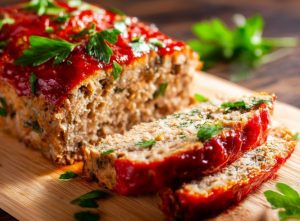
Kid-Friendly Meatloaf Roll: How to Make It Softer and Safer

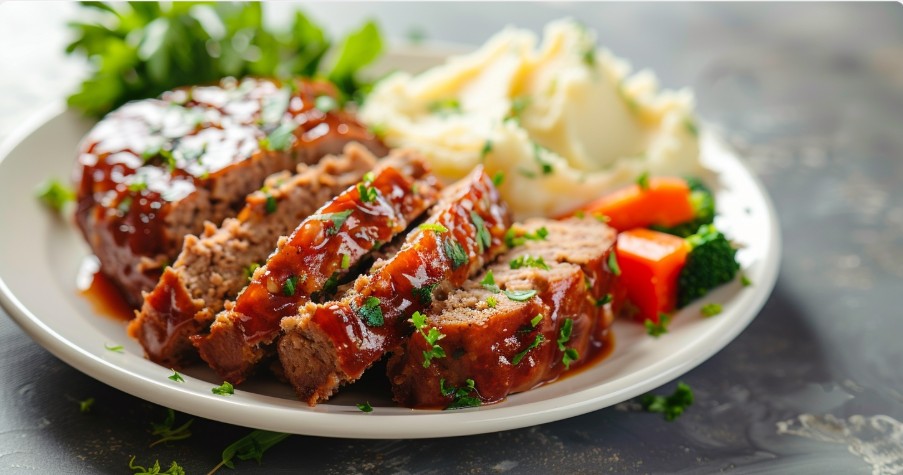
Some evenings you just want to cook something cozy, simple, and familiar—something the kids will actually eat without a whole negotiation. A meatloaf roll fits that bill perfectly: a classic homey flavor, a shape that’s easy to hold, and that comforting “dinner at home” feeling. Still, even with everyday dishes like this, the same questions pop up: how do you keep it soft? Is it safe for little ones? Can you sneak in vegetables so it’s both tasty and a bit more nourishing?
I still remember the first time I made a meatloaf roll for my daughter when she was really little. It seemed foolproof—until she took one bite, shook her head, and pushed the plate away: “Too hard!” From that moment on, I started looking for ways to keep it tender without losing the flavor, and still make it feel like a proper, filling home dinner. These are the little guideposts that helped me—and they might come in handy in your kitchen too.
A meatloaf roll isn’t about perfection. It’s about simple rituals and small tweaks. It can turn out a bit different every time, and that’s completely fine. The goal is for food to feel like part of life—not a test you have to pass. Up next: how to make your roll softer, safer, and as kid-friendly as possible.
How a meatloaf roll ends up on a kid’s plate: real-life notes
In a lot of families, a meatloaf roll shows up when you need something filling and predictable for kids. It’s an easy way to cook once and eat for a couple of days, tuck a slice into a lunchbox, or bring along for a road trip or picnic. But here’s the thing: not every roll lands the same way with children. For one kid it’s a favorite comfort food; for another it’s a challenge—too firm, too dry, or just “weird-looking.”
I’ve been there. Once I made a beef-heavy roll and my son refused it because the bite “squeaked on his teeth.” Another time my niece didn’t like that the filling had cooked down into something “mushy.” Kids are brutally honest: they won’t eat food that doesn’t feel trustworthy or is awkward to handle. That’s not pickiness for the sake of it—it’s about comfort, safety, and routine.
So the first thing to remember is this: a kid-friendly meatloaf roll isn’t a smaller copy of the “adult” version. It’s its own adaptation. Texture, smell, simplicity, and the absence of sharp, crunchy surprises matter more than a picture-perfect slice. The more you watch how your child reacts, the easier it gets to adjust.
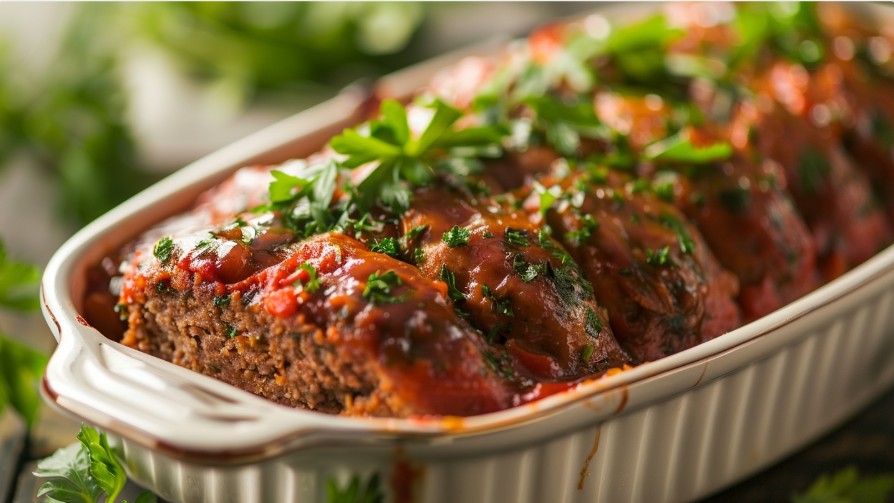
Why it turns out tough: a quick look at texture
The most common reason kids (and adults, honestly) turn down a meatloaf roll is texture: too dense, too dry, or kind of rubbery. It happens even if you cook all the time. I’ve caught myself thinking, “I did everything the usual way—why is it different?” There are a few typical culprits, and they’re all very “real life.”
- Too much lean, dry meat (for example, all beef with no additions)
- Not enough moisture or “helpers” (vegetables, bread, milk)
- Mixing the mince too long—or not enough
- Baking at too high a temperature or leaving it in the oven too long
- Overdoing spices that tighten proteins and make the roll feel firm
Texture is what kids notice first. If the roll crumbles, sticks to their teeth, or stretches in a weird way, they can lose interest fast. I like to think of a kid-friendly roll as something close to a fluffy meatball or patty—but one that holds its shape. When you break a piece open, you should get a little puff of steam and a gentle smell, not anything sharp or aggressive. That’s a good sign you’ve nailed the structure.
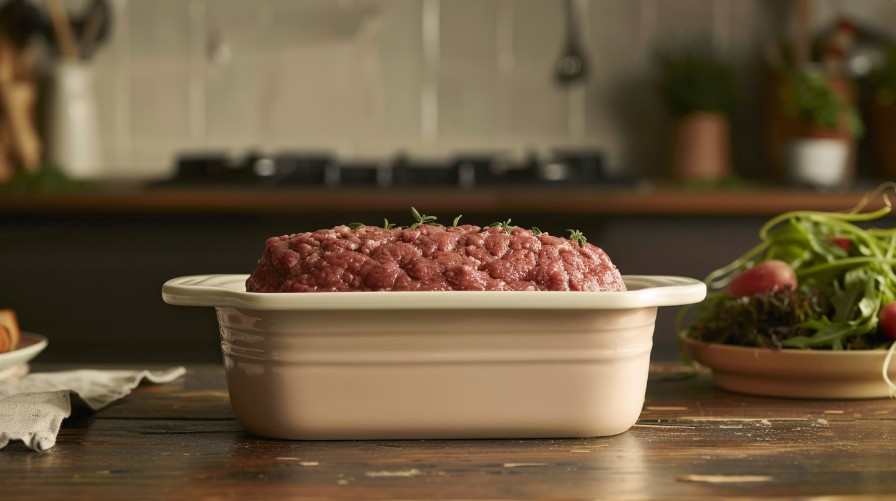
How to make it softer: easy approaches (no complicated rules)
You don’t need chef skills to make a meatloaf roll your kids will actually want to eat. The things that help are simple—and they don’t require fancy ingredients. Step one is letting go of “perfect” and aiming for what works for your family.
Add vegetables and moisture
I often use finely grated carrot, zucchini, and a little onion. They make the roll juicier and lighter, and the flavor turns gentler too. Grate the veg on the small holes and squeeze out excess liquid—then you get the tenderness without turning the mixture soggy.
Quick tip: Stirring 1–2 spoonfuls of homemade purée (potato or pumpkin) into the mince gives you a very tender, easy-to-chew texture.
Moisten the mince
Milk, water, or even a little yogurt can make a big difference. I add 2–3 spoonfuls of milk per 0.5 kg of mince, and you can feel it in the final slice: it stays juicy and doesn’t fall apart. For kids, I try not to “fix” dryness with extra fat or heavy seasoning—the goal is soft and friendly on little teeth.
Mixing isn’t a power tool
Mix gently—don’t knead it into glue. If you work the mince for too long, the roll tightens up. I mix just until everything is combined, then give it a few quick stirs with a spoon to trap a bit of air. That little bit of lightness helps the texture stay tender.
Don’t worry if the mixture isn’t perfectly uniform—slight unevenness gives the roll a more “alive” texture that many kids prefer.
Oven temperature and roll shape
I’ve found the roll bakes through best—and stays moist—at a moderate temperature (170–180°C). Higher heat can brown the outside fast while the middle stays undercooked, or it can dry everything out. Keep the roll not too thick so it heats evenly. Baking time is usually around 1 hour, but your oven gets the final vote.
A quick story: Once I was in a rush and made the roll twice as thick to “save time.” The outside browned beautifully, but the center stayed wet-looking. My kid wouldn’t touch it because it looked scary. Since then: medium thickness and a calmer pace.
Filling: less is more
Kids often don’t love rolls packed with filling—especially egg, nuts, or strong cheeses. The safest route is simple: a little carrot, broccoli, zucchini, or sweet pepper. If you want variety, add a pinch of herbs or a few bits of mild, soft cheese to keep the flavor familiar.
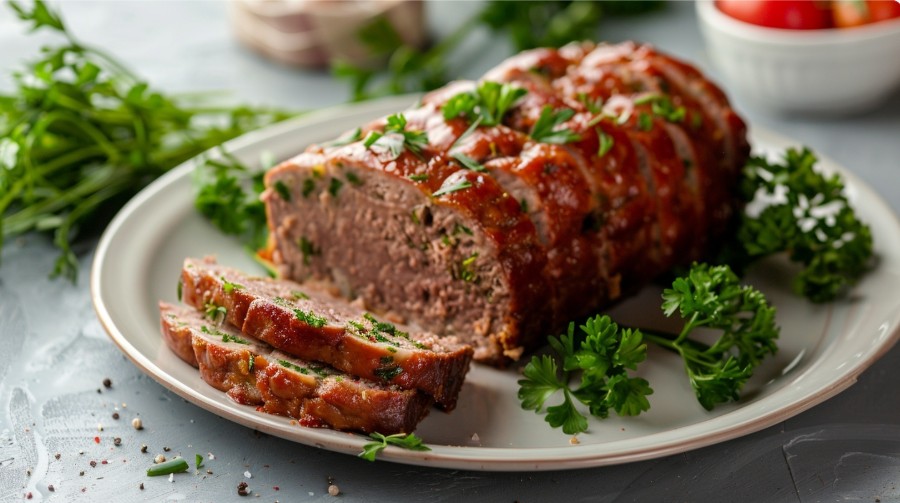
What makes it feel safe: texture, color, and shape
For kids, food isn’t just taste—it’s an experience. They learn through their senses: how it looks, how it smells, how it feels in their hands. A meatloaf roll can be a great option if you serve it in a kid-friendly way—not as a big intimidating slice, but in small portions that little fingers can manage.
Texture: soft, but not “mush”
Kids can be wary of very firm pieces, but they also don’t trust something that feels like baby food. The sweet spot is tender but sliceable. When I cook for toddlers, I always taste a piece myself: it should break easily with a fork, but not ooze or smear. If chewing is still tricky, cut the roll into small cubes—self-feeding gets much easier that way.
Color and smell
Kids react to color more than we think. Lighter, natural shades often feel more inviting. A bit of carrot or zucchini makes the roll paler and the aroma softer. On the other hand, harsh spices or a very dark, over-browned edge can be a turn-off—it reads as “grown-up food.”
Shape: roll or bite-size pieces?
Sometimes I skip the classic loaf shape and make small portioned balls or mini rolls instead. They’re easy to hold, bake faster, and look more fun. Plus, a child can choose the piece they like best, which adds a sense of control—and that often equals comfort.
Quick tip: Let your child pick “their” piece of the roll—many kids are more willing to try something new when they get to choose.
Common mistakes when making a meatloaf roll for kids
No matter how long you’ve been cooking, mistakes happen. Kids are extra sensitive to small details, so it helps to know where things usually go off track—and how to avoid it.
- Mixing the mince until it turns into a paste (the roll becomes “rubbery”)
- Using only one type of meat with no additions
- Drying it out with high heat or overbaking
- Adding lots of spices or garlic
- Filling with firm cheeses, eggs, or other dry ingredients
- Cutting slices that are too big to chew comfortably
- Skipping vegetables or any extra moisture
Key point: If it’s unpleasant for you to chew, it’ll be even harder for a child. Go simpler, then watch their reaction.
Always keep a little of the mixture aside for a test: shape a small patty and fry it in a pan to check flavor and texture before baking the whole roll.
This trick has saved me more than once. It’s much better to adjust at the prep stage than to end up disappointed with the finished dish.
Habits over rules: how not to spiral (and blame yourself)
A meatloaf roll isn’t a competition. Kids react differently depending on mood, tiredness, and yes—even the weather. Some days the usual favorite just doesn’t happen, and that’s normal. The main thing is not turning it into drama, and not blaming yourself or your child.
What works best in my house isn’t strict rules—it’s flexible habits. If today’s roll didn’t go over well, tomorrow you can tweak the filling or serve it differently. If your child refuses, having a simple backup option helps everyone stay calm.
A little real-life moment
One time my younger son refused the roll and asked for just cucumber and a piece of bread. I was disappointed at first, then I realized: that’s not failure, it’s part of learning. The next day he ate the exact same roll happily—he just needed space, not pressure.
Quick tip: Don’t force a new dish. Let your child see it on the table a few times, try tiny bites, and get used to it gradually.
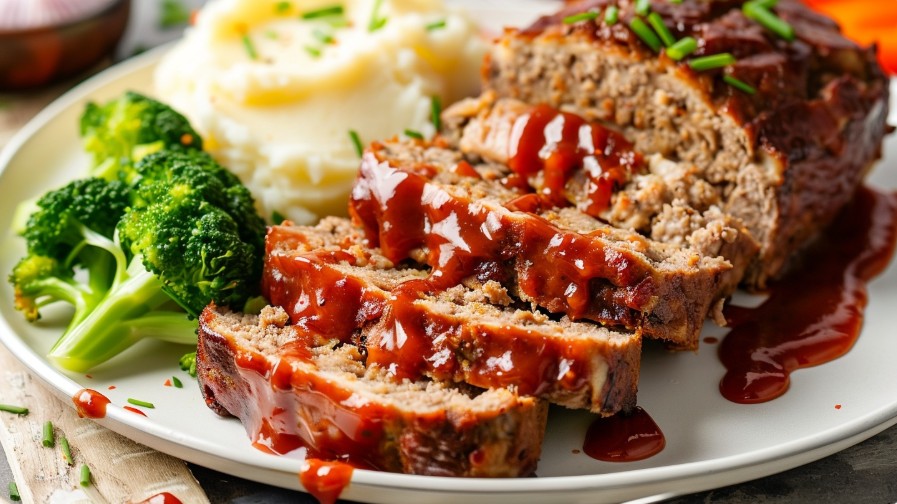
Kitchen flexibility: adapting the roll to age and family routines
Different ages need different versions. For toddlers under three, I keep it extra soft, skip spices, and add more vegetables. For older kids, I’ll add some herbs, sometimes a pinch of cheese, or even bits of boiled potato. There’s no single “correct” recipe—and that’s honestly a relief.
Family dinner: one roll, many versions
Sometimes when I’m planning dinner, I bake one big roll, then in the last minutes I cut off a piece for the kids and finish it separately—no extra seasoning, no heavy crust. The adult portion gets herbs or a little garlic. Everyone gets their version, and nobody feels left out.
Tired, busy days: keeping it real
Some days there’s just no time. On those days I grab ready mince, add whatever vegetables are left in the fridge, shape a small roll, and bake it. It’s not always pretty, but it’s often genuinely delicious. Kids don’t care about “presentation” if the food feels familiar and pleasant to eat.
It’s better to make a simple roll from what you have than to put off cooking because you’re worried it won’t be “right.”
That kind of flexibility helps keep cooking enjoyable—even on the busiest days.
Practical tips for a soft, safe meatloaf roll
- Add a little grated veg to the mince—carrot, zucchini, pumpkin
- Go easy on spices—lean on the natural flavor instead
- Add 1–2 spoonfuls of milk or yogurt for juiciness
- Bake at a moderate temperature to avoid drying it out
- Check doneness with a fork or skewer—the juices should run clear
- Don’t make the roll too thick so it bakes evenly
- Let your child choose a piece or a shape—it builds trust and curiosity
Key point: Perfect dishes don’t exist. Each roll is a small experiment you can tweak to fit your family.
Food as part of life: not perfection, just the process
When I first started cooking for my own kids, I kept trying to make the “perfect” roll. Eventually I realized there is no perfect—home cooking is mostly about care and togetherness. Kids aren’t waiting for restaurant plating; they want attention and the comfort of seeing familiar food on the table.
Your roll can change week to week. Carrot today, zucchini tomorrow, a little cheese the day after. That’s normal. The important part is not being afraid to adjust so food stays a pleasant part of life—not a list of rules and restrictions.
Supporting healthy habits: simple family guideposts
Healthy eating isn’t about diets or bans. It’s about balance and habits that build slowly. I stick to a few simple ideas that keep things calm and realistic.
- Add vegetables to familiar dishes, but don’t turn it into a “mission”
- Don’t force bites—offer a new option next to something familiar
- Give your child choices: a piece of roll, bread, vegetables—let them find their own balance
- Cook together when you have the time and energy—it builds a sense of involvement
- Don’t beat yourself up over an “imperfect” meal—it’s part of the process
Small steps work better than strict rules. If something didn’t work today, tomorrow is a fresh start.
And to end on an honest note: no meatloaf roll is a magic wand for a child’s appetite or health. But small changes in how you approach food—paying attention to texture, smell, and comfort—are already a step toward balance. Cook with care, experiment, and don’t be afraid of the occasional flop. How do meatloaf-roll dinners go in your house? I’d love to hear your stories.