Chia Seeds for Weight Loss: How They Work (and How Not to Overdo It)

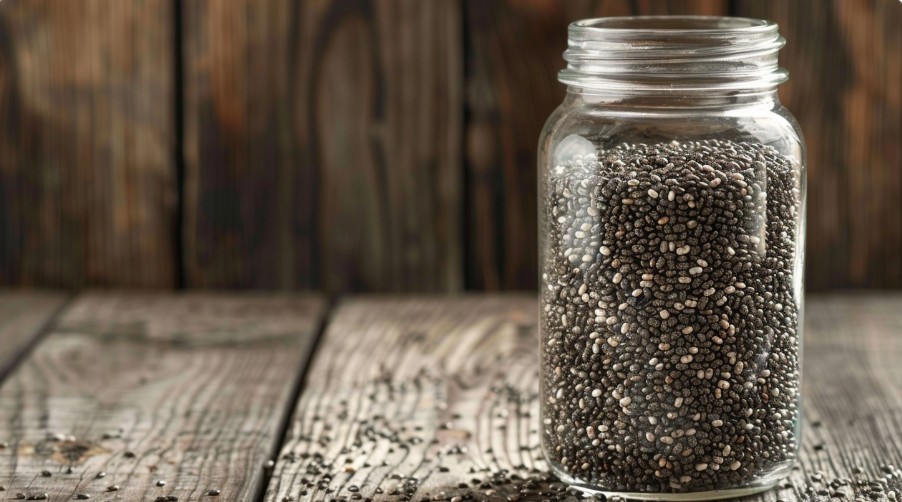
It’s kind of wild how a tiny black seed—something you could easily mistake for poppy seeds—ended up as the poster child for “healthy eating.” Honestly, a few years ago I probably couldn’t have told chia apart from flax. Now they’re everywhere: in porridge, in yogurt, even in smoothies made by friends who used to treat breakfast like an afterthought. Walk into any supermarket and the “health food” aisle will almost always have that clear little bag labeled “superfood.” But does chia actually help with weight loss? Can you eat it every day without upsetting your digestion? And how do you keep a “good habit” from turning into yet another diet obsession you’ll want to run away from later?
I’m not the type to weigh every gram or hunt for a magic food that fixes everything. On weekdays I want simple: filling, tasty, and not a whole project. At the same time, I still want to feel light—especially on those packed days when by evening you don’t even have the energy to talk, let alone cook something impressive. That’s usually when the question pops up: can you add something new to your usual routine without turning it into stress and endless restrictions?
I’ll be honest: I tried chia out of curiosity, not because it was trendy. Now I’ve got my own takeaways—no magic, but plenty of little details people don’t really mention. Here are my observations and everyday tips for fitting chia into your life so it actually supports you instead of setting you up for disappointment.
Chia: what it is and what to expect
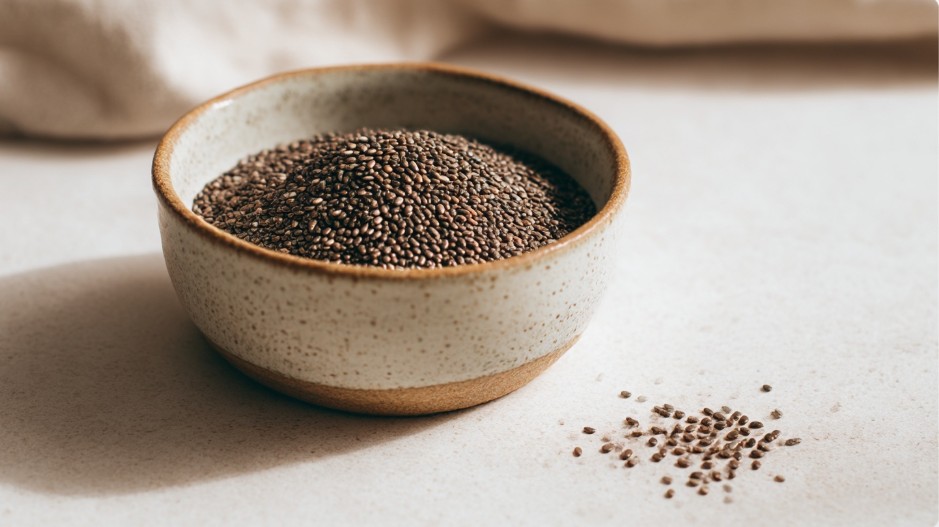
Chia seeds are tiny, and at first glance they don’t look like they deserve all this attention. But the moment they hit liquid, they turn into this strange, jelly-like gel. Now that part is interesting: they don’t really crunch, more like little beads—almost like tiny caviar. That gel-forming trick is exactly why chia got popular with people who want to feel full faster and stay satisfied longer.
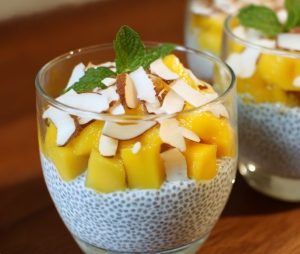
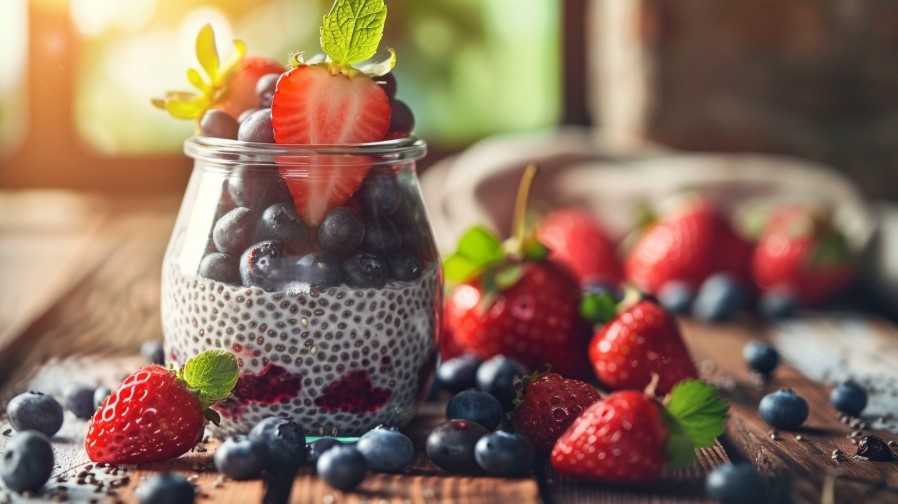
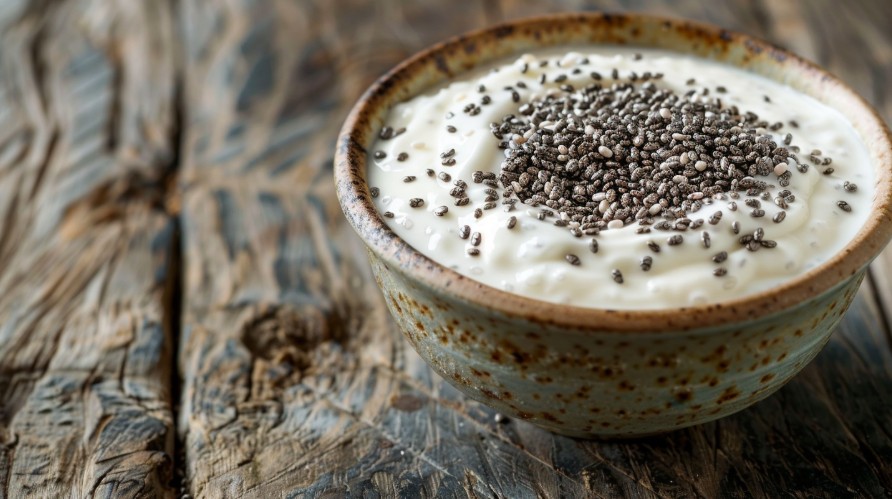
In everyday cooking, chia usually goes into porridge, smoothies, yogurt, or even just a glass of water. I first tried it stirred into yogurt, and I still remember being surprised at how quickly the texture changed—literally in about 10 minutes. The flavor is very mild, so it won’t overpower whatever you’re eating.
So why is chia constantly mentioned in weight-loss conversations? Simple: it absorbs a lot of liquid and expands, which can help you feel fuller. Just don’t treat it like a magic wand. It’s not a replacement for real meals—more like a small tool you can use. I’ve noticed that if I have a spoonful of chia with something liquid, I’m not thinking about food for another hour or two. But if the day is stressful and you’re mindlessly grazing… chia won’t save you.
How chia works (and why it’s not a diet)
A lot of people start eating chia thinking, “Okay, now I’ll definitely lose weight.” But it doesn’t work like that. Chia doesn’t “burn” fat, it doesn’t “detox” you, and it doesn’t do anything mystical. The main benefit is that it holds onto water and helps with fullness. On one hand, that can make it easier not to overeat. On the other hand, if your snacking habits stay the same, no seed in the world is going to fix it.
I’ve had phases where I tried to replace dinner with chia puddings only. The result? After a week I was craving something warm and proper. Your body isn’t a robot, and monotony gets old fast. After work, you want real home food—not constant experiments.
In my experience, chia works best when it’s part of your normal meals, not a separate ritual. Add it to morning yogurt and you might stay satisfied until lunch. Expect it to solve everything on its own, though, and you’ll just end up annoyed.
Practical tips: how to fit chia into real life
The easiest way to use chia is in places where you don’t have to reinvent the wheel. I like adding it to porridge or stirring it into a glass of kefir when I’m rushing out the door. One important thing: give the seeds at least 10–15 minutes in liquid, otherwise they stay hard and unpleasant.
Tip: Don’t overdo it—1–2 teaspoons per serving is plenty. And don’t forget to drink water: your body needs enough fluid for chia to “do its thing” comfortably.
I’ve noticed kids actually enjoy chia when it “floats” in a colorful smoothie or even a homemade fruit drink. Since it doesn’t have a strong taste, it blends into almost any dessert. For myself, I stick to one rule: don’t make chia the main character of the dish—it’s better as a supporting ingredient, not the base.
- Add chia to morning yogurt or kefir—fullness tends to last longer.
- Stir chia into porridge at the end, once it’s cooled slightly.
- For a quick snack on the go, mix chia with juice or compote.
Little habits like these can make it easier not to go hunting for sweets late in the day: you stay satisfied longer, and the cookie cravings show up less often.
Balance: why there’s no such thing as a “perfect” food
Chia isn’t a cure-all. It won’t replace a bowl of borscht or a slice of fresh bread. Sometimes I catch myself thinking we’re so busy searching for the “perfect” product that we forget the simple pleasure of normal food. I went through a phase of trying to “clean up” my diet by cutting out everything—and it backfired: I constantly felt like I was missing something real.
Tip: Don’t turn chia into a cult. It’s useful when it’s part of a balanced plate—not a replacement for everything else.
On busy weekdays, chia can help me avoid overeating. But on weekends I let myself eat what I actually want—and I don’t see anything wrong with that. The key is balance. If you want something sweet, it’s better to have a little than to suffer through a “perfect” day and then feel awful about a “slip.”
One more thing: everyone’s different. Some people love chia in smoothies, others toss it into soups. There aren’t strict rules here—only what works for you.
Common mistakes: how not to make it worse
A couple of stories come to mind—things I’ve seen happen around me more than once. One acquaintance decided chia was a “magic bullet” and started sprinkling it into everything. A week later she was complaining about heaviness and bloating. Another friend forgot to soak it and ate the seeds dry—let’s just say it didn’t end well. The seeds started swelling in her stomach and caused real discomfort.
- Don’t overdo it: too much chia can feel heavy, especially if you don’t drink enough.
- Don’t eat it dry: always add it to liquid and wait for it to gel.
- Don’t replace all meals with chia: it won’t give you the same satisfaction as real food.
I overdid it myself once—too much chia in porridge—and all day my stomach felt like it was carrying extra weight. Lesson learned quickly: moderation matters.
Chia and everyday life: how not to turn food into stress
Some weekdays look like this: you wake up already late, you’re rushing, and breakfast is basically coffee plus “something you can grab.” On days like that, chia can be genuinely helpful when there’s no time for a proper meal. But the moment you start treating it like a mandatory ritual, it turns into stress. I’ve done that too—prepped chia puddings in advance, then forgot them in the fridge. End result: extra hassle and irritation.
It’s better not to force it, but to fit chia into your normal schedule. If you’ve got 10 minutes in the morning, pour milk or kefir over the seeds. If you don’t—don’t torture yourself. No habit should feel like a burden.
A colleague of mine has two kids and often adds chia to homemade desserts. She says it helps her feel less guilty when the little ones ask for something sweet, and everyone stays full longer. She doesn’t track how many spoonfuls the kids had in a week—and she doesn’t make a drama out of it if she forgets. That’s what balance looks like.
Little hacks: how to make chia a helpful habit
In my kitchen, small steps work best. When chia becomes part of the foods you already eat, it’s easy to stick with it without burning out. A few simple tricks that help me:
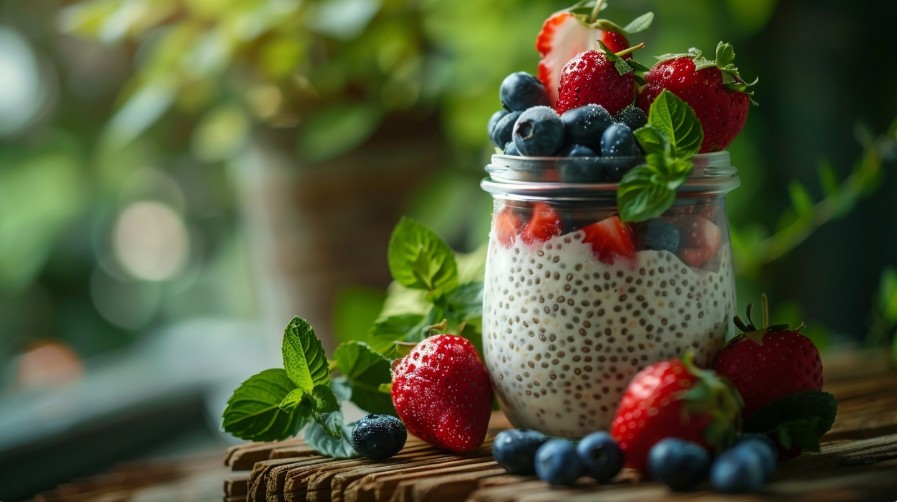
- Prep “for tomorrow”: soak chia in yogurt or kefir the night before—breakfast is ready in the morning.
- Add it to fruit salads—fullness lasts longer, but you still feel light.
- Mix chia into warm drinks (for example, compote)—fun texture, minimal effort.
- Don’t turn it into a big project: sometimes it’s enough to stir chia into porridge or even soup.
- Listen to yourself: if you don’t like it, don’t force it—find something else.
I used to try to make myself eat chia every single day, and I quickly realized it’s better a few times a week—when I actually want it. That way it doesn’t get annoying, and it doesn’t become another item on the endless “should” list.
Flexibility and common sense: how not to “fall off the wagon”
The real secret to any healthy habit isn’t strictness—it’s flexibility. I’ve seen it so many times: people start a new routine full of enthusiasm, then quit a week later because “something went wrong.” Chia is no different. If you forget to add it to breakfast, or you simply don’t feel like it, nothing terrible will happen. This isn’t a marathon—it’s just life.
The main thing is not to box yourself in. If you want something sweet, have it. If you’ve had a rough day, let yourself eat your favorite comfort meal. Chia is just one option to support yourself—not a substitute for enjoying food.
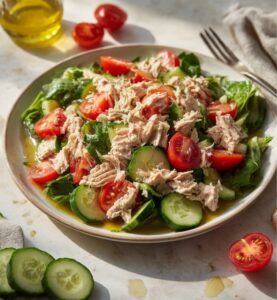
Tip: Don’t think of chia as a “magic ingredient.” It’s simply a way to make breakfast a bit more filling—nothing more. And here are dinner ideas.
I went through a phase where I tried to eat “perfectly” and felt guilty about every extra bite. Now I see it differently: food isn’t about control—it’s about taking care of yourself. Sometimes that care looks like chia. Other times it’s a slice of homemade pie.
How to avoid extremes and find your rhythm
Life isn’t always neat and perfect. Some days everything goes to plan; other days you just want something that isn’t exactly “healthy.” Chia won’t solve all your problems, but it can be a small support. In my experience, when you stop treating food like a battle, it becomes much easier to find balance.
One guy I know got so into “clean eating” that he’d ask at parties if anyone had chia. It quickly became a running joke—and even he admitted he’d taken it too far. Now he just adds chia to yogurt a couple of times a week and doesn’t overthink it. It’s simpler, and it doesn’t feel like something is “wrong” if he skips it.
For me, the main thing is not to trap myself in rules and not to turn any habit into a religion. Chia can be part of your life—or it can not be. Either way, that’s completely fine.
A simple rule helps: if a habit gives you more energy and comfort, it’s worth keeping. If it creates stress or irritation, it’s better to change your approach—or drop it altogether.
Bottom line: the most valuable thing in eating well isn’t “magic” products, but common sense and a sense of moderation. Chia is just a small piece of that puzzle.
Try fitting chia into your routine in a way that feels easy for you. And what foods or habits help you feel better during the workweek? Share your stories in the comments—I’d genuinely love to hear what works for other people.