

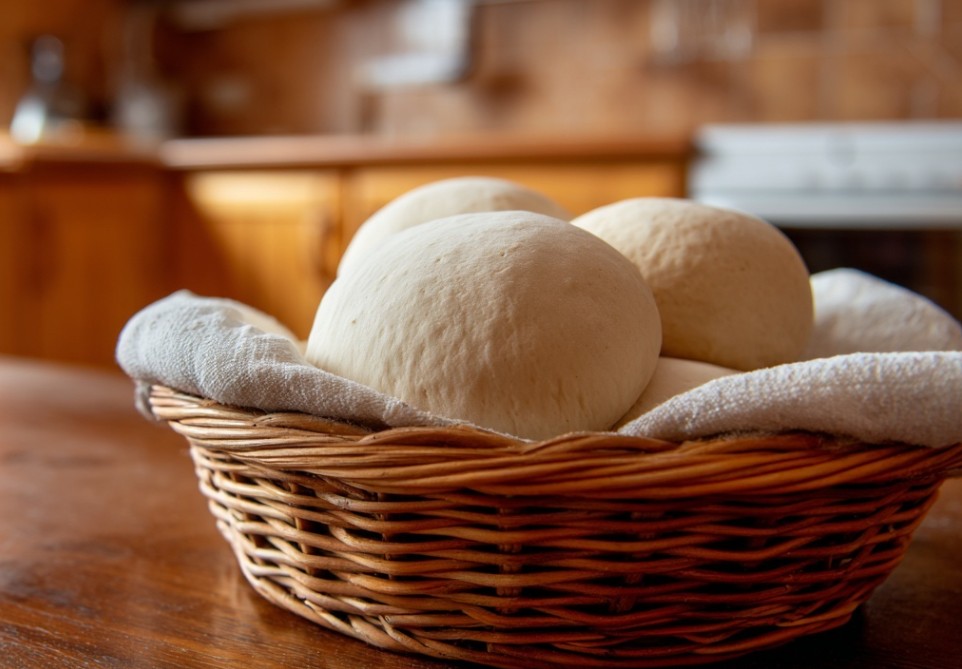
The oven’s already humming, and on the counter there’s a bowl of flour and a bottle of olive oil. This is the kind of night when rhythm matters: 10 minutes to mix, a short rest, and the dough is basically asking to be stretched onto a tray. I love that moment when it turns smooth and springy under your hands—no dry floury edges, no fuss. It feels like pizza dough should need a long proof… but a quick yeast “wake-up” with a pinch of sugar and warm water does the trick. While it’s hanging out under a towel, you can grate mozzarella and slice whatever toppings you’ve got. Then it’s onto a screaming-hot stone (or an upside-down baking sheet), and your kitchen starts smelling like a proper pizzeria.
In this recipe, you’ll learn
- Why you’ll love this recipe
- Tips before you start
- What to look for when choosing ingredients
- Secrets for perfect 30-minute quick pizza dough
- How to serve pizza made with this dough
- Nutritional perks
- Recipe variations
- Questions & answers
- Common mistakes
Why you’ll love this quick pizza dough
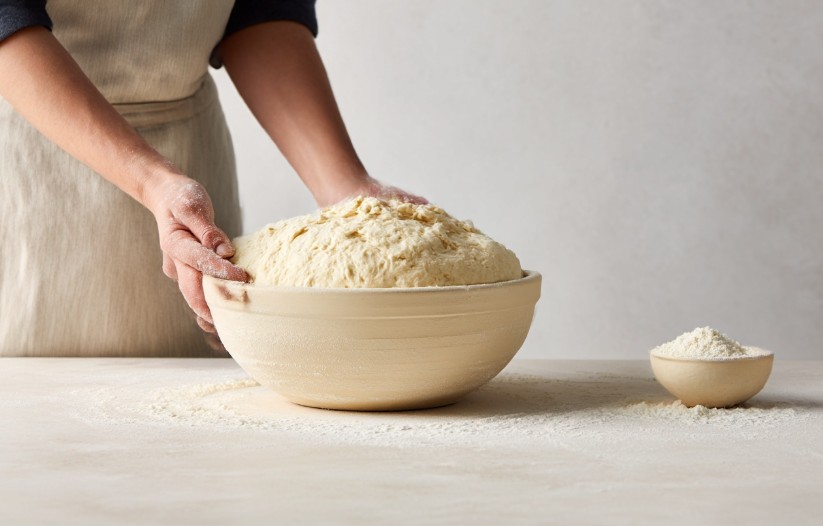
I’m obsessed with how cooperative this dough gets after just 15 minutes of resting. A friend once popped round for a quick catch-up and heard the crust crackle when I pulled the pizza out—she asked for the recipe before she’d even taken a bite. It’s perfect for a regular weeknight: while the oven heats, your base is already stretched and ready. And it’s practical too—the dough doesn’t tear easily and it holds a thin layer of sauce without going soggy.
- Springy and easy to stretch
- Ready in about 30 minutes
- Crispy edges without the drama
- Great for thin-crust pizza
- Minimal washing up
Tips before making quick pizza dough
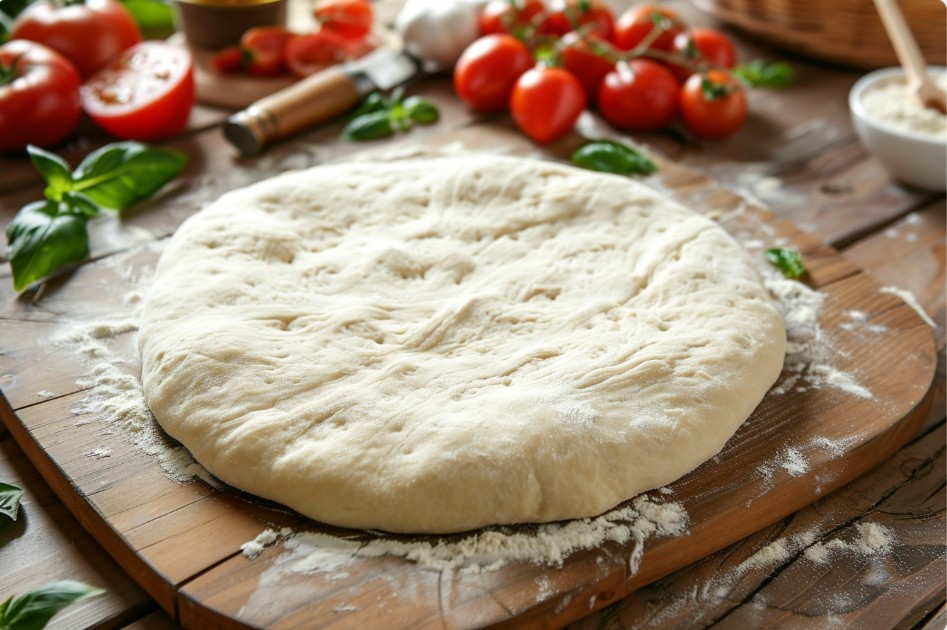
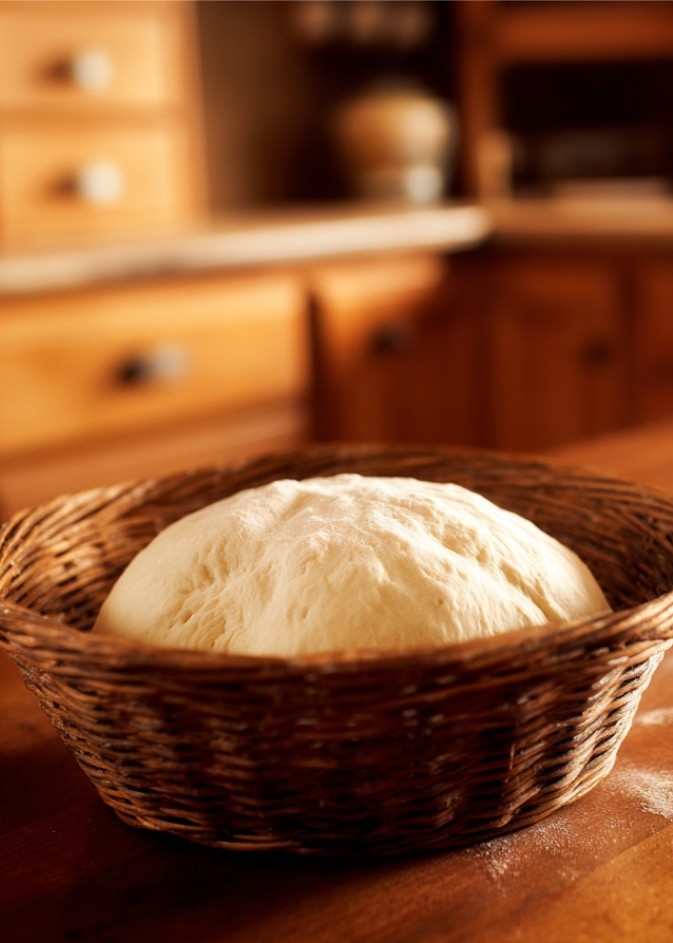
A lot of people skip the short rest, then wonder why the dough keeps snapping back when they try to stretch it. The water needs to be warm—around  38 °C (100 °F)—otherwise the yeast drags its feet (or just dozes off). Add the flour gradually, a couple of tablespoons at a time, aiming for a soft dough—think “earlobe soft,” not stiff. One more tiny thing: cover the bowl with a damp tea towel so the surface doesn’t dry out during those 15 minutes.
- Check the water temperature with a thermometer (or your finger)
- Add the salt after the yeast has activated
- Don’t pack in extra flour “just in case”
- Let the dough rest, covered
- Stretch by hand, not with a rolling pin
What to look for when choosing ingredients
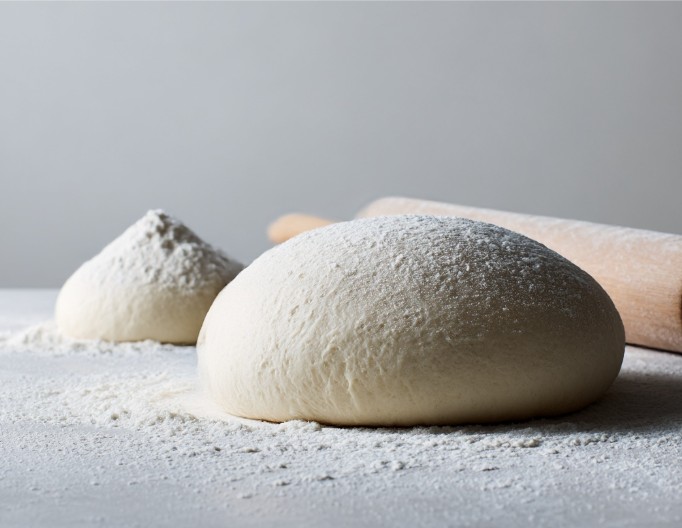
Flour matters more than you’d think here. Go for wheat flour with about 11–12% protein—it gives you that elastic, workable dough after 8–10 minutes of kneading. For yeast, choose fast-action dried yeast, and skip any sachets that smell aggressively “yeasty” or are past their date—your rise will be patchy. Olive oil should taste clean, not bitter, otherwise that bitterness really shows up once the crust hits high heat.
Wheat flour
Type 00 or a strong white flour; if yours feels a bit “weak,” you may need 1–2 tbsp more and a slightly longer knead until smooth.
Dried yeast
Fast-action, 7 g per 300 g flour; avoid anything clumpy or with an off smell.
Olive oil
Extra virgin for flavour; if it’s noticeably bitter, mix 1:1 with a refined/neutral oil.
Water
Warm, about 35–40°C; cold water slows the rise, very hot water can damage the yeast.
Secrets for perfect quick pizza dough
You know why restaurant pizza tastes better? They don’t hold back on the heat, and they let the dough relax before shaping—even 10 minutes makes a real difference to the texture.
- Get the oven as hot as it will go
- Use a stone or an upside-down baking sheet
- Rest the dough, covered
- Keep sauce thin: 2–3 tbsp
- Use as little extra flour as possible
How to serve pizza
Don’t slice the pizza the second it comes out—give it a couple of minutes so the cheese sets and the toppings don’t slide off. And don’t cover hot pizza with a lid or foil, unless you want a soft, steamy crust.
- Finish with rocket (arugula) and a drizzle of olive oil
- Hot honey and pepperoni
- Add prosciutto after baking
- Pesto dotted around the crust
- Chilli flakes and Parmesan
Nutritional perks
This dough is a solid source of energy thanks to the carbs, and it pairs really well with protein-heavy toppings. It’s also handy when you’re planning a post-work dinner and want a portion you can actually control (without accidentally turning it into a cheesy mountain).
- Predictable portion size for the base
- Easy to choose lighter toppings
- No extra sugar in the dough (just a pinch to wake the yeast)
- Olive oil adds flavour and tenderness
Recipe variations
Some days I want it paper-thin and snappy; other days I’m in the mood for softer, puffier edges. The nice thing is you can steer this dough either way—just adjust how thin you stretch it and how long you let it rest.
- Ultra-thin crust ~2 mm: bakes fast
- Puffier edges: give it a longer rest
- Swap in wholewheat flour for up to 20%
- Add dried herbs to the dough: oregano, basil
- No-olive option: use 1 tbsp neutral oil
Questions & answers
The first time my friend made this base, she wrote down the answers to these quick questions straight away.
How do I know the yeast has activated?
After 5–7 minutes, you’ll see foam and tiny bubbles on the surface, and the smell turns pleasantly bready (not harsh).
Why does the dough shrink back after resting?
It hasn’t relaxed enough, or it’s too cold. Give it another 5 minutes under a towel and stretch gradually, pausing for 20–30 seconds between pulls.
What if I don’t have olive oil?
Use refined sunflower oil in the same amount. You’ll lose a bit of aroma, but the crust texture will still stay tender.
How long should I bake pizza with this dough?
At 240–250°C, thin-crust pizza usually bakes in 8–12 minutes, depending on toppings and thickness. Look for a browned edge and a dry underside.
Common mistakes when making quick pizza dough
I’ve watched even confident home cooks rush this and throw in extra flour because the dough feels a bit sticky at the start. That happens when the water is warm and the flour hasn’t had time to absorb it in the first 3–4 minutes. Another classic problem is low heat: the oven doesn’t “set” the bottom fast enough, and the crust turns pale. And if you stretch the dough immediately after kneading—no rest—it’s much more likely to tear.
Why is my dough tight and hard to stretch?
Usually it’s too much flour or not enough resting time. Let it sit, covered, for 10–15 minutes, then stretch from the centre out, dusting as little as possible.
Why is the crust pale and not crunchy?
Your oven isn’t hot enough, or the tray/stone is cold. Preheat for at least 20 minutes and bake on a fully heated surface at 240–250°C.
Why does it smell strongly of yeast?
Too much yeast, or the dough rested somewhere too warm. Stick to 7 g per batch and let it rest at room temperature—don’t put it next to a heater.
Why is the dough sticking to my hands and the counter?
At the beginning, that’s normal. Rub a drop of oil onto your hands (or dampen them with water) and knead another 2–3 minutes until the surface smooths out—the stickiness will calm down.






Responses