What to Eat for Dinner (and What to Save for Earlier)

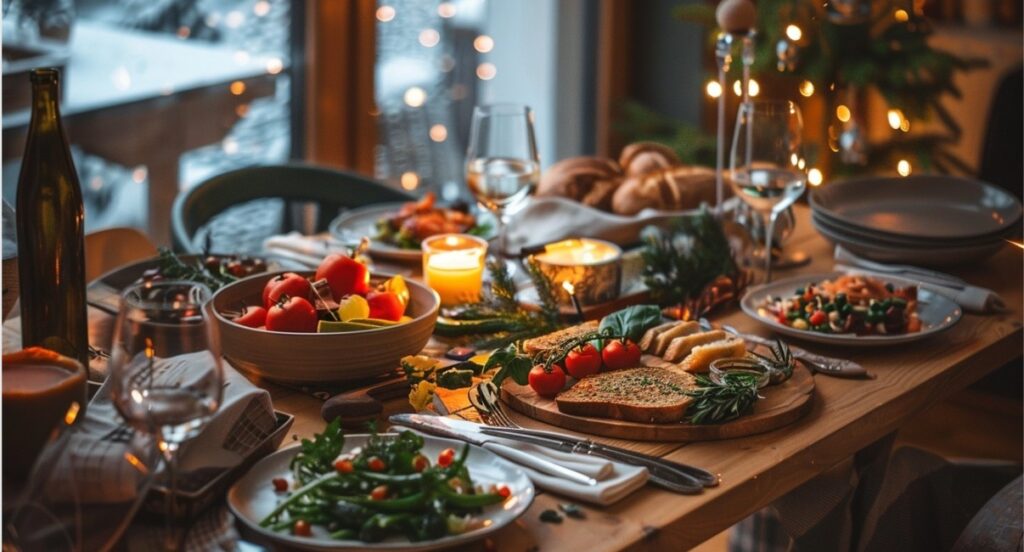
Dinner is the meal that most often gets wrecked by real life. You get home tired, your head’s buzzing, the fridge light is basically doing all the work, and your hand reaches for something fast—or a little “reward” for surviving the day. It feels harmless: you eat and you’re done. And then the familiar stuff shows up: heaviness, waking up thirsty, weird sleep, and in the morning you’re either starving… or you don’t want breakfast at all.
One thing has always been obvious to me in the kitchen: it’s not that “you can’t eat late.” It’s what you eat in the evening and how it plays out in real life—how your body feels, how easy it is to clean up after, whether you start craving sweets, whether you want “just a little more,” whether you wake up in the middle of the night thirsty.
I’m not here to lecture you about “clean eating.” Let’s keep it practical: we’ll go through foods that usually make for a solid dinner, and the ones that tend to betray you. Plus—how to pick them at the store or market, how to store them, and why the same ingredient can feel totally different depending on how you cook it.
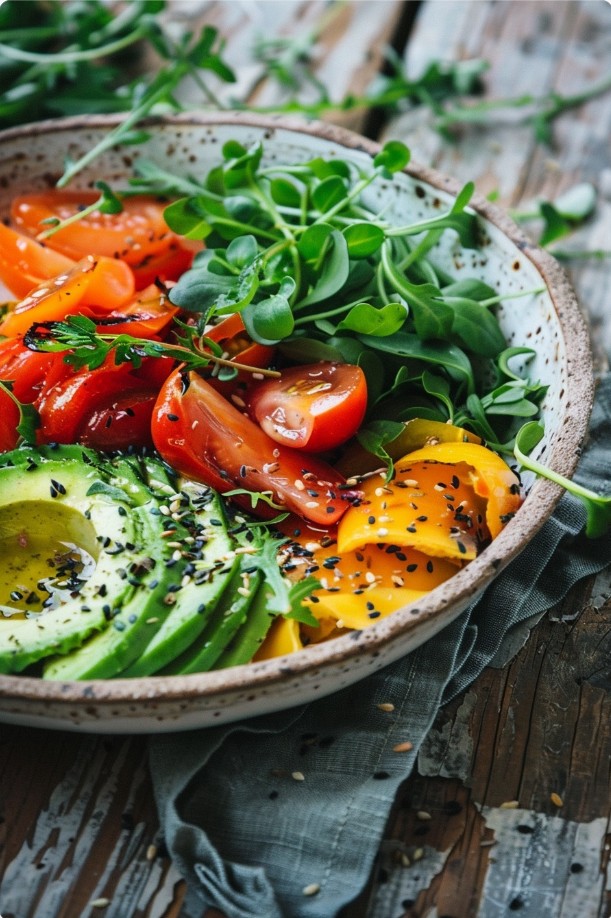
What I mean by a ‘good dinner’—no theory, just how it feels
When I say “a good dinner,” I don’t mean a perfect, Pinterest-ready plate. I mean the kind of dinner after which you:
- feel satisfied without that “I’m stuffed and puffy” feeling;
- don’t end up roaming the kitchen looking for cookies “with tea”;
- don’t wake up thirsty, with heartburn, or with heaviness;
- don’t punish yourself in the morning with coffee on an empty stomach because “I overdid it last night.”
Here’s the key detail: dinner is not the place to test your willpower. If you’re hungry and exhausted, you won’t spend long debating broccoli vs. pizza. You’ll pick whatever gives quick comfort. That’s why I always suggest thinking about dinner at the shopping stage—keep a couple of “Plan B” options at home that you can throw together in 10–15 minutes.
A tiny story from my own kitchen: I had a phase where I got home late and basically lived on cheese and bread—simple, fast. Seemed fine. But I noticed that if it was a firm, salty cheese (and especially if I added cured sausage), I’d wake up at night needing water. If it was a softer cultured dairy and a proper wedge of tomato on the side, everything stayed calm. Same fridge shelf, totally different outcome.
Tip: if you don’t know what to eat for dinner, choose something that smells good even without sauce. Good meat, fresh fish, in-season vegetables, decent eggs—they carry their own flavor. If an ingredient needs ketchup and mayo to be “edible,” it’s usually a bad evening plan.
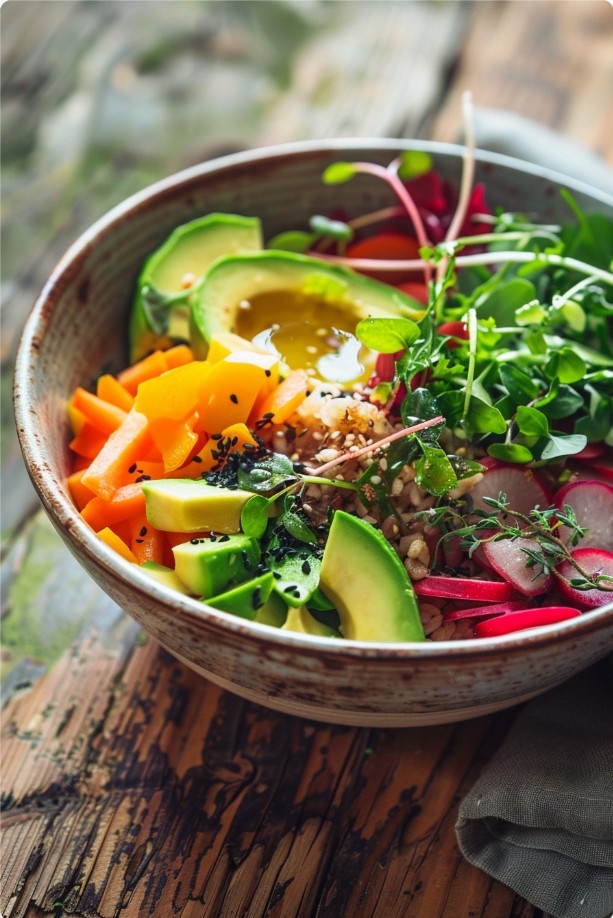
Foods that usually work well for dinner (and why)
I don’t split food into “allowed” and “forbidden.” But there are ingredients that, in the evening, more often bring peace: satisfying without heaviness, better sleep, fewer cravings to keep snacking.
Vegetables: not just salad, but a warm plate too
Vegetables at dinner aren’t about “diet food.” They’re about volume, freshness, and that feeling that you actually ate a real meal. Warm vegetables (roasted, braised, sautéed) often go down even better than a cold salad—especially when it’s chilly outside.
How to choose: look for firmness and smell. A cucumber should smell like cucumber, not like the fridge. A tomato should smell like tomato, not like water. Cabbage should be free of slime and that damp “cellar” odor. Salad greens should be dry—not sweating in the bag.
How they behave when cooked: zucchini and eggplant like salt and time—throw them into a lukewarm pan and they turn spongy. Broccoli and cauliflower go from tender to mush in a heartbeat if you overcook them. Carrots and beets hold onto their sweetness, which makes dinner feel extra cozy.
Tip: if vegetables “don’t do it” for you, make them crisp. High heat, short cooking time, salt at the end—and suddenly they taste alive instead of tired and boiled.
Eggs: a simple tool for evenings
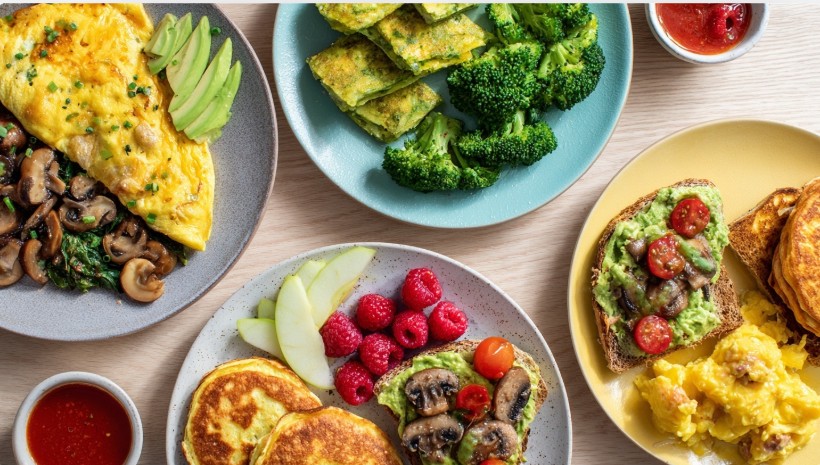
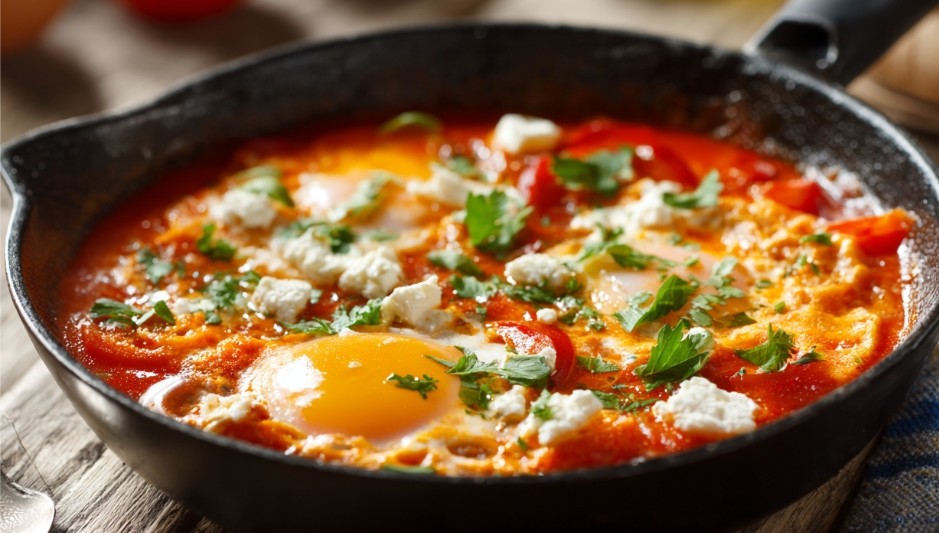
Eggs are my favorite evening “build-a-meal.” They cook fast, keep you full, and they play nicely with whatever you’ve got: herbs, tomatoes, a bit of cheese, leftover roasted veg.
How to choose: shells should be clean and uncracked. The carton shouldn’t smell like anything. If the eggs have any off odor—leave them at the store, even if they’re on sale.
Storage: keep them in the fridge, but not in the door if it gets opened and slammed all day—temperature swings matter. And don’t wash eggs ahead of time: once you wash them, they don’t keep as well.
Quick story: I once bought eggs at a market—“farm fresh, the best.” Got home and they smelled like a coop so strongly I wanted to open a window. You can cook with that, sure, but it’s not the vibe you want at dinner. Since then I always smell the carton. It’s not silly—it saves your nerves.
Fish and seafood: light—if you don’t ruin it
Fish can be perfect for dinner—but only if it’s good quality and you don’t drown it in fat. Good fish smells clean: sea air, iodine, freshness. Bad fish smells like an “old aquarium” or has a weird sweet note you don’t want to breathe in.
How to choose at the counter: eyes shouldn’t be cloudy, gills shouldn’t be brown. Fillets should be free of grey patches and dried-out edges. Packaging shouldn’t be full of liquid or puffed up.
How it behaves when cooked: fish likes short cooking times. Overcook it and you get dry flakes you have to “save” with sauce. And sauce at night often means extra fat and salt.
Tip: if you’re buying frozen fish for dinner, choose “dry frozen” fillets (without a thick ice armor). That ice is your money—melting straight into the sink.
Cultured dairy: when you want “something simple”
Kefir, plain yogurt without extras, cottage cheese—these can be a great dinner when you’re out of energy. But it’s easy to fall into a trap: grab “strawberry yogurt” that’s basically dessert, then eat a bun because you’re still not satisfied.
How to choose: look for a short ingredient list without a parade of flavorings. Texture shouldn’t be watery. The smell should be clean and tangy—no yeasty, beer-like notes.
Storage: cultured dairy doesn’t love being left open. Screw the lid on tight, don’t leave a spoon in the tub, and don’t keep it in the warmest part of the fridge (usually near the door).
Grains and legumes: yes, but use your head
Buckwheat, rice, lentils, chickpeas—filling and convenient, especially if you cooked them ahead. They’re great for dinner when the portion doesn’t turn into a mixing bowl and when there’s something fresh or warm vegetables alongside.
How to choose: grains should be dry and free of musty smells. Lentils should be free of dust and little stones. Packaging should be intact—no holes and no moisture inside.
How they behave when cooked: legumes need time and the right texture. Undercook them and they’re rough. Overcook them and they’re purée. In the evening I’m more likely to choose quick-cooking options (red lentils, for example) or something that’s already cooked.
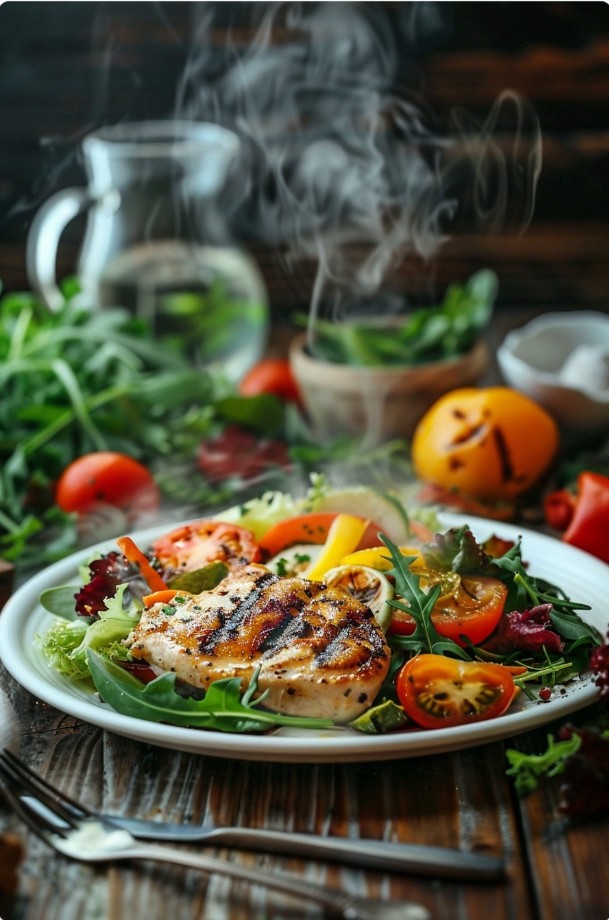
Foods that often ruin your evening (not forever, but most of the time)
Some foods act like a loud neighbor at night: nothing illegal, but you’re not getting any peace. They’re not “banned foods”—they just more often lead to heaviness, thirst, overeating, or poor sleep.
Very fatty and fried
Fried potatoes, deep-fried wings, chebureky, greasy sausages—delicious, I’m not arguing. But at night it often sits like a stone. And after that kind of meal you tend to crave either something sweet or something even saltier… and the loop closes.
The marketing trap: “homestyle,” “country-style,” “just like grandma’s” often translates to “a lot of fat.” Not always—but very often.
Sweets as dinner—or “just after dinner”
Dessert isn’t the enemy. But when your evening meal is cookies, a sweet bun, a chocolate bar, sweetened yogurt, granola with honey—you feel like you ate, and then an hour later you’re hungry again. That’s when the late-night kitchen trips begin.
Quick story: I once worked events where desserts were left over after the shift. And of course we “rescued” them. A couple of those evenings and I realized it’s harder to fall asleep after sweets—even when you’re exhausted. Not a tragedy, just real life.
Spicy and heavily seasoned
Spice is personal. But if you notice that hot sauces make you wake up thirsty or give you that burning feeling, move those meals to lunchtime. In the evening I like spices without aggression: fragrant, not fiery.
Processed convenience food with a long ingredient list
Pelmeni, hot dogs, nuggets, frozen pizza—they save you when there’s no time. But as a regular dinner they often bring two issues: too much salt (hello, thirst) and that feeling you ate “something not quite right,” so you want to top it off with more food.
How to choose if you’re buying it anyway: read the label calmly, like a normal person. If you see a whole orchestra of flavor enhancers and aromas, it’ll taste “bright,” but it won’t always feel good at night. Also check the packaging: if it’s damaged or you see big clumps of ice crystals inside, it was stored improperly.
Fruit “before bed”—sometimes yes, sometimes no
Fruit is great, but as dinner it doesn’t work for everyone. I often see people replace dinner with apples or grapes, and then an hour later they’re making a sandwich. Now you’ve done a double lap.
If you want fruit in the evening, I’d treat it as part of the plate, not the whole meal. And again: quality matters. An overripe banana that smells like compote isn’t what you want right before sleep.
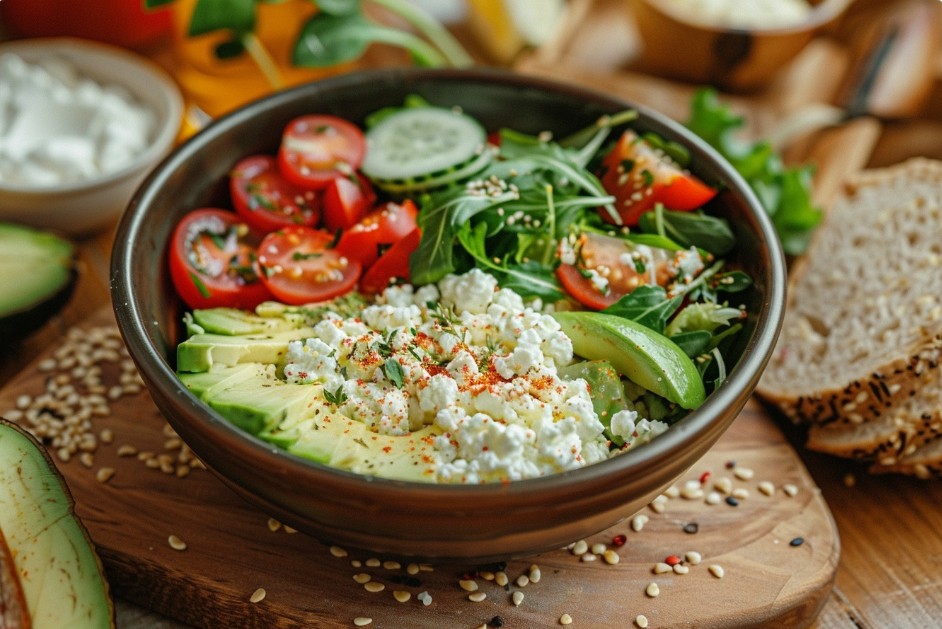
How to choose dinner foods at the store or market: eyes, nose, and a little nerve
Dinner doesn’t start at the stove—it starts with what you put in your basket. And it helps to learn to choose not “the prettiest,” but what will actually feel good in the evening: fresh, no weird odors, no hidden salt and sugar.
Meat and poultry: color and moisture tell you more than sales talk
Color should look natural—no grey cast and no glossy “varnished” shine. If the piece is sitting in a puddle, it’s not always a disaster, but it often means it’s been out too long or stored poorly.
Smell should be neutral and meaty. Any sourness, sweetness, or “chemical” note is a reason to skip it. At markets I always ask to smell it up close. A good vendor won’t be offended—they do the same thing.
Texture: press it with a finger (through a bag or glove if possible). The indentation should spring back quickly. If the meat feels slack and “swims,” it’s tired.
Fish: don’t be shy about being picky
If fish is fresh, it smells clean. If someone tries to convince you “that’s the smell of the sea,” but you’re getting old rag vibes—don’t argue, just walk away.
Vacuum-packed fish can have a slight “sealed” smell that disappears in a minute. But if it gets worse after a minute, that’s a bad sign.
Vegetables and herbs: look for life, not shine
Glossy peppers and perfect-skinned tomatoes are fine, but check the stems, cut ends, and leaves. If herbs are limp with dark edges, they won’t magically “recover” at dinner—they’ll just look sad on the plate.
At markets I like to ask, “Field-grown or greenhouse?” Not to interrogate anyone—just to understand seasonality. In season, vegetables smell stronger, and dinner tastes better without extra sauces.
Prepared foods: read the label like it’s a mood ingredient list
I’m not into demonizing additives. But at night I want simplicity. If a product is built on flavorings and enhancers, you’ll often eat more than you planned—because your brain keeps chasing “just a bit more of that same taste.”
Tip: if you’re buying something ready-made for dinner, choose one compromise—not three. For example: bread or sausage or sauce. All at once is almost always too much salt and fat.
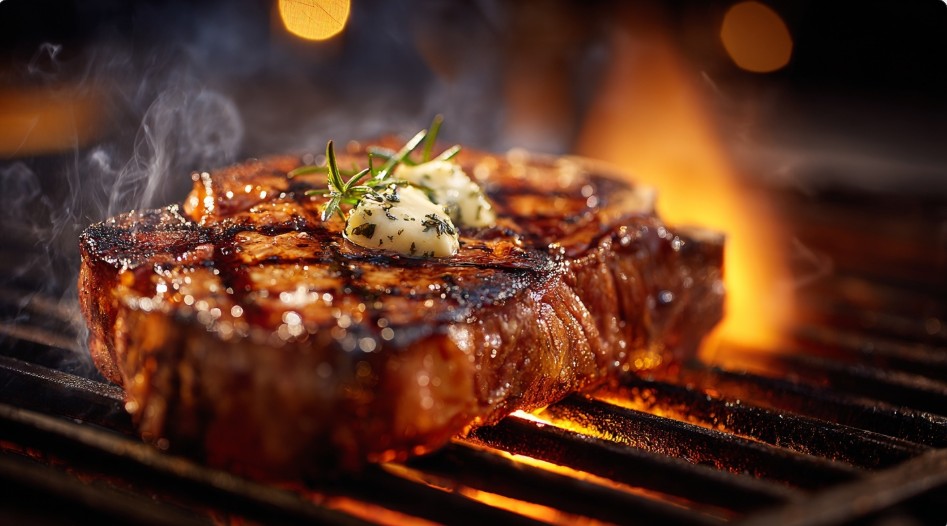
Common dinner mistakes: I’ve seen them hundreds of times
These mistakes happen to people who are “eating healthy” and to people who just want a normal meal. The only difference is what they call it.
Mistake #1: “I don’t eat dinner” → and then I eat everything
Skipping dinner often ends the same way: at 22:30 the fridge opens and everything that isn’t nailed down disappears. Plus you get a weird mix: cheese, cookies, sausage, grapes, tea. Not really dinner, but in reality—chaos.
Mistake #2: dinner that’s all carbs
Pasta on its own, mashed potatoes without a proper “partner,” a sweet bun with jam. The fullness doesn’t last, and then you start topping up. Dinner should carry you to bedtime—not just to the first episode of your show.
Mistake #3: a “healthy” food in the wrong form
Vegetables drowned in mayo. Fish buried in breadcrumbs and fried until crunchy. Yogurt that tastes like candy. On paper—fine ingredients. In practice—a heavy dinner.
Mistake #4: too much salt and too many sauces
Salt is flavor. But at night it’s easy to overdo it, especially if your plate already has cured meats, cheese, soy sauce, pickles—and then you salt it again. Nighttime thirst is basically guaranteed.
Mistake #5: eating on the run—or standing up
It sounds minor, but I see the difference. When you eat standing up, you miss the moment when you’ve had enough. And in the evening it’s especially sneaky: the day was long, and your body wants compensation.
Tip: if you end up eating late, slow down. Two minutes of quiet and a real 10–12 minutes for your plate does more than any “rules.”
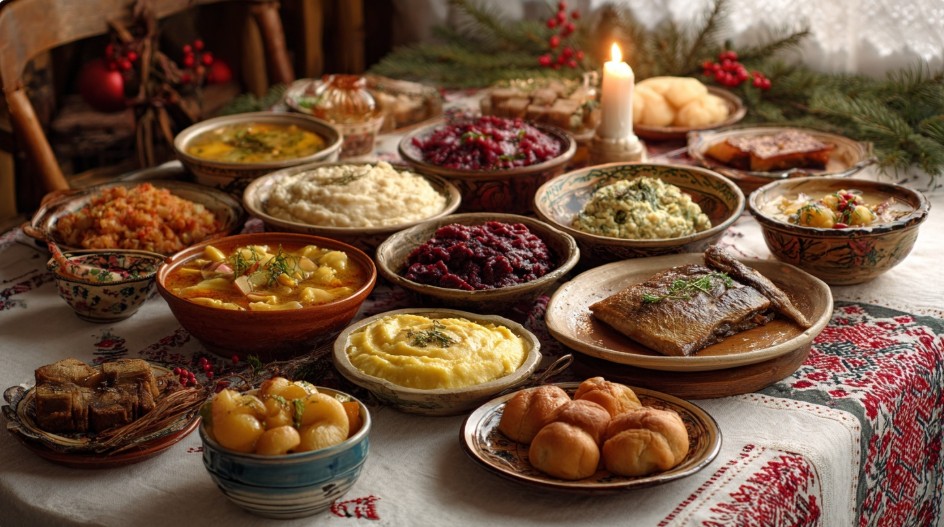
Price vs. common sense: when dinner is worth paying more for
Not everything expensive is better. And not everything cheap is bad. But there are categories where paying a bit more really does matter in the evening—when you want clean flavor without a “heavy aftertaste.”
Fish and seafood
Here I’m almost always in the camp of: buy good quality or don’t buy it at all. Bad fish means an odor that spreads through the whole apartment and a texture you can’t really fix. For dinner, that’s a double minus.
Olive oil, butter, basic fats
Cheap fat often has a pushy smell and a flat taste. And at night you don’t want to fight aromas. I’m not saying you need the most expensive bottle—I’m saying find a solid mid-range option that smells pleasant and doesn’t taste bitter.
Cheese and cultured dairy
The difference here is how the product behaves: is it tender or rubbery, does it bring extra saltiness. If you often eat cultured dairy for dinner, it’s worth finding “your” brand or vendor and not chasing every discount.
Seasonal vegetables also mean “paying less for more”
The best savings is buying what’s in season. The flavor is stronger, which means you don’t need to buy a pile of sauces and seasonings just to make it “kind of okay.” Dinner ends up simpler and cheaper.
Storing dinner staples so they don’t spoil—and dinner comes together fast
One reason we eat whatever at night is that the good ingredients either went bad—or they feel like too much effort to pull out and cook. Smart storage isn’t pedantry; it’s how you make dinner easy.
Vegetables and herbs
Herbs last longer if they’re not sitting wet in a bag. I keep it simple: if the herbs are damp, I pat them dry with a towel, then store them in a container or bag with a paper towel. They don’t turn slimy that way.
Tomatoes, if they’re decent, are often better kept out of the fridge in a cool spot. In the fridge they can lose aroma—and then dinner tastes like nothing.
Meat, poultry, fish
If you know you’ll cook it tomorrow, don’t leave it in the store packaging where liquid collects. Move it to a container and blot off excess moisture. Fish especially doesn’t like waiting: either cook it within the next day or freeze it right away.
Cooked grains and legumes
Cooking grains ahead is one of the most honest ways to make dinner easier. Just store them so they don’t dry out: a lidded container, and don’t keep them for a week “just in case.” Better to cook less, more often.
Tip: dedicate one fridge shelf to “dinner.” Keep 2–3 things there that can become a plate in 10 minutes: eggs, herbs, vegetables, a piece of cheese or fish. When everything’s scattered, dinner turns into a scavenger hunt.
How foods behave at night in a pan or the oven: simple rules, no recipes
The same ingredients can feel light or heavy depending on what you do with them. Especially in the evening, when every extra spoon of fat—or every extra minute on the heat—hits harder.
Less breading, more real flavor
Breading gives crunch and satisfaction. But it soaks up oil and makes the dish heavier. If you want crunch, it’s better to get it from the ingredient itself: high heat, a dry surface, and don’t overcrowd the pan.
Don’t “boil” on low heat what should be seared
When you pile too much into a pan, everything releases water and starts steaming in its own juices. Vegetables go soft and sad, meat turns grey. At dinner that often translates to: “Well, I ate… but it wasn’t satisfying,” and then you start hunting for dessert.
Salt and acidity at the end
I like salting a lot of things at the end, especially vegetables. They release less water and keep their texture better. Acidity (lemon, vinegar) also works best at the end—it lifts the flavor so you don’t need to pour on sauces.
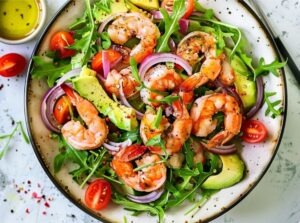
If you often find yourself wondering what to make for dinner, it helps to choose meals that are light but still satisfying—so you’re not weighing yourself down right before bed. Great options include vegetables, baked meat or fish, salads, and simple grain-based dishes. Take a look at our recipe roundup for easy ideas for a tasty, balanced dinner.
A warm dinner doesn’t have to mean “heavy”
There’s a myth that a light dinner has to be salad. Nope. Warm vegetables, baked fish, eggs—those are warm meals, and they can be very gentle in the evening. What makes dinner heavy is extra fat, sugar, salt, and big autopilot portions.
Another tiny home rule I swear by: if I’m craving “something hot” at night, I boil the kettle first and make a warm drink with no sugar. While the water heats, my brain has time to figure out what I actually want—food, or just warmth. Surprisingly often, that’s enough to stop pointless snacking.
If I had to boil it down to one idea, it’s this: dinner isn’t about restrictions—it’s about calm. The foods that tend to work best at night are the ones with clean flavor, good texture, and no need for heavy masking. Seasonal vegetables, eggs, quality fish, simple cultured dairy, plus a little grain or legumes—that’s a set you can build into a proper plate without drama.
Now I’m curious: what most often breaks your dinner routine—something sweet after the meal, late-night convenience food, or that moment when you have zero energy to cook and grab the first thing you see?