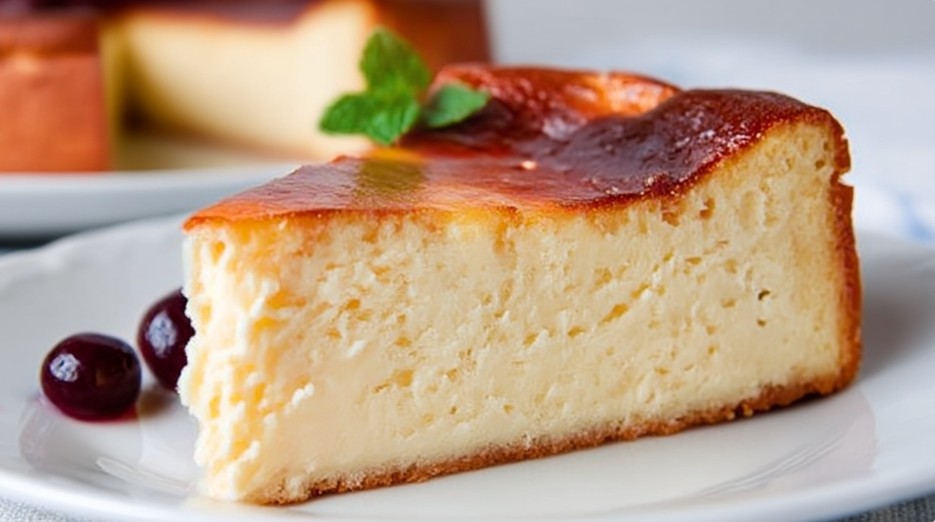
Why Cottage Cheese Casserole Is Good for You (In Real Life)

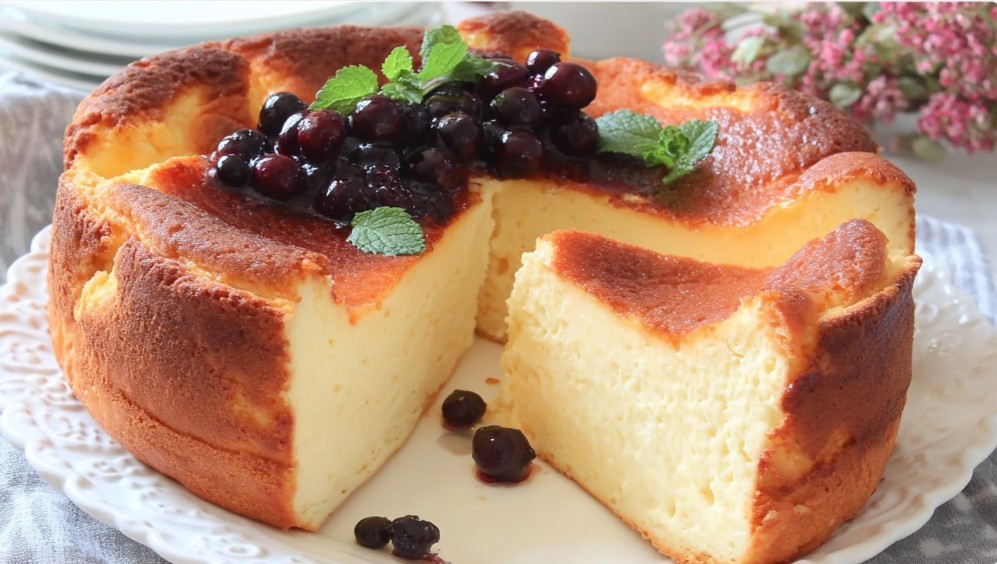
Some dishes don’t need to be talked into your plate. Cottage cheese casserole is one of them. It smells like home: warm milk, vanilla, and that lightly browned top. You can even recognize it by sound—the knife gliding through the soft middle and quietly scraping the baking dish.
But here’s what I’ve noticed: people often file cottage cheese casserole under “nursery food,” “diet food,” or “it’s sweet, so it can’t be that good for you.” And because of that, they either overpay for trendy “fitness desserts” or cross it off the home menu entirely—even though it can be exactly the right thing on a weekday, or when you need to feed the family quickly with something normal and familiar.
If you look at cottage cheese casserole not as “right/wrong,” but as a practical kitchen tool, the benefits are pretty straightforward: it keeps you full, supports a routine, helps you avoid constant snacking, and gently satisfies a sweet craving without a full-on sugar circus. Plus, it’s a great way to learn how to choose decent cottage cheese—and avoid the kind that turns into a puddle in the oven.
Here’s how I see the benefits of cottage cheese casserole for your body—no medical promises, no nutrition math. Just cooking, ingredients, how you feel after eating, common mistakes, and how to make casserole work for you instead of against you.

Why cottage cheese casserole works in everyday life: fullness, routine, and a calmer head
The biggest benefit of cottage cheese casserole isn’t that it’s “healthy by definition.” It’s how it behaves in real life. This is the kind of food that leaves you feeling like, “Okay, I actually ate.” Not for 20 minutes like after a pastry, but in a way that doesn’t have you hunting for snacks every half hour.
I see the same morning scene over and over: someone doesn’t want anything “heavy,” grabs coffee and something sweet, and then by lunchtime it’s nerves, hunger, and impulsive choices. Casserole is great here because it’s soft, warm, and not aggressive—yet it still feels like real food. Not a “little something with coffee,” but an actual slice.
There’s also a psychological piece. When there’s a casserole in the house, it’s easier to stick to a routine. It sits in the fridge, you can see it, and it doesn’t require decision-making. Open the door—cut a piece—eat. That alone takes the edge off the constant “What should I eat?” spiral. I’ve seen it in food service too: the fewer tiny decisions you make all day, the calmer you eat.
A quick story: how casserole saves you from “snacks on the run”
Back when I was doing a placement, there was a waitress who never had time to eat. She basically lived on cookies and coffee, then “cleaned out” anything in sight at night. I suggested something simple: make a cottage cheese casserole for two days, slice it into portions, and take it with you. A week later she said a line I still remember: “I didn’t become a better person—I just stopped being hungry.” That’s the everyday benefit right there.
The benefits start with the cottage cheese: how to choose a good one and not waste your money
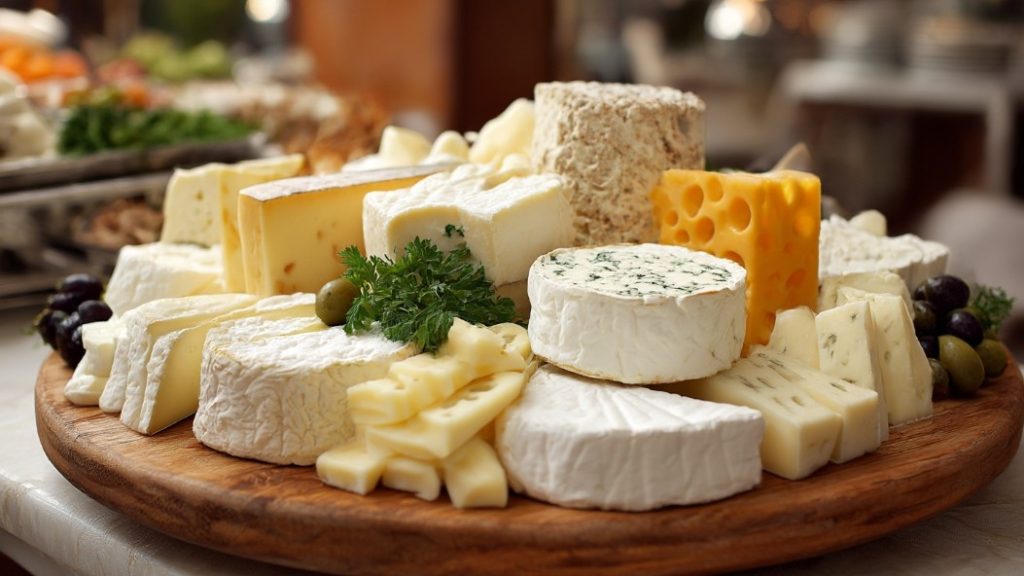
Casserole is basically a quality test for cottage cheese. If the cottage cheese is good, the bake holds together, smells milky, and has a tender texture. If it’s bland, watery, or has odd off-notes, the oven will expose it—no mercy.
When I’m buying from a market stall, I always start with three things: smell, texture, and moisture. Color matters too, but it can be misleading. Some people chase “whiter than white,” and some sellers help that along—or the cheese is made from very skim milk, so it’s pale but tastes flat.
What to look for (and what to smell for)
- Aroma: clean and milky, a little creamy. No sharp sourness that hits you in the nose. A gentle tang is fine—it just shouldn’t dominate.
- Texture: it can be curdy or more pliable depending on the style, but it shouldn’t feel slick or slimy. Slickness is a red flag: poor storage or the product is already breaking down.
- Moisture: if whey is actively seeping out, your casserole is likely to bake up wet and sink. A little moisture is okay; a puddle is not.
- Taste: ask for a tiny bit. It should taste milky, not bitter, not metallic, with no strange aftertaste.
In a supermarket it’s trickier because you can’t smell it. Different markers matter there: ingredients, date, packaging. I like a short, understandable ingredient list. If you start seeing “stabilizers” and “texturizers,” it’s not automatically evil—but for casserole it often means unpredictable results: it might hold its shape, or it might bake up rubbery.
Marketing traps perfectly smart people fall for
I’ve watched people grab a “curd product” instead of real cottage cheese just because the packaging is cute and the wording sounds reassuring. For casserole, that often ends in disappointment: flat flavor, weird structure, and sometimes a greasy film on top.
- “Fitness,” “light,” “0%” isn’t a quality guarantee. It’s just a label—and it doesn’t tell you if it tastes good or how it will bake.
- “Homestyle” on the label is a word, not proof. Check the ingredients and the producer.
- Suspiciously low price is sometimes a promo—and sometimes a sign the product needs to move fast.
Tip: if the cottage cheese in the pack looks perfectly smooth, like a cream, I always get cautious. For casserole I prefer cottage cheese with a “living” texture—something you can mash and still feel tiny curds.

Seasonality and flavor: why the same casserole tastes different in winter vs summer
Cottage cheese isn’t some abstract product. It depends on milk, and milk depends on feed, season, and how the animal lives. So don’t be surprised if summer cottage cheese is more aromatic, with a soft creamy “sunshine,” while winter cottage cheese is calmer—sometimes even a bit drier.
And this is where casserole gets interesting: it helps you “pull” seasonal cottage cheese into a consistent result. If the cottage cheese is drier, the casserole can still be tender if you handle moisture correctly. If it’s wetter, the casserole can turn out creamy, almost soufflé-like—but you need to keep it from baking up watery.
A quick story: the market in August vs the market in February
In August I bought cottage cheese from a woman who sold it still warm—you could feel it was “alive.” That casserole came out so good you could hear a faint squeak as the knife cut through the browned top. In February, from the same seller, the cottage cheese was denser and drier, and the casserole needed more tenderness—I had to mash the mixture longer so it wouldn’t feel grainy. Same recipe. Different product.
That’s why I always say: casserole isn’t about precision, it’s about paying attention. Look at your cottage cheese, not at “what I always do.”
What happens in the oven: texture, aroma, and why it sometimes ‘weeps’
Once the cottage cheese mixture goes into the oven, the magic starts—very down-to-earth magic. Moisture heats up and tries to escape. Proteins set and tighten. Fat (if it’s there) brings tenderness and aroma. And on top, a crust forms—the part many people love even more than the center.
A good casserole should come out springy but not rubbery. It should jiggle a little if you gently shake the pan—that’s a good sign there’s still softness inside. The aroma should be warm and milky, with a hint of caramel where it browned.
Why a casserole sinks or releases liquid
A “weeping” casserole usually isn’t about the cook’s mood—it’s about imbalance. Most often the culprits are:
- Too-wet cottage cheese or cottage cheese that has already separated and released whey.
- Overheating: the oven is too hot, the top sets fast, and the inside is still “boiling” with moisture.
- Whipping the mixture until foamy: lots of air makes it rise in the oven—and then it predictably collapses.
- A sudden temperature shock: you pull it out and put it on a cold windowsill—hello cracks and moisture.
Tip: if the cottage cheese is clearly wet, I let it sit in a sieve or cheesecloth for at least 30 minutes. It’s a tiny step that often saves the texture.
As far as “benefits for the body” go, it’s simple: when the texture is right, people eat casserole more slowly and more calmly. A bad one—wet, falling apart—pushes you to wolf it down and forget it, then go looking for something tasty again. Food should be satisfying, otherwise it doesn’t support your routine.
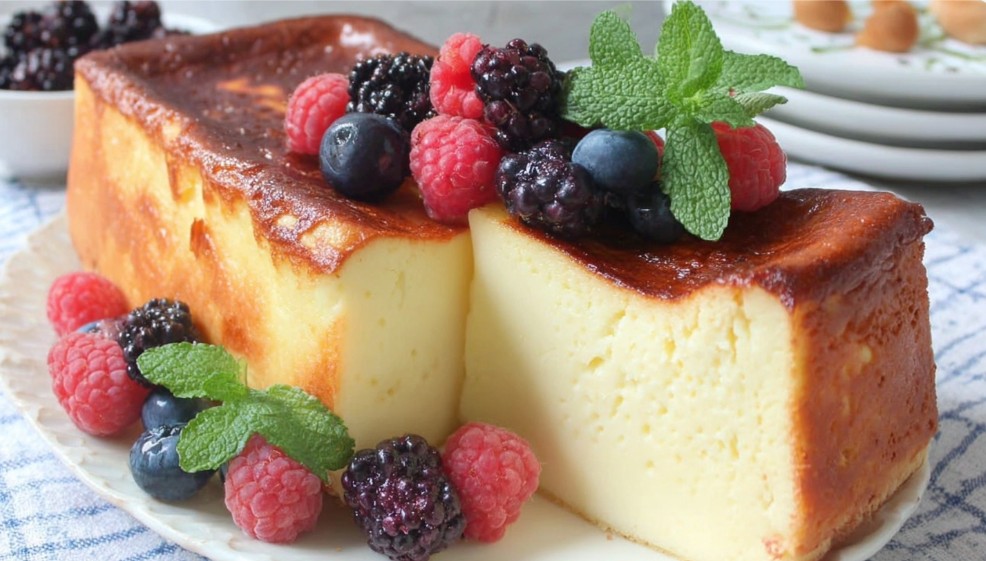
Common mistakes: what ruins a casserole and turns a good idea into a heavy slab
I’ve seen hundreds of casseroles—in cafés, at home, and in production kitchens. And almost always the problem isn’t “a bad day,” it’s a few repeat mistakes. These are the ones I see most often.
Mistake 1: buying cottage cheese “just to have something”
Cottage cheese with a sharp sour smell or a suspiciously slick surface isn’t “fine, it’ll bake.” It will bake, sure—but the flavor gets even harsher, and the oven smell can have you airing out the kitchen. There’s no benefit in that kind of casserole because people either won’t finish it, or they’ll drown it in jam to cover the taste.
Mistake 2: making it too sweet
Cottage cheese casserole shouldn’t taste like candy. When sweetness dominates, you go back for a second slice not because you’re hungry, but because it’s “dessert-good.” Then the heaviness hits. I like it when sweetness just highlights the milky flavor instead of covering it up.
Mistake 3: overheating the oven and drying it out
A dried-out casserole crumbles like sand and practically demands a mug of tea. It might be “filling,” but it’s not pleasant: heavy, dry, and you start wanting something soft on top. This usually happens when people worry the center won’t bake through and keep it in until it’s basically a rusk.
Mistake 4: adding too much flour/semolina “so it holds together”
I get the logic—you don’t want it to fall apart. But too many thickeners turn it into a dense cake where the cottage cheese disappears. The flavor gets poorer, and after eating it feels like you had something starchy rather than something dairy-based.
Mistake 5: slicing it while it’s still hot
This is the most human mistake. It smells amazing, your hands reach for the knife, and you think, “Why wait?” But a hot casserole hasn’t stabilized yet. You cut into it and the center can be creamy, even a little loose. Then people assume it’s underbaked, when really it just needed 15–20 minutes of peace.
Tip: if I absolutely need to eat right away, I cut a small edge piece—edges set faster. The center gets time to finish settling.
Price and common sense: when it’s worth paying more—and when it isn’t
Cottage cheese casserole isn’t the kind of dish where you have to chase the most expensive cottage cheese “because it’s healthier.” What matters more is consistency and an honest product. I’m perfectly happy buying a mid-range cottage cheese if it tastes good and has the right texture. And I’ll also pay more without regret when I can tell the cheaper option will cause problems.
When it makes sense to pay more:
- when the cottage cheese has a clearly clean, milky flavor and you can genuinely taste the difference;
- when you’re baking “for people” and don’t want texture surprises;
- when the cheap cottage cheese regularly leaks liquid or tastes sour—you’ll “pay” anyway, just in stress and a ruined bake.
When you don’t need to overpay:
- when you’re adding flavor boosters (raisins, zest, vanilla)—the key is that the cottage cheese is decent and defect-free;
- when you have a reliable supermarket brand that stays consistent batch to batch;
- when you know how to bring cottage cheese “into shape” (drain it, mash it, balance moisture).
One more honest point: casserole is also a smart way to avoid wasting food. If your cottage cheese is close to the edge (but has no off smell or taste), baking it can be a sensible move. Not “hiding something spoiled,” but using what’s still fine while it’s still fine. I’ve done this plenty of times in restaurant kitchens: better to turn cottage cheese into casserole today than throw it out tomorrow.
Storage: how to keep it fresh without the fridge ruining the flavor
Casserole is great because it keeps for a few days in the fridge and still makes sense. But there are a couple of details. Store it wrong and you’ll get dry edges, borrowed fridge smells, and an unpleasant texture.
Where to store it and how to cover it
I keep casserole in a sealed container, or I cover the baking dish tightly (no gaps). A fridge isn’t a sterile capsule. It’s full of smells—deli meats, onions, sauces. Casserole picks them up instantly.
- Don’t store it uncovered—the top dries out and turns “rubbery.”
- Don’t refrigerate it while hot—condensation makes the surface wet and the texture deteriorates faster.
- Slice into portions if you’ll be eating it over a few days: fewer times opening and disturbing it means it keeps better.
How long it keeps (and how to make it nice again)
I don’t go by the calendar—I go by signs: aroma, moisture, and whether a new sour note shows up. Casserole should smell milky and neutral. If the smell turns sharp, it’s better not to be a hero.
Tip: to make fridge-cold casserole feel “alive” again, I sometimes warm it very gently—not hot, just warm. The aroma comes back and the texture softens.
Also: cold casserole is a different product than warm casserole. Cold is denser and more “cheesy,” warm is softer and more fragrant. For some people the benefit is exactly in the cold version: easy to slice, easy to pack, no reheating needed.
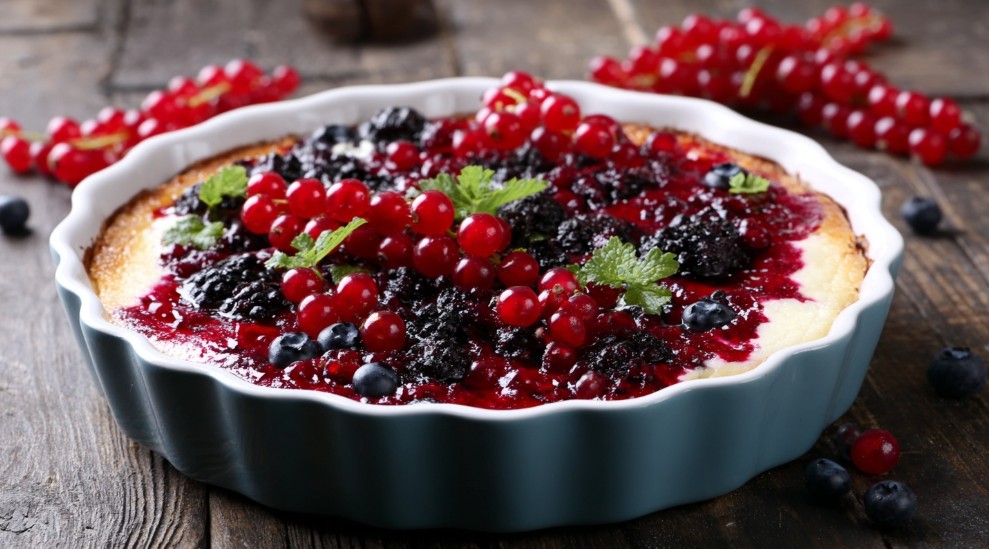
How to make it healthy for you: sweetness, add-ins, and portioning
When people say “the benefits of cottage cheese casserole,” they often mean something vague. I like to bring it down to earth: “benefit” is when you feel good after eating, when you don’t want to snack ten more times, when the dish fits into your day instead of creating chaos.
Three levers matter most: sweetness, add-ins, and portion size.
Sweetness: not “less at all costs,” but “just enough”
I’m all for making casserole enjoyable. If you make it totally bland, you’ll still go looking for something sweet later—just in the form of cookies or chocolate. Better to bake it so one slice actually satisfies that “something with tea” craving.
And it’s not only sugar that helps. Vanilla, citrus zest, raisins, fruit pieces, a little cinnamon—these create a dessert feeling without turning the casserole cloying.
Add-ins: what feels “festive,” and what makes it too heavy
Some add-ins make casserole more interesting; others turn it into cake. I’m not against cake—but then let’s not pretend it’s a “light everyday bake.”
- Great for everyday: lemon/orange zest, vanilla, raisins, dried apricots, apple, a handful of berries. They add aroma and juiciness.
- Go easy: lots of chocolate, rich creams, thick layers of sweet sauces. That’s a different weight and a different role in your menu.
Quick story: I had a phase at home where I “improved” casserole with everything—nuts, chocolate, sweetened condensed milk. Tasty? Absolutely. Helpful in everyday life? Not really, because it stopped being breakfast and became dessert that made you want to lie down. I went back to simple, and casserole became something you can eat on a Tuesday morning without drama.
Portioning: a simple trick that actually works
Casserole is very easy to overeat. It’s soft and goes down easily, especially warm. So I use a simple approach: slice it into portions right away. When a piece looks like “this is my portion,” it’s easier for your brain to stop.
Tip: I slice casserole only after it’s fully cooled, then I reheat individual portions. It keeps better, and portion control is much easier.
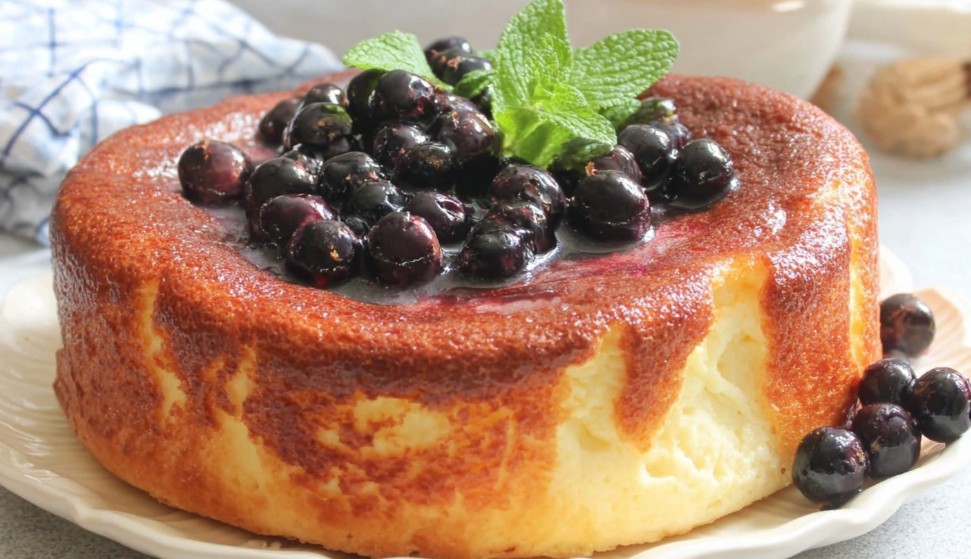
A few more kitchen tips for a tender, stable casserole
No “chef secrets” you can’t repeat at home. Just small things I do automatically because they lower the chance of failure.
- Let the cottage cheese warm up: if it’s fridge-cold, the mixture blends worse, you get lumps, and the texture bakes uneven.
- Don’t chase perfect smoothness: a little graininess is normal. Cottage cheese beaten “into foam” often leads to sinking.
- Your baking dish matters: a wide dish bakes faster and more evenly; a deep dish takes longer and risks a raw center with dry edges.
- Let it rest after baking: the structure stabilizes and the flavor feels more pulled together.
- Think about moisture: dry cottage cheese can make a dense mixture; wet cottage cheese increases the risk of “weeping.” Adjust—don’t fight it.
Quick story: once I was rushing during service and sliced a casserole while it was hot “to be faster.” It spread out, and the guest got a pile instead of a neat slice. The taste was fine, but the look was… like an accident. Since then, I’d rather delay a plate by 10 minutes than ruin the impression. At home it’s even easier: just don’t rush.
If you put it all together, the benefit of cottage cheese casserole is its simple, homey reliability. It can keep you properly full, reduce the urge for chaotic snacking, support a routine, and still be genuinely tasty. It doesn’t require fancy ingredients, but it teaches attentiveness: choosing good cottage cheese, reading moisture, not falling for marketing, and not ruining a good idea with too much sugar.
How is it in your kitchen—do you like cottage cheese casserole warm or cold, with raisins or without? And what goes wrong most often for you: texture, moisture, or flavor?