5 Mistakes People Make When Using Chia Seeds

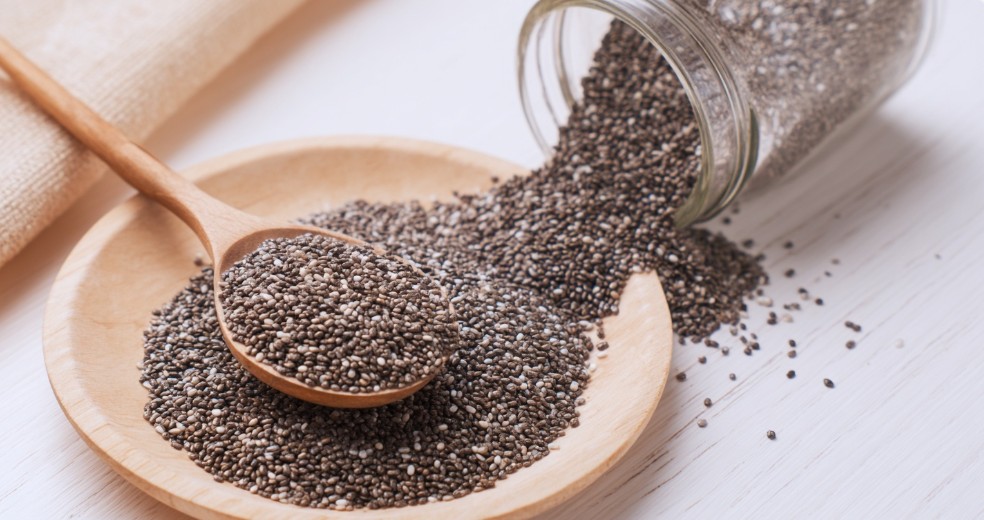
People often buy chia with the best intentions: “Right, I’m eating healthy now.” Then they open the bag, toss a spoonful in whatever’s nearby—and a few minutes later they’re hit with that weird moment where the food turns slippery, lumpy, or just… not for them. Next thing you know, the chia gets banished to the back of the cupboard with all the other “good ideas” from the past.
I know this story well. I’ve watched people get genuinely annoyed at chia, like it personally betrayed them. The truth is, chia is incredibly predictable—it just plays by its own rules. If you don’t know those rules, the result looks like a fail, even though it’s simply how the seeds react to water, heat, and time.
The good news: you don’t need years of practice. Once you get a couple of basics—how chia absorbs liquid, why it clumps, what changes in hot vs cold—it stops being intimidating and starts acting like a useful tool. Texture, thickness, that “I’m full” feeling… without the drama.
How chia actually works: gel, water, and time
First thing to accept: chia isn’t a “grain” and it’s not “nuts.” It’s tiny seeds with a coating that releases mucilage when it meets water. That creates a gel—clear, slightly stretchy, with little specks suspended inside.
And this is where expectations often crash. People think: “It’ll be like poppy seeds or sesame.” Instead, it lands somewhere between jelly and a light fruit gel. That doesn’t mean it’s gone bad or you bought a weird batch. That’s just chia doing chia things.
What affects the result
Three levers control chia’s texture:
- Amount of liquid. Too little and you’ll get a dense, chewy blob. Too much and you’ll end up with a thin, slippery mixture where the seeds float around separately.
- Time. At first, chia grabs liquid on the outside and sticks together. Then it gradually loosens up—if you stir and let it sit. So 2 minutes and 20 minutes are basically two different foods.
- Temperature. In warmth, the gel forms faster, but there’s a catch: if the liquid is hot and you dump chia in all at once, it can seize into clumps and stay that way.
When I first started using chia regularly at home, I did the classic “internet method”: toss it into a glass, stir once, walk away. Ten minutes later—dense layer on the bottom, water on top. My conclusion was: “Okay, this stuff doesn’t work.” In reality, it was me. I didn’t give it time, and I missed the crucial second stir.
Chia loves being stirred twice: right away, and again after 2–3 minutes. That tiny habit prevents about 80% of clumping issues.
Mistake #1: eyeballing chia and ignoring the liquid
The most common scenario: someone adds chia to yogurt, a smoothie, or milk “to make it healthier.” A heaped spoonful and done. A few minutes later the texture turns thick and stretchy—sometimes even “cement-like.” Or the opposite happens: the seeds bob around like fish in an aquarium and nothing thickens.
Why? Because chia acts like a sponge. It pulls water from whatever is around it. If there isn’t much liquid, it’ll take almost all of it and the mixture will feel dry or heavy. If there’s loads of liquid, the gel will be too thin and you won’t notice much thickening.
How it should be vs how people usually do it
How it should be: you treat chia as a thickener and a texture element. You add it where it has something to “eat”—liquid it can absorb.
How people often do it: they add chia to something already thick (like Greek yogurt) and then wonder why it gets even thicker and somehow… stranger.
A practical guideline (without turning your kitchen into a lab)
I’m not into making the kitchen feel like a chemistry class, but with chia it helps to learn the feel of it once. As a starting point, think: chia needs a noticeable amount of liquid—otherwise it will thicken anything you put it into, even if that wasn’t your plan.
If you’re adding chia to something thick, give it extra liquid or add a looser component. In a home-kitchen moment, it looks like this: the yogurt sits firm in the bowl, you sprinkle in chia, and five minutes later your spoon can practically stand up. Not magic—chia just stole the moisture.
Tip: if you’re worried about overdoing it, start with half of what you planned. It’s almost always easier to add more chia than to “thin it back out.”
Mistake #2: not stirring at the right time (hello, lumps)
Chia lumps are a classic. They’re unpleasant: dry in the middle, slippery on the outside. And the worst part is they ruin the whole experience even when the flavor is fine.
The mechanics are simple: when chia hits liquid, each seed immediately starts building a gel layer. If seeds touch each other at that moment, they stick together. Then the gel acts like glue—the clump holds, and liquid moves into the center slowly. You can stir later, but the clump has already formed.
Two stirs that actually fix the problem
- First stir — immediately after adding. Not a couple of lazy swirls; stir so the seeds disperse through the whole volume.
- Second stir — after 2–3 minutes. That’s when the gel starts grabbing. Break things up now and the rest sets evenly.
I had a funny moment at home: I set a bowl of chia aside “for a minute” while I chopped fruit. Came back and realized my “minute” was ten. I ended up smashing clumps against the side of the bowl with a spoon. Edible, sure—but the texture was never quite right. Since then, the second stir is automatic for me, like flipping a patty in a pan.
Another method if you hate watching the clock
Make a small “slurry” first: mix chia with a small amount of liquid until smooth, then add the rest. It’s the same idea as mixing cornstarch—smooth in a small volume first, then combine.
Tip: for mixing chia in a glass, I find a small whisk—or even a fork—more effective than a spoon. It breaks up clumps better.
Mistake #3: adding chia to hot food and expecting it to behave like it does in cold
Chia in hot dishes is where people get burned (sometimes literally). Someone stirs it into hot porridge or freshly heated milk and ends up with strange clumps. Someone adds it to a warm drink and wonders why it suddenly feels slippery and “gross.”
Here’s the key: gel forms faster in warmth, which also means clumping happens more aggressively. Plus, hot liquid can “seal” the outer gel layer so the center hydrates poorly—hello again, dry cores inside slippery clumps.
What it looks like on a regular stovetop
The pan or pot is already hot, and the liquid (milk, water, porridge) is close to boiling. You add chia and it kind of “grabs” on the spot. A couple of stirs and it seems fine—then a minute later you see little blobs floating on top and a dense layer forming at the bottom.
How to handle hot food without stress
- Add chia to warm, not boiling liquid. Once it’s stopped actively steaming and bubbling, you’re far less likely to get clumps.
- If the dish is on the heat, take it off the stove, add chia, stir well, and only then return it (if you need to).
- Give it time. It thickens faster when warm, but it’s still not instant. The 2–3 minute second stir works here too.
A quick story from my own kitchen: once I decided to “boost” a warm drink and sprinkled chia straight into the mug. A minute later it looked like a drink full of tiny jellyfish. No amount of good flavor could save it. Since then I keep it simple: I like chia either cold, or in warm food where the texture makes sense and I can control it.
Tip: if you want chia in a warm dish, first mix it into a small amount of cool liquid until smooth, then stir that into the warm food.
Mistake #4: expecting chia to taste like something—and getting disappointed
Chia has a very subtle taste. For most people it’s almost neutral, with a faint “grainy” note. But the main thing about chia isn’t flavor—it’s texture. If you’re not ready for that texture, chia can read as “slimy” or “weird.”
That’s normal. Not everyone enjoys tiny seeds suspended in gel. I know people who love tapioca but can’t stand chia—and the other way around. There’s no right or wrong here, just your preference.
How to make the texture more pleasant
- Let it fully hydrate. Half-hydrated chia is often the worst: not crunchy, not soft—just awkward.
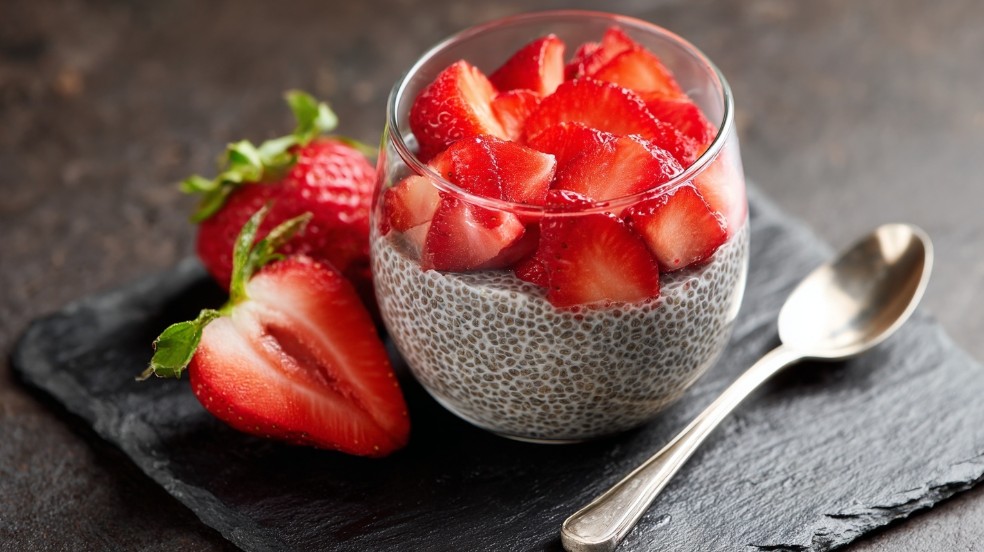
- Use contrast. Pair it with something crunchy (nuts, granola, toasted bits) and the gel feels more like a “sauce” than the main event.
- Grind it. Ground chia gives a different texture—more uniform, without the “caviar” specks. Great if the seeds themselves bother you.
I sometimes blitz chia in a small grinder when I want thickening without the signature dots. The aroma turns a little more nutty, and the consistency is smoother. Just don’t grind a month’s worth in advance—once ground, it loses freshness faster.
“How it should be” vs “what people often expect”
How it should be: chia is a tool for thickness and body. It doesn’t owe you a bold flavor.
What people often expect: that chia will be like sunflower seeds—crunchy and tasty on its own. It’s different: it works with liquid and turns soft.
Tip: if you’re not into the “jelly” vibe, try using a tiny amount of chia purely as a thickener—not enough to be obvious, just enough to nudge the consistency.
Mistake #5: storing and using chia like it lasts forever
Chia feels low-maintenance: dry seeds, close the bag, done. That’s partly true. But two things really do affect the result: freshness and moisture.
If the seeds sit open near the stove, they can pick up odors. If moisture gets into the bag (a wet spoon, condensation), the seeds can clump—and sometimes develop a stale, musty note. It’s not common, but it happens, especially in small kitchens where steam and smells have a life of their own.
Signs your chia is off
- The smell is sharper, “oily,” with a hint of rancidness.
- The seeds clump together even when dry.
- After soaking, there’s an off taste that bulldozes everything else.
Quick confession: I once kept chia in a jar without a lid (yes, really). Spices were nearby, and within a week the seeds had absorbed so much aroma that every sweet thing tasted vaguely curry-ish. Lesson learned: tight lid, and ideally not right next to the stove.
How to store it without overthinking it
- Dry, dark, tightly sealed.
- Don’t dip a wet spoon into the bag or jar.
- If you bought a big pack, pour some into a smaller jar for daily use and keep the rest closed as much as possible.
Tip: if you’re unsure about freshness, smell it and taste a few dry seeds. Fresh chia is almost neutral. Any strong “oily” smell is a sign to take a closer look.
Common beginner mistakes: quick and honest
Some things repeat over and over—and I’m not judging, because I’ve done them too. I’m putting them in one place so you can recognize yourself, relax a bit, and fix it faster.
- “I added it and ate it right away.” Chia doesn’t have time to hydrate, so you get a strange mix of dry seeds and slippery liquid. It doesn’t “open up” instantly.
- “I stirred once.” The first few minutes are critical. That’s when clumps form.
- “I tossed it into something really thick.” Chia pulls water and makes things even thicker. If you want a softer texture, give it more liquid.
- “I expected crunch.” Once hydrated, chia is soft. If you want crunch, it’s not that kind of seed.
- “I thought it had gone bad because it’s slippery.” Slipperiness is part of chia’s nature. The real question is whether you enjoy that texture—and how you balance it.
One more thing: sometimes people force chia into their diet “because they should,” even though they don’t like it. I’m not a fan of that approach. Better to find a format you genuinely enjoy—or honestly let the ingredient go. Your kitchen should support you, not create resistance.
What to do when it’s already gone wrong: fixing the texture
This is where I want you to feel in control. With chia, almost everything is fixable—once you understand what happened.
Situation 1: it’s too thick, “like paste”
That means the chia absorbed too much liquid. The fix is simple: add liquid in small splashes and stir well. Don’t pour in a lot at once—thickness changes with a delay because the gel doesn’t release water instantly.
If there are clumps, smash them against the side of the bowl with a spoon or give it a quick whisk.
Situation 2: the seeds float and nothing thickens
Either it hasn’t had enough time, there’s too much liquid, or the mixture is very acidic/sweet and the gel sets a bit differently (it happens, but it’s not dramatic). Let it sit longer and stir again. If it’s still too thin, add a little more chia—not a handful, just a bit, with a pause.
Situation 3: stubborn lumps that won’t mix in
If the lumps are big and determined, they formed a while ago. What I do: scoop them out, mash them in a small bowl with a splash of liquid until smooth, then stir back in. It’s faster than fighting them in the main bowl.
Situation 4: the texture feels slimy and you hate it
Don’t force it. A few options:
- Use less chia so it’s background texture, not the main one.
- Let it fully hydrate—under-hydrated chia often feels more slippery.
- Try ground chia for a smoother consistency.
- Add something crunchy alongside to balance the mouthfeel.
Small personal note: I went through a phase where any jelly-like texture annoyed me. I decided “chia isn’t for me.” Then I started using it ground—and suddenly it was just a convenient thickener without that “caviar” feeling. Same ingredient, totally different experience.
Tip: if you dislike the slippery texture, don’t try to “overpower” it with more chia. Often the better move is the opposite—less chia, more structure around it.
Small habits that make chia easy: 7 practical tips
I’m not into rules for the sake of rules. But a few small habits genuinely save time and nerves—and make your results consistent. These are the ones that stuck for me.
- Stir twice: immediately, and again after 2–3 minutes.
- Add chia to liquid, not liquid to chia: it’s easier to sprinkle chia in a thin stream while stirring than to pour liquid over a pile of seeds.
- Give it time: for a smooth, even texture, don’t rush it. Chia has its own pace.
- Mind the temperature: I don’t add it to boiling liquid. Warm is fine—just pay attention.
- Keep a separate dry spoon for seeds so you don’t introduce moisture into the jar.
- For smoothness, go ground: when uniform texture matters, grinding solves a lot.
- Don’t try to “make yourself like it”: if it’s not your thing, find a different format—or a different ingredient. That’s normal kitchen maturity.
One more observation: chia is oddly good at teaching discipline. It shows you that in the kitchen, “small things” aren’t small. One extra minute without stirring, one spoonful “by eye,” and suddenly you’re convinced the ingredient is bad. In reality, you’re just learning to control the process—and that skill goes way beyond chia.
If I had to boil it down to one sentence: most chia “fails” aren’t failures at all—you just needed more liquid, more time, or a stir at the right moment. Once you catch that, chia stops being a mystery and becomes a predictable tool—like salt or starch, just with its own texture.
So what trips you up most with chia—clumps, slipperiness, getting too thick, or you simply don’t like the mouthfeel? Tell me how you used it (no heroics), and I’ll point out exactly where the process went off track.