

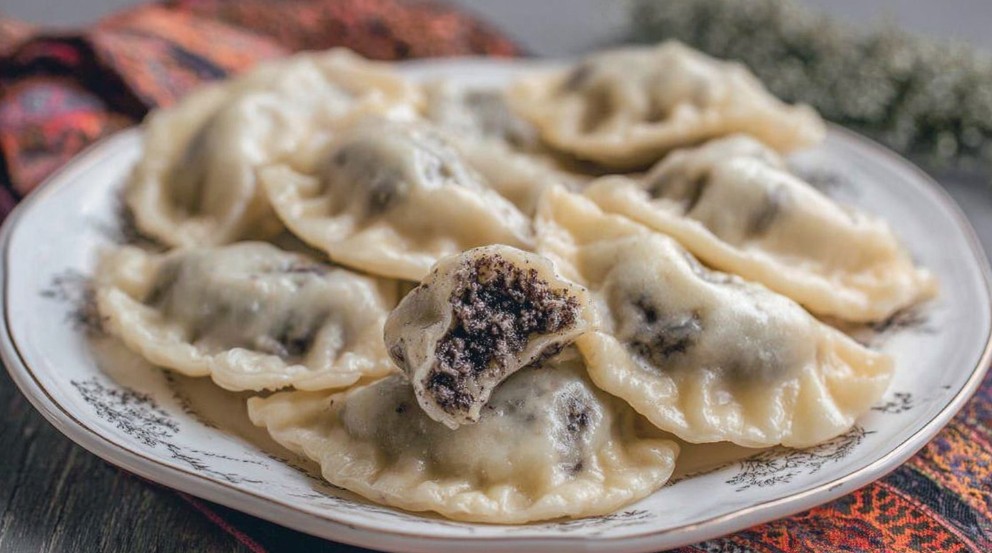
Evenings like this are my favourite kind of quiet: the kettle hissing away in the background, a bowl of flour on the counter, and the whole kitchen smelling faintly of warm milk. The dough comes together fast, but I always give it a breather — 15 minutes of rest makes it stretchy and easy to roll. While it relaxes, the poppy seeds get a soak in hot milk and the aroma turns deeper, almost holiday-like. I roll the dough thin (about 2 mm) and keep the filling modest — a teaspoon per dumpling — so the seam stays sealed. The best part happens in the pot: the water comes to a gentle boil, the varenyky sit quietly on the bottom for a moment, then float up like they’re telling you to start the timer. Scoop them out with a slotted spoon, toss with butter, and that poppy-seed sweetness finally gets to shine.
In this recipe you’ll learn
- Why you’ll love this recipe
- Tips before you start
- What to look for when choosing ingredients
- Secrets to perfect poppy seed varenyky
- How to serve poppy seed varenyky
- Nutritional perks
- Recipe variations
- Q&A
- Common mistakes
Why you’ll love these poppy seed varenyky
Prefer desserts where the sweetness doesn’t smack you in the face? This one stays nicely balanced: poppy seeds bring that rich, toasty, almost nutty flavour, and the dough stays tender even after it cools. The whole thing takes about 60 minutes and there’s no oven involved. Plus, it’s easy to split the batch — cook some now and freeze the rest for a weekday treat.
- Thin dough with a generous filling
- Big poppy-seed aroma without being cloying
- Holds its shape well in the pot
- Freezer-friendly
- Tastes great hot or cold
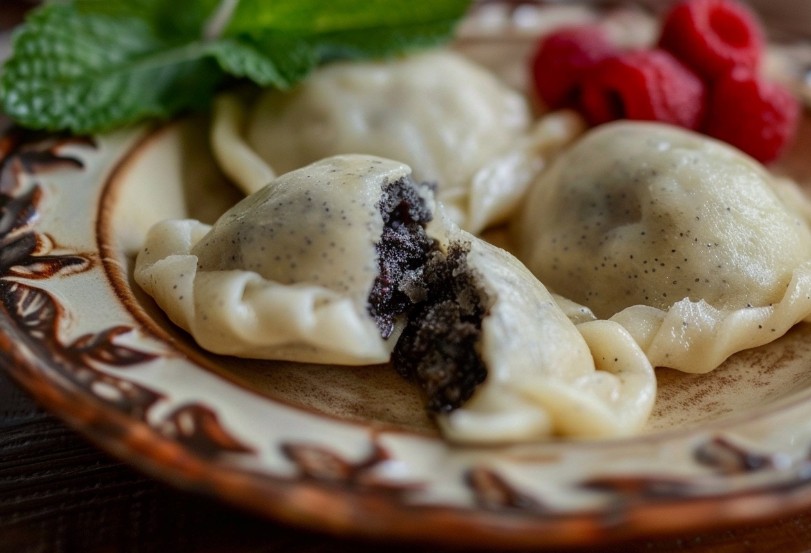
Homemade Poppy Seed Varenyky (Sweet Ukrainian Dumplings)
Ingredients
- 350 g Wheat flour plus 20–30 g for dusting
- 170 ml Water warm, about 40°C
- 1 pc Egg room temperature
- 1 tbsp Sunflower oil for a more elastic dough
- 0.5 tsp Salt
- 180 g Poppy seeds dry
- 250 ml Milk for soaking the poppy seeds
- 70 g Sugar adjust to taste
- 1 tsp Vanilla sugar or a pinch of vanilla
- 40 g Butter for coating the cooked varenyky
Method
- In a bowl, mix 350 g flour with 1/2 tsp salt. Make a well, add the egg and 1 tbsp oil. Pour in the warm water heated to
 40 °C (104 °F), then knead for 6–8 minutes until you have a smooth, soft dough with no lumps.
 - Shape the dough into a ball, lightly oil it, cover with cling film, and let it rest on the counter for 15 minutes. This relaxes the gluten so the dough becomes elastic and rolls out thinly.If the dough feels sticky, wet your hands with cold water and don’t rush to add lots of extra flour.
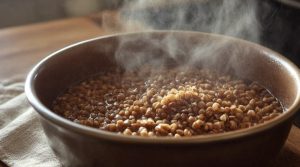
- Rinse the poppy seeds in a sieve, transfer to a saucepan, and pour over the milk. Warm to85 °C (185 °F) (almost simmering), take off the heat, and leave to soak for 20 minutes. The seeds should soften and the milk should partly absorb.
- Add the sugar and vanilla sugar to the poppy seeds. Return to low heat and cook for 4–5 minutes, stirring constantly, until thick like a paste. Mash with a pestle or grind in a mortar for 3 minutes — the aroma gets stronger and the texture turns silkier.
- Roll the dough on a lightly floured surface to about 2 mm thick and cut out rounds 7–8 cm wide. Spoon 1 tsp filling onto each, fold, and seal tightly. Work for about 20–25 minutes, keeping the shaped dumplings under a tea towel so they don’t dry out.
- Bring 2.5–3 l water to the boil in a wide pot, salt it, then lower the heat to a gentle simmer around95 °C (203 °F). Cook the varenyky in batches of 10–12, stirring carefully, then boil for 4–5 minutes after they float, until the wrapper is springy but tender.
- Lift the varenyky out with a slotted spoon, let them drain for 1 minute, then transfer to a bowl with 40 g butter. Gently shake the bowl for 20–30 seconds so the butter coats everything and the dumplings don’t stick. If you like them extra glossy, add another 10 g butter right before serving. Some people also like to pan-fry them briefly before serving.

Notes
 40 °C (104 °F) — and don’t pack the dough with extra flour; dust the counter instead. The poppy filling should be thick: if there’s lots of milk left, simmer it down for another 2–3 minutes. Cook in gently simmering water, otherwise the seams can shake loose. Try not to leave cooked varenyky sitting in a colander longer than 2 minutes — move them straight into a buttered bowl. If you’re serving with sour cream, cool them for 20 minutes in a single layer so they keep their shape.
Private Notes
Tried this recipe?
Let us know how it was!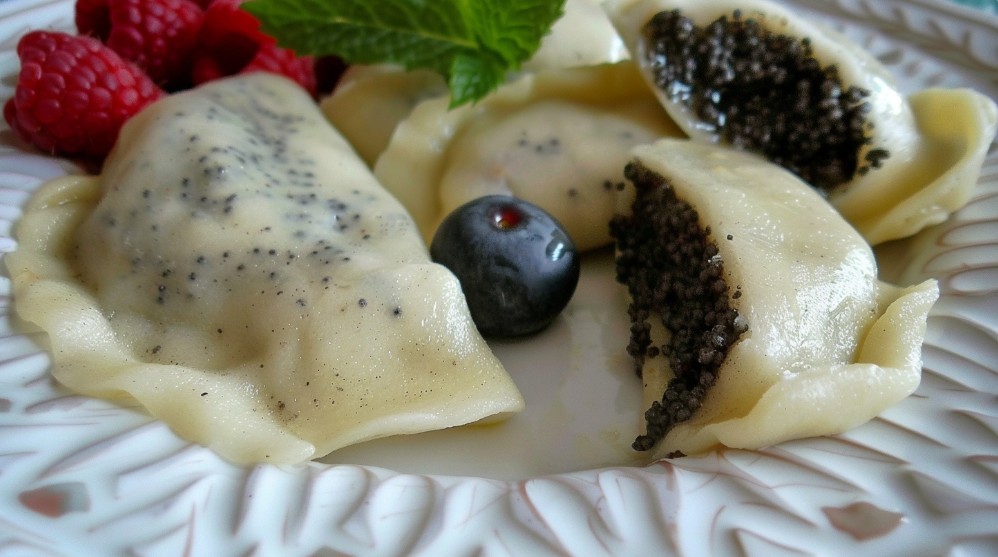
Tips before making poppy seed varenyky
Start with the poppy seeds: pour hot milk over them and let them sit for 20 minutes so the seeds soften. Next, keep an eye on the filling’s moisture — if it’s runny, it’ll soak the dough and the seams can open in the water. Roll the dough thin, but not paper-thin: aim for about 2 mm, and it’ll cook evenly in 4–5 minutes after the dumplings float. It’s tempting to add loads of extra flour, but try dusting the counter lightly instead — too much flour makes the dumplings tough.
- Let the dough rest for 15 minutes
- Make the filling thick, like a paste
- Keep the cut rounds under a tea towel so they don’t dry out
- Seal the seam twice — pinch first, then crimp if you like
- Cook in a wide pot so they’re not crowded
What to look for when choosing ingredients for poppy seed varenyky
Budget poppy seeds are often drier and less fragrant; fresher ones tend to look darker and feel slightly oily. With flour, the cheapest bags can absorb more water and make you chase the texture with extra dusting flour. A good-quality plain wheat flour usually gives you a smooth, elastic dough in about 5 minutes.
Poppy seeds
Go for dark seeds with no dust or husks. If they’re very dry, soak them in milk and grind them a bit — the flavour gets much deeper.
Wheat flour
A finer, higher-grade flour rolls out thinly without tearing, even at 2 mm.
Milk
Richer milk makes a softer, rounder-tasting filling. Shop-bought 2.5% works too — a little extra butter helps the flavour.
Butter
Butter with 82% fat gives you the aroma and that glossy finish. Spreads just don’t behave the same way.
Secrets to perfect poppy seed varenyky
Ever wonder why restaurant dumplings taste that little bit better? Two things are usually under control: the water temperature while cooking, and the thickness of the poppy-seed filling before you start shaping.
- Keep the water at a gentle simmer, not a raging boil
- Grind the poppy seeds into a paste
- Add sugar after the seeds have soaked
- Keep the dough covered (cling film works)
- Toss with butter right after boiling
How to serve poppy seed varenyky
Hot varenyky are soft and creamy; once chilled, they turn a bit more bouncy and the poppy flavour comes through even more. I like a bit of contrast — warm melted butter or cool sour cream.
- With butter and a pinch of sugar
- With sour cream and a hint of vanilla
- With honey drizzled in a thin stream
- With cherry sauce for a tart top note
- With toasted breadcrumbs fried in butter
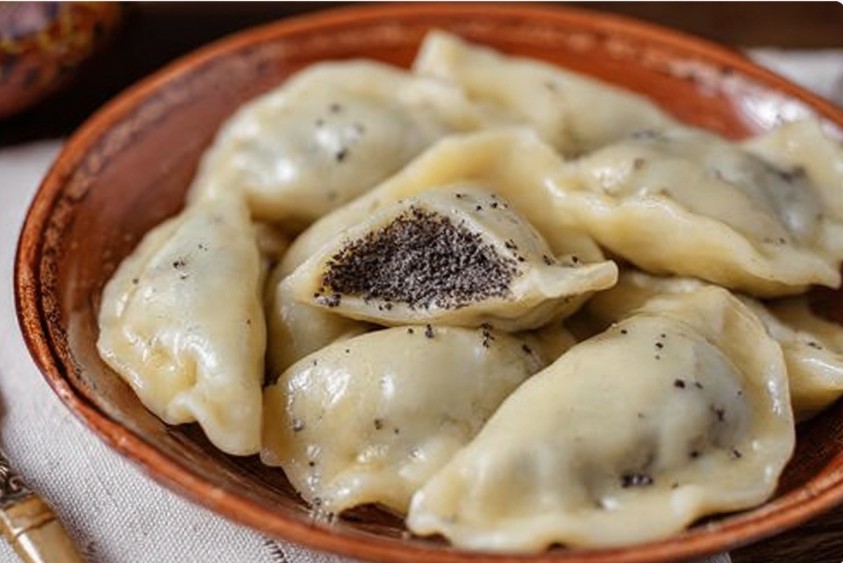
Nutritional perks of poppy seed varenyky
Poppy seeds and milk make these surprisingly satisfying, without that heavy, sugary after-feel. They’re also handy if you like a homemade dessert after lunch and want an easy portion guide — 6–8 pieces is simple to count out.
- Energy from the dough
- Fats and aroma from poppy seeds
- Protein from milk and egg
- Fibre from poppy seeds
Recipe variations
In summer I keep things lighter — berry sauce and less butter. In winter I lean into the poppy seeds: a little honey and orange zest makes everything feel warmer and more festive.
- Honey and orange zest in the filling
- Raisins, soaked for 10 minutes
- Desiccated coconut for extra aroma
- Add finely chopped nuts to the poppy filling
- Serve with hot milk and cinnamon
Q&A
Got half a batch left after dinner — how do you keep them tender?
Common mistakes when making poppy seed varenyky
Three things will reliably ruin poppy seed varenyky: a watery filling, dried-out dough, and violently boiling water. It usually happens when the poppy seeds don’t get enough time to soak, or flour gets added “by feel” until the dough turns stiff. The result? Seams split, filling leaks into the pot, and the dumplings end up sticky or tough.
Why does the filling leak out during boiling?
The mixture is too loose or the seam isn’t sealed well. Simmer the poppy seeds with sugar for 3–4 minutes until it’s paste-thick, and pinch the edges clean and dry (avoid a floury slurry on the seam).
Why does the dough tear when I roll it out?
It didn’t rest long enough, or there’s too much flour in the dough. Let it sit under a bowl for 15 minutes and dust the counter lightly to keep it elastic.
Why do the varenyky stick together after boiling?
They weren’t buttered right away, or they were left sitting in a colander. Move them into a bowl, add 20–30 g butter, and gently shake so each dumpling gets a glossy coat.
Why do the poppy seeds crunch between my teeth?
The seeds are too dry, or they weren’t ground. Soak them in hot milk for 20 minutes, then mash with a pestle or grind in a mortar until dark and fragrant.




Responses