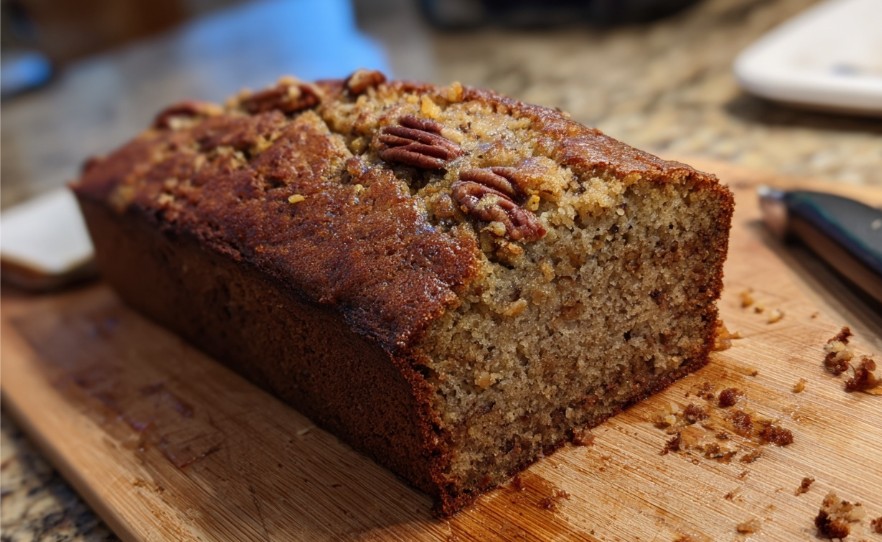
Why Banana Bread Doesn’t Smell Like Bananas

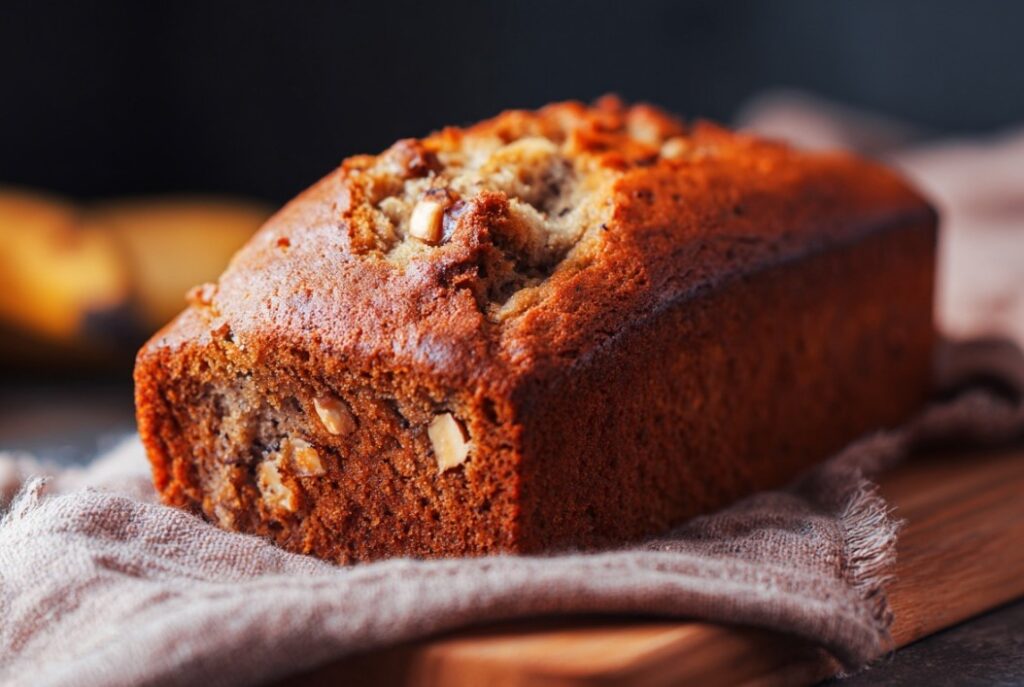
Banana bread can be weirdly deceptive. You mash up ripe bananas, the kitchen feels like it’s about to turn into a candy shop, you slide the loaf pan into the oven… and an hour later you pull out a gorgeous loaf that smells like everything except bananas: vanilla, cinnamon, toasted crust—anything but that unmistakable banana hit. And that’s usually when the doubt creeps in: “I messed something up. I probably need a different recipe.”
I know that disappointment well. I’ve watched people chase “that” banana smell by adding more bananas, more sugar, more spices—and somehow they end up even farther from the goal. Because it’s not really about quantity. Banana in baking is an ingredient with a personality: it gets lost easily, it changes with heat and time, and it’s incredibly sensitive to batter texture.
Kitchen version, in one sentence: banana smells best when it has somewhere to “live”—in a moist, tender crumb, not a dry, crumbly one. And when we don’t drown it out with louder aromas. Let’s break down where the smell goes, how to read the batter with your hands, and what to do if the loaf is already baked and the banana seems to have “run off.”
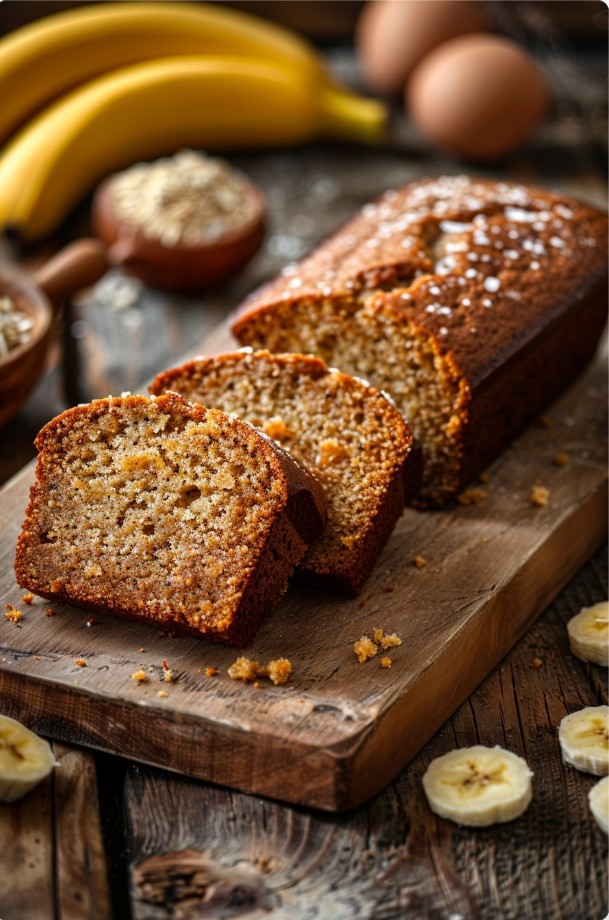
What “smells like banana” really means: aroma vs. sweetness
Here’s a simple thing I’ve noticed in home kitchens: a lot of people mix up banana flavor with banana aroma. In bananas, sweetness and smell aren’t the same. Sweetness in baked goods will stick around almost no matter what (especially with ripe fruit). Aroma is delicate and volatile—and the oven can blow it right out of the loaf.
When you say “it doesn’t smell like bananas,” it’s usually one of two situations:
- the banana is in the crumb, but its aroma is covered up by other smells (toasted crust, spices, butter/margarine, even baking soda);
- the banana has “disappeared” into the texture: the batter baked up drier or denser, and the aroma has no easy way to rise and open up.
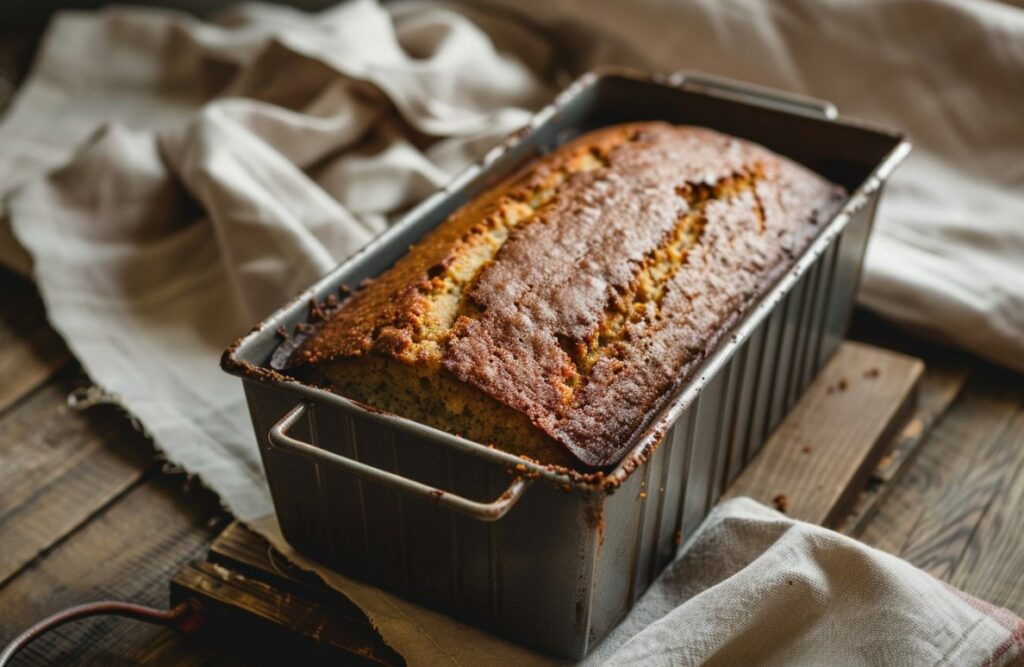
I once baked banana bread in two pans at the same time: one thin metal pan, one thick ceramic. Same batter. The difference in smell was obvious. In the metal pan, the crust set faster, the toasted notes took over, and banana moved to the background. In ceramic, the heat was gentler—and banana came through more clearly. Not magic, just balance: the faster and more aggressively the surface bakes, the more caramelized/bready notes dominate instead of fruit.
One important idea: banana aroma isn’t about “add more banana.” It’s about how the batter holds moisture, how long and at what temperature you bake, and what else you put next to the banana.

The mechanics of aroma: where banana volatiles go in the oven
A tiny bit of “why,” in plain language. Smell is made of volatile compounds that evaporate and reach your nose. Banana’s are pretty fragile. In the oven, three things happen that work against them.
1) Temperature and time: aroma evaporates before the loaf is done
Banana pulp heats up quickly. A loaf, on the other hand, takes time to cook through. So banana starts releasing aroma early, but by the time the bread is fully baked, a big chunk of those volatile compounds has already left with the steam.
In a home oven it often looks like this: the oven is hot, you put the pan in, and for the first 10–15 minutes the smell is incredible—this is when banana is most noticeable. Then it shifts into a more generic “baking” smell. That’s normal process physics.
2) Steam: friend and enemy
Steam helps keep the crumb tender. But steam also carries aroma away. If your batter is very wet, you’ll get lots of steam and the banana smell can wash out faster. If the batter is dry, you won’t get much steam—but you also won’t get much aroma bloom: a dry crumb simply doesn’t hold scent as well.
3) Browning reactions drown out fruit
As the surface browns (that gorgeous crust), you create strong “bready” and caramel notes. They’re much louder than banana. So sometimes banana is there, but you can’t hear it—like a quiet voice in a room where music is playing.
Quick tip: if you want a stronger banana aroma, don’t think only about bananas—think about not letting the crust become the only dominant smell. A gentler bake and the right moisture level often do more than “one extra banana.”

Banana ripeness: “black” isn’t always the most aromatic
There’s a popular tip: “Use the blackest bananas you can find.” It’s partly true, but there’s a catch. Very overripe bananas bring more sweetness and softness, but the aroma may not be stronger—just different: more boozy, more caramel-like, sometimes even a little fermented. And in the oven, that kind of note can disappear faster.
My personal rule is simple: I want bananas with lots of freckles, very soft, but without that “this is turning into wine” smell. If a banana smells like it’s halfway to cider, it often gives sweetness in baking—but not a clean banana aroma.
How to check a banana without scales or thermometers
- Nose: break the banana open. If the aroma hits immediately and it’s clearly banana (not sour), it’s a good candidate.
- Fingers: the flesh should mash into a purée effortlessly, but not turn into watery mush.
- Taste: if it’s basically just “sugar” with no character, it can taste flat in the loaf too.
A quick story from my kitchen: once I was in a rush and grabbed bananas that were simply yellow—no spots. The loaf was fine, but the “banana-ness” was more of a suggestion. Next time I used freckled ones and the smell was noticeably stronger, even without spices. The difference wasn’t grams—it was ripeness stage.
Batter texture: banana likes a moist crumb and a little patience
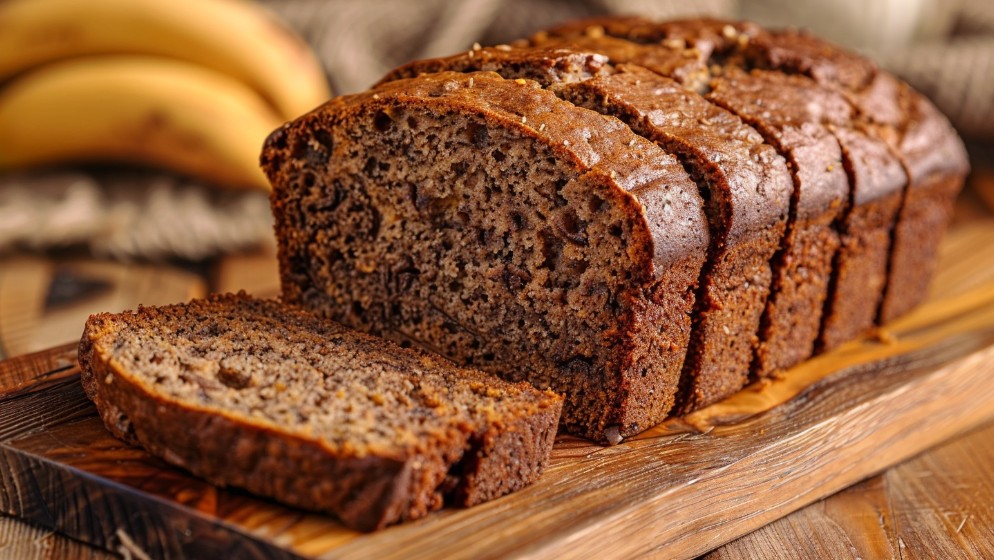
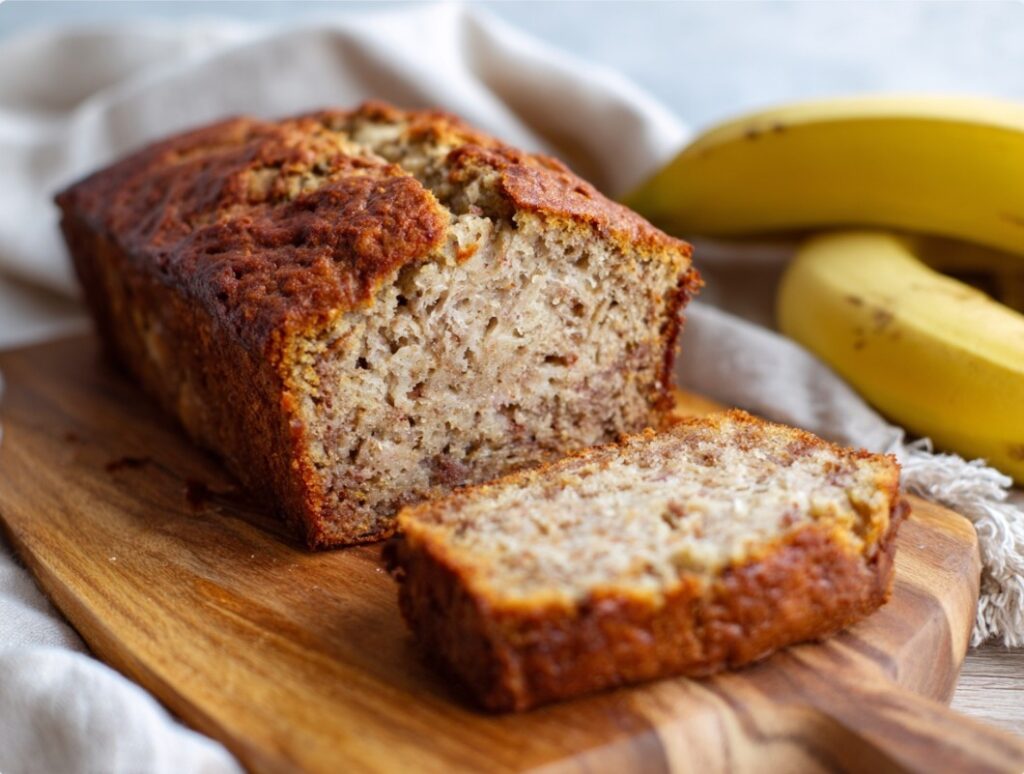
This is the heart of it. Banana aroma comes through best when the crumb is moist, springy, a little fudgy (not raw—just dense-moist). If the crumb is dry and crumbly, banana disappears, even if you used a lot.
Why? Because aroma clings to moisture and fat. Moisture holds volatile compounds longer; fat carries aroma and rounds it out. Dryness is like an open window—smells don’t stick around.
How to tell by feel if the batter is “right” (without a recipe)
I like to trust texture more than numbers. Before baking, banana bread batter is usually:
- thick, heavy, “lazy”—it slides off the spoon slowly;
- not pourable like crepe batter, but not a stiff lump either;
- a little glossy on top because there’s moisture and fat in it;
- if you draw a line through it with a spoon, the groove fills in slowly.
What people often do: they try to make it “like a pound cake batter,” add flour so it feels thicker and more “reliable.” That’s exactly where banana starts losing. More flour = drier crumb = less aroma.
Tip that saves a lot of loaves: if you’re unsure whether you’ve added too much flour, stop for a minute. Let the batter sit for 5–10 minutes. The flour will absorb moisture and you’ll see the true thickness. Very often, after that pause, it’s obvious you don’t need to add any more.
Patience after baking is part of the technique
One more thing people don’t talk about enough: banana bread aroma often opens up later. When you pull a hot loaf from the oven, steam rushes out—and the smell goes with it. If you slice right away, you’re literally letting out what you baked for.
I’ve seen it a hundred times: someone pulls the pan out, makes a little cut “just to check,” the kitchen smells great… and the next day a slice from a container smells more banana-y than it did yesterday. That’s because aroma settles into the crumb as the temperature drops and the structure stabilizes.
- Hot: mostly crust and warmth.
- Warm: fruit starts to show up.
- Next day: often the clearest aroma.
That’s the “patience” nobody warns you about—and it can make half the difference.

What drowns out banana: spices, baking soda, browning—even the pan
Sometimes banana doesn’t vanish—it just gets covered up. These are the most common “suspects” I see.
Cinnamon, vanilla, nutmeg: fragrant, but loud
Spices are great—I love them too. But if your goal is “smells like bananas,” spices need to stay in the background, not take the lead. Cinnamon especially loves to steal the spotlight. Vanilla can also make everything smell “bakery-sweet” and smooth out the fruit.
Ideal: you smell banana first, spices second. What often happens: banana becomes “somewhere in there,” while cinnamon and toasted crust are front and center.
Baking soda/baking powder: sometimes they’re the “off” smell
You might know that smell: slightly soapy, slightly alkaline. People often blame it on bananas (“maybe bananas just smell like that”), but it’s frequently baking soda that didn’t fully neutralize. In hot baked goods, it can be especially noticeable—and it can cover up the fruit.
Quick story: a friend of mine insisted “banana bread always has that weird smell.” We looked at her habit—she added baking soda “by eye” and then also threw in baking powder “just in case.” Once she stopped doubling up on leavening, banana suddenly “showed up” in her loaf.
A too-dark crust
A dark crust is delicious, but it smells stronger than banana. If the top browns quickly while the center still needs time, you end up with a dominant toasted aroma. A gentler bake or protecting the surface can help (I won’t turn this into a step-by-step here, but the idea is simple: don’t let the top over-brown while the middle finishes baking).
Pan shape and batter depth
In a wide, shallow pan you get more crust area—more toasted smell. In a narrower, taller loaf pan you get more crumb, and banana comes through better. It’s a small detail, but when you’re specifically chasing aroma, there aren’t as many “small details” as you think.
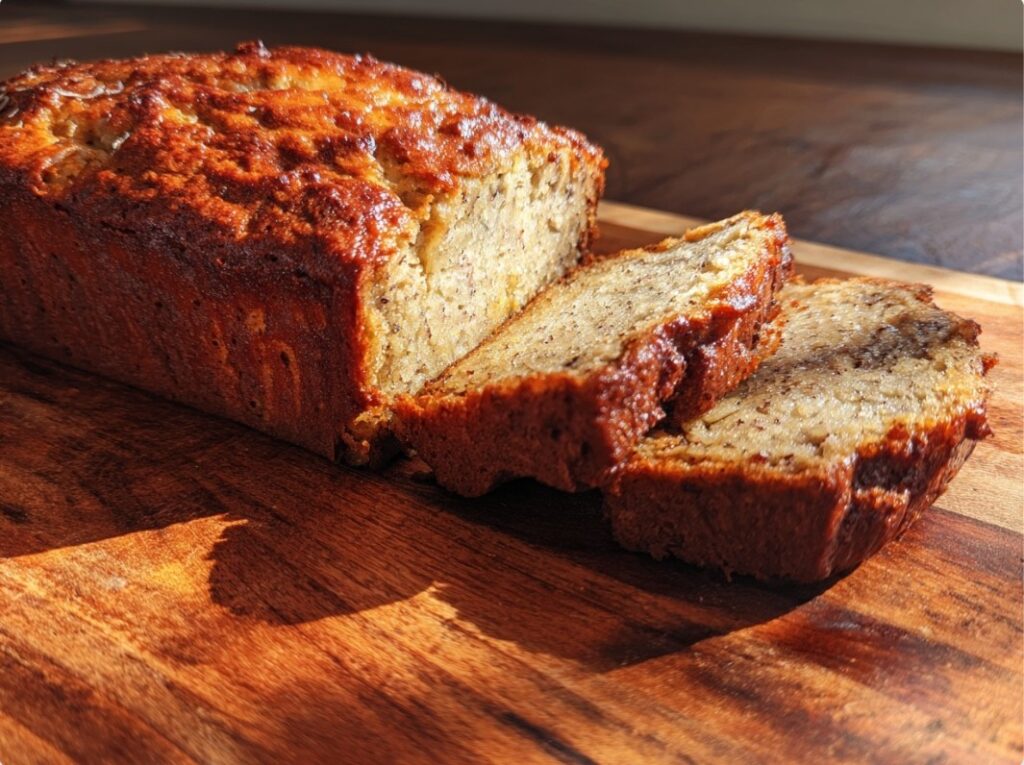
Common beginner mistakes: how banana aroma gets “killed” without you noticing
Here’s what I see most often. Not to scold—so you can recognize it and tweak your process fast.
- Adding flour “until it looks like what I’m used to.” Banana batter can feel too soft. But once you thicken it, the crumb bakes up drier and the aroma gets weaker.
- Mixing until perfectly smooth. Long, vigorous mixing makes the structure more bread-like and dense. In a dense crumb, aroma reads weaker—it gets kind of trapped.
- Baking “until it’s really golden.” Color isn’t always a sign the center is done. It’s also a sign the crust has taken over the aromatic space.
- Slicing it hot. The most human mistake—I’ve done it too. But slicing hot = steam escaping = aroma escaping.
- Overpowering banana with add-ins. Chocolate, coffee, lots of nuts, a heavy hand with spices—delicious, yes. But if the goal is “smells like banana,” you’ve invited some very loud neighbors.
There’s also a quiet one: storing it uncovered. Banana aroma is volatile. If the loaf sits on a board with no cover, it can air out overnight and taste “meh” in the morning. In a sealed container, the aroma holds better—and often even intensifies.
How to make banana aroma stronger (no gimmicks): practical tricks
These are things that genuinely work in a home kitchen. No “secret ingredients”—just process control.
1) Don’t mash all the banana into a purée
When banana is mashed into a perfectly smooth purée, it disperses evenly, but the aroma becomes more of a background note. Leave a few small chunks and you get little banana “pockets” in the crumb—so when you eat it, the banana reads stronger. It’s the difference between fruit juice and actual fruit pieces.
2) Let the batter rest before it goes into the oven
A short rest (even 10 minutes) does two helpful things: flour hydrates, the structure becomes more stable, and you’re less tempted to “fix” the batter with extra flour. The banana aroma also seems to even out—no, it doesn’t magically get stronger, but it becomes more cohesive.
3) Watch the temperature, not just the color
I get the temptation: you peek through the oven door, the top looks gorgeous, and you want to turn it off. But banana aroma often “lives” in the crumb, and the crumb likes even baking. Better to look for internal doneness signs: springiness, dry crumbs on a skewer (not wet batter), edges pulling away from the pan. When the center is stable, the aroma holds better.
4) Don’t turn banana into a backdrop for spices
If banana is the goal, spices should be a whisper. Sometimes I bake without cinnamon at all, and it oddly “brings banana back on stage.” If you want warmth, go minimal so it doesn’t steal the show.
5) Let the loaf mature
One of the most honest tips: don’t judge banana bread right away. Let it cool completely, and better yet, let it sit until the next day in a sealed container. The crumb tightens, moisture redistributes, and the aroma becomes easier to read.
A tip that’s saved me more than once: if the aroma feels weak on baking day, don’t decide yet. Slice it the next morning—then judge whether it “doesn’t smell like banana.”
What to do if it’s already baked and barely smells like banana
Real-life scenario: the loaf looks perfect, but banana is hiding in the shadows. Don’t toss it. A few things can bring back the banana feeling—or at least make the loaf taste more banana-forward.
Give it time and store it right
First: cool it down and put it in a sealed container/bag. After a few hours, the aroma often becomes more noticeable. Overnight, even more. That’s not wishful thinking: volatile compounds don’t vanish completely—some “settle” into the crumb once the loaf stops actively steaming.
The texture will tell you what went wrong
Slice a piece and look honestly:
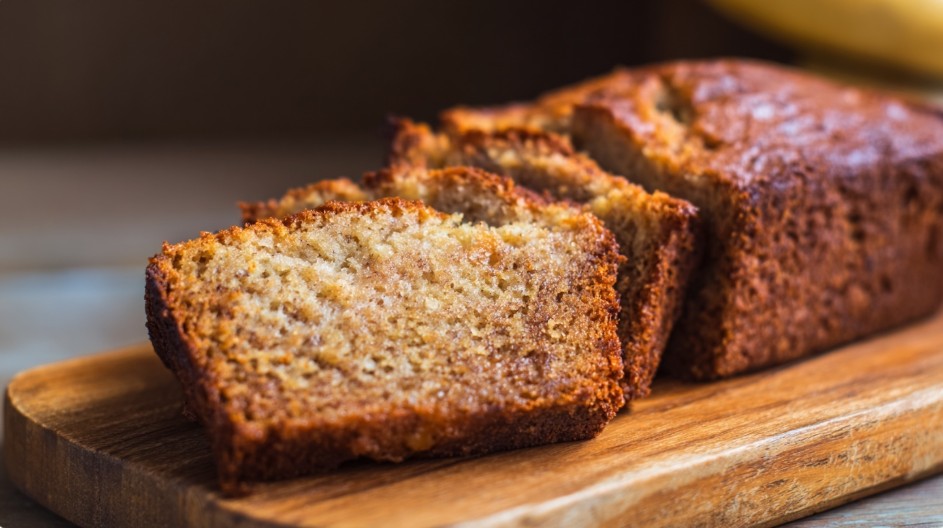
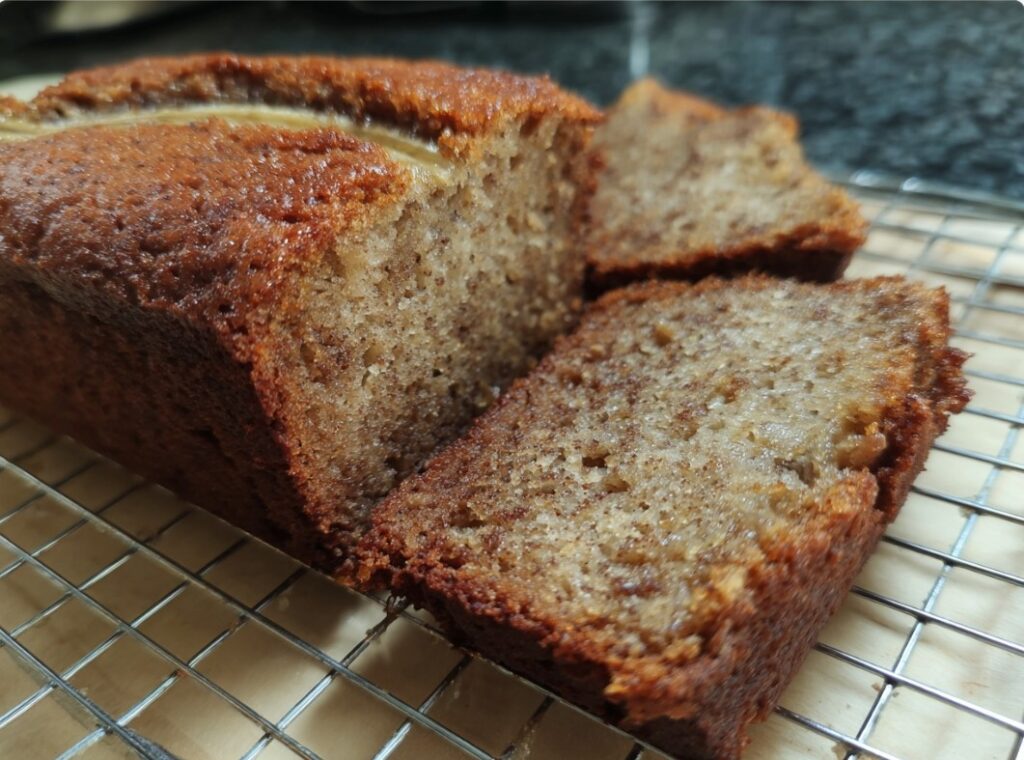
- Dry and crumbly — likely the batter was thickened with extra flour, or it baked too long/too hot. Banana aroma is always weaker here.
- Very dense, almost rubbery — often from overmixing. Banana is there, but “locked” in a tight structure.
- Moist but not much smell — most likely banana got drowned out by spices/crust/baking soda. In other words, the problem isn’t the banana—it’s the neighbors.
Bring back aroma through serving (no tricks)
I’m not into hiding failures, but I am into smart boosts. Banana aroma reads better when the slice is slightly warm—not hot, just gently warmed—because volatiles lift again. And banana loves dairy notes: they round out the flavor and make fruit feel more “obvious” to your brain. That’s not a recipe change; it’s how perception works.
A quick story: I had a banana bread that felt totally “meh” on baking day. The next day I warmed a slice just until it was pleasantly warm—and banana suddenly showed up. Not like an extract, like real fruit. After that, I stopped panicking in the first hour after the oven.

How to “read” banana batter: smell, sound, and visuals as you bake
The biggest jump in baking quality happens when you stop cooking “by the text” and start cooking “by the signs.” Banana bread is perfect practice for that.
Before the oven: what the bowl should smell like
In raw batter, banana is usually very clear. If you can barely smell it at this stage, either the bananas were weak to begin with, or you added something that covered it up (spices, cocoa, lots of vanilla, or an alkaline note from baking soda). Raw batter is your early warning system.
During baking: how the smell changes
The first minutes are the most banana-forward. Then you get batter, butter, browning. If halfway through you notice a sharp alkaline smell, pay attention to your leavening next time. If you only smell crust, the top may be baking too aggressively.
After baking: sound and springiness
I like listening to baked goods. When you pull the pan out, you might hear quiet crackling as the crust settles and releases steam. That’s normal. But if the loaf seems to be “breathing” steam aggressively and the crumb feels very wet, give it more time to stabilize before slicing. It directly affects aroma.
Springiness tells you a lot too. Press the top lightly: if it springs back, the structure is holding. If it collapses and leaves a dent, the center is still unstable—and slicing early will almost guarantee you lose aroma.
Tip: when I want to check doneness, I look at the edges more often than the top. If the sides are starting to pull away from the pan, it’s a good sign the center is close. The top color can lie.
If your banana bread doesn’t smell like bananas, it rarely means you’re “bad at baking.” Most of the time, banana aroma simply lost a battle against temperature, steam, and louder smells—or the crumb ended up too dry to hold fruit. Once you start feeling the batter with your hands and you give the loaf time to mature, banana comes back surprisingly fast.
How is it for you—does your banana bread smell stronger on baking day or the next day? And what do you notice first: banana, cinnamon, or crust?