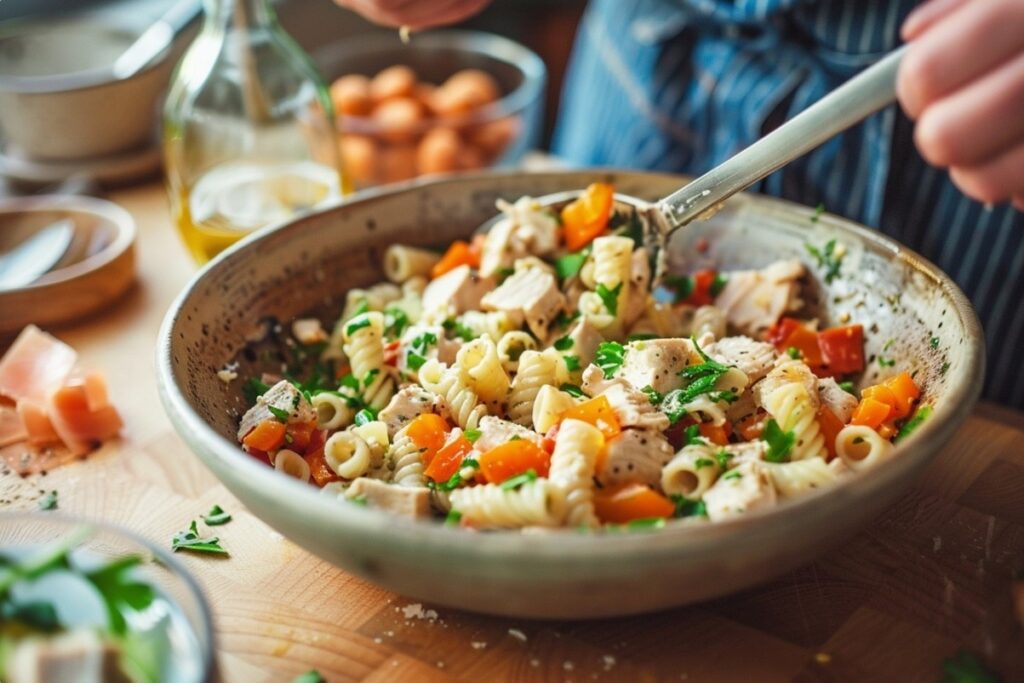
How to Make Pasta Salad More Fragrant

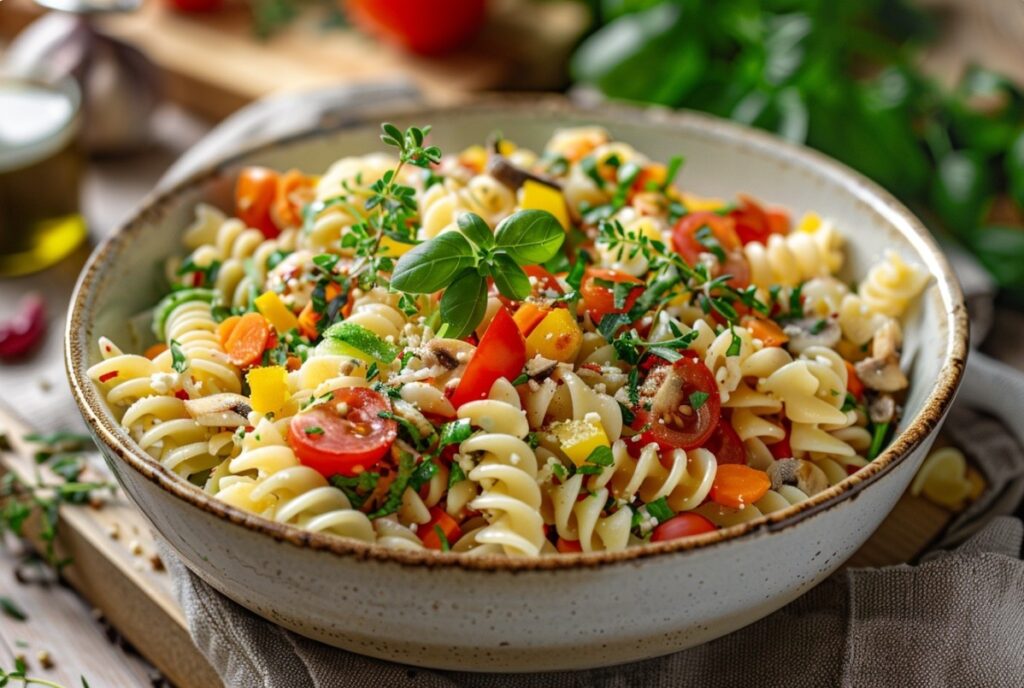
You know the scenario: you boil some pasta, toss it with whatever’s in the fridge, add mayo or a splash of oil—and technically it’s fine. But then you take a bite and catch yourself thinking, “Filling, sure… but where’s the smell? Where’s that little ‘wow’ that makes the bowl disappear first?”
Pasta salad is sneaky like that. It can turn “mute” so easily: you’ve got texture, you’ve got volume, but the aroma feels smeared and distant. Pasta is basically a sponge. It either soaks up flavor and smells irresistible—or it steals intensity from everything else and leaves you with a cold, bland pile.
Something simple clicked for me years ago in my own kitchen: making a pasta salad smell amazing isn’t about “adding more spices.” It’s about placing aromas in the right layers—some in fat, some in acid, some straight into warm pasta, and some saved for the finish so it hits your nose the second you crack open the container.
And one more thing: aroma isn’t only smell. It’s the sound of something crunchy, the look of a glossy dressing, that gentle warmth of spices on your tongue. When those pieces line up, pasta salad stops being “lunch for later” and turns into something you actually want to make again.
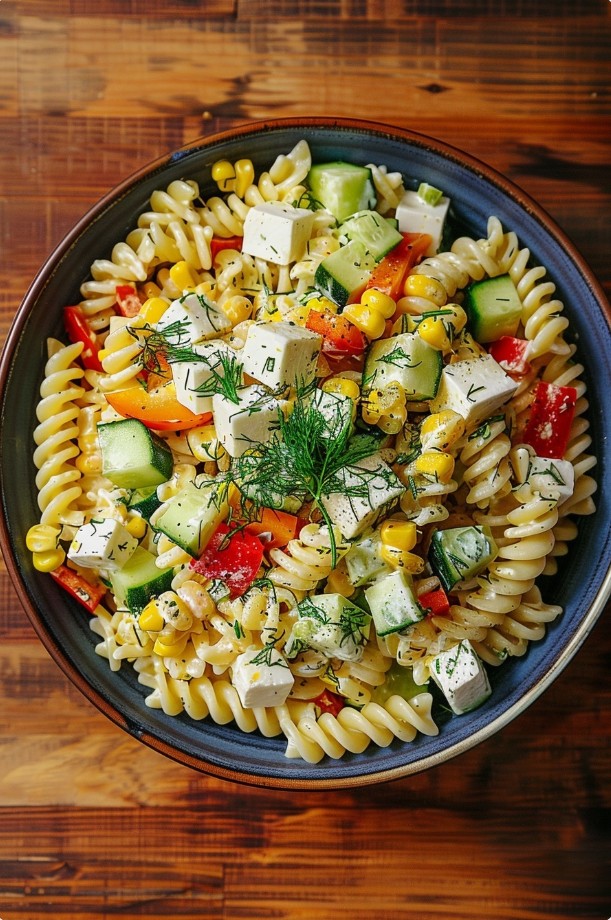
Why pasta salad often turns out ‘low-aroma’ (and it’s not your fault)
Let’s start with the mechanics. After boiling, pasta has starch on the surface. If you rinse it thoroughly under cold water (like a lot of people do “so it won’t stick”), you wash off not just starch, but your dressing’s ability to cling. The dressing then slides around like it’s on glass, and the aroma stays in the bowl instead of coating every bite.
Second: temperature. Aromatic compounds love fat and warmth. When you mix everything with fully chilled pasta, some aromas simply don’t open up. It’s like smelling spices through a closed jar—technically they’re there, but far away.
Third: balance. If your salad is heavy on starch and protein (pasta, chicken, egg, cheese) and light on acid and fresh elements, the aroma “drops out.” It feels like you need more salt or pepper, but what you really need is a little acid, a pinch of fresh herbs, and something that gives a top note—like citrus zest or a touch of fresh garlic (used wisely).
Fourth: time. Pasta salad almost always tastes better after it sits, but aromatic ingredients behave differently. Some need time (garlic in oil, lightly pickled onion). Others should go in at the end (herbs, zest), otherwise they get tired and flat.
How it should be vs. how it usually goes
- How it should be: the dressing clings to the pasta in a thin film, and the container smells good before you even take the first bite.
- How it often goes: the pasta is wet from rinsing, the dressing pools at the bottom, the top feels “dry,” and the aroma is barely there.
If a pasta salad tastes “meh,” I don’t reach for more spices first. I check three things: is there fat, is there acid, and did any dressing hit the pasta while it was still a little warm?
Aroma starts with the pasta: temperature, starch, and the ‘flavor window’
Here’s the moment that changes everything: pasta absorbs aroma best when it’s still warm, but not scorching. I call it the “flavor window”—about 5–10 minutes after draining. It’s no longer aggressively steaming, but the surface is still porous and ready to grab onto fat and salt.
At home it often looks like this: you drain the pasta, it’s hot, you worry the salad will turn “warm” and ruin everything, so you rinse it with cold water. Then you wonder why it doesn’t smell like much. The truth is you don’t need cold water—you need stickiness control and smart cooling.
What I do so the pasta doesn’t clump—and doesn’t lose aroma
I let it drain really well, return it to the warm pot (heat off), and add a tiny first portion of dressing—literally 1–2 spoonfuls, no more. Toss. This isn’t “the finished salad,” it’s prepping the surface. Then I spread the pasta out in a bowl or on a wide plate so it cools faster.
This trick saves time and nerves: the pasta won’t stick because it’s coated in a thin fatty film, and it already has a base aroma. After that, you can add the rest of the ingredients in 15 minutes or in an hour—no problem.
Hack #1: two dressings instead of one
For aroma, this setup works beautifully: the first dressing goes on warm pasta, the second goes in once the salad is assembled and chilled. The first gives depth (it soaks in). The second gives brightness (you smell it immediately).
Hack #2: salt in two places
If you only salt at the end, you’ll end up over-salting the dressing just to “break through” the pasta. Better: salt the cooking water so the pasta tastes good on its own, then add a small pinch to the finished salad after it’s rested. Spices sound louder on a properly salted background.
A dressing that actually smells: how to pull aroma from spices, garlic, and herbs
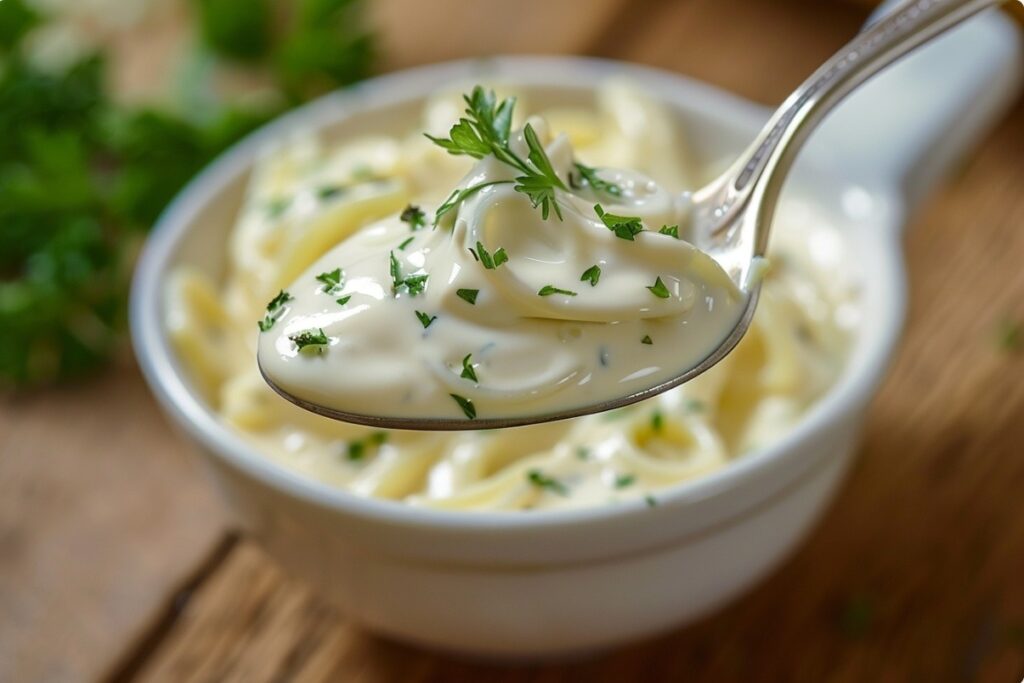
Dressing isn’t just “something to coat it with.” It’s the carrier of aroma. Most aromatic compounds from spices and herbs dissolve in fat, not water. So you can use the best seasonings in the world—if they don’t meet fat the right way, you’ll get dusty flavor instead of real aroma.
I like to think of dressing like a tiny perfume blend: there’s a base (fat), a “heart” (spices, mustard, garlic), and a top (acid, zest, fresh herbs). Timing matters.
Why garlic sometimes ruins the smell instead of helping
I learned this the hard way: I once made a salad for a road trip and grated garlic straight into the bowl. An hour later the container smelled sharp, almost metallic, and the taste was kind of “spiky.” Not because the garlic was bad—raw garlic in a cold mixture can get more aggressive over time.
If you want garlic aroma without the punch, mash it first with a pinch of salt (salt draws out the juices), then mix it into the fat. Let it sit 5–10 minutes, and only then add the acid. The smell comes out rounder and calmer.
Hack #3: “wake up” dried spices
Dried spices in a cold dressing often taste flat. What I do: mix the spices with the fat and leave it for 10 minutes. No heating, no frying—just time. The aroma gets deeper, and you won’t get that gritty “sand” feeling in the salad.
Acid as an aroma booster (not just “to make it sour”)
Vinegar, lemon juice, pickle brine—this isn’t sourness for sourness’ sake. Acid lifts aromas and makes them clearer. If a salad tastes bland, sometimes literally 1 teaspoon of acid is enough—and suddenly it feels like there’s “more of everything.”
One nuance: if you add acid too early to delicate herbs (dill, parsley, scallions), they wilt faster and lose that bright top note. So I often do this: some acid goes into the dressing right away, and a final little splash goes in at the end along with the herbs.
When I want a salad to smell “fancy,” I don’t dump in more spices. I make the dressing so good you’d happily taste it with a spoon.
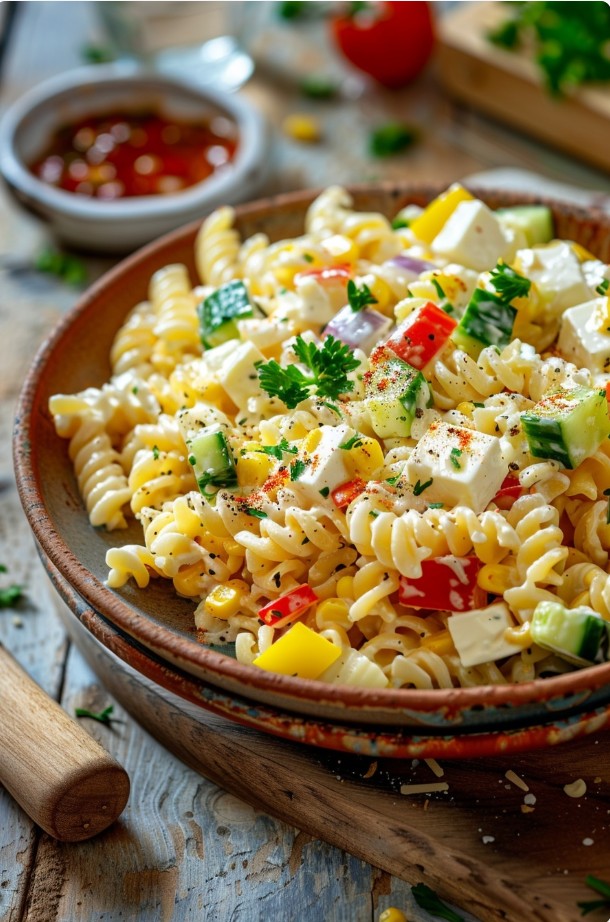
Layers of aroma: what to add early and what to add at the last minute
Pasta salad is usually made as a “dump everything into one bowl” situation. Convenient, yes—but aroma suffers. Different ingredients have different stamina. Some love resting time; others die from it.
I split ingredients into three rough groups: things that benefit from resting, things that can sit, and things that should be fresh at the finish.
1) What gets better with resting
- onion (especially if you “soften” it with a little acid or salt)
- garlic in fat
- dried herbs, spices
- pickled/fermented accents (pickles, capers, olives)—they perfume the dressing
I like mixing these into the dressing ahead of time, or adding them early so they have time to mingle.
2) What handles time just fine
- crunchy, sturdy vegetables (bell pepper, celery)
- hard cheeses
- beans/legumes
They won’t wilt in an hour or two and won’t make the salad feel sad.
3) What you should add at the end
- delicate fresh herbs
- citrus zest
- freshly ground black pepper (it’s most fragrant right at the finish)
- crunchy bits you don’t want to soften (croutons, toasted seeds)
This is your “top aroma.” It should meet your nose first.
A quick container story
Once I packed pasta salad for a picnic and did everything right… except I added the herbs right away. Two hours later they’d gone dark, and the smell was herbal but muted. Next time I brought the herbs separately in a little bag, tossed them in right before serving—and the difference was like the salad had just been made.
Fast, everyday aroma boosters: what you already have at home (2-minute fixes)
Not every day calls for a complicated dressing. And honestly, it’s often unnecessary. A few “regular kitchen” ingredients can make pasta salad smell better almost instantly—no fuss, no feeling like you’re doing something overly fancy.
Zest: a little goes a long way
Lemon or orange zest is pure top-note aroma. It works even in the simplest salads. The key is to grate only the yellow/orange part, not the white pith (that’s where bitterness lives). Add zest at the end so it doesn’t fade in the fridge.
Brine from the jar
Pickle brine or olive brine is ready-made acid with built-in flavor. I’ll sometimes add just 1–2 spoonfuls to the dressing if the salad tastes “empty.” It gives a pickled note even if you don’t have much pickled stuff in the bowl.
Mustard as “glue” for aromas
A little mustard makes the dressing more cohesive, so it coats the pasta thinner and more evenly. It also boosts spice aroma. It doesn’t have to be hot—milder mustard works too. Just don’t overdo it, or it’ll bulldoze everything else.
Hack #4: toasted seeds or nuts
If you’ve got a minute, toast a handful of seeds (sunflower, pumpkin) or nuts in a dry pan. You’ll smell them before they even change color. That aroma is what makes the salad feel “alive.” Add them at the end so they stay crunchy.
Hack #5: smoky notes without a smoker
Smoked paprika—or a tiny bit of something smoky from the fridge (even just a little)—is like turning on the lights in a room. The trick is not turning your salad into a “smoke bomb.” I add smoky notes carefully: better less, with room left for freshness.
Common mistakes that make the aroma fall flat
This is the section where people usually look the most relieved: the problem isn’t “I can’t cook.” It’s small details nobody ever explained.
Mistake 1: rinsing pasta until it squeaks
Yes, it won’t stick. But the dressing won’t stick either. If you truly need to stop the cooking (for example, so it doesn’t overcook), rinse briefly with cool water, shake it off well, and give it some fat right away (even a little) to bring back that surface “grab” for aroma.
Mistake 2: adding all the mayo/yogurt at once and hoping for aroma
A dairy base can mute spices—especially if the spices weren’t “opened up” in fat first. If your dressing is mayo- or yogurt-based, make a small aromatic portion first: spices + oil + garlic/mustard, then fold in the creamy base. That way the aroma won’t sink and disappear.
Mistake 3: too many watery ingredients
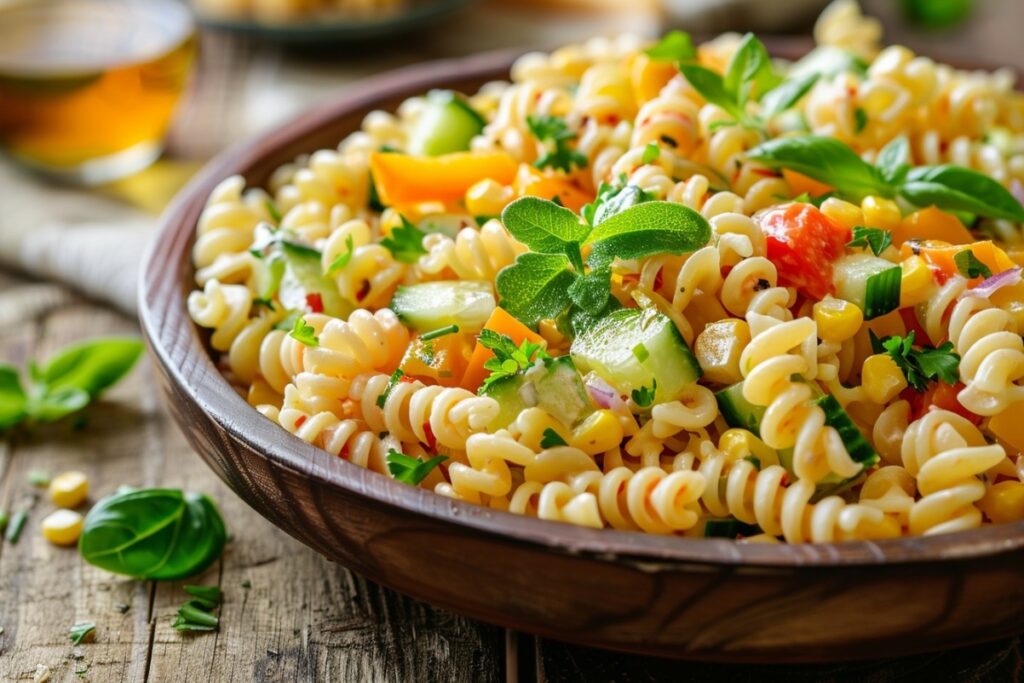
Cucumber, tomato, canned corn, pickled things—many of these release liquid. The dressing gets diluted and the aroma weakens. The fix is very practical: let those ingredients drain well, and for juicy vegetables, chop and lightly salt them separately for 10 minutes, then pour off the liquid. Your salad will smell better and won’t turn soupy.
Mistake 4: not letting the salad rest—but also letting it sit too long
The paradox: pasta salad often needs 20–40 minutes for the flavor to come together. But if it sits overnight with herbs and delicate aromatics, they get tired. My favorite approach: make the base + part of the dressing ahead, then add the finishing aromas right before serving.
Mistake 5: trying to “fix” aroma with salt alone
When a salad tastes bland, your hand goes straight for the salt. But very often what’s missing is acid or a fresh top note. Salt amplifies what’s already there—if there isn’t much there, it just makes the salad salty.
I always taste pasta salad twice: right after mixing and again after 20 minutes. The second taste is the honest one. That’s when I decide: salt, acid, or a finishing aroma.
If something went wrong: quick aroma ‘repairs’
Real life: the salad is already made, time is short, guests (or you) are hungry—and it doesn’t smell like much. Don’t toss it. You can almost always pull it back in 1–3 minutes.
Situation: the salad tastes “flat”—everything’s there, but no personality
- Add a drop of acid (lemon/vinegar/brine) and toss. Let it sit 5 minutes and taste again.
- Add finishing pepper (freshly ground)—it gives instant aroma.
- Add a pinch of zest or very finely sliced scallions.
Situation: it smells, but it’s “heavy”—the salad kind of tires you out
- Add something fresh and crunchy (even a little): celery, sweet bell pepper, scallions.
- Lift it with acid instead of more fat.
- If there’s lots of mayo/yogurt base, add a small splash of a “clean” dressing (oil + acid) so it’s not one solid creamy note.
Situation: you oversalted, or the aroma got sharp (especially from garlic)
- Add a bit more pasta or neutral ingredients if you have them (the easiest way to dilute).
- Add fat in small portions—it rounds off harshness.
- Add something that reads slightly sweet (not spoonfuls of sugar): sweet bell pepper or corn, if it fits your combo.
Situation: the salad went watery and there’s liquid at the bottom
Not the end of the world. Carefully pour off the extra liquid (yes, really), then add a little fresh dressing—or at least 1 spoonful of oil + a pinch of spices. For next time: drain juicy ingredients well, and dry the pasta thoroughly after draining.
How to save time and still get great aroma: a 10-minute head start
I love solutions that actually work on a weekday. Not “make a homemade herb oil infusion for 3 days,” but something you can pull off between a phone call and the kettle boiling.
An aromatic base in a small jar
If you make pasta salads often (or any salads, really), keep a small jar of “aromatic base” in the fridge: oil + mustard + dried herbs/spices + a little garlic (or skip the garlic). It keeps for a few days and saves you when you need something fast. Before using, shake it up, then add the acid in the bowl so the flavor stays fresh.
Hack #6: dressing first, everything else later
When I’m prepping “for tomorrow,” I do this: warm pasta → a little dressing → cool. Then right before eating I add what should smell fresh: herbs, zest, pepper, crunchy bits. It saves time and makes it feel like the salad was just tossed.
A quick story about “yesterday’s” salad
I used to do everything at once so in the morning I could just grab the container. And it was almost always a compromise: convenient or tasty. Then I started keeping a tiny bag of herbs and a pinch of zest separate. Sounds silly, but that’s exactly what makes “yesterday’s” salad something you can eat at work without feeling embarrassed.
Hack #7: “toasted” aroma without extra dishes
If you don’t feel like washing a pan, you can toast seeds/nuts in the same pot you cooked the pasta in (after draining). Wipe it dry, toss in a handful, 2–3 minutes on the residual heat—done. Just don’t walk away: the smell shows up before the color does, and that’s your cue.
Pasta salad becomes fragrant not because of a “secret spice,” but because of a few smart moves: warm pasta gets the first bit of dressing, spices get time to make friends with fat, acid lifts the aroma, and the finishing notes go in at the last second. Once that becomes habit, you stop guessing and start steering the flavor.
I’m curious—what’s your go-to pasta salad: creamy or oil-based? And what usually mutes the aroma for you: cold pasta, a heavy mayo base, or not enough acid?
Questions & answers
Why does pasta salad sometimes taste bland?
Most often it’s because there aren’t enough seasonings or the dressing is too neutral. Pasta has a mild flavor on its own, so the salad needs aromatic ingredients like fresh herbs, mustard, garlic, or lemon juice.
What spices work best in pasta salad?
Great options for pasta salad include:
black pepper
paprika
garlic powder
Italian seasoning
oregano
basil
They add a fuller, more noticeable aroma.
Should you add fresh herbs to pasta salad?
Yes—fresh herbs make a big difference in aroma. Popular choices are:
dill
parsley
scallions
basil
They make the salad taste fresher and brighter.
How can I make the dressing more aromatic?
To make your dressing smell and taste more vibrant, try adding:
mustard
lemon juice
garlic
olive oil
a little honey or vinegar
These ingredients help build a balanced flavor.
Does the way you cook pasta affect the salad’s aroma?
Yes. Cook pasta in well-salted water so it absorbs flavor from the start. If pasta is boiled without enough salt, the finished salad can taste less defined.
Do you need to cool pasta before adding it to a salad?
Yes—cool it slightly. If you add piping-hot pasta, it can soften the vegetables and make the dressing too runny.
When should you add dressing to pasta salad?
Add part of the dressing right after cooking so the pasta can absorb aroma. Add the rest right before serving so the salad stays juicy and fresh.