Culinary Traditions Across Ukraine’s Regions

Ukrainian food isn’t just “what’s for dinner.” It’s living history—passed from grandma to grandchild, from one generation to the next. Every region has its own signature cooking style, shaped over centuries by climate, landscape, local communities, and the twists of history. Recipes, techniques, even the little habits in the kitchen are kept with real love and pride. And the taste of each dish? That’s a story of its own—warm, personal, and full of memory.
There isn’t one single “Ukrainian cuisine,” because every corner of the country has its own edible treasures. Take borscht: it’s a nationwide classic, but in Poltava you’ll find it served with halushky, in Volyn it often includes beans, and in the south it leans into tomatoes and carrots. And it’s not just borscht. Varenyky, crepes, brothy soups, braised meats, smoked specialties, little snacks—each region speaks its own delicious “dialect.”
This culinary kaleidoscope is one of Ukraine’s greatest cultural riches. That’s why it matters to keep local dishes alive, teach kids the old family recipes, and share them beyond our borders. Because food isn’t only about eating. It’s about identity, pride, and the stubbornly resilient spirit you can taste in a slice of homemade bread.
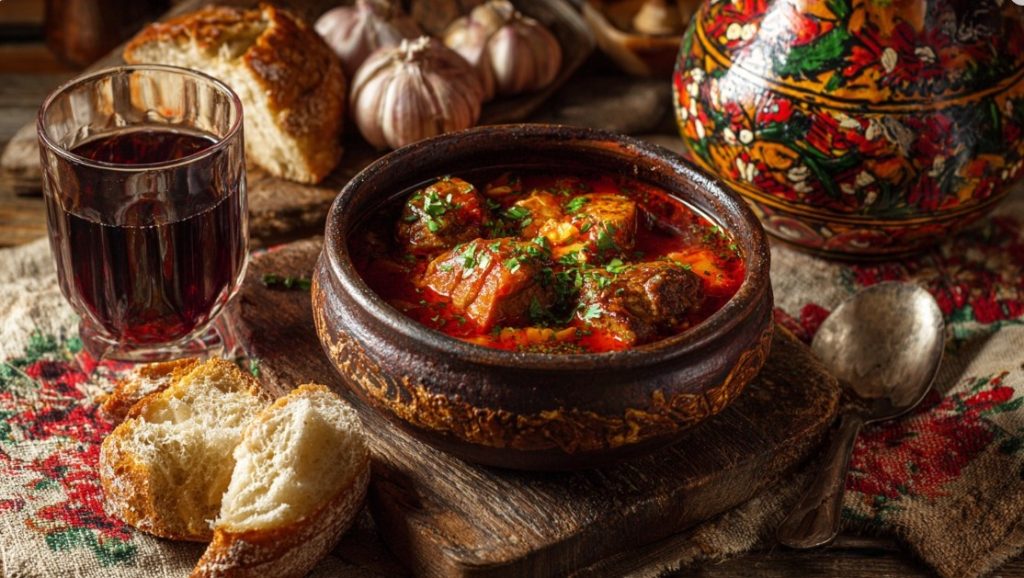
In this post, we’re taking a food journey across Ukraine—from the Carpathians to the Black Sea, from Polissia to Donbas—to see just how varied real Ukrainian home cooking can be. If you’re looking at the Carpathian region in particular, one of the most atmospheric, hearty dishes to put on your list is Bogrács (Hungarian-style goulash).
Every region is its own story—and its own calling card worth learning, tasting, and passing on.
Western Ukraine — the land of borscht and banosh
When it comes to food, Western Ukraine is one of the most vivid, character-filled parts of the country. Centuries of neighboring influence—Polish, Hungarian, Romanian—left a deep culinary footprint, and it blends beautifully with Ukrainian flavors. Many of the oldest recipes are still cooked the same way today as they were 100 years ago.
In the Carpathians, you’ll run into seriously hearty fare: banosh with bryndza, mushroom soups, bograch, and kulesha. A lot of it is cooked over an open fire or in a traditional oven, using simple, honest ingredients—cornmeal, homemade sour cream, bryndza, porcini mushrooms. Western Ukraine is also famous for plyatsky: multi-layer cakes and bars that are basically mandatory on holiday tables.
Galician cooking carries a strong Polish and Austro-Hungarian influence. In Lviv, there’s a real ritual around morning coffee—often with a flaky pastry or cottage cheese pancakes. Meat is frequently baked with wine or prunes, which gives it that slightly elegant, old-world feel. Lviv home cooks are famous for dishes that look restaurant-worthy, yet for them it’s simply “Sunday lunch.”
The Boykos and Lemkos—ethnic groups from the mountain areas—are known for food that’s simple, practical, and incredibly tasty. Think fruit jellies, braised vegetables, fermented cabbage and cucumbers, potato pancakes, and meatless borscht. Self-sufficiency is a point of pride here, so a lot of ingredients come straight from the family garden.
Western Ukrainian food isn’t only delicious—it’s deeply comforting. It’s the warmth of the oven, the smell of mushroom broth, and that holiday feeling that somehow shows up even on an ordinary day. Most of all, it’s proof that a meal can be a form of cultural heritage.
Hutsul cuisine of the Carpathians
The Carpathians aren’t only about postcard views and mountain peaks—they’re also home to Hutsul cooking, a style loved across Ukraine for its authenticity. The food is straightforward but seriously nourishing. That makes sense: mountain life is physical, and meals are meant to fuel you.
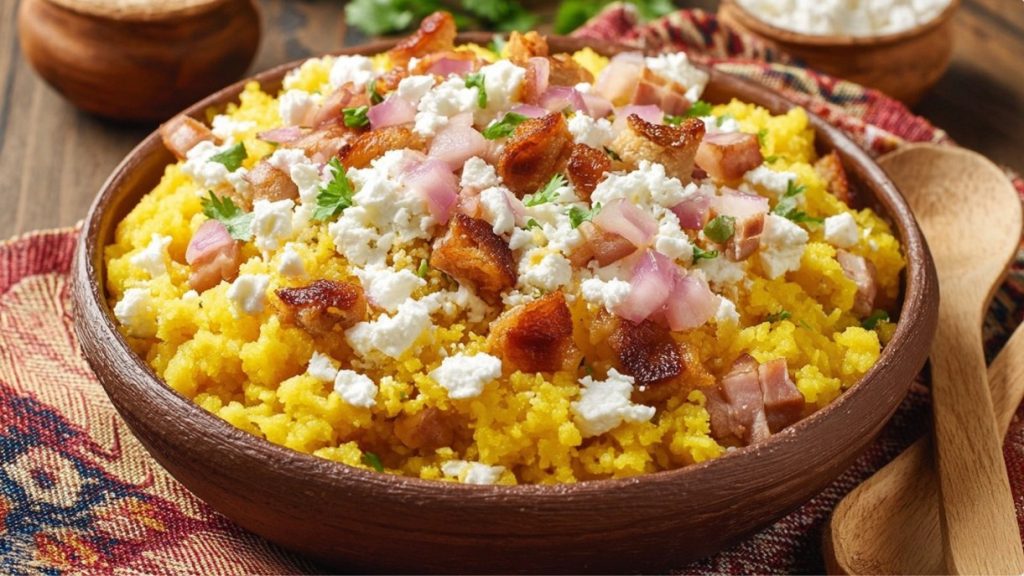
The star of the Hutsul table is banosh. It’s made from cornmeal cooked in cream or sour cream, then finished with bryndza and crispy pork cracklings. Served hot and thick, it smells faintly smoky—like it came straight from a fire. There are plenty of variations too: with mushrooms, extra cheese, or meat. It’s the kind of dish that feels both humble and festive at the same time.
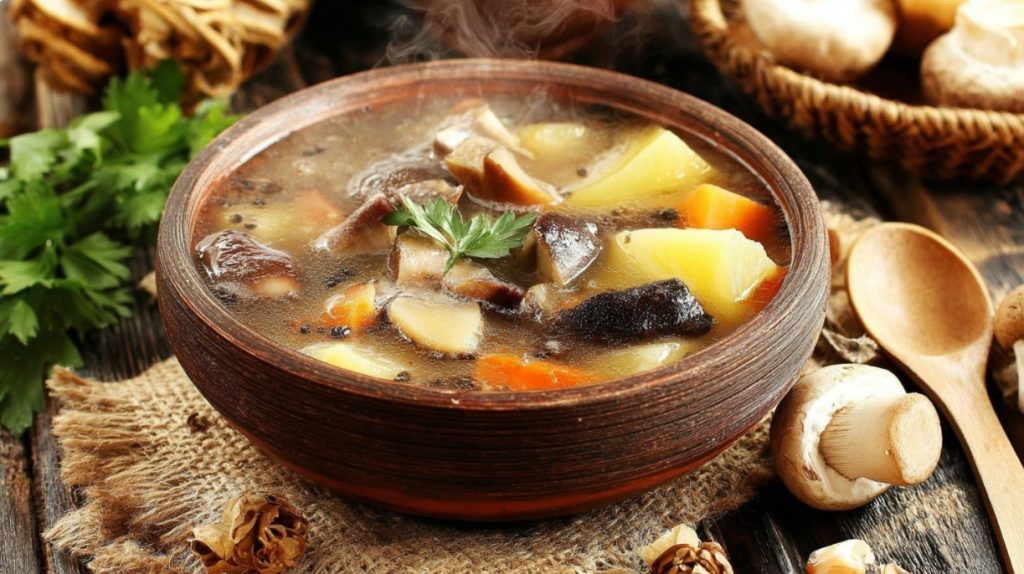
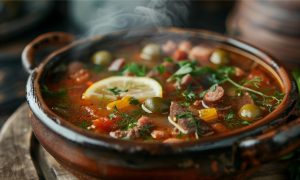
Another classic is mushroom soup. The Carpathians are rich in mushrooms—especially porcini—so families preserve them for winter by drying, pickling, or freezing. The soup is made on a mushroom stock with potatoes, onion, and carrot, sometimes finished with cream. The aroma is unforgettable. It’s usually served with homemade bread or kulesha.
Kulesha is close to banosh, but it’s cooked with water rather than sour cream. It’s still corn-based, and it’s often topped with fried cracklings or served alongside fermented cabbage. For many Hutsul families, kulesha is everyday food.
For celebrations, you’ll see roast meat, vurda (a traditional whey cheese), smoked sausage, and pickles. And then there’s bryndza, the salty sheep’s milk cheese that defines the region. It’s stirred into dishes or eaten as a snack on its own.
Everything leans homemade and seasonal, without fuss. Hutsul food mirrors Hutsul life: close to nature, sincere, and beautifully balanced.
Galician favorites from the Lviv region
In Galicia, food can feel almost sacred. Taste is treated like an art form. Lviv’s culinary tradition is among the most refined in Ukraine—no surprise, given how strongly it was shaped by Polish, Jewish, Hungarian, Austrian, and even Italian influences.
At the center of Lviv’s sweet world are plyatsky: layered cakes and traybakes filled with poppy seeds, walnuts, curd, jam, or chocolate. They’re baked for holidays, gifted to friends, and recipes are handed down like family heirlooms. In Lviv, plyatsky aren’t just dessert—they’re a ritual.
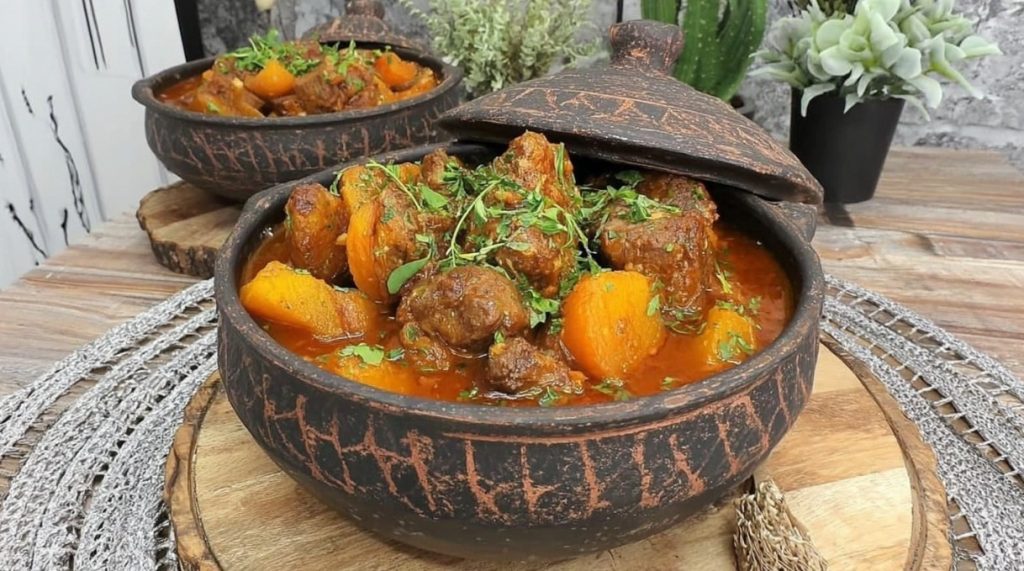
Another regional icon is Lviv-style roast (often cooked as chanakhy in clay pots). Meat is braised with wine, sometimes with mushrooms, prunes, or apples. It’s served with mashed potatoes, boiled vegetables, and plenty of gravy. The flavor is rich and tender, with a gentle sweet-and-sour note from the add-ins.
And then there’s Lviv coffee. It’s not just a drink—it’s a lifestyle. Local cafés serve coffee with whipped cream, caramel, liqueur, milk, or simply black and strong. Something sweet on the side is practically expected: cottage cheese pancakes or a slice of strudel.
All over Lviv, you’ll find dishes with deep historical roots—and modern updates that keep Galician cooking endlessly inspiring for new generations of cooks.
Boyko and Lemko cooking
The Boykos and Lemkos live in hard-to-reach parts of the Carpathians across Lviv, Ivano-Frankivsk, and Zakarpattia regions. Their food—like their way of life—is modest and restrained, yet incredibly flavorful and heartfelt. The defining traits are natural ingredients and minimalism: cooking with what the forest, garden, and fields provide.
Daily meals lean on vegetables, grains, dairy, and of course potatoes, prepared in countless ways. One of the most common dishes is potato pancakes, served with sour cream, mushrooms, or fried onions. Another staple is braised cabbage with millet or beans, especially during fasting periods.
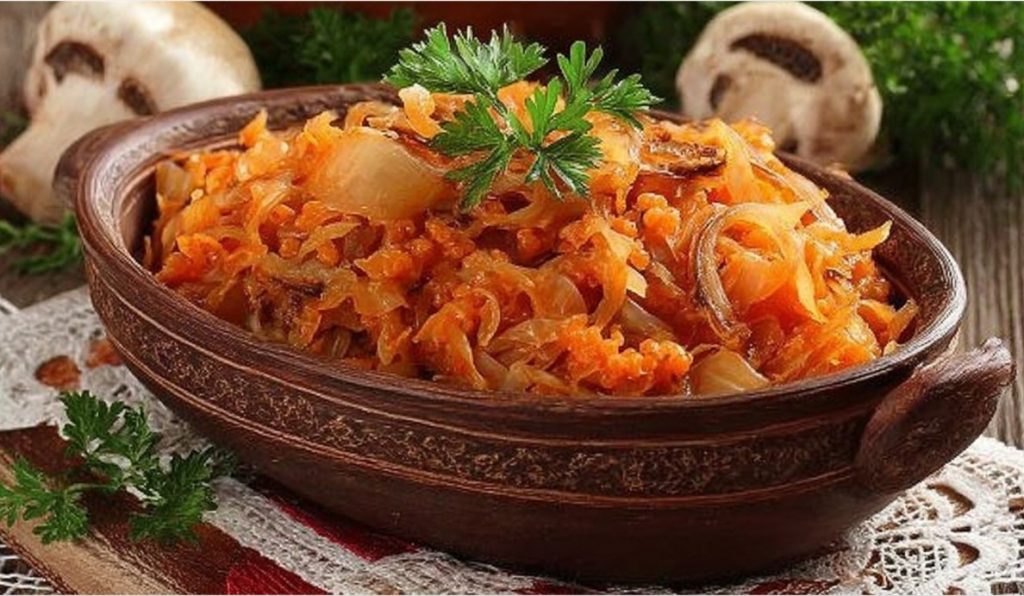
Vegetable fermentation has deep roots here. Sauerkraut, pickled cucumbers, beets, even apples—these aren’t just side dishes, they’re part of the meal. A local favorite is borscht made with fermented cabbage: tangy, hearty, often with beans and cracklings. Served with homemade bread and a piece of salo, it’s basically winter comfort in a bowl.
Boyko households also love kulish, a millet porridge cooked with milk or cracklings, often made over an open fire in a big pot. And there’s dried mushroom soup, served with buckwheat halushky or homemade noodles.
For sweets, it’s all about honey, dried fruit, and apples. Home bakers make apple cakes, cherry pies, poppy-seed bakes, and uzvar—a dried-fruit drink made with pears and plums that’s both delicious and genuinely restorative.
It’s a great reminder that “simple ingredients” doesn’t mean “simple flavor.” Boyko and Lemko cooking is food with a heart—carrying the spirit of old traditions forward.
Central Ukraine — the heart of Ukrainian cooking
Central Ukraine includes regions like Kyiv, Cherkasy, Poltava, and Kirovohrad. This is the cultural—and culinary—heartland. Many dishes that people now think of as “the classics” of Ukrainian cuisine took shape here: borscht, varenyky, halushky, Chicken Kyiv, and dozens more soul-warming recipes.
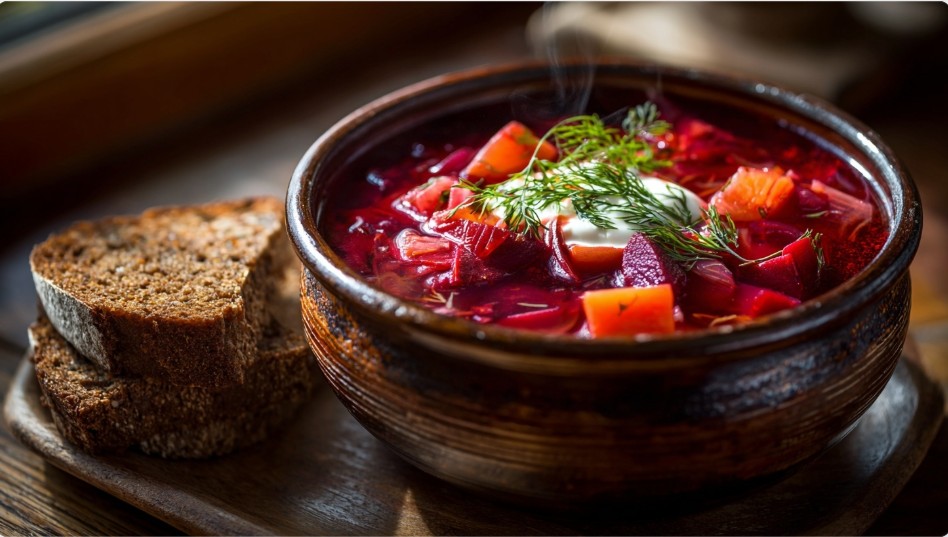
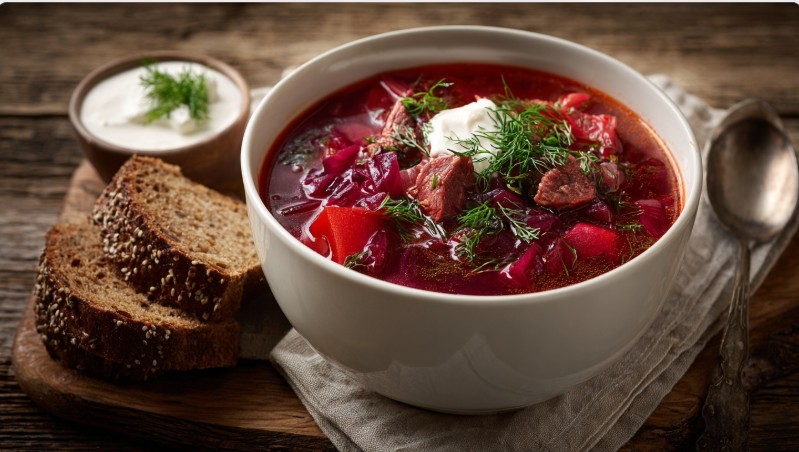
Every family has their own borscht. In the center of the country, it’s usually thick and vegetable-forward, sometimes with beans or prunes. Some villages even add apples for a gentle tart note. It can be made on a meat broth or as a lean version with mushrooms, and it’s finished with a tomato-onion-salo base. The details change, but one thing doesn’t: it’s served with a spoonful of sour cream and pampushky (Ukrainian garlic bread rolls).
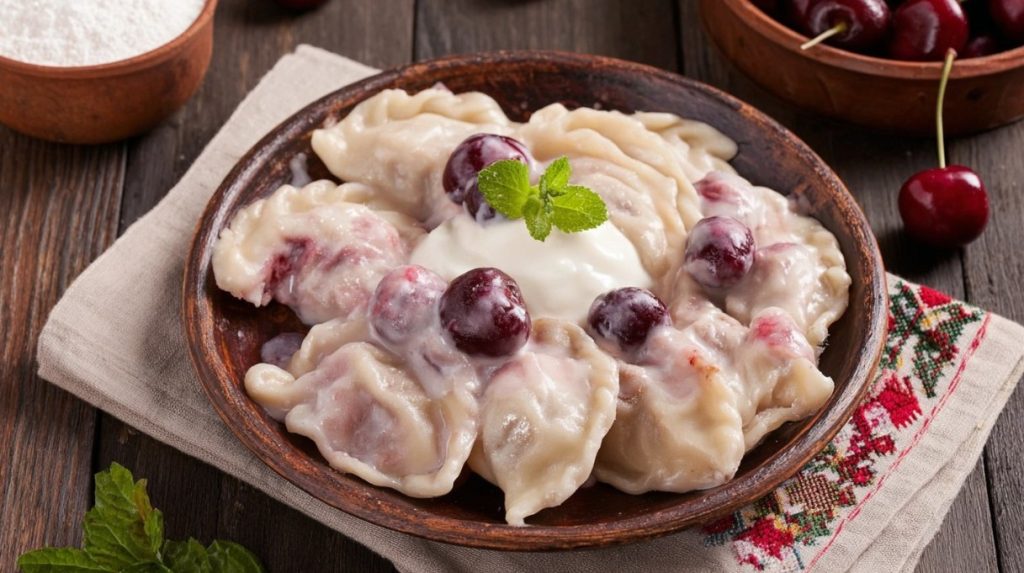
Another beloved staple is varenyky (Ukrainian dumplings). Potato, cabbage, cherries, farmer’s cheese—there are endless versions. In Central Ukraine, varenyky are a symbol of home. Families often make them together, especially before holidays. They’re served with cracklings, fried onions, sour cream, or honey—depending on the filling.
Halushky are another gem of the region, especially in Poltava. These tender dough dumplings are boiled in water or broth and served with meat, gravy, or even added to borscht. They should be soft but springy. Some cooks mix salo or garlic into the dough for extra punch.
Central Ukraine is also the land of roast meats, homemade sausages, fruit liqueurs, pickles, and uzvar. Dinner here can feel like a small ritual—each dish a quiet way of saying “you’re cared for.”
Classic borscht and varenyky
People have written thousands of words about borscht, but any home cook will tell you: “Mine is different.” And it’s true—borscht is the soul of Ukrainian cooking. Every region has its own version, but the Central Ukrainian style is often treated as the benchmark. It’s thick, ruby-red, and usually made with meat (most often pork or beef), plus plenty of beetroot, cabbage, potatoes, carrots, onion, and garlic. Some add beans, others prunes, and some even stir in a spoonful of sugar to balance the acidity.
Borscht is served hot with sour cream, fresh herbs, and pampushky (Ukrainian garlic bread rolls). Sometimes you’ll also get a slice of salo or a bit of sausage on the side. The best borscht is the one that’s had time to rest for a few hours—or overnight—so the flavor deepens.
Varenyky are the other big symbol. They’re dumplings made from a simple dough, boiled in salted water, and filled with everything from potatoes and fried onions to sauerkraut, sweet or savory farmer’s cheese, or cherries. In Poltava villages, varenyky are often made large and generous; around Kyiv, they tend to be smaller and neat—almost like pelmeni.
Ukrainian cuisine is full of dough-and-filling comfort foods that share similarities with neighboring countries, yet still keep their own character. In many families, homemade pork pelmeni have a special place too—a hearty dish often made in big batches for the whole family, especially in winter or on weekends. It’s the definition of cozy, practical, and meant for sharing.
Sweet varenyky are served with cream, honey, or sweetened condensed milk. Savory ones come with cracklings, fried onions, and sour cream. Every cook has their own tricks—and every dumpling feels like a little half-moon of love.
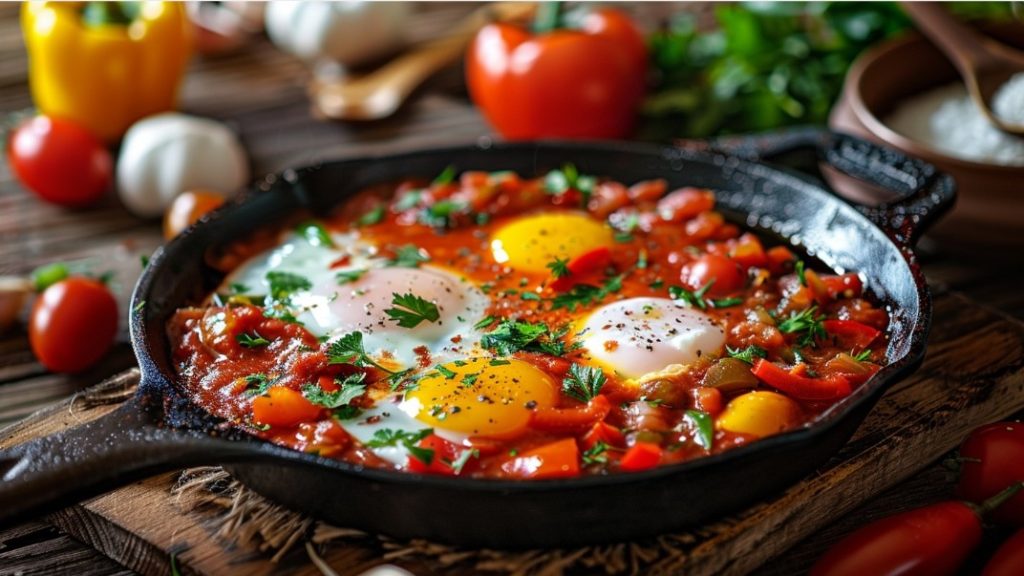
Varenyky and borscht aren’t just everyday dishes—they’re part of life’s rituals. They show up at weddings, holidays, and memorial meals. They taste like childhood and bring you back to a home that smells like warmth and care. For breakfast, more and more Kyiv locals also make shakshuka.
Kyiv as a culinary hub
Kyiv isn’t only Ukraine’s capital—it’s also a true food city, where traditions from across the country meet global influences. Even with all that cosmopolitan energy, Kyiv has kept its own iconic dishes that are recognized far beyond Ukraine. The local style is a mix of old-school elegance and homey simplicity.
The city’s most famous dish is, without question, Chicken Kyiv. Outside: a crisp breadcrumb crust. Inside: tender chicken wrapped around herb butter. The trick is keeping the butter sealed in so it doesn’t leak during frying. You’ll find it in Kyiv’s best restaurants, but many people will tell you the real magic happens at home.
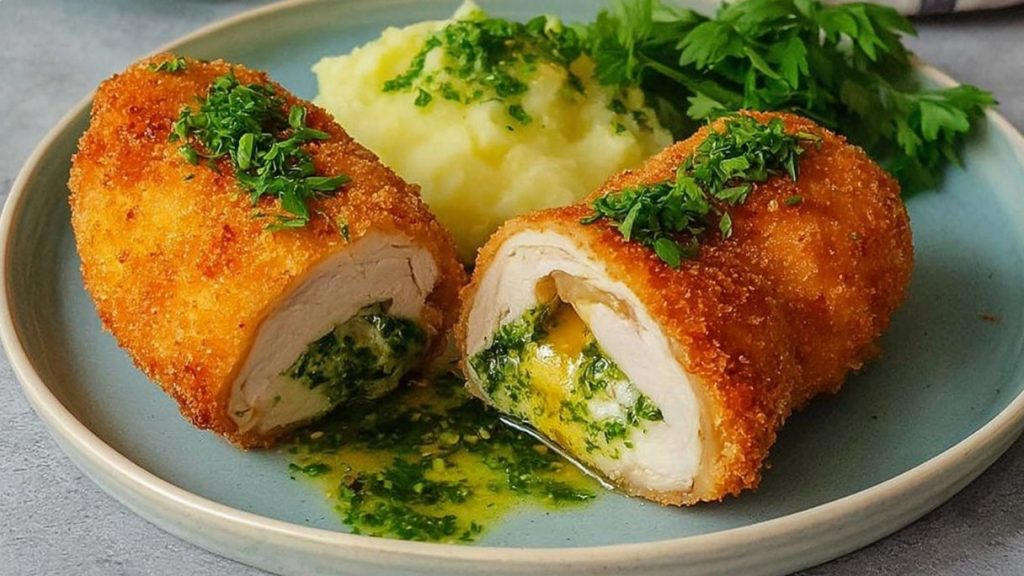
Another Kyiv symbol is the Kyiv cake, famous for its airy meringue layers and buttery cream, often with nuts and sometimes chocolate. For many Ukrainians it’s pure nostalgia, and you can buy it in just about any bakery in the city.
Kyiv also loves a good modern twist: you might see borscht with lavender, varenyky with mozzarella, salads with farm goat bryndza, or desserts made with dark rye bread and honey. The city adapts traditional recipes to current food trends quickly—without completely losing the thread of authenticity.
Street food is part of the Kyiv picture too: shawarma, chebureky, fried pies, khachapuri—easy to find on almost any busy street. Even in “quick” food, there’s often real attention to flavor and quality.
Kyiv feels like a working kitchen that never stops experimenting, while still respecting tradition. Food here is a lifestyle—and visitors can always find something that hits the spot.
Eastern Ukraine — industrial cities with comfort-food soul
Eastern Ukraine—especially Kharkiv, Donetsk, and Luhansk regions—is known for its industrial past and, at the same time, its generous, hearty home cooking. The food here is energy on a plate: big portions, rich soups, plenty of meat, dough-based dishes, and vegetables cooked with care.
The region is proud of halushky, often made larger, softer, and more filling than elsewhere. They’re served with braised meat, in soup, or simply with sour cream. Another popular dish is kapusniak, a rich soup made with fermented cabbage, pearl barley, and pork ribs. It’s tangy, meaty, and deeply aromatic.
In eastern cities, you’ll see pirozhky filled with potato, meat, or cabbage, plus chebureky fried in plenty of oil. They’re sold at markets, near train stations, in small snack shops—and they’re best eaten piping hot.
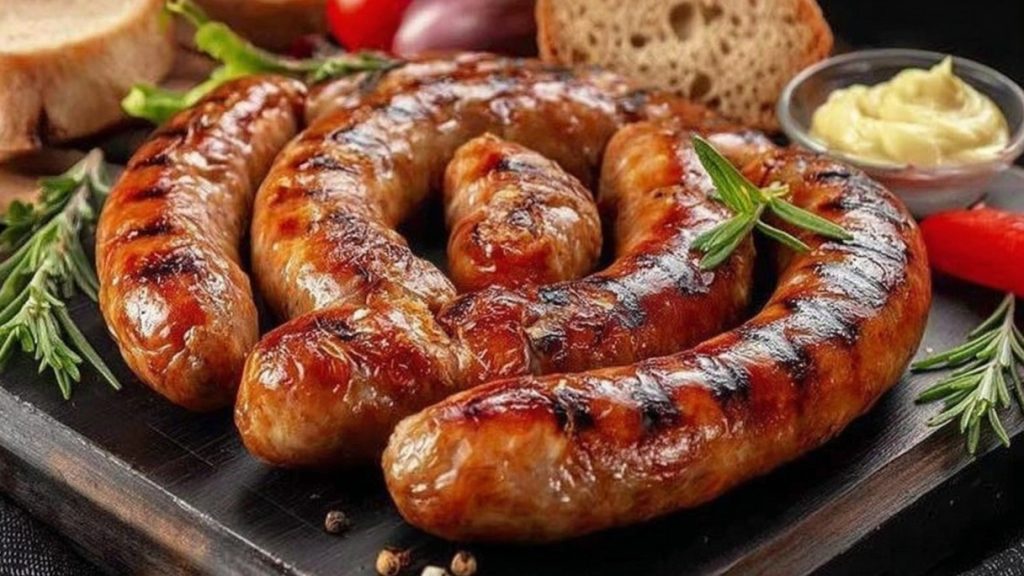
A defining feature of eastern cooking is a real love of homemade food. People especially value homemade sausages, salo with garlic, roast potatoes, and pickles. Holiday tables often include aspics, vegetable rolls, vinaigrettes, herring under a fur coat, and of course Olivier salad—often with homemade mayonnaise.
Eastern Ukraine isn’t about fancy plating—it’s about sincerity. Food should be tasty, abundant, and welcoming, so every guest feels at home. It’s the kind of cooking that warms you on cold evenings and sticks in your memory for years.
Slobozhanshchyna cuisine
Slobozhanshchyna is a historical region covering parts of Kharkiv, Sumy, and Luhansk. Its culinary heritage is a distinctive mix of Ukrainian, Russian, and Cossack traditions. The dishes are generous, calorie-rich, and straightforward, built around seasonal vegetables, meat, and flour-based staples.
One of the main dishes is shchi made with fermented cabbage, or kapusniak with pearl barley. They’re served with homemade bread, garlic, and (if you like) a spoonful of sour cream. Another signature is roast meat baked with potatoes, carrots, and onions, sometimes with mushrooms—often cooked in clay pots for extra aroma.
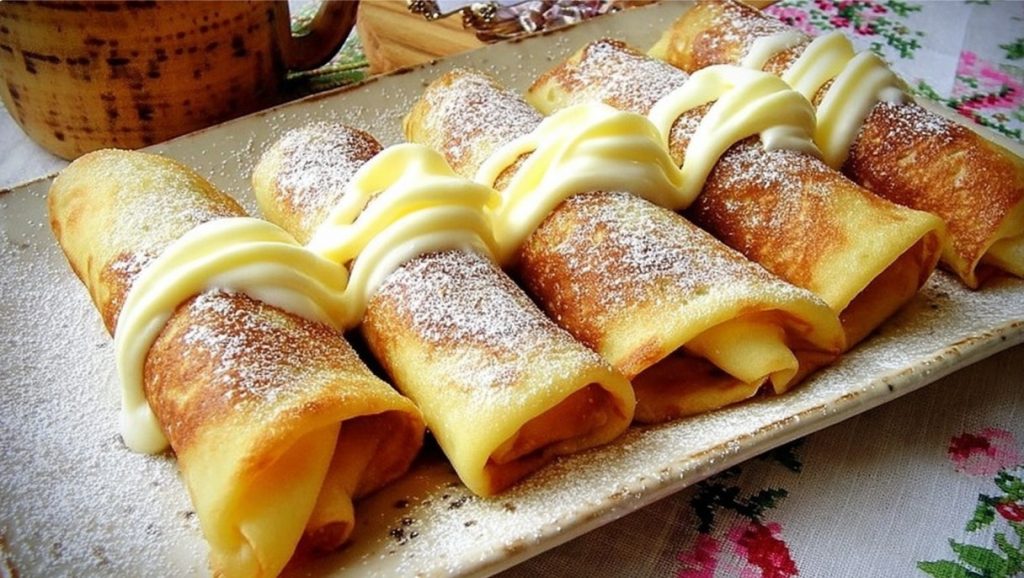
Halushky are a staple here too—added to borscht or soups, or served on their own with meat. You’ll also see crepes with all kinds of fillings: sweet (farmer’s cheese, poppy seeds, berries) and savory (meat, mushrooms, liver).
Slobozhanshchyna also appreciates bold condiments and seasonings: horseradish, mustard, tomato sauce, adjika. Homemade sauces made from bell peppers, aubergines, or tomatoes are common on the table.
Desserts tend to be homemade jam, pies, nalysnyky with cherries, and cottage cheese pancakes. Drinks include compotes, uzvar, and homemade kvass. This is the taste of childhood: grandma’s lunches and long family gatherings.
Donbas gastronomy
Donbas has its own food world—shaped in a region where people have always valued nourishing, tasty, homemade meals. With a long history of miners and factory workers, the local table was built around strength, energy, and staying power.
One of the key staples is pies with all kinds of fillings. Baking is big here: yeasted pies with meat, fish, cabbage, rice and egg, or jam. They’re often made with salo in the dough or fat, giving them a golden, crisp crust. A good pie can easily stand in for a full dinner—because it’s that filling.
Donbas also loves varenyky with meat, manti, and chebureky—anything that can be packed with a juicy meat filling will be popular. Meat is usually pork or a pork-beef mix. Varenyky are made in big batches and topped generously with fried onions or sour cream.
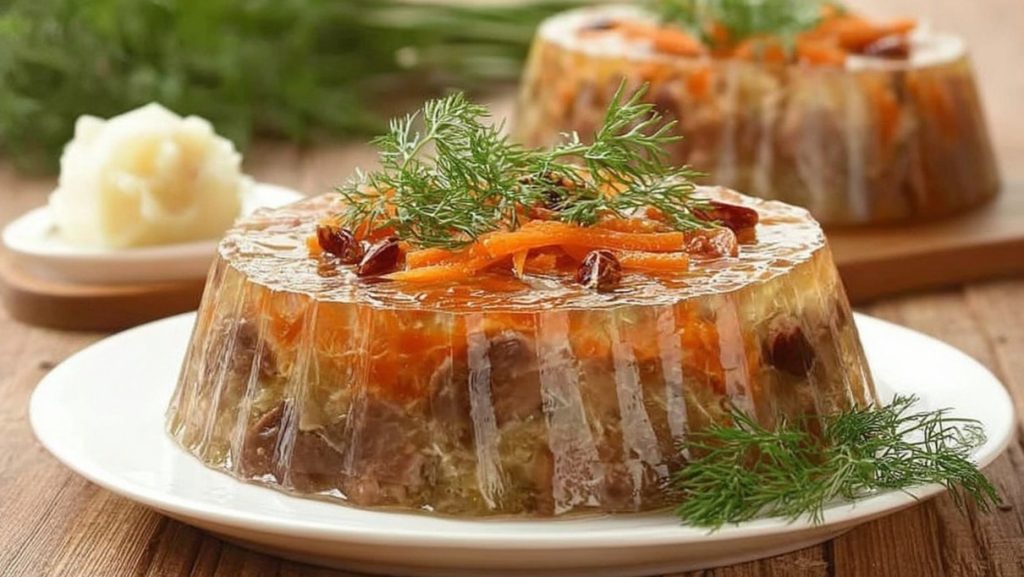
Appetizers are non-negotiable. Expect pickles, herring under a fur coat, fish or meat aspic, homemade kholodets, and braised vegetables. These come out before the hot dishes, especially at celebrations—which Donbas is known for doing generously.
Grains also play a big role: millet and buckwheat porridge served with meat gravy or mushrooms. People especially love vegetable stews, like ragout made with potatoes, carrots, cabbage, tomatoes, and onions, sometimes with pork or smoked meats.
Sweet treats in Donbas are often homemade cookies, poppy-seed buns, berry pies, compotes and uzvar, and tea served with jam. It’s the kind of cooking that leaves you full—and oddly grateful.
Southern Ukraine — seafood and a mosaic of cultures
Southern Ukraine is a true gastronomic treasure. Odesa, Mykolaiv, Kherson, and parts of Zaporizhzhia are regions where the cuisine was shaped by dozens of communities—Ukrainians, Jews, Bulgarians, Greeks, Moldovans, Crimean Tatars. The result is a unique culinary mix you won’t find anywhere else.
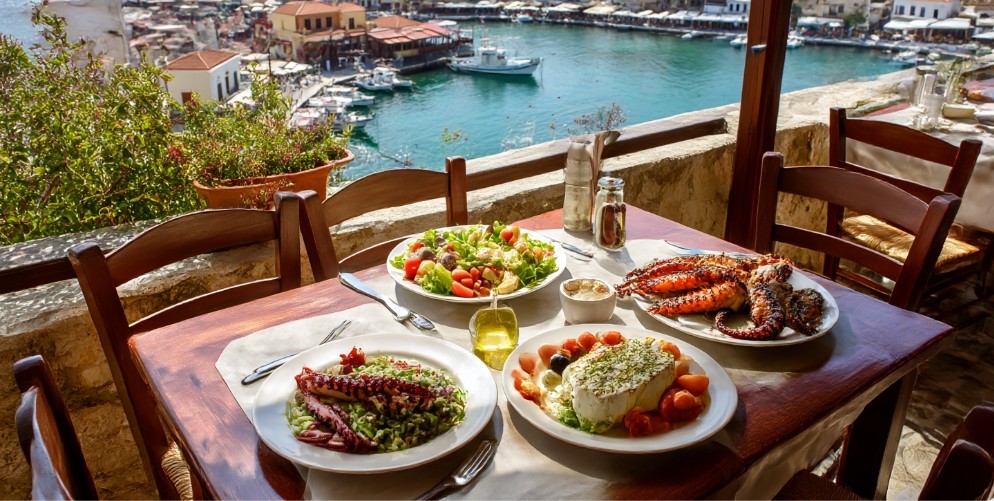
Seafood is a big deal here: fish, mussels, shrimp. Forshmak is one of the south’s calling cards, especially in Odesa. With Jewish roots, it’s made from salted herring blended with apples, onion, butter, and bread. Served chilled with dark bread or toast, it’s the kind of snack that disappears fast.
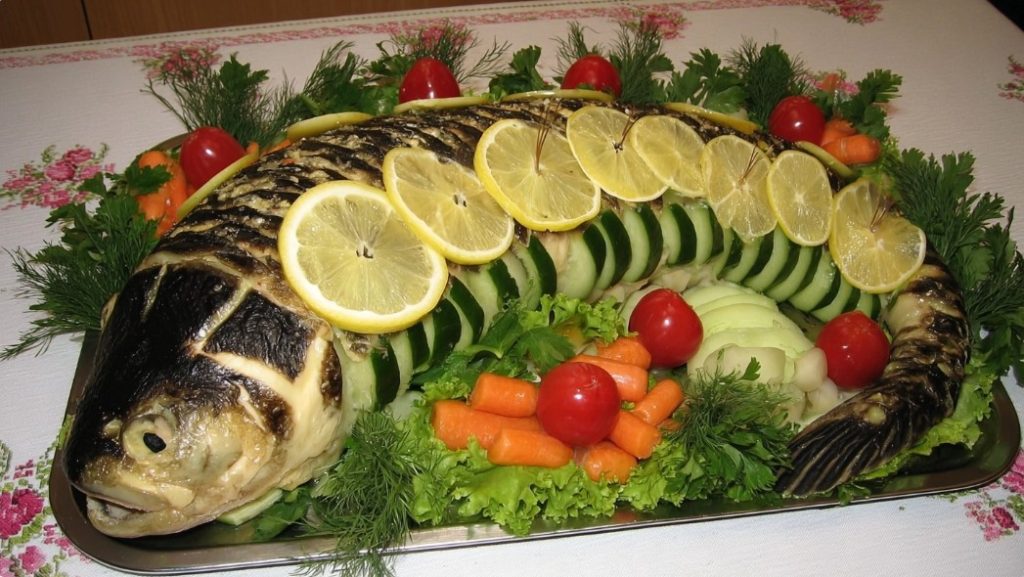
Another symbol is stuffed fish, often made for holidays, especially in Jewish families. Herring shows up everywhere too—in salads, rolls, open-faced sandwiches, or simply with onion. You’ll also see plenty of aubergine salads, adjika, vegetable spreads, and “caviar” made from courgettes or beetroot.
The south is famous for vegetable dishes, thanks to a climate that’s perfect for tomatoes, aubergines, courgettes, peppers, and cucumbers. Expect vegetable stews, summer salads, lecho, braised vegetables, and vegetable baked casseroles with cheese or eggs.
Meat and poultry are often cooked over open flames: shashlik, lula kebab, roast lamb—strongly influenced by Turkic culinary traditions.
Pickles and winter preserves are a whole world of their own: tomato juice, pickled peppers, Georgian-style aubergines, even sweet tomatoes in honey.
For sweets, you might find watermelon jam, peach preserves, grape compotes, baklava, and cottage cheese pancakes. And the herbal tea culture is strong too—tea with thyme, mint, and honey is everywhere in local cafés.
Odesa cuisine
Odesa food is legendary. It’s so colorful people joke about it, quote it, and try to recreate it in restaurants around the world. The cuisine blends Jewish, Ukrainian, Bulgarian, Greek, Armenian, and many other traditions.
One of the most famous Odesa dishes is Jewish-style aubergines (often affectionately called “overseas caviar”). It’s fried aubergine mixed with tomatoes, garlic, and lots of herbs, served as a cold appetizer or side. Another gem is gevalt fish, cooked in tomato with plenty of spices.
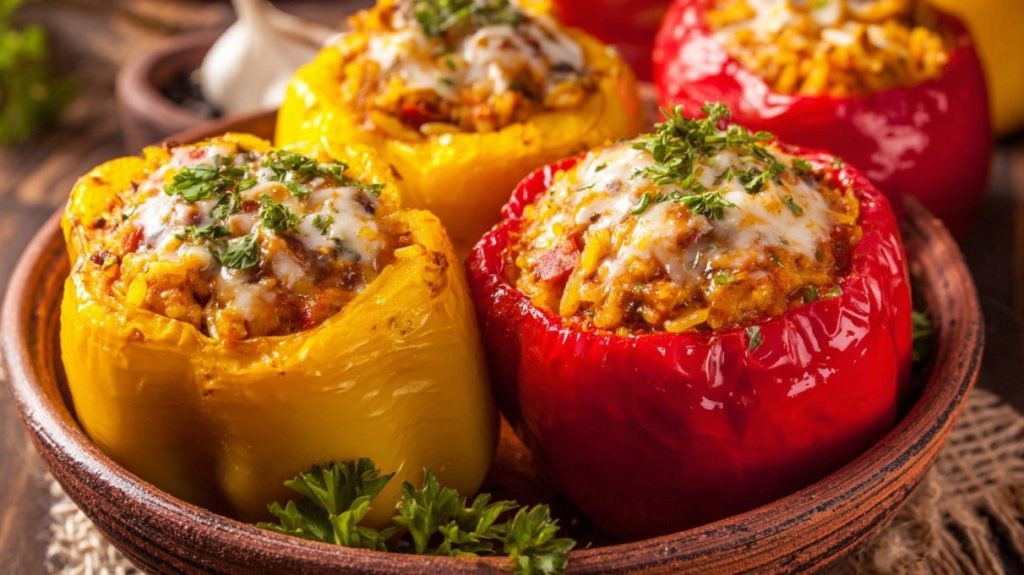
Odesa forshmak—herring with apples, egg, and onion—is a must on any festive table. Locals also love stuffed peppers, fish patties, fried gobies, and fish soup made with dried or salted fish.
That Odesa kick often comes from spicy adjika, garlic sauces, and pickled vegetables. Add lavash with cheese, homestyle meat dishes, and poppy-seed or halva pastries, and you’ve got the full picture.
Odesa isn’t only a city by the sea—it’s a city of a thousand flavors, where every dish feels like a story and every home cook is a bit of a performer.
Crimean Tatar cuisine
Crimean Tatar cuisine is an essential part of Ukraine’s southern food landscape. Shaped over centuries under Turkic influence on the Crimean Peninsula, it’s a living cultural heritage that Crimean Tatars continue to protect and develop.
The most famous dish is chebureky: large fried turnovers made with thin dough and a juicy lamb or beef filling (sometimes mixed with herbs). A proper cheburek should be crisp outside and tender, juicy inside. They’re fried in plenty of oil or fat until golden. Traditionally, chebureky are served hot, straight from the pan, with ayran or kefir.
Another signature is yantyky. They’re similar to chebureky but cooked without oil—on a dry pan or griddle. The filling is much the same, but the result is lighter and more delicate. Yantyky are often served with a yogurt-garlic-herb sauce.
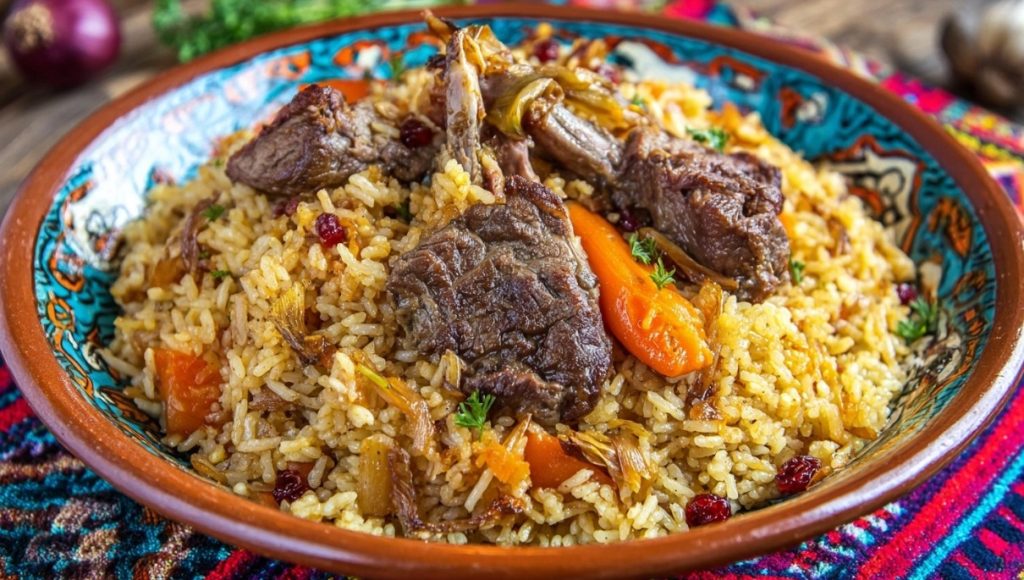
Plov is a must for holidays, weddings, and family celebrations. In Crimean Tatar tradition, it’s cooked with fried lamb or beef, carrots, spices, and lots of onion. The rice should be fluffy and separate, and the meat tender and fragrant. Fresh vegetable salads or fermented cabbage are common on the side.
And you can’t skip lagman—a thick, comforting soup with handmade noodles, meat, and vegetables, seasoned with spices, garlic, tomato, and herbs. It’s bold and warming, perfect for a cool evening.
Crimean Tatar cuisine is also rich in baking: katlama, baursak, sheker-para—sweets that melt in your mouth. They’re typically served with Crimean tea infused with thyme, mint, or sage.
This cuisine is hospitality in edible form—rooted in nomadic traditions, yet always cooked with a warmth you can taste.
Polissia — forest bounty on the table
In Polissia, nature sets the menu. Forests, wetlands, rivers, and lakes define the key ingredients. Zhytomyr, Volyn, Rivne, and the northern parts of Kyiv region are places where people have long cooked with what they could gather in the woods or catch in the water.
The everyday staples are mushrooms, berries, fish, and potatoes. The most common dish is mushroom soup, often made with dried porcini, plus potatoes, carrots, onions, and a splash of cream or sour cream. The flavor is deep and earthy, sometimes with a hint of smoke because mushrooms are often dried in an oven.
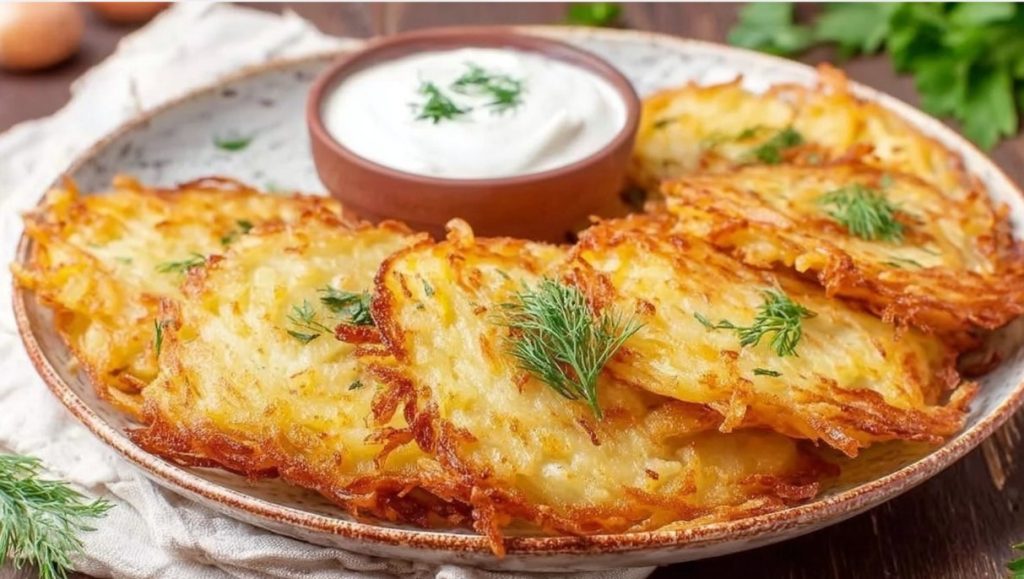
Another classic is potato pancakes, also known locally as tertiukhy. They’re fried until golden and served with sour cream, mushrooms, cracklings, or even as a side for meat. In some areas, potato pancakes are simmered in sour cream or mushroom sauce, turning them into a full-on baked casserole-style dish.
Polissia is also known for kulesh—thick porridges, usually millet or buckwheat, cooked with salo, onions, and sometimes meat. It’s often made over a campfire during forest work or fishing trips.
Fermented foods play a huge role. Villages in Polissia ferment cucumbers, cabbage, apples, pears, beets. Sauerkraut becomes the base for kapusniak, braised dishes, and pie fillings—an old-school way to keep vitamins on the table all winter.
Fish is cooked into soups, fried or baked, turned into fish patties, and sometimes dried or smoked. Berries become jams, compotes, and uzvar. You’ll also find sweet pies, nalysnyky with berries, and honey gingerbread.
Polissia cooking is like a quiet song of the landscape—full of forest aroma, smoke, and that unmistakable feeling of home.
Dishes with mushrooms, berries, and fish
Polissia’s forests are a pantry in their own right, and local home cooks know exactly how to turn that into something special. Mushrooms—porcini, birch boletes, chanterelles, honey mushrooms—aren’t just a treat here; they’re a foundation. They’re fried with onions, added to borscht and soups, stirred into kulesh. Dried mushrooms are especially important in winter, including for Christmas cooking.
Berries—blueberries, raspberries, blackberries, cranberries—become jams, fruit liqueurs, and compotes. They’re baked into pirozhky, used as fillings for nalysnyky, and even turned into homemade ice cream. Cranberries also show up in sauces or alongside meat.
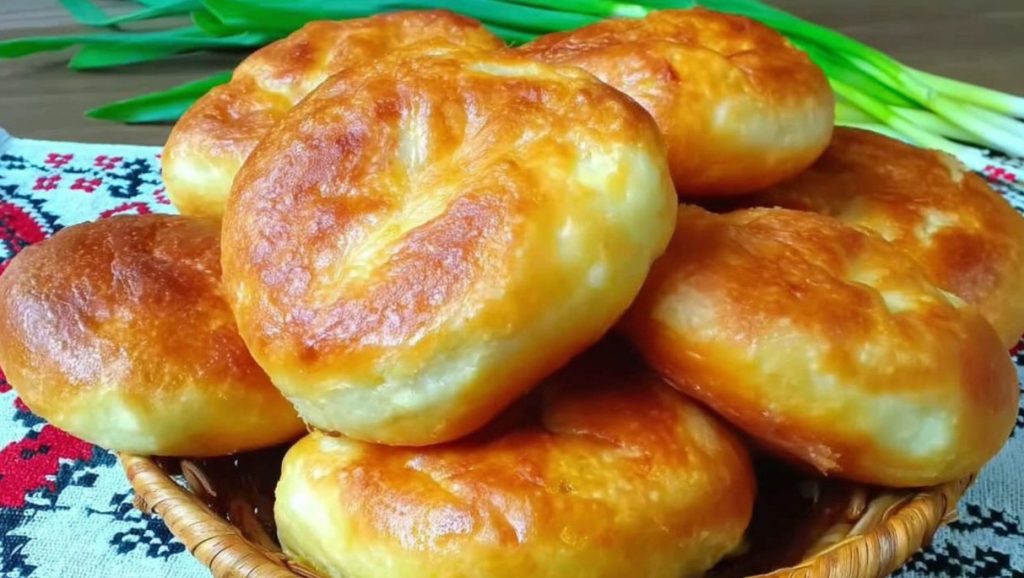
Fish—crucian carp, pike, bream, perch—is cooked over open fire, baked in sour cream, dried, or smoked. It’s used for aspics, patties, small salted fish snacks, and soups.
Polissia doesn’t just gather nature’s gifts—it uses them wisely. Nothing is wasted, everything is valued, and that kind of culinary common sense is worth learning from.
Fermenting and smoking
One of Polissia’s core food traditions is preserving—fermenting, smoking, salting. In a colder climate with limited access to fresh produce in winter, and with rural households historically relying on themselves, these methods weren’t trendy—they were essential.
The most common fermented ingredient is, of course, cabbage. It’s shredded, mixed with carrots, salt, garlic, sometimes cranberries or apples, then left in barrels for a few weeks. Sauerkraut stores well, is naturally rich in vitamins, and has probiotic benefits. It becomes the base for kapusniak, braised dishes, and pie fillings.
Beyond cabbage, villages ferment cucumbers, apples, beets, tomatoes, even pears. One of the most interesting staples is beet kvass, used for lean borscht or enjoyed as a drink. Its sweet-and-sour tang is especially refreshing in summer.
Then there’s smoking. In Polissia, people smoke everything: sausages, salo, fish, meat, chicken, sometimes even cheese. A smokehouse is a traditional part of the homestead. The taste of homemade smoked garlic sausage—or smoked crucian carp over alder branches—is pure local genius.
These preserving traditions are practical, yes, but they also protect flavor. In a Polissia cellar, you’ll always find something smoked, fermented, or dried—and it’s typically all-natural, without preservatives or additives.
Podillia — a vegetable lover’s paradise
Podillia is fertile, generous land—rich in vegetables, fruit, grains, and herbs. Vinnytsia, Khmelnytskyi, and parts of Ternopil and Chernivtsi regions are places where cooking is built on nature’s abundance and the everyday creativity of local home cooks.
Braised dishes are especially loved here. A favorite is slow-cooked meat with vegetables, cooked gently in an oven. Carrots, cabbage, potatoes, tomatoes, garlic, herbs, and good meat (usually pork) come together into something deeply comforting. These dishes are often served in clay pots with bread and a homemade sauce.
Podillia cooks are also known for nalysnyky (stuffed crepes). Fillings can be sweet (farmer’s cheese with raisins, apples with cinnamon, poppy seeds) or savory (liver, cabbage, mushrooms, meat). Often, nalysnyky are baked in the oven with cream or sour cream until tender and almost melting.
The region is also famous for vegetable spreads and salads, especially courgette “caviar”, lecho, and roasted aubergine salad. They’re served as appetizers or sides—part of a traditional lunch that might include three or four simple, delicious dishes.
Local drinks
Podillia has a long tradition of homemade drinks. One of the most common is uzvar—a dried-fruit compote usually made with apples, pears, and plums, sometimes with raisins, cinnamon, or honey. It’s served chilled in summer and warm in winter.
Another classic is kvass, often made from rye bread, sometimes with beetroot or fruit. It’s refreshing—and naturally rich in probiotics.
Podillia is also known for nalivky (homemade fruit liqueurs). Cherry, blackcurrant, and walnut versions are especially popular, and people still jokingly call them “cold medicine.” Kombucha is also common—here’s a guide to homemade kombucha.
The culinary heritage of national minorities
Ukraine is a multicultural country, and each community has added its own bright colors to the national food map.
Jewish cuisine brings dishes like gefilte fish, matzo, cholent, and kugel. It’s especially visible in the south and central regions, where Jewish communities were historically large. Many dishes are vegetable-forward, nourishing, and make great use of grains and fish.
Bulgarians, many of whom live in Odesa region, are known for moussaka, paprikash, lecho, and stuffed peppers. Their cooking is bold, aromatic, and generously seasoned.
Moldovans and Romanians in Bukovyna and the south brought mămăligă, sarmale (cabbage rolls in grape leaves), placinte, and fruit liqueurs made from pears and plums. Their cuisine is fragrant and gentle, built on cornmeal, vegetables, and dairy. Here’s a step-by-step recipe for Hutsul-style mamalyga.
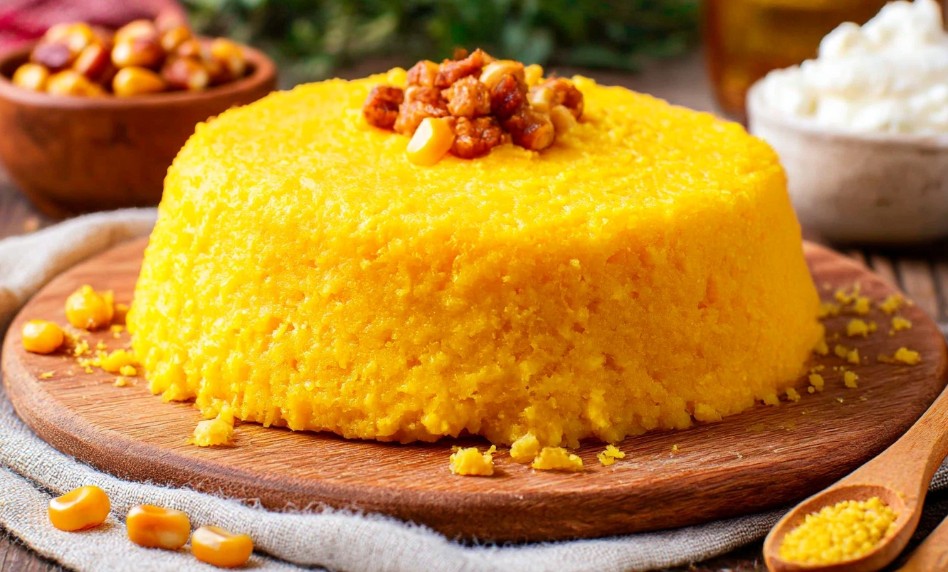
These culinary traditions aren’t only delicious—they’re also essential to preserving Ukraine’s cultural identity as a whole.
Seasonality and holiday food
Ukrainian cooking is closely tied to ritual and tradition. Major holidays come with special dishes cooked only once a year. It’s not just food—it’s symbolism, heritage, and a spiritual thread connecting generations.
For Christmas, families make kutia (wheat berries with honey, poppy seeds, raisins, and nuts). Alongside it you’ll often see varenyky, cabbage rolls, baked fish, and uzvar. Traditionally, the Christmas Eve supper includes 12 meatless dishes.
For Easter, it’s paska, sausage, sweet cheese Easter dishes, dyed eggs, and roast pork. After the Easter service, families gather to break the fast with foods that have been blessed in church.
Many celebrations have their own “food talismans”: crepes for Masnytsia, kutia for Malanka, varenyky for Ivana Kupala. It’s a way of honoring ancestors and wishing prosperity into the home.
How traditional cuisine is changing today
Right now, Ukrainian cuisine is going through a real revival. Restaurants and cafés are serving chef-driven takes on traditional dishes: varenyky with salmon, borscht made with roasted vegetables, potato pancakes with truffle paste—modern fusion with Ukrainian roots.
Young chefs are opening modern food spaces that highlight local ingredients with contemporary presentation. It keeps tradition alive, but makes it exciting for new generations.
Ukraine’s best-known chefs: the faces of modern Ukrainian gastronomy
Ukrainian cuisine is experiencing a true renaissance—not only at home, but on the global food stage. Historical recipes are being turned into modern delicacies, village dishes are becoming restaurant hits, and childhood flavors are showing up as international trends. A lot of that is thanks to chefs who aren’t afraid to experiment, who deeply respect tradition, and who share Ukraine’s culinary identity with the world. Here are some of the names shaping the new story of Ukrainian food.
🔥 1. Yevhen Klopotenko — a leading voice of modern Ukrainian cuisine
One of the country’s most recognizable food activists. A MasterChef winner, Le Cordon Bleu graduate, and the driving force behind Ukraine’s school-meals reform. Thanks to his advocacy, borscht was recognized by UNESCO as cultural heritage. In his restaurants “100 Years Ago Forward” and “Inshi,” he rethinks authentic regional dishes. His mission is simple: help Ukrainians fall back in love with their own food.
🧠 2. Yurii Kovryzhenko — гастrodiplomat No. 1
A culinary ambassador for Ukraine abroad. He has organized гастro dinners in dozens of countries, presenting his own takes on Ukrainian classics—from borscht to varenyky. Recognized internationally and awarded for cultural contributions, he’s known for innovations like “molecular borscht,” blending tradition with modern technique.
🍽️ 3. Volodymyr Yaroslavskyi — fine-dining craft with Ukrainian roots
A polished professional, MasterChef judge, and chef behind restaurants considered quality benchmarks in the capital. He’s known for combining European technique with Ukrainian ingredients—deep flavor, respect for products, and elegance without overcomplication. He also actively mentors young cooks and supports culinary education in Ukraine.
🎨 4. Yaroslav Artiukh — art on every plate
One of the country’s youngest and most creative chefs. At the restaurant “Kanapa,” he sparked a real shift by reimagining Ukrainian cuisine through a contemporary art lens. He works with regional ingredients and authentic recipes—just with a fresh approach. His style is thoughtful, soulful, and modern.
🎤 5. Aram Mnatsakanov — TV charisma and big-restaurant expertise
A charismatic restaurateur and TV host known to a wide audience through shows like “Na Nozhakh” and “Pekelna Kukhnia.” Off camera, he’s the owner of dozens of restaurants and an expert in building successful food projects. His approach is uncompromising quality, clear standards, and the ability to bring any venue up to a top level.
🌍 6. Olia Hercules — Ukraine’s voice on the world stage
A Ukrainian author who changed how many Brits see our food. Based in London, she writes bestselling Ukrainian cookbooks with international recognition. During the full-scale war, she co-founded #CookForUkraine, bringing global chefs together around Ukrainian cuisine. Her philosophy is simple, deep, and emotional: honest food with a story.
🚀 7. Yevhen Korolyov — a young leader of the Michelin generation
An ambitious chef who trained in Michelin-starred restaurants across Europe. He represented Ukraine at the Bocuse d’Or competition and now creates innovative dishes in London. His work combines technical precision with Ukrainian spirit—proof that our cuisine can compete on any world food stage.
🏁 Wrap-up
These chefs aren’t just cooks. They’re flavor-makers, cultural ambassadors, and the people pushing Ukrainian gastronomy forward. Each one contributes to preserving, updating, and promoting Ukrainian cuisine—so the world gradually learns that Ukrainian food isn’t only borscht, but a deep, refined, and unmistakable cultural heritage.
Ukraine’s cuisine is a treasure chest of history, culture, ancestral memory, and identity. From Carpathian banosh to Odesa forshmak, every dish carries its own story. The more we learn about these traditions, the better we understand ourselves.
FAQ
u003cstrongu003eПитання 1:u003c/strongu003e Які регіони України мають найбільш відмінні кулінарні традиції?
u003cbru003eu003cstrongu003eВідповідь 1:u003c/strongu003e Західна (Гуцульщина, Галичина), Центральна (Полтавщина, Київщина), Східна (Слобожанщина, Донбас), Південна (Одещина, Крим) та Полісся — кожен регіон зберігає унікальні рецепти, які формувалися під впливом географії, історії й етнічного складуu003cbru003eu003cbru003eu003cbru003e
u003cstrongu003eПитання 2:u003c/strongu003e Які традиційні страви цих регіонів радять скуштувати першими?u003cbru003e
u003cstrongu003eВідповідь 2:u003c/strongu003e У Карпатах — банош і грибна юшка, на Полтавщині — борщ із галушками, на Сході — галушки та капусняк, у Південній Україні — форшмак, баклажанова ікра, кримські чебурекиu003cbru003eu003cbru003eu003cbru003e
u003cstrongu003eПитання 3:u003c/strongu003e Чим відрізняється традиційний борщ у різних регіонах?u003cbru003e
u003cstrongu003eВідповідь 3:u003c/strongu003e В Галичині борщ може мати кисло-солодкий відтінок з яблуком, на Поліссі — з квашеної капусти і грибами, на Поділлі — з квасолею, а в Слобожанщині іноді додають пиво до бульйонуu003cbru003eu003cbru003eu003cbru003e
u003cstrongu003eПитання 4:u003c/strongu003e Що таке яворівський пиріг — і де його готують?u003cbru003e
u003cstrongu003eВідповідь 4:u003c/strongu003e Це традиційна страва Великої Галичини — дріжджовий пиріг із начинкою із картоплі та гречки, часто подається з грибною мачанкою чи борщем на гречаному відваріu003cbru003eu003cbru003eu003cbru003e
u003cstrongu003eПитання 5:u003c/strongu003e Які страви Полісся є унікальними?u003cbru003e
u003cstrongu003eВідповідь 5:u003c/strongu003e Типові деруни (тертюхи), грибні та ягідні юшки, кулеші із пшона, квашення капусти, яблук і буряка. Полісся славиться глибинним смаком і господарською мудрістюu003cbru003eu003cbru003eu003cbru003e
u003cstrongu003eПитання 6:u003c/strongu003e Чи є українські регіональні напої, які варто спробувати?u003cbru003e
u003cstrongu003eВідповідь 6:u003c/strongu003e Так — узвари з сухофруктів, домашні кваси (на житньому хлібі чи буряку), ягодні наливки (смородина, вишня), а на заході — медові напої й компоти на грибній основіu003cbru003eu003cbru003eu003cbru003e
u003cstrongu003eПитання 7:u003c/strongu003e Як національні меншини вплинули на українську кухню?u003cbru003e
u003cstrongu003eВідповідь 7:u003c/strongu003e Євреї подарували одеський форшмак і мацу, кримські татари — чебуреки, лагман, караїми — ет-аяклак (кибинай), болгари й молдавани — мусаку, мамалигу, плацинди. Ці кулінарні впливи стали невід’ємною частиною регіональних кухоньu003cbru003eu003cbru003eu003cbru003e