Make-Ahead Pasta Salads You Can Prep in Advance

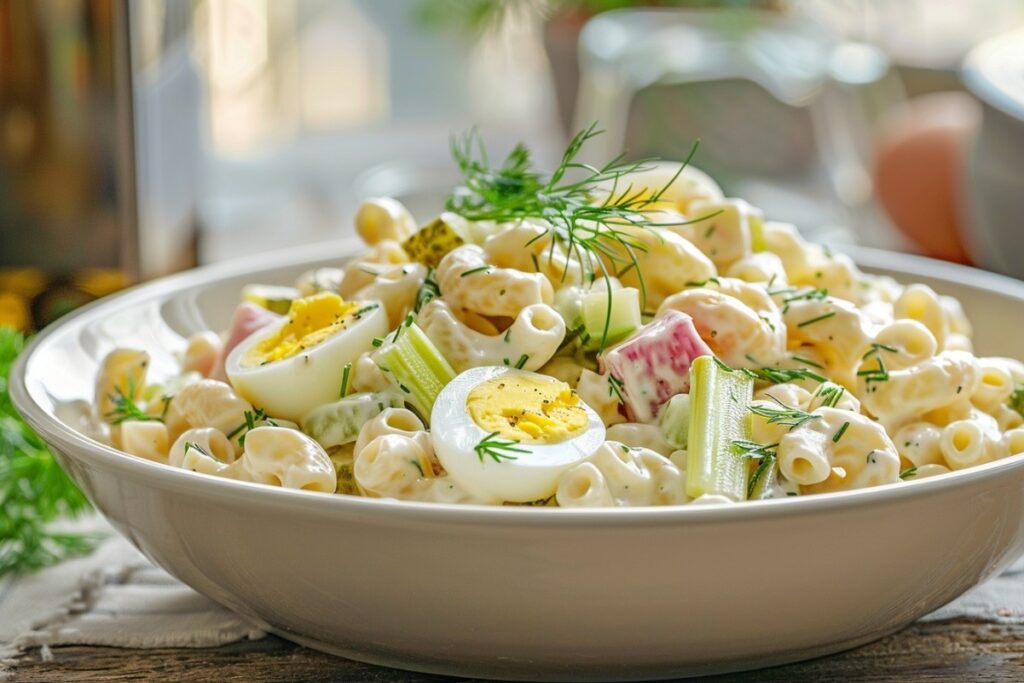
Sometimes the best dishes are the ones you can calmly make ahead—then actually enjoy your guests instead of sprinting around the kitchen. That’s exactly why pasta salads show up at picnics, parties, and family get-togethers so often. They keep well, they’re easy to toss right before serving, and they still look (and taste) genuinely appetizing.
Another perk: pasta salad often tastes even better after a few hours in the fridge. The dressing has time to coat every piece of pasta, the flavors settle in together, and the whole thing turns more cohesive and satisfying. That’s why Nudelsalat is so often made in advance—by the time it hits the table, it’s already fully “done” and fragrant.
You know that kind of evening: you walk in, kick off your shoes, and your brain basically powers down. Someone’s already asking, “What’s for dinner?”, someone else is silently staring into the fridge, and in there—two jars, a bit of cheese, one cucumber, and that bag of pasta you keep “for emergencies.” Well… hello, emergency.
In moments like that I’m not looking to be a hero. I want something filling, decent-tasting, and I don’t want to stand at the stove for two hours. And ideally it should work for everyone: adults, kids, the person who “doesn’t eat onions,” and the one who “doesn’t like mayo… but a little is fine.”
Pasta salads are my weeknight compromise. You really can make them ahead, they survive a night in the fridge, you can build them from basic staples, and they save you when the only word in your head is: “tired.”
And yes—sometimes it won’t be perfect. Sometimes it won’t taste “restaurant-y.” But it’s homemade, and everyone gets fed. That’s already a win.
Why pasta salads work so well on busy weeknights
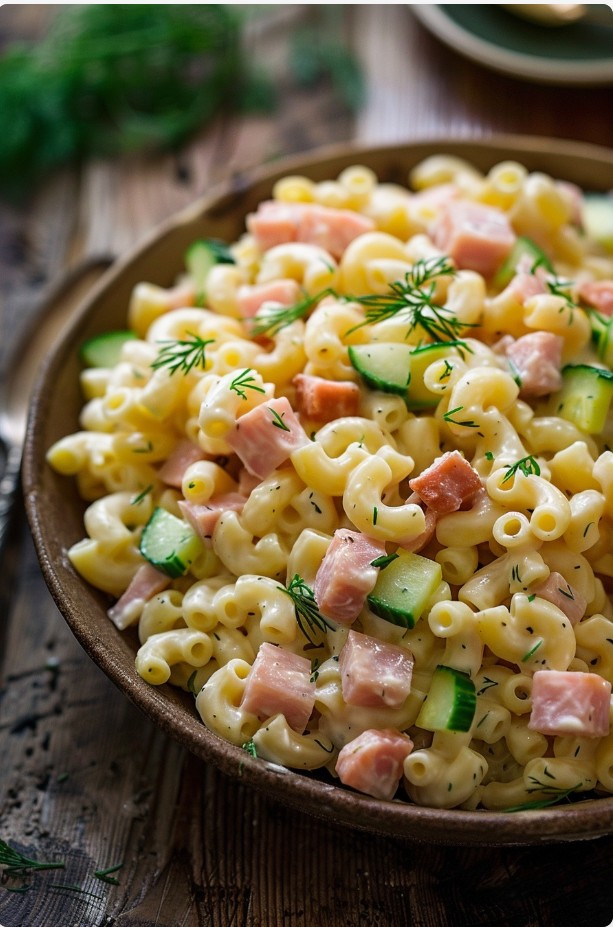
Pasta is filling without the drama. It holds its shape, it soaks up dressing, and—most importantly—it’s an easy “base” for whatever mood your household is in. Today someone wants something creamy and mild, tomorrow it’s tangy and salty, and the day after that it’s “please, no herbs.”
Another thing I love: pasta salad often improves after it rests. Not always, but often. The dressing has time to mingle with everything, the aroma evens out, and the texture feels more put-together. It’s not fine dining—it’s convenience: make it at night, pull it out in the morning or after work.
It also scales beautifully. When I’m cooking for family, I need a dish that won’t disappear in seven minutes. Pasta salad can be made in a big bowl and then portioned into containers: dinner for someone, lunchbox for someone else, and a “just in case” portion for later.
Quick real-life moment: we once had a phase where the kids came home from activities at different times. I’d cook something “normal,” then reheat/finish/serve it three separate times. Pasta salad made life easier—there it is in the fridge, everyone serves themselves, and the evening stays calm.
How to cook pasta so your salad doesn’t turn into mush
This isn’t about being “correct,” it’s about making sure your pasta doesn’t go soft after a few hours in the fridge. For salads, I almost always cook it 1–2 minutes less than I’d want to eat it piping hot. It will keep cooking a little as it cools, and it softens more once it sits with dressing.
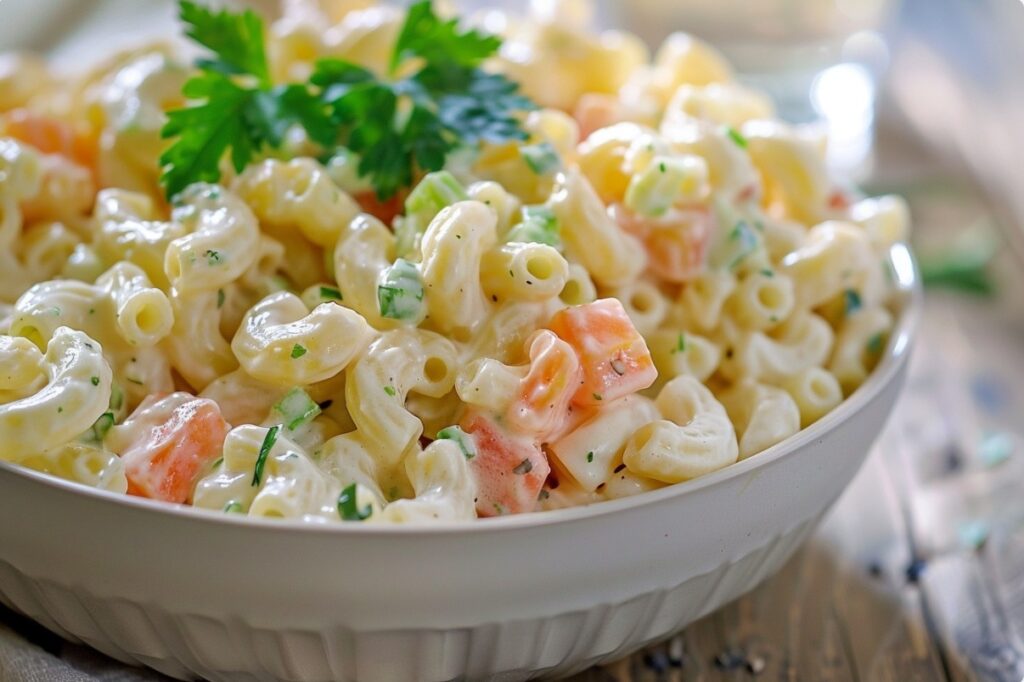
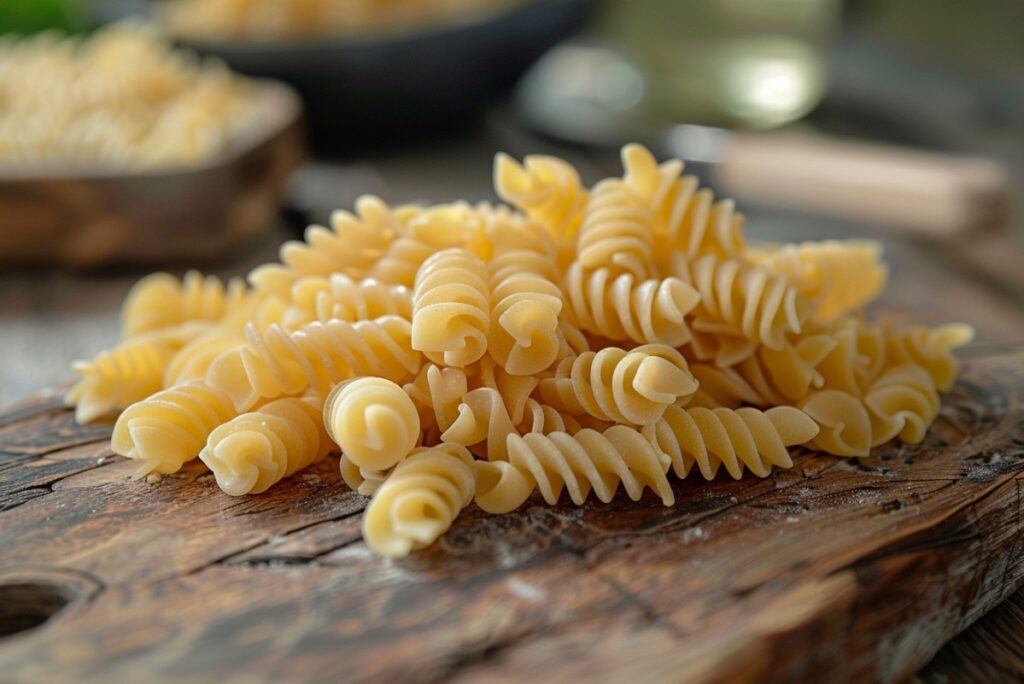
Shape matters, too. Long spaghetti can work, but in real life it’s annoying: it tangles, it breaks, and kids end up wrestling it. Short shapes are the easiest: farfalle, rotini, elbow macaroni, small tubes. They hold onto dressing and behave on a fork.
My simple post-boil ritual
I drain the pasta, quickly return it to the pot, and add literally a teaspoon of oil (or a spoonful of the dressing I’m using). Not to make it greasy—just to keep it from sticking while it cools. Then I spread it out in a bowl in a thinner layer so it cools faster and doesn’t steam itself into softness.
Tip: if you need to speed things up, set the bowl of pasta into a larger bowl filled with cold water (like a water bath, but the opposite). Nothing fancy—just faster cooling.
One more thing: I don’t rinse pasta under the tap unless it’s truly an emergency. Rinsing washes off the surface starch, and the dressing doesn’t cling as well. But if you already rinsed it—don’t beat yourself up. Just make a bit more dressing and it’ll still be good.
Make-ahead dressing: how to keep it tasty on day two
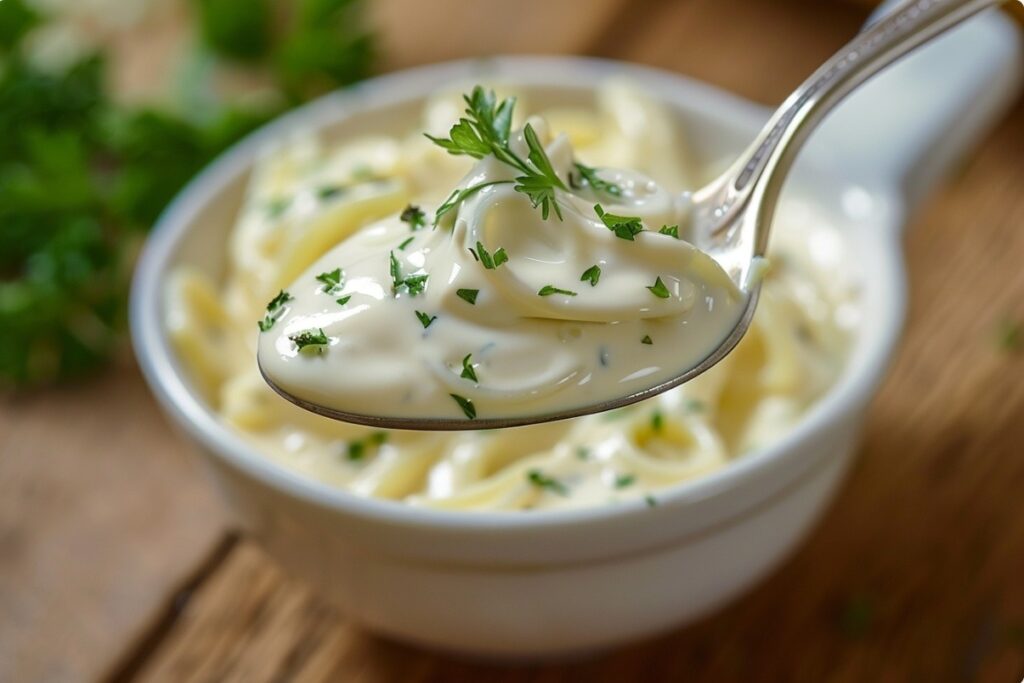
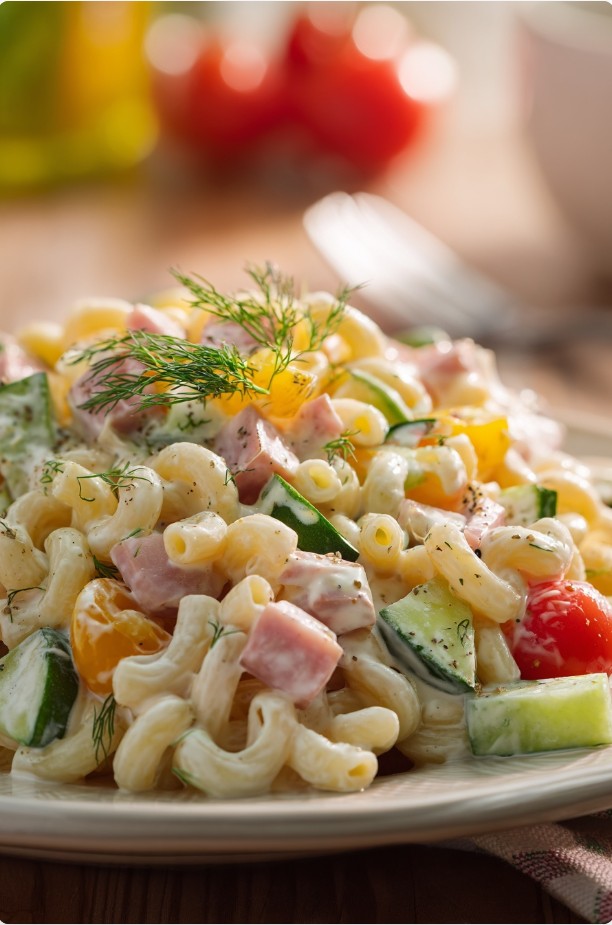
This is where things usually go wrong: the salad is great right away, and tomorrow it’s dry and a little sad. Pasta loves to absorb moisture. So your dressing either needs a little “extra,” or you need to be smart about adding it.
My simple logic: if we’re not eating it right away, I mix the dressing separately and add it in stages. Today—about half. Tomorrow—the rest, or an extra spoonful of yogurt/sour cream/oil depending on the style. It’s not a technique; it’s just how I avoid a dry lunch.
Three dressings that hold up in the fridge
- Creamy base (yogurt, sour cream, soft cheese) — gentle, usually kid-approved. Downside: it can thicken, so keep a couple spoonfuls of yogurt on hand to loosen it up.
- Oil + acid (olive/sunflower oil + lemon/vinegar) — lighter, brighter, great with vegetables and tuna. Downside: it may separate, but that’s fine—just stir.
- Honey-mustard / slightly sweet — when you want something more interesting without making it complicated. Kids sometimes love it, sometimes don’t—it depends on age and personality.
Small family story: we had a phase when one kid refused anything “green.” I stopped fighting and started keeping dressing separate: for adults—mustard and pepper; for the kid—plain yogurt with a pinch of salt. One bowl, two spoons of sauce. Peace at home is worth it.
Tip: if you’re worried the salad will dry out, pack a tiny jar of extra dressing in the container. It saves both flavor and mood.
Family-friendly flavors: 6 easy directions to build “your” salad
I don’t love turning everyday cooking into a scavenger hunt for 20 ingredients. So I don’t think in strict “recipes”—I think in directions. Pasta + 2–4 things from the fridge, and you’ve got something you can actually eat.
Below are six flavor paths. Swap freely: no cucumber—use corn; no chicken—use ham or beans. Nobody gets hurt.
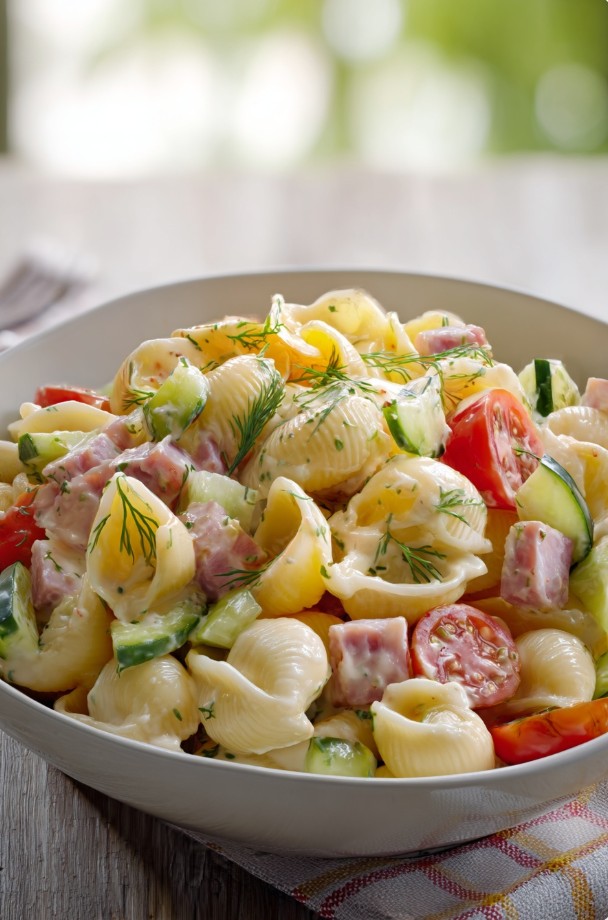
1) Gentle “kid-friendly” (when you need zero surprises)
This one is all about soft, familiar flavors: pasta, a bit of protein, something crunchy but not aggressive. Perfect when you’ve got people who don’t like spice and generally want things “the usual way.”
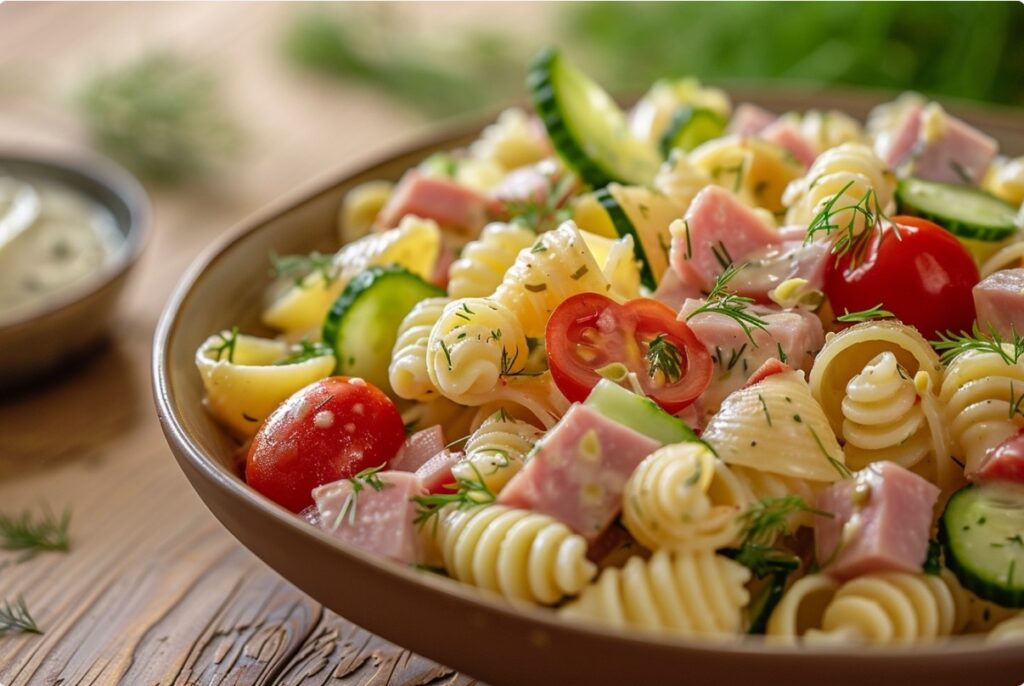
- Base: pasta + ham/turkey/chicken (whatever you have)
- Add-ins: cucumber, corn, sweet pepper (optional)
- Dressing: yogurt or sour cream + a pinch of salt
Texture matters here: cucumber brings the crunch, and the creamy dressing makes everything smooth and easy to eat. This is the salad that disappears quietly.
2) “Pizza in a bowl” (for bigger, bolder cravings)
When you want something more intense, but you’re not turning on the oven. Think tomato notes, cheese, something salty. Adults are usually thrilled; kids—depends, but it often works because the flavors are familiar.
- Add-ins: tomatoes (firmer is better), olives or pickles, hard cheese
- Meaty option: sausage/salami/ham—or skip it
- Dressing: oil + a little lemon/vinegar, plus a pinch of dried herbs if you like
The smell makes you want to eat it immediately: tomato, cheese, something briny. It keeps well in the fridge, but tomatoes may release some juice—totally normal. Just toss before serving.
3) Fish (when you need fast and filling)
This is where a can of tuna (or sardines in their own juice) saves the day. Not “fancy,” but very real: open, mix, dinner. If someone at home hates the smell of fish, make a small portion “for adults” and do a different version for kids. That’s allowed.
- Base: pasta + canned tuna/salmon
- Add-ins: cucumber, corn, egg (if you have it)
- Dressing: yogurt/sour cream or oil + lemon
True story: once I packed a fish pasta salad for a road trip. Opened it in a small car and immediately realized it was… a choice. My rule now: fish salads are either eaten at home, or packed in a container that’s genuinely airtight.
4) Veg + beans (when you don’t feel like meat)
This is my go-to on days when my body says “enough.” Beans or chickpeas bring the fullness, vegetables bring freshness, and pasta makes it feel friendly and not too “healthy-looking” (which, honestly, matters sometimes—especially with kids).
- Base: pasta + beans/chickpeas (canned is totally fine)
- Add-ins: pepper, cucumber, carrot, herbs—whatever you’ve got
- Dressing: oil + acid + a pinch of salt
It’s crunchy, fresh, and has that “I ate something decent” feeling. And yes—canned beans aren’t laziness. They’re weekday survival.
5) Cheesy and cozy (when you want something soft)
Soft cheese, a little salt, something crunchy—and you get a salad you’ll happily eat with a spoon straight from the bowl. It’s great for family dinners because it doesn’t pick fights.
- Base: pasta + soft cheese (like farmer’s cheese/curd or cream cheese)
- Add-ins: cucumber, herbs (if nobody objects), a bit of hard cheese
- Dressing: you can keep it minimal—cheese already does the heavy lifting
Even the sounds are comforting: the crunch of slicing cucumber, the soft swish of pasta as you stir. Small things, but they calm you down.
6) Tangy-salty (for adults who like a little attitude)
This is where you bring in something pickled: pickles, capers, pickled onions (not for everyone), a bit of pepper. I usually keep a “clean” portion for kids and add the punchy stuff to my own bowl. Compromise without arguments.
- Add-ins: pickles/olives/capers/a little sauerkraut
- Protein: egg, chicken, tuna—whatever fits
- Dressing: oil + a splash of pickle brine (yes, straight from the jar) or lemon
Tip: add pickled ingredients per portion, not to the whole bowl. It’s the easiest way to get an “adult” flavor without ruining the kid-friendly version.
How to make one salad work for kids and adults (without cooking two meals)
Most conflicts aren’t about the pasta. They’re about the little things: onion, pepper, herbs, “something sour,” “something weird.” And honestly? I don’t believe you have to “train” someone’s palate every single time. Sometimes you just need to feed people.
So I do this: I build a neutral base, then add the “character” to the adult portions right on the plate. It doesn’t mean kids will eat plain pasta forever. It means nobody cries tonight—and that includes you.
The “base + toppings” approach
- Base: pasta + protein + 1 simple veg (like cucumber or corn).
- Adult toppings: black pepper, mustard, pickled things, heat, lots of herbs, garlic.
- Kid toppings: cheese, egg, a bit of sweet corn, croutons (if you’re okay with it).
Small story: one day I made a salad and automatically tossed in herbs—my hand just did it. My kid looked at it and said, “It’s staring at me.” Since then, herbs go on the side. I don’t argue with tired people.
One more thing: if you’ve got picky eaters, don’t over-mix everything. When ingredients are visible, people can choose what feels safe. It sounds silly, but it works.
Common mistakes that make make-ahead pasta salad taste sad
I’ve made all of these mistakes. More than once. Especially on the “hurry-hurry” days that end with “oops.”
Overcooked pasta
It’s soft right away, and after a night in the fridge it gets even softer. You end up with something that’s hard to describe without sounding sad. If it happens, save it with texture: add something crunchy (cucumber, pepper) and don’t be shy with dressing.
Not enough dressing
Pasta will drink it up. That’s not the dressing’s fault—it’s just what pasta does. Make a little extra, or keep some aside for day two.
Mixing everything together—including the stuff kids hate
Pickled onions, olives, hot peppers—wonderful, but not in the main bowl if you want a peaceful evening. Add them per portion.
Adding watery vegetables and letting it sit too long without a plan
Tomatoes and cucumbers can release a lot of liquid. Sometimes it’s delicious; sometimes it dilutes the dressing. If you know the salad will sit for a while, keep some of the veg separate and add it right before serving.
Storing it in a bowl without a lid
The salad dries out and picks up fridge smells. And then the fridge picks up salad smells—an exchange nobody asked for. Use a container, or at least a bowl with a lid. Life gets easier.
How to store and pack pasta salads so they don’t get “tired”
I’m not obsessed with perfect containers, but I do like when food doesn’t turn into a mystery. Pasta salad does just fine in the fridge if you give it a fair chance.
What I do when prepping ahead
- I cool the pasta before adding delicate ingredients (cheese, yogurt). Otherwise they can melt or split.
- If there are watery vegetables, I either add them right before eating or cut them into larger pieces (less juice).
- I often keep the dressing separate or leave some “for topping up.”
- I portion it out: easier to grab in the morning, and nobody digs into one big bowl ten times.
Tip: if the salad sat overnight and got thick, add 1–2 spoonfuls of water or yogurt and mix well. Sounds odd, but it brings it back to life.
And a little honesty: if you made a salad and the next day it just doesn’t make you happy—don’t force it. Add something fresh on top (cheese, cucumber, croutons), or turn it into a side dish for something else. Not every meal has to be perfect two days in a row.
When the fridge is empty: the “backup staples” that save the week
I like having a few things at home that can become a pasta salad without a grocery run. Not because I’m super organized—because I know myself: tired me is not going out to “just grab one more thing.”
Here’s what genuinely saves me when it’s sitting around “just in case”:
- A pack of short pasta (one pack = a plan)
- Canned goods: tuna/corn/beans
- Eggs
- Yogurt or sour cream (even a little leftover)
- Hard cheese (a small piece still works)
- Pickles or olives (for that grown-up flavor)
Quick story: once we had a “there’s nothing to eat” moment, and then it turned out we had pasta, a can of beans, and a chunk of cheese. I made a salad, and it was so perfectly fine that we actually argued over who got the last spoonful. That’s my kind of dinner.
And yes: a sandwich is also dinner. If today you only have the energy for tea and bread with cheese, you’re not failing. It’s just that kind of day. Pasta salad isn’t a character test—it’s a safety net for when you want life to feel a little easier.
For me, make-ahead pasta salads aren’t about looking pretty—they’re about peace. They help you get through the week, feed different people with one bowl, and not lose it over tiny kitchen problems. Slightly undercook the pasta, keep “adult” add-ins separate from the “kid” version, save some dressing for tomorrow—and suddenly it feels like you’ve got a plan.
How is it in your house—do you lean more creamy and mild, or tangy and salty with some attitude? And what’s the thing your kids most often refuse: herbs, onions, or something else?
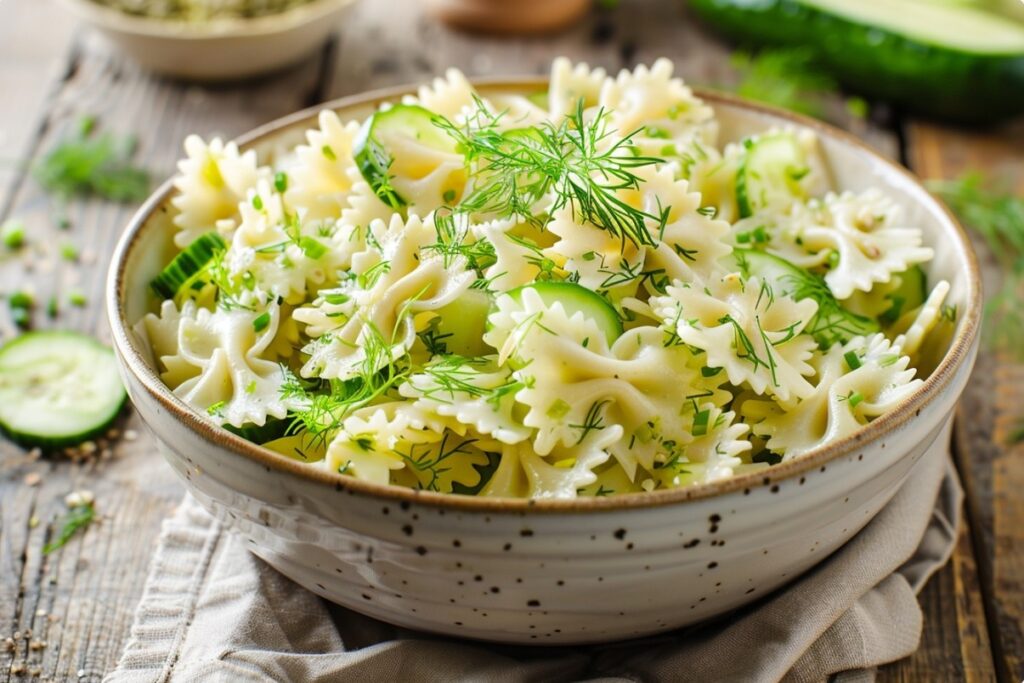
If you like dishes you can prep ahead, take a look at these pasta salad recipes. They’re great for parties, picnics, and big family lunches—easy to make, and they keep well in the fridge.
QUESTIONS & ANSWERS (FAQ)
Is pasta salad really better when you make it ahead?
Yes—many pasta salads improve after a few hours in the fridge. The dressing soaks into the pasta and the flavors have time to come together.
How long does pasta salad keep in the fridge?
Typically 1–2 days in a sealed container. If it has mayonnaise or a creamy dressing, keep it consistently cold and stir before serving.
What ingredients work best for make-ahead Nudelsalat?
Cucumber, corn, bell pepper, cheese, ham, and chicken hold their texture well after chilling, so the salad still tastes great the next day.
Do you have to add the dressing right away?
Often yes, so the pasta can absorb flavor. But it’s also smart to hold back some dressing and add it right before serving to refresh the salad.
What pasta shape is best for pasta salad?
Short shapes like rotini, farfalle, penne, or elbow macaroni. They hold their shape and mix evenly with dressing and add-ins.
Can you make a lighter pasta salad?
Yes—use Greek yogurt instead of mayonnaise, or go with an olive oil and lemon/vinegar dressing for a lighter result.
Is Nudelsalat good for picnics?
Yes. It travels well, keeps nicely, doesn’t need reheating, and is easy to serve in big portions.
Should you rinse pasta before making pasta salad?
Only if you need to cool it quickly. Rinsing stops the cooking, but it can also reduce how well dressing clings—so it’s optional.