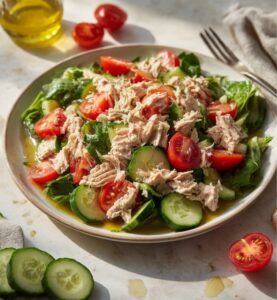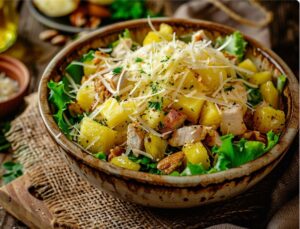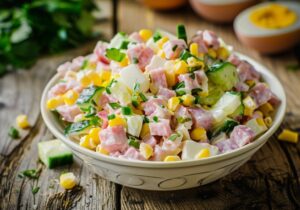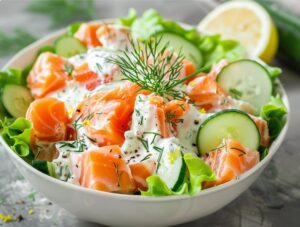
Tuna Salad for a Light, No-Heavy-Feeling Dinner

Some nights you want dinner to be simple—but not the kind of simple that leaves you feeling weighed down. That’s exactly when a good salad saves the day: filling enough to count as a real meal, light enough that you don’t get that “why did I do this?” feeling afterward.
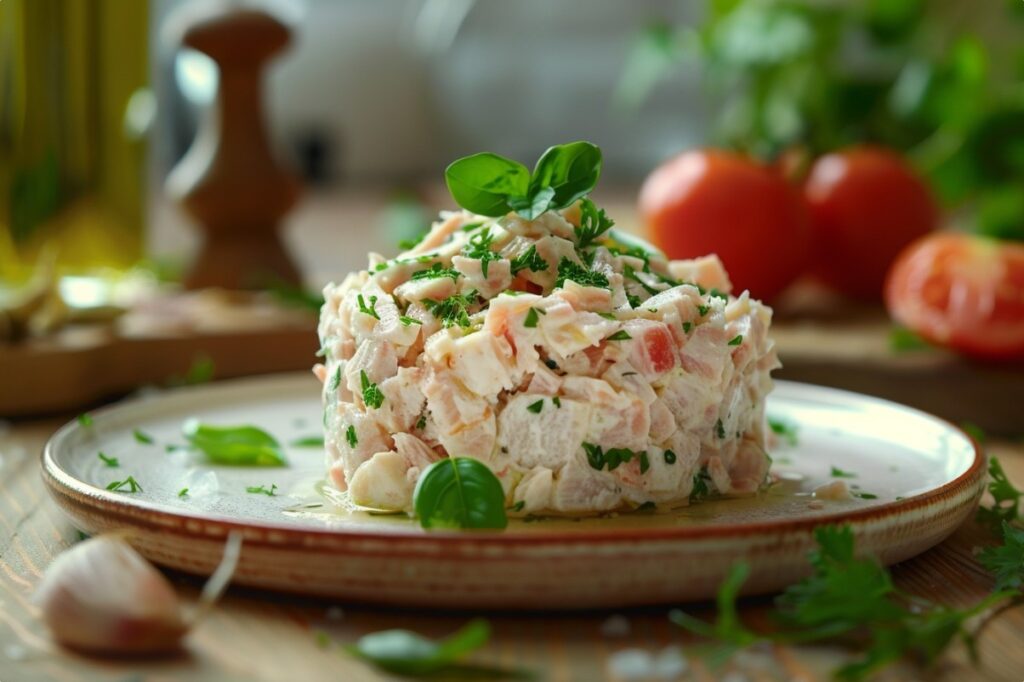
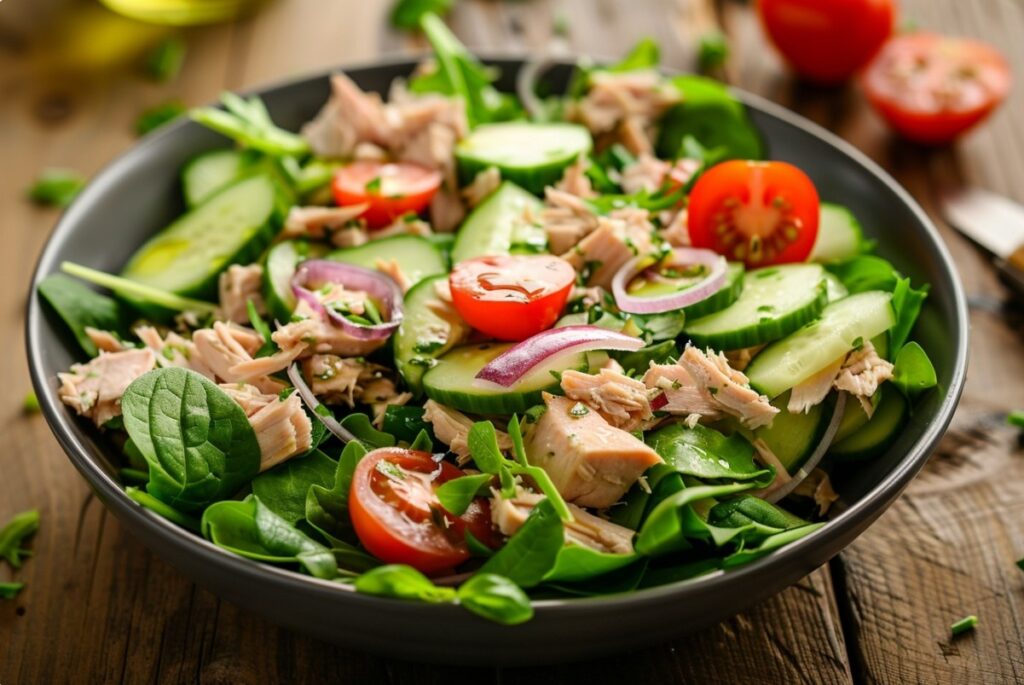
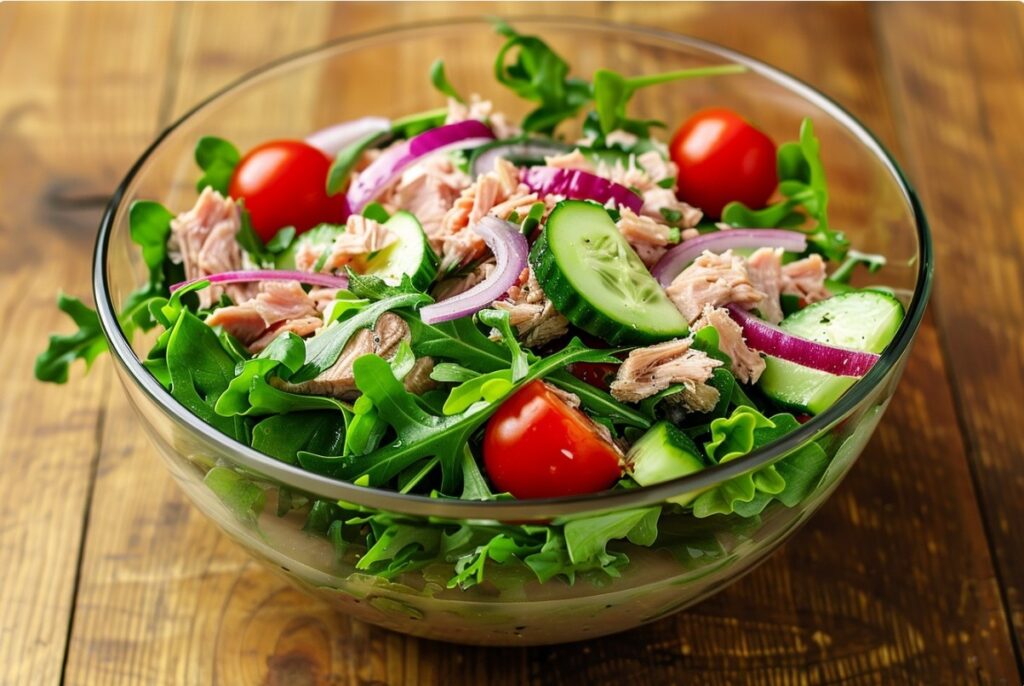
This tuna salad for a light, no-heavy-feeling dinner is all about that balance. Crisp vegetables keep it fresh, tuna brings the protein, and a straightforward dressing pulls everything together without drowning it in extra fat.
There’s this very specific evening moment: the day has finally loosened its grip, but the kitchen is still calling. The kids want “something tasty,” your partner opens the fridge, stares for a second, closes it without a word—and in your head it’s just: I don’t want heavy food, and I don’t want to stand at the stove for an hour and a half.
On nights like that, tuna salad has rescued me more times than I can count. Not a sad “diet leaf situation,” but a proper dinner: something crunchy, a little taste of the sea, that nice combo of tangy and salty in one bite—and then you’re done eating and you still feel like a functioning human, not someone who needs to lie down with a brick in their stomach.
One more thing: tuna salad isn’t one recipe. It’s a whole shelf of ideas you can adjust to your mood, the season, how many people you’re feeding, and whatever’s hanging out in the fridge. That’s what we’re doing here—how to make dinner feel light, cozy, and genuinely family-friendly, without burning yourself out in the kitchen.
Why tuna salad works so well for dinner
Tuna is one of those ingredients that can “switch dinner on” out of thin air. A can in the pantry and you’re no longer in panic mode. It’s satisfying, but it doesn’t leave that heavy aftertaste the way fried meat or creamy pasta can.
I love tuna for its honesty: open the can and it’s ready. No “simmer another 20 minutes,” no surprises with a raw center. And salad as a format is basically built for weeknights—you can pull it together in 10–20 minutes without turning the kitchen into a war zone.
When salad isn’t “just light,” but actually feels like dinner
The secret is balance. If your salad is only greens and tuna, it’s fast—but for a lot of people the hunger comes back an hour later. Add one “anchor”: potatoes, beans, an egg, couscous, croutons, avocado, or even a handful of cooked rice. Suddenly it’s a full dinner, but it still eats light.
Quick story from my kitchen: I used to stubbornly make “light dinner” with tuna and cucumber. Forty minutes later my wife and I were making tea and hunting for cookies. Now I just add beans or roasted potatoes and the problem disappears.
Another bonus: it plays nice with picky eaters
In every family, someone is “no onions,” someone is “no tomatoes,” and someone is “can I have bread with it?” Tuna salad is easy to serve like a build-your-own situation: the base in one bowl, extras in small plates. No one argues over one rogue olive.
Tuna: what to buy, how to drain it, and how not to ruin the flavor
Tuna comes in a few styles, and it’s not really about “better/worse”—it’s about what you’re making. I usually keep two options at home: tuna in water (or its own juices) for the cleanest, freshest-tasting salads; and tuna in oil for when I want a softer, rounder texture and don’t feel like fussing with extra dressing.
In water or in oil
- In water/own juices — lighter and brighter; great with lemon, mustard, and yogurt-based dressings. Just don’t drain it to the last drop or it can taste a bit dry.
- In oil — more tender and often feels “juicier.” You can use a little of the oil in the dressing (especially if it’s olive oil). The key is not going overboard if you’re aiming for a dinner that doesn’t feel heavy.
Chunks or flakes
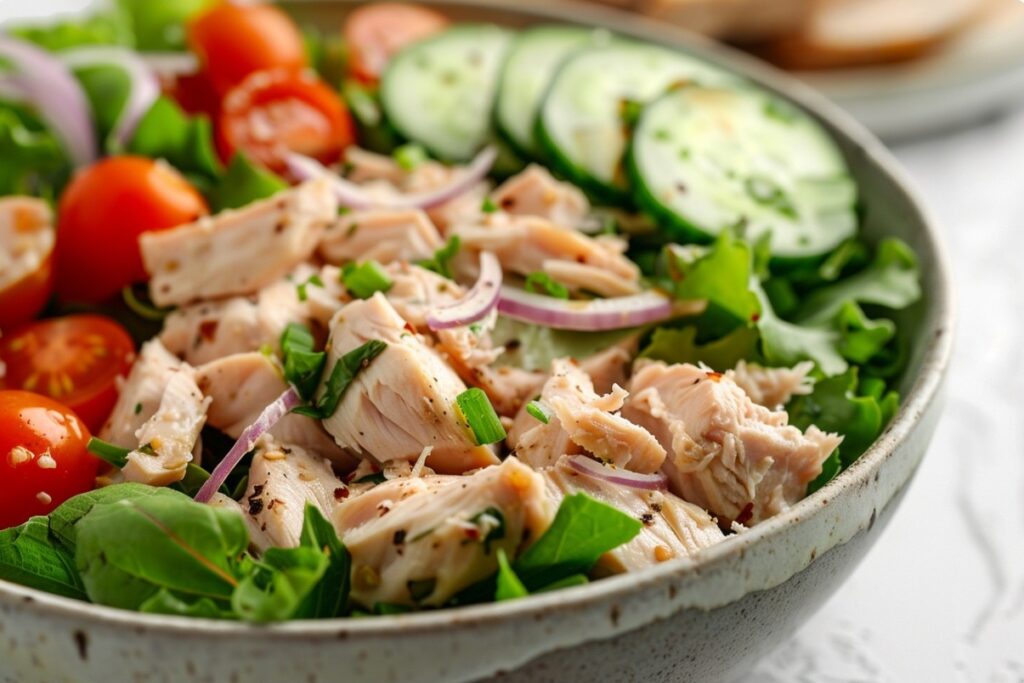
Chunks are all about texture—more pleasant to eat, and they hold together when you lift them with a fork. Flaked tuna mixes in faster, but it can turn your salad into something spread-like if you stir too enthusiastically.
Tip: I mash tuna with a fork just 2–3 times—never into a paste. A few uneven pieces make the salad look and feel more alive.
About smell and that “fishy” note
If the tuna smells sharp before you add anything else, don’t try to be a hero—skip it. Good tuna should smell like the sea, but calmly. If you want the flavor to feel more delicate, three things help me a lot: lemon zest, a pinch of black pepper, and something crunchy (cucumber, celery, romaine). Crunch distracts from extra “fishiness” and makes the salad feel lighter.
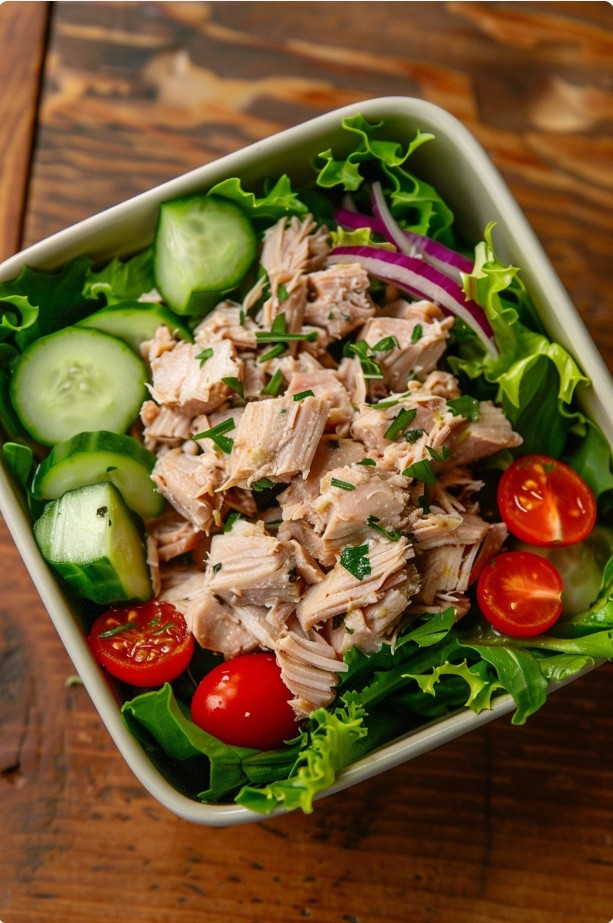
The salad base: how to build a bowl that feels light and still cozy
I think of salad in three layers: greens/veg, the “body” (tuna + something filling), and then a little personality—acidity, saltiness, crunch.
Greens and veg: not just “leaves”
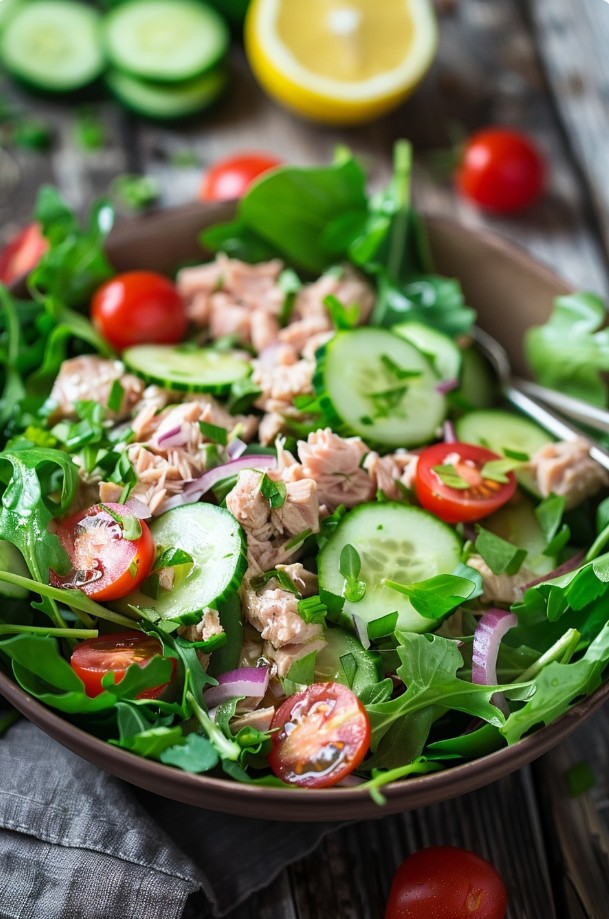
For dinner, I like a base that holds its shape: romaine, iceberg, Napa cabbage, even thinly shredded white cabbage. They stay crunchy, they have that satisfying bite, and the salad doesn’t turn into a wet pile after 10 minutes.
- Romaine/iceberg — maximum freshness and crunch.
- Arugula — if you want a peppery edge (not every kid is a fan).
- Spinach — tender; great with egg and yogurt dressing.
- Cabbage — budget-friendly, seasonal, and very “dinner”; especially good with apple or cucumber.
Quick story: once we ran out of greens and I still had to get dinner on the table in 15 minutes. I shredded cabbage, added tuna, corn, green onion, and lemon. It tasted so homey that it’s now one of our regular “default” versions.
The filling element: pick one and it becomes dinner
This is where tuna salad stops being a snack and starts being an actual meal. Choose what fits your evening:
- Egg (boiled or poached) — cozy and soft, especially when it’s chilly out.
- Beans (white or red) — fast, filling, and they hold up well in a bowl.
- Potatoes (roasted or boiled) — “café-style,” but not heavy if you don’t drown it in mayo.
- Couscous/bulgur — when you need to feed the family and don’t want a separate side dish.
- Avocado — creamy texture without heavy sauces.
Tip: leftover potatoes or grains from yesterday are the perfect “base” for tuna salad. No need to reheat—room temperature actually lets the dressing shine.
Crunch and a little spark: the small things that make it feel grown-up
I like adding one crunchy element and one bright accent. For example: cucumber + capers. Or celery + pickles. Or croutons + olives.
When it works, the salad has a rhythm: crisp leaves, tender tuna, lemony tang, that salty hit from an olive—and you realize dinner isn’t “just something,” it’s a small pleasure.
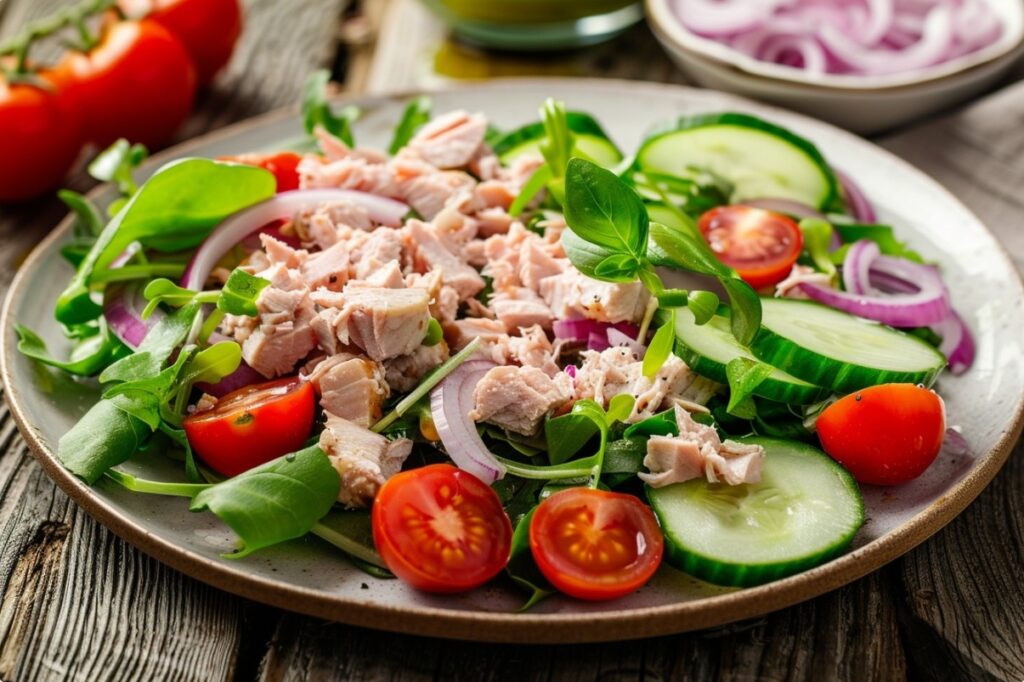
8 tuna-salad dinner ideas: quick, family-style, and not heavy
These aren’t step-by-step recipes—more like mix-and-match combos. Use any bowl, whatever you have on hand, and adjust to your family’s taste. My rule: pick 1 base, 1 anchor, 1–2 accents—and don’t overcomplicate it.
1) Tuna + romaine + egg + tomatoes + mustard-lemon dressing
Time: 12–20 min (depends on the eggs). Best for: a weeknight when you want something that feels a bit bistro-ish.
This is my favorite for that in-between season: not cold yet, but you want more than “just greens.” The egg makes it cozy, and the mustard gives it personality.
2) Tuna + beans + red onion + parsley + lemon
Time: 10–15 min. Best for: feeding 2–3 people without making extra dishes.
Beans are the champion of “dinner without the stove.” If the onion feels too sharp, I’ll rinse it under cold water or toss it with lemon and salt for a minute—it softens up nicely.
3) Tuna + cucumber + corn + yogurt/sour cream + dill
Time: 10 min. Best for: families with kids, when you want the simplest, most familiar flavor.
This one often disappears first. It’s gentle, a little sweet from the corn, and very home-style. Add a pinch of black pepper and the adults are happy too.
4) Tuna + roasted/boiled potatoes + pickles + green onion
Time: 10 min if the potatoes are already cooked; 30–40 min if starting from scratch. Best for: a weekend or any night you want something a bit warmer-feeling.
It’s almost a salad-side dish, but it’s lighter than the classic mayo-heavy versions. Pickles bring the acidity and everything snaps into place.
5) Tuna + cabbage + apple + mustard + a touch of honey
Time: 15 min. Best for: fall/winter, when you want crunch and freshness without tomatoes that taste like cardboard.
Apple adds juiciness and a gentle sweetness. The key is not to slice it too early (so it doesn’t brown) and not to overdo the honey—it should just smooth out the tang.
6) Tuna + avocado + tomatoes + lime/lemon + cilantro (or parsley)
Time: 12–15 min. Best for: when you want a little “vacation” on a plate.
Avocado works like a sauce: mash it and you’ve got instant creaminess. If your avocado is rock-hard, don’t fight it—pick a different combo. Nobody wants to wait for ripening when everyone’s hungry.
7) Tuna + couscous/bulgur + roasted peppers (or jarred) + olives
Time: 15–25 min. Best for: company or a family dinner when you want to put a big bowl in the middle of the table.
This is the kind of salad you can make “for tomorrow” and it only gets better as it sits. Peppers bring sweet smokiness, olives bring salt, tuna brings the backbone.
8) Tuna + spinach + mushrooms (quick sauté) + Parmesan (or a hard cheese)
Time: 20–25 min. Best for: a night when you want to slow down a little, but still keep dinner light.
This one leans into “warm salad” territory. Mushrooms sizzle in the pan and the kitchen smells like a tiny café. Cheese adds depth, but you don’t need much—just a light shaving is plenty.
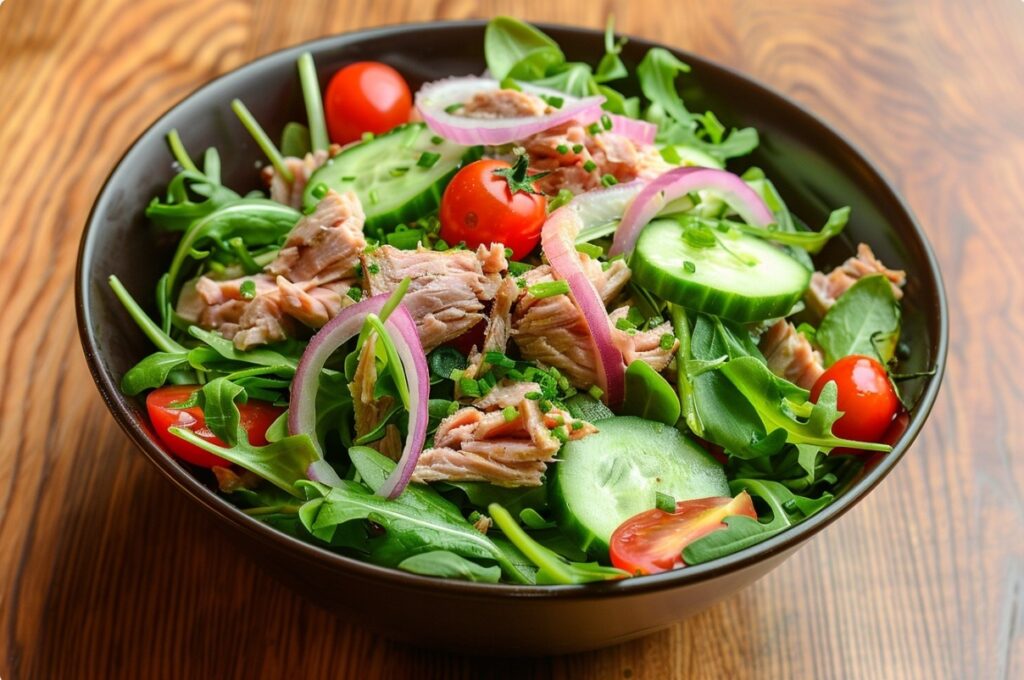
Light dressings: 6 combos that don’t overpower tuna
Dressing is what either keeps a salad fresh and pulled-together—or turns it into a greasy situation that makes you want to lie down. I’m not anti-mayo as an ingredient, but for a “no heavy feeling” dinner, it’s rarely the best choice.
Classic: olive oil + lemon + salt + pepper
Simple and it works almost every time. If your tuna is in water/own juices, this is a total win. Add lemon gradually so you don’t blast everything with acidity.
Mustard-lemon
Oil + lemon + mustard + a pinch of honey (optional). It gives the salad some backbone and makes even basic greens more interesting.
Yogurt (or sour cream) when you want something gentle
Plain yogurt/sour cream + lemon/vinegar + dill/parsley + pepper. Very family-friendly: soft, familiar, no sharp edges.
Quick “tomato” dressing
When tomatoes are really juicy, I sometimes don’t make a separate dressing at all: salt, pepper, a little oil—and the tomato juices become the sauce. This is especially good in summer.
Capers/olives as part of the dressing
Finely chopped capers or olives + oil + lemon. The saltiness spreads through the salad, so you don’t need to add much extra salt.
Tip: if the tuna was packed in oil, I often use 1–2 teaspoons of that oil in the dressing and drain the rest. You keep the flavor, but it feels much lighter.
When you want a little heat
A bit of chili (flakes or sauce), lemon, and oil—and the salad instantly feels more “grown-up.” I do this when it’s dinner for two, no kids, and we want something brighter.
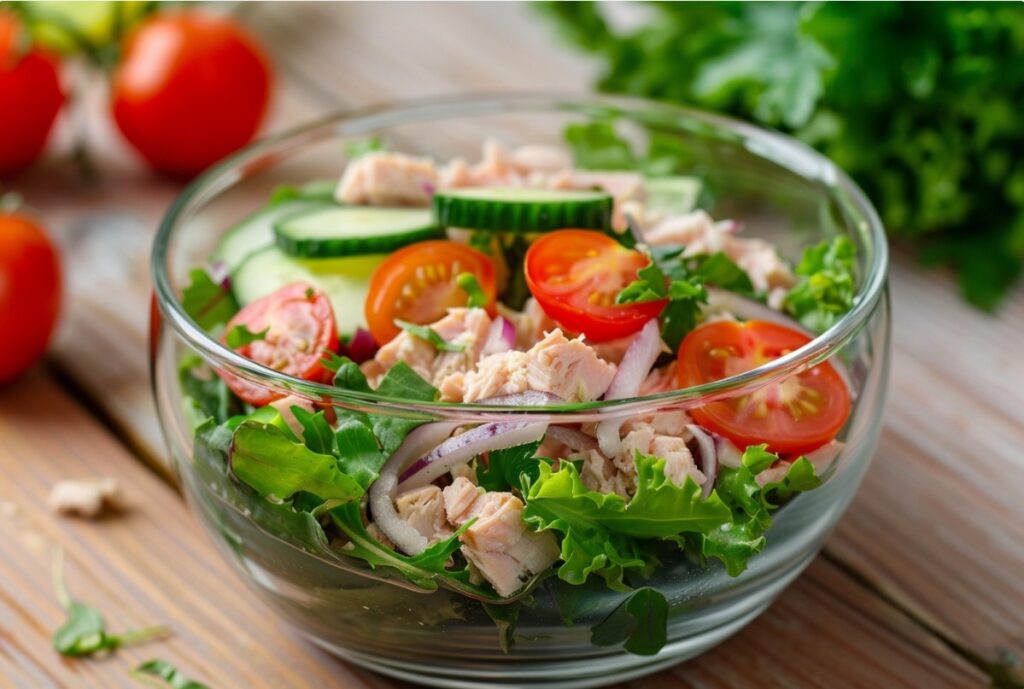
How to turn tuna salad into a family dinner: serving, bread, add-ons
Salad doesn’t have to mean “one bowl and silence.” I like turning it into a small family ritual: put everything on the table and let everyone build their own plate. It lowers the stress, especially when tastes don’t match.
The “big bowl + small plates” setup
In the big bowl I put the base: greens/veg + tuna + something neutral (beans or potatoes). Next to it—small bowls with olives, egg, croutons, onion, cheese, herbs. It looks generous, but it doesn’t actually add work.
Quick story: this saved us during the “I don’t eat tomatoes” phase. Instead of cooking two dinners, I just served tomatoes on the side. A month later they quietly made their way back onto the plate.
What to serve on the side to make it feel cozy
- Bread: toasted bread, baguette, lavash/flatbread. Not a lot—just enough to scoop up the juices and dressing.
- Something warm: a kettle on the stove, a mug of light broth, or even roasted vegetables if you already have them.
- Something crunchy: croutons, seeds, nuts (a handful, not half a bag).
Tip: if you’re making croutons, you don’t need fancy spices. Oil, salt, and a clove of garlic rubbed over warm toast is enough. That smell is basically the signal: dinner’s ready.
Plated or in a bowl
Plated looks pretty, but on a weeknight I’m team big bowl. I plate it when I want a slower evening—say, on a Friday. Then you can layer it, add clear accents, and it looks restaurant-y without the restaurant chaos.
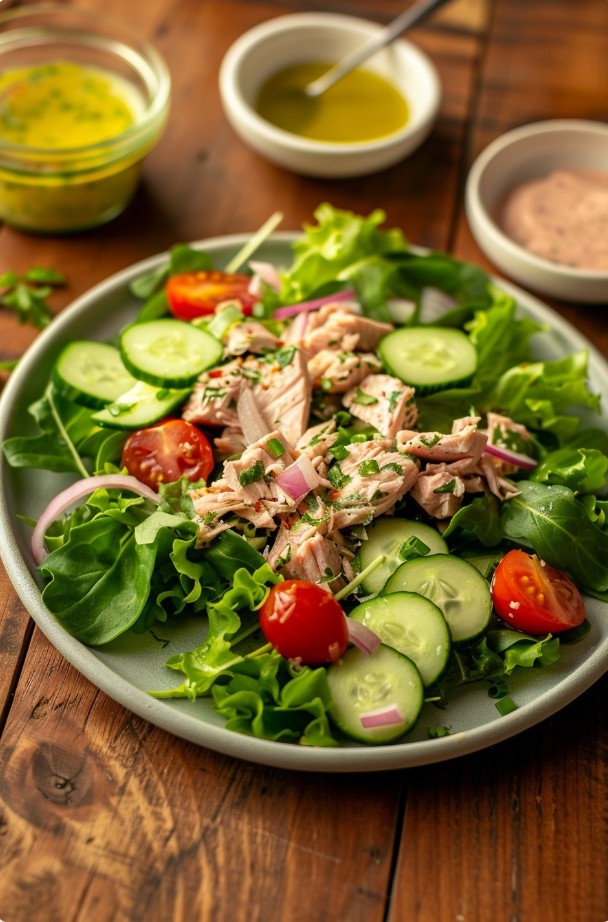
Common mistakes that make tuna salad heavy, watery, or bland
I’ve seen (and done) it all. Tuna salad is easy to mess up with small things—but it’s just as easy to fix once you know where the traps are.
1) Too much mayo or a heavy sauce
The most common reason it feels “heavy.” Dressing should highlight the flavors, not replace them. If you want creaminess, go with avocado or a yogurt dressing—and use a light hand.
2) Wet greens and cucumbers with no prep
Wash and straight into the bowl? Five minutes later you’ll have a puddle at the bottom and everything feels sad. Dry your greens (towel or just let them drain), and don’t dice cucumber too small if it’s super watery.
Tip: if the cucumber is really “weeping,” I sometimes scoop out the seeds with a spoon. Not always—but when I want a salad that won’t leak, it helps.
3) Over-salting because of olives/capers/canned ingredients
Tuna is already a bit salty. Olives are salty. Capers are basically a salt bomb. I salt at the very end and very carefully. If something feels flat, add acid (lemon) before you add more salt.
4) Stirring until everything looks the same
If you mix aggressively, the tuna breaks down, the greens bruise, and the whole thing starts to resemble a spread. I prefer a gentle toss—or even layering.
5) No contrast
If everything is soft and neutral, it’ll taste bland. Add crunch (celery, romaine, croutons) or acidity (lemon, pickles) and the salad wakes up.
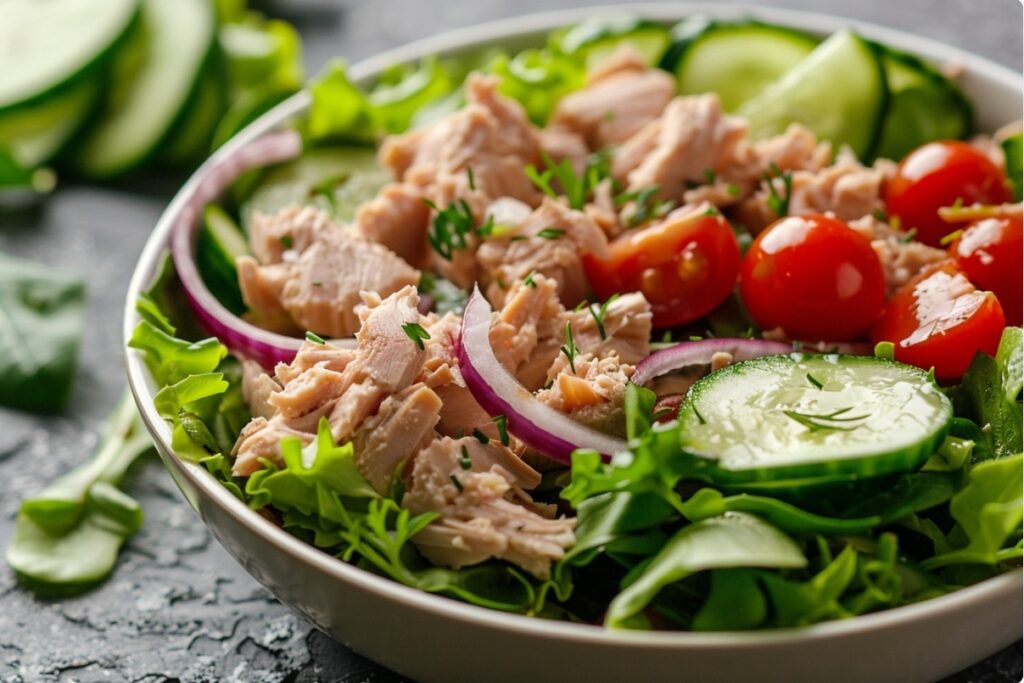
5 mistakes that make tuna salad feel heavy
1. Too much dressing
One of the most common mistakes is over-dressing the salad. Even healthy olive oil, in large amounts, makes a dish feel heavy. A tuna salad meant for a light dinner should be lightly coated—not swimming.
2. Using mayonnaise or thick sauces
Mayo, creamy sauces, or very fatty yogurts change the texture and make the salad dense. It takes longer to digest and stops being a good option for a light evening meal.
3. The wrong tuna
Tuna packed in oil adds extra fat and can “overload” the salad. For a lighter result, choose canned tuna in water/own juices—it’s leaner and lets you control the dressing flavor.
4. Too many ingredients at once
When you throw in everything—eggs, cheese, corn, plus a heavy dressing—the salad becomes chaotic and heavy. Tuna salad works best when there aren’t too many ingredients and they actually make sense together.
5. A wet, soggy texture
If you don’t dry the greens or drain the tuna properly, the salad turns watery. That texture feels heavy and unappetizing, even if the ingredients themselves are light.
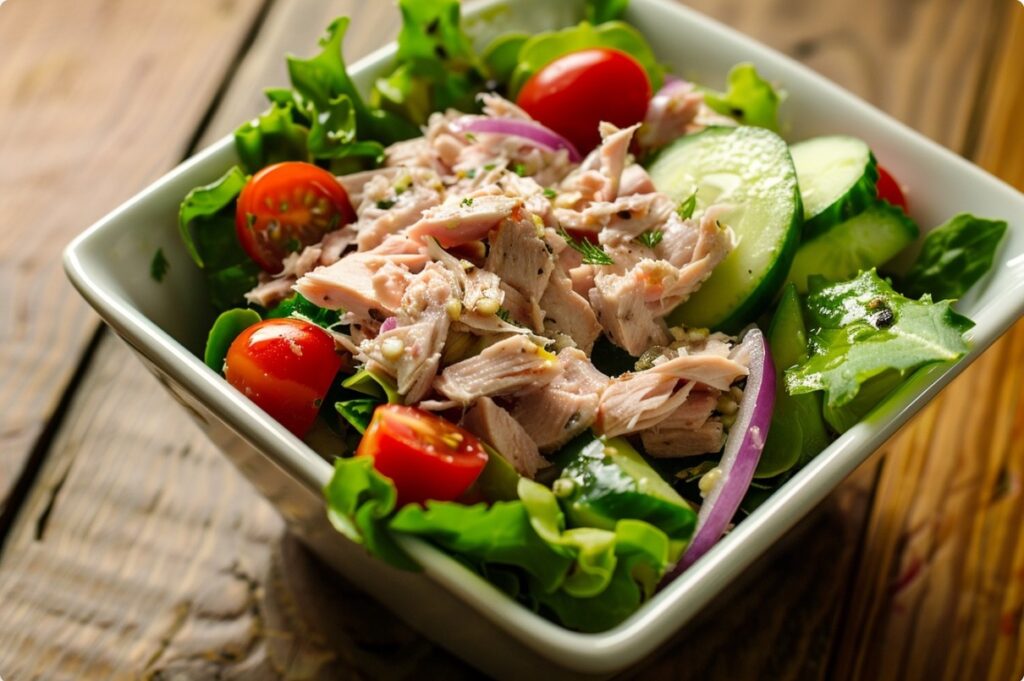
Evening timing: how to get it done without stress (10, 20, and 40 minutes)
I like having three scenarios in my head, because evenings are different. Sometimes you walk in and you need food now. Other times you can chop calmly while someone tells you about their day.
10 minutes: “making do with what I have”
This is where canned goods and raw veg shine: tuna + cucumber + corn; tuna + beans + herbs; tuna + cabbage + apple. Dressing stays simple: oil/lemon or yogurt/dill.
- Open the can, drain.
- Chop 2–3 ingredients.
- Dress, toss, serve.
20 minutes: “time to make it look nice”
In 20 minutes you can boil eggs or soak couscous. You can toast bread, whisk a mustard dressing, plate it up. It starts to feel like a dinner you chose—not one you merely survived.
40 minutes: “a slower evening for the family”
This is when you can roast potatoes or quickly sauté mushrooms. The salad becomes warmer and cozier. I love this on cool days: the kitchen smells like mushrooms or roasted potatoes, someone wanders in to “check,” and dinner pulls everyone a little closer.
Tip: if you’re roasting potatoes, make a little extra. Tomorrow they’ll be the perfect “anchor” for another tuna salad—no extra decisions required.
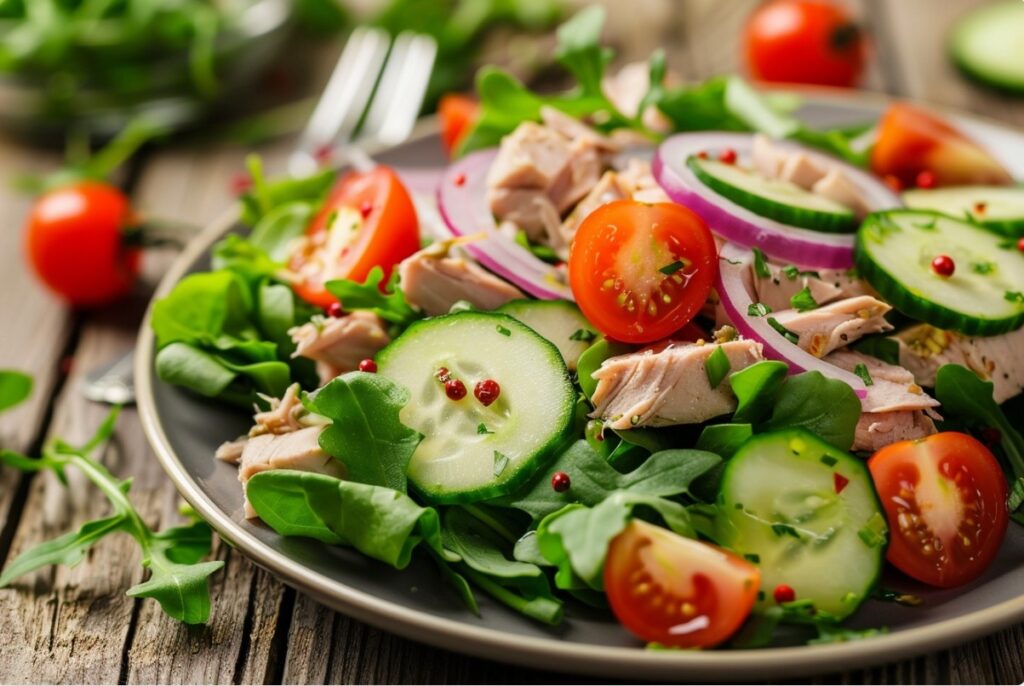
Seasonal swaps: how to change up tuna salad all year so it doesn’t get boring
It’s easy to get stuck making the same tuna salad on repeat. Then you get bored, and the can of tuna sits in the pantry like a reminder of good intentions. I save myself with seasonality: swap the vegetables and accents, and the whole thing tastes new again.
Spring
All the greens and freshness: radishes, green onions, dill, the first arugula. Tuna and radish are surprisingly great together—radish adds a peppery crunch and the whole dinner feels lighter.
Summer
Summer is where tomato juice becomes the “sauce.” Tomatoes, cucumbers, sweet peppers, basil. I keep summer tuna salad as simple as possible: salt, pepper, oil, lemon—and let the vegetables do their thing.
Fall
Fall is cabbage, apples, roasted beets, pumpkin. Yes, tuna and beets sounds unexpected, but it works if you add acidity and something crunchy. It instantly feels seasonal instead of “same as always.”
Winter
In winter I lean more into beans, potatoes, pickles, onions, warm mushrooms. The salad feels more homey, but still not heavy—as long as you keep the balance and don’t drown it in a rich sauce.
Quick story: one January I made a tuna salad without mayonnaise with beans and pickles, and we ate it while watching a movie. Simple food, but it felt like the perfect winter snack: filling and cozy, without that “holiday aftermath” where all you want to do is sleep.
Tuna salad for dinner isn’t about “right” or “wrong.” It’s about putting together a plate that lets you breathe easy afterward—and still feels like you took care of yourself and your people.
I’m curious: what’s the version that works best in your house—beans, egg, potatoes, or the super-fresh one with just tuna and crunchy veg? Tell me what you add for that “yep, dinner worked” flavor.
QUESTIONS & ANSWERS (FAQ)
What makes tuna salad feel “light” for dinner instead of heavy?
It’s the balance: fresh vegetables + tuna for protein, with a light dressing instead of heavy, fatty sauces. That combination feels satisfying without weighing you down.
Why does mayonnaise make tuna salad feel heavy, and what should I use instead?
Mayonnaise is high in fat and creates a dense texture. For a lighter dinner, use olive oil + lemon juice + mustard, or a simple yogurt-based dressing.
Which tuna should I choose to keep the salad light?
Canned tuna in water/own juices is the lightest option and tastes clean. Tuna packed in oil can make the salad feel heavier unless you drain most of the oil.
Why shouldn’t I overload tuna salad with too many ingredients?
Too many add-ins can make the flavor muddled and the salad feel dense. Aim for about 4–6 ingredients that work well together.
How do I balance the dressing so the salad isn’t greasy?
Use more acidity and less fat: lemon juice (or vinegar) + a small amount of olive oil + a little mustard. Dress lightly so the salad is coated, not soaked.
Why can even a “light” salad still feel heavy sometimes?
Wet greens, watery vegetables, too much dressing, or tuna mixed into a paste can ruin the texture. Keep ingredients dry, don’t overmix, and dress sparingly.
Should I chill tuna salad before serving to make it feel lighter?
A short chill (5–10 minutes) can make it taste fresher, but chilling too long can soften vegetables and make the salad feel heavier.
Which ingredients most often ruin the “light” feel of tuna salad?
Mayonnaise, too much oil, lots of cheese, or piling on multiple heavy add-ins at once. Keep it simple: greens/veg, tuna, and a light dressing.