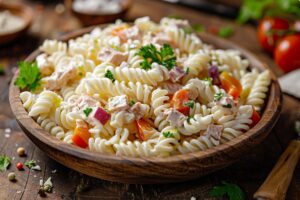
Tuna Salad — Recipes, Tips and Cooking Secrets
Tuna salad is one of the most popular dishes for a quick lunch or light dinner. Canned tuna pairs well with eggs, vegetables, greens, and various dressings, allowing you to create dozens of different variations based on simple ingredients. These salads are easy to prepare, do not require complex cooking techniques, and at the same time are both nutritious and satisfying. That is why tuna salad recipes are often chosen when you need something quick, simple, and delicious. In this hub, you will find popular tuna salad recipes, useful cooking tips, and ideas for serving this versatile dish.
What is Tuna Salad
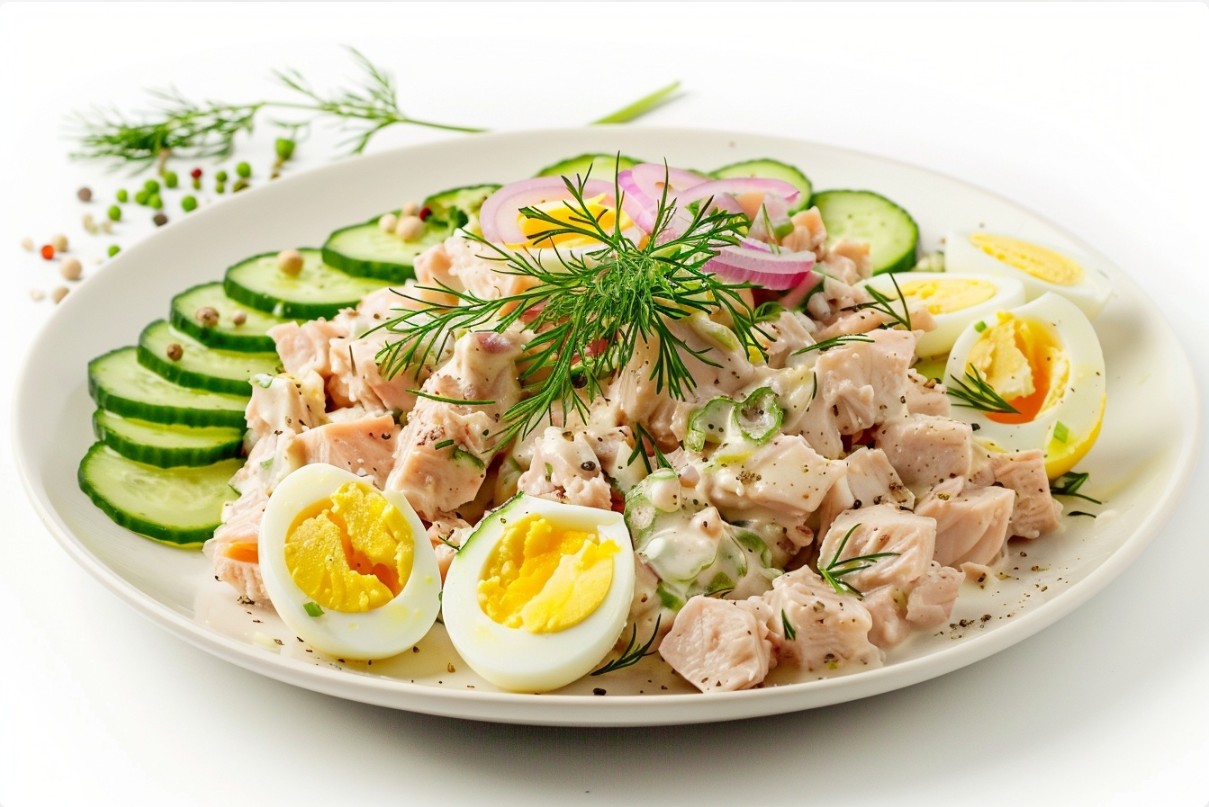
Tuna salad is a cold dish made primarily from canned tuna mixed with various ingredients such as eggs, vegetables, greens, and dressings. It is known for its simplicity, versatility, and balanced flavor.
The base of the dish is usually tuna in water or oil, which is combined with ingredients that add texture and freshness. Common additions include boiled eggs, cucumbers, tomatoes, corn, onions, and leafy greens. The salad is typically dressed with mayonnaise, olive oil, yogurt, or light vinaigrettes.
One of the key features of tuna salad is how easily it can be adapted. It can be light and refreshing with fresh vegetables, or more filling with ingredients like rice, pasta, or potatoes.
Tuna salad is widely popular because it is quick to prepare, requires minimal ingredients, and can be served in many ways. It works well as a standalone dish, a side, or even as a filling for sandwiches and wraps.
Main Ingredients of Tuna Salad
Classic tuna salad is made from simple and accessible ingredients that are easy to combine and adapt. The right balance between these ingredients defines the taste, texture, and overall quality of the dish.
The most common ingredients include:
- Canned tuna — the main ingredient of the salad. It can be packed in water or oil, depending on the desired flavor and texture. Tuna in water is lighter, while tuna in oil is richer and more flavorful.
- Eggs — boiled eggs are often added to make the salad more filling. They provide a soft texture and help balance the flavor.
- Fresh vegetables — ingredients like cucumbers, tomatoes, bell peppers, and onions add freshness, crunch, and color to the salad.
- Corn — adds a mild sweetness that pairs well with tuna and balances savory ingredients.
- Greens — lettuce, parsley, or green onions bring freshness and lightness to the dish.
- Dressing (mayonnaise or olive oil) — mayonnaise creates a creamy texture, while olive oil makes the salad lighter and more refreshing. Yogurt can also be used as a healthier alternative.
- Salt and spices — basic seasoning enhances the natural flavor of the ingredients. Black pepper, lemon juice, and mustard are commonly used.
Additional ingredients can be added depending on the variation, such as avocado, cheese, olives, rice, or pasta. These allow you to create more filling or more complex versions of tuna salad.
When Tuna Salad is Served
Tuna salad is a versatile dish that can be prepared and served in many different situations. Thanks to its simple ingredients and quick preparation, it fits perfectly into both everyday meals and special occasions.
It is most commonly served as a quick lunch or a light dinner. The dish requires minimal cooking, which makes it a convenient option when you need to prepare something fast without sacrificing taste or nutrition.
Tuna salad is also popular for:
- everyday meals at home
- meal prep for the week
- work or school lunches
- picnics and outdoor gatherings
- light summer meals
Because it can be served cold, tuna salad is especially suitable for warm weather. It does not require reheating and can be easily stored in the refrigerator.
At the same time, more filling versions with eggs, pasta, or rice can be served as a complete main dish, while lighter versions with fresh vegetables work well as a side or appetizer.
How Tuna Salad is Served
Tuna salad can be served in different ways depending on the occasion, ingredients, and presentation. Its versatility makes it suitable both for everyday meals and for more refined serving when preparing food for guests.
In home cooking, tuna salad is often served as a standalone dish in a bowl or on a plate. It can also be paired with bread or toast to create a quick and satisfying meal.
Common serving options include:
- served on its own as a light meal
- with bread, toast, or crackers
- as a filling for sandwiches or wraps
- on lettuce leaves for a lighter option
For a more formal presentation, tuna salad can be served in smaller portions:
- in individual bowls or salad plates
- in tartlets or small cups
- arranged on a serving platter
- as part of a buffet or shared table
To enhance both appearance and flavor, it is often finished with fresh herbs, a drizzle of olive oil, or a squeeze of lemon juice.
Tuna salad is best served chilled or slightly cool, as this helps maintain its texture and fresh taste.
How to Choose Tuna for Salad
Choosing the right tuna is essential for the flavor, texture, and overall quality of your salad. The type of tuna, the liquid it is packed in, and the quality of the product all make a noticeable difference.
Type of Tuna. The most common types are chunk light tuna and solid or chunk white tuna (often labeled as albacore). Chunk light tuna has a softer texture and a milder flavor, while white tuna is firmer and has a richer taste. Both can be used depending on your preference.
Tuna in Water or Oil. Tuna packed in water is lighter and lower in calories, making it a good choice for fresh and light salads. Tuna packed in oil has a richer flavor and a softer texture, which works well for more filling and flavorful salads.
Texture and Cut. Look for tuna labeled as “solid” or “chunk” rather than shredded. Larger pieces give better texture and make the salad more visually appealing.
Quality and Ingredients. Choose tuna with simple ingredients and minimal additives. High-quality tuna should contain only fish, water or oil, and salt.
Freshness and Brand. Well-known brands or trusted producers usually offer better consistency in taste and texture. Always check the expiration date and packaging condition.
Draining the Tuna. Before using, drain the tuna well to avoid excess liquid in the salad. This helps maintain the right texture and prevents the dish from becoming watery.
By selecting good-quality tuna and the right type for your recipe, you can significantly improve the final taste and texture of your tuna salad.
Main types
Classic Tuna Salad
A simple combination of canned tuna, fresh vegetables, and a light dressing. It has a balanced flavor and is perfect for everyday meals.
Tuna Salad with Egg
One of the most popular variations, where boiled eggs add a soft texture and make the salad more filling and satisfying.
Tuna Salad with Corn
The combination of tuna and sweet corn creates a pleasant balance of flavors. This version is slightly sweet and easy to prepare.
Tuna Salad with Cucumber
Fresh cucumber adds lightness and a crisp texture. This version is refreshing and often served with a light dressing.
Tuna Salad with Avocado
Avocado gives the salad a creamy texture and mild flavor. It is often prepared without mayonnaise for a lighter option.
Tuna Salad with Tomatoes
Juicy tomatoes add freshness and brightness. This version is light and works well with olive oil and lemon juice.
Tuna Salad with Rice
Rice makes the salad more filling and suitable as a main dish. It is often combined with vegetables and creamy dressing.
Tuna Salad with Pasta
A hearty variation similar to pasta salad. It is rich, satisfying, and perfect for larger portions.
Tuna Salad without Mayonnaise
A lighter version made with olive oil or yogurt instead of mayonnaise. It has a fresher taste and fewer calories.
Light Tuna Salad
Made with fresh vegetables and minimal dressing, this version is ideal for a healthy and low-calorie meal.
Mediterranean Tuna Salad
Prepared with olives, tomatoes, greens, and olive oil. It has a fresh and aromatic Mediterranean flavor.
Tuna Salad for Picnic
A practical option that is easy to transport and stays fresh for a long time. Often served in containers or sandwiches.
Recommended Tuna Salad Recipe
 ⭐ Recommended
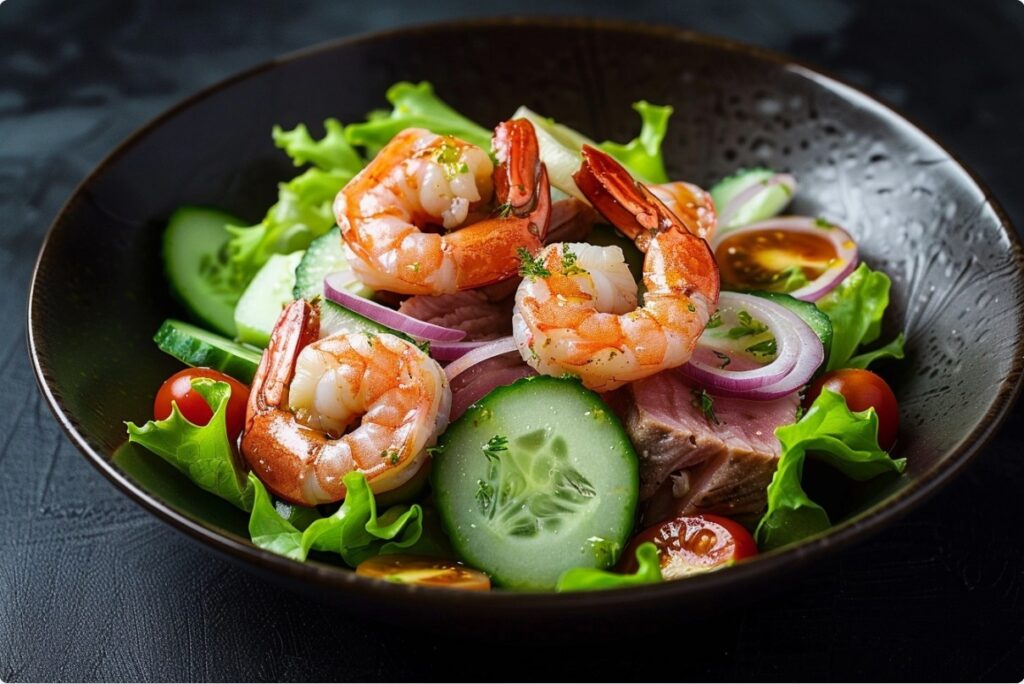
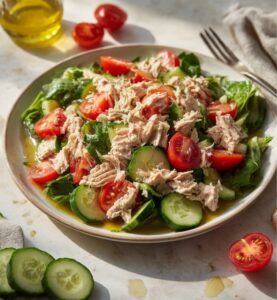
Tuna and Shrimp Salad
This tuna salad with eggs is chosen as the main recipe for this hub because it is one of the most popular and well-balanced versions. The combination of tender tuna, boiled eggs, and fresh vegetables creates a rich flavor and a satisfying texture. At the same time, this recipe is very simple to prepare and does not require complex ingredients. Most products are easy to find, and the salad can be made in just a few minutes. Once you master this basic tuna salad recipe, you can easily experiment with variations — adding different vegetables, changing the dressing, or creating new flavor combinations.
View recipe →All Tuna Salad Recipes

Tips and Secrets for the Perfect Tuna Salad
Choose high-quality tuna
For the best result, use tuna in water or good-quality tuna in oil. The texture should be firm, without excess liquid. Quality tuna significantly improves the overall taste of the salad.
Do not overload the salad with ingredients
It may be tempting to add many ingredients, but this can ruin the balance. It is better to use 4–6 ingredients that work well together for a cleaner and more harmonious flavor.
Use fresh vegetables
Fresh cucumbers, tomatoes, and greens add lightness and a pleasant texture. The vegetables should be crisp and juicy to make the salad more appetizing.
Add eggs for a more filling salad
Boiled eggs pair well with tuna and make the salad more satisfying. They also add a soft texture and a slightly creamy taste.
Do not use too much mayonnaise
Too much mayonnaise can make the salad heavy. Add it gradually to keep a balanced flavor. You can also use yogurt or olive oil as a lighter alternative.
Add fresh herbs
Herbs like parsley, dill, or green onions make the salad more aromatic and fresh. They also enhance the overall flavor of the tuna.
Drain the tuna well
Before adding tuna, remove excess liquid. If you skip this step, the salad can become watery and lose its texture.
Let the salad rest before serving
After preparation, let the salad sit in the refrigerator for 10–15 minutes. This helps the ingredients combine better and improves the overall flavor.
Add lemon juice
A few drops of lemon juice enhance the flavor of the tuna and make the salad fresher. It is a simple way to improve the dish.
What is tuna salad made of?
Tuna salad is typically made from canned tuna mixed with ingredients such as boiled eggs, vegetables, greens, and a dressing like mayonnaise, olive oil, or yogurt. The exact ingredients can vary depending on the recipe.
Is tuna salad healthy?
Tuna salad can be a healthy dish when made with fresh ingredients and a balanced dressing. Tuna provides protein, while vegetables add vitamins and fiber. Using lighter dressings like yogurt or olive oil can make it even healthier.
What type of tuna is best for salad?
Both tuna in water and tuna in oil can be used. Tuna in water is lighter and lower in calories, while tuna in oil has a richer flavor and softer texture. The choice depends on your preference.
Can I make tuna salad without mayonnaise?
Yes, tuna salad can be made without mayonnaise. You can use olive oil, yogurt, or a light vinaigrette instead. This creates a fresher and lighter version of the dish.
How long can tuna salad be stored?
Tuna salad can be stored in the refrigerator for up to 1–2 days in an airtight container. It is best consumed fresh to maintain its texture and flavor.
Can I prepare tuna salad in advance?
Yes, tuna salad can be prepared in advance. It is often even better after resting for a short time, as the flavors combine. However, it should be kept refrigerated.
Why does tuna salad become watery?
Tuna salad can become watery if the tuna is not drained properly or if vegetables release too much liquid. Draining the tuna well and using fresh, firm vegetables helps prevent this.
What can I add to tuna salad?
You can add ingredients such as eggs, cucumbers, tomatoes, corn, avocado, cheese, rice, or pasta. These additions help create different variations depending on your taste.
Can tuna salad be frozen?
Freezing tuna salad is not recommended, especially if it contains mayonnaise or fresh vegetables. The texture and flavor can change after thawing.
What goes well with tuna salad?
Tuna salad pairs well with bread, toast, crackers, or lettuce. It can also be served as a filling for sandwiches or wraps.
Useful Articles about Tuna Salad
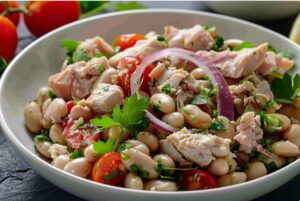
An Easy Tuna Salad for a Quick Weeknight Dinner
March 22, 2026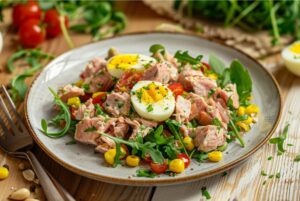
How to Make Tuna Salad More Flavorful (Without Overcomplicating It)
March 22, 2026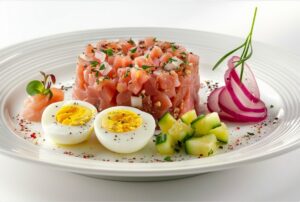
How to Make a Restaurant-Quality Tuna Salad
March 21, 2026
How to Store Ingredients for Tuna Salad
March 22, 2026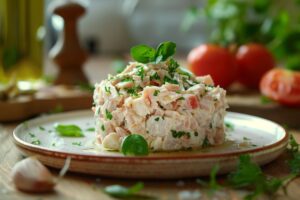
How to Plate Tuna Salad for Guests
March 19, 2026