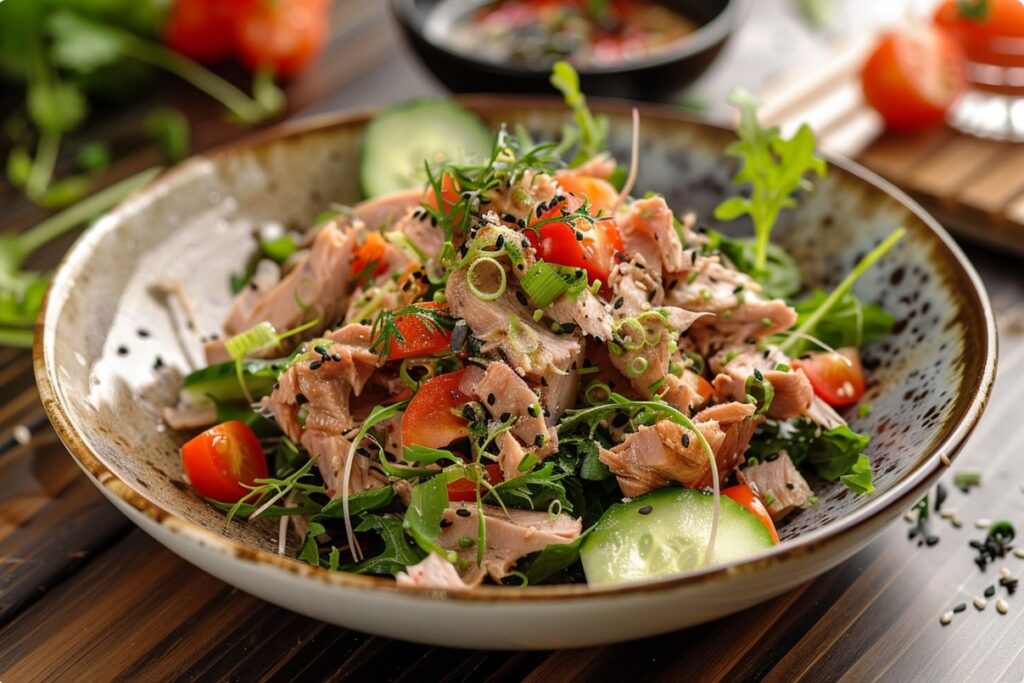
The Best Vegetables to Pair with Tuna

Vegetables do a lot of heavy lifting in tuna dishes. They’re what build the base flavor, add contrast, and keep everything from tasting flat. Without the right veg, tuna can come off a bit plain—or worse, dry. With the right pairings, it tastes cleaner, fresher, and way more interesting.
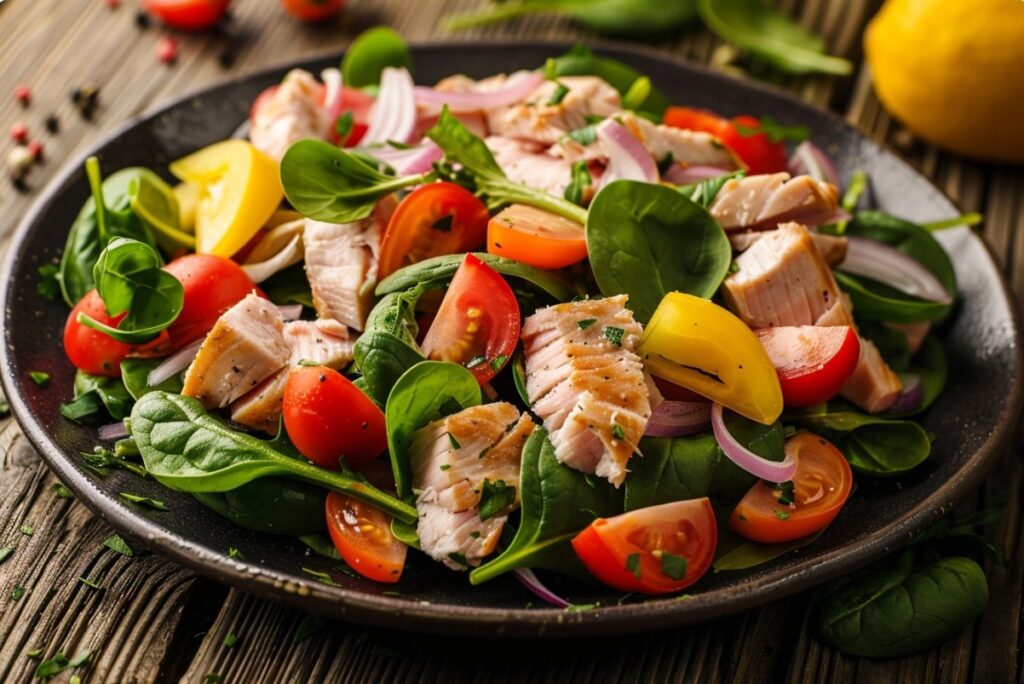
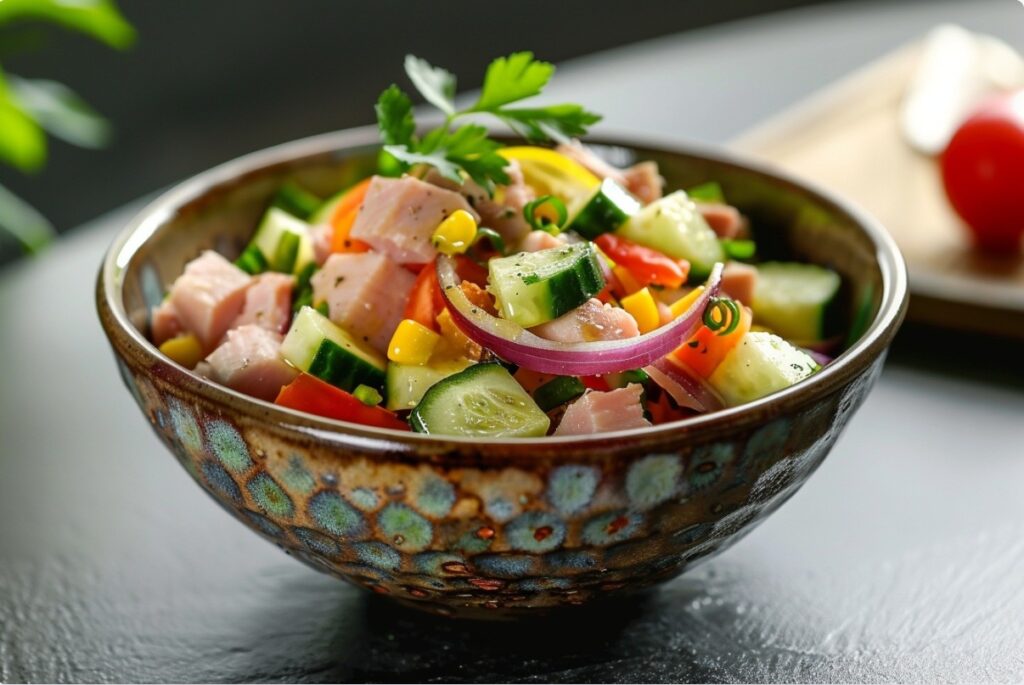
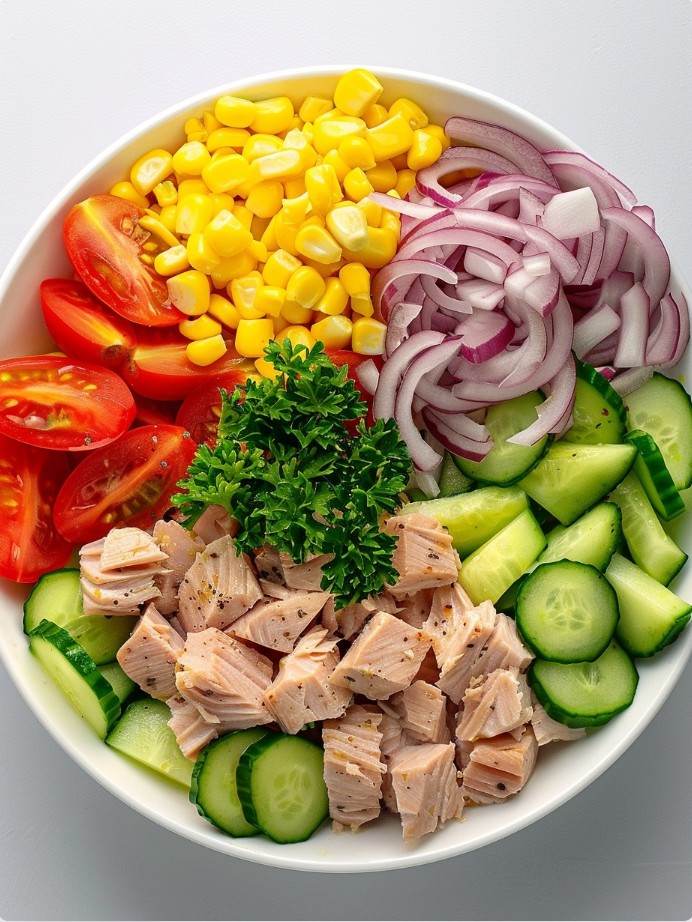
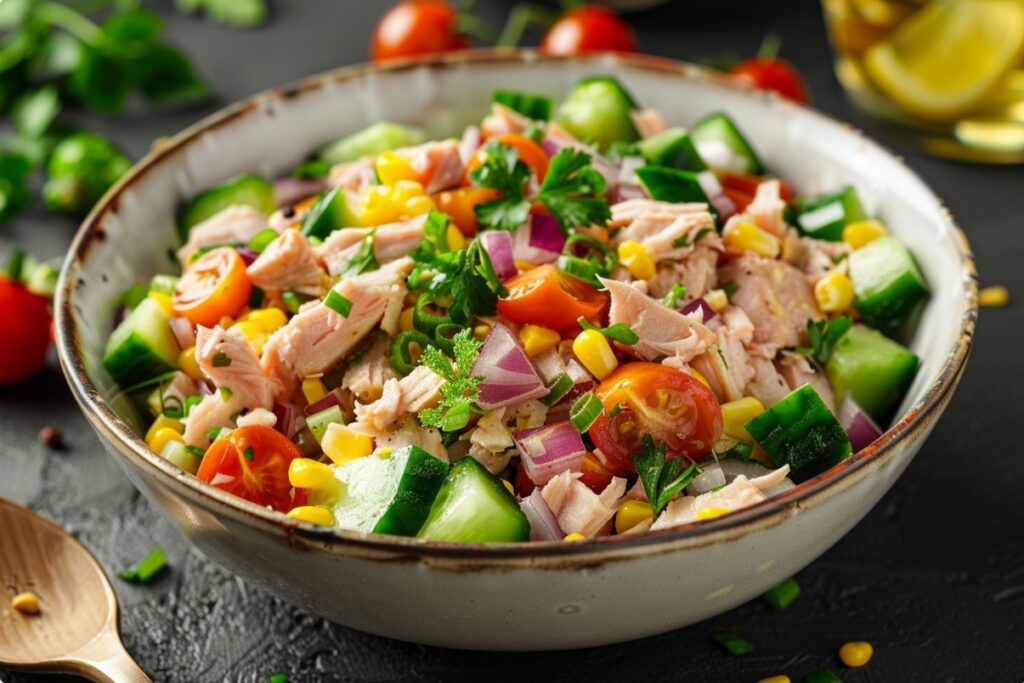
A few simple principles help you land the perfect combo: add freshness (cucumber, herbs), a touch of acidity (tomatoes, onion), and texture (bell pepper, corn). Do that, and even the most basic tuna salad feels balanced—full of flavor, but still light.
Tuna is one of those ingredients that’s easy to overdo. It tastes “bold,” but it’s actually pretty delicate—add the wrong vegetable, the wrong kind of acidity, or one too many punchy aromas, and instead of a clean ocean finish you get that sad “fishy fridge salad” vibe. I’ve been there. More than once I’ve ruined a great piece of tuna with a random pile of “whatever was in the crisper.”
Most of the time the problem isn’t the tuna—it’s that we’re not thinking about balance: crunchy vs. tender, sweet vs. bitter, fresh vs. charred, warm vs. cold. Tuna loves contrast. It just doesn’t like being shouted over.
So if you want to feel in control—choosing vegetables so tuna stays the star instead of disappearing—this is exactly that. I’ll break down which vegetables play nicely with tuna, why it works, how to read aromas and textures, and what to do when things have already gone sideways.
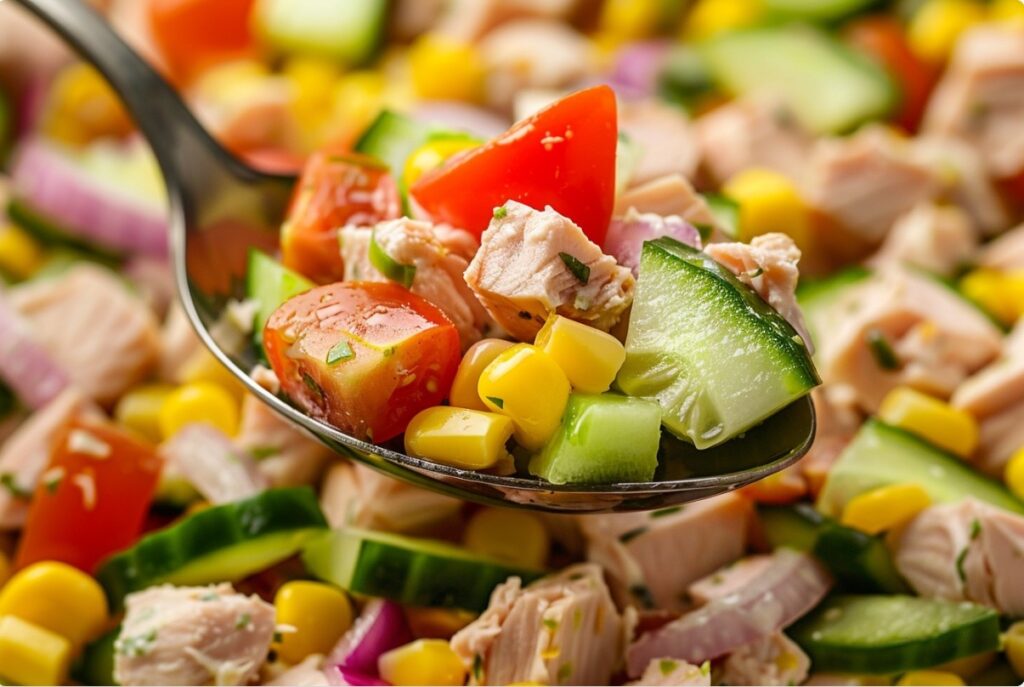
Tuna and vegetables: what we’re really building on the plate
When we say “pair tuna with vegetables,” what we’re really building is texture, aroma, and a sense of freshness. And here’s the nuance: tuna isn’t always the same. Fresh (or properly thawed) tuna tastes clean, almost slightly sweet, with a soft sea note. Canned tuna is firmer, saltier, and usually more “fish-forward.” Pan-seared tuna brings nutty, toasty crust flavors. Fully baked through? Often drier—and it needs help from juicy ingredients.
I once cooked dinner for friends and decided to “boost” tuna with raw onion and raw garlic in the sauce. The intention was good—make it punchy. The result: the kitchen smelled like onion, my mouth tasted like onion, and the tuna was basically just… texture. After that I stuck to one simple rule: vegetables should spotlight the fish, not compete with it.
So I always think about it like this:
- Tuna’s tenderness is supported by juicy or creamy vegetables (tomato, avocado, roasted pepper).
- Freshness comes from crisp, watery veg (cucumber, celery, radish).
- Depth comes from lightly charred or gently bitter elements (grilled zucchini, arugula, chicory, steamed broccoli).
- Aroma needs to be kept in check: go easy on onion, garlic, cabbage, and “heavy” spices.
One more thing: tuna is sensitive to a slightly “metallic” edge. It shows up when the fish sits too long, gets overcooked, or when you hit it with too much raw acid without enough fat. Vegetables can either amplify that… or soften it.
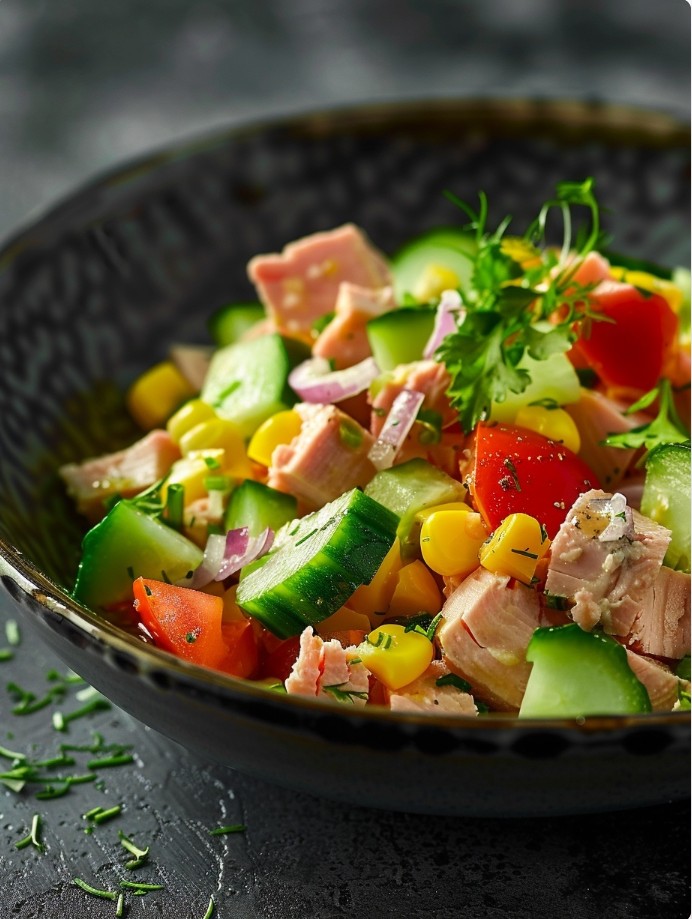
The mechanics of flavor: why some vegetables highlight tuna and others make it taste ‘fishy’
No magic here—just a bit of kitchen physics and chemistry (no lab coat required). Tuna has two main weak spots: smell and dryness. Even when the fish is fresh, its aroma shifts easily next to sharp vegetables or after sitting too long in an acidic dressing.
Aromas: what actually works with that sea note
Tuna’s ocean aroma is best supported by vegetables with a “green” or “sweet” profile. Green: cucumber, celery, leafy greens, green beans. Sweet: tomatoes, roasted bell pepper, carrots (but not a huge pile of raw carrot), and corn (careful—corn steals the spotlight fast).
Vegetables with strong sulphur notes (raw cabbage-family veg, lots of raw onion) often make tuna taste more “fishy” and heavier. Not because they’re bad—together they create the exact aroma many people are trying to hide.
Texture: tuna loves contrast, not toughness
Tuna is dense. Even when it’s tender, it still holds its shape. That’s why the best vegetables are either crisp and juicy (to refresh) or soft and creamy (to add roundness and that “juicy” feeling). Tough, fibrous vegetables that take forever to chew (like old raw carrots cut into big sticks or coarse white cabbage) can make the whole dish feel like work.
A quick test I use: if a vegetable crunches cleanly and releases plenty of juice, it usually plays well with tuna. If it crunches “dry” and stays chewy, slice it thinner or give it a quick sauté/char.
Acid and fat: how not to “cook” tuna on the plate
When you add lemon juice or vinegar to tuna and pair it with watery vegetables, the whole thing quickly turns wet and sharply acidic. That can be delicious—but there’s a risk: tuna starts to feel firmer, and the aroma gets harsher. That’s why I like having a fatty or creamy vegetable nearby (avocado, roasted pepper with olive oil, even warm zucchini), or at least something that absorbs excess moisture (leafy greens, thinly sliced celery).
Kitchen tip: if you’re adding acid, add a “cushion” too—some olive oil or a creamy-textured vegetable. Tuna instantly tastes softer.
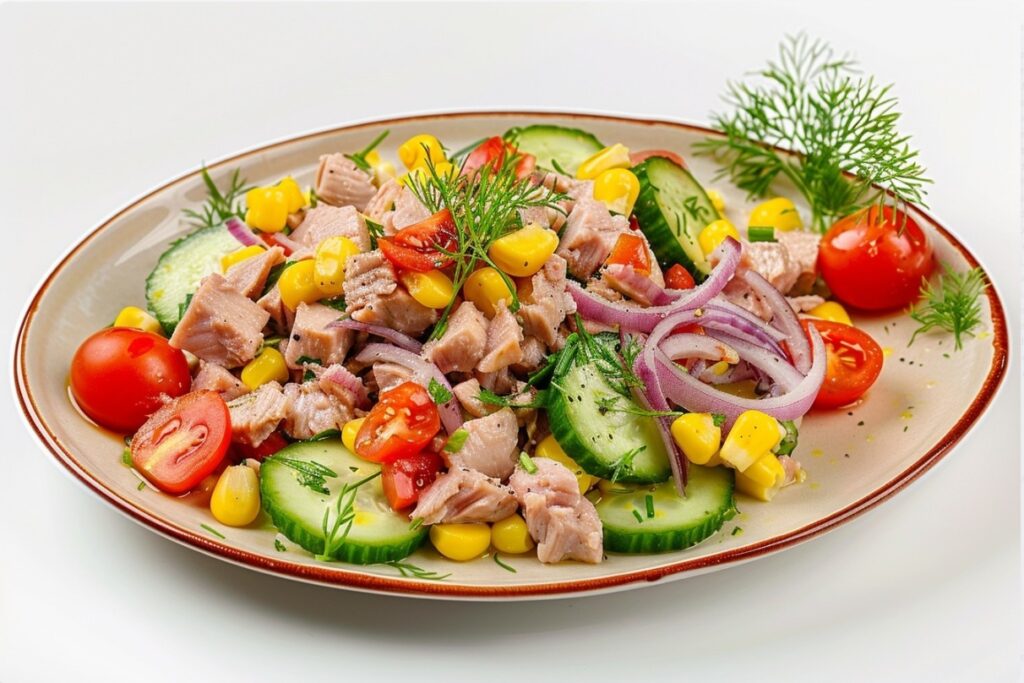
Vegetables that almost always work with tuna (and how not to ruin them)
There’s a set of vegetables I think of as tuna’s “safe friends.” They don’t require fancy techniques, but they do have a few pitfalls—mostly around freshness and aroma.
Cucumber: cold crunch and a clean aroma
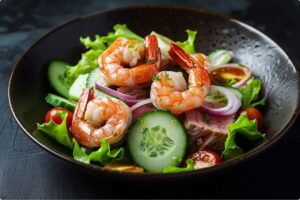
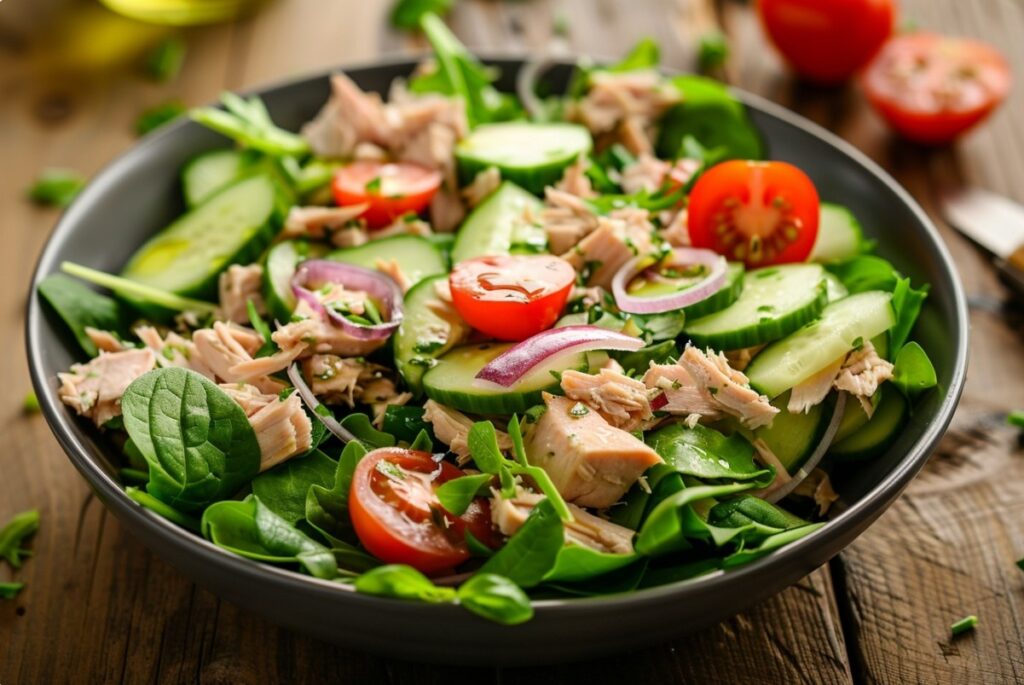
Cucumber is all about freshness. It cuts richness, adds juice, and doesn’t try to take over. The two things that can ruin it are bitterness (often at the ends) and too much water. For more details and recipes, here’s how I like to build a proper tuna and cucumber salad.
- If the cucumber is very watery, I often scoop out the seeds with a spoon—less dilution, more flavor.
- Thin slices release juice fast, so add cucumber at the very end.
Tomato: sweetness, juiciness, and that summery smell
A tuna and tomato salad works almost every time—if the tomatoes actually smell like tomatoes. Pale, watery winter tomatoes often bring acidity without aroma, and then tuna tastes oddly empty. I go for truly ripe tomatoes, or small ones (like cherry/grape) with a more concentrated flavor.
One more thing: tomato juice turns a salad watery fast. If that’s not what you’re going for, remove some of the seedy pulp or let the chopped tomatoes drain for a few minutes.
Sweet bell pepper (especially roasted): softness and sweet depth
Roasted bell pepper is one of my favorite partners for tuna. It’s sweet, silky, and smells warm. It also smooths out any slight sharpness if your tuna isn’t at its absolute best.
What I see a lot at home: peppers either under-roasted (tough crunch) or over-roasted into bitterness. Both throw off the balance. The goal is simple: soft but not mushy, sweet-smelling, and definitely not burnt.
Leafy greens: lightness and moisture control
Romaine, iceberg, butter lettuce, spring mixes—these are less about big flavor and more about structure. They catch juices, add volume, and keep tuna from feeling heavy. I like adding something with a little personality (arugula, frisée), but in small amounts: a touch of bitterness highlights that sea note, but too much and the tuna disappears.
Celery: crunch and a fresh “green” aroma
Celery is seriously underrated. It gives crunch, but not the watery kind cucumber has—it’s drier, more aromatic, and really refreshing with tuna. The main risk is cutting it too thick. Then it dominates and you end up chewing celery instead of tasting tuna.
Kitchen tip: slice celery thin on a diagonal into half-moons—it eats more tender and won’t overpower the tuna.
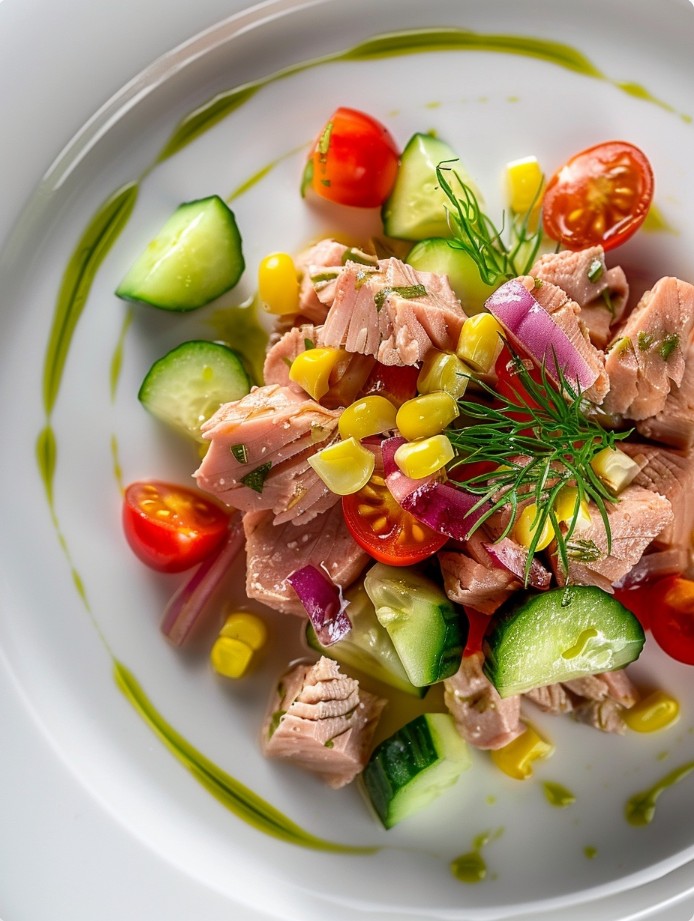
Contrast vegetables: when you want tuna to feel more exciting
Sometimes you don’t want just a “fresh” combo—you want that restaurant-level intention: a bit of warmth, a hint of smoke, a touch of bitterness. That’s where contrast comes in. Tuna loves it… as long as you don’t push it too far.
Zucchini: softness without extra aroma
Zucchini is great because it’s basically neutral, but it adds softness and body. Paper-thin raw slices are crisp and fresh; a quick char in a hot pan brings gentle sweetness.
The bad scenario is cooking zucchini into a “wet sponge.” Then it releases water and the tuna tastes diluted. I like zucchini either barely cooked or well patted dry after slicing.
Broccoli and cauliflower: go easy on the aroma
These can be fantastic with tuna—if you don’t overcook them. Overcooked broccoli smells aggressive, and that aroma steals the whole dish instantly. But broccoli that stays bright green with a little bite brings a pleasant nuttiness and structure.
I once rushed and left broccoli in boiling water “one more minute.” It turned soft, olive-colored, and smelled like something you can’t hide. Next to it, the tuna tasted older than it was. Since then I go by color and smell: it should smell green and fresh, not “cabbage-y.”
Beetroot: sweetness and an earthy note
Beetroot and tuna isn’t an everyday pairing, but it’s incredibly rewarding when you want depth. Beetroot is sweet and dense, and it makes tuna taste more “meaty.” The key is not letting beetroot take over—it dominates easily and stains everything, both flavor and looks.
I usually use beetroot as an accent: a little, sliced thin, just enough to add sweetness without turning the whole plate into a beet situation.
Radish and daikon: heat that doesn’t yell
Radish brings peppery freshness. But it can be sneaky: if it’s old or very hot, it can bulldoze tuna the same way raw onion does. Quality and slicing matter here—thin is great, chunky is risky.
Kitchen tip: soak sliced radish in cold water for 5–10 minutes. It gets crispier and the bite softens.
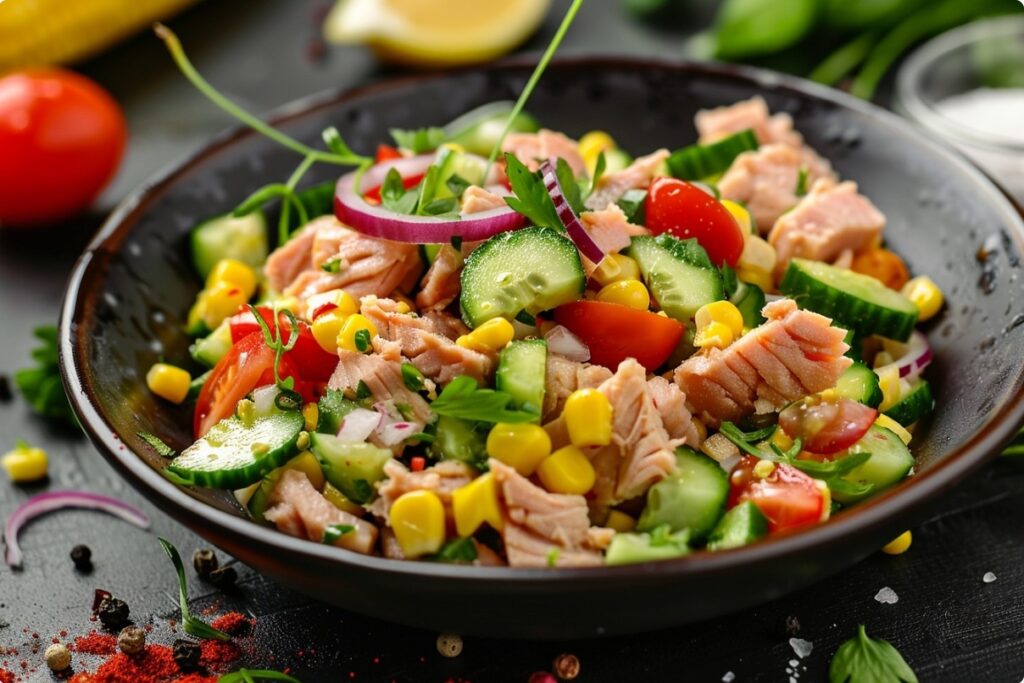
Delicacy and freshness: how vegetables help you taste good tuna
When tuna is genuinely good, you want it front and center: clean aroma, tender texture, gentle saltiness. Vegetables should act like the background and the frame.
What makes tuna feel more tender
Tenderness isn’t only about how the fish is cooked. It’s also about what happens in your mouth alongside it. Vegetables that add “softness” can save the day even when tuna is a bit dry.
- Avocado — creaminess and fat that smooths out sharp edges. If it’s underripe and waxy, I wouldn’t bother.
- Roasted bell pepper — soft sweetness and warm aroma.
- Warm zucchini — a gentle base without extra smell.
What highlights that clean sea flavor
Usually it’s vegetables with high freshness and a neutral aroma: cucumber, leafy greens, celery, thinly sliced fennel (if you like that anise note—just a little). They don’t add their own storyline; they make the tuna taste clearer.
There’s another trick I love at home: temperature contrast. Tuna (especially if it’s still slightly warm from the pan) tastes amazing with cold, crunchy vegetables. The whole dish feels like it “breathes.”
Kitchen tip: if the tuna is warm, don’t pair it with warm watery vegetables—you’ll get steam and extra moisture. Go for cold cucumber/greens, or roasted pepper at room temperature.
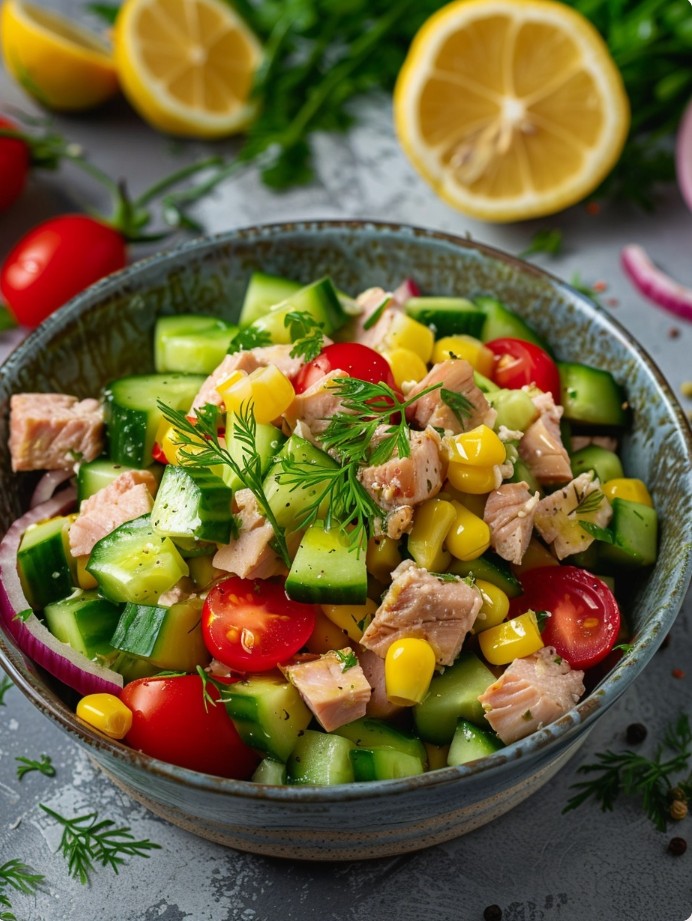
Common mistakes: how we make tuna sharp, dry, or ‘smelly’
Vegetable mistakes often look harmless. You chop, you mix, you eat. But it’s the small things that create that “something’s off” feeling—everything seems fresh, yet you don’t really want another bite.
Mistake 1: too much raw onion or garlic
Raw onion and tuna can work, but in tiny amounts. More often I see the opposite: so much onion it becomes the main ingredient. Even worse if the onion is old and sharp. Next to that, tuna tastes heavier and more “fishy.”
What I do: if I want an onion note, I use scallions or very thinly sliced red onion, then let it sit for a minute with a pinch of salt (no drama). The smell softens.
Mistake 2: overcooked broccoli/cauliflower
A classic. Overcooked brassicas bring a sulphur smell that doesn’t forgive delicate flavors. If you want these vegetables, keep them crisp-tender and bright in color.
Mistake 3: watery veg + too much acid = “marinade” in the bowl
Cucumber, tomato, leafy greens, plus a generous squeeze of lemon—and 10 minutes later you’ve got a puddle. Tuna sitting in that puddle quickly feels firmer, and the aroma gets sharper.
The fix is simple: either assemble right before serving, or drain juicy vegetables, or add something that holds structure—celery, leafy greens, avocado.
Mistake 4: too much bitterness
Arugula, chicory, grapefruit bitterness in the dressing—these can be beautiful. But if bitterness is the main event, tuna starts tasting pale. I like bitterness as a brushstroke, not the whole canvas.
Mistake 5: “heavy” vegetables with no fresh accent
Roasted root vegetables, braised cabbage, warm veg—delicious, yes. But if there’s nothing crisp and fresh alongside, the dish turns heavy. Tuna can start tasting like canned fish even if it wasn’t.
Kitchen tip: if there’s something roasted or braised on the plate, add one small cold crunchy element—cucumber, radish, celery. It’s like opening a window.
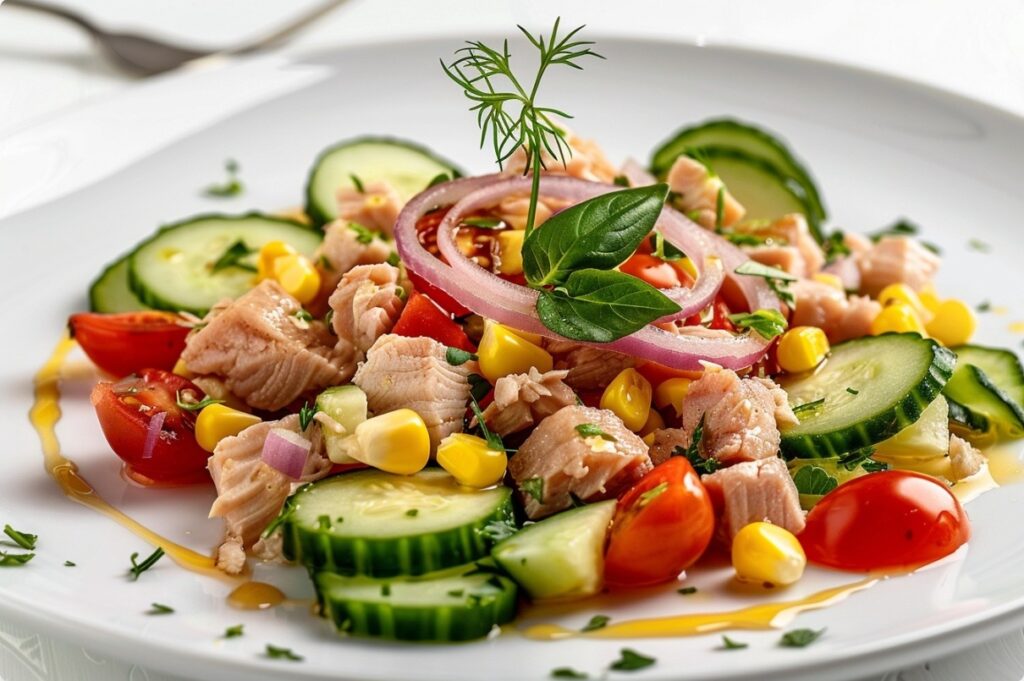
What to do if the combo didn’t work: fixing the flavor without panicking
It happens: you’ve already mixed everything and suddenly the tuna is gone. Or the smell turns sharp. Or the whole bowl is watery. I’ve had this happen too—especially when I’m throwing something together fast after work.
Situation 1: onion/garlic overpowered the tuna
Sign: your nose is full of onion and the tuna is somewhere in the background. What I do:
- Add neutral vegetables to “widen” the dish: cucumber, leafy greens, a little celery.
- Add softness: avocado or roasted pepper with a drop of olive oil.
- If possible, remove some of the onion. It’s not embarrassing—it’s smart.
Situation 2: everything turned watery
Sign: there’s liquid at the bottom and the flavor feels washed out. Options:
- Drain the excess liquid (yes, just do it).
- Add leafy greens or celery—they’ll absorb some moisture and bring back structure.
- Add a little oil—it pulls the flavor together and makes it feel fuller.
Situation 3: the tuna feels dry
Sign: you’re chewing forever and want a sip of water. Creamy or juicy vegetables help:
- avocado or soft roasted pepper
- tomato (if it’s aromatic)
- thinly sliced, deseeded cucumber
Also: dryness gets worse when the dish is very cold. Letting it sit at room temperature for 5–10 minutes sometimes works better than any “hack.”
Situation 4: a sharp “fishy” smell appeared
Be honest with yourself here: if the tuna smells unpleasant on its own, vegetables won’t save it. But if the smell showed up after mixing, it’s often overcooked brassicas, old onion, or too much acid.
- Remove whatever smells the strongest (sometimes it’s literally a few pieces).
- Add a fresh cold element: cucumber/celery/leafy greens.
- Add a little fat (olive oil, avocado)—it rounds out the aroma.
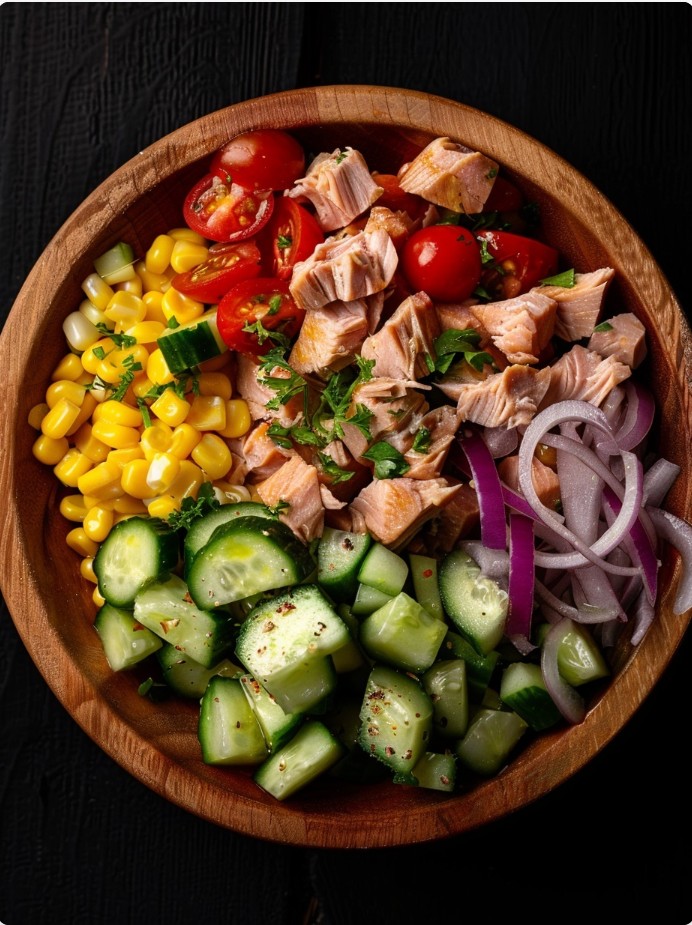
How I choose vegetables for different kinds of tuna: a few kitchen scenarios
This isn’t about strict “recipes,” it’s about logic. Because in real life we don’t have abstract tuna—we have what’s actually in the kitchen: canned today, fresh tomorrow, leftovers the day after.
If the tuna is fresh and very tender
I keep vegetables as clean-smelling as possible: cucumber, leafy greens, a little celery, tomato (if it’s fragrant). I want tuna to hit first, with vegetables as a cool backdrop.
Quick story: once I bought truly great tuna and almost automatically reached for garlic. I stopped, grabbed cucumber and greens instead, and realized I wasn’t adding garlic “for flavor”—I was adding it out of anxiety, to cover potential fishiness. The fish was perfect. Nothing needed covering.
If the tuna is pan-seared with a crust
Now you can lean into contrast: roasted pepper, warm zucchini, a little bitterness from greens. The crust brings a nutty note, so vegetables can be slightly “warmer” in character—but I still add something crunchy and cold so the plate doesn’t feel heavy.
If the tuna is canned
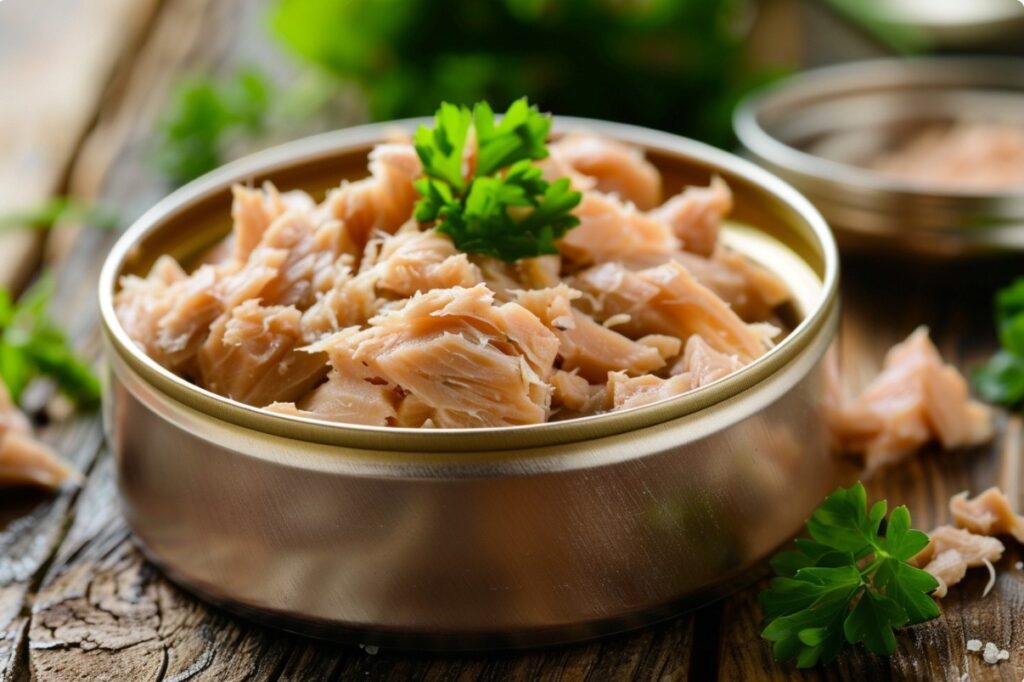
Canned tuna is firmer and saltier, sometimes with a stronger aroma. It usually needs freshness and juiciness: cucumber, tomato, celery, leafy greens. And go very easy on cabbage-family veg and onion—they can make the aroma taste “canteen-style” fast.
Kitchen tip: if canned tuna tastes sharp, the fix often isn’t “more lemon.” Try a little oil and crisp watery vegetables instead. Acid can sometimes make that sharpness stand out even more.
If the tuna has been sitting (leftovers)
Here I’m not chasing “tenderness,” I’m chasing “freshness.” More crunchy vegetables, fewer warm ones. And one more thing: don’t mix it too far ahead with tomatoes and acid—it’ll turn watery and sharp.
Cutting, temperature, and timing: small details that make the pairing click
You can choose the “right” vegetables, but if the cut and temperature are random, the result will be random too. I see it all the time in home kitchens: the pan is hot, the tuna is warm, and the vegetables are straight from the fridge in big chunks. It’s edible, sure—but it’s not harmonious.
Cutting: keep one style on the plate
Tuna is usually served in chunks or in slices/steaks. Let the vegetables follow that rhythm:
- If the tuna is in chunks, cut vegetables smaller too so each bite feels intentional.
- If the tuna is a larger piece, vegetables can be longer slices (cucumber, pepper) so you can scoop them up together.
Also: thick cuts often make vegetables taste more aggressive. Thin cuts make them feel more delicate. You’ll notice this especially with celery, radish, and onion.
Temperature: not everything should be equally cold
I like having at least two temperature levels in a tuna dish. For example: tuna at room temperature + cold cucumber. Or warm tuna + greens and peppers at room temperature. It makes the dish feel alive.
When everything is icy cold, flavors go dull. When everything is warm and soft, it gets heavy. The balance is obvious—even if you can’t quite explain why.
Timing: when to mix and when to keep things separate
The biggest enemy is time when juicy vegetables are involved. Tomatoes and cucumbers release water quickly, greens wilt, and tuna absorbs extra acid and salt.
- If you want it cleaner and less watery, keep juicy vegetables separate until the last minute.
- If you like a “juicy” salad, mix it—but eat it right away, don’t save it for later.
Kitchen tip: if you’re prepping ahead, build the base with greens/celery/peppers, and add tomato and cucumber at the end. The flavor stays brighter and the tuna doesn’t get tired.
Tuna doesn’t demand complicated combinations—it demands attention. The best vegetables with it are the ones that either bring clean freshness (cucumber, leafy greens, celery, radish) or add soft juiciness and sweetness (tomato, roasted pepper, zucchini, avocado). Anything sharp, sulphur-y, or very bitter is best kept in small amounts—as an accent, not the base.
I’m curious how it usually goes for you with tuna: do you lean toward “cold and fresh” with cucumber and greens, or a warmer version with roasted vegetables? And has any vegetable ever unexpectedly ruined tuna for you?
To get better at pairing ingredients and building balanced dishes, it helps to think beyond taste alone—texture and freshness matter just as much. That’s why it’s worth looking closely at which vegetables work best with tuna and how to combine them with each other for the best result.
Frequently asked questions
What vegetables pair best with tuna?
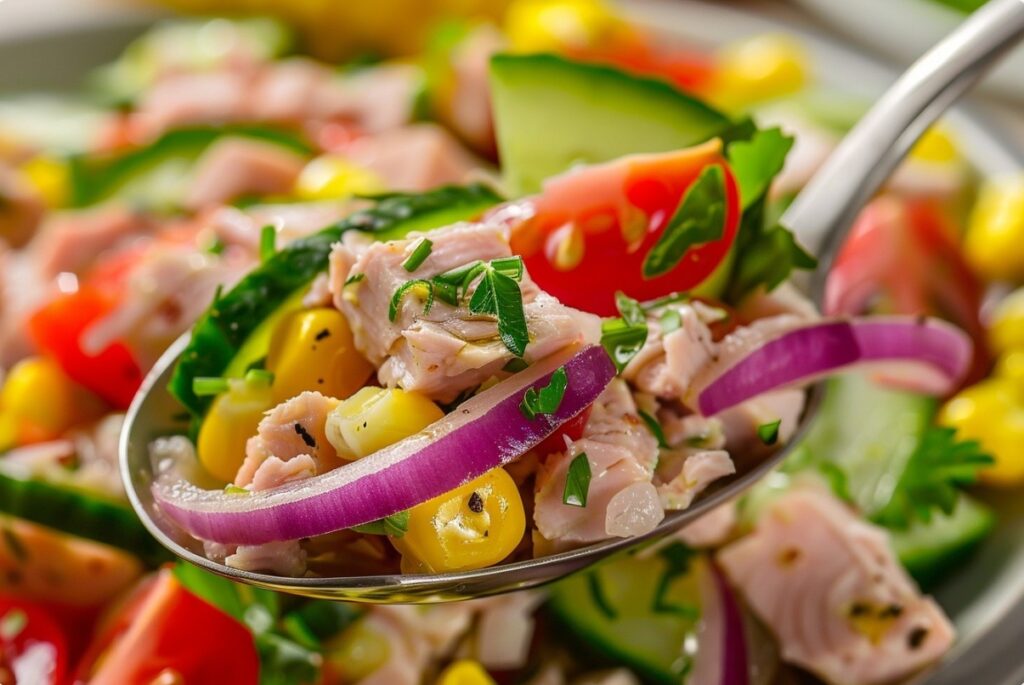
Cucumber, tomatoes, bell pepper, red onion (in small amounts), corn, and leafy greens are reliable choices. They add freshness, juiciness, and texture without overpowering tuna.
Why can tuna start tasting “fishy” in a salad?
Strong sulphur aromas (lots of raw onion, cabbage-family vegetables) and too much acid sitting too long can make tuna smell and taste harsher. Balance them with crisp fresh vegetables and a little fat like olive oil or avocado.
How do I keep tuna salad from turning watery?
Drain juicy vegetables (especially tomatoes), add cucumber at the end, and dress right before serving. Leafy greens and celery also help absorb moisture and keep the texture crisp.
What helps if tuna tastes dry?
Add creamy or juicy vegetables like avocado, roasted bell pepper, or fragrant tomatoes, and include a bit of olive oil. Letting the salad sit 5–10 minutes at room temperature can also soften the perception of dryness.