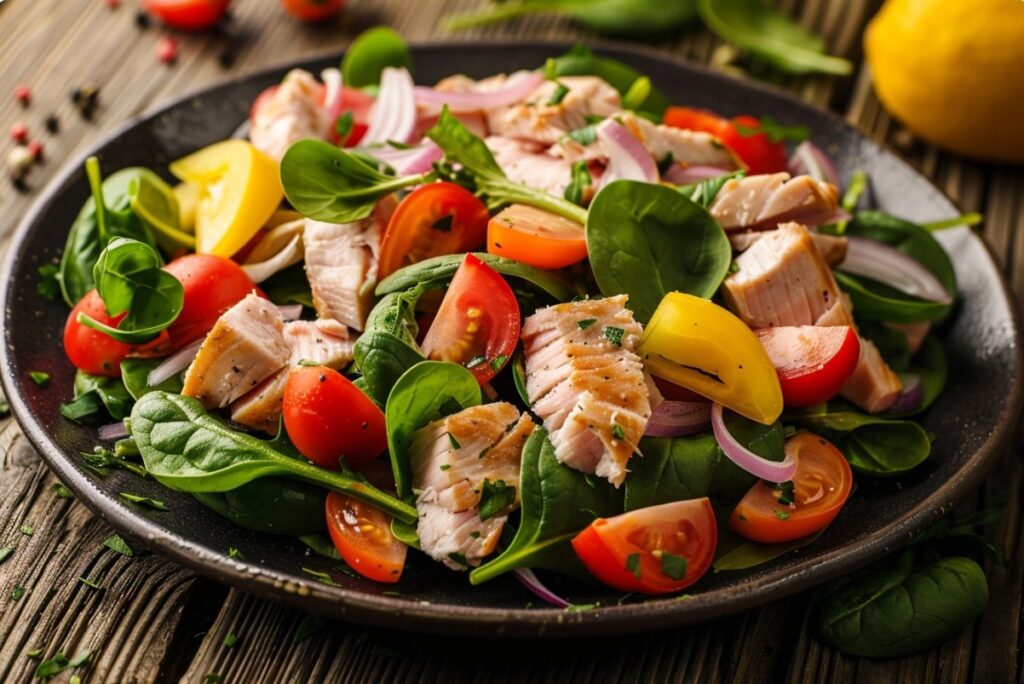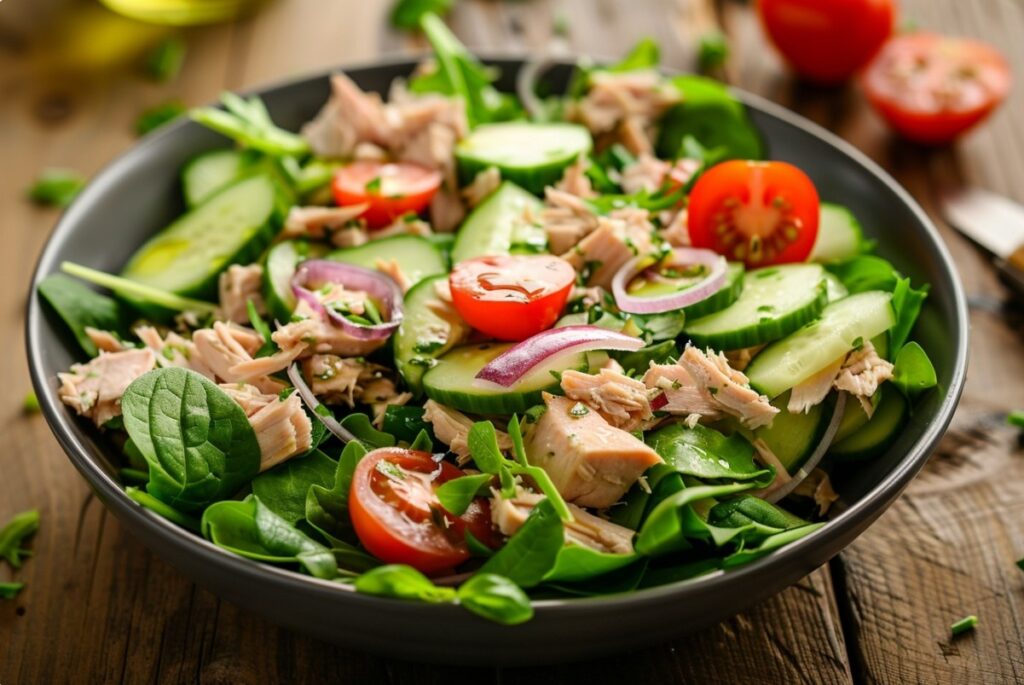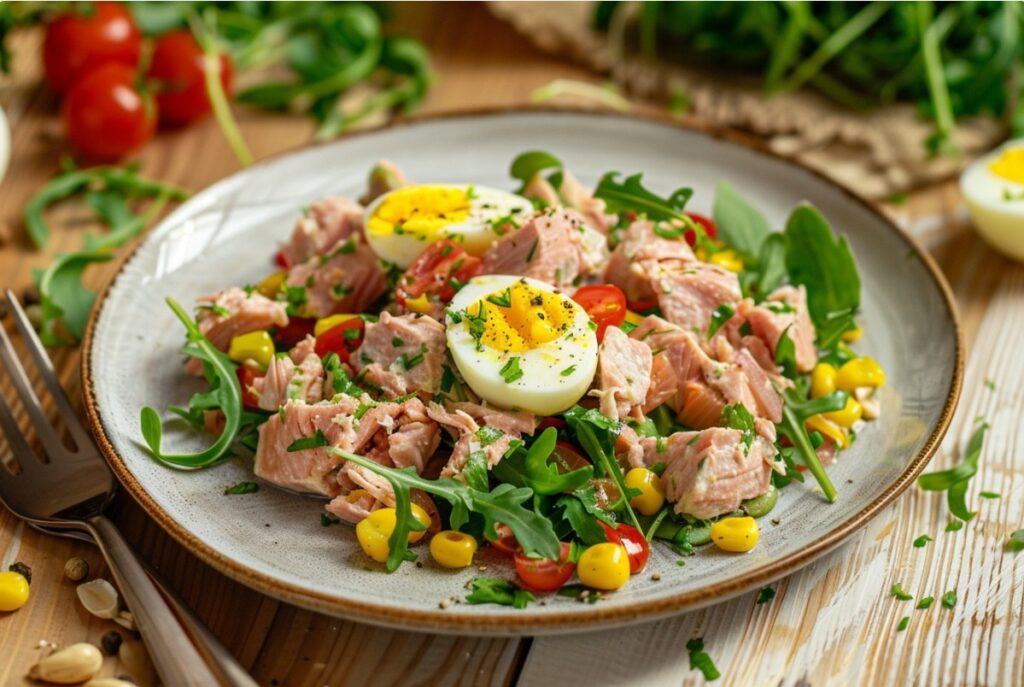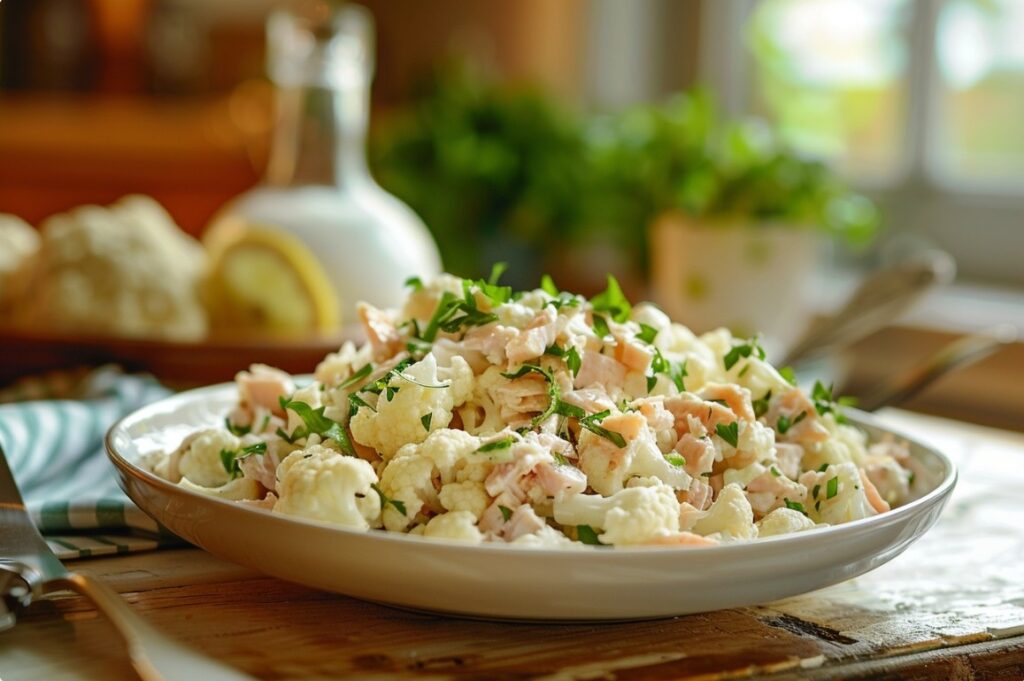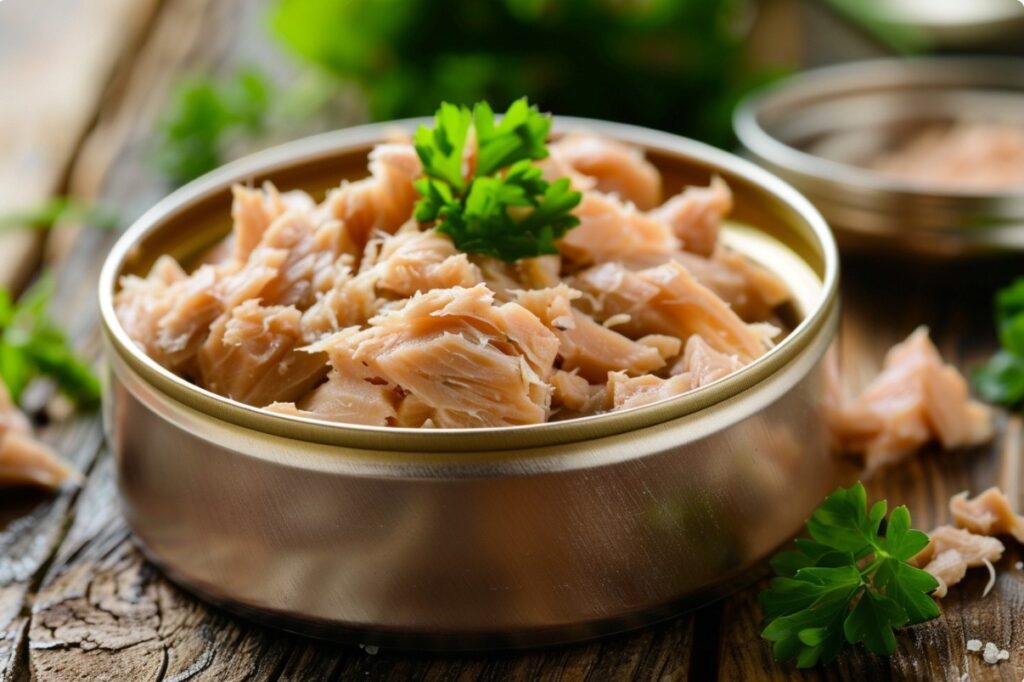
How to Make a Tuna Salad Light and Diet-Friendly

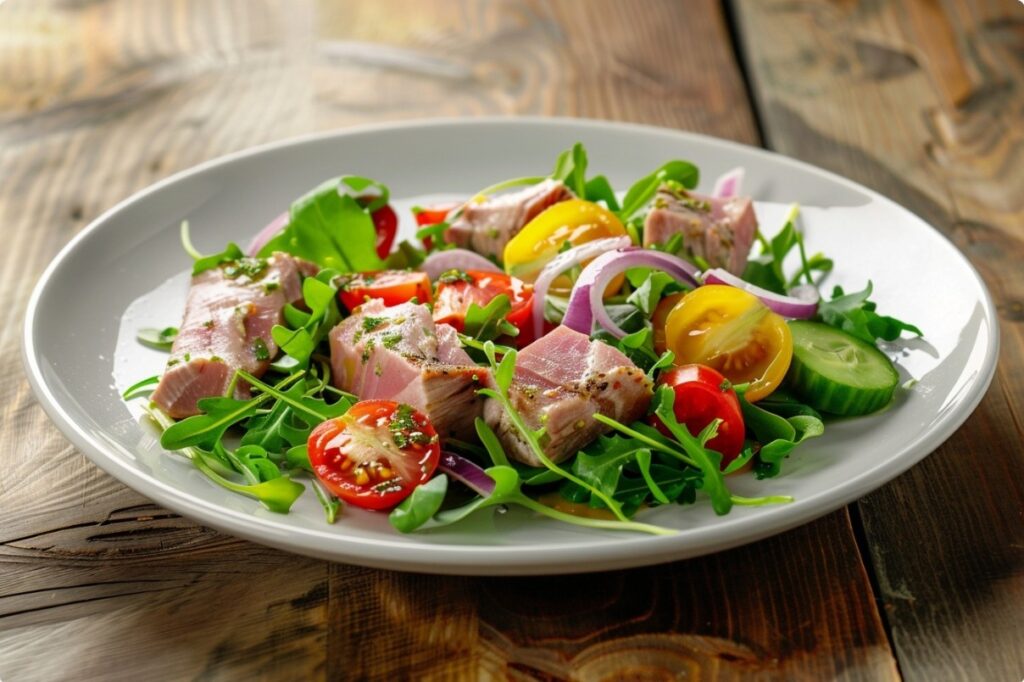
Tuna salad can go two very different ways: it can feel heavy and nap-inducing, or it can be genuinely light and fresh. Most of the time, it’s not the tuna that’s the problem—it’s the dressing and all the “just a little extra” add-ins that quietly turn it into a calorie bomb.
If you choose the right components and balance the textures, you’ll end up with a light, crisp, diet-friendly salad that still feels satisfying and tastes like something you actually want to eat.
There’s a very specific moment: you crack open a can of tuna and think, “Perfect—quick salad.” Then your hand goes straight for the mayo, maybe you start craving croutons… and suddenly it’s not “light” anymore. It’s the kind of lunch that makes you want to lie down afterward. Been there.
Tuna makes this easy to do because it’s so convenient: ready to eat, pleasantly salty, and it feels “high-protein,” so it seems like it can carry any mix. But a light, diet-friendly tuna salad isn’t about making everything “without” (without flavor, without pleasure, without a decent texture). It’s about balance: fresh, juicy, a bit crunchy—and tuna that stays tender instead of turning into dry flakes.
I like to think of this kind of salad as a small kitchen exercise in control. You’re managing moisture, fat, salt, and temperature—not just tossing together whatever’s around. Do it consciously once or twice and the fear of “ruining it” disappears, because you’ll know exactly what to fix if something goes off.
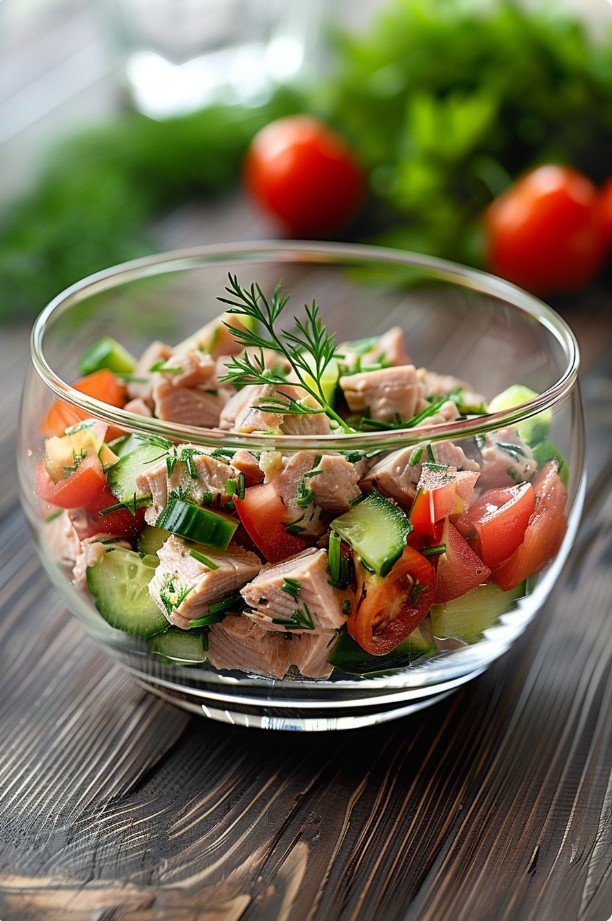
Start with the right tuna: not ‘whatever’s cheapest,’ but ‘what works for this salad’
Tuna is the main note in the salad. The catch is that different tuna “plays” differently—and that’s what decides whether the salad feels light or oddly heavy, even without mayo.
In most kitchens you’ll see two common options: tuna in water/brine and tuna in oil. For a diet-friendly version, it’s tempting to automatically grab the “in water” can. But “lower fat” doesn’t always mean “better to eat.”
Tuna in water: lighter, but pickier
It’s leaner, which is great. The downside: it’s much easier to end up with a dry salad—especially if you squeeze the tuna hard, then add “dry” ingredients (greens, egg, beans) and barely any dressing.
Good tuna in water should come in pieces that hold their shape and smell pleasantly of the sea, not aggressively “canned.” If you open a can and get a sharp metallic note, balance it with acidity (lemon, vinegar) and fresh herbs.
Tuna in oil: tasty, but easy to overdo
It’s softer, more aromatic, often a bit saltier. But the oil in the can is already part of your dressing. Add extra olive oil “for flavor” and the salad gets heavy fast—even if it’s mostly cucumber and greens.
What I do: if I’m using tuna in oil, I drain almost all of it and leave literally about 1 teaspoon—no more—just to keep things juicy. Then I dress the salad on purpose, not by accident.
Tip: If your tuna feels a little dry, don’t rush to pour in more oil. Often it’s better to add 1–2 spoonfuls of yogurt or a splash of cucumber juice/lemon—juiciness without the heaviness.
A tiny story from my kitchen: I used to stubbornly buy only tuna in water because it felt “more correct.” And every time I ended up with a salad that was technically light… but I didn’t want to eat it. Too dry. Once I realized the issue wasn’t the can—it was the lack of moisture and acidity—everything clicked. As soon as I started thinking in textures, it all fell into place.
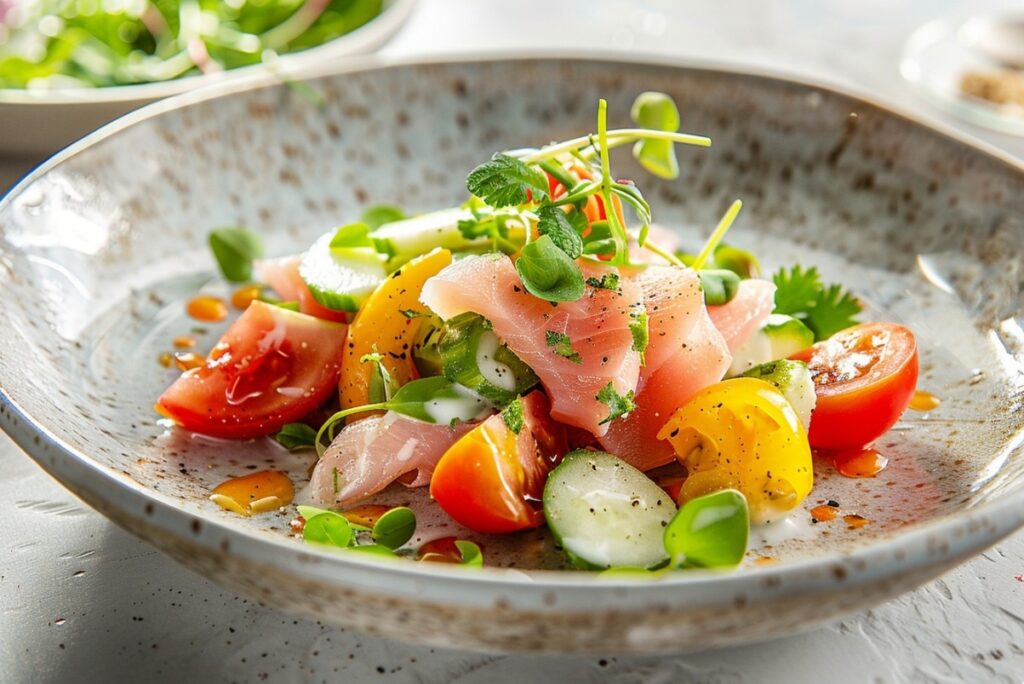
Lightness is mechanics: moisture, fat, and acid have to agree
When people say “I want a light salad,” they usually mean two things: it shouldn’t sit heavy in your stomach, and it should taste fresh—not dull or greasy. That’s controlled by three levers: moisture, fat, and acid.
Moisture: so tuna doesn’t eat like sawdust
Tuna is a protein with a dense structure. If it’s surrounded by lots of “dry” foods (hard-boiled egg, potatoes, beans, drained corn) and not enough juicy vegetables, it starts to feel crumbly and dusty. For a light salad you almost always need something juicy: cucumber, tomato, celery, dressed greens, citrus, even apple—not for sweetness, but for crisp, juicy bite.
One important thing: juiciness should be controlled. Chop tomatoes and mix right away, and 10 minutes later the salad can turn into a puddle. That’s the other extreme.
Fat: not the enemy, just a flavor knob
With zero fat, salads often taste flat. Fat carries aroma and gives that “finished” feel. Lightness disappears when there’s too much fat or it’s a heavy kind: mayonnaise, full-fat sour cream, or simply too much oil.
My simple rule: if the tuna is in water, add fat carefully (½ spoon of olive oil, a little avocado, a spoonful of yogurt). If the tuna is in oil, the fat is already “included,” so the dressing should lean more acidic and light.
Acid: makes the flavor taste “clean”
Acid can be lemon, lime, vinegar, quick-pickled onion, capers—even a little mustard (it adds bite and pulls everything together). It doesn’t just make things tangy: it highlights the fish, cuts through fattiness, and makes the salad taste cohesive.
Tip: If the salad tastes “meh,” 7 times out of 10 it doesn’t need more salt—it needs acid. Add a few drops of lemon, toss, wait a minute, and the flavor wakes up.
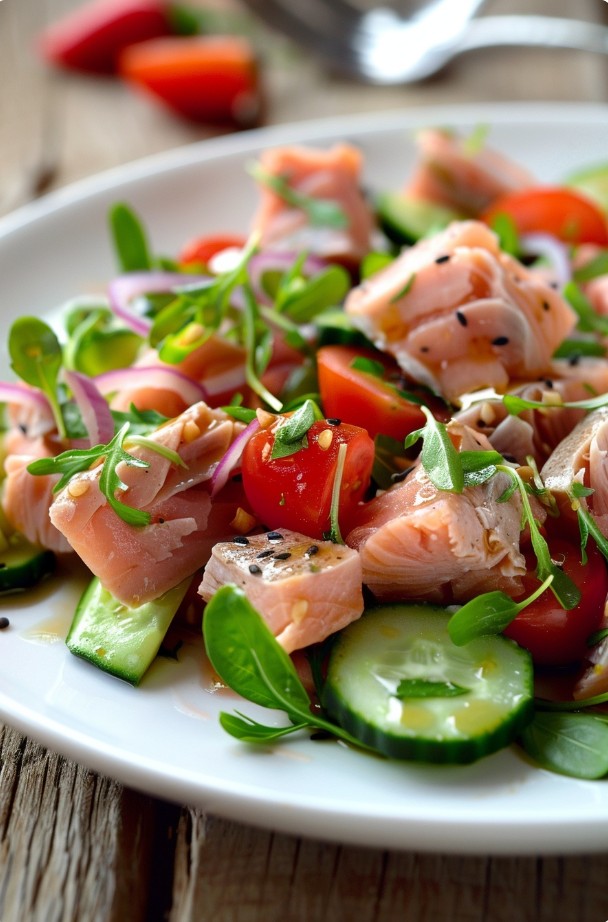
Texture matters more than ‘diet’: crunch, softness, and body
A light salad shouldn’t be “greens and fish, the end.” It needs to be interesting to eat. When you have a few textures going on, your brain feels satisfied and doesn’t start begging for “something richer.”
How it should be vs. how it usually goes
How it should be: tuna stays tender and juicy; next to it there’s something crunchy (cucumber/celery/radish), something soft (egg/avocado/a small amount of beans), and it’s all tied together with a light dressing.
How it usually goes: tuna + egg + corn + cheese + croutons… and then the surprise that it’s “not light.” That’s simply too many dense elements pulling the salad into “this replaces a full meal” territory.
Crunchy add-ins that make it feel alive
- cucumber (especially if you scoop out the seeds—less water, more crunch)
- celery (fresh aroma and crunch, but not everyone loves it—start small)
- radishes
- salad greens or romaine (don’t chop too finely—tear by hand to avoid a “mushy” feel)
- red onion, sliced thin, ideally lightly massaged with a bit of acid
Quick story: I once made a tuna salad for someone who “hates leafy greens because they taste like grass.” We swapped half the greens for cucumber and radish and kept the leaves as a background. Suddenly the salad was “totally fine.” Not because the greens changed—because crunch and juiciness showed up.
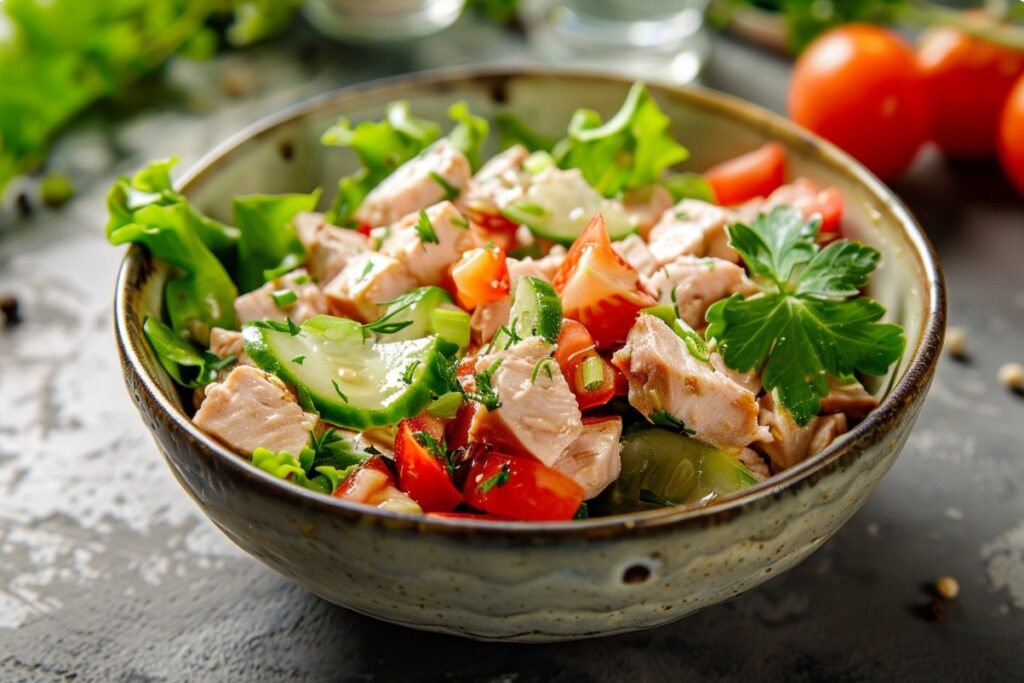
No-mayo dressing: how to get creaminess and flavor without weighing it down
People don’t love mayo just because it’s fatty—they love the texture. It coats and binds everything together. The good news: you can get that same “held together” feeling in other ways.
Three solid approaches to a light dressing
1) Yogurt + acid + mustard. Yogurt brings creaminess, lemon/vinegar brings freshness, mustard adds personality. One key detail: use plain, unsweetened yogurt that’s fairly thick. If it’s runny, the dressing slides to the bottom and the top stays dry.
2) Olive oil + lemon (or vinegar) + a pinch of salt. Clean, simple flavor. The trap is using too much oil. For a light salad you need less than you think. Go a bit heavier on the acid and toss well—tuna picks up flavor easily.
3) Mashed avocado + lemon. Avocado is fat, yes—but it gives a creamy feel without that mayo heaviness. Lemon keeps it from tasting flat.
Why dressing sometimes “ruins” the salad
Two common problems show up again and again.
First: adding too much dressing at once. It doesn’t distribute evenly, so you mix harder—tuna breaks down, vegetables release water, and everything starts to resemble a spread.
Second: the dressing is too acidic or too salty. With tuna you taste that instantly: saltiness spikes, and acid bulldozes the fish flavor.
Tip: Add dressing in two rounds: start with about 2/3, toss, let it sit for 1–2 minutes, then decide if you need more. It saves you from overdressing.
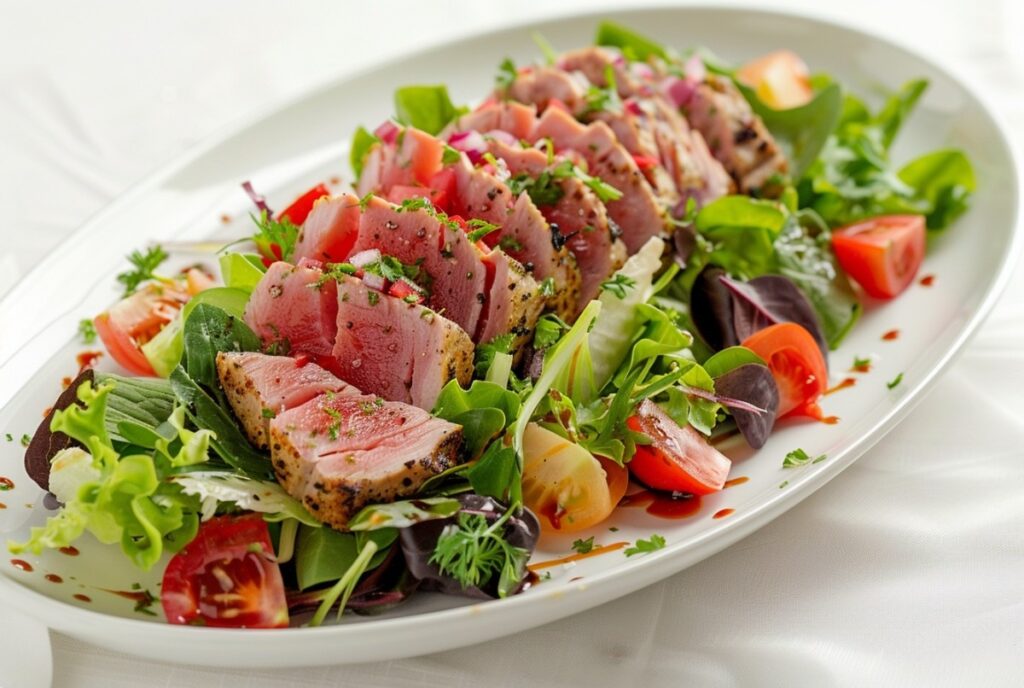
Temperature and timing: small details that make a salad taste fresh—or tired
Tuna salad is usually a quick throw-together situation. Which is exactly why the small details matter so much.
Cold + cold isn’t always delicious
At home it often goes like this: tuna from the pantry, vegetables from the fridge, dressing also cold. Mix—and the flavor feels muted. Cold dulls aroma. I’m not saying to warm your salad, but here’s an easy trick: let the tuna sit for 10 minutes at room temperature (still in the closed can, or in a bowl) while you chop the vegetables. It becomes noticeably more fragrant.
Time after mixing: when to wait and when to eat right away
Some salads benefit from a rest. With tuna and fresh vegetables, it’s a fine line.
- If there are lots of greens and cucumber, eat it right away—otherwise the greens wilt and the cucumber releases water.
- If you’re using a small amount of beans/chickpeas and a lemon-based dressing, 10 minutes can actually make the flavor more cohesive.
Quick story: I once packed a tuna salad in a container “for later,” and an hour later it was just sad—greens collapsed, tuna crumbled, and there was a puddle at the bottom. Since then I do this: keep the dry base separate, keep the dressing separate, and mix right before eating. Even at home, if I know I won’t eat immediately.
Tip: If you’re prepping ahead, store the dressing separately and add juicy vegetables (tomato, cucumber) at the last minute.
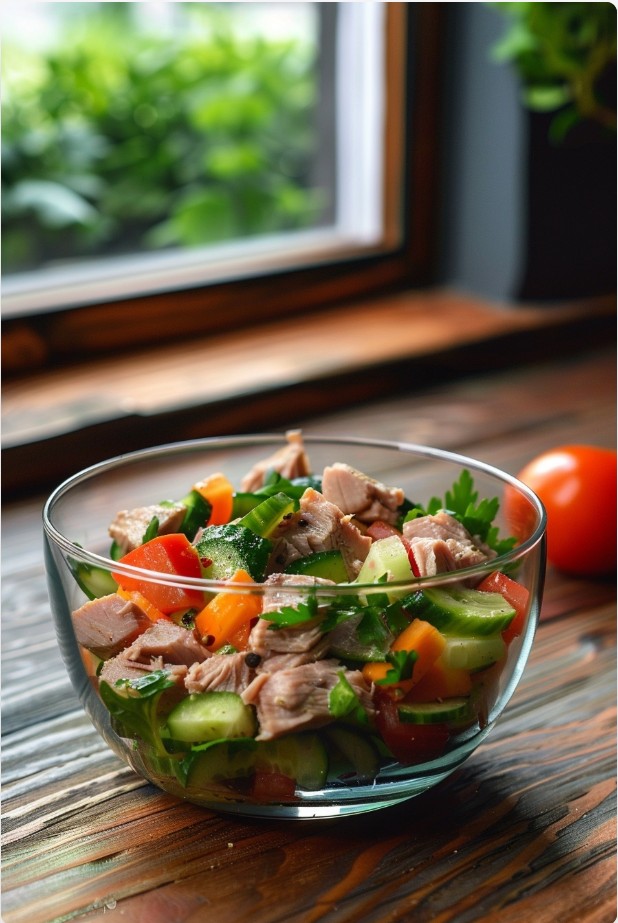
Common mistakes that make a ‘diet salad’ heavy or bland
I’ve seen these mistakes dozens of times—and made them myself. No shame here. They’re the normal pitfalls if nobody ever explains the logic.
Mistake 1: “I’ll make it healthy” and remove everything that tastes good
Oil is gone, salt is gone, acid is gone—and you’re left with tuna and greens. It tastes bland. Then you start craving bread, cheese, or something sweet because your body wants satisfaction.
Better: keep a small but real amount of fat (oil/yogurt/avocado) and always add acid plus aroma (herbs, pepper, mustard).
Mistake 2: too many “dense” add-ins
Corn, cheese, egg, beans, potatoes—each can work on its own. Together they make the salad heavy, even with a light dressing.
Better: choose one dense component and balance it with two juicy/crunchy ones. That way tuna stays the star instead of becoming “just another ingredient in the pile.”
Mistake 3: mixing until everything turns into a paste
Tuna breaks apart easily. If you stir aggressively, it turns into tiny flakes that clog up the texture.
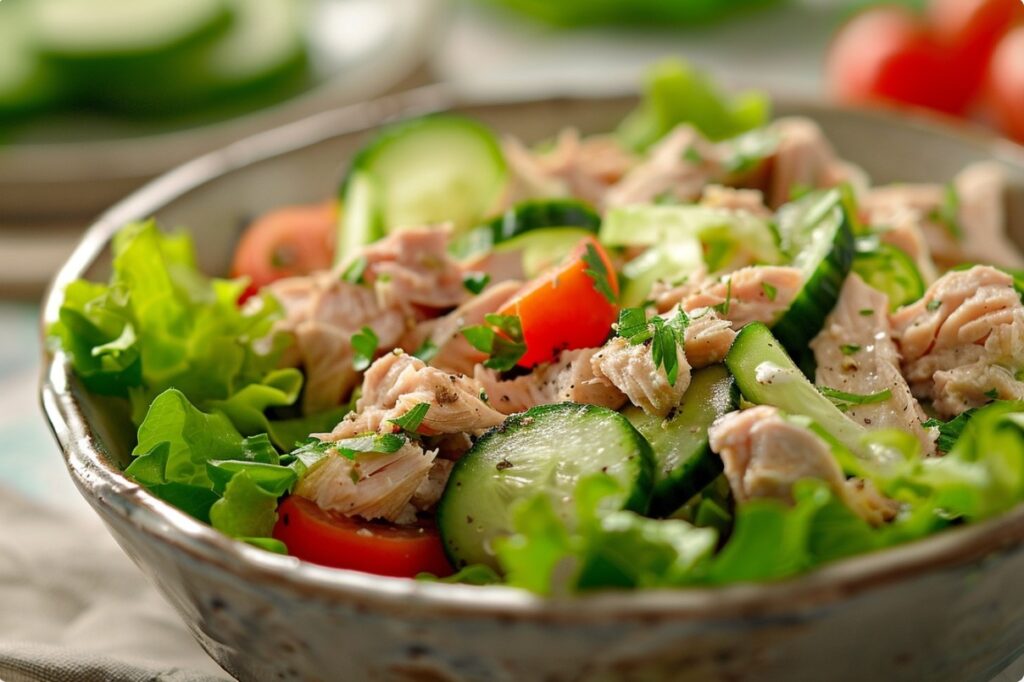
Better: toss the vegetables with the dressing first. Add the tuna at the end and gently break it into larger chunks with a fork. Keep it chunky—it tastes better and looks more appetizing.
Mistake 4: salting on autopilot
Tuna is already salty. Olives, capers, soy sauce—also salty. Then you add salt because “salad needs salt.” Result: oversalted.
Better: add acid and pepper first, toss, taste. Salt comes at the very end, and only a pinch.
Tip: If you’re worried about oversalting, salt the dressing—not the whole salad. It’s easier to control and distributes more evenly.
If something goes wrong: quick fixes that actually work
Salad is one of the few dishes you can genuinely adjust mid-way without drama. Here are the most common situations and what I do.
The salad is dry and the tuna sits in a clump
- Add a bit of acid (lemon/vinegar) and literally a spoonful of water or cucumber juice—yes, water. Toss and wait a minute.
- If you have yogurt, add a spoonful and don’t mix aggressively.
Why it works: tuna protein needs moisture to feel tender. Water plus acid gives juiciness, not greasiness.
The salad went watery—there’s a puddle at the bottom
- Remove some of the watery vegetables (especially tomato/cucumber) and drain off the excess liquid.
- Add something that absorbs moisture without making it heavy: more greens, a little grated carrot, a small amount of beans (if that works for you), or even a handful of shredded cabbage.
Why it works: you’re restoring the moisture balance. Just don’t try to “thicken” it with cheese or croutons—that changes the whole character of the salad.
You oversalted it
- Add more neutral base: cucumber, greens, unsalted tomato.
- Add a touch of acid—it distracts from salt, but don’t overdo it.
- If it’s a yogurt dressing, another spoonful of yogurt can soften the edges.
Too acidic
- Add a little fat (a drop of oil or a spoonful of yogurt)—it rounds out acidity.
- Add something slightly sweet and crunchy: a bit of carrot or corn (not half a can—just a couple of spoonfuls).
Quick story: once I went so hard with lemon that the salad tasted like a marinade. Avocado plus extra cucumber saved it—and honestly made it more interesting.
How to build a light tuna salad without a recipe: a simple formula that works every time
I’m a big fan of formulas. They give you freedom: you’re not tied to specific ingredients, but you still know what you’re doing.
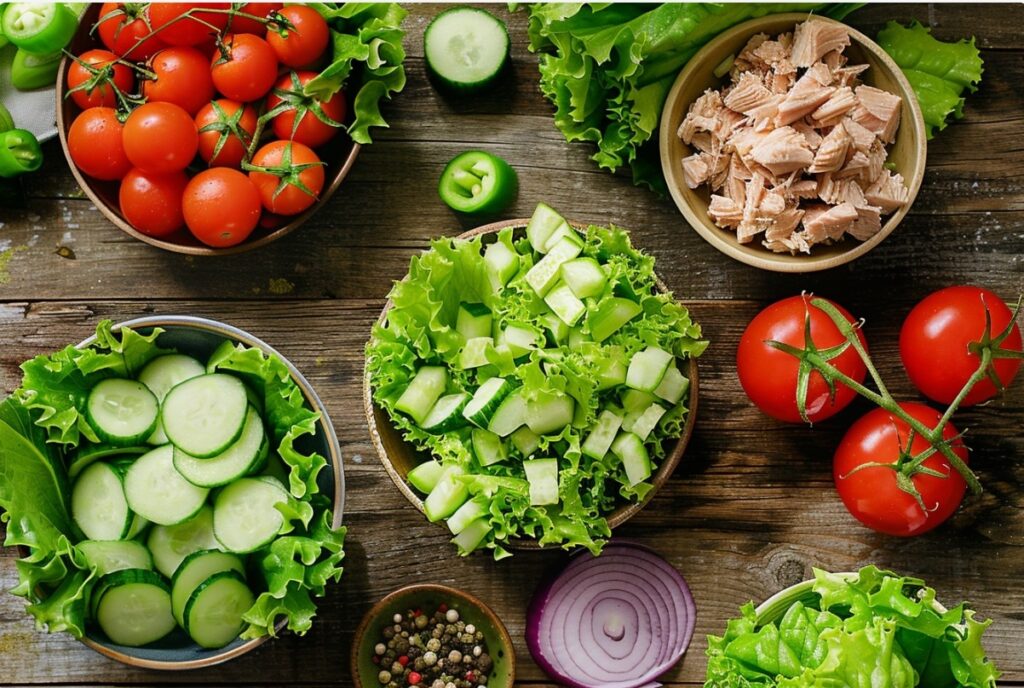
The “1–2–1” formula for a light salad
- 1 protein base: tuna (keep an eye on salt and moisture).
- 2 bulky juicy/crunchy components: cucumber + greens, or cucumber + celery, or tomato + greens (go easy on tomato to avoid a puddle).
- 1 binder: a light dressing (yogurt / oil + lemon / avocado + lemon) + herbs/spices.
Then add small flavor boosters—but not all at once: a little onion, capers, olives, mustard, black pepper. They make the salad taste more “grown-up,” but they can take over quickly if you don’t stop in time.
Signs your salad is balanced
- It smells fresh: you can catch herbs and tang before the first bite.
- Your fork has variety: a chunk of tuna, something crunchy, something soft.
- After swallowing you don’t feel like you need to “wash it down”—no oversalt and no greasy film.
- After 10 minutes it doesn’t turn into mush (or at least you understand why it would).
Tip: If you’re unsure whether it’ll feel heavy, cut the dense add-ins in half and add more crunchy vegetables. Lightness almost always lives in volume and texture—not in “zero fat.”
A light, diet-friendly tuna salad isn’t about restrictions. It’s about keeping the tuna juicy, the vegetables crisp, and the dressing smart: a little fat for flavor, enough acid for freshness, and controlled salt. When those pieces line up, you get a salad you want to eat slowly—and you still feel good afterward.
So what usually goes wrong with your tuna salad—does it dry out, turn watery, taste bland, or end up too salty? Tell me what you typically add, and I’ll point out the easiest place to tweak the balance.
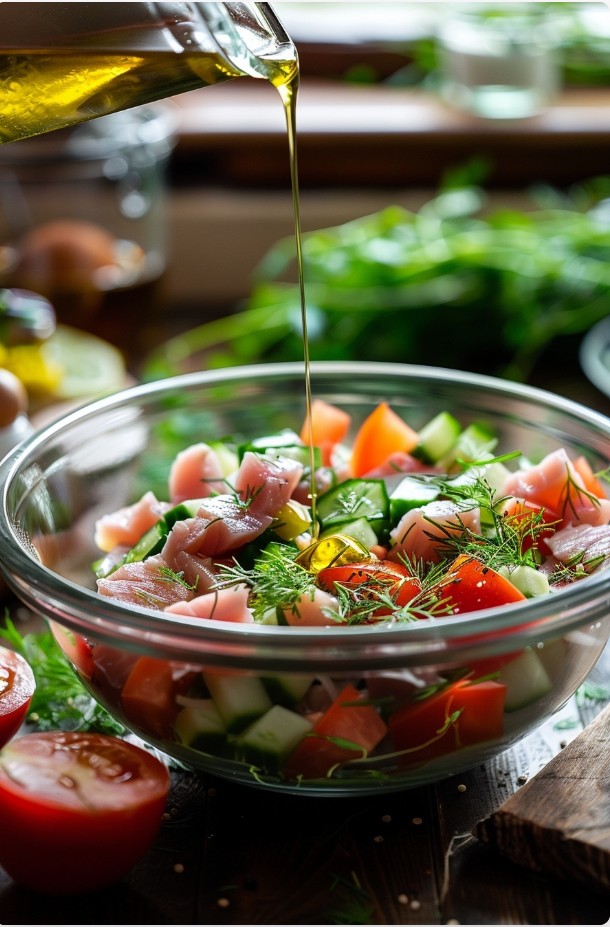
If you want to make the dish even lighter and cut unnecessary fats, it’s worth looking at mayo-free salads—these versions keep the freshness, texture, and natural flavor of the ingredients without loading the salad with extra calories.
FAQ
How do you make tuna salad truly diet-friendly, not just ‘light-looking’?
Keep the dressing under control (skip mayo and heavy sauces, use a yogurt-based dressing or minimal olive oil) and increase fresh vegetables for volume and fiber. That’s what makes it filling without adding lots of calories.
Which tuna is best for a diet-friendly salad?
Tuna in water (or brine) is usually best because it’s lower in calories and lets you control added fat. Choose tuna that’s still juicy and naturally colored; if it’s dry, add a small amount of light dressing rather than switching to oil-packed tuna.
Can you use olive oil in a diet-friendly salad?
Yes, but use a small amount. Olive oil is healthy but calorie-dense, so about 1 teaspoon is often enough if you toss well and balance it with lemon or vinegar.
What ingredients make the salad filling but not heavy?
Pair tuna with plenty of fresh vegetables (cucumber, greens, tomatoes) and add just a small amount of a denser ingredient like egg, avocado, or legumes. Avoid piling on cheese and rich sauces.
Can you make tuna salad without mayo and still keep it from being dry?
Yes. Use plain yogurt, lemon juice, a little mustard, or a small amount of olive oil, and include juicy vegetables. The goal is moisture plus acidity, not extra fat.
Why does a diet-friendly salad sometimes taste bland?
Because people remove fat and salt but forget acid and aromatics. Lemon, vinegar, herbs, pepper, and a small amount of a light dressing make the flavor feel complete.
Is this kind of salad good for weight loss?
It can be, especially because tuna is high in protein and keeps you full. Load up on vegetables and keep fatty add-ins and dressing portions modest.
How can you make the salad juicier without adding extra calories?
Add juicy vegetables, a splash of lemon, or a spoonful of yogurt. If the tuna is dry, add a little moisture (even a spoonful of water or cucumber juice) instead of more oil.