The History of Amosov’s Paste Recipe

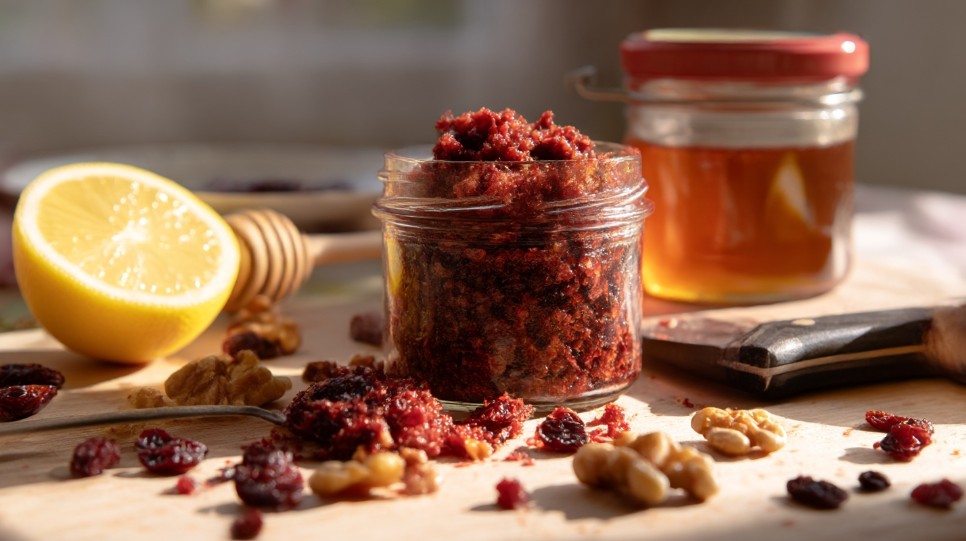
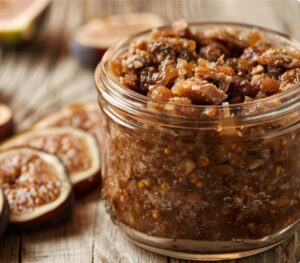
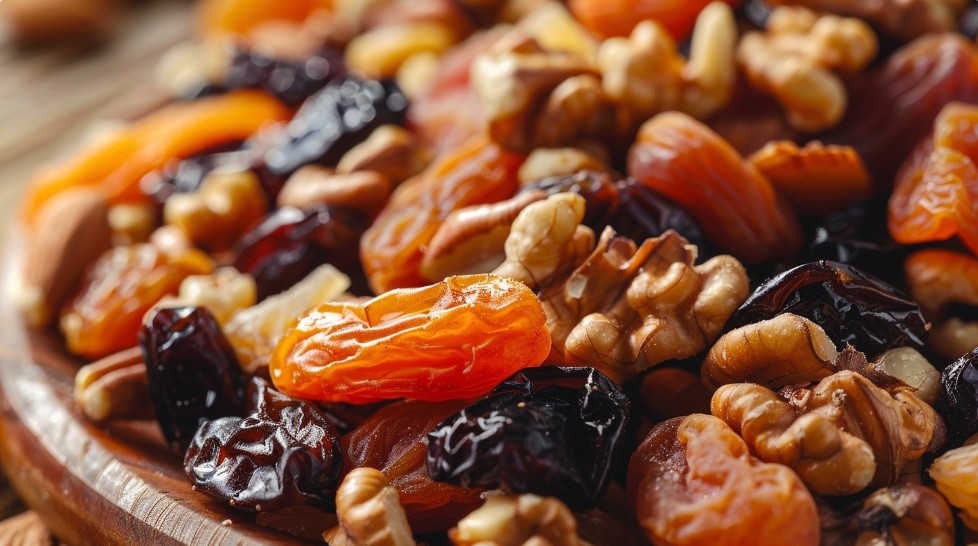
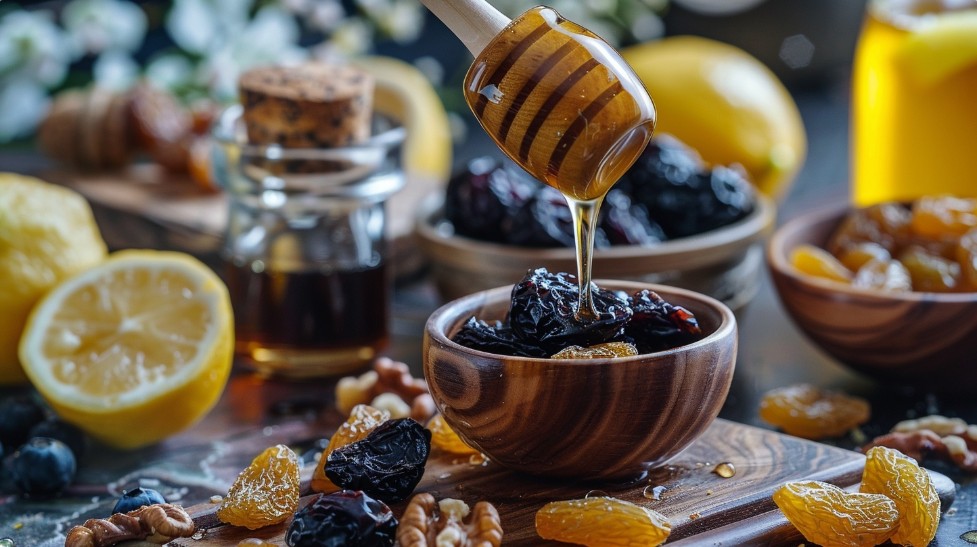
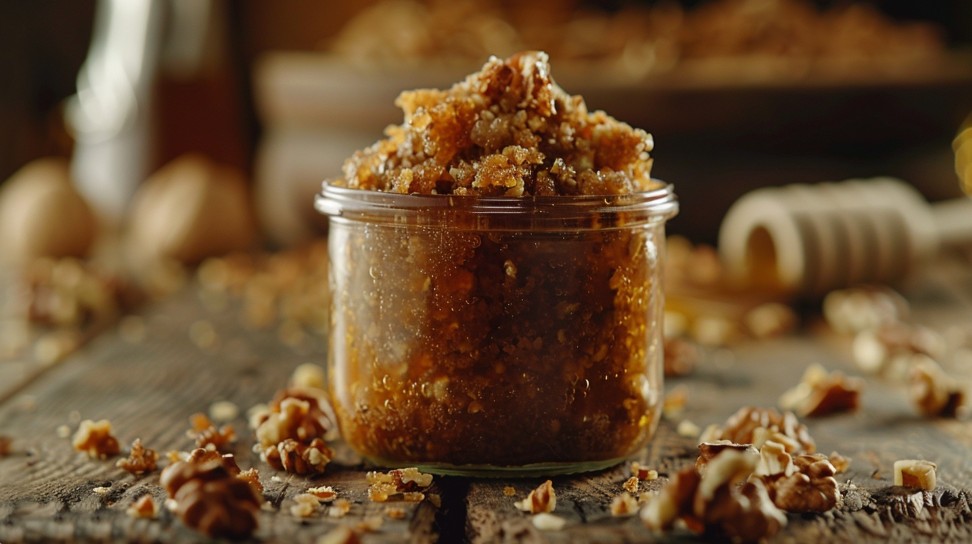
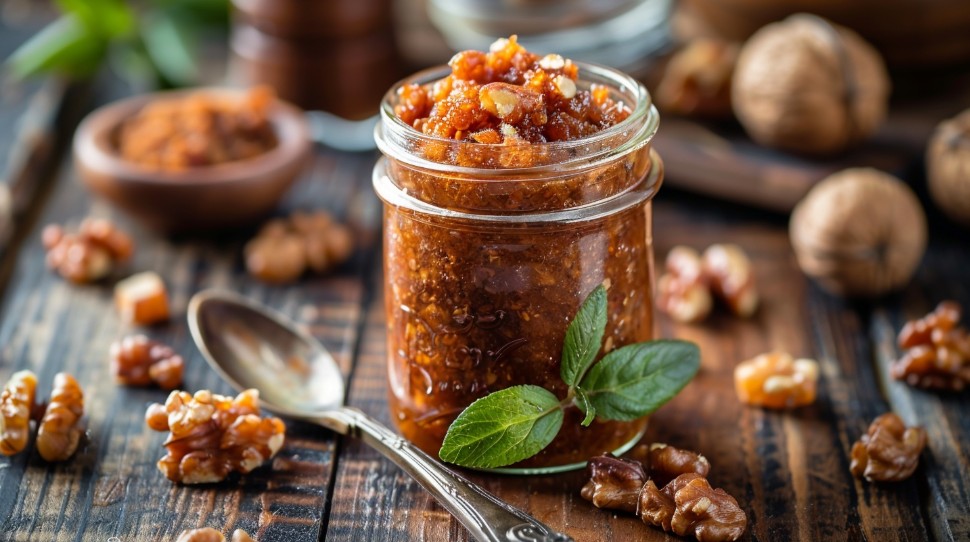
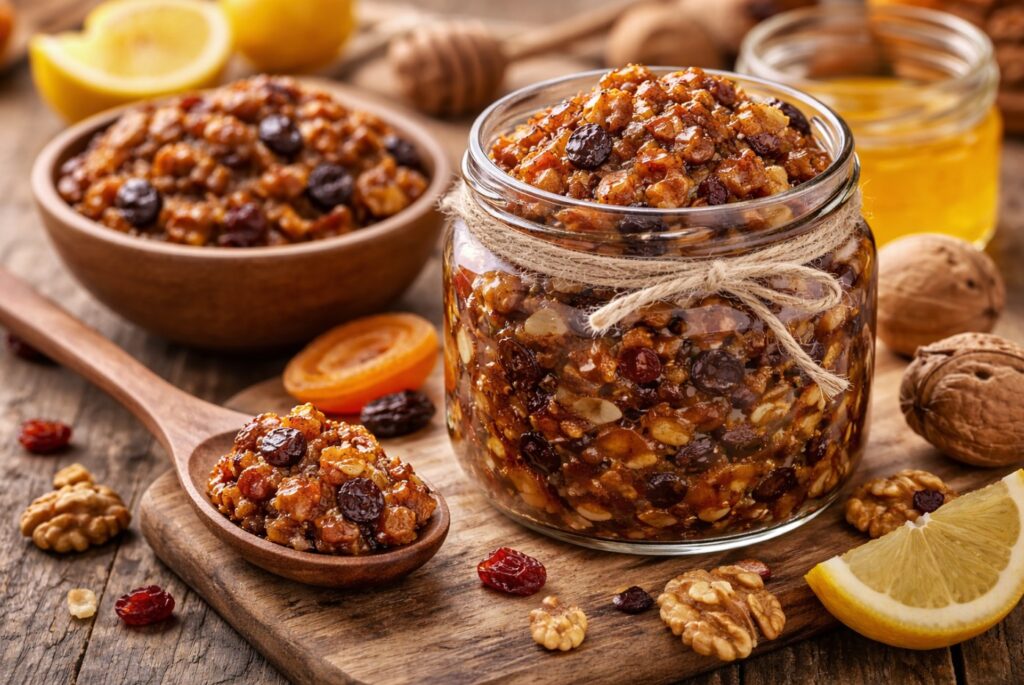
What is this paste and why is it called that? Under the name “Amosov’s paste,” people usually mean a thick mixture of chopped dried fruits, nuts, and honey. Most often, it includes dried apricots, raisins, prunes, walnuts, honey, and sometimes lemon. Everything is passed through a meat grinder or chopped by other means to a dense mass.
It’s important to immediately distinguish between fact and tradition. There is no scientifically documented recipe created by Mykola Amosov himself. The name was formed more popularly — through association with his approach to lifestyle, nutrition, and recovery after illnesses.
Amosov himself was a cardiac surgeon, and in his books and speeches, he often spoke about moderation in food, simple products, and personal responsibility for one’s health. However, he did not position himself as an author of culinary recipes. What is today called “Amosov’s paste” is more of a popular homemade mixture that over time was linked to his name.
Such mixtures, by the way, existed long before the 20th century. The combination of dried fruits, honey, and nuts is characteristic of various cuisines — from Middle Eastern to European. They were valued for their nutrition, long shelf life, and simplicity of preparation. Therefore, the idea itself is not unique — the name became unique.
Another point: in different families, the composition of the paste varies. Some add figs or cranberries, some remove lemon, and some change the ratio of honey. This is a normal evolution of a homemade recipe, not a departure from a “canon,” which in fact does not exist.
Who was Mykola Amosov and what did he say about nutrition
Mykola Mykhailovych Amosov (1913–2002) was a Ukrainian cardiac surgeon, academician, and one of the founders of heart surgery in Ukraine. He spent most of his professional life working in Kyiv, heading the Institute of Cardiovascular Surgery. His name is associated not only with surgeries but also with public reflections on health, personal responsibility for one’s condition, and self-discipline.
Amosov wrote extensively — not as a culinary expert but as a doctor and thinker. In his books, he described his own system of health maintenance: physical exercise, weight control, dietary restrictions, and minimization of excesses. He spoke against overeating and excess animal fats, emphasizing the simplicity of the diet.
At the same time, there is no recorded “official paste recipe” that he formulated as an author. The doctor’s name became associated with the mixture of dried fruits and nuts due to the general logic: nutritious products, concentrated energy, simplicity of composition. Hence the popular name — “Amosov’s paste.”
Thus, it is important to understand: the recipe is not Amosov’s culinary invention. It is rather an example of how the name of a famous person becomes a symbol of a certain lifestyle approach, and over time, it becomes attached to a specific homemade mixture.
Where did the mixture of dried fruits and nuts come from
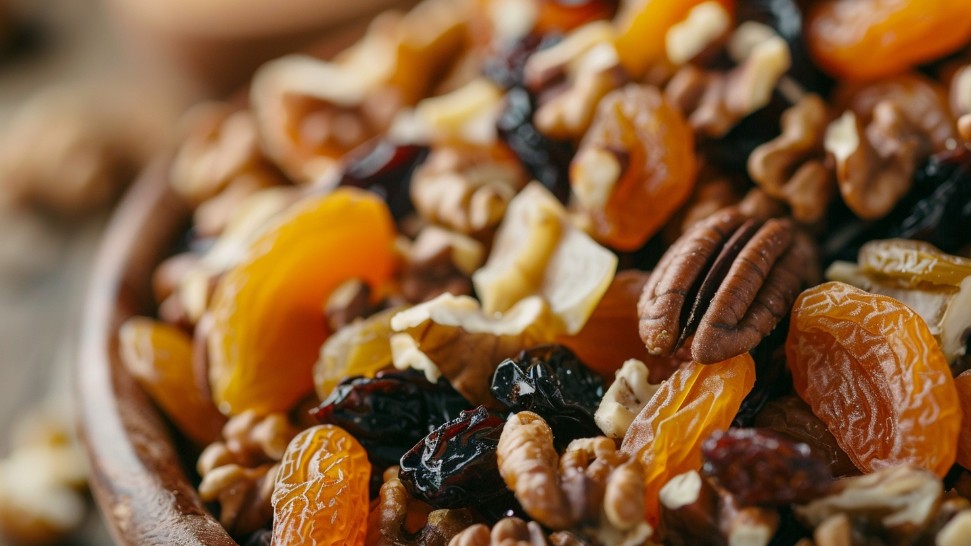
The combination of dried fruits, nuts, and honey has a long history. Similar mixtures existed in various cultures as concentrated food — convenient for storage, transportation, and quick consumption. They did not require thermal processing and could remain usable for a long time.
In the Soviet and post-Soviet space, such mixtures gained popularity at the end of the 20th century. The reasons were practical: available ingredients, relative simplicity of preparation, and the ability to store in the refrigerator. Nuts and dried fruits were not exotic, and honey was often found in many households.
In the 80s and 90s, when popular medical books were widely read, Amosov’s name became known to a broad audience. People were looking for simple ways to “support the body.” It was during this period that the name of the mixture likely became fixed as “Amosov’s paste” — through association with the doctor who spoke about responsibility for health.
There are no direct archival documents recording the moment the name was born. This is typical for many homemade recipes: they spread orally, through acquaintances, medical recommendations, publications in newspapers or magazines, and later — through internet forums.
Why these ingredients
The composition of the paste seems logical from a practical point of view.
Dried fruits are a concentrated product. During drying, moisture decreases, and nutrients remain in a denser form. They are naturally sweet without added sugar.
Walnuts are a source of fats and texture. They make the mass not just sweet but denser and more filling.
Honey acts as a binding component. It glues the chopped mass, making it homogeneous. It is also naturally sweet and helps preserve the product.
Lemon (if added) balances the taste. A small amount of juice or zest reduces excessive sweetness and makes the mixture less cloying.
All this together creates a product that does not require cooking, complex techniques, or rare ingredients. It is the simplicity of the composition that became the basis of its popularity.
How the recipe became popular and why the name stuck
The spread of Amosov’s paste was not centralized. This is a typical example of “word of mouth.” Someone heard from a doctor, someone read in a magazine or book about a healthy lifestyle, someone received the recipe from relatives or colleagues.
Especially actively, the mixture began to be discussed in the 90s. This was a period when interest in self-care for health was growing, and access to medical information was becoming broader. Amosov’s name was already well-known, so any advice related to simple nutrition and body recovery was often associated with him.
The internet only reinforced this process. On forums, blogs, and culinary communities, the recipe began to be widely called “Amosov’s paste.” Over time, this became the standard name, although historically it arose more as a popular label rather than an official recommendation from the doctor.
An interesting point: the recipe’s popularity grew not because of complexity or sophistication, but precisely because of simplicity. It is easy to reproduce at home without special skills, and this has always been a strong factor in its spread.
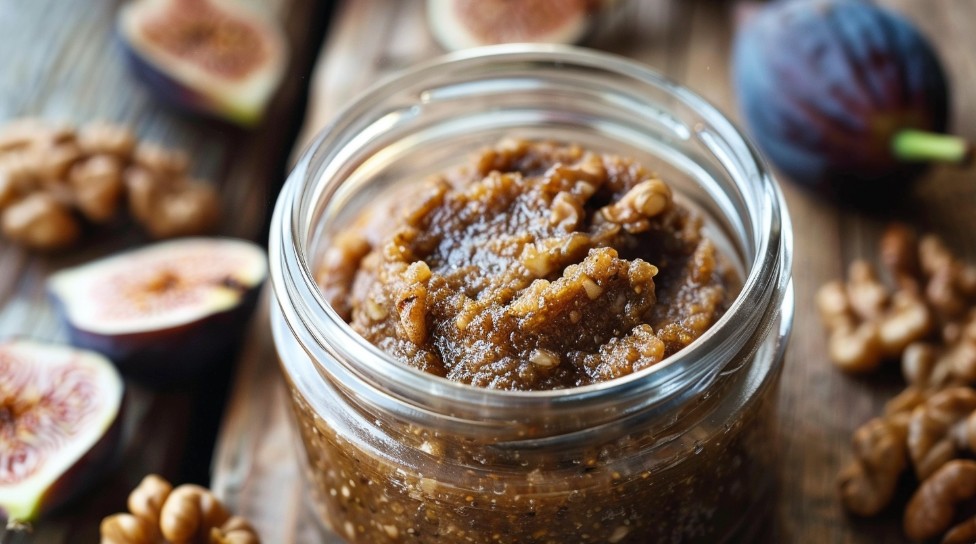
Recipe variations
Since there is no canonical author’s recipe, variations appeared naturally. The basic composition — dried apricots, raisins, prunes, walnuts, and honey — varies in different families depending on taste and product availability.
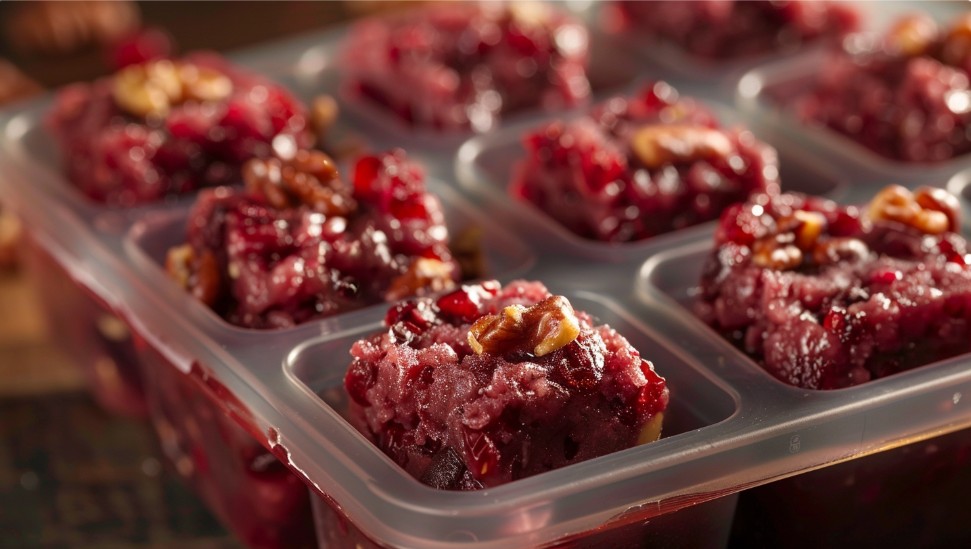
Figs or cranberries are often added. Figs make the mass denser and less sweet, cranberries add tartness. Some completely remove lemon to avoid excess moisture. Others, on the contrary, use only the zest.
There are variations with other nuts — almonds or hazelnuts. However, walnuts remain the most common due to their availability and characteristic texture after chopping.
Proportions of honey also change. Some add the minimum — just to bind the mass. Others make the mixture softer and sweeter.
These changes are not deviations from the “correct recipe.” They demonstrate that Amosov’s paste is a living home tradition, not a fixed culinary formula. More recipes in the article.
Myths and inaccuracies around Amosov’s paste
Many exaggerations have accumulated around the recipe. Some arose from the desire to “enhance” the significance of a simple homemade mixture.
One of the most common myths is that Amosov personally created a specific recipe. There is no direct confirmation of this. He spoke about a healthy lifestyle, but left no culinary formulas.
The second myth is that it is a medicinal product. In fact, it is a nutritious mixture with high caloric content. It can be part of a diet but does not replace medical recommendations and is not a “treatment means.”
Another myth is the existence of a single correct composition. In different families, proportions change, other dried fruits or nuts are added. This is normal evolution of a homemade recipe.
Sometimes the paste is attributed almost symbolic significance — “superfood,” “elixir,” “universal prevention.” Such formulations should be taken critically. Above all, it is just food.
How the recipe has changed over time
Modern versions of the paste often differ from those prepared several decades ago. New ingredients have appeared — dried cranberries, figs, various types of nuts. This is related to product availability and changing culinary habits.
The preparation technique has also changed. Previously, a meat grinder was almost always used. Now blenders are more often used, although many return to the meat grinder for more stable texture.
Another change is the attitude towards the product. If earlier the mixture was often perceived as “something useful on a doctor’s advice,” today it is more viewed as a homemade energy snack or traditional preparation.
Interestingly, despite new variations, the basic idea has not changed: minimal processing, simple ingredients, homemade preparation.
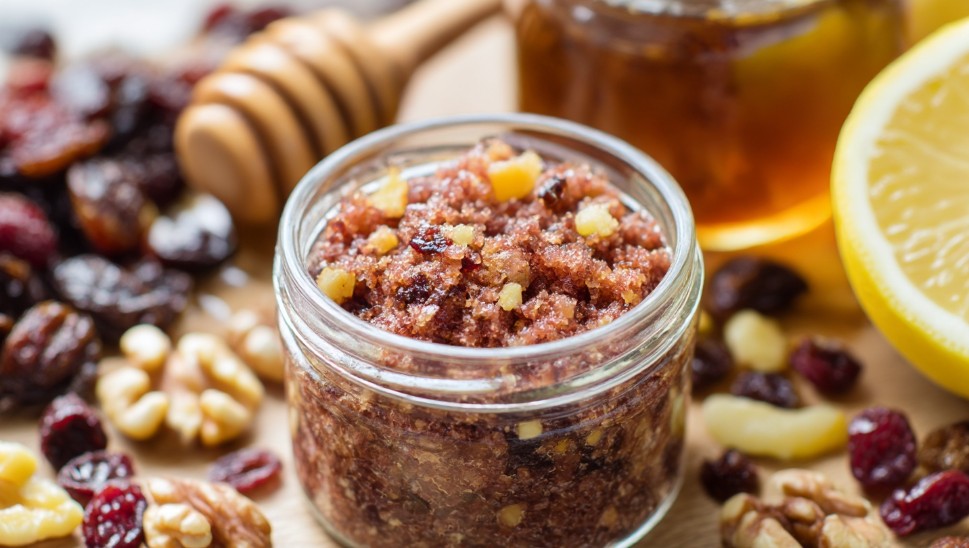
How Amosov’s paste is perceived today
Now this mixture exists in several contexts. For some, it is a family tradition passed down from parents or grandparents. For others, it is a modern homemade product without industrial additives.
In culinary blogs and social networks, the paste is often shown as an example of simple preparation without complex techniques. At the same time, the medical aura around it is gradually weakening — people talk more about taste, texture, and convenience.
It is no longer a “doctor’s recipe,” but rather part of home culinary culture. And there is nothing wrong with that: many traditional products go through a similar path — from practical recommendation to ordinary kitchen habit.
Amosov’s paste is not a unique invention or a secret recipe. It is a simple mixture of dried fruits, nuts, and honey that gained a popular name through association with a famous doctor.
Its history is more about everyday life, tradition, and the way recipes spread than about culinary authorship. It shows how “home legends” are born: first a convenient mixture, then a name, then myths, and eventually a stable culinary practice.
Today, Amosov’s paste is an ordinary product of home cooking. Without excessive symbolism, but with an interesting history of the name. And, as often happens with simple things, it is in this simplicity that its main value lies.
Limitations and common sense
Amosov’s paste is a concentrated product. It contains a lot of natural sugars from dried fruits and honey, as well as fats from nuts. That is why it is usually perceived as a small addition to the diet, not as a separate dish in large quantities.
There is no universal consumption norm. The reaction to dried fruits, nuts, or honey varies among people. Some tolerate such a mixture well, others limit it due to individual dietary characteristics or medical recommendations.
It is also important to remember about allergic reactions. Nuts and bee products are among common allergens, so a new product should always be introduced cautiously.
Storage should also be mentioned. Due to the natural sweetness and moisture of dried fruits, the mixture is best kept in the refrigerator in a tightly closed container. This is not a complex requirement, but it affects the stability of texture and taste.
In the end, it all comes down to a simple principle: Amosov’s paste is food, not a universal remedy. Common sense and moderation are more important here than any legends.
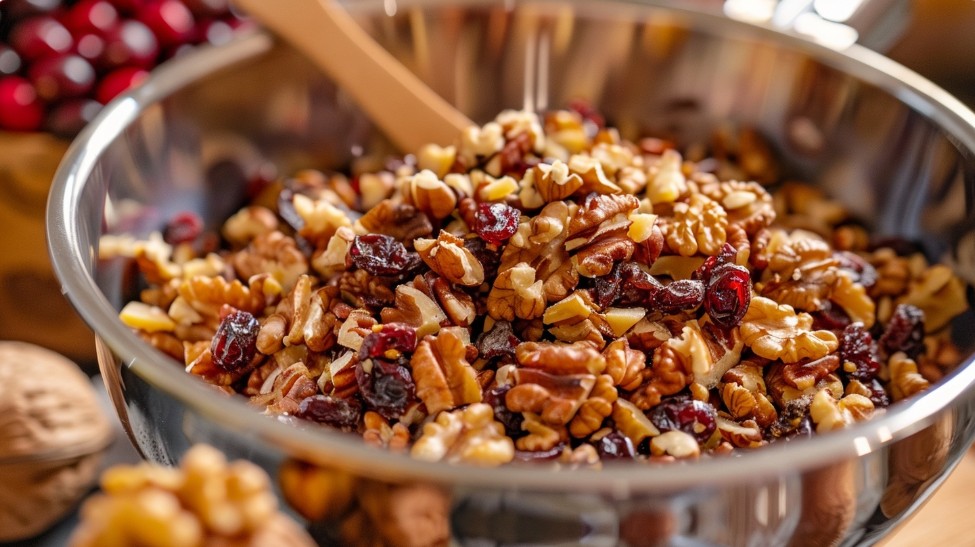
The history of Amosov’s paste is an example of how a simple homemade mixture can acquire the name of a famous person and over time become a separate cultural phenomenon.
The fact remains simple: it is a combination of dried fruits, nuts, and honey that existed long before the name was fixed. Mykola Amosov did not leave a culinary formula, but his authority in health matters contributed to the mixture being associated with him.
The recipe has no strict canon, is not a medicinal remedy, and does not require mythologizing. Its strength lies in practicality, accessibility, and simplicity of preparation.
Today, Amosov’s paste is part of home culinary tradition. It exists without loud statements, without official standards, but with a rather recognizable history of the name. And it is in this ordinariness that its resilience lies: simple recipes live longer than legends.