

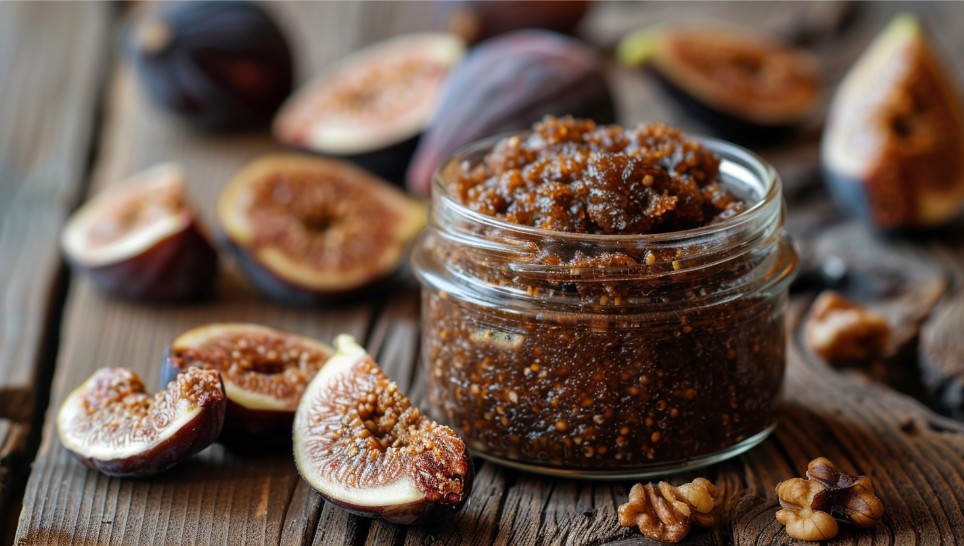
Amosov’s classic paste is a concentrated blend of dried fruits, nuts, and honey. In this signature version, the ingredients remain largely unchanged, but the approach is different. The nuts are lightly toasted to enhance their aroma, ensuring a dense yet not heavy texture.
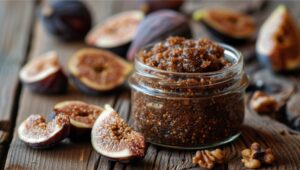
Figs add depth without overwhelming sweetness. They work quietly, complementing apricots and enriching the flavor.
Lemon is introduced delicately — just thin zest and minimal juice. Its role is not to aggressively refresh, but to accentuate.
The main focus here is the structure. The mixture should be dense, not sticky. It holds its shape but easily separates with a spoon.
Choosing Your Ingredients
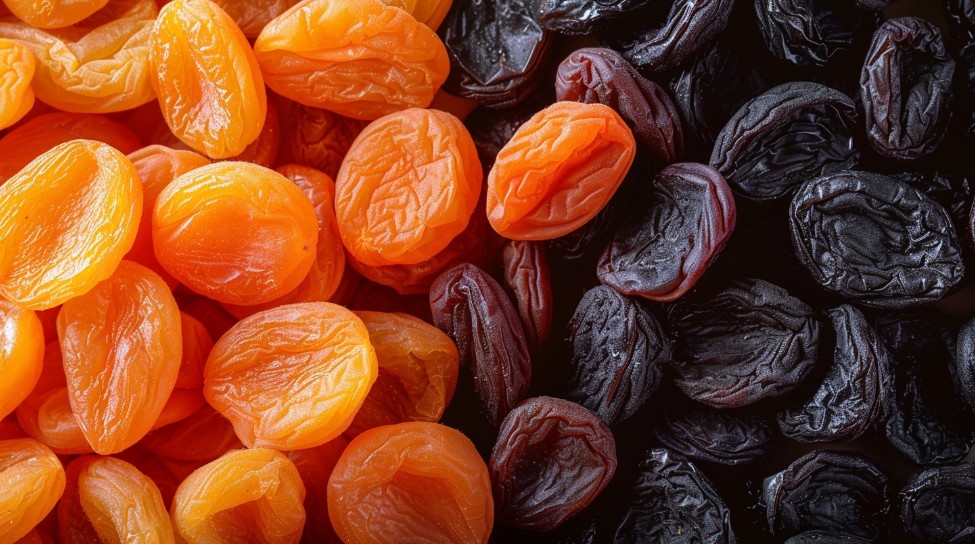
Dried Apricots
Your dried apricots should be neither rock-hard nor overly dry. If they’re too tough, the paste will turn out grainy and crumbly. Too moist, and the mixture becomes sticky. Aim for a natural color — from light orange to dark amber. A bright sheen often indicates processing. Check their firmness: they should spring back slightly when pressed.
Raisins
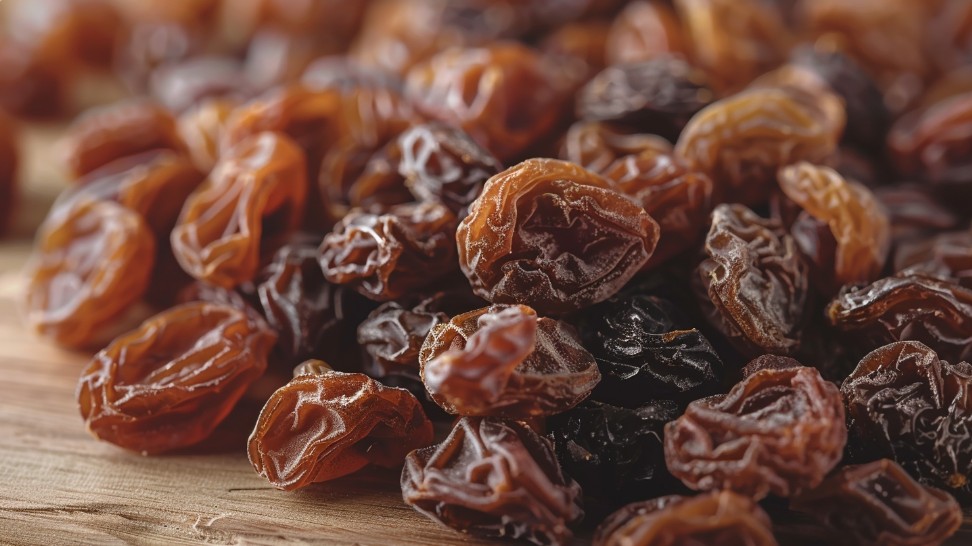
Your raisins should be firm, not wet. If they’re sticky and too shiny, they can add unwanted moisture to the mix. If too dry, the paste loses its smoothness, leaving hard bits. The aroma should be clean, without sour or musty notes. Medium-sized ones are best — large ones can disrupt the texture. Check for stems before processing.
Dried Figs
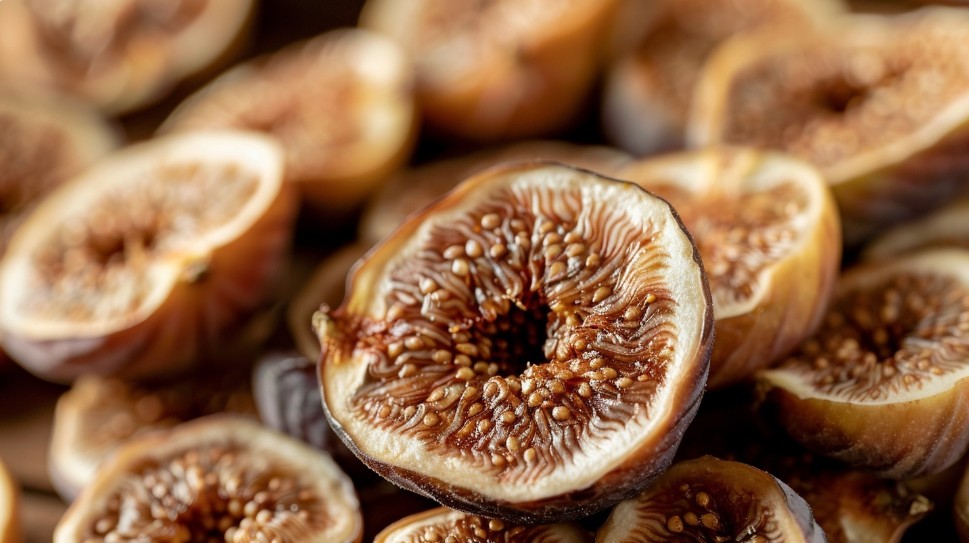
Go for dried figs with a wrinkled brown exterior and a dense, light center with seeds. They shouldn’t be sticky or soft like fresh fruit pulp. Excess moisture will make the mixture sticky. If too hard, the texture becomes uneven. Cut figs into smaller pieces before processing to ensure even blending.
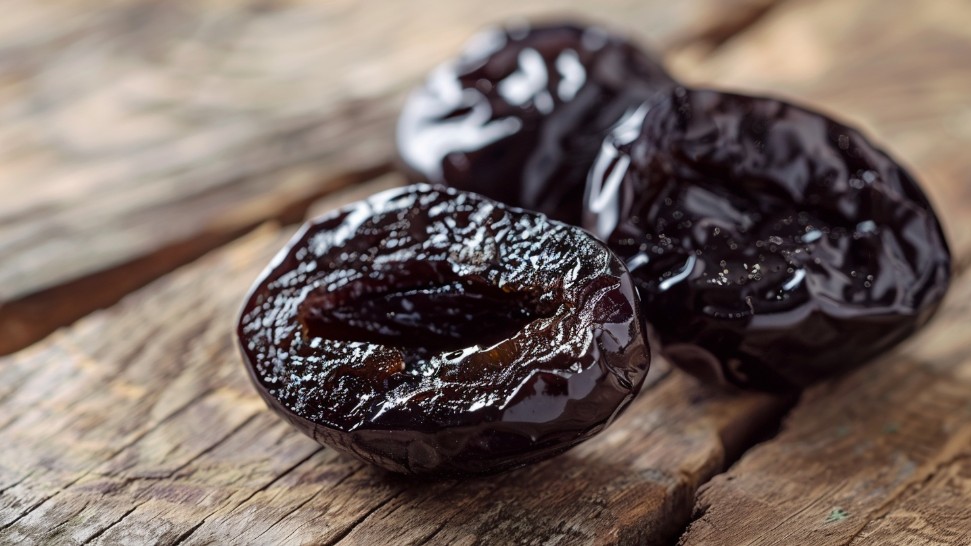
Prunes
Your prunes should be soft yet not raw. If too moist, the paste will become runny even with the right amount of honey. Too dry, and you’ll get coarse fibers. There shouldn’t be any excess syrup inside. The color should be dark and even. If there’s a sharp sour smell, it’s best not to use those prunes.
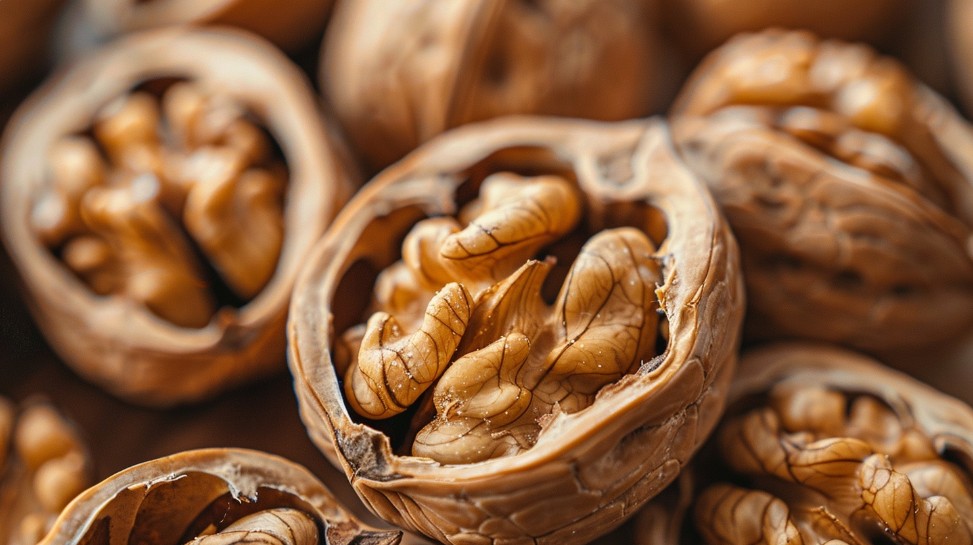
Walnuts
Ensure your walnuts are fresh, without bitterness. The inside should be light, free of dark spots. If the aroma is weak or stale, they’re old. Lightly toasting them before chopping enhances the flavor, but don’t overheat. The nuts shouldn’t be damp or rancid. Taste a few before using.
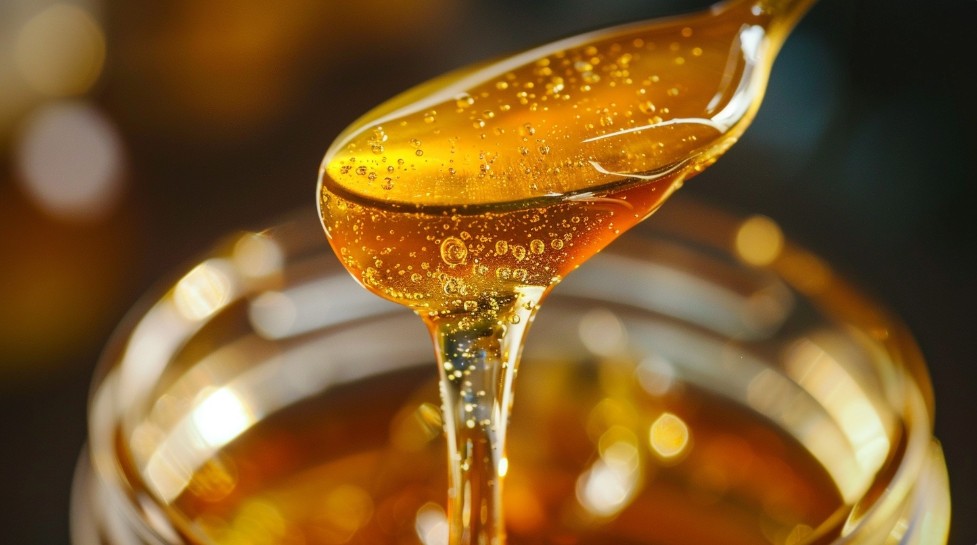
Honey
Opt for natural honey, free from foreign odors. If it’s too runny, the paste will be soft. If too thick, it will be hard to mix evenly. The color doesn’t matter, but the aroma should be pure. Adjust the amount of honey after mixing the dried fruits, adding it in parts.
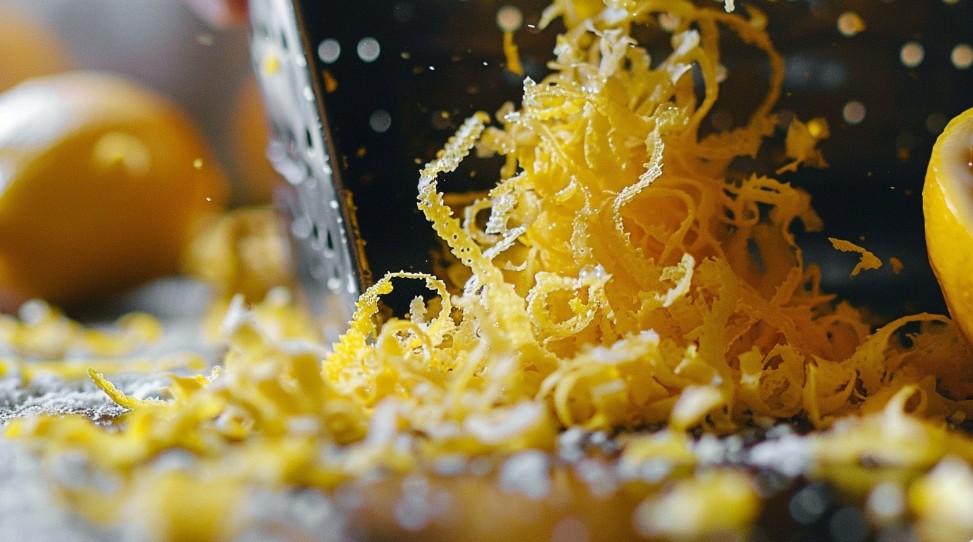
Lemon
Choose a fresh lemon with a firm skin, avoiding any with dark spots. Use only the thin yellow zest — avoid the white part. Add the juice gradually to avoid making the mixture too soft. If the lemon is very juicy, start with a minimal amount. Its role is to balance the sweetness, not to make the mix sour.
Before You Start
This paste is a concentrated mix of dried fruits, nuts, and honey. It’s often made as a nutritious addition to your diet when you need dense, energy-rich food without cooking. A small portion is perfect for those with an active day, involved in physical work or sports, needing a quick energy boost.
It’s also convenient for those short on time for complex snacks. One teaspoon offers a substantial amount of calories and micronutrients. The mixture stores well in the fridge and doesn’t require additional prep before serving.
Who Should Be Cautious
The paste contains a high amount of natural sugars. People with carbohydrate metabolism issues, diabetes, or insulin resistance should consult their doctor and monitor their portion size.
Nuts and honey are potential allergens. If you’re prone to allergic reactions, start with a minimal amount.
Due to its high caloric content, this mixture isn’t for uncontrolled consumption. It’s not a dessert in the traditional sense but a concentrated product meant to be eaten in small portions.
Also, consider individual sensitivity to lemon. If you have stomach issues or high acidity, reduce the amount of citrus or opt for a version without it.
Best to view this paste as a dietary supplement rather than a meal replacement. Always listen to your own body’s responses.
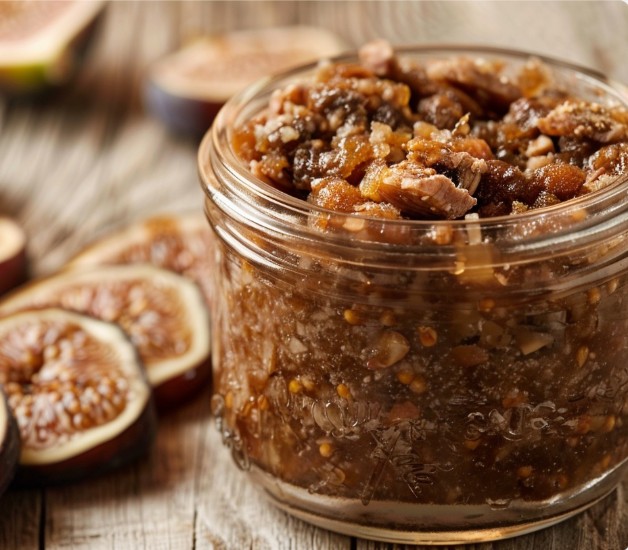
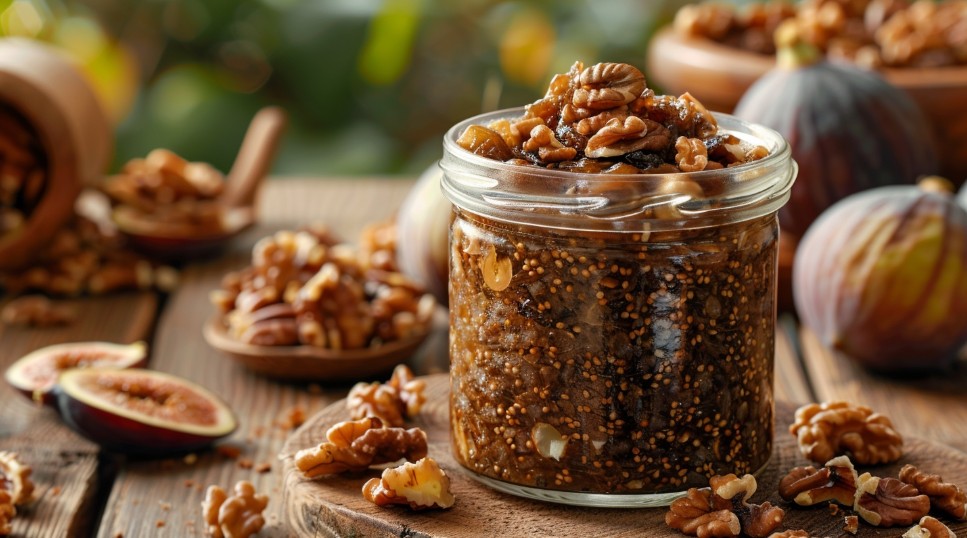
Amosov's Signature Paste
Ingredients
- 200 g dried apricots The dried fruit should be free of excess moisture.
- 150 g raisins
- 150 g prunes
- 150 g dried figs
- 200 g walnuts Lightly toast the nuts for 2–3 minutes in a dry pan, then cool.
- 200 g natural honey Add the honey in parts, adjusting the thickness.
- 1 piece lemon Add lemon gradually to avoid overwhelming the acidity.
Method
- Start with the nuts. Lightly toast them in a dry skillet, stirring. When a warm aroma arises, remove from heat and let them cool completely. This will enhance the flavor without making the nuts bitter.
- Check the dried fruits and if needed, pat them dry with a towel. Chop the apricots, figs, and prunes into smaller pieces. Pulse them in a blender. Don't turn the mixture into a paste-like state.
- Chop the nuts separately, leaving small pieces. Mix with the dried fruits in a large bowl. Stir with a spatula, not a blender.
- Add honey in parts, stirring after each addition. Once the mixture comes together, introduce some zest and a minimal amount of lemon juice. Taste — the flavor should be deep, without sharp acidity.
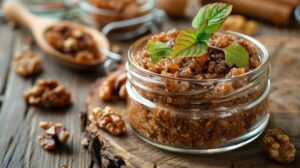
- Transfer the paste to a dry jar, press down with a spoon. Seal and refrigerate for at least overnight. During this time, the texture will stabilize, and the aroma will meld.
Notes
- Don't toast the nuts too long to avoid burning.
- Pulse the dried fruits in the blender.
- It's better to cut figs with a knife before processing.
- Add honey gradually, watching the mixture's gloss.
- If the paste seems too soft, add some ground nuts.
- If too dense, add a few drops of lemon juice.
- Avoid blending everything into a smooth cream.
- Let it sit for at least 8 hours.
- Store in a glass jar without air exposure.
Private Notes
Tried this recipe?
Let us know how it was!I dislike it when pasta turns into a sticky mess. That’s why I keep the texture lively. The light bits of nuts add a rhythm to the flavor.
Toasted nuts work better than raw ones. The aroma deepens, and a warm note emerges.
Fig isn’t for sweetness, but for balance. It makes the flavor more cohesive.
I gradually add honey until the mixture holds together without excess shine.
After a day, this version tastes better than right after mixing.


Responses