The Benefits of Legumes and How to Cook Them

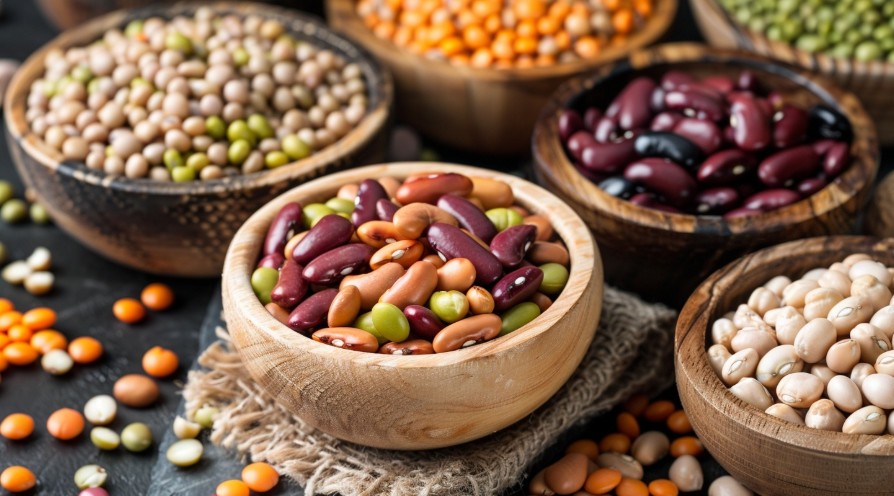
You know how sometimes you come home from the market with something simple in your bag: beans, lentils, or chickpeas. Legumes are not about complicated recipes; they’re about everyday life. They don’t require extra flair but come to the rescue when you want something hearty and healthy. I’ve learned to pay attention not only to the price but also to the feeling: does it smell fresh, does the grain look alive, does it not crumble in your hand? Legumes are often underestimated, but when you embark on a true culinary adventure, they become the foundation from which everything begins. And it’s not about superfoods, but about simple care for yourself and your loved ones.
How to Choose Legumes: What to Look For
At first, it seems simple — you come, buy some peas or beans, and that’s it. But there are quite a few nuances. If you’re standing at the counter, don’t rush to grab the first thing you see. Pay attention to the color of the grain: it should be even, without spots or gray specks.
There have been times when you buy beans and find half of them with dark “eyes” or even with holes at home — this is a sign that the product has been sitting for a while or someone “loved” it at the warehouse. The smell will also tell you. Fresh beans or chickpeas should not have any foreign aroma, just a light “grainy” hint. If you smell mold, mustiness, or something sharp — it’s better to put it aside.
The texture of the grain under your fingers is another indicator. I always try to rub one or two grains: fresh legumes are hard but not stone-like, without chips. If they break, crumble, or look shriveled — it’s not the best option. And don’t be lazy to check the packaging date if you’re buying in a store: fresh is always better, even if the price is a bit higher.
Seasonality and Place of Growth: Does It Matter
Legumes can be found all year round, but they are tastiest right after harvest — in the fall. I know farmers who sell beans and peas literally from the field, and the difference in quality is striking. The grain is shiny, dense, and doesn’t smell of dust or storage.
In summer, if you come across fresh green beans or peas — it’s also a seasonal gift. They are soft, juicy, with a subtle aroma that immediately reminds you of childhood in grandma’s garden. Sometimes I buy legumes from small sellers at the market — those who grow them themselves. Their product is rarely stale, and the taste is completely different.
I’ve noticed more than once: imported packaged beans may look attractive but fall short of local ones in taste and cooking speed. Old grain cooks for hours and often doesn’t cook evenly. So, if there’s a choice, I always go for fresh, local, seasonal products.
Packaging, Sorting, and Marketing Traps
Marketers can surprise you here. Often the package says “eco-friendly,” “superfood,” or “organic,” but this is not always confirmed by quality. I buy legumes both by weight and in packaging — it all depends on the seller and the appearance.
The plastic packaging should be intact, without condensation inside. If you see a lot of dust, fragments, husks — it’s a sign that the grain was broken, sifted, or it’s been lying around for months. At the market, you often come across open bags — it’s important to smell and look at the bottom: if there’s a lot of dirt, dust, or small insects — choose another counter.
I had a case: I bought lentils in a bright package labeled “selected,” and at home, it turned out they were all cracked, half the grains were broken. Conclusion: don’t fall for a pretty label. It’s better to double-check than to complain about the taste and quality later.
Price and Common Sense: When to Pay More
There’s often a temptation to take the cheapest. But with legumes, this trick doesn’t work. A cheap product is likely old or unsorted. I’ve bought beans at a promotional price a few times and then cursed: half the grains don’t cook, there are impurities and even stones.
If you see a price difference of 10-15 hryvnias between packaged and weight — it’s not always a sign of “markup” by the seller. Often the more expensive product is a fresh arrival or a better variety. This is especially noticeable with chickpeas and lentils: fresh grain cooks quickly, has a good aroma, and doesn’t turn into mush. I’m always ready to pay a little more if I see a product that looks and smells genuinely fresh.
I’ve had cases where I bought expensive beans from a little old lady at the market, and they cooked much better than store-bought ones. Here, a simple principle works: if you plan to cook for yourself or your family, don’t skimp on the product that forms the base of the dish. But there’s no point in overpaying for a brand or trendy packaging either.
How to Store Legumes at Home
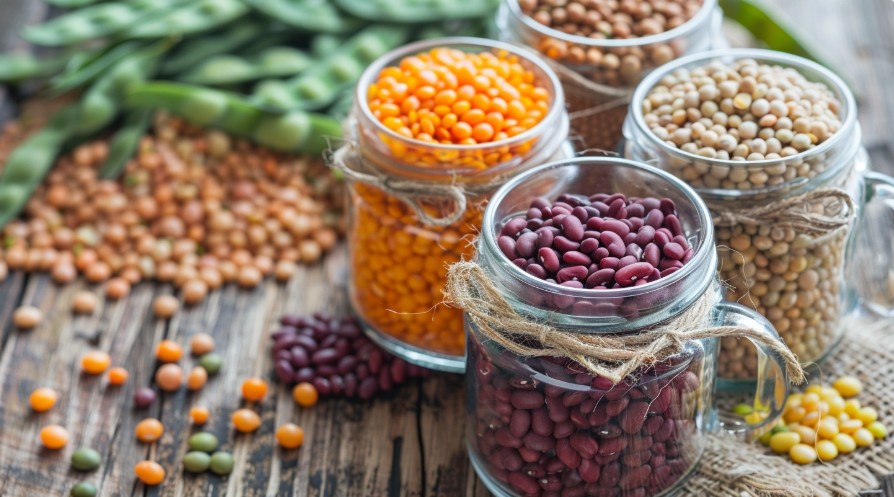
Legumes aren’t fussy, but they have their storage rules. It’s best to keep them in a dry, ventilated place away from direct sunlight. I use glass jars with lids — this way, the grain doesn’t absorb moisture, and “guests” in the form of bugs don’t appear.
In bags, legumes can “suffocate,” especially if there’s a micro-crack somewhere and water gets in. Humidity is the main enemy. If the product gets damp, it will start to smell unpleasant, can clump together, and even sprout. Such grain can’t be saved. To avoid this, it’s worth transferring the purchased product into airtight containers immediately after purchase.
I store legumes for no longer than a year. From experience: the fresher, the better. Old grain takes longer to cook, sometimes doesn’t soften completely, or falls apart. If you see small holes in the grains — it’s a sign that the product has already been affected by insects. Throw it away without regret, as even heat treatment won’t remove the smell.
Tip: To prevent bugs, you can add a couple of bay leaves or a clove of garlic to the jar — a folk method that really works.
How Different Legumes Behave When Cooking
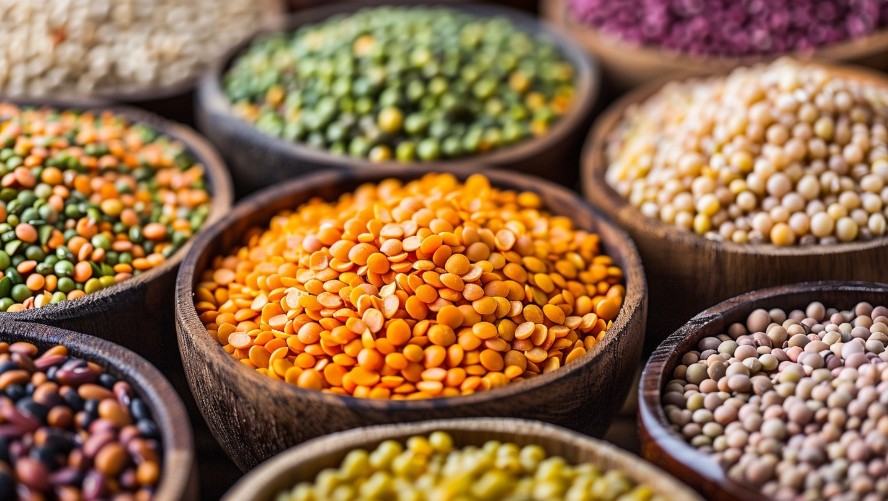
Each type of legume has its character. Lentils, for example, cook quickly and don’t need soaking. If you don’t know what to cook for dinner, lentils are very helpful when time is short. Red lentils almost cook into a puree, while green ones hold their shape. Beans, especially large multicolored ones, require more attention: soak overnight, change the water, cook on low heat.
Chickpeas are a separate story. If you bought fresh, young chickpeas, they become soft in an hour. Old ones can cook for two hours and remain hard. Here, the quality of the grain decides everything. Peas are finicky; if you don’t give them enough water or don’t soak them, they can remain “stone-like” even after long cooking.
With fresh legumes, there are fewer problems: they don’t “sour,” don’t have foreign smells, and don’t fall apart in pieces. Moreover, they better absorb the aromas of spices, sauces, and vegetables. I’ve had cases where the same beans, depending on freshness, resulted in completely different dishes. Old ones are fragile, fall apart, while fresh ones are firm, with a pleasant texture.
Common Mistakes in Choosing and Storing Legumes
Sometimes you see people picking legumes at the market randomly, without looking. This is the first and most common mistake. The second is storing them in open bags or damp places. At home, I once spoiled a whole jar of chickpeas because I placed it near the stove, and steam from the pot got inside.
Another trap is buying legumes by weight from suspicious sellers or open bags directly on the ground. Such grains often contain dust, stones, even traces of some “inhabitants.”
A separate story is cooking without soaking (for those types that need it). If you don’t let the grain soak up water, it won’t become soft, and the dish will resemble porridge with stones.
And one more thing: not everyone pays attention to the smell. Meanwhile, it’s the first signal of whether the grain is fresh. If you smell mustiness or foreign aromas — it’s better not to risk it.
Legumes in Everyday Diet: Benefits and Impact
I don’t lecture about proteins and vitamins, but I know for sure: legumes are hearty, diverse, and keep you feeling full for a long time. This is especially noticeable when cooking for a large family or company. Legumes give a feeling of warmth, comfort, even if the dishes are simple — with onions, carrots, spices.
They pair wonderfully with different products, easily adapt to any cuisine. Thanks to them, I’ve learned not to chase exoticism but to get the most benefit from the simple.
Another important point — legumes help approach purchases rationally: buy a kilogram and have a supply for a few weeks. It’s both savings and confidence that you can always cook something nutritious.
I have a story: once the fridge was empty except for a can of beans and some vegetables. I cooked a simple dish, and the kids asked for more. That’s the real value — when an ordinary product saves the day.
Tips for Preserving Freshness and Flavor of Legumes
- Always transfer legumes to an airtight container immediately after purchase — this preserves the aroma and protects from moisture.
- Add a bay leaf or a clove of garlic to the jar — this repels bugs.
- Don’t store grains next to strong-smelling products (garlic, onions) — legumes quickly absorb odors.
- Periodically check your supplies: if you see dust, crumbs, or a foreign smell — sort or discard.
- Soak grains in cold water, not hot — this way, they “wake up” gradually and cook evenly.
And one more little trick: if you want beans or chickpeas not to turn into “mush,” add salt only at the end of cooking. This way, the consistency will be firm, and the taste — rich.
How Legumes Change a Dish: Texture, Aroma, Appearance
Legumes have a unique ability to change the structure of everything you add them to. Lentils make a dish creamy, beans add density, and chickpeas give a light nutty hint. I often notice how they affect the overall appearance: the dish becomes thicker, more appetizing, and always looks hearty on the table.
I remember when I first cooked beans in a large clay pot — the aroma was such that neighbors started asking what was cooking. Cooked legumes have a pleasant, soft smell, somewhat similar to fresh bread.
Sound — yes, even it matters: when the grain is cooked correctly, it “responds” to the spoon — it doesn’t fall apart, but it’s not hard either.
If you want to taste the true flavor of legumes, just eat a spoonful of freshly cooked beans without spices — you’ll immediately understand if the grain is fresh or not.
What to Remember When Choosing Legumes Next Time
With every purchase, we learn. Legumes are not just a kitchen staple but a real tool for everyday comfort. Don’t be lazy to look into the details: color, smell, texture. Don’t fall for loud labels and don’t look for the cheapest option. It’s better to take a little less, but of higher quality — and then any dish will become a celebration.
I’ve already developed a habit of rubbing the grain between my fingers before buying, inhaling the aroma, and even listening a bit to how it rings in the jar. These are simple things, but they are what make your food truly delicious and healthy.
Do you pay attention to the smell and appearance of legumes when you buy them at the market or store? Maybe you have your own secrets for choosing or storing? Share in the comments — it’s interesting to know how you do it.