The Benefits of Syrniki for the Body: When It’s Truly a Healthy Breakfast


There are mornings when you wake up and realize: you want something warm, familiar, something that smells like milk and childhood. Syrniki is exactly the dish that can melt away the remnants of fatigue, gather around the table even those who usually have a quick breakfast. But if you dig a little deeper, syrniki is also a whole story about the quality of products, common sense in choosing ingredients, and small kitchen victories.
I’ve often caught myself thinking: you can make syrniki so delicious that even the tastiest pastries seem bland, or you can ruin everything, even with the best cheese. Choosing the right products is half the battle. In fact, I’ll tell you when syrniki are truly beneficial, how not to miss with the ingredients, and why they can become your ideal breakfast—without moralizing or excessive correctness, so that you can taste it even before the first bite.
Syrniki: Not Just Breakfast, but a Reflection of Your Ingredients
When I hear the phrase “healthy breakfast,” I immediately associate it with something boring or too “correct.” But syrniki is a completely different story. It’s a breakfast that can be hearty, soft, and even festive. However, all the magic is in the products. If the cheese is sour, too moist, or with additives, nothing good will come of it. Choosing cheese is like choosing your mood for the whole day.
My experience suggests: even within the same market, you can find cheeses that differ sharply in texture, smell, and even color. I’ve often seen people buy cheese by weight, focusing only on price, and then wonder why the syrniki fall apart in the pan or taste bitter. It’s not about saving money—it’s about quality of life, if you will. Everything depends on the cheese: the satiety, the taste, and even how easy it will be for you afterward.
How to Choose Cheese for Syrniki: By Sight, Touch, and Smell
Color and Texture
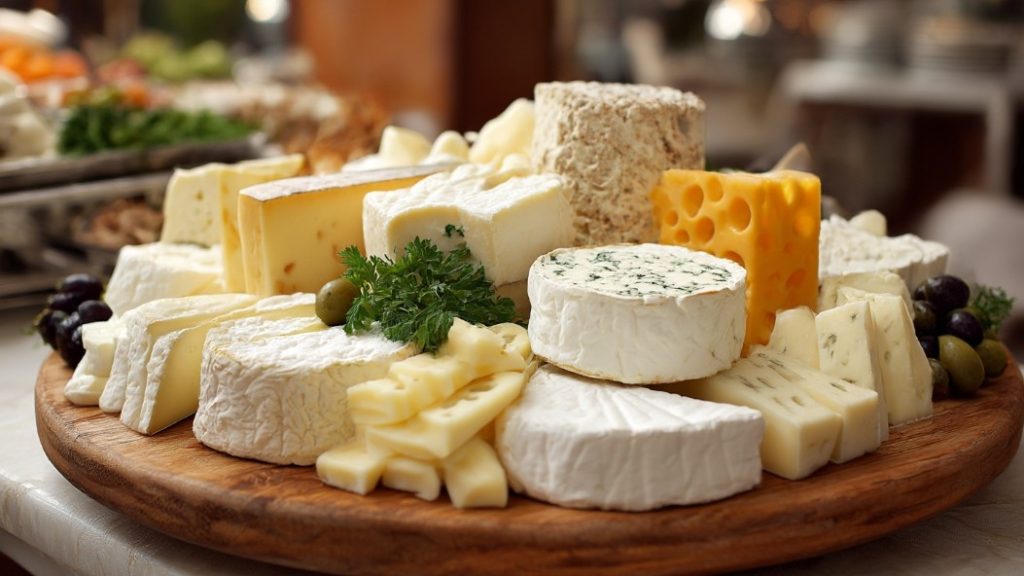
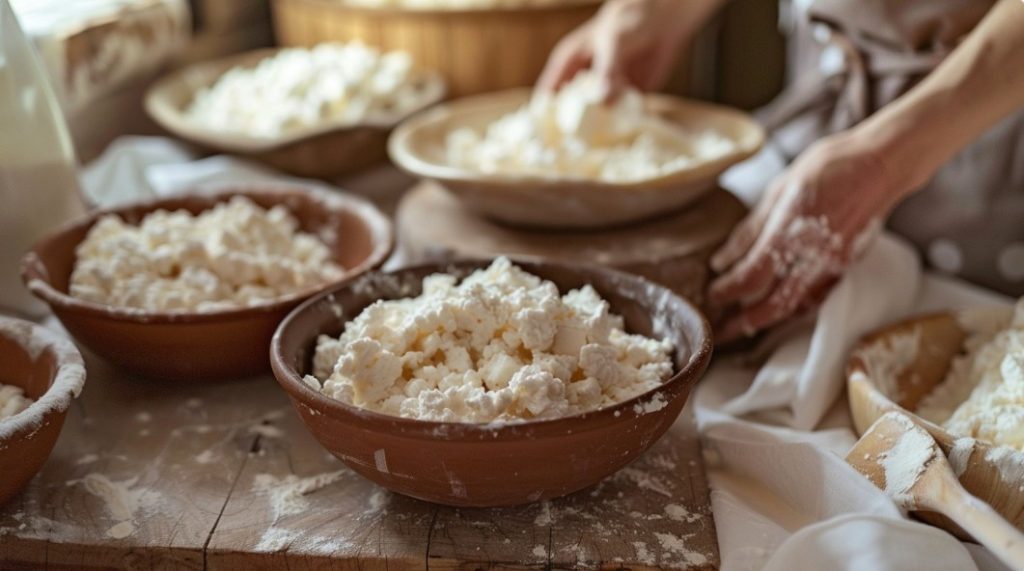
I always look at the color: quality cheese is white, sometimes with a slight creamy tint. If the cheese is yellow or gray, walk past it. Yellowing is a sign of age or excess whey, and grayness indicates improper storage. Texture also says a lot: the cheese should be crumbly but not dry. If a piece holds its shape but breaks easily with fingers, that’s your option. If the cheese stretches like plasticine or smears like butter, don’t risk it.
Smell
Smell is the best indicator. I always smell the cheese at the market. Real cheese smells like milk with a light sourness. If you smell a sharp sourness, alcoholic or musty odor, it’s either overripe or something was added for “freshness.” Don’t hesitate to ask the seller when the cheese was made. Fresh syrniki always smell clean and calm, without foreign notes.
Packaging
In supermarkets, cheese is often in vacuum or plastic containers. The main thing here is to check the expiration date and consistency. If you see liquid under the cheese or clumped pieces, walk past it. I’ve dealt with such “packaged surprises” more than once: you open it at home, and there’s already a slight mold or unpleasant smell. If buying from farmers, it’s better to ask for cheese in paper packaging or your own container.
Seasonality
Cheese is a seasonal product, as strange as it may sound. In spring and summer, when cows eat greens, the cheese is more tender with a pleasant creamy taste. In winter, especially closer to February, the cheese is often drier or more sour—this is normal, but for syrniki, it’s better to take the freshest.
Tip: if possible, buy cheese from trusted farmers or at the market where you can taste a piece. Don’t be afraid to ask about the composition and storage conditions.
Common Mistakes When Choosing Cheese and Ingredients
One of the most common mistakes is buying cheese based solely on price. The second is believing the “homemade” label, which is often just a marketing ploy. I’ve seen syrniki that spread in the pan due to excess moisture or, conversely, resemble rubber when the cheese was too dry. Often, starch, palm oil, or even powdered milk is added to the cheese—this changes both the taste and the benefits.
Another common mistake is using poor-quality eggs or flour. It’s better to take eggs with bright yellow yolks—they give a pleasant color and structure. The flour should be fresh, without a musty smell. And in general, don’t add too much flour—the syrniki will be heavy and “dull” in taste.
- Don’t buy cheese with a strong smell or obvious sourness.
- Avoid cheeses with moisture over 70%—they “flow” in the pan.
- Don’t trust the “eco” label if you don’t know the producer.
- Don’t take eggs with thin shells—they’ve often been stored too long.
Tip: if the cheese seems too moist, let it drain through cheesecloth for 15–30 minutes before cooking. This way, the syrniki will hold their shape and be tender.
When Syrniki Are Truly Beneficial: A Practical View
And here begins the most interesting part. The benefit of syrniki is not about magical proteins or calcium, but about the feeling after eating. Properly cooked syrniki provide satiety without heaviness, light sweetness without overload, and importantly, a good mood. They are well-suited for breakfast because they don’t cause sharp energy spikes: you’re full, but not “stuffed.”
I’ve noticed: after syrniki combined with fresh berries or a spoonful of yogurt, you don’t feel like snacking for a long time. They stimulate appetite but don’t make you want to eat something extra. For children, it’s an ideal option—soft, tender, without excess sugar if dosed correctly.
And also—syrniki are easily adaptable. If you want lightness, replace some of the flour with oatmeal. If you need more flavor, add raisins or apple pieces. In the end, each time the syrniki turn out a little different, but their benefit remains—lightness in the body, absence of heaviness, and pleasant satiety until lunch.
Tip: don’t skimp on preparing the cheese. Sifting it through a sieve makes the syrniki airy, even if the cheese isn’t perfect.

Marketing Traps: How Not to Buy “Pseudo-Healthy” Cheese
Often on cheese packages, you can find words like “dietary,” “enriched,” “GMO-free”—this has little impact on real benefits. I’ve often seen people choose cheese with additional additives, thinking it’s “healthier.” In reality, the simpler the composition, the better. Ideally, just milk and starter culture. Any “flavorings, stabilizers, sweeteners” are about extending shelf life, not quality.
Another trick is cheese “with increased protein content.” Such products often contain powdered milk or additional proteins that change the texture. Syrniki from such cheese become rubbery, not tender. Don’t fall for promises of “maximum benefits”—the benefit lies in simplicity and freshness.
My Story with Marketing Cheese
Once, I bought “fitness cheese”: the package had green grass, a treadmill, and inside was a strange mass that didn’t smell like anything. Syrniki from it turned out like a sole. That’s when I realized: it’s better to check the old-fashioned way—touch, smell, taste a drop—than to trust the label.
Price and Common Sense: When It’s Worth Paying More
I’m not a fan of overpaying just for a brand or a nice label. But when it comes to cheese for syrniki, sometimes it’s better to take a more expensive one, but fresh and without additives. There’s a noticeable difference between cheap cheese and farm cheese: in taste and in how you feel after breakfast. Cheap cheese often contains a lot of moisture—syrniki from such cheese just fall apart. And farm cheese holds its shape, gives a pleasant sourness, and a tender texture.
I’ve often encountered cases where “expensive” cheese by weight turned out to be ordinary, and medium-priced cheese was a real find. So rely on your senses, not the price tag. The simpler the composition, the fresher the cheese looks, and the more natural it smells, the better.
- Pay more if you see quality cheese from familiar farmers.
- Don’t overpay for packaging that imitates “homemade.”
- Price is not always a guarantee of quality, but very cheap cheese often disappoints.
Tip: if buying cheese in a supermarket, always check the production date. It’s best to take one made a maximum of 2–3 days ago.
How to Store Cheese and Ready-Made Syrniki: Simple Kitchen Rules
Cheese
Cheese is a product that doesn’t like long storage. I always keep it in a glass or ceramic bowl covered with cling film. In the refrigerator, cheese lasts a maximum of 3–4 days. If you see liquid or color change, it’s better not to risk it. Don’t put cheese in plastic bags—it “suffocates” and spoils quickly.
Syrniki
Storing ready-made syrniki is simple: close them in a container, preferably glass. In the refrigerator, they stay fresh for up to three days, but the taste is best in the first hours after cooking. If you want to extend the “life” of syrniki, cool them, layer with parchment, and keep in the freezer. Then just reheat in a pan without oil, and the taste is as if fresh off the stove.
- Don’t store syrniki in open dishes—they quickly absorb odors.
- I don’t recommend covering syrniki with cling film—they become moist and lose their crust.
Tip: cheese is best stored in a glass jar with a lid. This way, it doesn’t dry out and doesn’t absorb odors from the refrigerator.

How Syrniki Behave When Cooking: Texture, Smell, Taste
I love the moment when syrniki just start frying: the kitchen fills with a gentle milky smell, and a golden crust appears on the pan. But it’s important not to overdo it with the temperature—if the heat is too strong, the syrniki will burn, remaining raw inside; if it’s too weak, they dry out and become flat.
The right syrnik holds its shape but remains soft and tender inside. When you cut it with a fork, there should be slight resistance—like a spring. The smell is milky, with a light caramelized note of the crust. The taste is a balance between sweet and sour, without dominant notes.
A Micro-Story from Practice
Once at my grandmother’s, I saw her add a little semolina to the syrniki instead of flour—the syrniki became especially fluffy. But when I tried to repeat it at home with store-bought cheese, it didn’t work: the syrniki spread. The simple conclusion is that the quality of the cheese determines everything, the rest just complements the taste.
- Syrniki from farm cheese always have a more pronounced taste and hold their shape.
- Too moist cheese—syrniki “flow” and absorb excess oil.
- Dry cheese—syrniki crumble, become “sandy.”
Tip: if you’re unsure about the consistency, try making a small test syrnik. This way, you’ll understand whether you need to add flour or let the cheese drain a little.
Three Life Hacks for Perfect Syrniki and Better Benefits
Over years of kitchen experiments, I’ve highlighted a few simple rules that always work for benefit and taste.
- Don’t overload syrniki with sugar—then after breakfast, you won’t crave sweets.
- Add a little lemon zest—it enhances the milky taste and makes the dish fresher.
- Fry syrniki over medium heat—this preserves the tender structure and prevents them from drying out.
And also: don’t be afraid to experiment with additives. Fresh berries, pieces of pear or apple make syrniki not only tastier but also healthier—adding natural sweetness without overloading with sugar. I often add a handful of berries right into the dough—getting the taste of summer even on gloomy days.
Why Syrniki Work as an “Emotional” Breakfast
Syrniki are not just food. It’s a moment when you can gather everyone at the table, even if everyone is in a hurry. I’ve often noticed: even those who don’t like breakfast can’t refuse a plate of warm syrniki with a spoonful of sour cream. Something more than just the product composition works here—the smell, texture, the atmosphere itself. Syrniki calm, add a sense of home, even if you’re eating them in a small city kitchen.
Children, as a rule, eat syrniki better than any other dairy dish. For adults, it’s a tasty way to get satiety without heaviness. For me personally, syrniki are also a way to slow down, take a pause, and taste life.
Another Micro-Story
I remember once after an exhausting week, we gathered as a family for a spontaneous breakfast. I was making syrniki, the kids were helping shape them, and my wife was cutting fruits. The kitchen smelled so good that even the neighbors peeked in the door. It seemed like this breakfast restored everyone’s strength. That’s the true benefit of syrniki—the ability to give energy and bring people together.
How to Avoid Disappointment: Little Things That Affect the Benefit
The main thing is not to perceive syrniki as just another “healthy dish” that you have to eat “because it’s right.” Eat them when you want warmth, satiety, softness. Don’t be afraid to change the composition—add what you love, but don’t compromise on the quality of the cheese. Don’t buy products in advance—cheese ages quickly, and even the best syrnik can’t save a bad product.
It’s worth learning to find a balance between taste and benefit for yourself. If you don’t want sugar, reduce it or replace it with berries. If you don’t like flour, add a little semolina or oatmeal. The main thing is to listen to yourself and not be afraid to try. Only then will syrniki become a real benefit, not an obligation.
- Don’t make syrniki from cheese that’s been in the fridge for more than 4 days.
- Remember: syrniki taste best fresh, still warm.
- Add your favorite fillings, but avoid unnecessary store-bought additives.
The true benefit of syrniki lies not in trendy words or miracle labels, but in simplicity, product quality, and your mood. Take the cheese with your hands, smell it, taste it, find your perfect taste. Then cook—and catch those short moments of home comfort at breakfast.
When was the last time you ate real syrniki—those that smell like childhood and warmth? Share your stories and little discoveries in the comments—it’s always interesting how syrniki change your mornings.