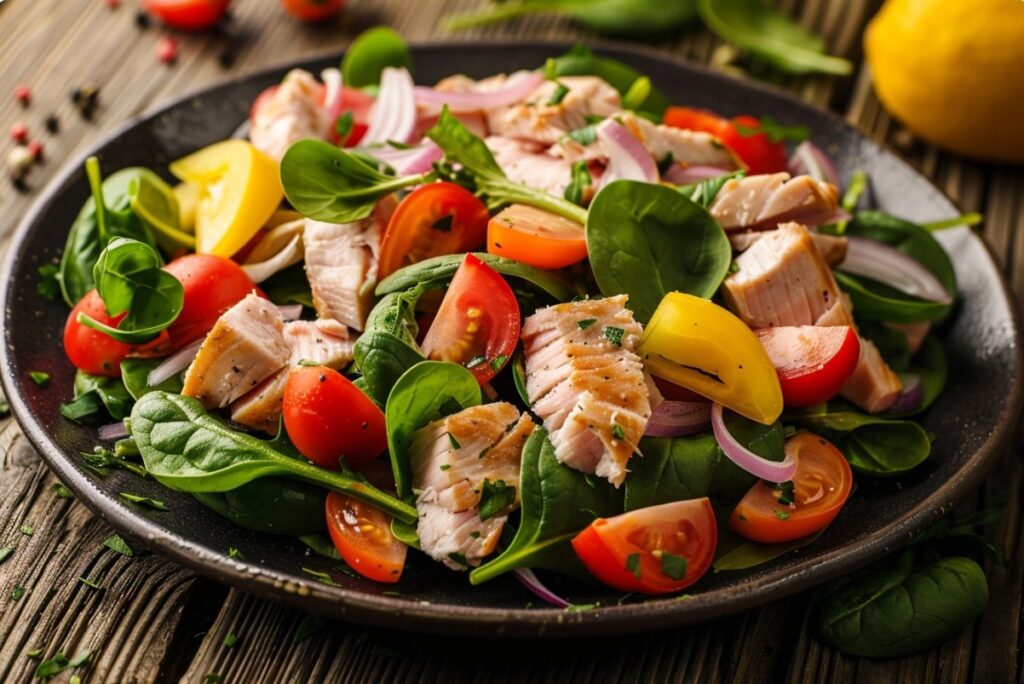
What Cheese Goes Best with Tuna

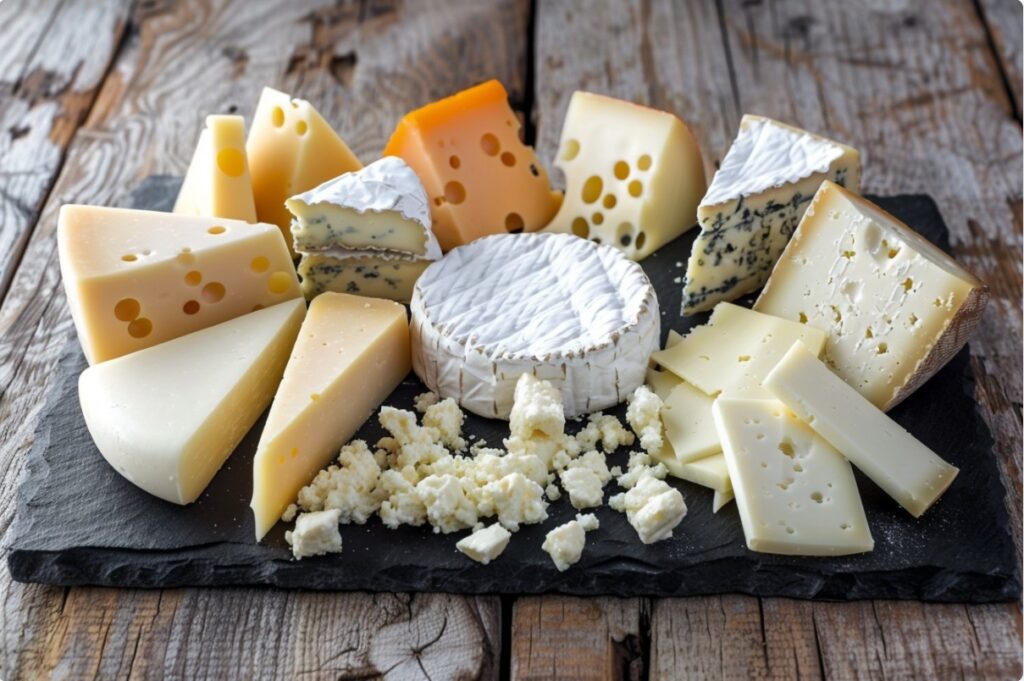
Pairing tuna and cheese in salads is all about balance. Both ingredients have a strong personality—flavor, salt, texture—so if the cheese is too rich or too intense, it can steamroll the tuna and make the whole thing feel heavy. That’s why it matters to choose cheeses that support the fish instead of competing with it.
The safest bets are cheeses with a soft to medium texture and a neutral (or gently salty) taste. They add creaminess or a bit of body without turning your salad into a dense, greasy situation. Done right, you keep the dish light, but it still feels more interesting on the fork.
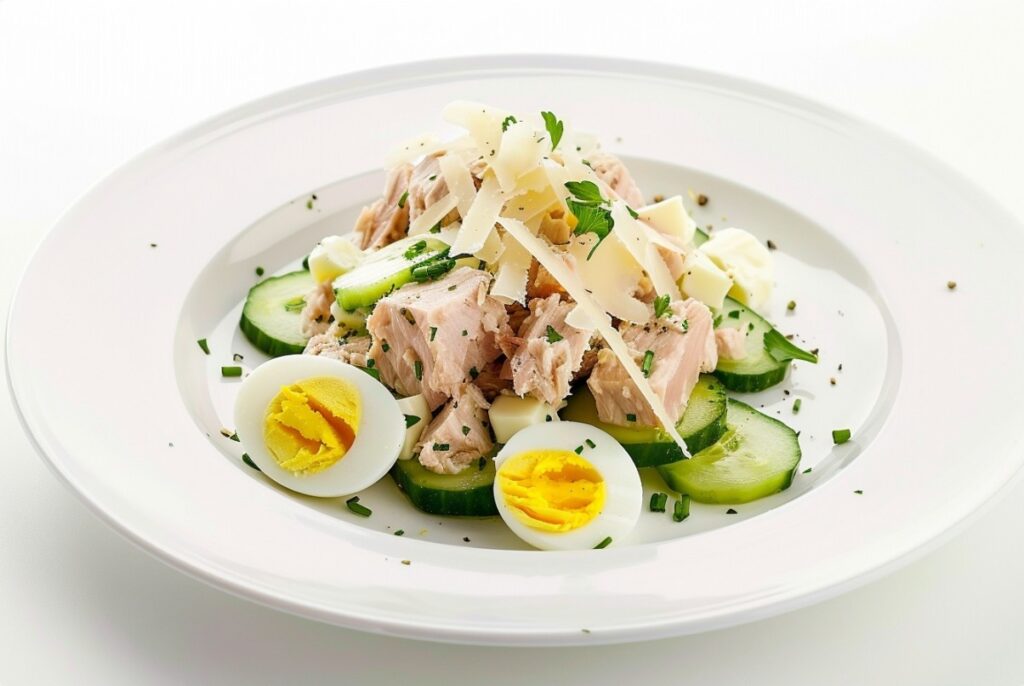
There’s a tiny kitchen disappointment that hits harder than it should: you open a can of tuna, grab some cheese, mix it up—and suddenly it’s either “heavy and greasy,” “sour and metallic,” or just… bland. Everything looked fine on paper, but the flavor goes nowhere. I’ve seen it a hundred times: people buy “any cheese” because the label says “for salads” or “creamy,” and hope the tuna will do the heavy lifting.
Tuna has a real point of view. It brings its own saltiness, that ocean-y aroma, sometimes a slight bitterness, and the unmistakable “canned” note you either soften or lean into. Cheese can make tuna taste rounder and more delicate—or it can highlight the metallic notes and leave you with an aftertaste like you just licked a spoon.
My simple rule: first decide what kind of tuna you’re working with (in oil or in water, solid chunks or flakes), then pick the cheese based on texture and acidity. And yes—sometimes the “best cheese for tuna” isn’t the fanciest one, but the one that behaves properly in your dish and doesn’t turn weird in the fridge after two days.
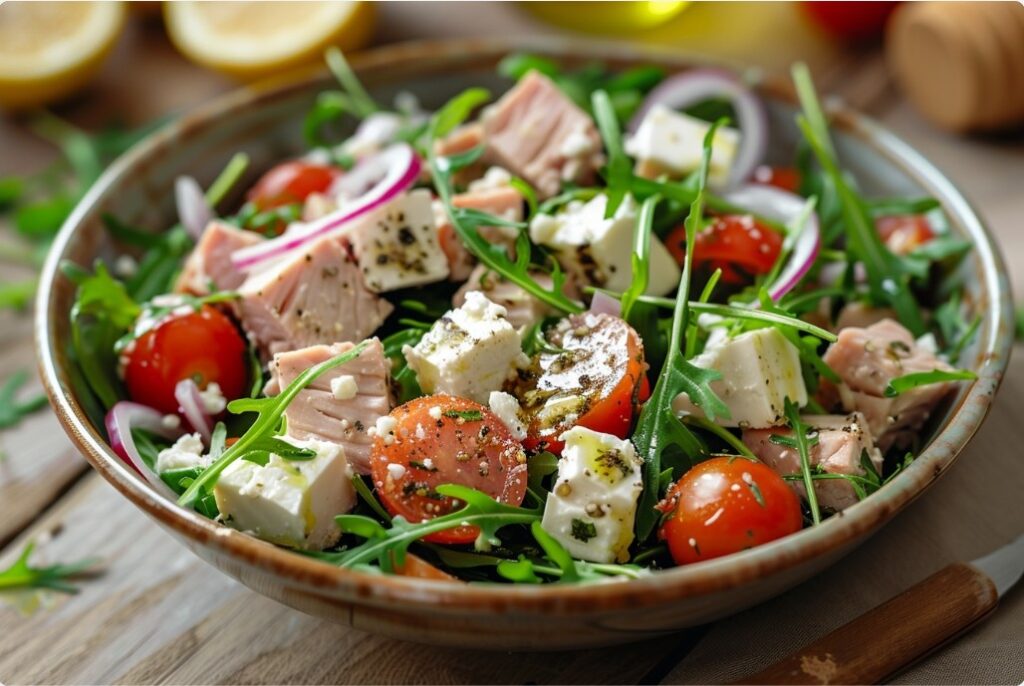
Start with the tuna: it determines half of your cheese choice
When someone asks me what cheese to pair with tuna, I always ask a few questions first: canned or fresh/frozen? In oil or in water? Big chunks or fine flakes? Cheese reacts to those details the way baking reacts to oven temperature—slightly off, and the whole thing changes.
Tuna in water
This one is drier, the salt reads sharper, and the “sea” aroma is usually more direct. Here, the cheese should bring softness and roundness—but without dumping in so much fat that the mixture turns heavy. Semi-soft cheeses and fresh cheeses with a gentle tang tend to work best.
Quick story: years ago, we made a simple tuna spread using tuna in water. Someone added a very rich cream cheese “because it’ll be more tender.” It turned out oddly dull—tuna went kind of clay-like, and the finish was flat. We swapped in ricotta and added a squeeze of lemon, and suddenly it made sense. Not “better/worse,” just the right move for that particular tuna.
Tuna in oil
Here it’s the opposite: you already have plenty of richness, so the cheese either needs to support the creaminess (without going overboard) or bring contrast—more acidity or a clean salty edge. Very fatty cheeses can make this combo feel heavy fast, especially if you’re also adding mayo, eggs, or avocado.
Tuna steaks/fillet (not canned)
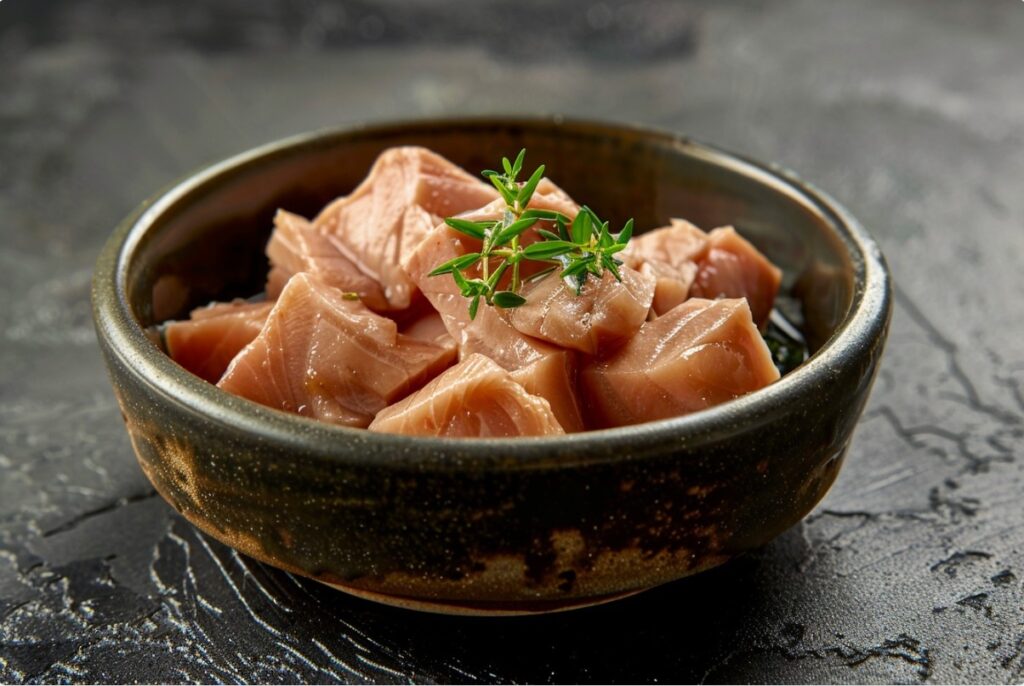
Fresh or frozen tuna has a different vibe: meatier, firmer, without that canned note. You can go bolder here—aged hard cheeses, a touch of blue cheese (carefully), or, on the other end, a very neutral fresh cheese so the fish stays in the spotlight.
Tip: if canned tuna smells sharp, don’t rush to “cover it” with the most aromatic cheese you can find. Drain it, blot it quickly with paper towels, and let it sit for 5 minutes. Often the smell softens enough that the cheese doesn’t have to rescue the whole dish.
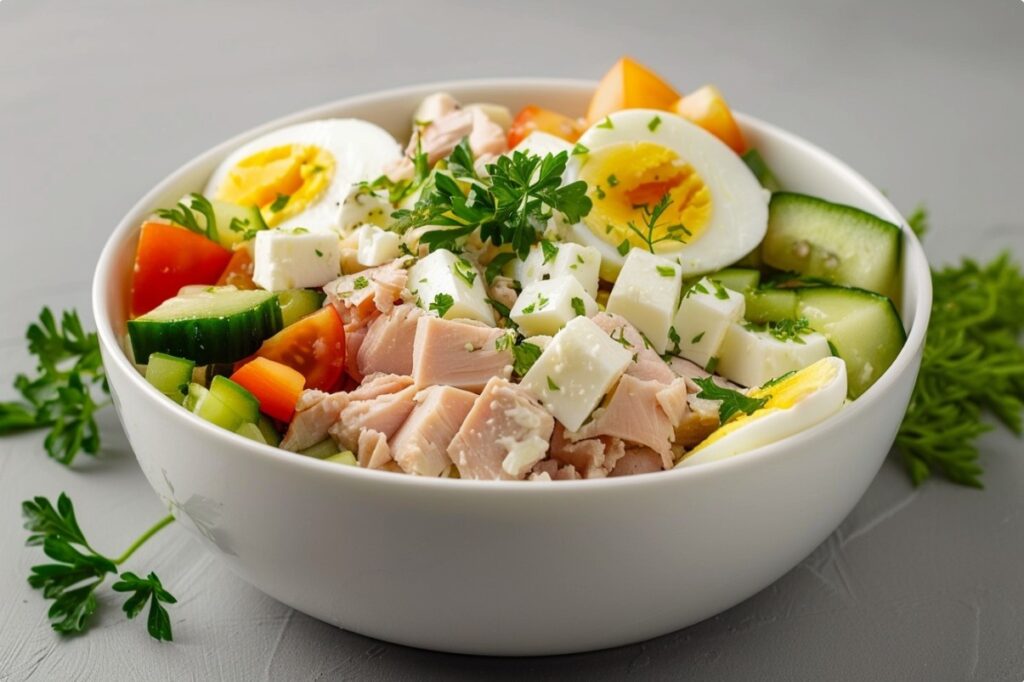
What the cheese should do next to tuna: 4 scenarios that actually work
I don’t like thinking “what’s the best cheese,” I like thinking “what job is it doing?” Tuna is like a bassline—it holds the foundation. Cheese can be the soft cushion that ties everything together, or the salty punch, or the aromatic finishing note.
- Smooth it out and make it creamy — when tuna is dry or a bit harsh. Ricotta, mild fresh farmer-style cheeses, and sometimes plain cream cheese work well.
- Add acidity and a “fresh bite” — when tuna is rich (in oil) or the dish is all soft textures. Feta-style brined cheeses (watch the salt), goat cheese, and sometimes mozzarella can do the trick.
- Bring salt and umami — when tuna feels neutral and you want a more grown-up flavor. Parmesan/Grana-style cheeses, Pecorino, and other aged hard cheeses (in small amounts).
- Make an aromatic statement — when the dish needs a “period at the end of the sentence.” Blue cheeses or very assertive aged cheeses can work, but it’s easy to overdo it.
Quick story: at a market once, a guy asked for “cheese for tuna, like they do in cafés.” I asked, “Do you want it gentle or bold?” He paused and said, “I want to taste it, but I don’t want it to stink.” That’s the scenario: an aromatic accent without aggression. We went with a young goat cheese with a mild tang, and it was exactly right.
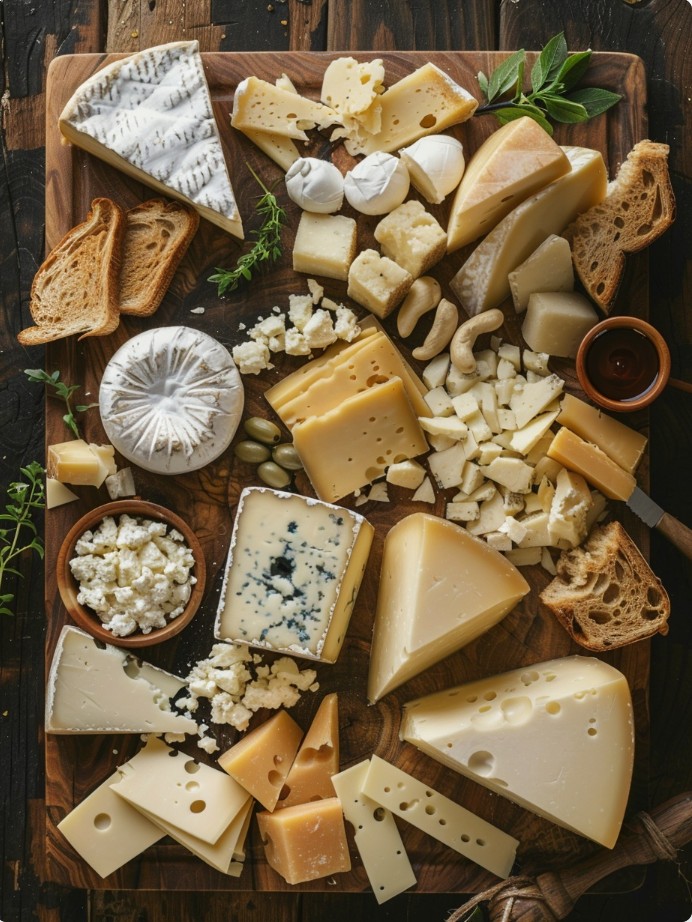
Best types of cheese for tuna: how to choose at the store or market
What follows isn’t a “top 10 ranking.” It’s a set of pairings that reliably work in real life. I’ll tell you what good cheese looks like, what to smell for, what to check, and where people usually miss the mark.
Ricotta and other gentle fresh cheeses
Ricotta is my go-to when tuna needs to taste softer and more “homey.” It doesn’t shout, it doesn’t steal the show, but it adds creaminess without that mayo-heavy feeling.
How to spot quality: white or slightly creamy in color; clean milky smell (not a sharp yogurt punch); fine curds that aren’t dry. If ricotta is watery and swimming in whey, it tends to break the mixture and leave you with a puddle.
The trap: sometimes “ricotta” is actually something overly sour and wet. With tuna, that can taste like someone splashed vinegar into the bowl. I always smell it—if it’s sharply acidic, I move on.
Plain cream cheese (no add-ins)
Super convenient for sandwiches and quick tuna spreads. But it’s also easy to mess up: cream cheese + tuna in oil can turn into a heavy, fatty paste that gets boring fast.
How to spot quality: smooth and uniform, no graininess; a clean dairy aroma (not margarine-like); mild flavor without aggressive salt. Check the ingredient list—fewer flavorings and “bacon taste” is always better with tuna.
Tip: if you’re using cream cheese with tuna, pick one with a slight tang. That little bit of acidity lifts the fish and keeps the spread from tasting like “buttery cotton.”
Feta, bryndza, and other brined cheeses
These give tuna a clean salty outline and a nice crumble. I love the grainy texture next to the fish flakes. The big caveat is salt: tuna is often already salty, so it’s easy to overdo it.
How to spot quality: the piece holds its shape but crumbles when pressed; clean milky smell without a musty “basement” note; brine should be clear or slightly milky, not slimy. Color should be white, not yellow.
When it’s worth paying more: for feta/bryndza made from good milk that tastes like more than just salt. Cheap versions can be rubbery—or the opposite, a mush that dissolves into the salad and leaves only salt behind.
How it behaves with tuna: fantastic in cold dishes. If you’re heating it (say, a hot sandwich), feta doesn’t melt like mozzarella—it dries out and crumbles. Not a downside, just something to expect.
Mozzarella
Mozzarella with tuna is a texture play. It doesn’t bring a ton of flavor, but it adds that pleasant springiness and a quiet milky backdrop—especially helpful if you already have capers, olives, lemon, or mustard in the mix.
How to spot quality: bouncy but not rubbery; you can see fibers when you cut it; light milky aroma. The liquid in the pack should smell clean. If mozzarella tastes sour, it’s old or going off.
The trap: low-moisture “pizza mozzarella” and fresh mozzarella in brine are different products. For cold tuna salads, I usually choose fresh. For hot dishes, low-moisture melts better—but then you need to watch the tuna so it doesn’t dry out.
Goat cheese (soft)
If you want tuna to taste more interesting without adding heaviness, goat cheese often nails it. It brings tang and character. For some people it’s “wow,” for others it’s “too much.” My advice: start with a young, mild goat cheese—not the most barnyard-y one you can find.
How to spot quality: the aroma should be fresh and milky with a gentle goat note, not sharp or ammonia-like. Texture should be creamy or slightly crumbly, never slimy. A thin rind is fine, but it shouldn’t be wet or sticky.
When it’s worth paying more: for a clean-tasting cheese without bitterness. Cheaper versions sometimes have a bitter edge that doubles down with tuna.
Aged hard cheeses: Parmesan, Grana, Pecorino
This isn’t a “spread it on thick” situation. It’s about umami and a dry, nutty accent. They’re especially good with tuna when there’s something juicy in the dish—tomatoes, cucumber, leafy greens, citrus, olive oil.
How to spot quality: nutty, milky aroma without sourness; crumbly, granular structure; little crystals on the cut surface are normal for aged cheeses. Color should be even, from pale straw to light amber.
The trap: pre-grated “Parmesan.” It often loses aroma and can pick up a packaging smell. If you can, buy a piece and grate it yourself. It’s not snobbery—it’s flavor.
Blue cheeses (Dorblu, Gorgonzola, etc.)
This pairing is for when you want to go bold. Blue cheese can add gorgeous depth with tuna, but the line is thin: a little more, and the cheese takes over completely, leaving tuna as a background extra.
How to spot quality: assertive aroma but not ammonia; creamy texture without wet patches; even veining, no slime. If the smell hits you like cleaning product, it’s either overripe or poorly stored.
Tip: blue cheese works better with tuna that’s not overly pungent (or tuna that’s been well drained and blotted). And treat it like salt—add a little, taste, then decide.
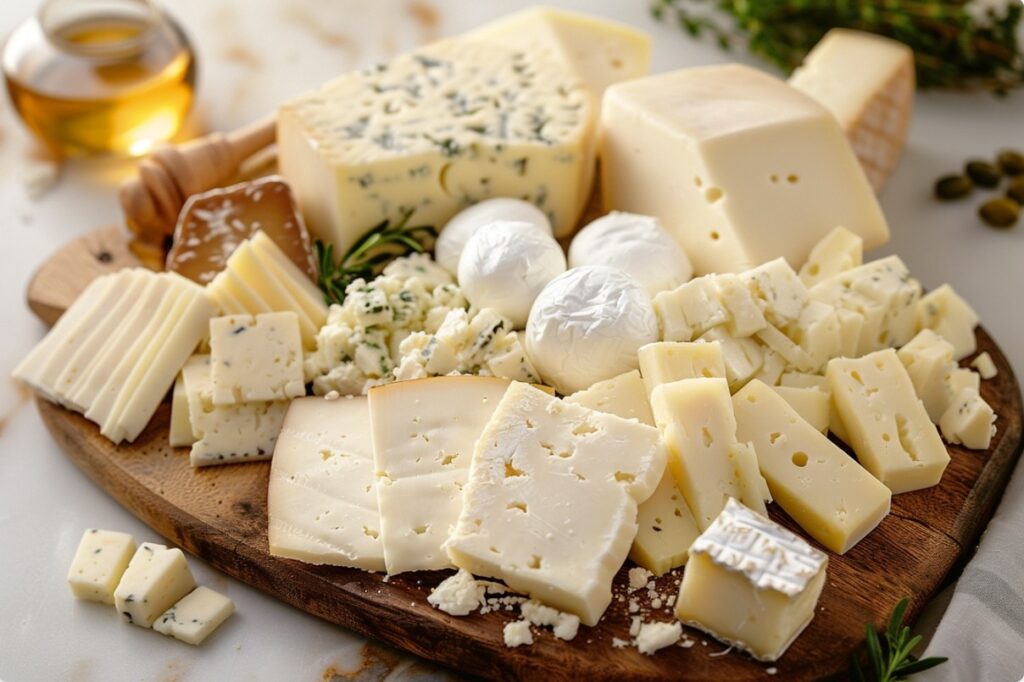
How to spot good cheese: color, smell, texture, packaging—no magic
At a market, I look and smell. In a supermarket, I read the label and judge what I can through the packaging. It’s not paranoia—it’s just experience. Cheese quickly shows you how it’s been handled.
Color
Fresh cheeses should be white or slightly creamy. Yellowing on a fresh cheese often means it’s drying out or aging. For aged hard cheeses, yellow is normal—but it should be even, without grey spots or “tanned” edges.
Smell
Smell is the main test. If a cheese smells sour when it should be gentle, or smells like ammonia, or has that “fridge/plastic” odor, I skip it. With tuna, those off notes come through twice as loudly—fish amplifies them.
Texture
Slime, stickiness, wet patches—bad signs for most cheeses (there are exceptions, but they’re rarely what you want with tuna). For brined cheeses, the piece should feel springy and not collapse in your hands. For cream cheeses, watch for water separation.
Packaging and storage
With vacuum packs, avoid anything puffed up. For cheeses in brine, the lid shouldn’t be bulging, and the brine shouldn’t be cloudy or sharply smelly. For sliced cheese, look at the edges: if they’re dried out and darkened, it’s been sitting open too long or stored poorly.
Tip: if you buy pre-sliced cheese (because life happens), choose a pack with minimal trapped air and no condensation. Water droplets inside are a common reason for slimy texture and off smells.
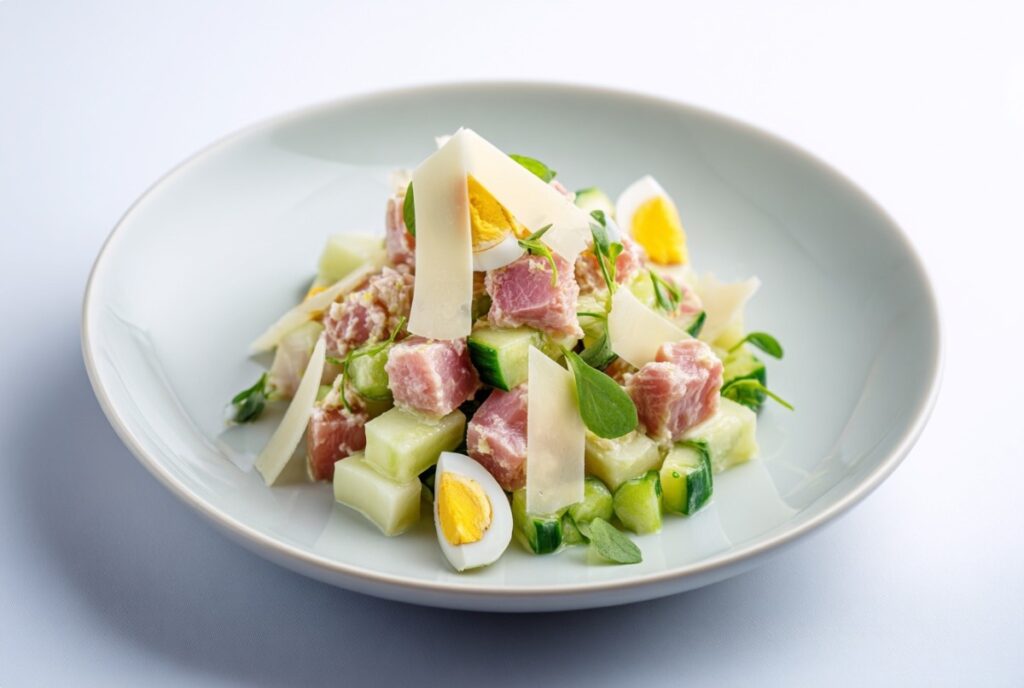
Common mistakes and marketing traps: what people fall for
I’m going to be a bit blunt here, because these are the rakes I see people step on all the time. And yes—I’ve done it too, especially when I was rushing and grabbed whatever was closest.
Mistake 1: “I’ll buy the most expensive one—then it has to be good”
Not always. A pricey aged cheese can be amazing, but with tuna in water it can make the whole thing taste dry and sharp. Meanwhile, a good young cheese at a mid-range price can give you exactly what you need: softness and balance.
Mistake 2: flavored cheese (herbs, garlic, “crab,” “salmon”)
With tuna, this often turns into flavor chaos. Add-ins usually bring extra salt, flavorings, sometimes even sugar. Tuna isn’t neutral either. The result: a weird aftertaste and that “too much” feeling, even though you didn’t do anything complicated.
Mistake 3: ignoring salt
Tuna, feta, olives, capers—these are all salty. Add a salty cheese on top and no amount of cucumber or herbs will save it. My simple approach: if I’m using a salty cheese, I look for less salty tuna (often in water), or at least drain it well and hold off on adding any extra salt until the very end.
Mistake 4: buying cheese “for the whole week” with no plan
Fresh cheeses don’t last long. They absorb odors easily and their texture changes quickly. If you buy ricotta or mozzarella and keep it opened for 5–6 days, don’t be surprised when your tuna suddenly “smells stronger.” It’s not always the tuna’s fault.
The trap: “cheese product” and ultra-cheap substitutes
I’m not here to lecture, just to warn you: products made with vegetable fats and heavy flavorings next to tuna often create a waxy texture and a strange sweet-ish finish. If your budget is tight, it’s better to buy a smaller amount of real cheese than a lot of imitation.
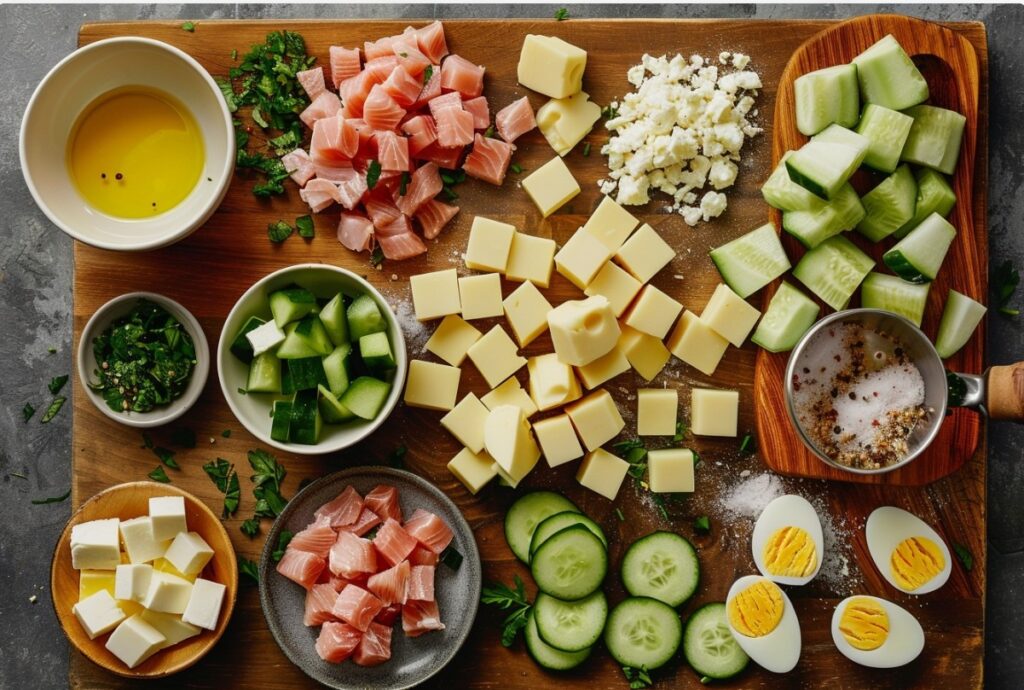
Price vs. common sense: when it’s worth paying more (and when it isn’t)
I love good ingredients, but I love it even more when a purchase makes sense. Cheese for tuna is like shoes for a long walk: it doesn’t have to be the most expensive pair, but it absolutely has to do the job comfortably.
Worth paying more for
- Goat cheese, if you want a gentle aroma without harshness. Cheaper ones are more likely to smell aggressive.
- Aged hard cheese sold as a piece, not pre-grated. You get real aroma and depth, and a little goes a long way.
- Feta/bryndza with a good texture (not rubbery, not mush). It won’t dissolve into the salad and turn everything into salty water.
You can save here
- Basic plain cream cheese, as long as the ingredient list is clean and the flavor is good. The difference between brands can be minimal.
- Mozzarella for simple pairings, as long as it’s fresh and stored properly. Premium versions shine when you eat them almost on their own; with tuna, that subtlety isn’t always the point.
Quick story: once I bought very expensive buffalo mozzarella for tuna because I wanted it to be perfect. It turned out… simply good. But the next day, when I ate that mozzarella with tomatoes and salt, that’s when it was truly special. With tuna, some of that delicacy gets lost. Since then, I buy for the job, not for the label.
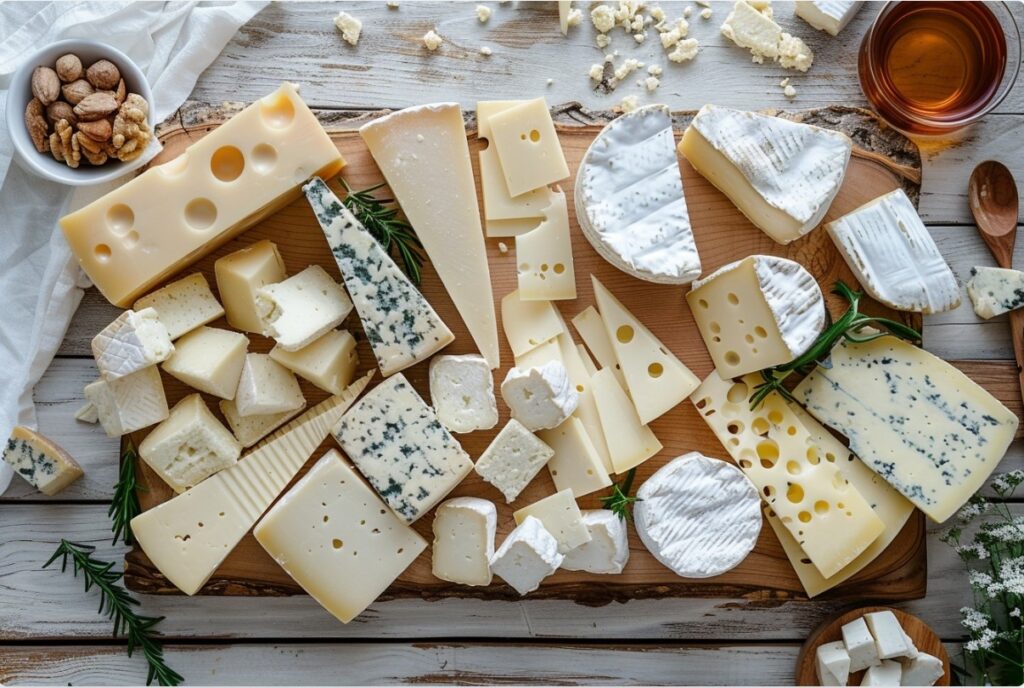
Storage: how to keep cheese and tuna from ruining each other’s flavor
Tuna and cheese both absorb odors easily. And both can go off quietly—not in a dramatic way, but with a strange smell, extra moisture, a slippery surface. Then you blame the pairing, when the real problem is what’s happening in your fridge.
Cheese
- Fresh cheeses (ricotta, mozzarella, mild fresh farmer-style cheeses) should go in the coldest part of the fridge and be sealed tightly. Once opened, use within the next few days. If you notice a sharp sour smell or a slimy surface, don’t risk it.
- Brined cheeses should stay in brine. If there isn’t enough, you can top up with clean cold water plus a pinch of salt—don’t overdo it. The main thing is keeping the edges from drying out.
- Aged hard cheeses do best wrapped in cheese paper or parchment, then loosely placed in a bag/container (not sealed airtight). In plastic wrap they often “sweat” and pick up odors.
Tuna
If it’s canned: once opened, don’t store it in the can. Transfer it to a glass or plastic container with a lid. Keep the liquid separately or with the tuna depending on your plan, but the can itself can add an extra metallic taste and smell.
Tip: if you have leftover tuna and you know you’ll eat it tomorrow, add a thin layer of oil on top (for tuna in water) or simply pack it down tightly so there are no air pockets. Less contact with air = less sharp smell the next day.
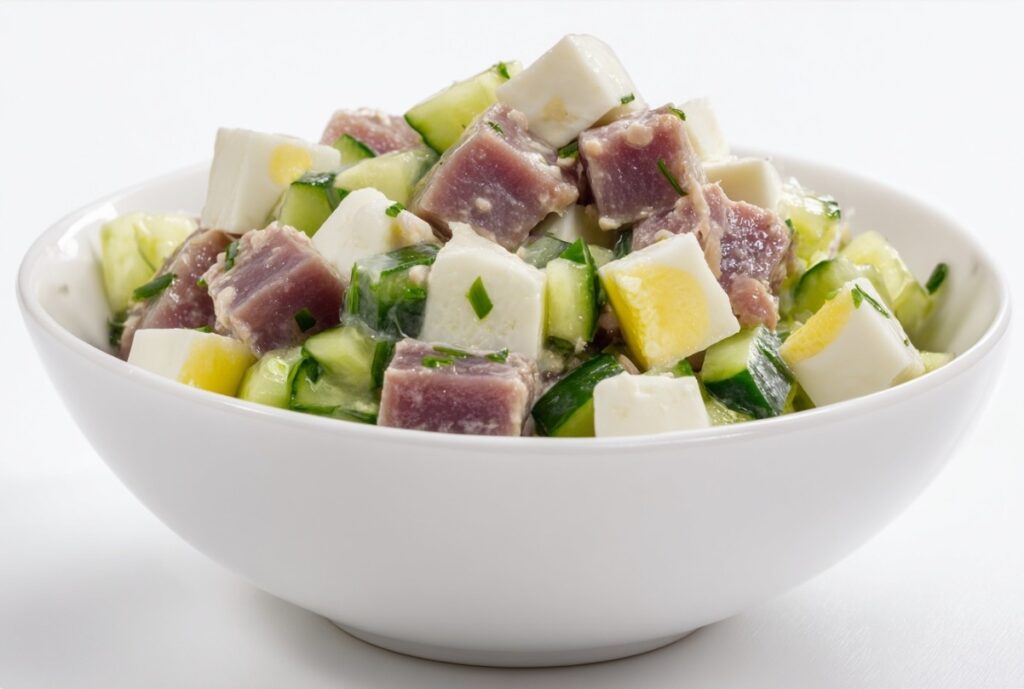
How cheese behaves with tuna when cooking: melting, dryness, and that ‘fishy’ smell
No recipes here—just the logic. Mixing cold ingredients is one thing; heating them is another. And heat is where people get disappointed most often: the cheese melts weirdly, the tuna dries out, and the smell gets stronger.
Melting cheeses + tuna
Low-moisture mozzarella, young semi-hard cheeses, some cream cheeses—they melt and give you that stretch. But tuna loses moisture quickly when heated. If the cheese is very fatty and the tuna is dry, you can end up with “fat on top, sawdust inside.”
My rule: the drier the tuna, the gentler the heat—and the more sense it makes to use a cheese that adds moisture or creaminess (cream cheese, ricotta), not just fat.
Brined cheeses when heated
Feta/bryndza won’t melt like pizza cheese. They dry out, crumble more, sometimes even turn a bit sandy. That can be delicious—if you expect it. If you expect gooey stretch, it’ll disappoint.
Aged hard cheeses
Parmesan and friends add aroma and a toasted nutty note when heated, but they can dry out the surface if you use too much. With tuna, I like them as a finishing touch, not the base.
Why the “fishy” smell sometimes gets stronger
Heat boosts volatile aromas. If the tuna isn’t great quality or has been open too long, the smell becomes more noticeable. Some cheeses (especially very aromatic ones) don’t hide it—they make the combo feel even sharper. For hot dishes, I usually choose more neutral cheeses and pay extra attention to tuna freshness.
Tip: if you’re heating the combo, don’t mash tuna and cheese into a paste ahead of time. Keep textures in layers or chunks—tuna stays juicier, and the cheese behaves more predictably.
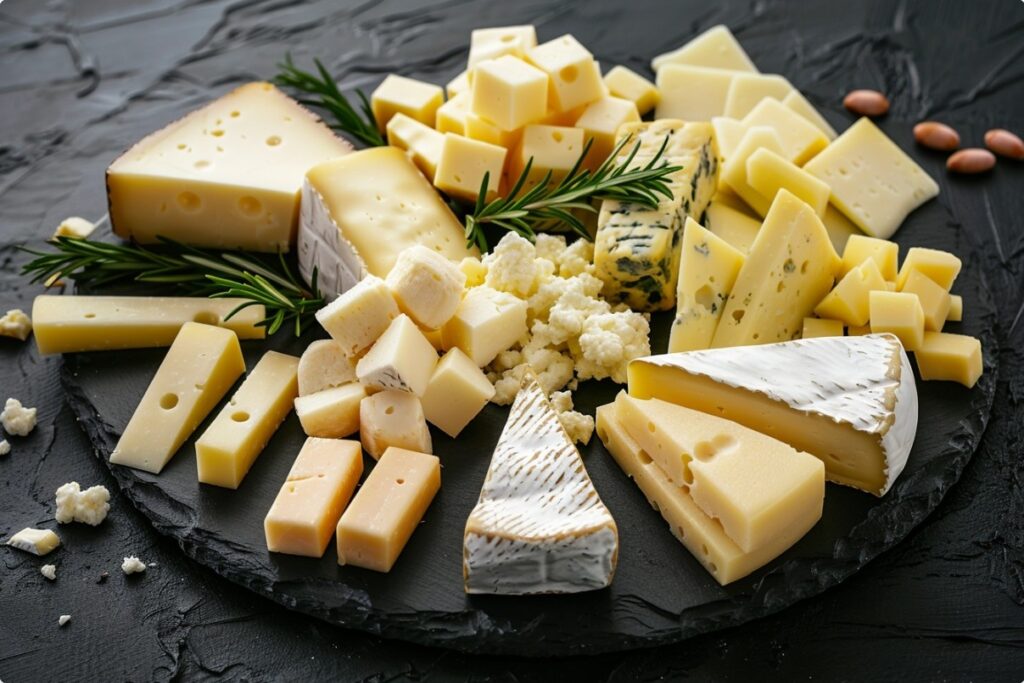
A quick decision compass: which cheese to grab today
When you’re standing in front of the cheese case, tired, and you already have an opened can of tuna at home, you don’t need philosophy—you need a quick compass. Here’s how I decide in under a minute.
- Tuna in water, you want it gentle → ricotta or a mild fresh farmer-style cheese; sometimes cream cheese with a slight tang.
- Tuna in oil, you want it lighter → mozzarella, young goat cheese (in small amounts), or feta if you’re controlling the salt.
- You want it bolder and more “grown-up” → a little Parmesan/Grana or a pinch of Pecorino as an accent.
- You want to go big → blue cheese, but in tiny portions and only if the tuna isn’t sharp-smelling.
Quick story: one night at home it was the classic “there’s nothing to eat.” I had tuna in water, a piece of hard cheese, and a bit of feta. I could’ve mixed everything and ended up with a salty lump. Instead, I used the hard cheese literally as a pinch, and the feta as a few crumbles. Suddenly the tuna tasted good—not just “canned.” The difference was dosage and the role the cheese played.
If you want the short version: the best cheese with tuna is the one that boosts tuna’s strengths and softens its weak spots—without trying to shout over it. For everyday meals, that’s usually ricotta, a good plain cream cheese, or feta/bryndza used thoughtfully. Aged and blue cheeses are more like seasonings: great, but only in moderation.
I’m curious—how do you usually eat tuna: with a mild creamy cheese, or something saltier and sharper? And which cheese has let you down with tuna so badly you never repeated it?
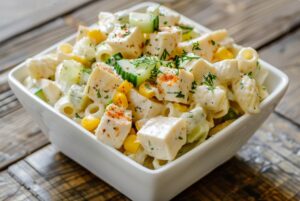
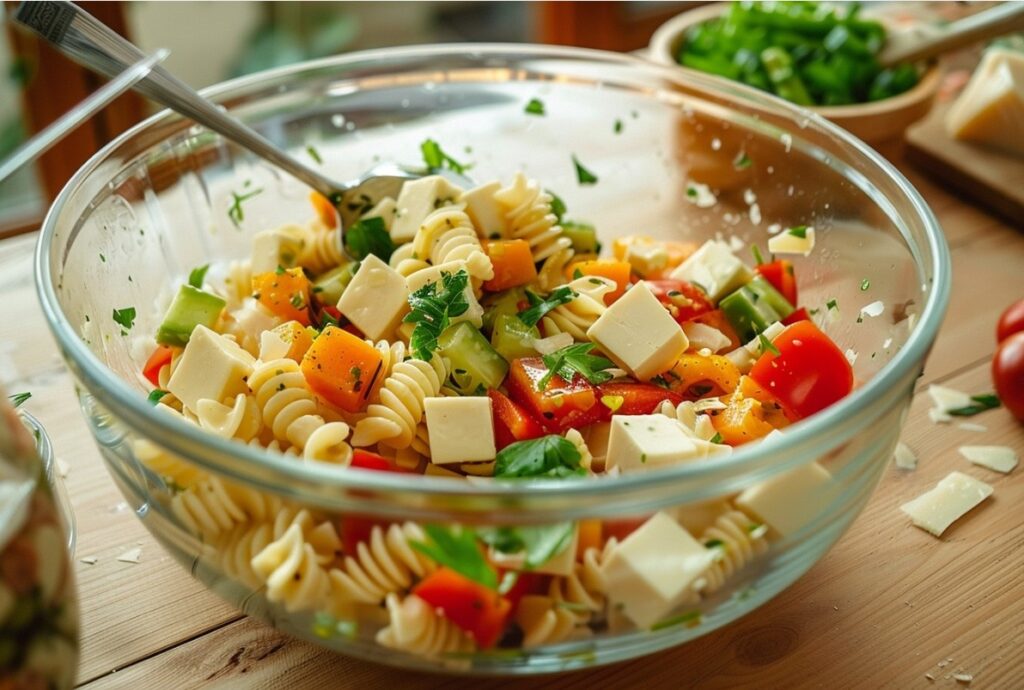
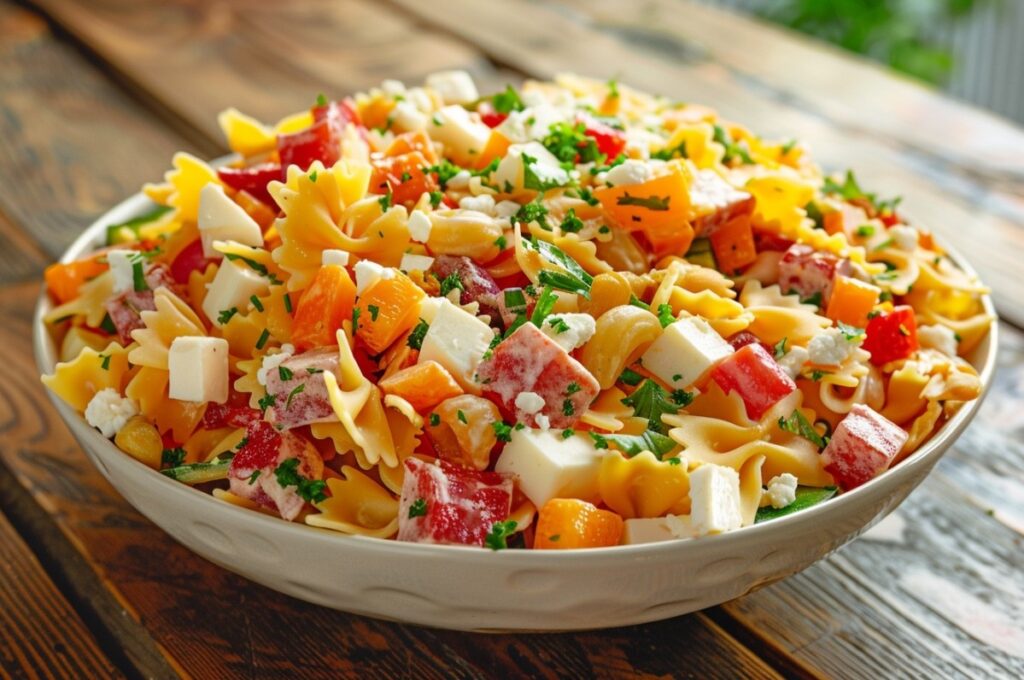
Tuna-and-cheese pairings really shine in practical recipes where you need that sweet spot between light and satisfying. For example, in options like Tuna salad for a picnic, you can see how the right cheese makes the texture more interesting and substantial—without weighing the dish down or masking the tuna.
Frequently asked questions
What cheese goes best with tuna?
Mild, creamy cheeses work best: ricotta, mozzarella, feta-style brined cheese (watch the salt), or plain cream cheese. They add texture without overpowering tuna.
Can you use Parmesan with tuna?
Yes, but use it as an accent. A small amount of Parmesan/Grana adds umami and a nutty finish, especially in salads with juicy ingredients like tomatoes or citrus.
Why does tuna sometimes taste metallic with cheese?
Very sharp, overly acidic, or strongly aromatic cheeses can highlight canned tuna’s metallic notes. Draining and blotting the tuna, then choosing a gentler cheese, usually fixes it.
Does feta go with tuna salad?
It does, especially with fresh vegetables. Keep an eye on salt levels because both tuna and feta can be salty.
What cheese is best for tuna in oil?
Since tuna in oil is already rich, choose lighter or more neutral options like fresh mozzarella, or use tangy cheeses (like young goat cheese) in small amounts for contrast.