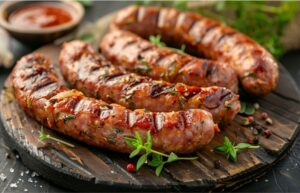
What Meat Works Best for Homemade Kebab

There’s this moment in a home kitchen: you’re already picturing kebab sizzling in a pan or on a grill rack, smelling like smoke and spices… and then—boom. The mince falls apart, the inside turns kind of grey and dry, the outside burns, and one thought keeps looping: “Did I just buy the wrong meat?”
Honestly, when homemade kebab “breaks,” it’s rarely your hands or your patience—it’s the logic behind the choice. You need meat that can be shaped, stays juicy, and doesn’t turn into a food-safety stress test when your burner heats unevenly and you don’t have a thermometer within reach. Then there are the small things—mince temperature, fat level, grind size—that matter more than any “secret spice blend.”
I like to think of kebab as a quick check of your core meat skills: understanding fat, protein, temperature, and time. Once that clicks, you stop cooking scared and start steering the process—even on a regular stovetop, even without an outdoor grill.
So let’s break down what meat works best for homemade kebab, why it works, how not to miss the mark on fat and safety, and what to do if your mince is already… not ideal.
What we actually want from meat for homemade kebab
Kebab isn’t a burger patty, and it’s not “let’s see what happens” lula. It has three requirements—and all three start with the meat.
First: it has to hold its shape. At home, kebab is often cooked without proper skewers: on wooden sticks, on a grill rack, in a grill pan, sometimes just as “sausages” on parchment in the oven. If the meat is too lean or too warm while you’re shaping, it can fall apart before the proteins have a chance to set.
Second: it needs to stay juicy. Juiciness in kebab is built on fat and the right level of heat. You can “save” lean meat with technique, but it’s always a compromise. And if there’s fat but you overcook it, that fat renders out—and your juiciness stays in the pan.
Third: it has to be safe. Minced meat is less forgiving than a whole cut. With a steak, most bacteria are on the surface—you sear it and you’re already in a better place. With mince, that surface gets mixed throughout. So for homemade kebab I always think about two things: cleanliness (knife, board, hands, keeping it cold) and cooking control (time/temperature, not “until it feels like it’s been long enough”).
One more thing that sounds obvious but saves a lot of frustration: kebab is all about texture. Springy but not rubbery; juicy but not “wet”; browned on the outside with even heat inside. Your meat choice sets half of that texture before you even turn on the stove.
Beef, lamb, pork, chicken: how to choose for your kitchen
I don’t believe there’s one “correct” meat for kebab. There’s meat that forgives, and meat that demands discipline. At home—where your stovetop has its own personality—it’s smarter to start with the forgiving options.
Lamb: big flavor and fat, with a few caveats
For a lot of people, “classic kebab” means lamb. And it’s not random: lamb has a distinctive aroma that carries spices beautifully, plus fat that gives that signature juiciness and tenderness.
At home, though, lamb can surprise you. Pick a piece that’s too lean and your kebab turns dry. Pick a fatty mix but cook it too hot and too long, and the fat renders out—you end up with a hollow shell of meat protein. Another detail: lamb fat firms up faster than pork fat. That’s great for shaping (it holds), but annoying if you’re fussing around in a warm kitchen—fat goes from firm to smeary and the texture gets uneven.
Beef: reliable, but it needs fat
Beef is the easiest option for most home kitchens. The flavor is predictable, it browns well, and with the right fat level you get a really clean, deeply “meaty” kebab.
The main trap: people buy the leanest mince because “it’s healthier.” For kebab, that’s almost always a fast track to dryness and crumbling. Beef without enough fat doesn’t have the plasticity you need to stay on a skewer or survive flipping.
Pork: juicy and tender, but watch the heat
Pork kebab at home is basically insurance. Pork is naturally juicier, the fat is softer, and even if you slightly overdo it, the result is often still “good enough and pleasant.”
The downside is that pork is easy to push into that dense texture people describe as “rubbery.” Also, pork mince can turn into a paste faster if you mix it too long in a warm room. And paste on a hot pan tends to release more liquid and lose structure.
Chicken/turkey: lighter, but the fussiest
Poultry mince gets picked a lot because people want something “lighter.” It can work for kebab, but at home it’s the hardest route: low fat, proteins tighten quickly, and drying it out is ridiculously easy. Safety matters even more here—poultry demands clean handling and thorough cooking.
If you’re just learning, I wouldn’t start with chicken. It doesn’t forgive mistakes. Once you’ve got the feel for beef or blends, poultry becomes totally manageable.
My go-to “starter” choice for homemade kebab is beef with added fat, or a beef-and-pork blend. You get flavor, better binding, and way less stress at the stove.
Fat and texture: why kebab falls apart or turns dry
Here’s the basic mechanics—without it, homemade kebab is basically a lottery.
When you shape kebab, you’re relying on two “glues”: protein (it sets and binds as it heats) and fat (it lubricates the fibers, keeps things juicy, and gives that tender bite). Too little fat and the protein tightens, moisture escapes, and you get a dry, crumbly kebab. Plenty of fat but too much heat or too much time, and the fat renders out—dry again, plus little voids inside.
There’s a third factor: particle size. Too fine a grind gives a pâté-like texture: it’s sticky, but on heat it can release a lot of liquid and tighten into a dense “meat loaf” log. Too coarse, and the pieces don’t knit together well—kebab can crack along the seams.
A fat range to aim for (without getting obsessive)
For homemade kebab, I like a range where you can taste the fat, but it’s not dripping. In real life that means: not “diet” mince, and not straight-up fat.
- Lean (roughly under ~10–12% fat): often dry, crumbles easily, harder to keep in shape.
- Comfort zone (roughly ~15–25%): juicy, pliable, predictable on the stovetop and in the oven.
- Very fatty (roughly above ~30%): insanely tasty, but you need control over heat and time or the fat will render out and the shape will slump.
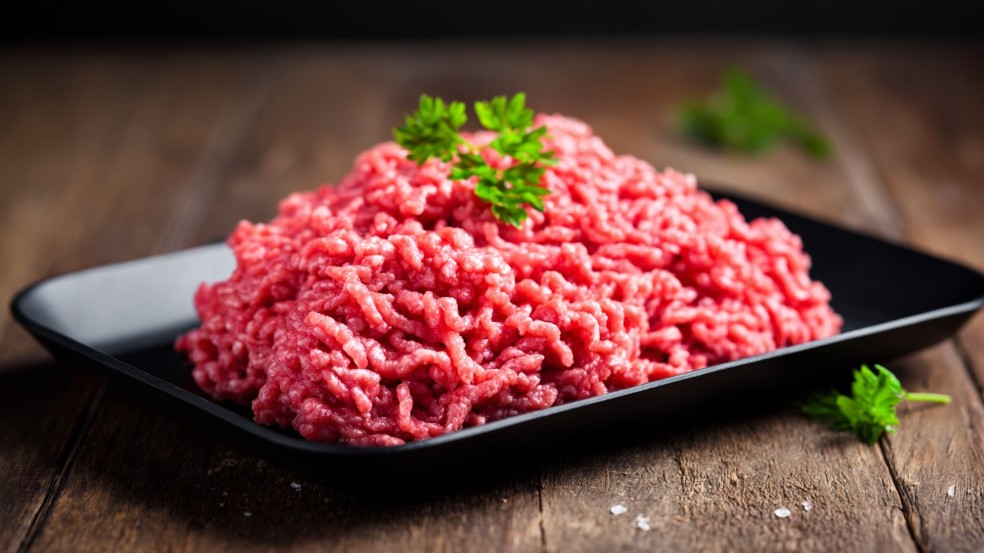
I’m saying “roughly” on purpose, because you don’t always get numbers at the store. But you can eyeball it: if the mince looks matte and almost uniformly dark, it’s lean. If you see small pale flecks/threads, there’s fat. If it’s shiny and there’s a lot of pale bits, you’re in fatty territory.
A quick story from my kitchen: “the best veal” let me down
Once I bought “the best veal, the most tender,” and made kebab because I wanted a delicate flavor. In the pan it looked perfect at first: neat little logs, gorgeous browning. Then—dry, crumbly, and inside it felt like eating warm cotton. The problem wasn’t my frying; the veal was simply too lean, and I also cooked it like pork—longer, “just to be sure.” Since then I don’t chase “tender” cuts for kebab. Fat level and structure matter more here.
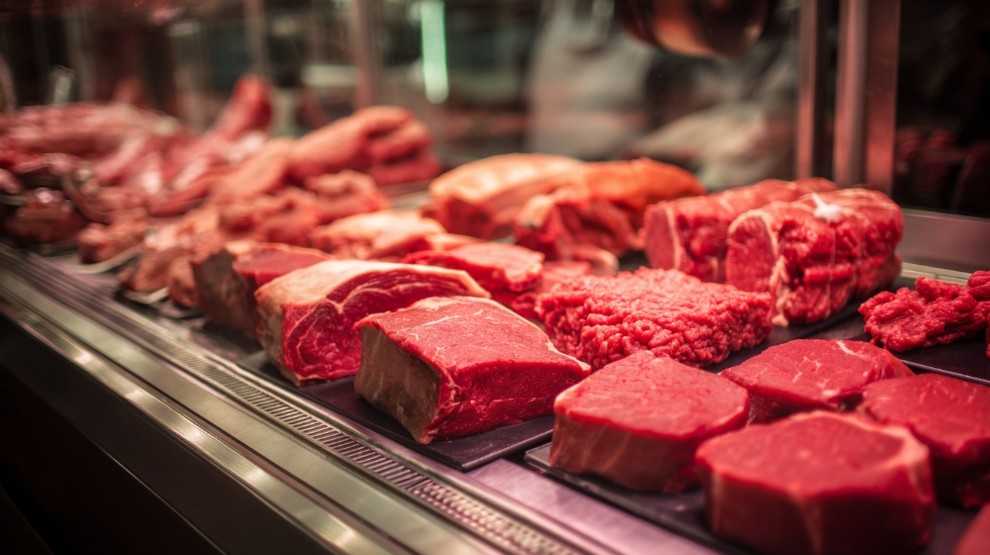
Which cuts work at home (and why): no pro-level gymnastics
I’m not going to throw around a bunch of cut names that send you down a 30-minute Google rabbit hole. Here’s the simple version: for kebab you want meat from hard-working muscles plus a bit of fat. Working muscles bring flavor and that “real meat” character; fat brings juiciness and binding.
In a home kitchen, that looks like this.
For beef
Look for meat that isn’t ultra-lean and isn’t “steak meat.” Steak cuts are often too tender and lean (or too expensive to grind), and for kebab their best qualities get lost anyway.
- Works well: cuts with moderate fat and strong flavor—things you’d normally buy for braising, stew, or goulash. They make the right base.
- What I add: a little beef fat separately, or a fattier piece, if the base meat is too lean.
How to tell on the spot: the meat should be red, not watery, with fine white streaks—or at least the option to add a bit of fat.
For lamb
Lamb loves fat—not just marbling, but sometimes literally a small piece of tail fat or fattier trimmings. That’s how you get a silky texture and deeper aroma.
- Works well: meat from the leg or shoulder (in plain terms: not something that looks like a clean, lean fillet).
- What I’d avoid as a beginner: very lean pieces with basically no fat—you’ll have to compensate with technique, and that’s harder.
For pork
Pork gives you a lot of freedom. One nuance: if you go too fatty, kebab can slump over high heat, and the fat can burn and turn bitter.
- Works well: shoulder or neck—usually a good balance of meat and fat.
- Go easy: pure belly or very fatty trimmings—delicious, but they need gentler heat and more attention.
For chicken/turkey
If you’re going with poultry, it’s better to include some dark meat—it’s juicier. All-white meat dries fast and makes a dense kebab.
Quick trick: if you’re unsure about fat, fry a tiny test piece. How much it shrinks and how much juice/fat it releases tells you exactly what you’re working with.
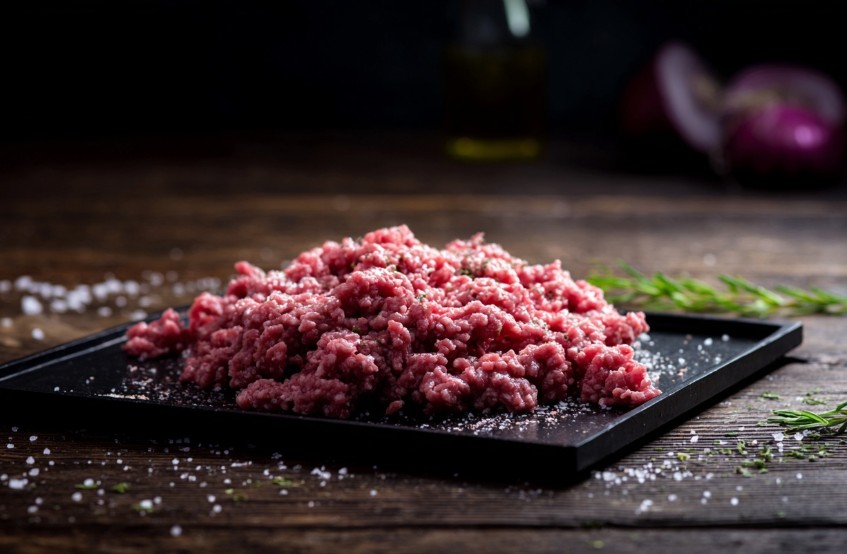
Kebab mechanics: mince temperature, mixing, “stickiness” and why it works
This is the section that usually changes everything. People think kebab holds together because of “the right meat.” In reality, it holds together because of cold and protein structure.
Why cold matters more than you think
When mince is warm, the fat softens and starts acting like grease. Sounds helpful—mixing gets easier. But for shaping it’s bad: the mixture turns slippery, clings less to the skewer/your hand, and at the start of cooking it releases fat and moisture faster.
When mince is cold, the fat stays in small, firm particles. You shape the kebab and it actually “stands up.” On a hot surface, the outside sets faster, and only then does the center heat through.
On a home stovetop it often looks like this: the pan is hot, the kebab is still cold. And for kebab, that’s a good thing—cold kebab + a properly preheated surface gives you a chance to catch a crust before anything starts slumping.
Mixing: not “mashing,” but binding
When you mix the meat, proteins partially unwind and bind water better. That’s where the famous “stickiness” comes from: kebab holds together, doesn’t crack, and slices cleanly.
But there’s a limit. Mix too long in a warm room and the fat smears, the mixture turns paste-like, and after cooking it can come out dense and sausage-y—in the bad way.
Signs you nailed it: the mixture looks uniform, pulls slightly when you lift it, but it’s not glossy with fat and it’s not “flowing.” The smell is clean and meaty, no sour notes. To the touch it’s cold and springy.
Two small things I do almost every time
- I chill everything I can: bowl in the fridge for 10 minutes, meat too. It’s basic, but the difference is real.
- I shape with wet hands: water reduces sticking, so you don’t tear the surface. A smooth surface means fewer cracks—and fewer chances it falls apart.
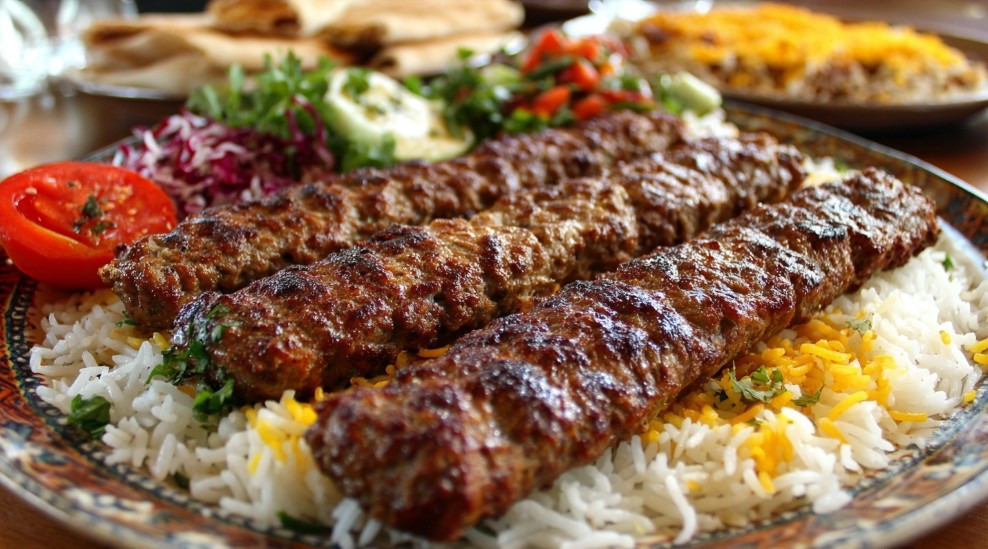
Food safety: how to cook minced-meat kebab without panic (and without a raw center)
I’m not into fear-mongering, but mince really does require attention. It’s not scary—just a few habits.
Cleanliness and time out of the fridge
Mince doesn’t like hanging out on the counter. Especially in summer, especially if you’re also chopping veggies, opening cupboards, grabbing your phone—using the same hands for everything.
- Keep the meat cold until the last moment: take it out—shape—straight onto a hot surface, or back into the fridge.
- Use a separate board/knife for meat. Not because it’s “proper,” but because it genuinely reduces kitchen chaos.
- Don’t rinse raw meat in the sink. It doesn’t make it cleaner, and splashes spread microbes around your kitchen.
Internal doneness: how to judge if you don’t have a thermometer
A thermometer equals peace of mind. If you don’t have one, look for a combination of signs—not just one.
- Juices: when you pierce the thickest part, the juices should run clear or slightly pale, without obvious redness.
- Texture: cooked kebab is springy, not rock-hard. If it feels soft and jelly-like, it’s undercooked. If it’s very firm, you’ve overcooked it.
- Color on the cut: with beef/lamb, a faint blush in the center can happen depending on thickness, but with mince I don’t play “medium” at home unless I’m confident in meat quality and temperature control. For chicken/turkey: no pink.
One more important thing: kebab keeps cooking for 2–5 minutes after you take it off the heat. The internal temperature evens out and the juices settle. Slice immediately and it can seem “rawer” and drier at the same time (weird, but true).
Quick trick: if you’re worried about a raw center, make the kebabs a bit thinner—not longer. Thickness matters more than extra minutes in the pan.
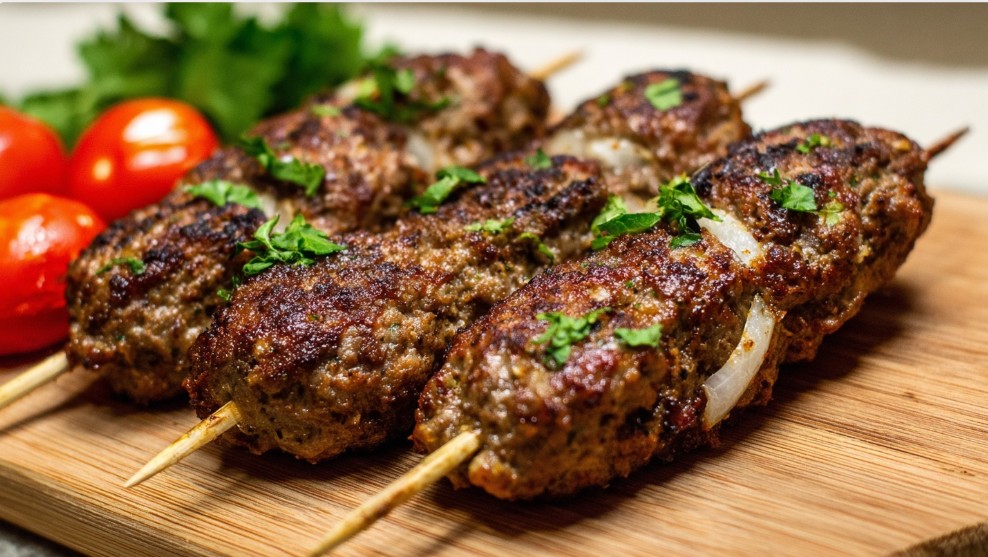
Common beginner mistakes: how it should be vs how it often goes
I’ve seen these mistakes dozens of times—and made them myself. Kebab is sneaky because small issues stack into one big failure.
1) Buying mince that’s too lean
How it should be: the mixture needs fat so kebab stays juicy and holds together.
How it often goes: people buy “fillet mince” or the leanest option because “it’s better.” Result: dry, cracked, crumbly.
2) Shaping with warm hands and taking too long
How it should be: shape quickly—then chill or cook right away.
How it often goes: standing over the bowl for 20 minutes, tweaking each kebab, admiring them, taking photos. Meanwhile the fat melts, the mixture warms up, and the structure starts to slide.
3) Not preheating the cooking surface enough
How it should be: the pan/grill rack should be properly hot so the surface sets fast.
How it often goes: kebab goes onto a barely warm pan “so it won’t burn.” It starts steaming in its own juices, loses shape, and never develops a real crust.
4) Flipping too early
How it should be: let the first side set. Once the crust forms, kebab naturally releases from the surface.
How it often goes: poking and flipping every 20 seconds. The surface tears, juices leak, shape suffers.
5) Confusing “browned” with “done”
How it should be: browning is about the outside; doneness is about the center and the time/temperature.
How it often goes: a pretty crust appears and they pull it too soon. Or they’re afraid of undercooking and keep going until it’s dry.
Quick trick: if kebab browns too fast, lower the heat and finish more gently. But that first contact with a hot surface still needs to be confident.
If something goes wrong: kebab falls apart, turns dry, or gets “rubbery”
These are the situations that happen most often—and how I fix them without turning it into a heroic kitchen saga.
It falls apart while you’re shaping
- Likely cause: the mixture is warm, too lean, or the grind is too coarse so it doesn’t knit together.
- What I do: chill the mixture for 20–30 minutes. Often that alone is enough for the fat to firm up and everything becomes more cooperative.
- Another option: mix briefly but intensely to build that sticky bind (without long “kneading” in a warm room).
It holds its shape but falls apart in the pan
- Likely cause: the pan isn’t hot enough, or you’re flipping too soon.
- What I do: give it time on the first side. If it’s sticking, the crust hasn’t formed yet. Don’t pry it off.
- Technical fix: cook in batches and don’t crowd. When the pan is crowded, the surface temperature drops, kebabs start releasing water, and they weaken.
It turned out dry
- Likely cause: not enough fat, or it was overcooked (especially over high heat).
- What I do next time: increase the fat (or choose different meat), make kebabs slightly thicker, but cook more gently and finish without scorching the outside.
- What I can do right now: let the kebab rest a few minutes under foil/a lid. It won’t bring back fat, but it softens that “glassy” dry texture.
It turned out “rubbery” and dense
- Likely cause: too fine a grind + overmixing, or cooking too long over medium heat (proteins tighten slowly and strongly).
- What I do: mix less next time, keep the mixture colder, and start more confidently on a hot surface so the crust forms faster.
It seems cooked, but the flavor is flat
This isn’t always about spices. Often it’s too-lean meat, or meat with a very delicate flavor that gets lost after cooking. Beef with a bit of character or lamb makes a better base. Also: salt added at the right time helps proteins bind water, which boosts the feeling of juiciness.
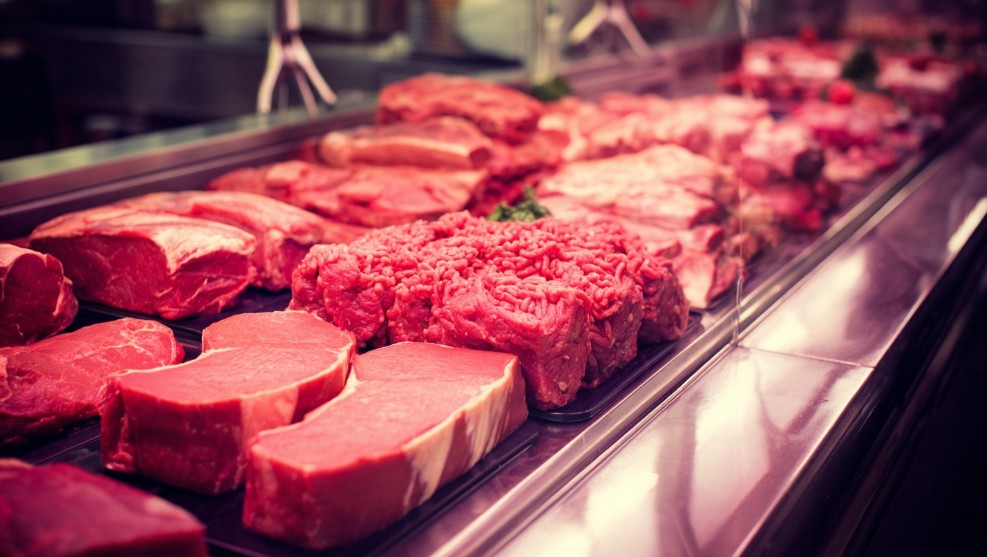
How I choose meat at the store: 7 practical cues (no extra theory)
When you’re standing at the meat case, you don’t have time for a lecture. Here’s what actually helps.
- I check color and moisture. Meat should look fresh and “alive,” not grey and not wet. A lot of liquid in the tray often means you’ll end up steaming instead of browning.
- I look for fat in the right form. Fine streaks/flecks are better than one big chunk of fat. It distributes more evenly and works better in the texture.
- I don’t chase “fillet.” For kebab, tasty meat with some fat beats “the most tender” every time.
- If I buy pre-ground mince, I read the label. I want to know what meat it is and whether anything extra was added. If it’s vague, I buy a piece and grind it myself (or ask the butcher to grind it in front of me if that’s an option).
- I smell it. It should smell clean and meaty. Any sour note is a hard no.
- I match the cooking method to the meat. Fattier mince = gentler heat and more attention. Leaner mince = faster cooking and thinner kebabs.
- I think about the cold chain. Buy it—go home—into the fridge. Not “I’ll run two more errands with mince in my bag.”
Quick story: once I tried to “save time” and bought mince that had clearly been sitting in the display for a while. It looked fine, but in the pan it released a ton of water, the kebabs started braising, and all the shaping work was pointless. Since then I’d rather spend an extra 10 minutes getting good meat than spend an hour being annoyed at dinner.
If I had to boil it down: the best meat for homemade kebab is meat with real flavor and enough fat, that behaves predictably in your hands and over heat. Beef with added fat or a beef-and-pork blend is my most reliable option; lamb is the most aromatic; pork is the most forgiving; and chicken/turkey is for when you already feel the process and want a lighter result.
So what meat do you usually buy for homemade kebab—and what’s the part that most often goes wrong: shape, juiciness, or doneness in the center? Tell me what you cook on too: a pan, the oven, or a grill rack.