Which Onion is Best for Meatballs — Raw, Fried, or Caramelized

It all starts simply: you’re standing by the meat grinder, already smelling the future meatballs, and in front of you is an onion. Bought at the market or supermarket, white, pink, yellow, or maybe a packaged one promising ‘tear-free.’ The problem isn’t that onions come in different varieties, but how to choose: which is better to add to the mince? Raw, fried, or caramelized? Each option changes the taste, texture, and even appearance of the dish. Moreover, not all onions are equally suitable for these three approaches. This is where all the kitchen ‘pitfalls’ begin.
Over the years of working with different cuisines, I’ve learned to distinguish good onions from just an idea, and during shopping, I’ve often caught myself thinking: why do I choose this bulb and not the one next to it? So now I’ll tell you how the choice of onions for meatballs really works. No myths or complications — just what really affects the dish. Because here, the main thing is taste, not an encyclopedia.
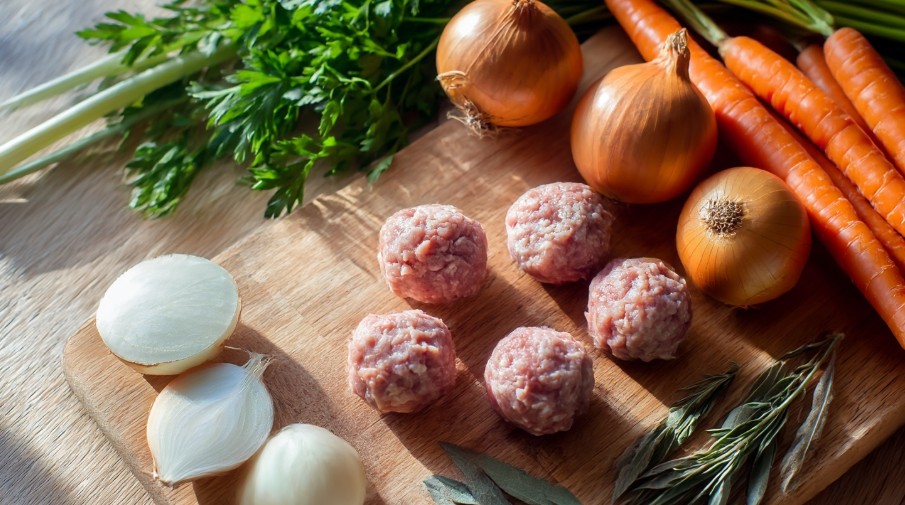
What Does Quality Onion for Meatballs Look Like
I confess: I’ve often caught myself grabbing the first onion from the shelf because ‘it doesn’t matter, it’ll end up in the mince anyway.’ Almost everyone thinks this way — and they’re wrong. The taste and texture of meatballs depend not only on the type of meat or the amount of spices but also on the specific onion you choose. Quality onion is not just ‘dry’ and ‘mold-free.’ There are several signs you won’t notice at first glance, but they change everything.
- Skin color — uniform, without dark spots, cracks, or green streaks. Yellow onions (classic) are most often used for meatballs, but white and pink are also suitable if they are dense and without dents.
- Firmness — press with your finger: a quality onion doesn’t dent, isn’t soft. If it feels like a ‘sponge’ or is slimy — leave it on the shelf.
- Smell — fresh, not sharp, without rot or mustiness. Sometimes at the market, sellers sprinkle onions with water to make them look fresher — it spoils quickly from the inside. At home, cut it open — if the core is dark or smells strange, it’s better not to risk it.
- Texture — the peel should be dry and crunchy, but not peeling. If the skin easily comes off even with a light touch, it’s a sign of over-ripeness or improper storage.
- Seasonality — fresh onions at the beginning of summer (young) are less sharp, with thin skin and a delicate taste. It’s better to add them raw. Winter onions are stronger, sharper.
I’ve often bought beautiful-looking onions that turned out to be bitter inside. Here’s a simple rule: if in doubt — better not risk it, as you’ll spoil not only the mince but also your mood.
Raw, Fried, or Caramelized: How to Choose for Meatballs
This question divides people into three camps, and each stands their ground. But there’s no single ‘correct’ answer here. It all depends on what you want from your meatballs: juiciness, sweetness, sharpness, or delicate texture.
Raw Onion
A classic for homemade meatballs. Gives the mince juiciness, a slight sharpness, a characteristic aroma. If the onion is fresh and not too sharp — the mince will be more tender. But if the bulb is ‘old’ or with a bitter core — you risk getting an unpleasant aftertaste. A micro-story: once, while preparing 200 meatballs for a celebration, I hurriedly added raw onions from a ‘budget’ pack to the mince. It turned out dry and with a strong smell — guests were reluctant to eat, and I still remember that lesson.
Fried Onion
Adds sweetness, depth of flavor. The mince becomes less sharp, and the smell less ‘oniony.’ Fry on medium heat until translucent, without over-frying. If you add too much oil — the meatballs will be greasy. If over-fried — bitterness will appear. The main secret here: fried onion replaces part of the juice in the mince with flavor volume.
Caramelized Onion
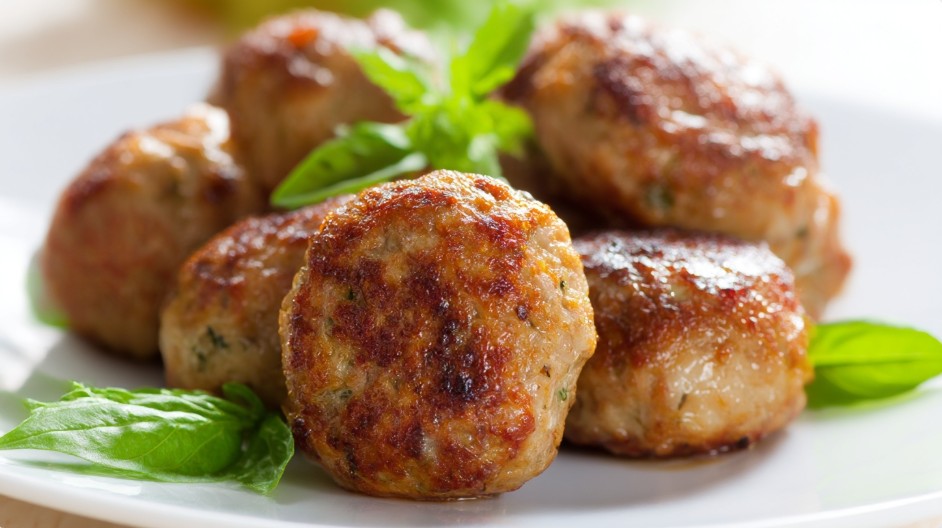
This is for those who aren’t afraid of experiments. Caramelized onion gives the mince a sweet note, silky texture. But it’s important not to overdo it: if you add too much, the meatballs will resemble sausages, losing their ‘meaty’ character. I like to add a bit of caramelized onion to mince for festive dishes — the taste becomes deeper and more noble, but not for every day.
How to Choose Onions at the Market and Supermarket
The place of purchase matters. At the market, you can often find more aromatic and ‘alive’ onions, but there are also many traps. In the supermarket — everything looks nice, but often the onions have been there longer than it seems.
At the Market
- Ask the seller when the harvest was. Fresh onions smell different, have juicy scales.
- Choose medium-sized ones — large ones are often watery, small ones may be dried out.
- Don’t be fooled by a ‘glossy’ appearance — sometimes they are polished for shine to look fresher.
Tip: if in doubt, ask to cut one onion. True sellers won’t refuse and will show what’s inside.
In the Supermarket
- Avoid onions in plastic bags — they spoil faster there.
- Check that there is no condensation or moisture on the scales. If the bag is fogged up — there may be mold inside.
- Pay attention to the smell near the section — if you smell rot or a sharp mustiness, something is wrong.
I’ve often caught myself taking a beautiful onion from the supermarket, only to find a black spot or dry core at home. Over time, I developed the habit of always feeling, smelling, even if people look askance.
Common Mistakes in Choosing and Using Onions
Even an experienced cook can get lost here. Even if you’ve carefully chosen the onion, you can make a mistake at home.
- Adding too much or too little onion to the mince. The ideal proportion is when the onion gives juiciness but doesn’t overpower the meat.
- Not removing green sprouts inside — they give bitterness and an unpleasant smell.
- Adding onions with dark spots or rotten areas — even if you cut them out, the taste is already spoiled.
- Frying onions on too high heat — it turns out bitter, not sweet.
- Using onions stored in a damp place — they are often limp, lose aroma, and become slimy.
- Storing onions in polyethylene or in the fridge next to fruits — they spoil quickly and may ‘smell’ wrong.
Tip: if you want to avoid tears when cutting — chill the onion in the freezer for 10 minutes, but no longer. It will become less sharp, and easier to cut.
Is It Worth Paying More: Price and Common Sense
Expensive onion varieties are often sold as ‘best for mince,’ but price doesn’t always equal quality. I’ve tried various types — from farm-grown at 60 hryvnias per kilo to regular market ones. If the onion is fresh, firm, and defect-free — its taste in mince will be no worse than ‘elite.’ But there are nuances:
- Red onions are milder but more expensive. They give a soft sweetness, suitable for raw serving, but may ‘get lost’ in mince.
- White onions — sharper, caramelize faster, but not everyone likes their sharpness raw.
- Yellow — universal, often the best price/taste ratio for meatballs.
If you often fry or caramelize onions — there’s no point in overpaying for an expensive variety. But for raw serving in mince, sometimes it’s worth getting a juicier one, even if it’s a bit more expensive.
How to Store Onions So They Don’t Lose Flavor and Quality
How many times has it happened: bought a kilo of onions, and after a week, half already have sprouts or are soft. The main thing here is not to turn the kitchen into a vegetable storehouse and not to be lazy to check stocks once a week.
- Keep onions in a ventilated place, without direct sunlight. Ideally — in a net or paper bag.
- Don’t store near potatoes — they ‘love’ each other, but accelerate sprouting.
- Don’t put onions in the fridge (except green ones). They become limp, lose crunch, and may get soggy.
- If you need to extend freshness — spread the bulbs separately, not stacking them ‘in a heap.’
- Immediately remove spoiled or suspicious onions from storage — they quickly ‘infect’ neighbors.
A very simple life hack: if you have leftover chopped onion, wrap it in two layers of cling film and put it in a container. This way, it won’t absorb foreign odors and won’t dry out. But don’t keep it for more than a day.
A micro-story: I had an ‘onion’ basket in my kitchen that everyone was afraid to open after a vacation. Once, I forgot to check the stocks — the smell spread throughout the entire building. Since then, I check the onions once a week, like a ritual.
What Happens to Onions During Meatball Cooking
Onions in meatballs work as an invisible agent: they’re not just for taste, but for texture and juiciness. Each processing method gives its effect.
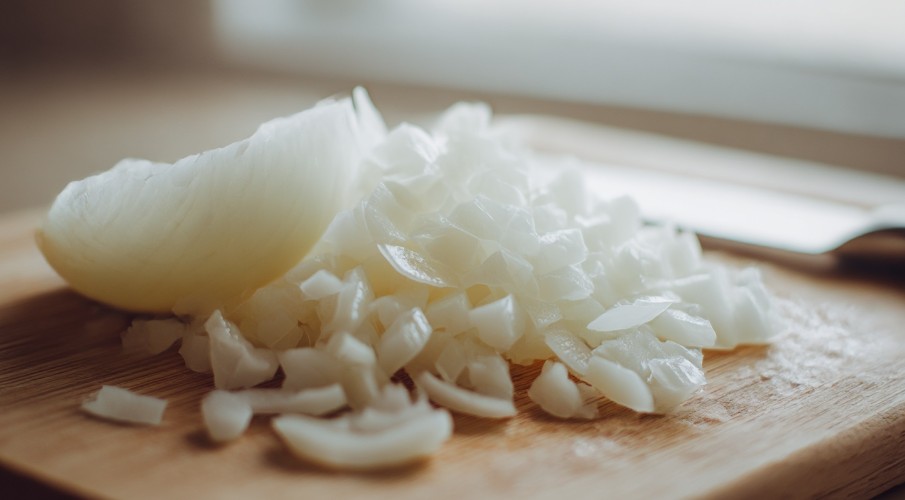
- Raw onion — releases juice, makes the mince fluffier. If finely chopped or passed through a meat grinder — the structure becomes softer. But if the pieces are large — the meatball may ‘fall apart.’
- Fried — adds sweetness, slightly ‘dries’ the mince, but makes it tender. If fried until golden — the color of the meatballs becomes warmer.
- Caramelized — radically changes the taste, gives deep sweetness and softness. But in large quantities, it can ‘overpower’ the meat flavor.
I was surprised when I first tried adding caramelized onion to mince for meatballs: the dish became more ‘adult,’ with notes you don’t expect from a simple cutlet. But children prefer the classic with raw onion — here everyone finds their balance.
Tip: if you want perfectly even texture, grate the onion on a fine grater. And if you like to feel the pieces — cut into 2-3 mm cubes.
Tips for Choosing and Using Onions in Meatballs
- Add not only regular onions to the mince but also a bit of green onion — it will give a fresh note and a more spring-like appearance.
- If the onion is sharp — pour boiling water over it for 2 minutes, then rinse with cold water. The sharpness will disappear, the aroma will remain.
- For festive meatballs, mix a bit of caramelized onion with raw — the taste will become richer.
- Don’t add onions from the fridge directly to the mince — it will make it too dense and cold, and the meatballs will bake worse.
- For chicken or turkey mince, it’s better to use sweeter onion varieties, for beef — classic yellow or even slightly sharper white.
A micro-story: once I experimented with red onion in fish mince for meatballs. It turned out unexpectedly delicious — the mince color became pink, and the taste — tender and fresh. Since then, I’m not afraid to try something new.
Marketing Traps and Misconceptions When Choosing Onions
On the shelves, you often see onions with beautiful labels: ‘eco-friendly,’ ‘tear-free,’ ‘farm,’ ‘elite.’ From experience: most of these labels are just marketing. The only thing that matters is the freshness and quality of the onion itself.
- ‘Tear-free’ — these are often specially grown varieties with fewer essential oils. They are indeed less sharp, but for meatballs, the taste becomes paler.
- ‘Farm’ doesn’t always mean ‘better.’ There have been cases where regular market onions were tastier than ‘elite.’ The main thing is to look at quality signs, not price or label.
- Polyethylene packages with sealed atmosphere — good for transportation, but not for home storage. On the shelf, such onions may already be ‘suffocated’ and start spoiling from the inside.
A micro-story: I worked in a restaurant where they bought expensive ‘organic’ onions. After a month, it turned out that half of the batch had spoiled in storage. I made a simple conclusion — it’s better to buy less, but more often, and check everything on the spot.
How Different Types of Onions Behave in Mince
Onions are like a friend to meat: they can support, or they can ‘steal the show.’ To avoid disappointments, you need to know a few things.
- Raw onion makes the mince juicy, but sometimes it can release excess moisture. If the mince stands for more than 20 minutes — liquid will start to separate, and the meatballs will be less firm.
- Fried onion reduces the risk of meatballs ‘falling apart,’ as it releases less juice. But the mince becomes less airy.
- Caramelized — ideal for those who love a sweet note and soft texture, but in large quantities can make the dish dull.
Life hack: if you want to combine all the advantages — add a bit of raw and a bit of fried onion. This way, the mince will be both juicy and aromatic, without excessive sharpness.
Over the years, I’ve realized that the ideal onion for meatballs is the one that suits your taste. But you have to look for it not in price or varieties, but in simple things: freshness, firmness, aroma. And this applies not only to onions but to everything you put in the mince.
In the end, the main thing is not the perfect theory, but the feeling: when you pick up an onion, it should be yours. Then the meatballs will turn out just the way you like them.