The Best Soup for a Child’s Lunch

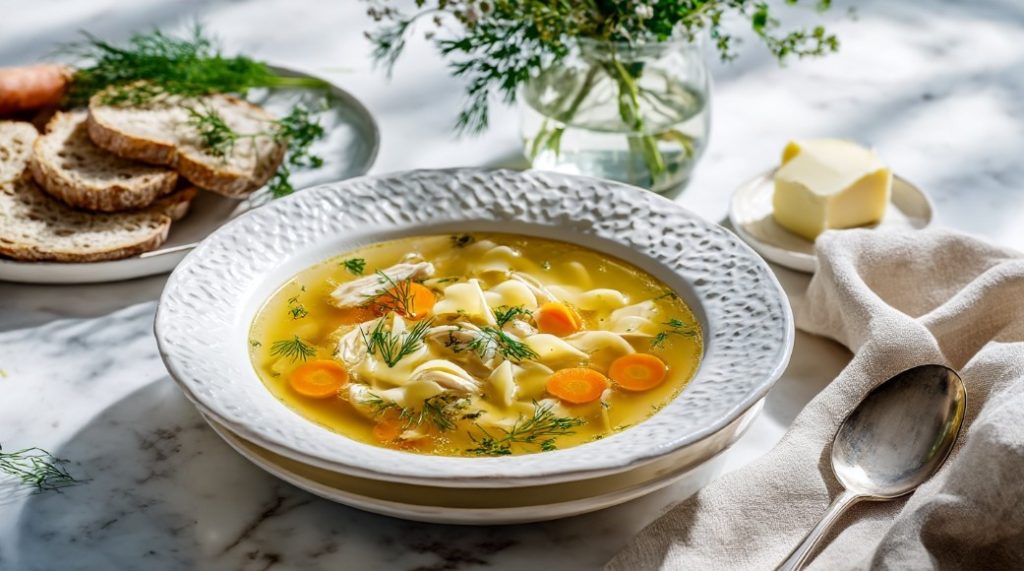
A child’s lunch is not about perfection. It’s about the smell of fresh soup in the kitchen when the little one returns from a walk or kindergarten, and about simple things that give a sense of comfort. I’ve often found myself wishing for a universal recipe that everyone would like: the child, the adults, and one that cooks quickly. But every time it turns out differently — each family has its own habits, each child has their own tastes. And the main thing I’ve realized: soup for a child is not about magical benefits, but about a simple, calm ritual that supports and energizes in the middle of the day.
There are days when you feel tired in the kitchen, and in the fridge are leftovers of yesterday’s chicken and a pack of carrots. And then the question “what to give the child for lunch?” becomes even more acute. I’ve often heard from familiar parents: “My child doesn’t eat soups at all” or “Vegetables are a disaster.” I’ve been in the same place. But one day I decided to stop worrying about other people’s advice and just make a soup that we like. Not perfect, not starry, just ordinary. From what is available, without unnecessary complications. Such a soup becomes a favorite — because it’s about family, not rules.
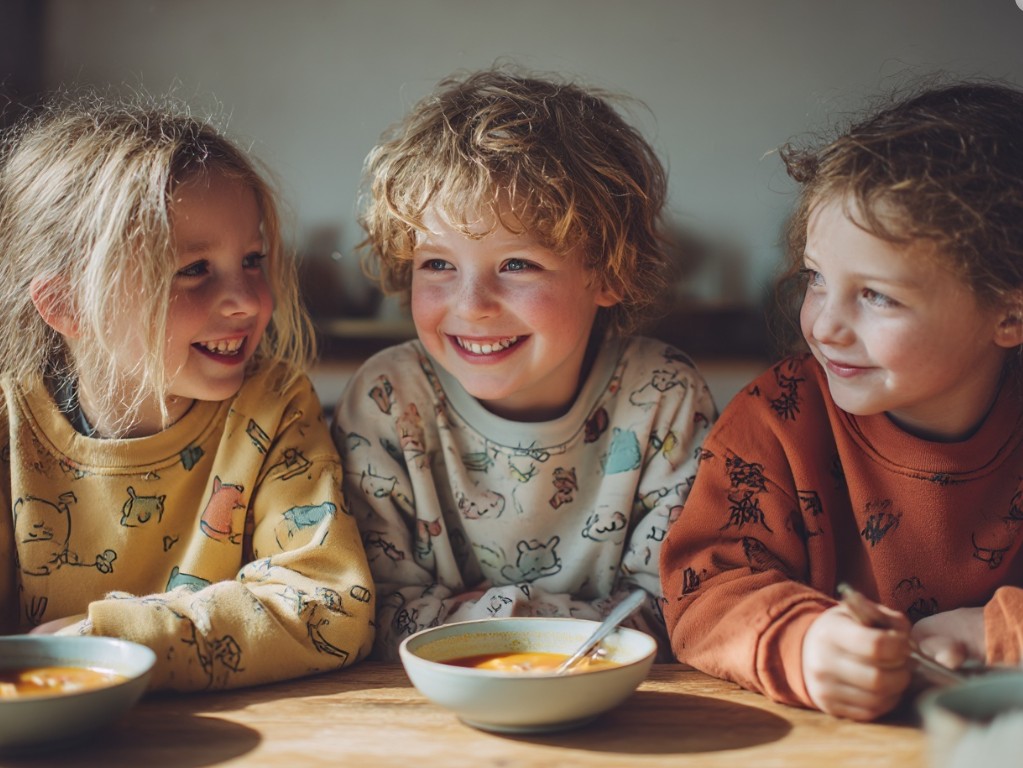
It helps me remember: there is no “soup for children,” just as there is no magical food for mood. There is soup that is suitable for lunch today, considering the weather, mood, leftovers in the fridge, and most importantly — the child’s desire. And that’s okay. When you stop imposing “must have soup because it’s necessary,” there’s room for habits without unnecessary stress. Let’s talk about that.
Why Soup is About Habit, Not Obligation
As a child, I heard: “Soup is the foundation of lunch.” My grandmother made borscht, my mother made light vegetable soups. But over the years I realized — soup can be there, or it can not be. It’s not a sacred rule, but rather a habit formed by the family. I know families where soup for lunch is sacred, and there are those who get by with salad and a main course. Both options work. The main thing is not to turn lunch into a battlefield.
For a child, food is always about repetition. Today soup, tomorrow something else, but if soup appears regularly, the child gets used to this taste. No need to force. You can offer, show that it’s a regular part of lunch. I’ve noticed: if the soup at home smells pleasant, and in the bowl, it’s not a separate diet, but just tasty food, children perceive it more calmly.
Tip: If a child refuses soup, don’t make a tragedy out of it. Just put the bowl on the table and go about your business. Often curiosity wins.
What kind of soup is not as important as the atmosphere around it. I remember how a friend’s daughter always had soup served in different bowls. She chose the bowl herself, and it turned lunch into a small event. Atmosphere is half the success. Sometimes a child will eat soup just because the parents are eating the same thing.
Useful publication for you: Weekly Menu for a Child: Simple Dishes Kids Love
What Makes the Best Soup for a Child
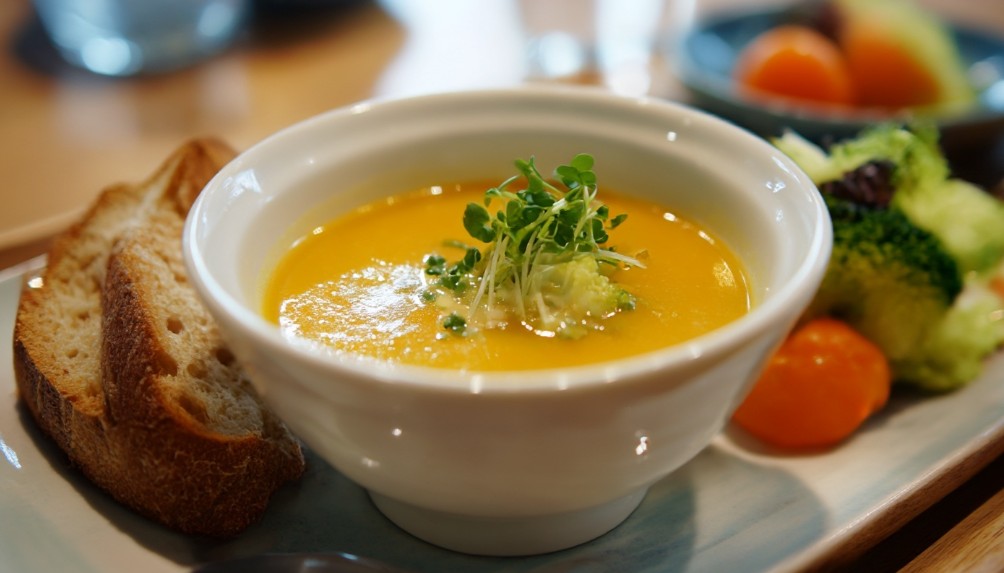
All children are different. Some like clear broths, some like thick vegetable soups, some prefer pureed soups. But there are a few things that almost always work. First — simplicity. The simpler the composition, the easier it is for a child to accept a new taste. Second — familiar ingredients. If the soup contains something the child likes separately (carrot, potato, chicken), the chances of success are higher.
I don’t believe in “children’s” products. I believe in food that is eaten together. That’s why for children’s soup I use the same vegetables as for adults. I don’t add unnecessary spices, but a bit of greens or a piece of butter is a plus. And also: the soup doesn’t have to be perfectly homogeneous. Small pieces of vegetables, beans, grains — that’s good. The child gradually gets acquainted with different textures, and it’s beneficial for the habit of eating varied foods.
Tip: If your child doesn’t like “floating” vegetables, try pureed soup or mash the vegetables with a fork right in the bowl. The main thing is not to make it the main topic of conversation.
In my house, the best soup is the one that doesn’t irritate anyone. Seasonality is also important: in summer — light vegetable soups, in winter — more hearty ones, on chicken broth. But it’s not a dogma. I often add grains to the soup — rice, buckwheat, or small pasta. Sometimes a handful of beans or peas. It gives satiety without being heavy.
How to Handle Picky Eating: Flexibility and Calm
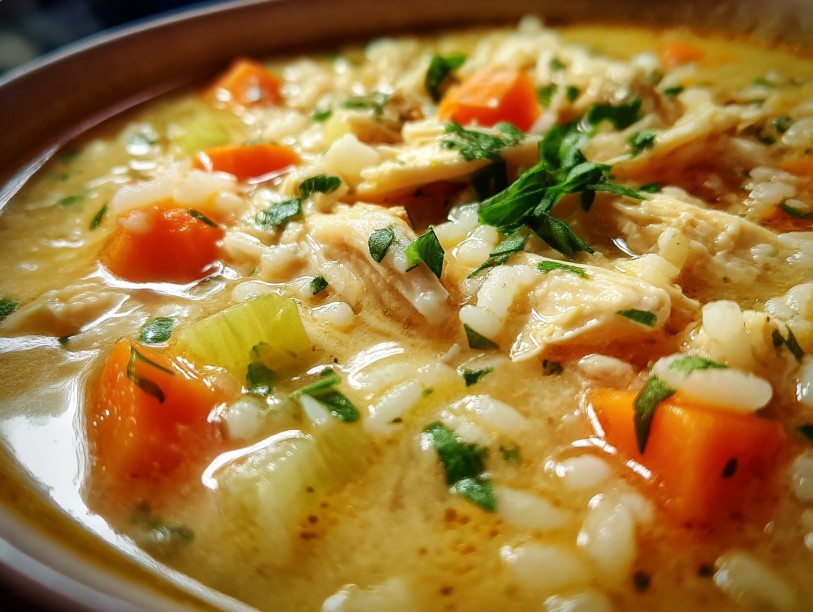
No soup guarantees that a child will eat it. Especially if the mood is not right, or teething, or just a bad day. I’ve accepted this. Soup is not a test, but an offer. If you didn’t eat today — tomorrow is a new day. I’ve learned not to push and not to give up. Flexibility is not about giving in to everything, but about common sense.
Sometimes a child refuses any soup. I don’t scold, don’t offer an alternative immediately. I just remove the plate, and an hour later I ask: “Maybe you want it now?” Very often the answer is different. Children react to the calm around food.
Tip: Don’t compare your child to others. If the neighbor’s child eats borscht by the spoonful, and yours only eats pasta, it’s not a problem. Everyone has their stages.
I’ve met parents who hide vegetables in soup, blend everything to uniformity because “otherwise won’t eat.” It works, but not always. Sometimes it’s worth just giving time. My son didn’t eat carrots for a long time, then suddenly asked for a piece from my plate. The main thing is not to forget the habit of offering.
Simple soup recipes that kids love the most:
- Potato Soup with Noodles
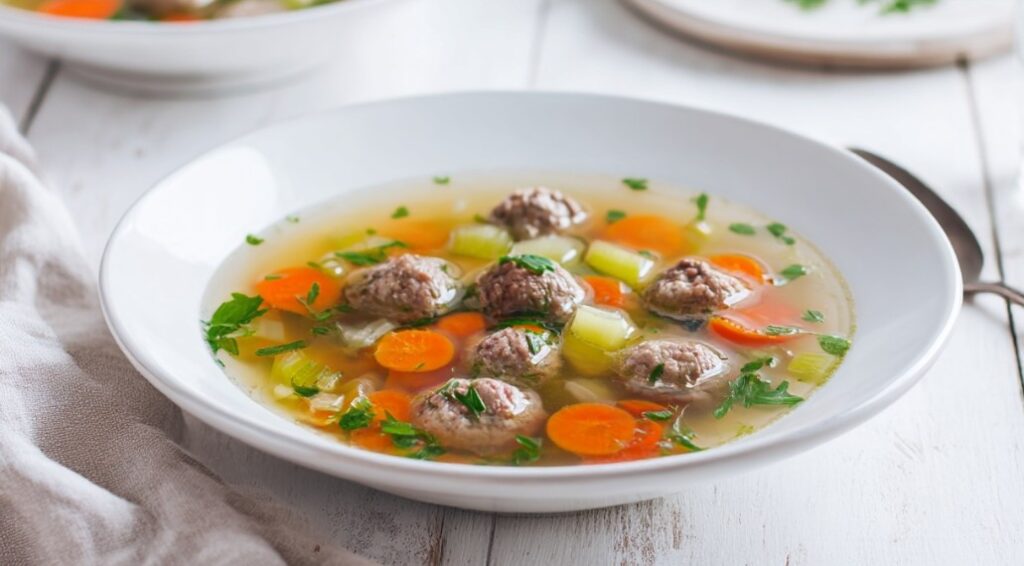
- Soup with Homemade Meatballs
- Tomato Soup
- Ramen
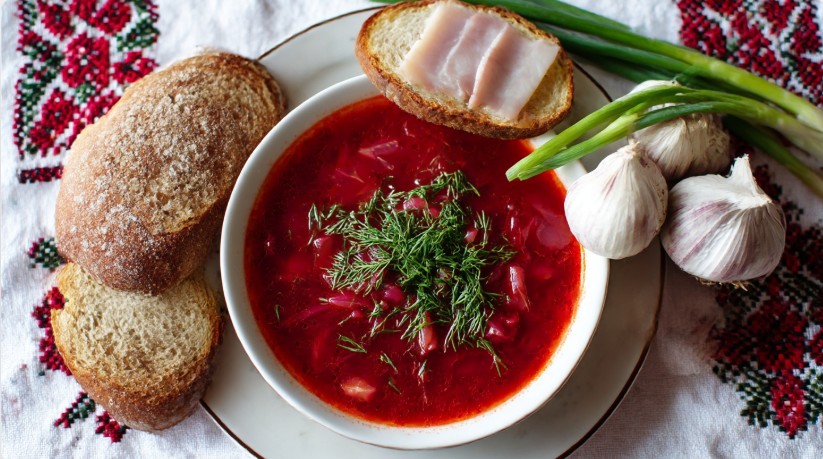
- Ukrainian Borscht with Meat and Mushrooms
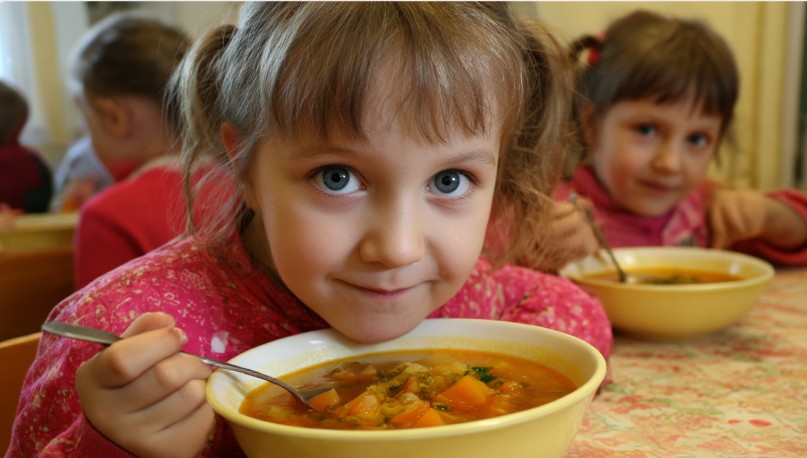
Everyday Situations: Soup on Weekdays and When Time is Short
You come home from work, and in the kitchen — silence and the smell of yesterday’s soup. Familiar feeling? It happens to me often. Not always there is strength to cook something new. And that’s okay. Sometimes soup is just a way to quickly feed the family with what’s at hand.
On weekdays, I often cook soup for several days. It’s not laziness, but a healthy approach. The child also gets used to the fact that soup can be from yesterday, and it’s not a tragedy. If you need to refresh the taste — I add a little fresh greens or a few drops of olive oil. My life hack: a small portion of soup, but with something “bonus” — for example, with croutons or crackers. Kids love something crunchy.
Micro-story: once I forgot to add salt to the soup. The child ate, not even noticing. I realized — the main thing is not the salt, but the habit of eating together.
Another option for weekdays is soup with frozen vegetables. Not always there are fresh carrots or zucchini. I take a ready mix, add a little potato or grains — and lunch is ready. Important: don’t complicate. If the child has no allergies, any set of vegetables will do.
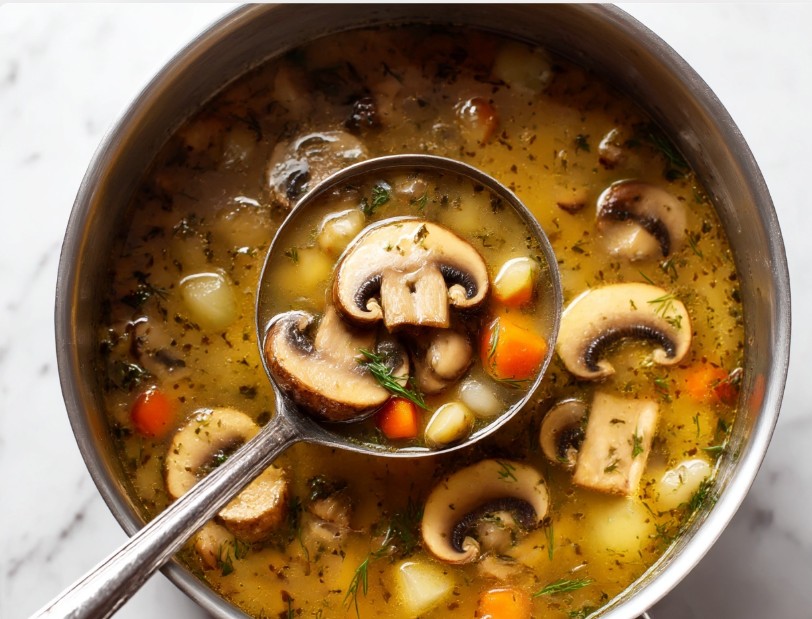
Common Mistakes in Making Soup for Children
The most common mistake is the desire to do everything “right.” Perfect broth, perfect pieces, perfect taste. But children don’t evaluate culinary skills by these criteria. They react to smell, color, parents’ mood. Sometimes a simple soup with three ingredients is eaten with pleasure, and a complex one remains in the bowl.
- Excessive spices. Children don’t need a large set of seasonings — a minimum is enough.
- Too large or small pieces. A child may not cope with the texture.
- Overcooked vegetables — they lose taste and color.
- Soup “for children” separately from the common table. This creates a sense of a special regime, not a habit.
- Trying to hide “healthy” in the soup. Children sense deception.
My experience: if the soup looks bright, smells pleasant, and doesn’t have an intrusive taste, children try it more willingly. Don’t be afraid to experiment, but without fanaticism.
Tip: Add a little greens to the soup at the end. Not all children will love it right away, but bright spots of parsley or dill make the dish more fun.
Interesting culinary techniques for parents: How to Cook a Delicious Meatball Soup.
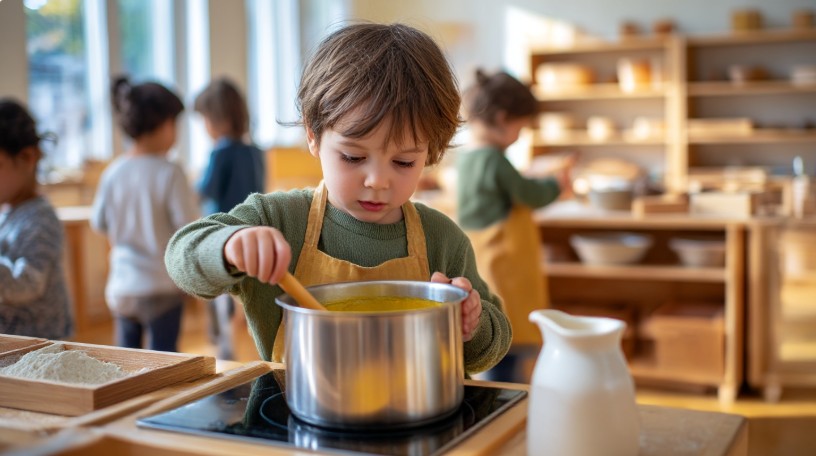
Soup as a Family Tradition: Together at the Table
One of the strongest habits I’ve noticed in families is the shared lunch. Soup becomes not just food, but a reason to gather together. I myself remember how in childhood soup was often the background for conversations. It’s not necessary to sit at the table for a long time. But even 10 minutes together is already a small ritual.
Children eat better when they see their parents eating the same thing. No need for separate children’s food. I cook soup that everyone likes and serve it in different bowls. The child may eat less, may put the spoon down earlier — it’s not a problem. The main thing is an atmosphere without tension.
Life hack: allow the child to choose the spoon, bowl, or even help serve the soup. This gives a sense of involvement and increases interest in food.
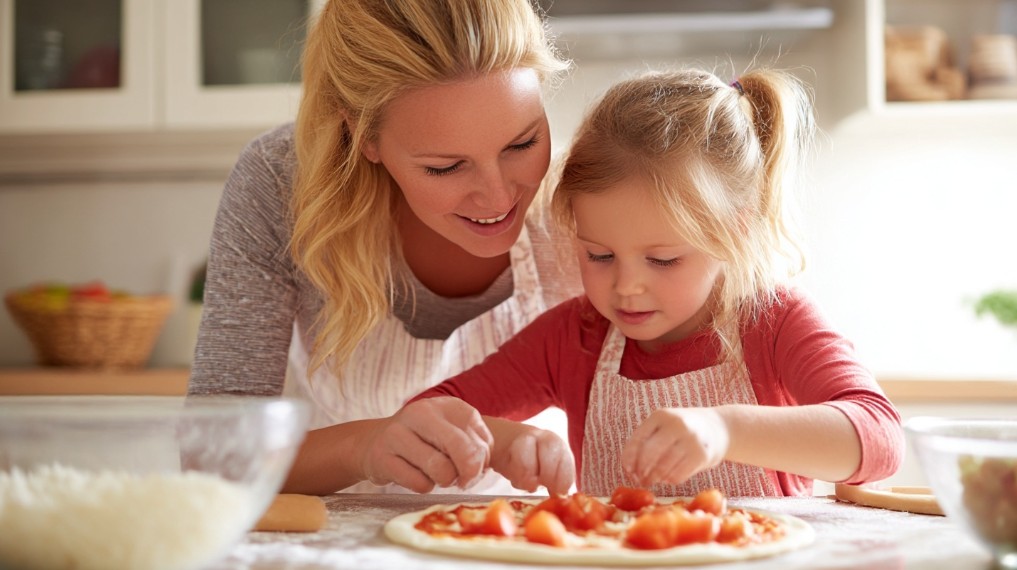
Micro-story: once my son and I cut carrots for soup together. He ate twice as much as usual, simply because he helped. Involvement is the best “seasoning” for a dish.
Small Steps: How Healthy Eating Habits Form
Soup is just one of the elements of healthy eating. No need to make a cult out of it. I stopped believing in the “right” lunch long ago. The main thing is regularity and calm. If soup appears on the table several times a week, it’s already a good habit. The child gradually gets used to different tastes, textures, colors.
It’s important not to impose and not to scold for “I don’t want.” I’ve learned to offer, but not to force. Didn’t eat — fine, ate — also fine. Over time, the child gets used to the fact that food is not a battle, but a routine matter. And then soup becomes not an obligation, but a pleasant part of the day.
Tip: Instead of saying “Eat, it’s healthy!” try saying: “I love this soup, do you?” or “Look at this beautiful carrot — see how bright it is!” Children respond better to involvement than to instructions.
Another life hack: don’t forget about variety. If today the soup is on chicken broth, tomorrow you can make a vegetable one. If the child loves pasta — add it. Nutrition should be flexible, not strict.
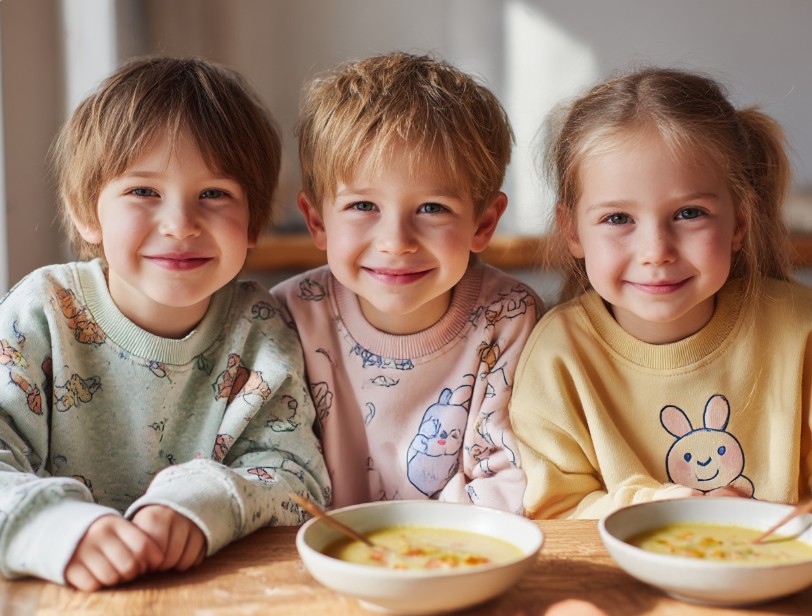
Soup and Seasonality: Simple Ideas for Different Times of the Year
Seasonality is not about rules, but about convenience. In summer, I more often cook light soups — zucchini, with young potatoes, carrots. In winter — more hearty, with grains or legumes. It’s not only tastier but also more economical and simpler. Children also feel the difference: in the heat, you don’t want hot, and in winter, on the contrary.
Micro-story: once in the heat, I made a cold cucumber and greens puree soup. The child initially looked cautiously, then asked for more — simply because it was something new and cool. Don’t be afraid to experiment, but don’t force.
Life hack: If you want to diversify the taste, add a spoonful of yogurt or sour cream at the end. It refreshes and makes the soup more tender.
I always focus on what is at home. Soup is about adaptation, not perfection. If there’s pumpkin today — there will be pumpkin soup, if not — then another. The child gets used to different tastes and adapts more easily to changes.
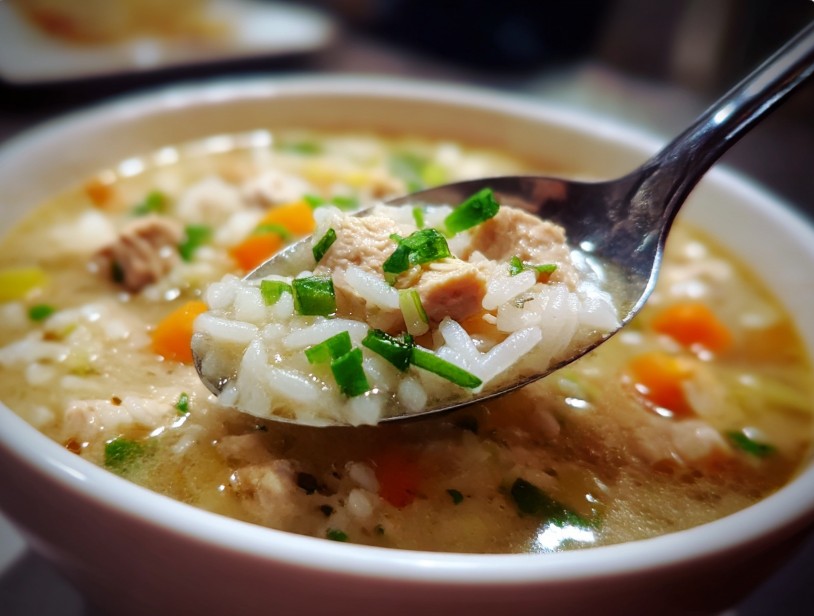
Taste, Texture, Aroma: How to Make Soup Appealing to a Child
Children eat with their eyes and nose no less than adults. If the soup looks gray and smells “bland,” the chances are slim. I always try to make the soup have a bright color: carrot, greens, yellow pumpkin, even pieces of tomato. Adding a little greens at the end — the soup immediately looks more festive.
Texture is another nuance. Not all children like pieces. If pureed soup is the perfect option, I see no problem with that. But sometimes I leave slightly larger pieces of vegetables — for variety. The sound of a spoon against a bowl, the smell of fresh greens — such little things create an atmosphere.
Life hack: Add a little butter or a few drops of oil to the soup already in the bowl. It enhances the aroma and makes the taste more tender.
Another moment is the shape of the vegetables. Sometimes just changing the cut (straws, cubes, circles) arouses interest in the child. Once I made carrots in the shape of stars (with a regular cookie cutter) — the plate was empty in minutes.
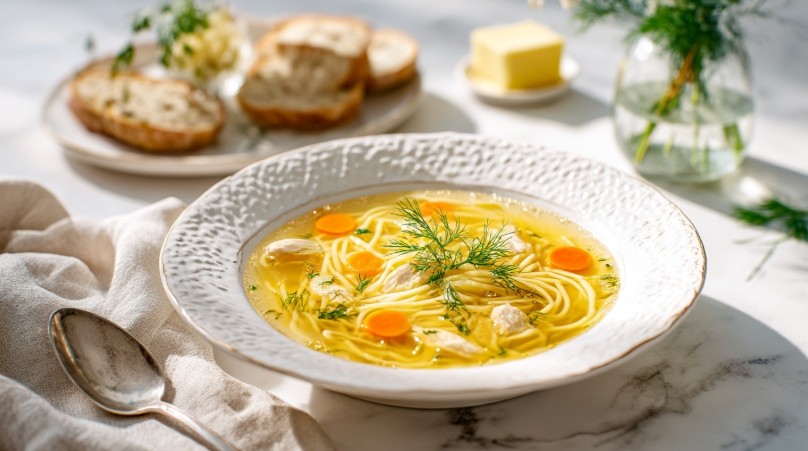
Balance and Calm: When Soup is Just Part of Life
In the modern rhythm, it’s not always possible to cook “properly.” And that’s okay. I’ve learned to accept that soup is not a panacea, but just one way to feed the family. A child may eat soup three days in a row, and then not want to see it for a week. Nothing terrible. Balance is not about strict rules, but about flexibility and acceptance.
There is no perfect soup for a child’s lunch. There is a soup that suits your family today. And that’s the best option. If you manage to gather together, if the child tries something new, if food doesn’t become a battlefield — that’s already a victory.
I often remember the smells of my childhood: soup with parsley, a bit of butter, fresh bread. It’s not about usefulness, but about comfort. These are the moments that are remembered.
Soup for a child’s lunch is not a formula or a dogma. It’s a habit that forms gradually, without pressure and without prohibitions. The main thing is calm and flexibility. What soups do your children love? What little tricks work in your family? Share your experiences in the comments — it’s very interesting to hear your stories.