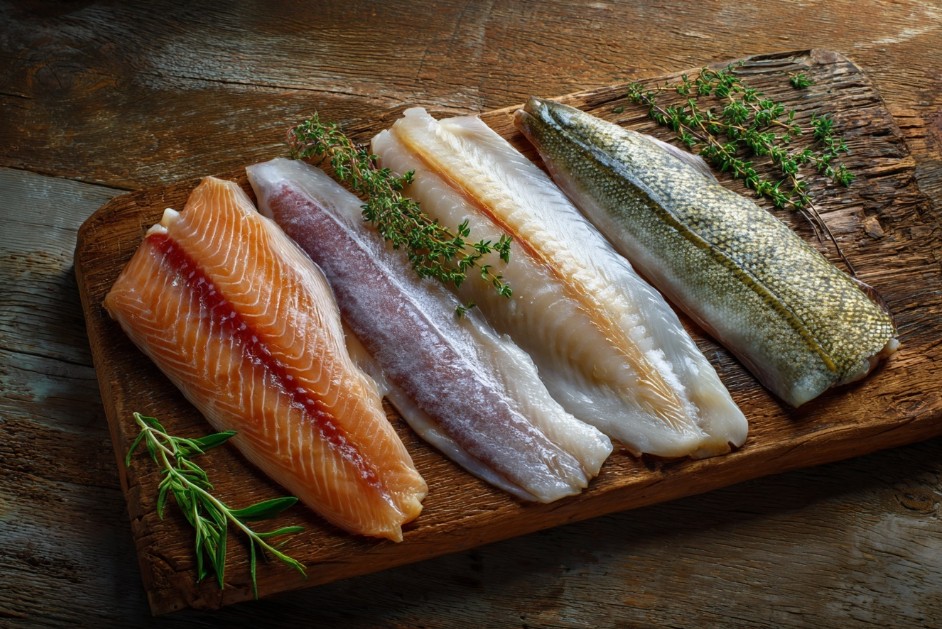
Which Tuna is Best for Salad

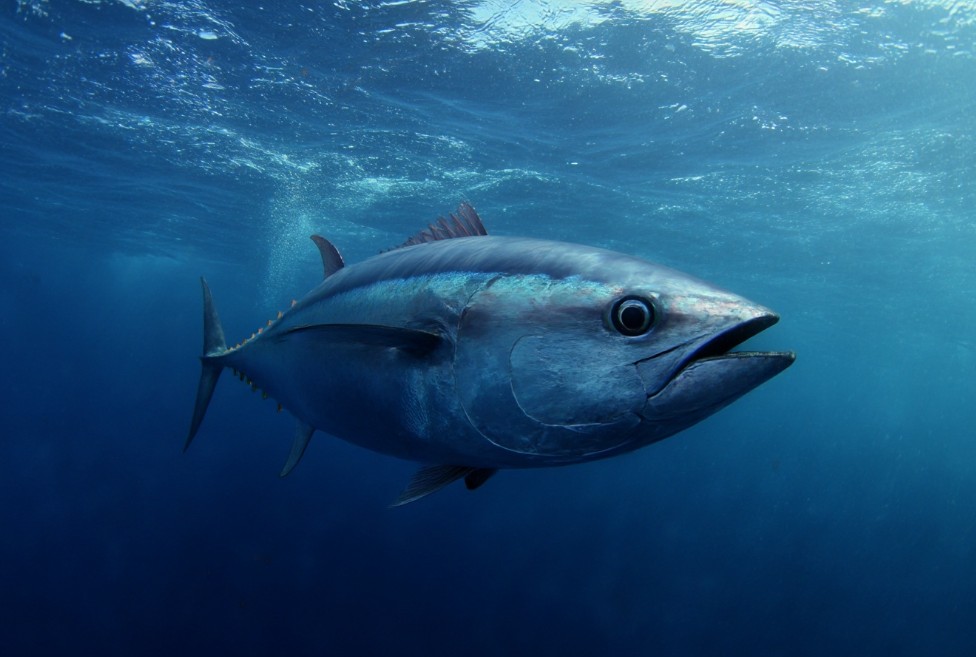
More than once, I’ve found myself standing by the tuna counter, thinking, “This one looks good, but maybe I should take the neighboring can?” Or even more interesting — standing at the market, with a piece of fresh tuna on ice in front of me, and frozen steaks next to it… My eyes wander because the price and appearance differ. Once, I was in such a hurry that I grabbed a discounted can, and when I opened it at home, I realized: the salad couldn’t be saved. Tuna is not just a piece of fish. It’s a whole story with nuances that begin at the selection stage. I’ll share everything I’ve learned over the years working with tuna — both mistakes and small victories in the kitchen and at the market.
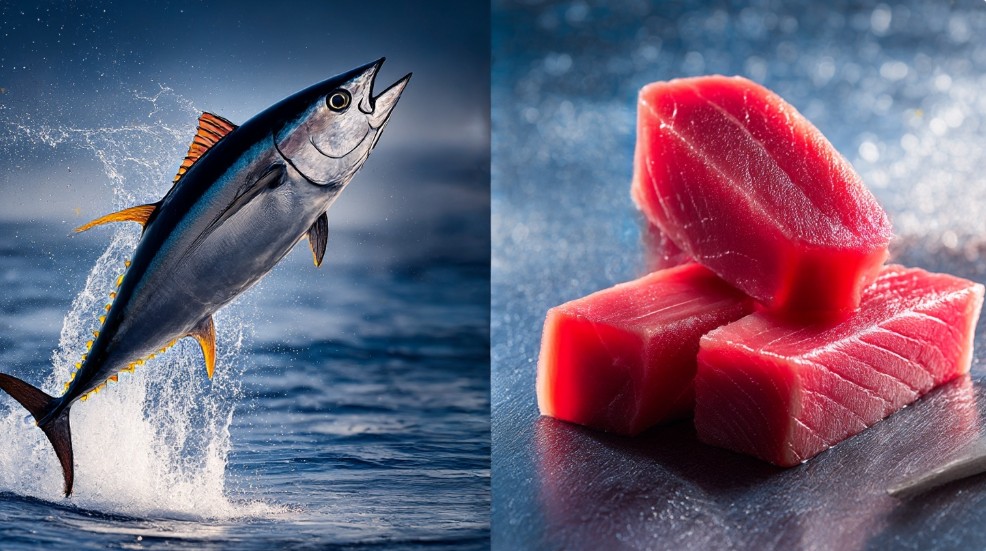
When Tuna for Salad is a Good Idea
Tuna has saved me more than once when I needed to quickly put together something fresh, protein-rich, and tasty. It’s almost perfect for salads — and not just the classic “Nicoise.” Texture, taste, minimal bones, and ease of combining with vegetables. The main thing is to choose the right type of tuna. Not every piece will work equally well for a salad. Sometimes even a small detail can ruin everything: too dry, too bland, with a metallic or fishy oil aroma. Tuna can be fresh, frozen, or canned in various forms. Each has its strengths and weaknesses specifically for salads.
For example, I like to add tuna to salads when I want something lighter but not boring. Sometimes I take a classic can, sometimes I look for fillet on ice. But there are traps here too: you can buy a can with a beautiful label and find mush inside, or find fillet that becomes rubbery after cooking. So don’t just go for packaging and price — it’s better to know what to look for.
Types of Tuna Available: What is Offered and Why it Matters
There are three main types of tuna available: fresh, frozen, and canned. They can be found in different formats — from fillet on ice to cans in sunflower or olive oil. To choose correctly, you need to know how they differ.
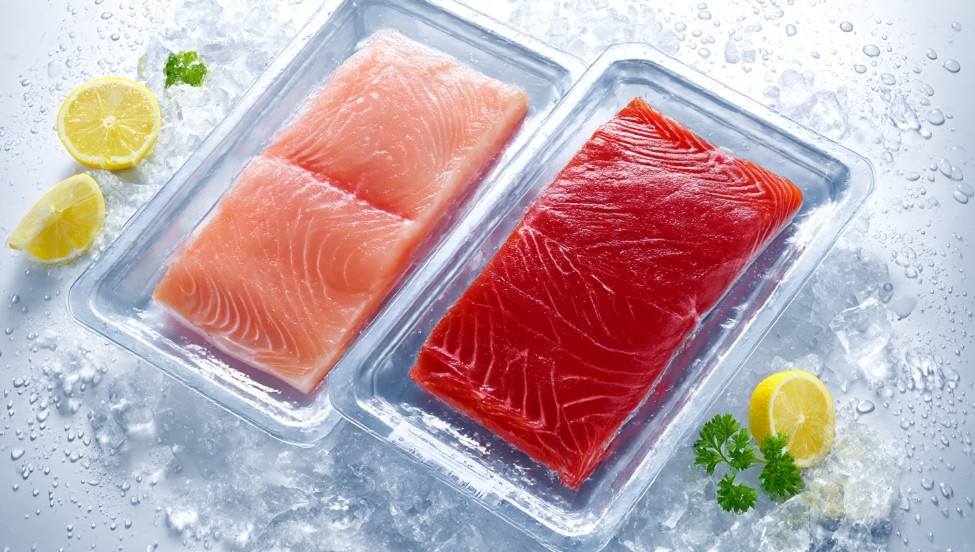
- Fresh tuna — these are steaks or fillets that can be found on ice in large supermarkets or fish shops. It looks impressive, has a nice color, but is often more expensive and requires careful transportation and storage.
- Frozen tuna — steaks or pieces sold in vacuum packs. Usually cheaper than fresh, but there are nuances with thawing quality.
- Canned tuna — the most popular option for salads. It comes in its own juice, in oil, with or without spices.
Each of these types has its pitfalls. I’ve often noticed that fresh tuna looks good but already has a “second day” — the smell is off. Frozen often “leaks” water and becomes fibrous. And with canned — it’s a real lottery: the label says “fillet,” but inside — crumbs and bones. You need to learn to read not only the label but also the product itself.
How to Choose Fresh or Frozen Tuna: Market and Supermarket Nuances
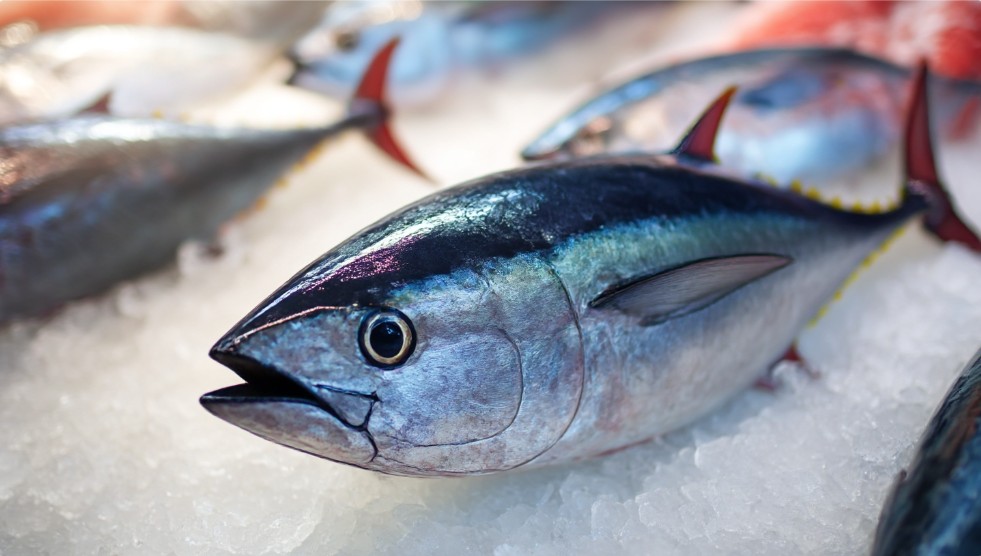
Fresh tuna — it’s beautiful. I remember how at one Kyiv market a fisherman laid out a huge piece of tuna on ice. People lined up immediately. But not everyone was lucky: some got meat with a grayish tint and a slight ammonia smell. So it’s important to know what to look for.
- Color — fresh fillet should be pink-red, without brown or gray spots. If the color is dull or the meat seems “weathered,” it’s better to leave that piece.
- Smell — tuna smells like the sea, but should not give off notes of rot, ammonia, or sharp fish. If you smell something “hits your nose” — it’s not a gift.
- Texture — fresh fillet is firm, when you press it with a finger, it quickly returns to shape. If it’s soft like plasticine or “falls apart” — don’t take it.
- Moisture — the piece should not be too wet or shiny from slime. A clean, slightly moist cut is good, but slime or film signals that the fish is old.
With frozen tuna, it’s a bit more complicated because it’s hard to assess quality from the outside. But there are a few rules here too:
- The packaging should be intact, without ice crystals inside (this is a sign of refreezing).
- Ingredients: look for just “tuna,” without additional preservatives or glaze. Sometimes manufacturers add water to increase weight.
- Check the production date: the fresher, the better, but don’t confuse it with the freezing date.
Tip: if you’re buying frozen tuna, try to get pieces without an ice coat. It’s better to pay a little extra than to be surprised later that half a kilo turned into 200 grams.
Canned Tuna: What to Pay Attention to When Buying
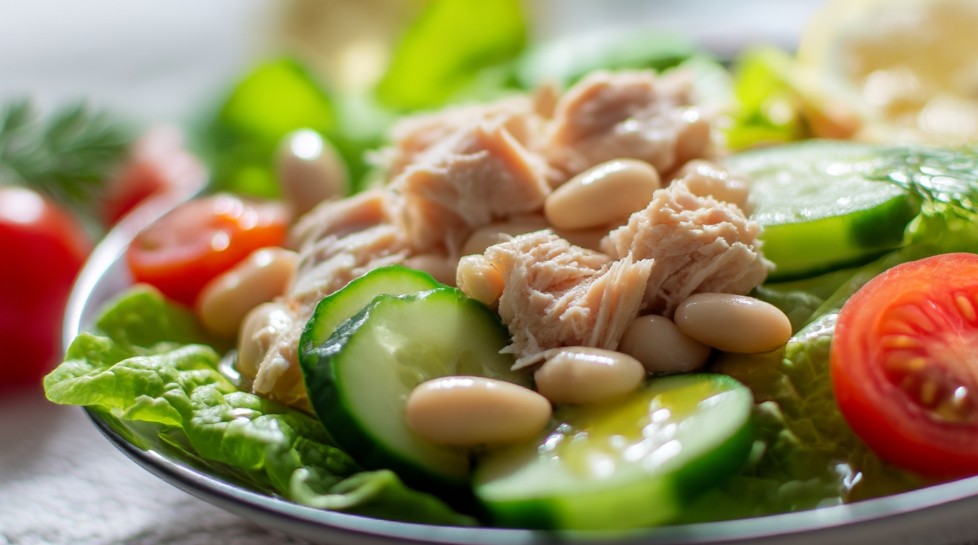
Canned tuna is what most often goes into salad. But it’s not that simple. I’ve chosen a can based only on price or a beautiful can, and then found “soup” of small pieces inside. A good canned tuna for salad is whole meat, minimal additives, natural taste.
- Ingredients: the best — tuna, oil (or its own juice), salt. The fewer “E” and thickeners, the better.
- Type of meat: the can often says “fillet” or “pieces.” If you want whole fibers, don’t take “chunk/light.” The best is “solid” or “steak.”
- Liquid: in its own juice — lighter taste, more suitable for dietary salads; in oil — rich taste, but more caloric. I like to take it in olive oil — it enhances the taste of tuna but doesn’t overpower it.
- Color of meat: when you open the can, look — the meat should be pink-beige, not dark or gray. If the color is strange — be careful.
- Smell: good tuna smells like fish but shouldn’t give off a metallic or sour aroma.
Another nuance is the manufacturer. Imported cans are often more expensive, but not always better. I’ve come across Ukrainian cans that pleasantly surprised me with their quality. So don’t be afraid to try different manufacturers — and choose those that don’t let you down.
Common Mistakes When Choosing Tuna for Salad
I’ve made quite a few mistakes until I learned to “read” tuna before buying. Here are a few points I see in acquaintances and sometimes do myself.
- Focusing only on price. Cheap tuna often turns out to be small, dry, and with bones. But an expensive can is not always a guarantee — look at the ingredients and type of meat.
- Choosing by beautiful packaging. Marketing works — I’ve been tempted by bright cans, and inside — water and crumbs.
- Ignoring the production date. Cans have a long shelf life, but a fresher can means less risk of an unpleasant aftertaste.
- Buying fresh tuna “on sale” when the product is nearing its end. Saving can turn into a spoiled salad.
- Inability to assess smell. If you’re not sure, better not buy. Once I brought home fillet that “slightly smelled” at the counter — and regretted it for a long time.
Tip: don’t be shy to ask and smell. Sellers are used to it, and it’s better to make sure than to waste money.
Here’s a useful article on how to choose fish.
Marketing Traps: How Not to Fall Victim to Advertising
Stores now love to write “premium,” “natural,” “wild caught,” and a dozen other words that don’t always have real meaning. Once I took a can labeled “tuna for salads,” but in reality — an ordinary mashed mass that falls apart in the plate. Pay attention to simple things, not loud promises.
- Don’t fall for the phrase “no preservatives” if the ingredients include “stabilizers” or “flavorings.”
- “Fillet” should be in the ingredients, not just on the label. Read the small print.
- “Caught in the sea” is not always better than “farm-raised,” especially if the producing country is not trustworthy.
- Some cans mask low quality with a lot of oil or spices.
I remember once being advised to look at cans with less liquid — there’s more tuna there. And indeed, the difference can be significant. But you still need to check the ingredients and appearance of the meat.
Price and Common Sense: When It’s Worth Paying More
The most expensive tuna is not always the best. But over-saving is not worth it if you want to get the real taste. I’ve come up with a rule for myself: for salad, it’s better to take the mid-price range, but check the ingredients, the producing country, and the type of meat. If you see a promotional price — check the term or ingredients, because often the discount is on “old” goods.
It’s worth paying more if you’re looking for whole pieces (especially in cans), minimal additives, natural oil. But overpaying for a brand makes no sense if the product inside is no different from the regular one.
- Fresh tuna is more expensive, but for salad (especially if you plan to fry or marinate it) you can take frozen, the main thing is quality.
- Premium segment cans are often just larger pieces and better oil, but if the salad has many ingredients, there won’t be much difference.
Tip: if you’re buying for a large company or a simple salad — don’t chase the brand. But for a special occasion, it’s better to take a more expensive but quality tuna.
How to Store Tuna at Home: To Keep It from Spoiling and Losing Flavor
Tuna is a delicate product. If you bought fresh — use it the same day or at most the next day. Store it on the lowest shelf of the refrigerator, preferably in a glass container, covered with cling film. Don’t leave it open, as it absorbs foreign odors. If there’s a leftover piece — better to eat it within the next 12 hours.
Store frozen tuna in the freezer, but don’t refreeze after thawing. Thaw slowly — first in the refrigerator, not at room temperature, to maintain texture.
Canned tuna stores well in a closed can for up to several years, but after opening, transfer it to a glass or ceramic container, cover, and use within 2 days. Don’t leave it in a metal can, as the taste may change.
Tip: if there’s leftover oil or juice from the tuna, don’t pour it out — you can add it to the salad instead of part of the dressing, it will enhance the taste.
How Tuna Behaves in Salads: Features of Different Types
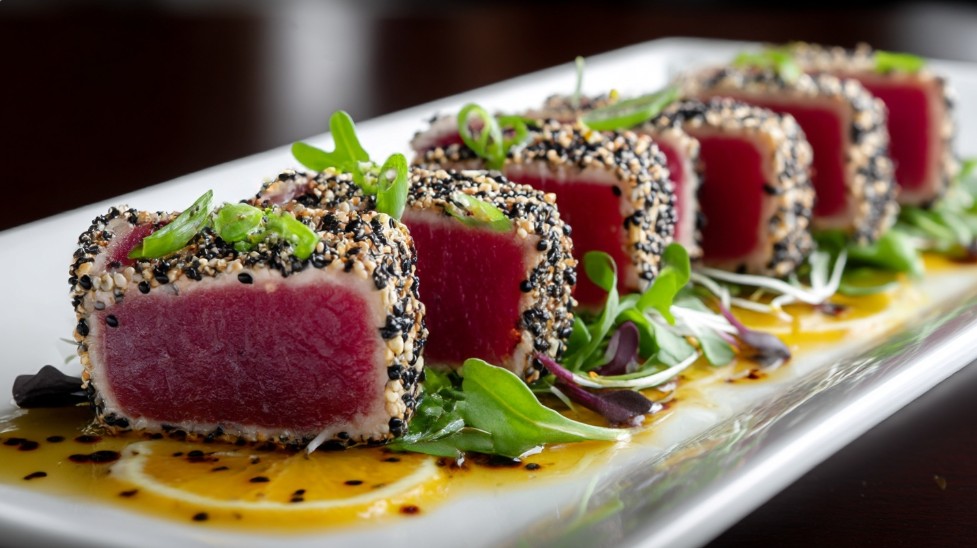
Tuna can vary in a salad depending on which one you choose. Fresh, slightly seared — tender, soft, with a distinct sea flavor. But if overcooked — it becomes dry and “rubbery.” Therefore, for salads, it’s better to use either raw (only very fresh!), or slightly seared steak.
Frozen tuna loses some firmness after thawing, but for a salad with many ingredients, this is not critical. The main thing is not to over-dry when frying.
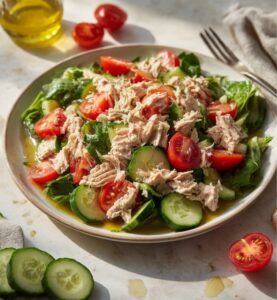
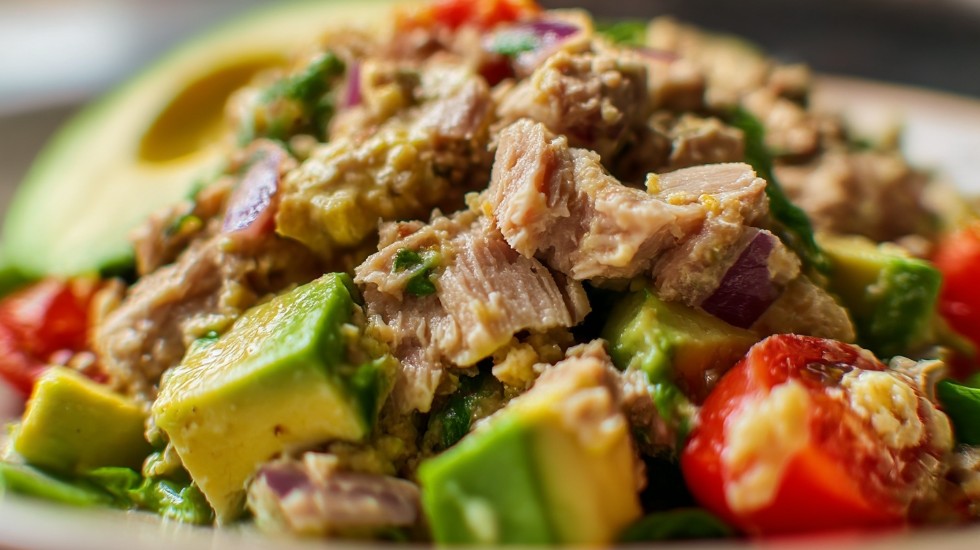
Canned tuna is the most convenient. It’s ready to eat, has a bright flavor. If you took it in its own juice — it might be a bit dry, then add more dressing or a little oil. In oil — juicy, but sometimes heavy. I like to mix slightly mashed fillet with vegetables — then the tuna doesn’t get lost but is nicely distributed throughout the salad.
Here are recipes for popular salads:
Life hack: if canned tuna seems dry, add a spoonful of oil or a few drops of lemon juice — the taste will become fuller, and the texture softer.
Life Hacks: How to Choose the Perfect Tuna for Salad
- When buying, smell and look at the color — this is the first thing that reveals a low-quality product.
- Take a small amount for a trial if you’re unsure about the manufacturer.
- For salad, it’s better to take tuna in its own juice if you plan to add your dressing. For more filling salads — in oil.
- Don’t be afraid to experiment with different manufacturers — sometimes less known brands offer better quality.
- Pay attention to the type of meat in cans: whole pieces hold their shape better in a salad.
Another little secret: if the tuna has a slight metallic smell or is too dark in color, it’s better not to risk it. Even if the expiration date allows, the taste won’t be what it should be. Once I ruined a whole salad because of a can I “decided not to throw away,” and then regretted it. So it’s better to leave the product in the store than to spoil your mood and dish later.
What to Do if You Can’t Find the Perfect Tuna
There are situations — you need tuna for a salad, but in the store, either everything is on sale, or the choice is limited. In such a case, choose the best of what’s available: take tuna in its own juice, even if it’s a chopped option, and enhance the flavor with spices, lemon juice, olive oil. If canned tuna is too liquid — let the juice drain, and gently mash the meat with a fork so it better “takes” the dressing.
With fresh tuna, you can also “play”: if the piece is not perfect, make tartare or quickly sear it on high heat without over-drying. This way, the texture will remain better.
Tip: if you’ve already bought not the best tuna — add more fresh greens, vegetables, and a bit of oil to the salad. The salad will become more interesting, and the tuna won’t dominate.
Honestly, choosing the perfect tuna for a salad is always a bit of a lottery, but with experience comes intuition. The main thing is not to chase price or brand, but to look at the product itself. After all, the best salad is the one made with inspiration and attention to detail. How do you choose tuna? Share your discoveries and fails in the comments — maybe together we’ll find the perfect option!