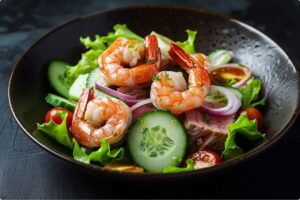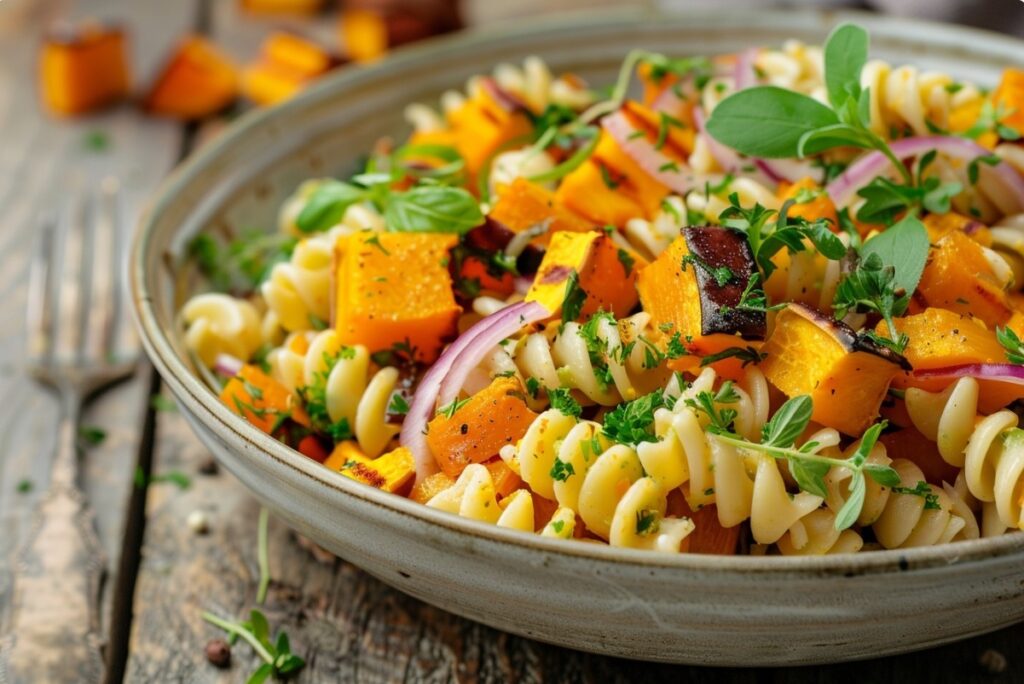
Which Tuna Is Best for Salad? A Practical Ranking of Options

Walk down the canned fish aisle and you’ll see a whole wall of tuna—yet not every tin is a good match for salads. It’s not just the type of tuna that matters, but how it’s packed and cut: chunks, fillets, flakes, or a finely shredded “salad” mix. That choice decides whether your salad looks fresh and structured, or turns into one uniform mash.
Different styles of tuna also play differently with other ingredients. For lighter, brighter salads, tuna in water (or its own juices) tends to keep things clean and balanced. For heartier salads, tuna in oil can add richness and a softer texture. So it helps to think of tuna not as one universal pantry staple, but as an ingredient with a few distinct “personalities” that change the final result.
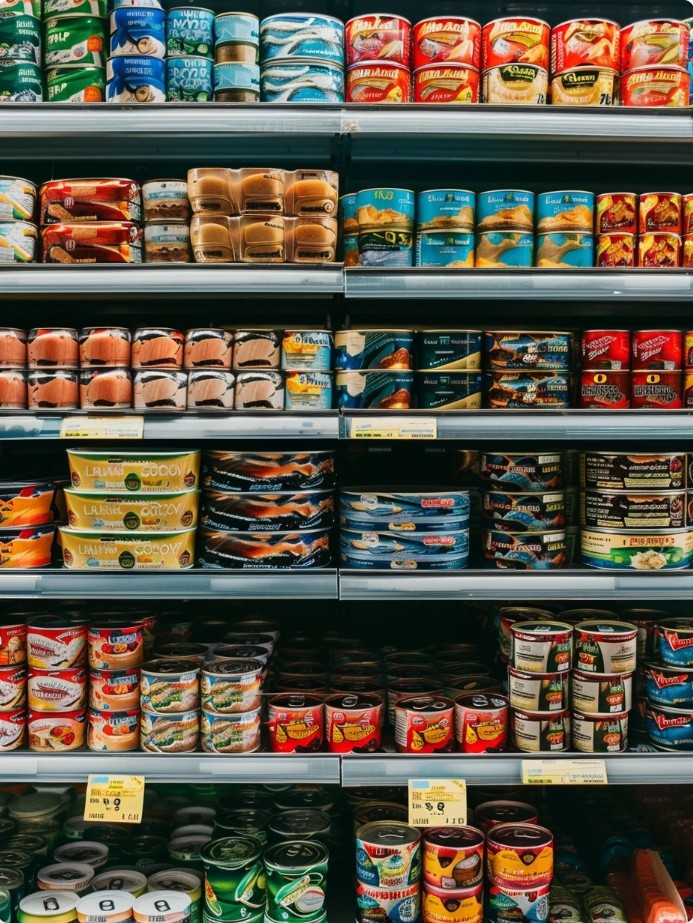
Some purchases feel like no big deal—until they ruin the whole bowl. Canned tuna is exactly that kind of ingredient. You grab “whatever’s there,” open it up, and it’s either dry crumbs, a sharp smell, or pieces that collapse into mush the second you touch them. And there you are, standing over greens and tomatoes, realizing this isn’t going to be a salad—it’s going to be a compromise.
I know this story well. I’ve watched people do everything right in the kitchen: great vegetables, a solid dressing, careful chopping—and still the salad tastes… off. The reason is usually boring: the tuna wasn’t chosen for the job. One salad needs firm, tidy pieces; another wants soft flakes. Sometimes you need a clean, neutral flavor; other times you actually want that more “sea” character.
That’s why I treat tuna like an ingredient, not “a can of fish.” Let’s break it down in a practical way: which tuna is best for salad, how to read labels without spiraling, what “chunks,” “fillet,” and “for salads” really mean, and why one tin is a win while another is money down the drain. And yes—there’s a straightforward ranking, with the little details that actually matter: where paying more makes sense, and where it doesn’t.
Start here: what do you actually want the tuna to do in your salad?
Before we get into “this is better, that is worse,” I always ask one question: what role is the tuna supposed to play? Because salads vary—and tuna behaves differently in each one.
If you’re making a salad where tuna is the main event (think greens, egg, olives, tomato, and lots of fish), you want it juicy, clean-smelling, and in proper pieces. If tuna is more of a protein boost in a salad with grains, beans, or pasta, it can be simpler—as long as it isn’t bitter and doesn’t turn everything into paste.
Three common goals—and which tuna works best
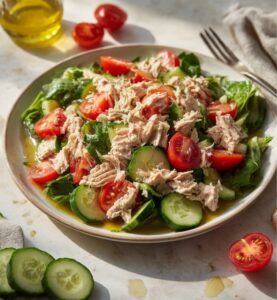
- “Light and fresh” salad (greens, cucumber, tomato, lemon, olive oil): go for tuna in its own juices (or water) or in a good-quality oil, but with a mild aroma and a firm texture.
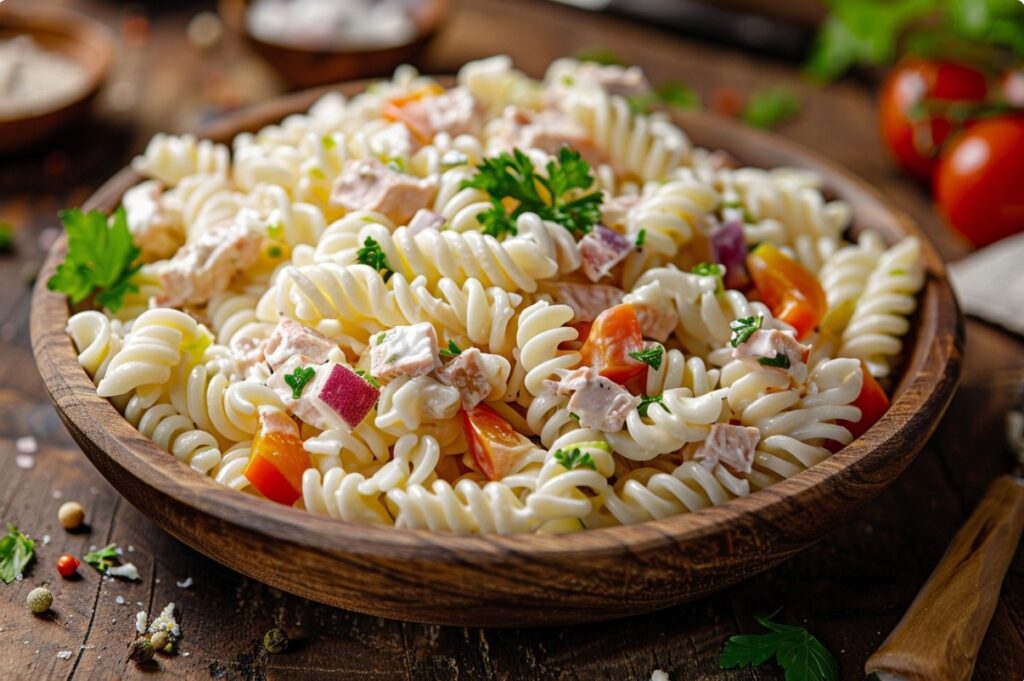
- “Hearty” salad (potatoes, pasta, rice, beans, corn): tuna in its own juices works great here; flakes are fine too, as long as there isn’t excess liquid and there’s no metallic aftertaste.
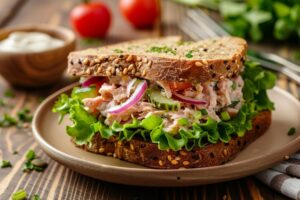
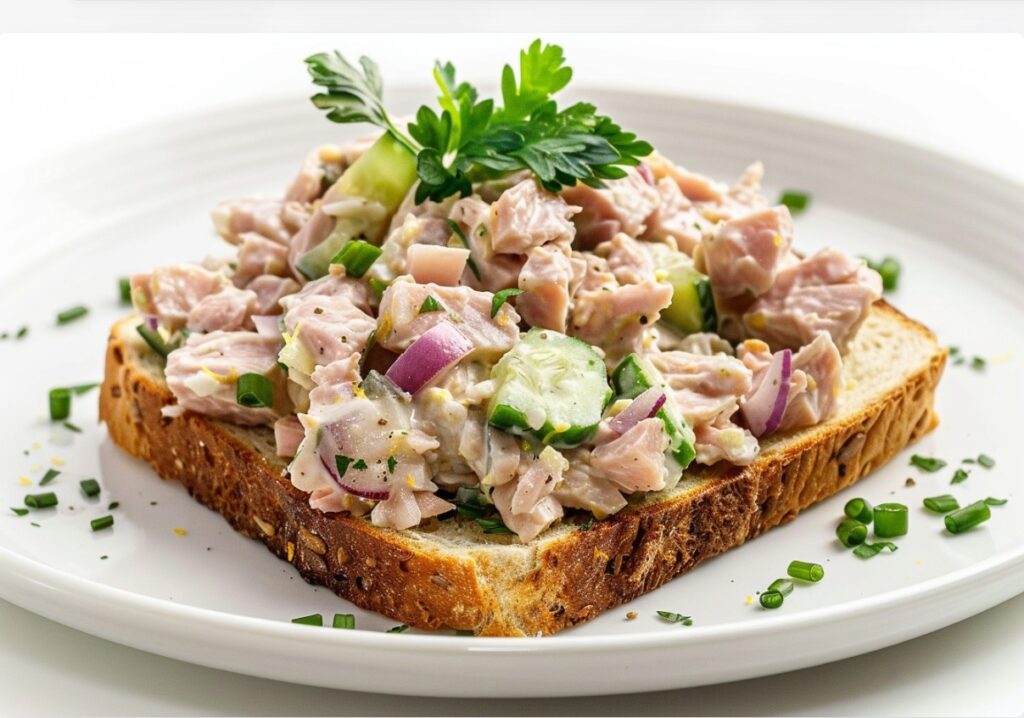
- “Spread/sandwich” tuna salad (tuna + yogurt/mayo + celery/onion): this is where tuna that breaks into flakes easily is actually a plus. Chunks work too—you’ll just spend longer mashing them.
A quick kitchen story: years ago we made a salad with arugula and citrus at a café. We grabbed a tin labeled “for salads” (literally printed on the front). Opened it up—tiny crumbs. The moment it hit orange juice, it turned into a grayish “dust” throughout the bowl. Flavor was fine, but the look… not great. Since then, I don’t panic at “for salads,” but I definitely verify what’s inside.
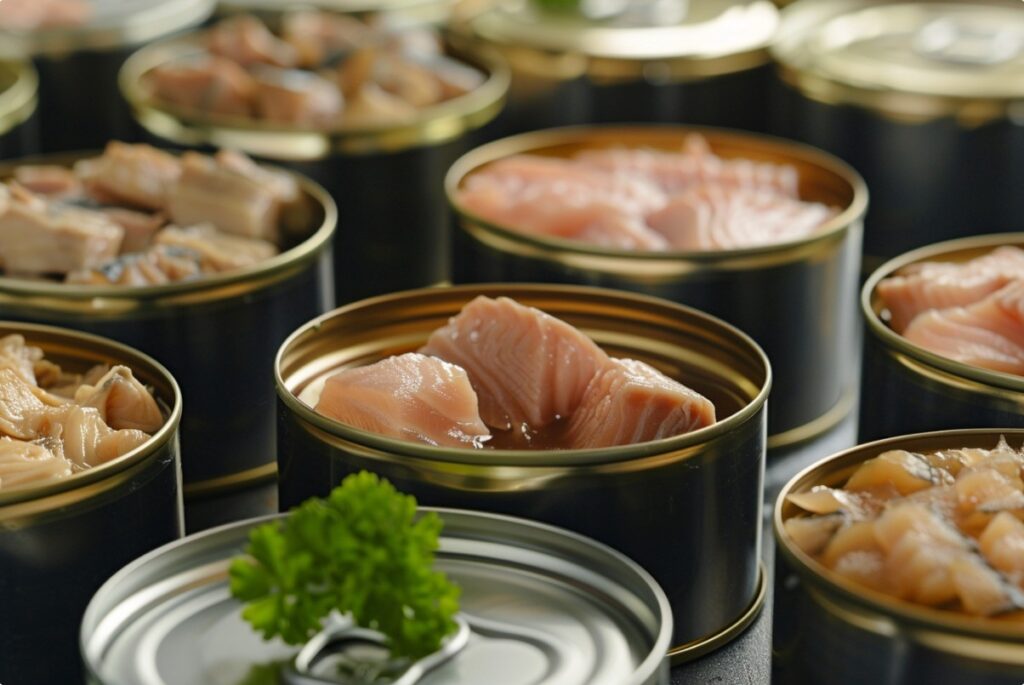
Ranking tuna options for salad: from best to ‘it’ll do’
This ranking isn’t about “this brand is the best.” It’s about format and quality—the things that most reliably give you a predictable salad. I judge by three points: texture (do you get nice pieces?), flavor/aroma (does it smell clean?), and how it behaves in the bowl (does it fall apart, does it flood the salad with liquid?).
1) Solid/steak/fillet tuna in olive oil — for “premium” salads
This is the kind of tin you open and immediately think, “Yep.” The fish is firm and meaty, holds its shape, and flakes into clean layers. The oil adds softness and a rounder flavor, and the pieces look great on top of a salad.
When to buy: simple salads where tuna is front and center; when presentation matters; when you want that café-style feel.
One caveat: oil quality varies a lot. If it smells sharp or tastes bitter/rancid, it will ruin the whole dish. Good oil smells calm and food-like—no staleness.
Tip: with tuna in oil, I often don’t drain it completely. I leave 1–2 teaspoons with the fish so the pieces don’t dry out and flake more nicely with a fork.
2) Chunk tuna in its own juices — versatile and predictable
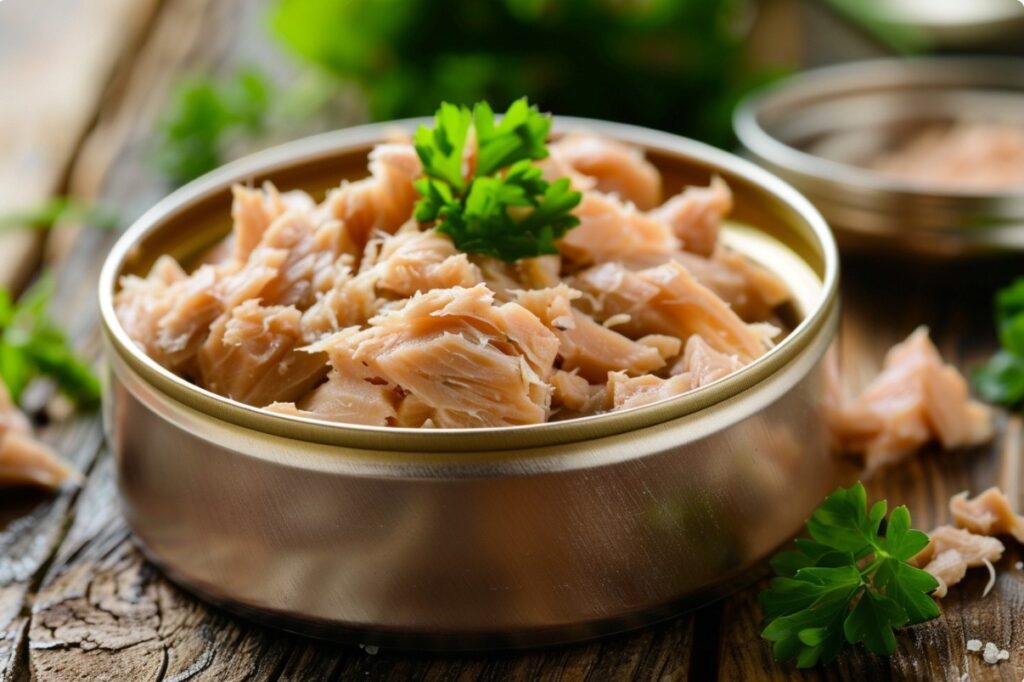
This is my everyday workhorse. It’s lighter than oil-packed tuna, plays nicely with yogurt or lemon-based dressings, and doesn’t make the salad feel heavy. With good quality, chunks stay chunks—not crumbs.
When to buy: most salads, especially with vegetables, beans, and grains; when you want to control the richness of the dressing yourself.
What to look for: avoid tins with “snow” (lots of tiny fibers) and cloudy liquid. Clear or slightly pinkish juices are fine. Gray, murky liquid with a sharp smell is a red flag.
3) Flaked tuna (flakes/chunks) in its own juices — convenient, but not for looks
This is where labels get confusing: “chunks” can mean decent small pieces—or it can mean almost shredded. For spreads and sandwich-style tuna salad, it’s great. For a salad where you want distinct tuna pieces, it’s not the strongest choice.
When to buy: tuna salad spreads, pasta salads where everything gets mixed anyway; when speed matters.
The risk: cheaper flakes are often dry. In a bowl they soak up dressing, and the salad turns thick—like someone tossed in breadcrumbs.
4) “Tuna for salads” (finely shredded) — only if you know why you’re buying it
This is the most marketing-heavy name on the shelf. Sometimes it’s perfectly fine: small pieces that mix quickly. But very often it’s what’s left after cutting “solid” pieces—crumbs padded with extra liquid so it doesn’t look dry.
When to buy: if you’re making a salad that will be mixed until fairly uniform, or if price is the priority and you’re okay sacrificing texture.
When not to buy: leafy salads where you want tuna sitting on top in nice flakes and strands.
5) Tuna in sunflower oil — can be fine, but the smell is everything
Here, oil quality decides everything. Sunflower oil can be neutral—then you’re good. Or it can have that distinct “fried” or rancid note that steamrolls lemon, mustard, herbs… everything.
When to buy: when the budget is tight but you want something juicier than tuna in water/juices; for hearty salads.
Note: if the oil smells aggressive the moment you open the tin, don’t try to “save it” with spices. Spices can mask it, but the unpleasant aftertaste will still be there.
6) Glass jars / “premium” packaging — sometimes amazing, sometimes just expensive design
Glass isn’t a guarantee, but tuna sold in glass often comes in firmer pieces with more careful processing. Still, you can absolutely pay for the jar and get average tuna with average oil.
When to buy: when you’ve tried that exact product and liked it; when you want a gift-worthy look or the cleanest, least-surprising option.
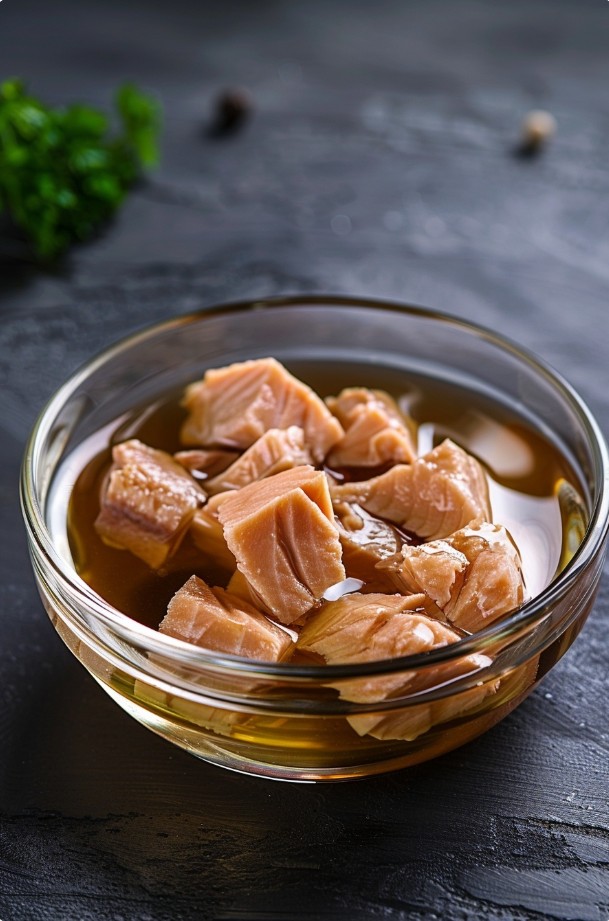
How to read the label (and not fall for pretty words)
The label isn’t your enemy—it’s just written to sell. I check a few things, and that’s usually enough.
Ingredients: the shorter, the better
Best case, the ingredient list is: tuna + salt + water or oil. That’s it. “Flavorings,” “extracts,” and “enhancers” are usually unnecessary for tuna you’re serving cold in a salad. They can leave a weird aftertaste that shows up even more once chilled.
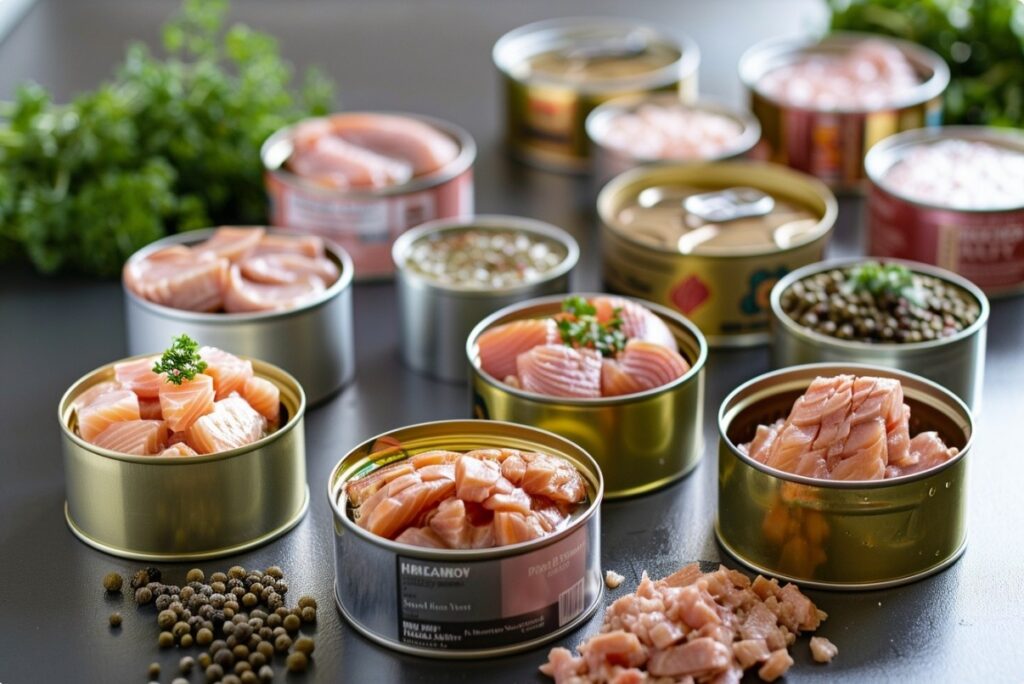
Cut style: solid / chunks / flakes
Names vary, but the logic is consistent:
- Solid / steak / fillet — the firmest pieces; best for a clean, pretty presentation.
- Chunks — smaller pieces; quality can range a lot.
- Flakes — easy to mix; weaker texture.
My rule of thumb: if the “photo” matters, buy solid/steak. If speed matters, buy flakes. If you want a middle ground, chunks can be great—just stick to a brand you trust.
Weight: check net weight vs. drained weight
Many tins show two numbers: total weight and the weight of the fish without the liquid (drained weight). For salads, the second number matters more. You can buy a “big can” and still end up paying for half water/oil.
Tip: when comparing prices, calculate cost per 100 g of drained tuna, not per 100 g of “everything in the can.”
Tuna species: you don’t need Latin, but the pattern helps
You’ll most often see skipjack and yellowfin. In general, yellowfin is more likely to be firmer and a bit more refined in texture, while skipjack can be simpler and sometimes more “fishy.” But it’s not a law—processing and storage matter just as much.
My simple guideline: for delicate salads, choose tuna with the cleanest, mildest flavor. For hearty salads with bold ingredients, a simpler tuna is usually fine.
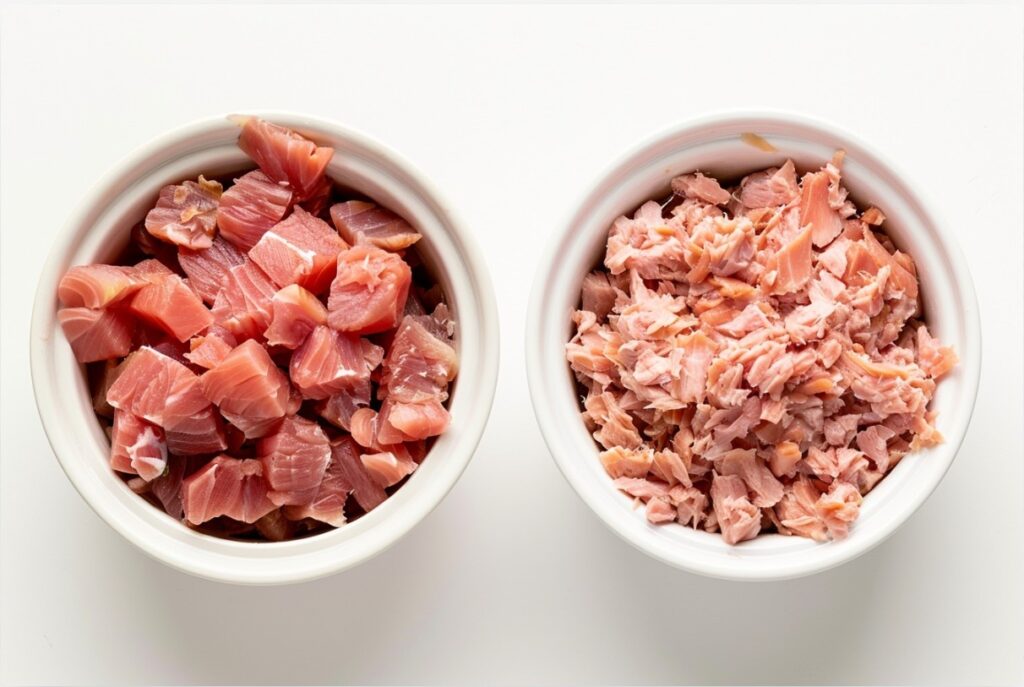
Quality checks: what I look at in the store and right after opening
Tuna is one of those products you can’t really judge until you open it. Still, you can spot a few things before buying—and once it’s open, you can assess it quickly without talking yourself into “it’s fine.”
In the store: can condition, seams, lid, date
- The can is smooth, with no dents on the seams or near the lid. A dent on the side isn’t always a disaster, but a dent on a seam? I wouldn’t risk it.
- No bulging lid. Obvious, yes—but people still grab the “last one” without looking.
- Best-before date: I prefer buying with a comfortable buffer. Canned goods last a long time, but fresher packing often tastes cleaner.
- Suspiciously low price isn’t always bad, but I immediately lower my expectations for texture.
After opening: smell, color, texture, liquid
I open the tin and pause for two seconds—just to smell it. Good tuna smells calm: ocean, fish, but no “basement” note, no sharp metal, no sourness.
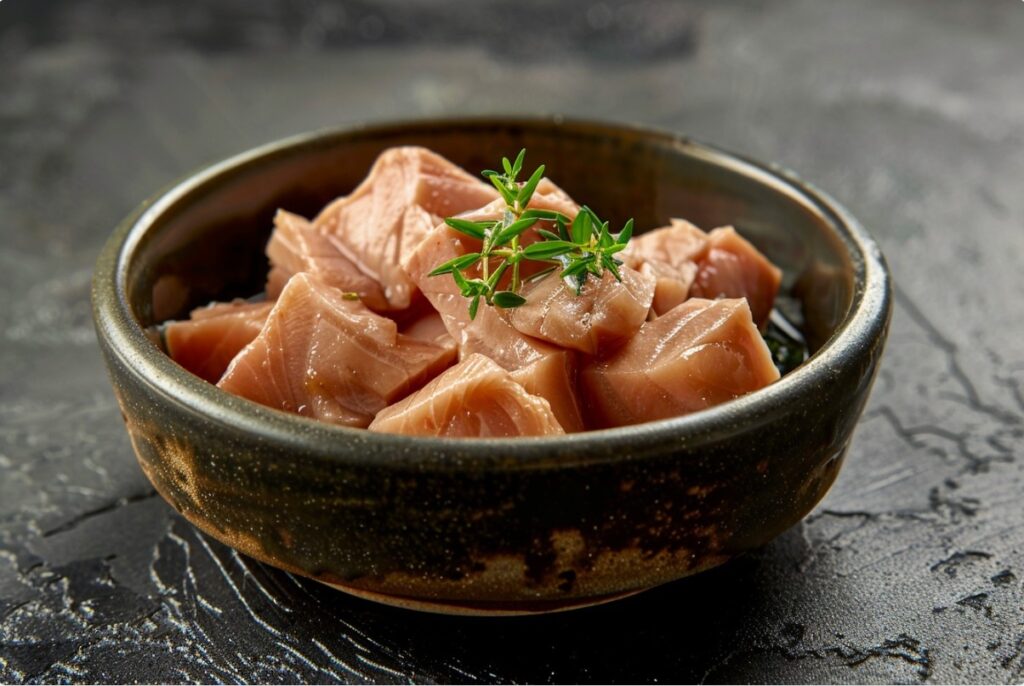
- Color: light pink to beige-pink, sometimes a bit darker depending on the species and cut. A very gray tone paired with a sharp smell is a bad sign.
- Texture: it should separate into flakes and layers with a fork. If it smears like pâté, it’s either a shredded format—or the fish has been over-processed.
- Liquid: in its own juices, it shouldn’t be slimy or heavily cloudy. In oil, it shouldn’t smell rancid and shouldn’t have strange sediment.
Quick story: once I opened a tin that smelled “okay,” but with a faint metallic hint. I thought, it’ll pass. Then I added lemon—and the metallic note doubled. Acid highlights every flaw. Since then, if I catch even a hint of metal, I won’t use that tuna in a lemony salad.
Common buying mistakes: where marketing (and habit) gets us
Tuna is a champion of “habit mistakes.” People buy what they always buy, then wonder why the salad didn’t come together this time.
Mistake #1: “For salads” = best for salad
Nope. It usually just means it’s easy to dump out and mix. If you need real pieces, look for solid/fillet or clearly labeled chunks. The big words on the front don’t replace the cut description.
Mistake #2: buying the driest tuna and trying to “save it” with dressing
Dry tuna absorbs dressing, so you end up with a salad where the dressing disappears and the fish turns clumpy. Then you add more sauce—and suddenly everything is swimming. Better to start with a juicier tuna (oil-packed, or a good one in its own juices) and drain it thoughtfully.
Mistake #3: not draining the liquid, then wondering why the salad went watery
Especially with leafy greens: extra liquid and five minutes later your arugula isn’t springy—it’s limp. I usually drain almost everything, leaving just a little for texture (or none at all, depending on the salad).
Mistake #4: choosing only by “bigger can”
A bigger can doesn’t always mean more fish. Check the drained weight. It’s a small detail that genuinely saves money.
Mistake #5: ignoring the smell of the oil
The fish can be fine while the oil is not. Then tuna gets blamed, even though the real problem is the packing liquid. If the oil smells harsh, drain it completely and don’t use it in the dressing.
Price vs. common sense: when it’s worth paying more
I’m not the person who says “only buy the most expensive.” Real kitchens have budgets. But there are times when paying more gives you a noticeable payoff.
When more expensive tuna is actually worth it
- When tuna is the base of the salad. If there’s a lot of fish and it’s the main flavor, a cheap option usually shows up as dryness or an off taste.
- When you need beautiful pieces. Solid/steak is usually pricier, but it delivers on texture and presentation.
- When the salad is simple (3–5 ingredients). The less “noise” around it, the more each ingredient matters.
When you can save without regret
- When tuna goes into a mixed salad with pasta/beans/potatoes, where texture isn’t critical.
- When you’re making a spread and you’ll flake/mash it anyway.
- When there are bold ingredients (pickles, capers, mustard) that help carry the flavor.
Personal note: I had a phase of buying the cheapest tuna for “work lunch salad.” It was… fine. But after a week I noticed I kept adding more mayo, more spices, more acid—just to make it taste good. The “savings” on the tin turned into extra add-ins and a heavier salad. Switching to a mid-range tuna in its own juices made everything easier.
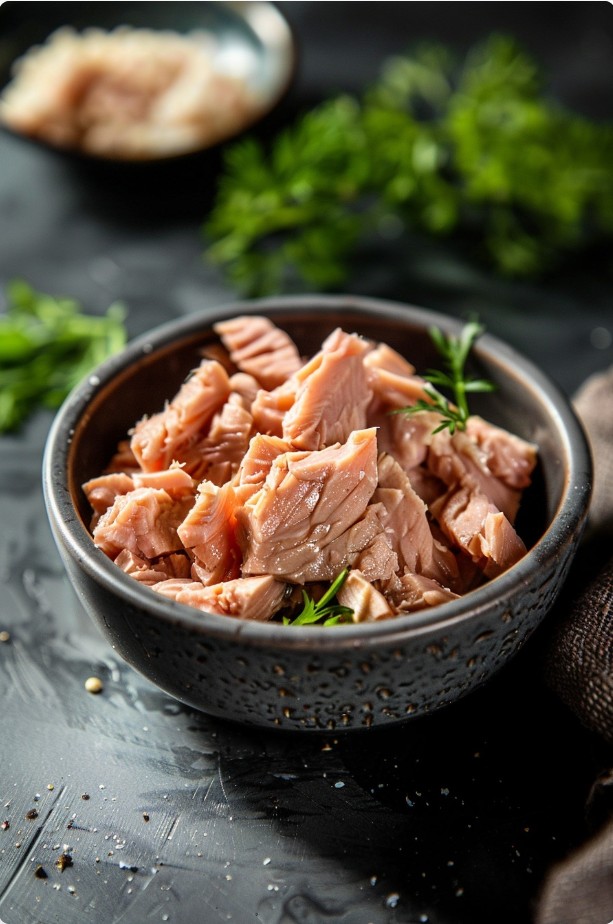
Storage: how to keep tuna from going off (and ruining the flavor)
A sealed tin isn’t “forever.” And opened tuna definitely isn’t. The most common issue: people leave the fish in the opened can in the fridge, and the next day it doesn’t smell like it did yesterday.
Don’t store it in the open can
After opening, transfer tuna to a glass jar or a food container with a tight lid. Metal plus air is a bad combo for flavor—especially for tuna in its own juices.
Tip: if it’s tuna in oil and you didn’t use it all, move it to a container and cover the top with a thin layer of the same oil. It dries out less and picks up fewer fridge odors.
How long opened tuna stays good
My rule: best eaten the same day. If there’s some left, it’s usually still fine the next day, but the flavor is already flatter. After that, the odds of off odors and dryness go up. It’s not only about “safe/unsafe”—it’s about the salad tasting worse.
How to avoid a “fishy fridge”
Tuna absorbs odors easily. Keep it tightly sealed and away from strongly scented foods. One more thing: if you drain the liquid, don’t leave the tuna bone-dry overnight—it will dry out. Either eat it, or leave a little of the packing liquid.
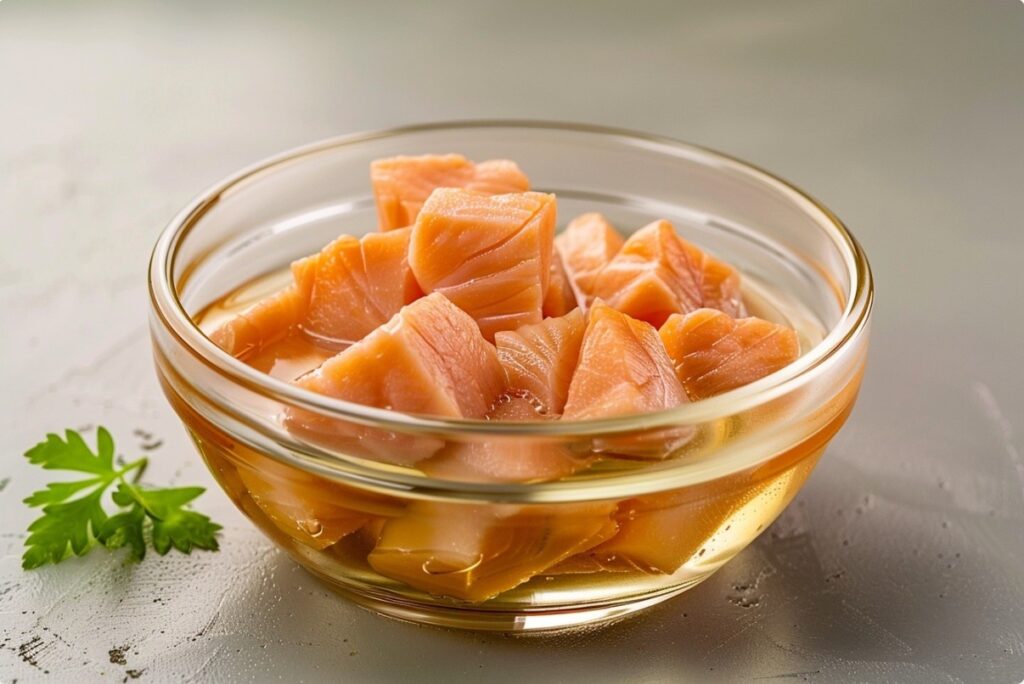
How tuna behaves in salad: texture, moisture, acidity, and time
One reason a salad “weeps” or tastes worse after 10 minutes is simple food physics. Tuna plays a role here too.
Acid highlights flaws
Lemon, vinegar, marinades—love them. But they also make metallic notes and rancid oil much more obvious. If you know your salad will be citrusy, choose tuna that smells as clean as possible.
Greens and extra liquid don’t mix
Tuna in its own juices can release a bit more moisture once it’s in the bowl—especially if you stir aggressively. For leafy salads, I either drain very well, or I use oil-packed tuna and adjust the dressing so it doesn’t get greasy.
Timing matters
Some salads benefit from sitting. Leafy salads with tuna often don’t. If you’re prepping ahead, keep components separate: tuna in a container, dressing separately, greens dry. Then assemble in 2 minutes and the salad stays crisp and alive.
Tip: for leafy salads with tuna in its own juices, after draining, let the fish sit for 2–3 minutes in a sieve or on a plate so excess moisture drips off. The salad won’t go soggy as fast.
My go-to tricks: getting tuna ‘salad-ready’ fast
These are small moves, but they genuinely change the result. I do them almost automatically.
Don’t mash it into dust
If you have chunks, separate them with a fork along the grain instead of smearing them. You’ll taste actual fish, not a protein paste.
Go easy on salt
Tuna is already salted. Capers, olives, cheese—also salty. I salt at the very end, after mixing. Often I don’t salt at all and just add a touch more acid or black pepper.
Use the packing liquid as a tool, not trash
Draining to absolute zero isn’t always right. If a salad is a bit dry (say, with beans), a spoonful of tuna oil can be better than extra mayo. But in a delicate salad, that same oil can ruin the balance.
Pepper and zest beat “ten spices”
Tuna likes simple accents. Most days, black pepper and a little lemon zest are enough—they highlight instead of hiding. Heavy spice blends can make the flavor taste more “canned.”
Tip: if the tuna is a bit dry, mix it separately with 1 teaspoon of dressing (or yogurt/olive oil) before adding it to the salad. It turns softer and won’t steal sauce from the whole bowl.
One last kitchen story: I once made a salad for friends and used really good solid tuna in oil. Everything was perfect—until I rushed and mixed too enthusiastically. The pieces broke down, the oil coated the greens, and the salad felt heavy. Since then, I either place that kind of tuna on top, or I mix with literally two or three gentle turns. Funny how one extra minute of “trying harder” can ruin a good thing.
If you want the short version: for salads, chunk tuna usually wins—either in its own juices or in good oil, depending on the vibe you want on the plate. Anything finely shredded isn’t “bad,” it’s just a different tool: better for spreads, hearty mixes, and quick lunches.
What do you prefer in a salad—big, distinct pieces, or tuna that mixes into a softer, creamy texture? And have you ever had a tin completely ruin a dish—what was wrong with it?
If you want to really feel the difference between tuna options and how they behave in real salads, it helps to look at finished dishes. In the roundup Tuna salad recipes, you can see how different types of tuna (in water vs. oil, chunks vs. more finely flaked) change texture and flavor—making it much easier to choose intentionally.
Questions & answers
Which tuna is best for salad?
For most salads, canned tuna in chunks packed in water (or its own juices) is the best all-around choice: clean flavor, good texture, and it holds its shape.
Tuna in water or in oil—which is better for salad?
Water/juices are better for light, fresh salads and lemony dressings. Oil-packed tuna is richer and softer, great for hearty salads, but can make the dish feel heavier.
Which tuna holds its shape best in a salad?
Solid/fillet-style tuna or large chunks hold their shape best and keep the salad looking neat and structured.
Can you use cheap tuna for salad?
Yes—especially in mixed salads or spreads—but expect a softer or drier texture. For better results, choose tuna with clearly defined chunks and a clean smell.
How can you tell if tuna is good quality?
Look for distinct pieces, a natural pink-beige color, clean aroma, and clear (not thick or slimy) packing liquid. Avoid sharp metallic or rancid notes.