Blender vs Food Processor: What to Choose for Your Home Kitchen

How many times have I caught myself thinking: should I finally buy that food processor my neighbor has that never gathers dust? Then you return to your old blender, and it saves the day again: puree soup ready in a minute, smoothie in two more. But as soon as you need to grate a lot of vegetables or chop nuts, you start thinking about the capabilities of a food processor. This is where the dilemma arises, familiar to many who cook at home: what is really needed in your kitchen, and what will just become another ‘dead weight’ in the cupboard?
In kitchen appliances, the main thing is not the number of functions, but how and for what you actually use them. Choosing between a blender and a processor is not about prestige or ‘correctness.’ It’s about comfort, space, time, and common sense. I once had a period when I cooked everything in one large food processor—from dough to mince. A few months passed, and I returned to a small hand blender for most tasks. Because it’s simpler, less washing, fewer parts.
The choice always depends on how you cook: whether you cook Ukrainian borscht with mushrooms for a week for a large family, love experimenting with pastas and nut sauces, or just want to quickly make a morning smoothie. Here I share practical experience on how to choose exactly what you need—without unnecessary expenses and disappointments.
What is a Blender and a Food Processor: In Simple Terms
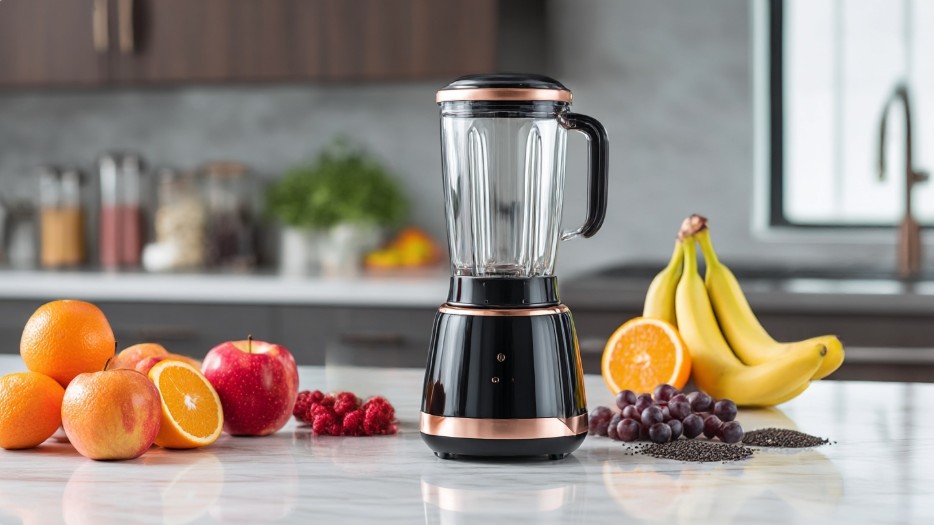
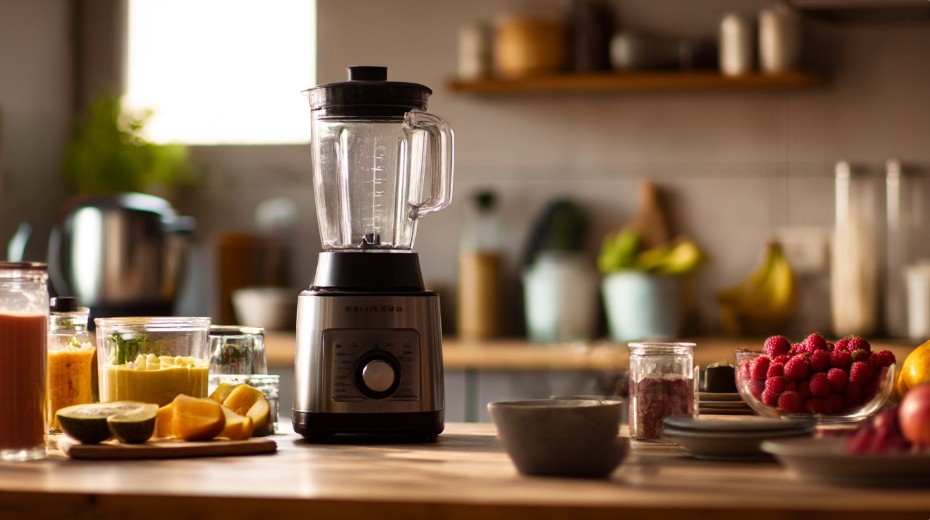
In the store, these words often stand side by side, but in reality, the difference is felt in your hand from the first use. A blender is a device that grinds products to a puree or liquid state. It can be stationary (jug) or hand-held (immersion). The stationary one is more suitable for cocktails, puree soups, sauces, while the hand-held one is for small portions when you don’t want to assemble and disassemble a large bowl.
A food processor is a multifunctional device that can slice, grate, shred, knead dough, and sometimes even juice. It comes with various attachments and bowls. A processor is about volume and variety of operations, but also about more space in the kitchen and more complex washing.
Once at a master class, a participant admitted that she bought an expensive processor but uses it once a month when making pancakes on kefir. The reason is simple: most of her dishes don’t require so many functions, and washing takes more time than cooking itself. With a blender, everything is faster and simpler for her. This is a classic situation.
Why Buy a Blender: Real Tasks and Benefits
The first thing that comes to mind is puree soups, smoothies, cocktails. But a blender also helps in less obvious situations. When you need to make nut butter, whip a sauce, chop onions or garlic, prepare vegetables for pancakes—grab the blender, and everything is ready in a minute. For me, the main advantage is the speed of starting. Manually slicing carrots or chopping nuts is quite a pleasure, especially when time is short.
The immersion blender is especially convenient. It’s light, takes up minimal space, and can be washed in a minute. Sometimes you just don’t want to pull out large equipment for one onion. And you can work directly in the pot. I often use the blender when I need to make a quick pumpkin cream soup from leftover vegetables. You only need to clean the attachment and the bowl afterward—this is a huge plus.
A blender is also about texture. It gives a smooth consistency, without grains and lumps. If you love homogeneous soups, sauces, pâtés—a blender is hard to do without. And it’s indispensable for homemade sauces like mayonnaise: literally 30 seconds and it’s ready.
Microstory: How the Blender Saved the Morning
One of those days when everything falls out of your hands, and the kids are waiting for breakfast. Oatmeal is not an option, something more interesting is needed. I take a banana, a little yogurt, a handful of berries—and everything goes into the blender. In two minutes, I have a thick smoothie. The kids are happy, and so am I. Without the blender, this trick wouldn’t have worked so quickly.
Why You Need a Food Processor: When It’s Justified
A processor is a story for those who cook for many people, often or diversely. This is where it reveals its advantages: slicing large volumes of vegetables, shredding potatoes for pancakes, preparing dough, mince, chopping large amounts of nuts or cheese. Where a hand-held or stationary blender can’t cope—the processor takes over the main work.
The processor is especially useful in the canning season. Once in the fall, we were preparing lecho with friends for the whole family—six liters! Slicing peppers and tomatoes by hand would take a whole day. The processor did it all in an hour. An additional plus is the various attachments: for shredding, grating, even for whipping cream. If your kitchen is a place where more than one dish is cooked a day, or you regularly bake and experiment—the processor becomes a serious aid.
Another area is baking. Kneading dough for pies, cookies, pizza takes a lot of time and effort by hand. The processor works quickly and evenly, saving energy. I like how it handles even dense yeast dough—by hand, it would be a different story.
Microstory: Processor at a Family Celebration
I remember when we were preparing salads for 20 people for a birthday. Just the thought of slicing 3 kg of vegetables makes you sick. The processor handled it in 15 minutes, leaving energy for the celebration itself. This technique is indispensable for such moments.
Real-Life Comparison: When a Blender is Enough and When a Processor is Hard to Do Without
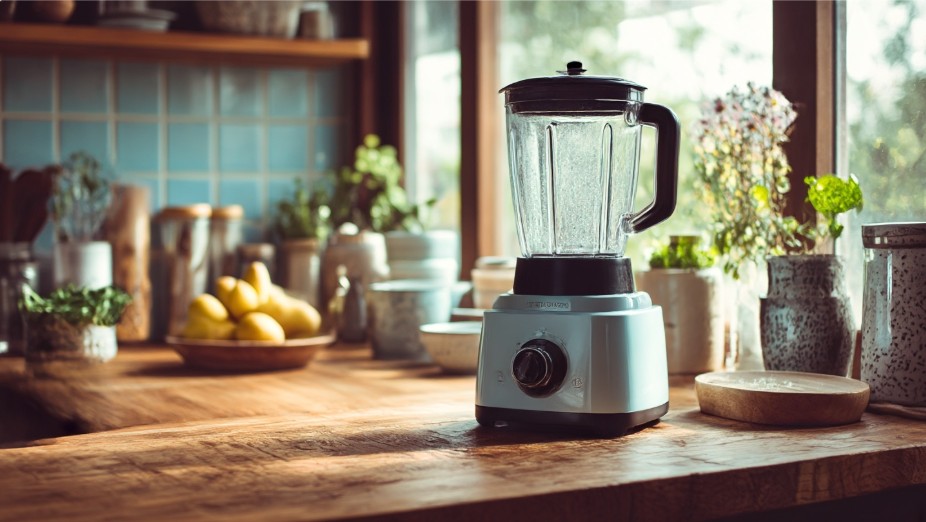
It all depends on everyday habits and the type of dishes. If your main dishes are puree soups, smoothies, sauces, pâtés, chopping small amounts of vegetables—a blender fully meets these needs. It is ideal for small portions, quick snacks, experiments with sauces. The blender doesn’t take up much space, is quick to wash, easy to get out, and just as quickly put away.
A processor is needed if you:
- Cook for a large family or often host guests
- Regularly bake—dough, creams, shortbread
- Make preparations for the winter
- Love experimenting with different slicing methods (julienne, brunoise, grater, etc.)
- Often shred or grate large volumes of vegetables
There’s also the space nuance: a processor takes up significantly more space, requires a separate shelf or even a cupboard. You can’t get it out and put it away in a minute like a blender. For a long time, my processor was on the top shelf: we took it out once a month—and mostly for holidays or preparations.
Lifehack: Determine Your ‘Kitchen Level’
Before buying, ask a simple question: how many times a week will you actually use this equipment? If the answer is less than three, most likely a blender is enough. A processor is justified only when it works often and essentially.
Space in the Kitchen and Convenience: What People Often Don’t Think About
When buying equipment, you rarely think about where it will live. In practice, this is critical. A blender is a light, compact device that can be stored even in a drawer. It’s easy to get out, connect, wash, and put back.
A processor is already a serious construction with a bowl, attachments, lids (and often a separate motor block). It needs a separate shelf or even a whole cupboard. If the kitchen is small, this can become a real problem. I bought equipment ‘just in case’ several times, and then had nowhere to put it. As a result, it was more of a hindrance than a help.
Another point is weight. A blender weighs up to a kilogram (or even less), a processor—3-5 kg and more. If you have to get it from the top shelf—it’s already a separate workout. I know people who eventually stopped using the processor precisely because of this.
Tip: Check if It’s Convenient to Get Out and Put Away
Before buying, place the future device where it will actually stand. If it’s inconvenient to get out or put away—think twice.
Washing and Care: How to Save Nerves and Time
One of the most common arguments against large equipment is the complexity of washing. A blender is washed in a minute: detach the attachment or bowl, rinse under the tap, done. A stationary blender takes a little longer, but it’s still simple.
A processor is already a set of parts: bowl, lid, knives, attachments, pushers. After each use, you need to disassemble, wash all the elements, dry, and assemble back. Some parts can’t be washed in the dishwasher (especially knives—they quickly dull). If you cook a large volume once a day—it’s justified. But if you need to chop one apple—washing takes more time than the work itself.
Lifehack: Wash Immediately After Use
I’ve developed a habit: wash the equipment immediately after work, while the remnants haven’t dried. It really saves time and nerves. Especially with a blender—rinse, wipe, put away.
Typical Mistakes When Choosing a Blender and Processor
One of the most common is buying equipment ‘just in case,’ thinking ‘what if it comes in handy.’ In practice, a large part of the functions remains unused. I’ve seen processors with a dozen attachments that were opened only once—on New Year’s, then they lie in the box.
Another mistake is underestimating the size. You buy a large processor, and then have nowhere to put it. Or vice versa, you take a cheap blender with minimal power—and it can’t handle even soft vegetables. It’s important to realistically assess what you cook most often and choose equipment for these tasks.
Sometimes brands or appearance captivate. I once bought a beautiful processor with lots of options, but the clock showed: in a year, I used only two functions out of ten. Simplicity and reliability are more important. Don’t overpay for ‘features’ if you don’t actually use them.
Tip: Make a List of Your Dishes
Before buying, write down 10-15 dishes you cook most often. Compare which ones require special equipment. This list often differs greatly from expectations!
Alternatives: What Can Replace a Blender and Processor
It’s not always worth buying expensive equipment. Often the same tasks can be solved with simpler means:
- Grater—for grating vegetables or cheese
- Knife and board—for slicing, shredding
- Meat grinder—for mince or chopping nuts
- Whisk or mixer—for whipping cream or dough
I often use a simple hand grater for carrots instead of pulling out the processor. Similarly, if you need to chop a small amount of product, a knife and board are quite a working option. For whipping cream or egg whites—a whisk or mixer, you don’t necessarily need to buy professional equipment right away.
The main thing is not to complicate if there’s a simpler way. But where the volume is large or perfect uniformity is needed, a blender or processor still wins.
Care and Longevity: How to Extend the Life of Equipment
To make the equipment last long, it’s important not only to choose correctly but also to care for it. Blenders fear water getting on the motor block—always wash only the attachments and bowl, and wipe the block with a damp cloth. Periodically remove and clean the knives with a special brush to prevent dulling.
A processor requires even more attention: attachments, bowl, lids—all must be perfectly dry before assembly. Otherwise, an unpleasant smell or even mold appears. Pay special attention to the sharpness of the knives: if you notice that vegetables are not cut evenly but torn—it’s time to sharpen or replace them.
Another important point is not to overload the equipment. If the manual states the maximum volume—do not exceed it. Once I tried to chop too many nuts in a blender—the motor started heating up, and eventually, I had to take it for repair. Follow the simple rule: better two small batches than one large one.
Lifehack: Store Equipment Disassembled
It’s better to store processors and blenders disassembled and well-dried. This protects against odor and extends the life of the parts.
How to Make a Choice Without Disappointment: Final Tips
First of all—honestly analyze your habits. Make a list of dishes you actually cook, and count how many times a week you need the help of equipment. If most tasks are puree, sauces, small volumes—almost certainly a blender is enough. If you often cook for a large company, experiment with baking or make preparations—then it makes sense to think about a processor.
Don’t be swayed by the number of attachments and ‘versatility.’ Better one simple but quality function that you actually use often than ten options that lie idle. Check if there’s space for storage, if washing is comfortable, if it’s convenient to get the equipment out in everyday life.
And also: don’t be ashamed to start small. I got a blender in my kitchen much earlier than a processor. And it still works most often. And I use the processor during large ‘kitchen marathons’—and that’s okay too.
Lifehack: Don’t Buy Immediately—Test at Friends’
Ask friends or relatives to try their processor or blender. Often after one or two uses, it becomes clear what you really need.
In the end, no equipment will make the kitchen happy automatically. Everything is decided by your pace, habits, and ease of use. Ease is the best criterion for choice.
Which option became your ‘savior’ in the kitchen? Share your experience in the comments—it’s interesting to see how others find their perfect balance between functionality and simplicity.