Buckwheat for Work and School: What to Prepare in Advance

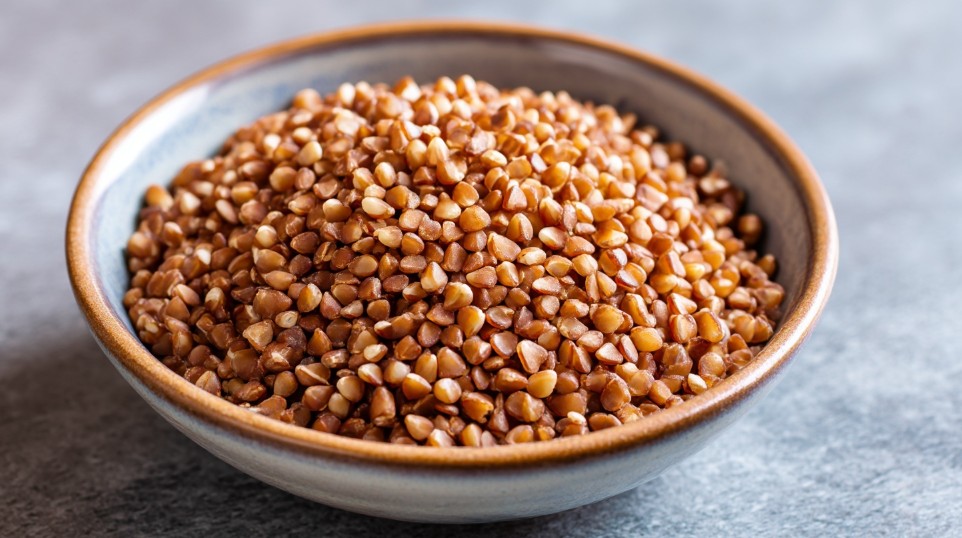
Sometimes it feels like the whole family is either eating or getting ready to eat. In the morning – rush, during the day – everyone is scattered, in the evening – there’s no energy for anything but tea. And then, somewhere in the middle of the workday, you remember: the kid’s lunchbox only has an apple and a cookie, and yours… also nothing. I used to think that preparing in advance was something for perfect people on Pinterest, but then I just got tired of the constant chaos. And you know what? The simplest lifesaver turned out to be buckwheat. You can prepare it in advance, mix it with anything on hand, and take it with you – to the office or in the kid’s backpack.
There won’t be any perfect schemes or weekly menus here – just what really works when time is short, energy is low, and hunger is real. I’ll share how I plan meals for myself and my family so that there’s something to eat at work and school, and the kitchen doesn’t turn into a battlefield.
How to Plan Meals for the Week in 15 Minutes
Planning for me doesn’t start with a spreadsheet, but with a short conversation with myself: “What are we actually going to eat this week?” I open the fridge, see what’s left, and remember which days will be particularly busy. Then I jot down a rough list of dishes on a sheet or in phone notes – just the basics. Buckwheat is almost always on it – it’s a universal base that you can take with you in a jar or lunchbox.
A simple rule helps me: one grain – several options. I choose one dish with buckwheat that can definitely be eaten cold or reheated. Then I adjust to the schedule: if I know that everyone is home on Tuesday, but almost no one eats at home on Wednesday and Thursday, I prepare in advance for those days.
Tip: Don’t over-plan. Just think a little ahead – and it’s already easier.
The main thing is not to complicate: the plan should be simple and flexible, like old favorite jeans.
What You Can Prepare with Buckwheat in Advance
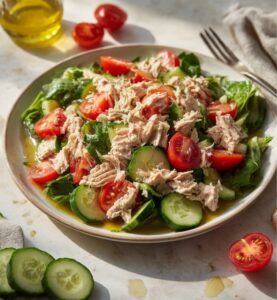
Buckwheat is like a white T-shirt in the food world: it goes with almost everything and doesn’t get boring. I often cook a large pot of buckwheat at the beginning of the week. I immediately portion some into containers – it’s more convenient to take with you. Buckwheat itself is just the beginning. You can add an egg, stewed vegetables, meat, cheese, or even canned tuna to it. And each time – a different dish.
From experience: buckwheat holds its shape well, doesn’t get soggy, and doesn’t turn into “mush” even after three days in the fridge. The main thing is not to overcook it. I like it when buckwheat is a bit crumbly, not too soft – then it’s tasty in both salads and warm dishes.
Tip: If you’re preparing buckwheat in advance, portion it into containers right away – it cools faster and doesn’t stick together.
What else you can do with buckwheat for lunchboxes:
- Buckwheat with vegetables (bell pepper, carrot, peas – whatever is on hand)
- Buckwheat with egg and greens – hearty, simple, and tasty even cold
- Buckwheat with chicken or turkey (leftovers from dinner work great)
- Buckwheat with hard cheese – if you need a quick snack
- Buckwheat with stewed mushrooms – the aroma fills the whole kitchen
It’s convenient that all this can be layered in jars or containers – it looks appetizing and doesn’t turn into a “mishmash”.
Read more in the material on how to cook delicious buckwheat porridge.
Freezing: What Works with Buckwheat and What Doesn’t
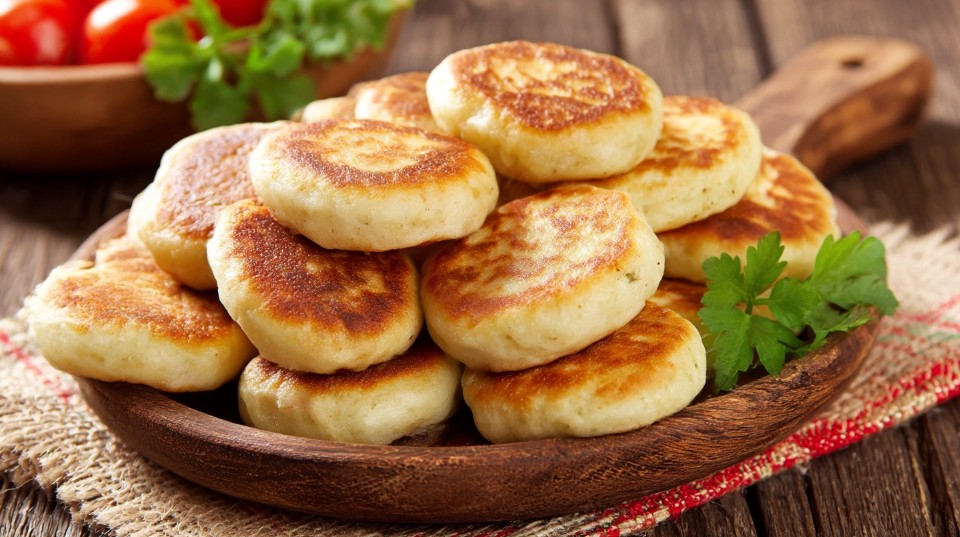
Honestly, I don’t like freezing buckwheat itself. After defrosting, it often becomes “cottony” and loses its texture. But if you make patties or a casserole out of it – they store well in the freezer and are easy to reheat.
Once I decided to make a “reserve” of food for a week ahead – and just froze a few containers with plain buckwheat. Result: no one ate it, not even me. But those same buckwheat patties with vegetables are my son’s favorite snack, and at school, they are eaten first.
Tip: If you’re making buckwheat patties or “croquettes,” freeze them in portions – then just take them out, reheat, and lunch is ready.
What else freezes well with buckwheat:
- Buckwheat and vegetable or meat patties
- Casseroles (buckwheat, egg, cheese, vegetables)
- Buckwheat pancakes for a snack
However, buckwheat salads or dishes with a lot of fresh vegetables are better not frozen. They become soft and unappetizing afterward.
How to Organize Meals for Work and School
The main thing here is not to complicate. I’ve noticed that the simpler the system, the longer it “lives.” In the morning, when everyone is rushing somewhere, there’s no time to cook fresh. So everything that can be done in advance, I do either the night before or even on Sunday evening. Buckwheat is perfect for this.
For myself, I have a few proven rules:
- Containers should be labeled (especially if there are several similar dishes in the fridge)
- I put something in the kid’s lunchbox that they will definitely eat (buckwheat with a boiled egg or a piece of cheese)
- For myself – buckwheat with vegetables and meat or fish (can be eaten cold or reheated in the microwave)
- Don’t forget a spoon and napkin – it seems trivial, but sometimes it’s what saves lunch
When the kids go to clubs or stay at school longer, I make a “second round snack” – a small container with buckwheat patties. They don’t crumble, are convenient even for small children, and there’s no need to worry about everything spilling in the backpack.
Tip: If you know you won’t be able to reheat, choose additions to buckwheat that are tasty cold: egg, cheese, vegetables.
Flexibility of the Plan: When Things Don’t Go as Planned
No matter how many times I’ve planned – there’s always a day when everything goes awry. The kid forgets the lunchbox, I stay late at work, or I’m just too tired and don’t want to eat anything. And that’s okay. Planning is not about perfection, it’s about peace of mind.
I always have a small stock of food in the freezer (buckwheat patties or a casserole), and a few quick combinations. In the fridge – a container with buckwheat, next to it – a piece of cheese, a can of canned tuna, and some vegetables. If plans change, I just put something together from this and take it with me.
Sometimes lunch is just buckwheat with butter and salt. And that’s okay too. It’s important not to torture yourself and not chase perfection.
Tip: Leave yourself a “window for chaos.” Don’t plan everything down to the last detail – it’s easier to react to surprises that way.
Common Mistakes in Planning and Preparing Buckwheat
I’ve fallen into the trap of “overenthusiasm” myself: cooking for a whole week ahead, then throwing half of it away. Buckwheat is simple, but there are a few pitfalls.
- Cooking too much: after 3-4 days, even the best buckwheat isn’t as tasty
- Overcooking: then it becomes sticky and doesn’t hold its shape in salads
- Leaving it uncovered: buckwheat absorbs fridge odors, especially if there’s sausage or fish nearby
- Packing hot buckwheat in plastic containers – it “steams” and sticks together
From personal experience: it’s most convenient to cook for 2-3 days, not a week. And the family complains less when the menu changes a bit.
Tip: If you’re cooking for several days – leave some buckwheat plain, and mix some with additions (vegetables, meat) right away. That way it doesn’t get boring.
Life Hacks for Quick Meal Organization with Buckwheat
Over the years of trial and error, I’ve come up with a few simple tricks that save time and nerves:
- I cook buckwheat in a large bowl, not a pot – it’s easier to mix and cool
- I use glass containers: food stays fresh longer and doesn’t absorb odors
- I add a bit of butter right after cooking – buckwheat doesn’t stick and looks more appetizing
- I portion buckwheat into containers with additions – in the morning, just grab and go
- For kids, I make small portions – better they ask for seconds than force them to throw it away
Once I even bought several identical containers – it’s easier to pack in a backpack, and you don’t have to look for the right lid among five different ones.
Tip: If you’re worried that buckwheat will get boring, change the sauces or additions – even a teaspoon of mustard or sour cream makes a new dish.
Buckwheat on the Road and on the Go: Real Stories and Solutions
I remember once having to travel on a morning train for a business trip. Everyone buys snacks at the station, and I took out a jar with buckwheat, egg, and cucumber. The neighbor in the compartment asked in surprise: “Do you bring such food from home?” And why not – it’s filling, doesn’t spill, doesn’t smell throughout the carriage, and won’t spoil in a few hours even in summer.
Kids also quickly get used to homemade food on the go. My daughter now reminds me: “Dad, don’t forget the buckwheat with egg!” And there’s no need to buy buns in the school cafeteria.
For snacks on the road, I take small plastic jars with lids – they’re easy to hold in hand, and nothing spills. If you need to eat on the go – buckwheat patties or casseroles are perfect. Once we had a picnic in the park after school – buckwheat with vegetables disappeared first, even though the kids were initially skeptical about it.
Tip: If you’re going on a trip – add something pickled (cucumbers, tomatoes) or canned to the buckwheat – that way you’re not afraid of it spoiling.
Meal Planning: It’s Simple
Over all the years I’ve been trying to organize meals for the family, I’ve realized – the complexity is only in the mind. Buckwheat is not a sign of a “poor” or “lazy” menu, but a real lifesaver for busy people. If you learn to prepare at least one simple dish in advance – it gets easier from there.
You don’t have to be perfect. It’s enough just not to leave yourself and your family hungry. A little planning, a few containers, and a jar of buckwheat – and the week doesn’t seem so daunting anymore.
Try planning meals for the next week at least two days in advance – and you’ll see how much energy and nerves it saves.