Can You Freeze Amosov Paste

Have you ever stood over a pot with a heap of Amosov paste that you always make ‘in reserve’? Or decided to prepare it for the whole week, only for plans to change? The temptation is simple: toss the plate in the freezer and forget about it. But is it really a good idea? Will the taste, texture, and overall quality be preserved after thawing? I had these questions too. Let me tell you how to choose paste for freezing, what to avoid, and why not all ‘freezing’ is the same.
What is Amosov Paste and How is it Different
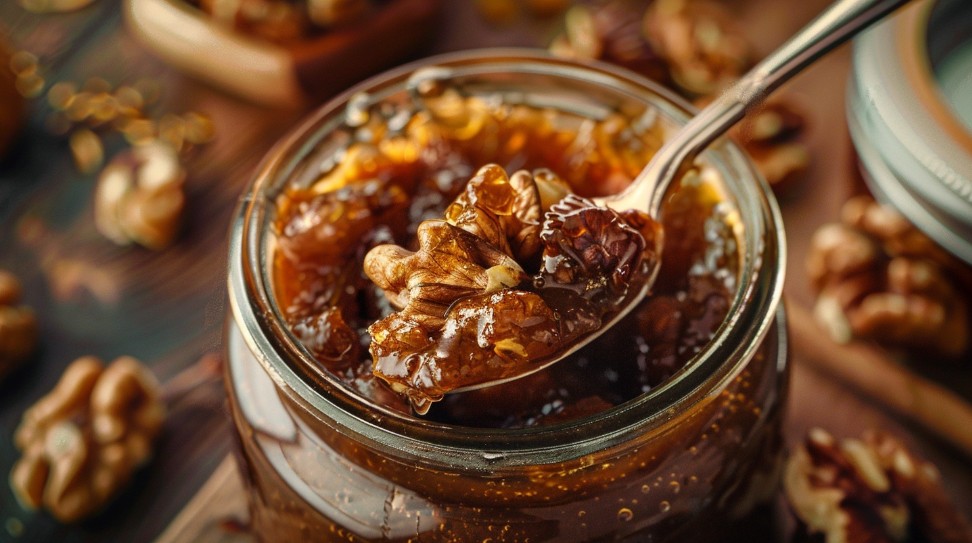
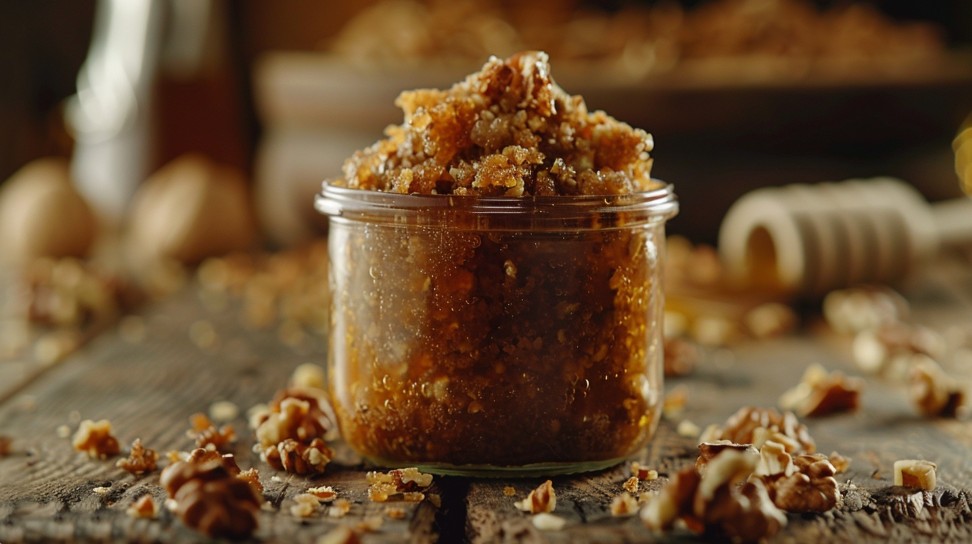
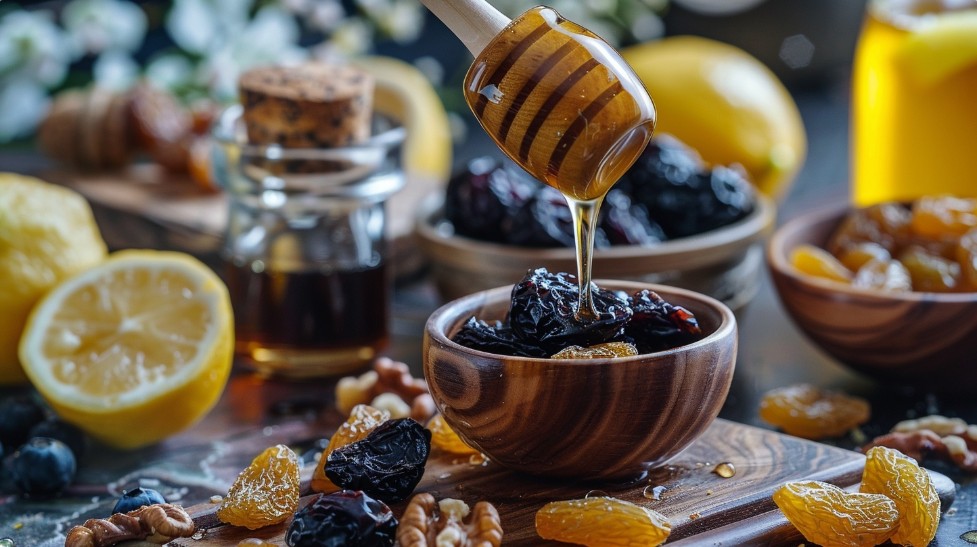
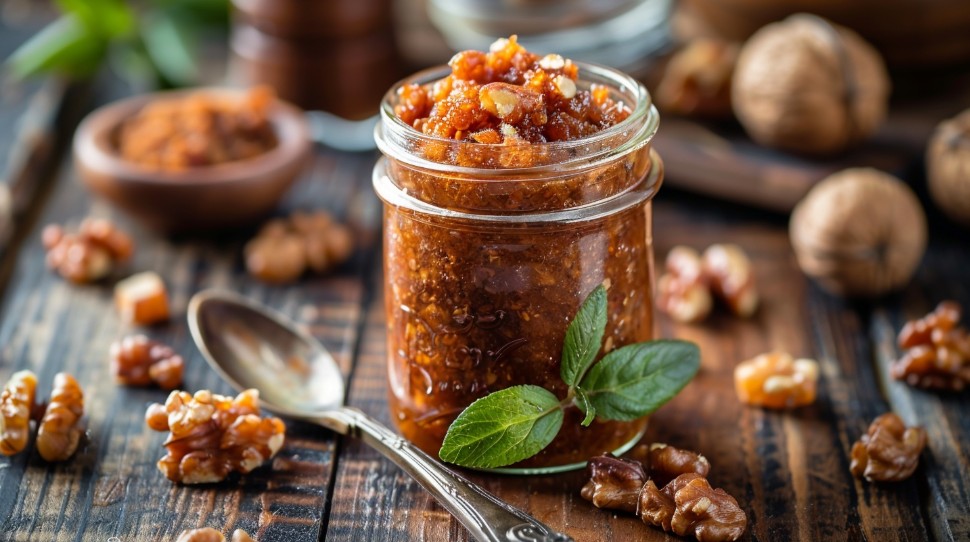
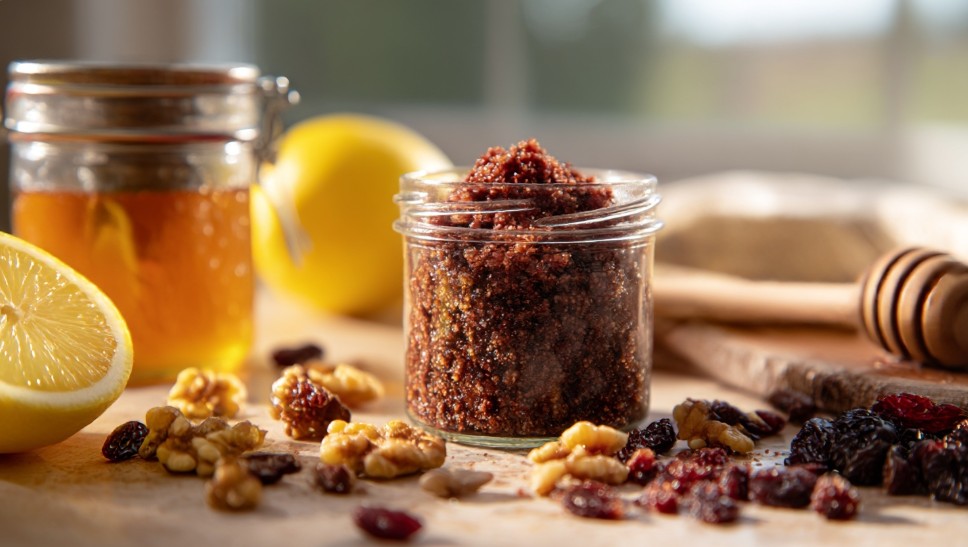
Amosov paste is not your classic Italian pasta. It’s usually a mixture of dried fruits, walnuts, and honey. This dish is made not for celebrations but for oneself—healthy, quick, filling, and almost always with a reserve. It’s pliable, holds its shape, but inside there’s endless room for variations: from prunes to dried apples. More details in the article material: what is Amosov paste.
That’s why storage is a special issue here. Dried fruits absorb moisture, nuts age quickly, and honey can change structure under the influence of cold. Understanding what you have on your plate helps decide: to freeze or not, and how to do it without loss.
Can You Freeze Amosov Paste: The Unvarnished Truth
I have tried freezing this paste more than once: both for myself and for friends who love ‘quick meals’. And there’s no definite ‘yes’ or ‘no’. It all depends on the details. For example, if the paste is fresh, slightly moist, its texture will become softer and somewhat sticky after thawing. Dried fruits—especially prunes or figs—become a bit ‘cottony’, less pronounced in taste after freezing. Nuts sometimes lose their crunch too.
On the other hand, if everything is done correctly, the paste will not lose its main virtues: satiety and a slight sweet aftertaste. It all depends on how and what you freeze. I learned this from my own mistakes.
- Do not freeze hot or warm paste—first cool it to room temperature.
- Use an airtight container; otherwise, the paste will absorb freezer odors.
- Do not keep it for more than three weeks; otherwise, the structure will collapse, and the taste will become flat.
There are more nuances—about them below.
How to Choose Quality Amosov Paste for Freezing
On the market, you can often see paste that has been lying for several hours or even a whole day. It looks appetizing, but it’s important not to succumb to the first impression. The fresher the paste, the better it will survive freezing. I always look at the color: it should be uniform, warm, without gray spots. If you see drying at the edges, it’s better to set it aside.
The smell is a separate story. Good paste smells of honey and dried fruits, slightly nutty. If you feel sourness or something alcoholic, it’s already a sign of fermentation, and such paste is not worth taking even for storage in the refrigerator.
The texture also says a lot. It should be dense but not stone-like. If you press with a spoon, the paste should spring back a little, not spread—this means it was made not from wet ingredients and not overheld. Packaging—a transparent lid without condensation inside—is ideal. If you see droplets and the paste itself ‘sweats’, it’s already excess moisture, and such paste will become completely unappetizing after freezing.
Common Mistakes: How Not to Ruin the Product
The biggest mistake is to freeze what has already started to spoil. Many think: ‘I’ll put it in the freezer, and it’ll be summer in a jar.’ But spoilage doesn’t stop instantly—if there’s already a sour smell or slime, freezing will only conserve the problem. Another trap is not letting the paste cool before freezing it. A warm product will create ice inside, and the texture after thawing will not be the same.
I once left Amosov paste overnight in the fridge, and in the morning, in a hurry, I threw it into the freezer barely warm. The thawed portion then looked like porridge: nuts separately, dried fruits separately, and the wheat ‘spread’ all over. Since then, I’ve learned: everything should be cooled and divided into portions—it’s easier to thaw, and nothing spoils.
- Don’t freeze in a large bowl—better portion it so you don’t have to chip off pieces.
- Don’t add fresh honey before freezing—better to add it after thawing.
- Don’t store near fish or meat in the freezer—the paste easily absorbs odors.
Be careful with dried fruits: if they’re already too soft, they’ll become watery after freezing; it’s better to take the firm ones.
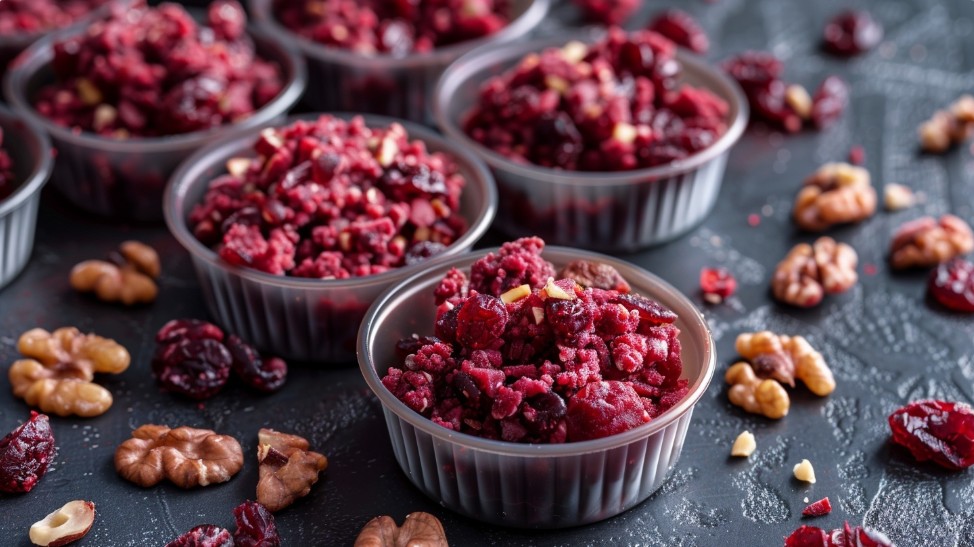
Packaging and Portion Size: How to Prepare for Freezing
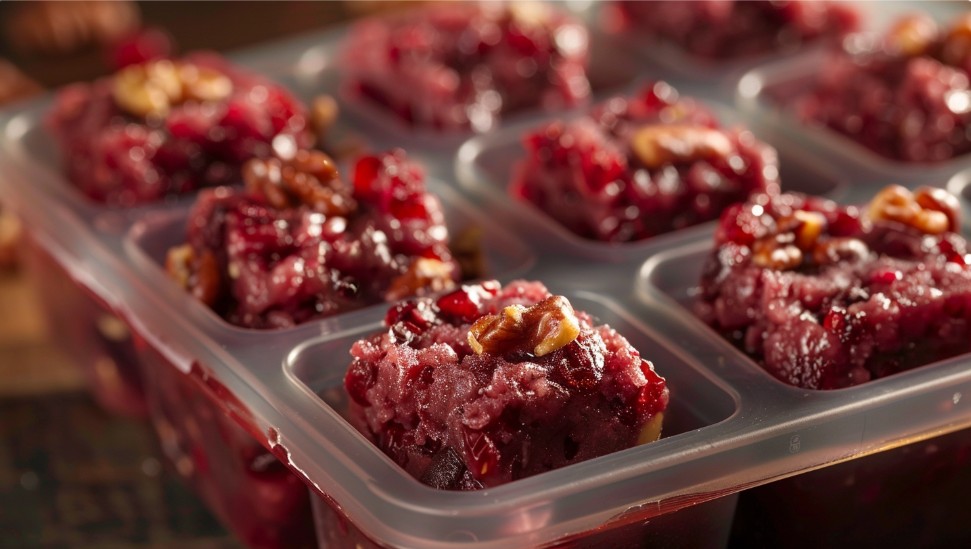
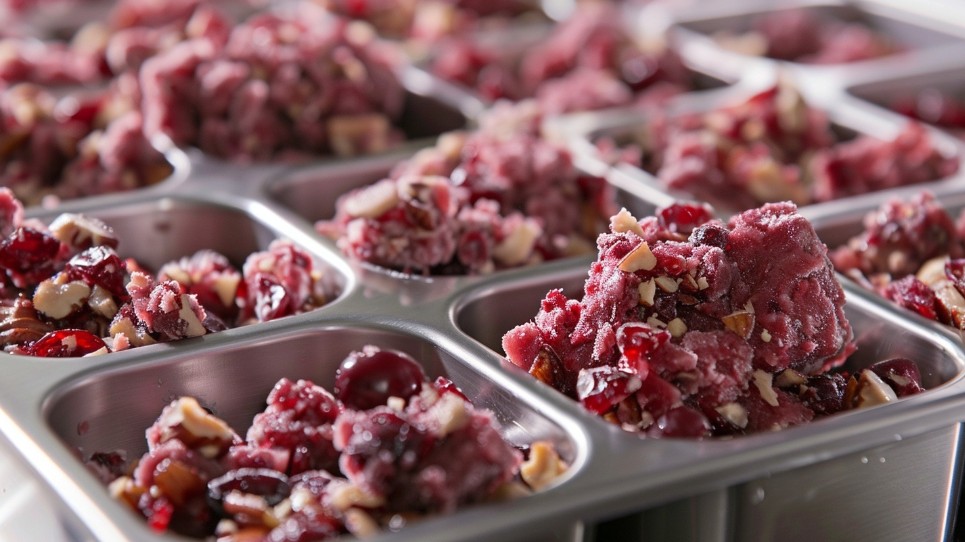
A little life hack: always divide the paste into portioned pieces. I use small plastic containers or sturdy zip-lock bags. Why is this important? Because thawing the whole bowl is not the best idea. You don’t need 700 grams of paste for breakfast all at once.
The packaging should be tight. If you’re using bags, squeeze all the air out of them. Plastic containers—the lid should close without gaps. I don’t recommend using foil or paper—they don’t protect the paste from drying out and can give an off-flavor.
Another point: label the freezing date. I once forgot, and then spent a long time guessing whether it was ‘fresh’ or from last month. Amosov paste is not a product that ‘lives’ in the freezer for years. Optimal—up to three weeks, maximum a month. Beyond that, the taste and appearance are no longer the same.
Don’t be lazy to label and divide portions, even if it seems you’ll remember.
How Long Can You Store Amosov Paste in the Freezer
This is the question I was asked most often. The classic approach is to keep it as long as you want and then remember it six months later. But the truth is: Amosov paste is not dumplings or berries; it cannot be frozen indefinitely.
The optimal period is up to three weeks. During this time, it won’t lose taste and texture, dried fruits won’t darken, and nuts won’t go rancid. My personal maximum is four weeks, but even at this stage, you can feel that the paste is a bit ‘tired’. If you plan to eat it not immediately, divide it into several portions and take it out as needed.
Another nuance: paste that has already been thawed cannot be refrozen. It will become watery and lose structure. If you’re not sure, it’s better to freeze smaller portions.
- Remember the simple formula: the less time in the freezer, the tastier.
How to Thaw Amosov Paste: Preserving Taste and Texture
Thawing is half the success. I used to do it like this: take it out of the freezer and throw it in the microwave. The paste would become wet, and the dried fruits like rubber. Now I do it differently: I transfer the paste to the lower shelf of the fridge and let it go from -18 to +4 over a few hours. This way, it gradually returns to life, and the taste remains almost as fresh.
If there’s no time, you can leave the portion on the table, but not for more than an hour, especially in summer. When the paste is already thawed, I add a little fresh honey and a handful of new nuts—this refreshes the taste and restores the crunch.
- Don’t thaw in hot water—the paste will become sticky.
- Don’t mix frozen paste with hot tea—the taste will become flat.
- Add fresh ingredients only after thawing.
This approach helps avoid the ‘mash’ effect, where everything sticks together into a homogeneous mass. It’s important to give the paste time—then the texture will be closer to the original.
How Changes in Composition Affect Storage
Here it’s simple: the more moisture in the paste, the worse it will withstand freezing. If you’re adding dried fruits, choose those that aren’t too wet. If the paste has been in the fridge and has released juice, it’s better to drain it a little before freezing. Honey also plays a role: if there’s too much, the paste will become gooey and sticky after thawing.
I experimented with different options: once I added fresh apricots to the paste, and after freezing, they became watery, and the taste disappeared. Another time I took firm, slightly dried apricots, and the paste survived freezing almost perfectly.
Nuts are the most vulnerable ingredient. They quickly absorb odors and easily go rancid if the paste lies longer than a month or in a loose package. Therefore, it’s better to add them to the paste after thawing, especially if you want to keep the crunch and aroma.
The simpler the composition, the easier it is to store. Don’t experiment with tropical fruits in the freezer.
Marketing Traps: When It’s Worth Paying More
On the market, you often see labels like ‘homemade’, ‘superfood’, ‘without preservatives’. For this, they ask 20–30% more. I’ve often caught myself wanting to buy the more expensive one—thinking it’s definitely fresh and healthy. But in reality, it all comes down to the quality of the ingredients, not the price or name.
Look closely at the composition: if the paste looks too shiny or has a suspicious aroma, perhaps oil or flavorings were added. Don’t be swayed by beautiful packaging: the main thing is uniformity, freshness of smell, absence of foreign impurities.
When does it make sense to pay more? If you see that the paste was made this morning and all the ingredients look fresh, it’s worth the money. If it’s paste from new harvest dried fruits, crunchy nuts, and honey smells real, don’t skimp. But don’t overpay just for the label ‘eco’ or ‘farm’, if by appearance it’s the same as regular paste.
- Price is not always a guarantee of quality. It’s better to look at the product, not the label.
Storing Amosov Paste Without Freezing: Fridge and Beyond
If you don’t want to risk it with the freezer, Amosov paste can be stored for a few days in the fridge. I keep it in a plastic box with an airtight lid on the middle shelf. This way, the paste doesn’t absorb odors, doesn’t dry out, and retains its texture.
The storage period is 3–4 days, a maximum of five if the ingredients are fresh. If you see that the paste has become slimy or a sour smell has appeared, send it to the bin, not the freezer. I don’t recommend keeping the paste in an open dish: it quickly dries out and loses flavor.
Another method is vacuum bags, but this is for those who like to experiment. Vacuum allows you to keep the paste for up to a week, but the result is not always perfect: the texture changes a bit, and the dried fruits become softer.
Don’t leave the paste on the kitchen table, even in winter—it spoils quickly.
How Paste Changes After Thawing: Feel, Taste, Appearance
It all depends on the composition and how you froze it. If everything is done carefully, the paste will remain similar to fresh: slightly softer but with a solid texture. The color may become less bright, especially in dried fruits—this is normal. But if frozen incorrectly, the paste will ‘spread’, become sticky, and sometimes even have ice crystals inside.
I’ve noticed that after thawing, the aroma weakens a bit, especially if the paste has been in the freezer for a long time. That’s why I add fresh components—this restores the smell and enhances the taste. Nuts, especially walnuts, sometimes become ‘squeaky’—that is, they chew with a slight squeak. It’s not critical, but if you want to avoid it, add them after thawing.
Texture is key. If the paste was initially dry, it will become softer after freezing but won’t fall apart. If it was very moist, it might turn into mush. Here, following simple rules will help preserve the taste of the dish.
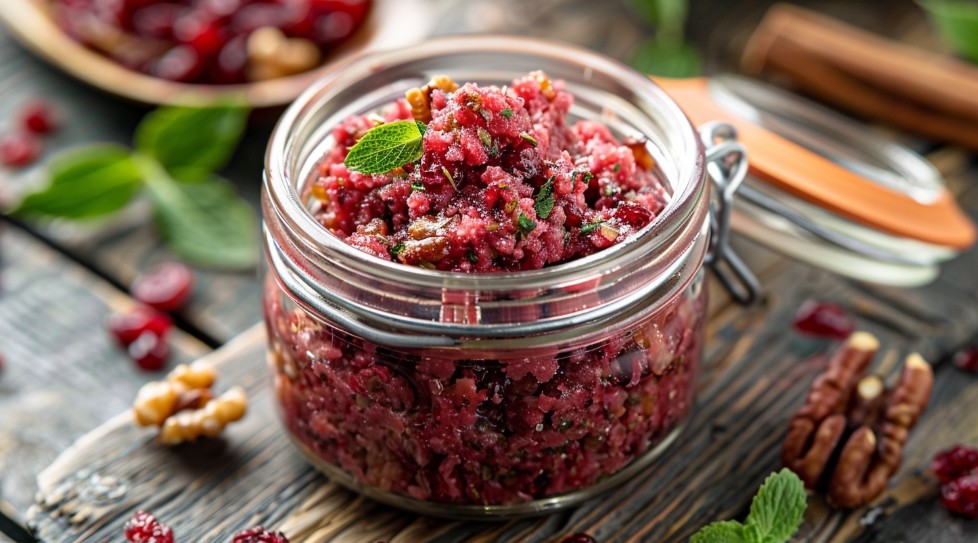
Practical Tips for Storing and Freezing Amosov Paste
- Divide the paste into portions—easier to thaw and not overload the freezer.
- Use airtight containers or zip-lock bags—less chance of catching foreign odors.
- Add honey and nuts after thawing—this preserves taste and crunch.
- Monitor the moisture of dried fruits—don’t freeze overly wet ones.
- Label the freezing date—don’t keep it longer than a month.
- Thaw in the fridge, not at room temperature—this preserves texture.
Once I thought I could get away with Amosov paste and not worry about the details. But over time, I realized: a few simple steps, and you always have a tasty, fresh dish on hand. The main thing is not to rush and not to be lazy with packaging.
That’s the experience: Amosov paste can be frozen if you choose a quality product, prepare it properly for the freezer, and don’t forget simple rules. It’s not a panacea, but a good way not to waste excess and have a reserve ‘for yourself’ on any day. How do you store Amosov paste? Have you tried freezing it, and what was the result? Share in the comments—it’s interesting to compare experiences!