Can You Make Bolognese Without Tomatoes

Honestly, the question about bolognese without tomatoes sounds a bit like jokes about pizza without dough or coffee without beans. But life is flexible. Sometimes tomatoes are just not at hand, or you don’t want to add another can of supermarket paste to the sauce. Or the tomatoes at the market are begging to be in a salad, not a sauce. In such moments, you start looking at ingredients not as a strict list but as a palette. And it’s important to learn to choose each ingredient so that it doesn’t let you down, isn’t bitter, watery, or tasteless. Because sauce is not about a template, it’s about character and a sense of personal taste.
Why Bolognese is Associated with Tomatoes and Are They Always Needed
When we imagine classic bolognese sauce, the first thing that comes to mind is the rich red color and characteristic tang. This is all thanks to tomatoes. But if you dig deeper, the essence of this dish is in the balance of meat, vegetables, aroma, and time. In old Italian books, bolognese wasn’t as vibrant as in modern versions: tomatoes were more of an addition rather than the base. So sometimes you can do without them, but you need to understand what to replace them with and how it will affect the taste and consistency.
I’ve cooked bolognese without tomatoes a few times — with white wine, lots of carrots and onions, even with a bit of cream for balance. The color, of course, wasn’t the same, but the depth of aroma and meaty character were there. Such a sauce turns out more velvety, without the bright tang, but with a deep, rich flavor. If you like this side of bolognese — feel free to experiment.
How to Choose Tomatoes for the Sauce — If You Decide to Use Them
If you can’t do without tomatoes, then the quality of tomatoes decides everything. And here the main thing is not to chase “perfect” pictures. At the market, you often find tomatoes that look like they’re from a textbook, but feel like plastic, with almost no smell, and when cut, they turn into watery mush. Such tomatoes are not suitable for the sauce. You need pulp, density, and aroma.
- Color — ripe, rich red, without green spots near the stem
- Smell — a real tomato smells from a distance, especially near the stem
- Texture — slightly soft but not falling apart in your hands, should be firm but not hard
- Skin — thin, smooth, without cracks and spots
- Variety — the best for sauce are plum or “San Marzano,” as they have less water and more pulp
Packaging also plays a role if you’re buying canned. Ideally — whole tomatoes in their own juice, preferably of Italian production (they don’t add sugar or extra acidity). The can should not have rust marks, dents, the liquid inside should be clear or slightly red, without cloudiness.
Tip: if there are no decent tomatoes at the market, it’s better to take quality canned ones than to make sauce from plastic “winter” vegetables.
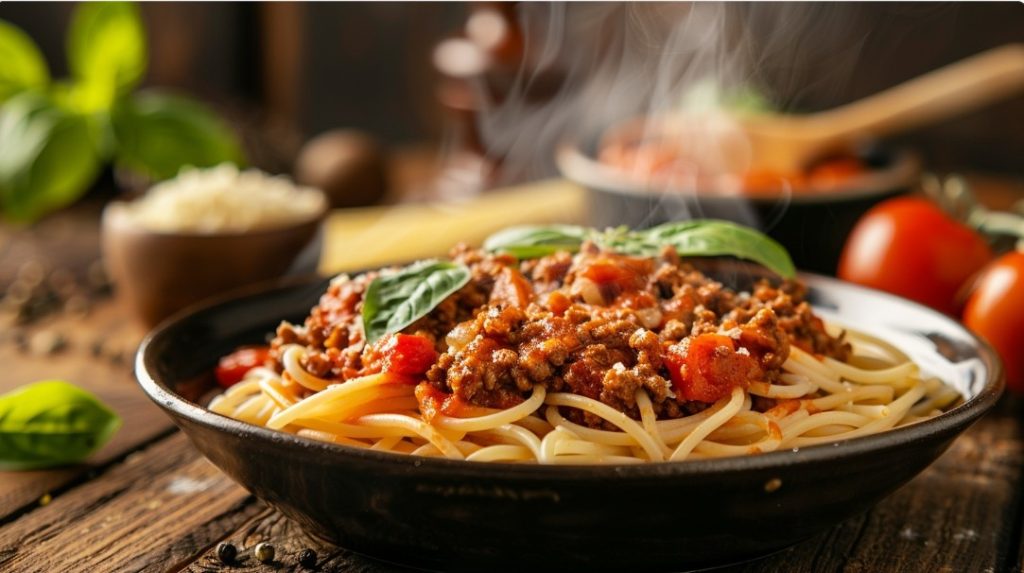
Common Mistakes When Choosing Tomatoes and Their Substitutes
The most common mistake is buying tomatoes “by appearance.” I’ve taken beautiful, glossy fruits more than once, only to realize at home that the taste is mediocre. Another mistake is choosing very hard, unripe tomatoes because they “will last until the sauce.” They won’t: they’ll only give acidity and water.
Another extreme is taking overripe, soft, already cracked ones. Such tomatoes often have a slight bitterness and a fermentation smell, which you can’t hide in the sauce. If you see spots, dents, suspicious smell — better leave them for compost.
With canned ones — focus not on price, but on composition and country. Cheap options often contain starch, dyes, sugar, and even flavorings. Reading the label is not paranoia but common sense.
Tip: if you want to replace tomatoes, try adding more carrots and onions for sweetness, a bit of wine for acidity.
How to Choose Vegetables if Making Bolognese Without Tomatoes
Here it’s important not to overdo it with sweetness or wateriness. The base becomes carrots and celery. Their quality is critical.
- Carrots — medium-sized, firm, without cracks and black spots, with a bright smell
- Celery — stalks should be crunchy, not wilted, light green, with a characteristic aroma
- Onion — firm, without cavities inside, without a rotten smell
In season, I always take young vegetables — they haven’t lost their juiciness yet, but aren’t watery. In winter — better less, but of quality.
Garlic — better fresh, not minced in a jar. Too old garlic gives bitterness, young — weak aroma. Finding balance comes with experience.
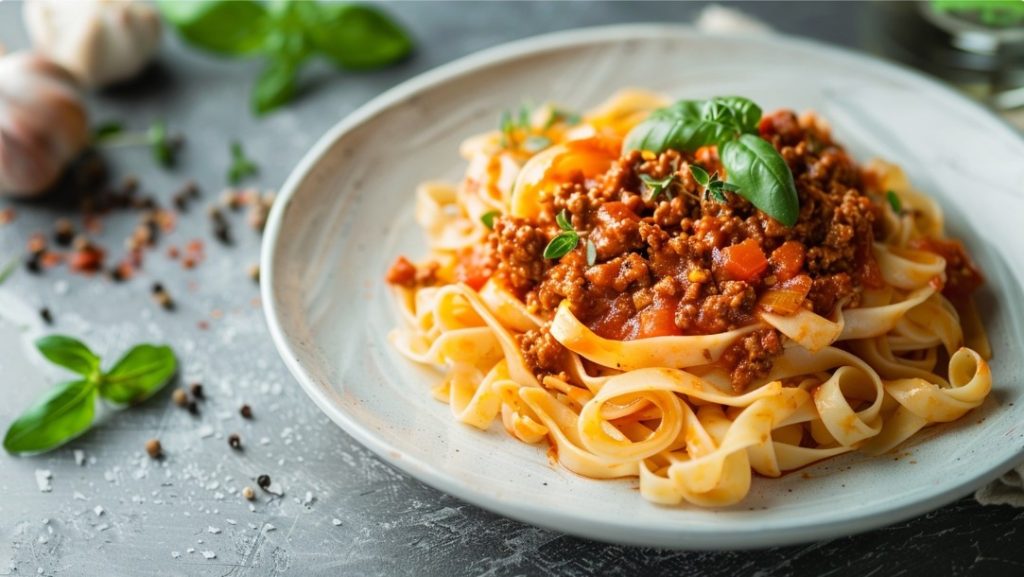
What Meat to Choose for Bolognese Without Tomatoes
Meat is the main hero if you don’t have tomatoes. I prefer a mix of beef and pork, but if you want a lighter option, take only beef. Don’t buy ready-made mince in the supermarket — even if it looks good, it can contain anything. It’s better to ask at the market to grind a piece right in front of you.
- Color — beef should be bright red, pork — pink-white
- Smell — light, meaty, without sourness
- Texture — firm, not slimy, without stickiness
The ideal meat for bolognese is neck, flank, or shoulder. They have enough fat so the sauce doesn’t turn out dry. If buying mince — check if there’s moisture at the bottom of the container, it’s a sign of an old product.
Tip: don’t be afraid to ask the seller to cut the piece — fresh meat inside is the same as outside.
How to Choose Wine if Making Bolognese Without Tomatoes
Wine here is not for alcohol, but for acidity and depth of flavor. If instead of tomatoes, the role of wine becomes even more important. I take dry white or light red, depending on the mood. The wine should be drinkable, not cheap kitchen liquid. If you can’t drink this wine from a glass, don’t pour it into the sauce.
- Taste — clean, without too bright acidity or sweetness
- Color — clear, without sediment
- Smell — winey, without a vinegar note
Don’t buy “cooking wine” in a carton. It’s better to take the cheapest, but real bottle from the supermarket. Wine that you don’t like the taste of will make the sauce flat and unpleasantly sharp.
Price and Common Sense: Is It Worth Overpaying for Products
Here many get caught on marketing hooks: “farm,” “organic,” “homemade” — and the price tag is already like gold. My experience: the most expensive is not always the best. Sometimes at the market, you can find simple vegetables from grandma’s garden that look a bit crooked, but the aroma and taste are much better than the perfect “elite” ones from the supermarket.
I like to talk to sellers, ask where and what. If a person is confident in their product, they won’t avoid questions. Once, a lady at the market honestly said: “These plums are from the greenhouse, but they have taste.” And indeed — they were better than imported ones. Price is not always an indicator of quality, but a very low price often means something is wrong: either the product is overripe or stored incorrectly.
Tip: if you’re hesitating between two options, smell and gently press — smell and texture always tell the truth.
How to Store Main Ingredients for Bolognese
Even the best products can lose their taste in a few days if stored incorrectly. I’ve often found forgotten carrots in the fridge that have lost their crunch, or tomatoes that have become watery.
- Tomatoes — don’t keep in the fridge, especially unripe. Better in the shade, at room temperature, on a towel. If very ripe — on the bottom shelf of the fridge, but no longer than 2-3 days.
- Meat — best stored cold, in vacuum packaging or a closed container. No more than 2 days in the fridge, otherwise the taste loses freshness.
- Carrots, celery — in the vegetable compartment, in a paper bag or wrapped in a towel. So they don’t lose moisture and stay crunchy for up to a week.
- Wine — keep an open bottle in the fridge for no more than 3-4 days.
I’ve often seen people buy products a week in advance, then wonder why the sauce lacks flavor. Freshness is not only about smell but also about texture. A wilted vegetable or meat without firmness won’t give you the effect you expect.
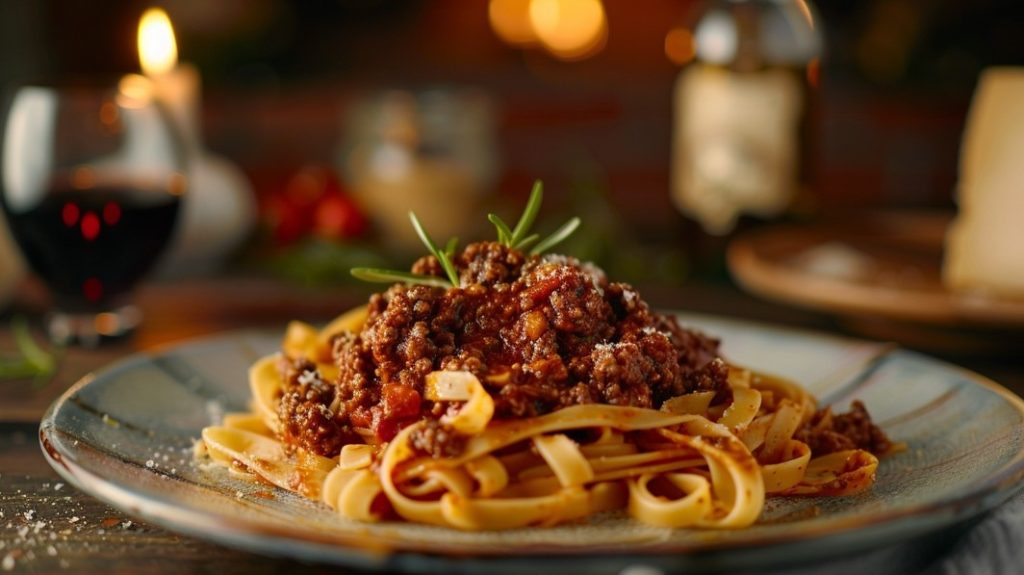
How Ingredients Behave During Cooking and What Can Go Wrong
Bolognese without tomatoes is about balance. Vegetables give sweetness and aroma, meat — body and depth, wine — acidity and light freshness. If vegetables are watery, the sauce will be liquid and bland. If the meat is old — the taste will be “dry” and sharp. If the wine is bad — the aroma will spoil from the start.
Vegetables need to be sautéed for a long time, on medium heat, to give maximum sweetness. If the carrot is dyed or odorless — nothing will save it, the taste will remain empty.
Meat should be sautéed in portions, so it doesn’t release water and boil. If the pieces are large and the pan is small — better to do it in two rounds. Otherwise, instead of a caramel crust, you’ll get a gray mass.
Wine is added when the meat is sautéed but not overcooked. If you pour wine on raw meat — the taste will be raw, sour. If on overcooked — bitterness will appear immediately.
Tip: if the sauce is too thick — add a bit of broth, if too thin — let it evaporate on low heat without a lid.
Marketing Traps and How to Avoid Them
Supermarkets love to hang labels: “Italian,” “for pasta,” “organic.” But reading the label is like reading between the lines. I’ve been caught by a beautiful can of tomatoes, only to find at home that the consistency is like ketchup and the taste is bland. Quality is not always a matter of packaging or price, but of the manufacturer and composition.
- Don’t buy tomato paste with added starch or dyes
- Avoid vegetables labeled “perfect for sauce” if the composition doesn’t differ from regular ones
- Farm products are good, but not always ideal. Check for smell and texture, not just price
- Don’t fall for “homemade mince” in vacuum — often it’s leftovers of different pieces, ground together
A chef friend once said: “A product should smell.” This is universal advice for everything that goes into your sauce. If a vegetable or meat doesn’t smell — it’s already a red flag.
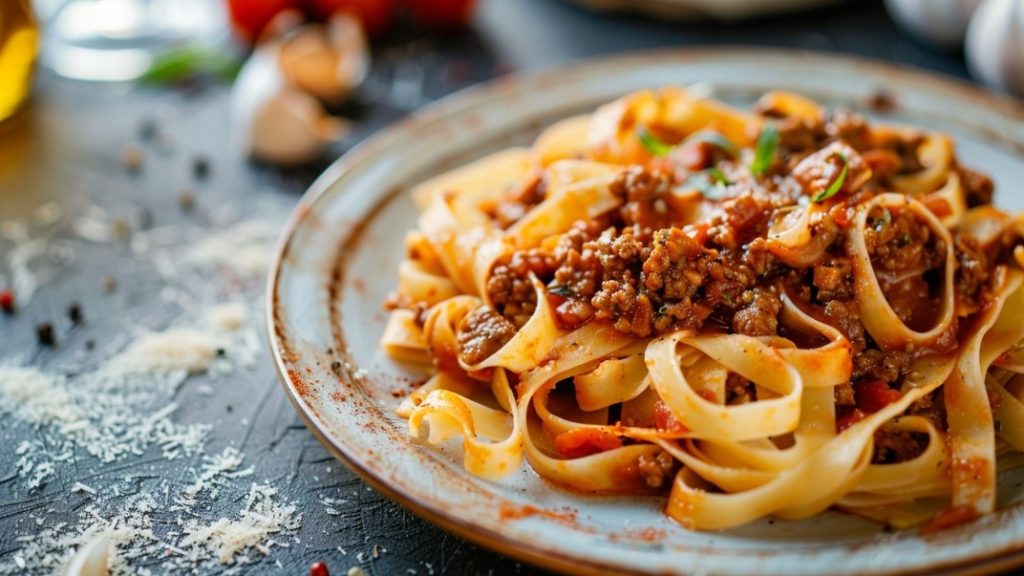
Micro-Stories from Practice: How Ingredients Change the Sauce
I remember once being left without tomatoes at home, and guests were already at the door. I made bolognese with what I had: carrots, celery, good beef, and a bit of white wine. The sauce turned out completely different — creamy, meaty, with a light aroma of wine and vegetables. Everyone asked if it was a new recipe.
There was also a time when I bought “Italian” tomatoes at the market, and they turned out sour and watery. The sauce had to be evaporated for a long time, sugar added, and it still remained flat. Since then, I always smell and taste the tomato at the market.
Once I tried to make bolognese with ready-made mince from the supermarket. The sauce turned out grayish, without aroma, the meat fell apart and didn’t give the needed texture. Now I only take a whole piece and grind it myself.
I’ve also learned to store vegetables from experience: once I bought a lot of carrots, kept them in a plastic bag in the fridge — in a week they became sticky and lost their taste. Since then, I use paper bags or a towel.
The last life hack — if the sauce turned out bland, add a spoon of good butter at the end. It will enhance the flavor and add depth.
Making bolognese without tomatoes is quite possible if you choose the rest of the ingredients correctly and don’t chase the ideal. Listen to the smell, texture, color. Quality is not about price, but about your feelings. Sometimes the best sauce comes from what’s at hand if it’s fresh and real.
What experiments with bolognese have you tried? Has a product ever let you down? Share your experience — it would be interesting to read how others have handled similar situations.