Cheese Casserole for Kids: From What Age and How to Cook

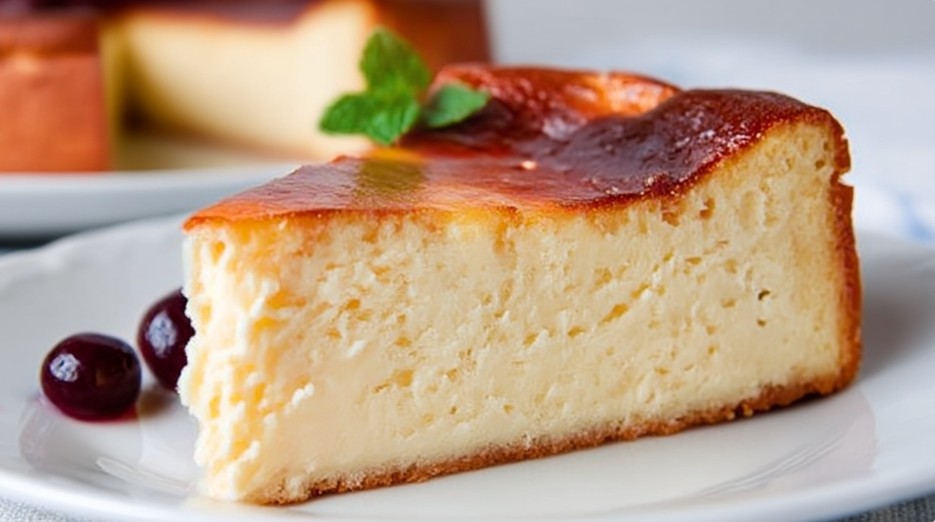
Cheese casserole is probably one of those dishes that evoke warm childhood memories for many. Some associate it with kindergarten, others with their grandmother, and some discovered it as adults when looking for something simple yet cozy for a family dinner. I know parents who tried making a casserole for the first time just because their child refused to eat cheese in any other form. And they succeeded, even though the dish seems elementary at first glance.
Casserole is not about perfect nutrition or strict rules, but about habits that form gradually. Especially when it comes to children. There’s no place here for strict taboos or a ‘proper’ weekly menu. In real life, there are mornings when you want to simplify things for yourself, and children don’t always rejoice at broccoli or buckwheat. Cheese casserole comes to the rescue — it gives a sense of home warmth and works even on days when energy and inspiration are scarce.
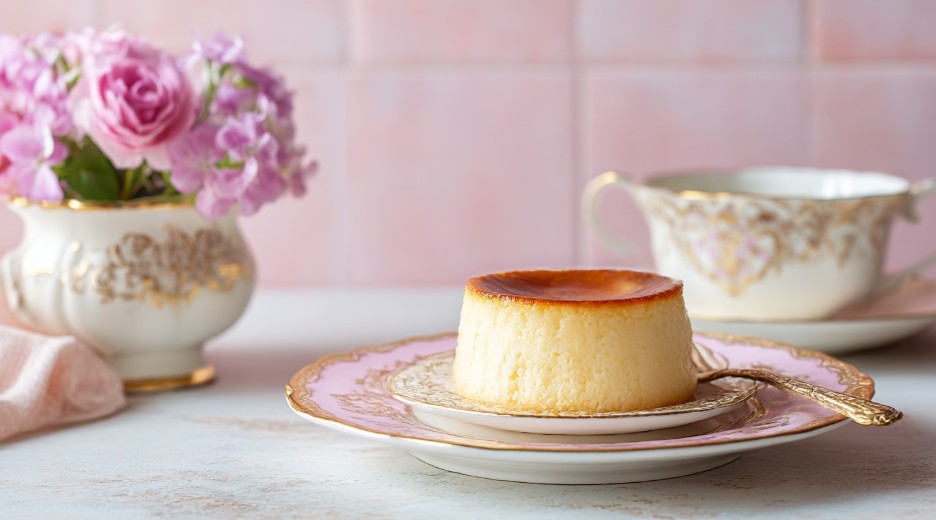
Parents often worry — is it too early, too complicated, what if the child doesn’t like it, or refuses again? I’ve been through this too, more than once. From my own experience, I’ve learned: the main thing is not the perfect dish, but a calm approach and a bit of flexibility. Children’s nutrition is not a competition for a medal, but a daily routine filled with small victories. And cheese casserole is a good example of how simple ingredients can make something much more than just food.
Why Cheese Casserole is More Than Just Food for Kids
I’ve met many people for whom cheese casserole is something entirely ‘childish’ and secondary, like ‘kindergarten food’. But every time I cook it at home, I realize there’s more to this dish than meets the eye. Cheese casserole is about balance, simplicity, and lack of pressure. It doesn’t require mastery from parents or obedience from children. It’s just a dish that can be adapted to your family.
Here’s what I like most about the casserole: it doesn’t dictate what a ‘healthy breakfast’ should look like. It can be served as a dessert or a main dish, with berries, plain, with a spoonful of sour cream, or a piece of fruit. Even picky children often accept casserole with curiosity — it’s soft, tender, and moderately sweet. It’s easy to eat in small pieces without worrying about something going ‘the wrong way’.
Important: there is no ‘perfect’ casserole. In different homes, it’s different — some with semolina, some with rice, or even sweet potatoes. I’ve seen versions with pumpkin, raisins, apples, with or without cinnamon. Some even make a casserole similar to a strawberry cheesecake. And they all have the right to exist. There are no bans or guilt here — just food that creates a sense of comfort and stability.
From What Age to Give Cheese Casserole to a Child
In practice, I’ve noticed: the most common question is ‘When can I start?’ Especially when there are older children or adults in the family who enjoy casserole. If we talk about everyday life, not theory, cheese casserole is usually offered to children after one year. This is the period when the child already has experience with different foods and can chew soft food.
But it’s all very individual. I had a case: a friend gave her daughter a piece of casserole when she was just under a year old. Simply because the child showed interest and calmly tried a few small pieces. Everything went well, and now that girl happily eats casserole with the family. Another mom, on the other hand, waited almost until a year and a half because her son didn’t like cheese in any form. One day he reached for the plate himself — and that was the signal that the time had come.
I always focus on the child’s readiness. If they are already familiar with cheese, eggs, dairy products, and have no allergies or digestive issues — you can try. I start with a small piece and watch the reaction. The main thing is not to insist if the child doesn’t want it and not to turn it into a ‘battle’ for food. Every child is unique, and each requires a slightly different approach.
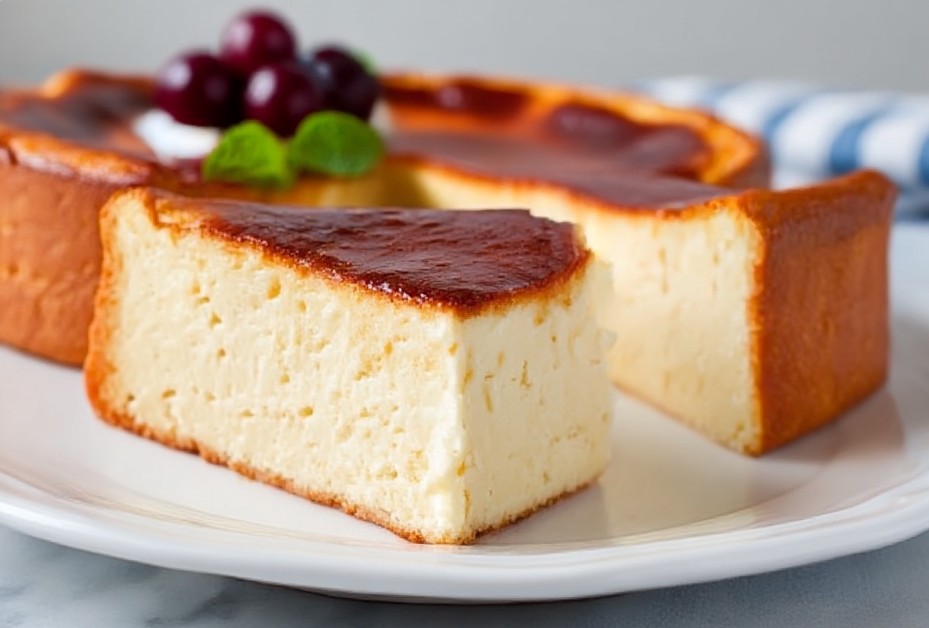
How to Make Casserole a Part of Regular Meals
Many people are used to thinking that casserole is something ‘special’, for Sundays or holidays. But in reality, it fits perfectly into the everyday menu. I often cook it on weekends, and then the leftovers become breakfast or a snack throughout the week. Children quickly get used to the idea that casserole is not a reward but regular food that can be eaten for breakfast, as a snack, or even taken with you in a container.
Here’s how I do it: I don’t make a ‘big deal’ out of the casserole. If it’s in the fridge, I simply offer it as one of the options. You can, for example, give a small piece alongside an apple or serve it with a spoonful of natural yogurt. On days when the kids are particularly picky, the casserole is a lifesaver: soft, filling, familiar, and not too strong in flavor.
Another advantage is that the casserole stores well. I cut it into portions and keep it in a container in the fridge. Sometimes I see the kids asking for a piece as a snack, and sometimes it becomes an unexpected treat after a walk. The casserole doesn’t tie you to a specific time or ‘proper’ meal — it’s flexible, just like our needs.
Tip: if there are a few pieces left, you can warm them up a bit in a pan or microwave — the texture becomes warm and even more tender.
How Not to Make Casserole a ‘Scary Mandatory Dish’
Everyone knows someone who hated a certain food as a child because they were forced to eat it. I know a guy who still doesn’t eat casserole because it was served almost weekly at kindergarten — and always in a commanding tone. Children quickly catch on when something is demanded of them and can lose interest in a product for years.
I try not to make casserole a ‘mandatory item’ on the menu. If a child doesn’t want to eat it — it’s not a big deal. You can offer another option, give it time, or even let them take the casserole apart (my younger daughter loves to eat only the ‘baked crust’). Sometimes children return to the dish after a week or a month when they are ready for it.
From my own experience, I’ve learned: calmness is the best tool in children’s nutrition. There’s no need to persuade, convince, or ask ‘for mom, for dad’. It’s better to create a free atmosphere where a child can try something new without pressure. And if the casserole doesn’t work the first time, it’s not a failure — it’s just another step towards diverse nutrition.
Flexibility and Experiments: What Can Be Changed in Cheese Casserole
I don’t remember two identical casseroles in my kitchen. Every time something changes — more cheese, a different type, adding an apple, a bit of raisins or dried apricots. Sometimes even buckwheat flour goes into the batter if I want to change the taste. The kids also love to experiment: my older son once asked to add banana pieces, and it turned out unexpectedly interesting.
The most important thing is not to be afraid to change the ingredients. If someone in the family has specific preferences or restrictions, you can adapt the casserole to suit them. For example, use less sugar, add a bit of vanilla or cinnamon, make it denser or, on the contrary, more airy. All these nuances don’t change the main thing: the casserole remains a comfortable and familiar dish.
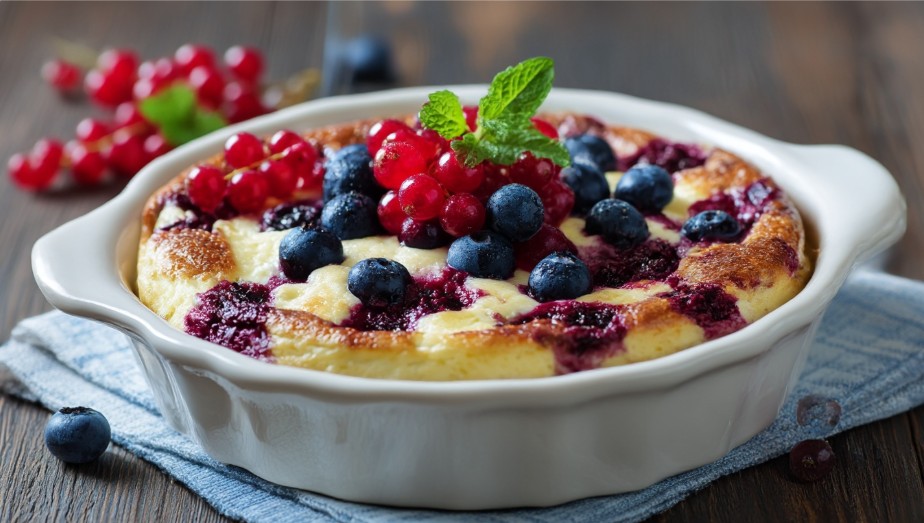
I’ve seen kids come up with their ideas — some want berries inside, others a bit of chocolate on top (I sometimes allow it, especially on holidays). It’s a good way to involve kids in the kitchen and develop their interest in food. Don’t limit yourself to boundaries — allow both you and the kids to experiment. It relieves tension and turns cooking into a shared game.
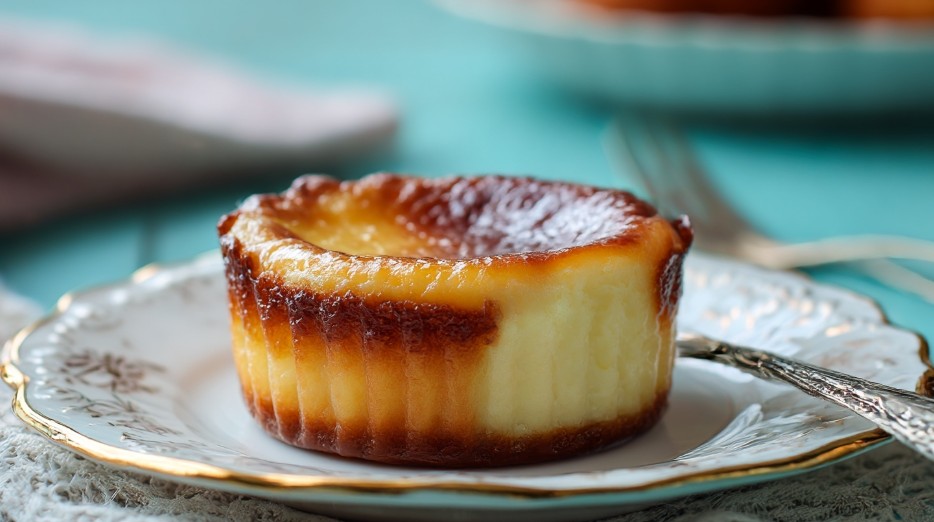
Tip: if you’re worried that the casserole will turn out ‘wrong’, try making smaller portions — for example, in muffin tins. Kids often enjoy these small portions.
Here we had a useful post about the basic technique, how to make cheese casserole.
Common Mistakes in Making Cheese Casserole for Kids
I’ve often caught myself making mistakes even in such a simple dish. And that’s okay! We all learn through practice. Here are a few things that happen most often:
- Over-dried casserole. This usually happens if you add too much semolina or flour or leave it in the oven too long. The texture becomes crumbly, and kids immediately notice it.
- Cheese with lumps. If you use grainy cheese or don’t mash it, the casserole turns out uneven. Kids don’t always like these ‘lumps’ in their mouths.
- Too much sugar. You want to make the casserole appealing, but too much sugar is not the best option — the taste of the cheese just disappears.
- Large form. In a large form, the casserole may not bake inside and burn on top. I often use several small forms or even silicone ones for muffins.
- Cooling. It’s important to let the casserole cool a bit. When hot, it falls apart, but when warm, it holds its shape and is much easier to eat.
If something doesn’t work out the first time — it’s not a big deal. I still experiment sometimes and get less than perfect results. But kids appreciate the process, not the ‘perfect’ dish.
Practical Life Hacks That Make Life Easier
Over the years of making casserole at home, I’ve gathered my little tricks that really help — especially when time is short and the kids are already hungry.
- Use a blender. If you want a smooth texture, just blend the cheese with the egg in a blender. This is especially important for toddlers who don’t like ‘crumbs’.
- Cook with a reserve. Casserole keeps well in the fridge for 2-3 days. You can even freeze portioned pieces and take them out as needed.
- Add seasonal fruits. In summer — berries, in autumn — apples or pears, in winter — a bit of dried fruits. This way, the dish doesn’t get boring and is always a bit different.
- Don’t fear imperfection. If the casserole falls apart or burns on the edge — it’s not a disaster. Kids often eat what looks ‘imperfect’ if they see you take it calmly.
- Add a bit of lemon zest or vanilla. This adds a light aroma and makes the taste more interesting, even if the ingredients are the simplest.
Tip: if a child doesn’t eat cheese in its pure form, don’t emphasize that it’s a ‘cheese’ dish. Just let them try a piece — sometimes this works better than any persuasion.
Cheese Casserole in Real Life: Stories from Practice
My friend, a mother of two rascals, jokes that casserole is her ‘plan B’ for those days when everything goes off track. ‘You can always take a piece out of the fridge, warm it up, and the kids are fed,’ she says. I’ve also noticed: even on the most chaotic days, when the kitchen is in disarray, a piece of casserole on the plate creates a sense of order.
In my family, my older son long refused cheese in its pure form, sometimes only eating a couple of cheesecakes, but when I first made a casserole with apples and a bit of cinnamon, he ate it all and even asked for more. My younger daughter loves the ‘crust’ — and always asks for the edge piece. Kids react differently to food, and that’s normal. A friend’s daughter had a period when she only ate ‘white’ foods — the casserole became a real salvation for her because it looked familiar and didn’t scare her with bright colors.
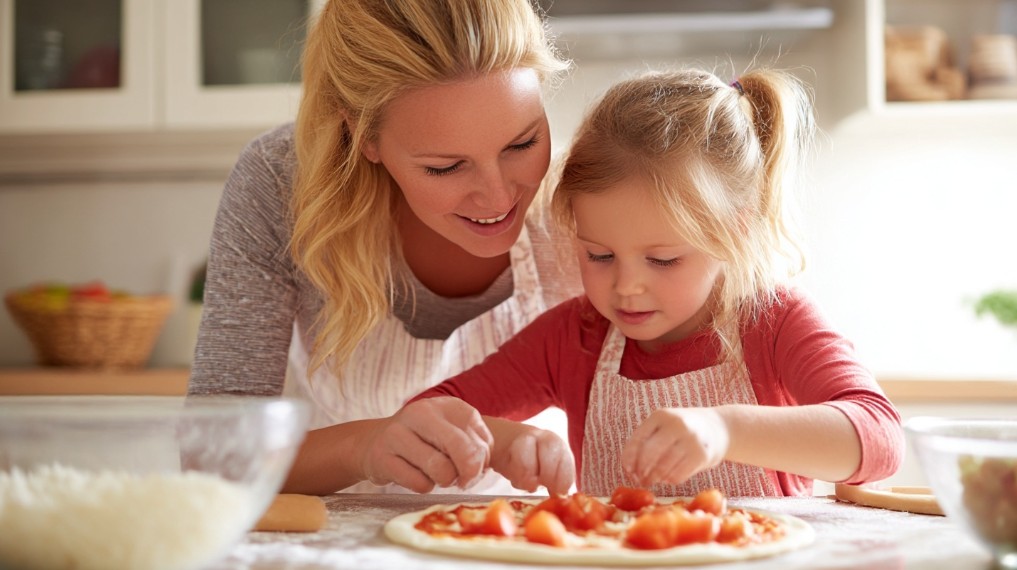
Another interesting point: in many families, casserole becomes a reason for joint work in the kitchen. Kids enjoy helping to put the cheese in the bowl, mix the eggs, add the fruits. Casserole is one of those dishes that allow children to feel part of the process and enjoy the result.
Why There is No ‘Perfect’ Nutrition for Kids
I often hear from parents: ‘I want my child to have the best nutrition.’ But experience shows: in our real life, there’s no room for perfect schemes. There’s always a day when you don’t have time for something, when the child doesn’t want to eat what you cooked, or when everyone’s mood is not great. And that’s okay.
Food is not a system of prohibitions but a part of life. What’s important is not that the child eats a ‘proper’ casserole every day, but that they develop an adequate attitude towards food. I always teach my children: you can eat different things, you don’t have to finish everything, you can try something new. Don’t be afraid of ‘failures’ or a lack of vegetables on the plate. The main thing is to create an atmosphere of calm and interest, not control.
Cheese casserole is just an example. It works not because it’s perfect, but because it gives a sense of stability and home comfort. Sometimes the simplest things are the best if they fit into the normal rhythm of life without unnecessary pressure and expectations.
How to Keep Your Sanity and Not ‘Break Down’ in Kids’ Nutrition
Parental perfectionism can play a cruel joke: you want everything to be perfect, but in reality — there’s just not enough strength. I’ve noticed: if you allow yourself a bit of flexibility, the attitude towards food changes for both children and adults. Sometimes you don’t have to cook a complex dinner, you can make a casserole from leftovers, you can allow yourself to simplify the menu.
I’ve taught myself not to compare my family with others and not to chase ‘perfect’ photos on social media. If today the kids ate a piece of casserole and an apple — that’s already good. If they didn’t eat — it’s not a tragedy either. Tomorrow will be another day, another appetite, other desires. Balance is not about a strict scheme, but about habits that support both children and adults.
It’s important not to turn any dish into an ‘indicator of success’. Casserole is just food. It can be delicious, it may not turn out right the first time, it can get boring, and then become a favorite again. Food shouldn’t be a battlefield but should remain something that unites.
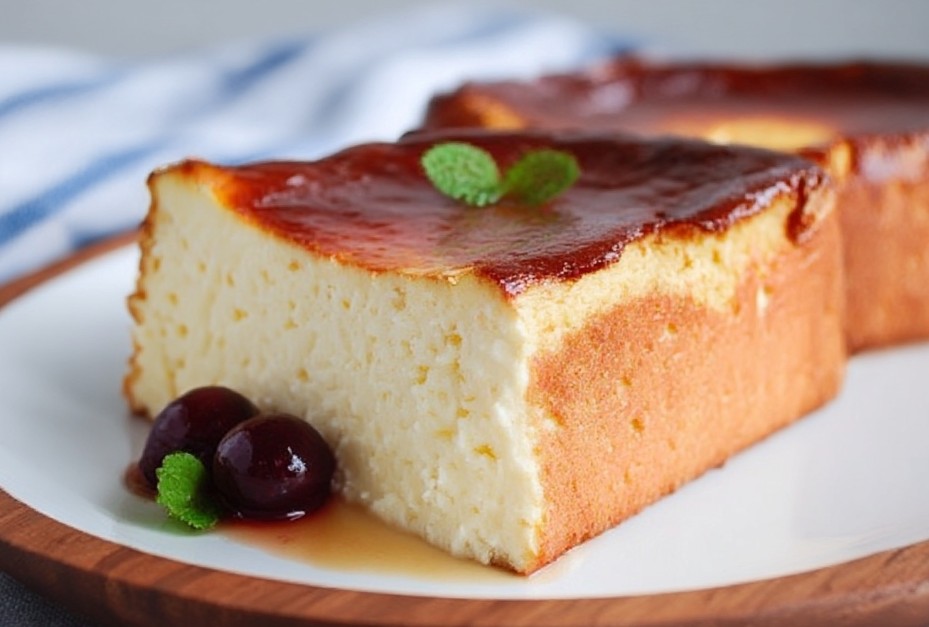
Here are some delicious cheese casserole recipes you can make for your kids:
Small Steps That Form Healthy Habits
If you ask me what the most important thing in children’s nutrition is, I would say: consistency and calmness. There’s no need to drastically change the menu or introduce new rules — it’s better to add something new gradually. Casserole is just right for this: you can start with a small portion, offer it as part of breakfast or a snack, let them try it without comments.
I’ve noticed that when there are a few familiar dishes at home, like pancakes with cheese filling, kids feel more confident. They know that the food won’t be a surprise, and they can choose what they like. This helps avoid tantrums and ‘breakdowns’ because the child doesn’t feel pressured. Casserole, as part of the usual menu, becomes a ‘support point’ for the child — tasty and familiar.
Another thing: don’t be afraid of ‘bad’ days. If today the child doesn’t eat the casserole, and tomorrow they want it — that’s normal. Habits form slowly, and every small step matters. I always remind myself: the main thing is not the amount eaten, but the feeling of calm at the table.
Tip: if you want to make nutrition more varied, involve children in choosing the filling for the casserole. This gives them a sense of control and helps them accept new food more easily.
Cheese casserole is just one example of how to make children’s nutrition simpler and calmer. Don’t chase the ideal — seek balance and enjoy moments with your family. And what’s your favorite variation of the casserole? Share your little discoveries in the comments — it’s always interesting to learn how new traditions are born in different families.