Cheesecakes for Beginners: Simple Rules and Your First Successful Result

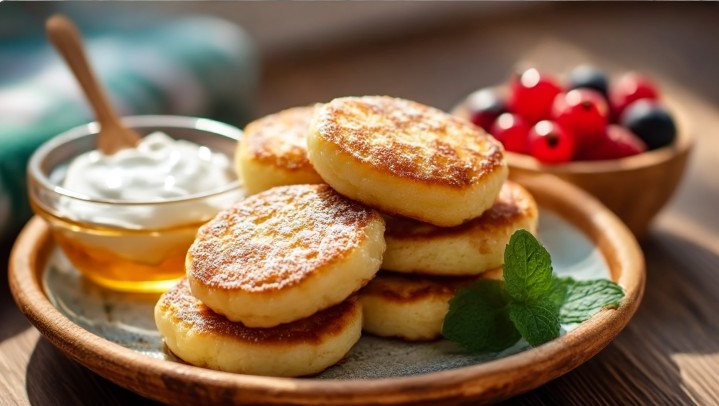
Many people fear cheesecakes more than they should. No, there won’t be a story about a grandmother with rosy cheeks and fluffy cheesecakes, but here it will be honest: most of us have our first cheesecakes come out either too runny, too hard, or they hold their shape only in the pan and then spread on the plate. I used to get nervous: it seemed like I did everything right, but they just wouldn’t turn out. They would stick, fall apart, or taste floury. But there’s a moment when you realize — it’s not you who is ‘wrong,’ but the approach matters. Cheesecakes aren’t about magic; they’re about attentiveness and a bit of understanding why things happen the way they do.
I remember how a friend of mine didn’t touch cheese for several months after a failed cheesecake attempt. Now she makes them better than I do. Don’t be afraid of dough on your hands or the first try. The main thing is to observe what’s happening in the kitchen and not expect perfection the first time. The process is important here, not the cover result. I’ll explain how to learn to feel the cheesecakes and not give up after the first ‘mush’ or over-dried pancake.
How Cheesecakes Behave in the Kitchen: Understanding Texture and Logic
Cheesecakes are a story about balance. Everyone knows: the base is cheese, plus an egg, a bit of flour (or semolina), sugar, salt. But what often goes unnoticed is that cheesecakes don’t forgive automation. It’s important to understand how the cheese behaves and how the mass changes depending on moisture and temperature.
When you take cheese (homemade or store-bought), sometimes it’s dry, sometimes it’s moist, even a bit of whey drips off. Everything depends on this: how much flour it will ‘take,’ how tender the structure will be, how well it will hold its shape. I always mash the cheese with my hands, not a blender: this way, I better feel the graininess, and the mass comes out more alive. If the cheese is too moist, you can wrap it in cheesecloth and let the excess liquid drain for half an hour. If it’s dry, no problem, you can add a spoonful of sour cream or a slightly larger egg.
The mass should be soft but not runny from your hands. The best is when it sticks together, leaving your fingers almost clean. If it sticks, add a bit of flour. If it’s hard like plasticine, there’s too much dry ingredient. The main thing here is to catch the feeling: cheesecakes are alive, they react to you. Here’s a step-by-step cheesecake recipe.
Why Cheesecakes ‘Fail’: Common Mistakes and How to Avoid Them
Almost everyone who makes cheesecakes for the first or second time encounters classic problems. I gathered them not from books, but from experience — my own and that of friends who weren’t shy to show their ‘masterpieces’ after the first attempt.
- Cheesecakes spread in the pan — the mass is too moist or there’s too much sugar (it draws out the juice).
- They come out rubbery and dense — too much flour or semolina, mixed too long.
- Inside the cheesecakes are raw, and outside they’re burnt — the pan is too hot, the cheesecakes are thick.
- They stick to the pan — either not enough oil or the old non-stick doesn’t work anymore.
What helps? Once I decided to save time: threw everything into one bag, mixed it up, and immediately started shaping. It turned out like in a commercial for a stove cleaner: the cheesecakes scattered across the pan, and I was scraping them off with a spatula. After that, I always let the mass sit for 10-15 minutes: the flour or semolina has time to ‘take’ the excess moisture, and the shape holds better. And if I’m in doubt, I make one small cheesecake first — a trial one. If it holds its shape and fries as it should, I can shape all the others.
Tip: don’t be afraid to test. One trial cheesecake is like a rehearsal before a concert, not a failure.
The Mechanics of Cheese Mass: Why You Shouldn’t Fear ‘Feeling’
Beginners often have a fear: ‘What if I do it wrong?’ The feeling of the cheese mass is something that needs to be trained. A spoonful of flour here, a spoonful there — and the mass is already different. You can study other people’s advice for hours, but until you take it in your hands, you won’t understand the difference.
There was a time when I weighed flour to the gram, and then wondered why the cheesecakes were different. It’s all about the moisture of the cheese, the size of the egg, even the temperature in the kitchen. Over time, an internal ‘yes, this is it’ develops — when the mass is soft but not runny, holds its shape in the palm but doesn’t spread. If you’re afraid, try shaping small balls first, not large pancakes. It’s easier to feel when the mass is ‘obedient.’
Don’t chase the ideal from social media — there, cheesecakes often have a perfect shape, but taste and texture don’t translate in photos. The tastiest ones are those that hold in your hands and don’t fall apart in the pan. Over time, you’ll feel how much flour is needed for ‘your’ cheese.
Temperature: The Key to a Golden Crust and Tender Middle
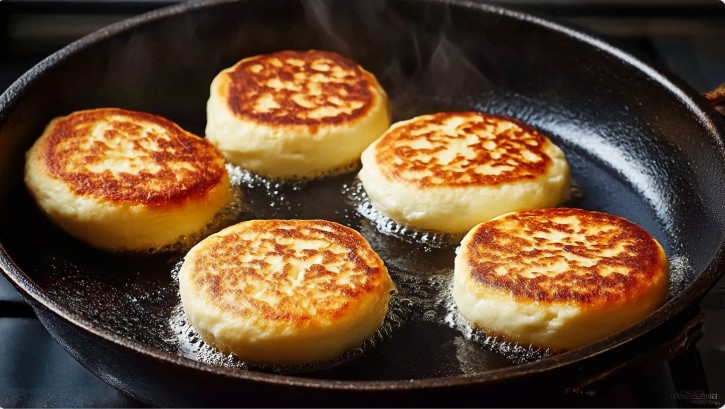
One of the most common mistakes is undercooking cheesecakes or frying them on too hot a pan. It seems faster, but in reality, the cheesecakes burn on the bottom and remain raw inside. I always heat the pan to medium temperature, let the butter spread in a thin layer, and only then place the cheesecakes. If you hear a slight sizzle — all is well. If the butter smokes — lower the heat, otherwise the cheesecakes will taste bitter.

Another point is the thickness of the cheesecakes. If they’re too thick, even on low heat, they can remain raw inside. I shape them about 1.5-2 cm thick, which is enough for a golden crust and cooked middle.
Once, in a friend’s kitchen, I saw how she caught the ‘perfect’ moment: she placed the cheesecakes, covered them with a lid, but left a small gap. This way, they don’t dry out or fall apart, but remain tender inside. It’s a simple trick that I still use, especially if the mass is a bit softer than I’d like.
Tip: don’t rush to flip the cheesecakes — if they easily come off the pan, they’re ready for a ‘turn.’
Smell, Sound, and Appearance: How to Know When a Cheesecake is Ready
In the kitchen, it’s important not only to see but also to hear and smell. When cheesecakes start to smell like warm cream cheese and a light aroma of butter — it’s already a sign that the process is going as it should. The sound — a barely audible sizzle, no more. If the pan starts ‘popping,’ the heat is too high.
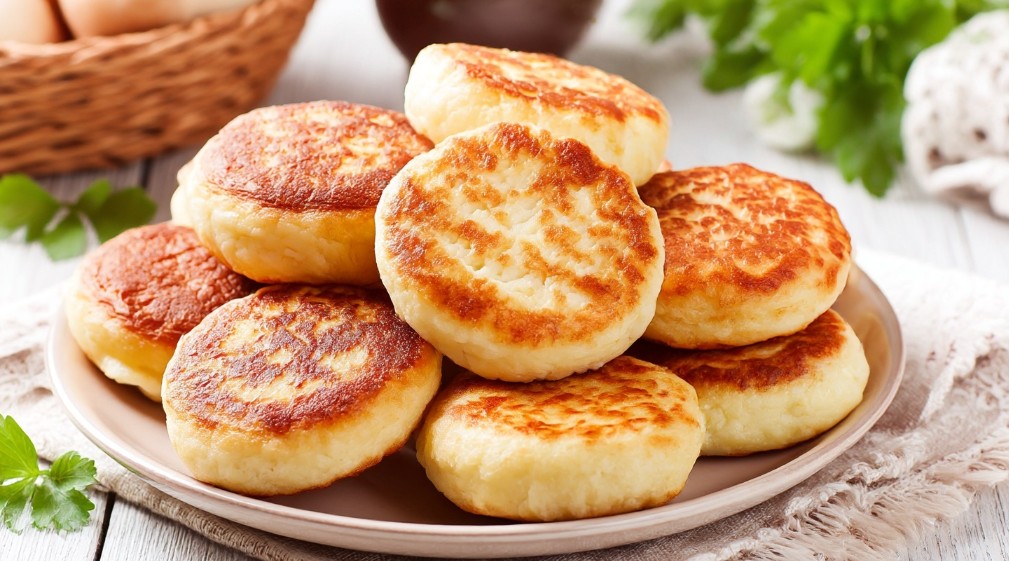
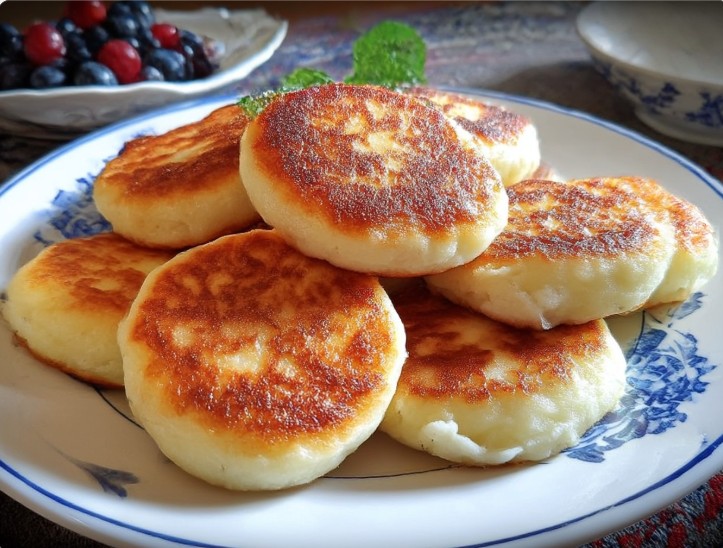
The appearance of the cheesecake changes gradually: first, it’s pale and soft, then the bottom becomes golden, and the top dries slightly. That’s when you can carefully lift it with a spatula and flip it. If the cheesecake falls apart — it’s not time yet. Give it another minute or two. A ready cheesecake is when it’s springy to the touch, doesn’t spread, and doesn’t leave traces of raw mass on the spatula.
Often the first cheesecakes are an experiment. If you’re unsure, cut one in the middle: if the inside mass no longer stretches but is tender and homogeneous — you’ve succeeded.
What to Do If Something Goes Wrong?
No first attempt is guaranteed to be mistake-free. Sometimes cheesecakes spread or don’t hold their shape well. Don’t be upset — it’s part of learning.
- If the mass is too runny — add a bit more flour or semolina, let it sit for 10 minutes. Don’t rush to shape immediately.
- Too thick — add a spoonful of sour cream or another small egg. The mass should be soft, not ‘plasticine-like.’
- Stick to the pan — try adding more oil or use a paper towel to grease the surface.
- Burnt but raw inside — next time, lower the heat and make the cheesecakes a bit thinner.
I once had a case where the cheesecakes were falling apart, and I decided to bake them in the oven instead of the pan. It didn’t turn out quite classic, but it was edible. Sometimes a ‘failure’ becomes a new discovery.
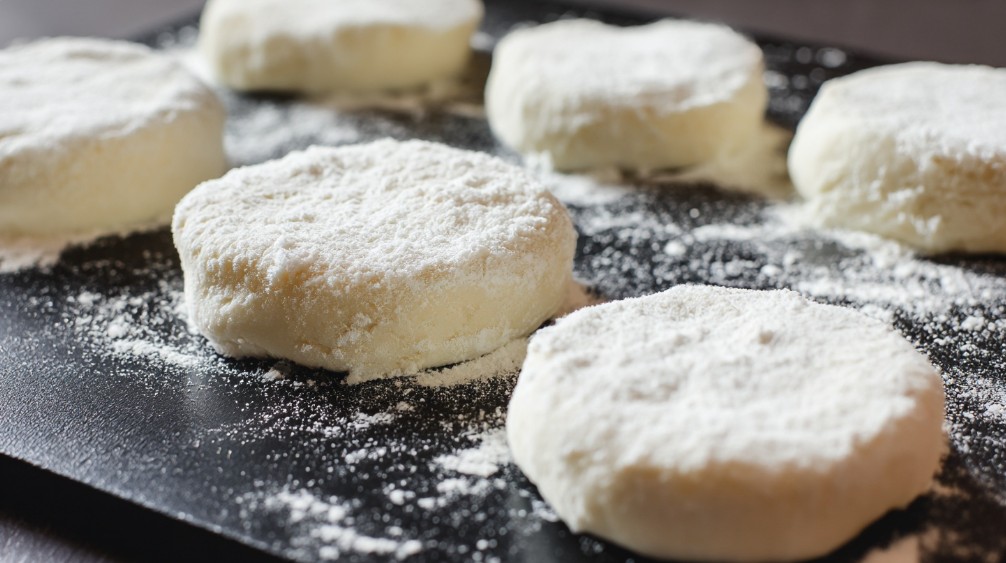
Tip: if the cheesecakes don’t hold their shape, you can roll them in flour before frying — this will make them sturdier.
Life Hacks: How to Make Cheesecakes Easier and Tastier
- Use a wooden spoon or silicone spatula for mixing — this way the mass doesn’t stick to your hands.
- Instead of flour for rolling, try semolina — cheesecakes come out with an appetizing crust.
- Cooled cheesecakes can be reheated on steam or in the microwave — they become soft again.
- If you want lightness — add a bit of lemon or orange zest to the cheese, the aroma will refresh the taste.
- Cheesecakes are delicious not only with sugar: try adding a pinch of salt and a bit of vanilla — the taste will become richer.
Another small trick — wet your hands with water before shaping the cheesecakes. The mass doesn’t stick, and the shape comes out neat. This is especially helpful if the cheesecakes are made from homemade cheese, which is always more moist.
Stress-Free Rules: Cheesecakes for Yourself, Not for Social Media
Don’t pressure yourself if the first attempts aren’t perfect. Cheesecakes are home food, not a beauty contest. I remember how my friend, who never cooked, made crooked but tasty cheesecakes. He was so delighted that he ate them while still hot, not waiting for them to cool. This is the true joy of the kitchen.
Your main task is not to make it ‘perfect,’ but to get your first successful experience. With each new batch, you’ll better understand how the cheese behaves, how the mass reacts, what the temperature should be. Confidence will appear — and then no ‘mush’ will scare you.
Tip: if the cheesecakes didn’t turn out, don’t throw away the mass. Add an egg, a bit of flour — and bake in the form of mini-casseroles. It will be a new taste.
From the First Cheesecake to Confidence: Learning Through Attempts
To learn how to make cheesecakes, you don’t need dozens of video tutorials or perfect instructions. It’s enough to allow yourself to make a mistake once — and not be upset. My journey started with cheesecakes either burning or falling apart. But each attempt is not a minus, but a plus to your own experience.
Try different types of cheese, experiment with thickness, don’t be afraid to add a bit more or less flour than written in books. Over time, you’ll ‘see’ the cheesecakes even before they appear in the pan. This is true kitchen learning: not repeating someone else’s steps, but feeling each process.
I still remember how my first ‘successful’ cheesecake was not perfectly shaped, but it held together and was aromatic. That was the moment when you first feel: ‘I can!’ And that’s the best reward for a beginner.
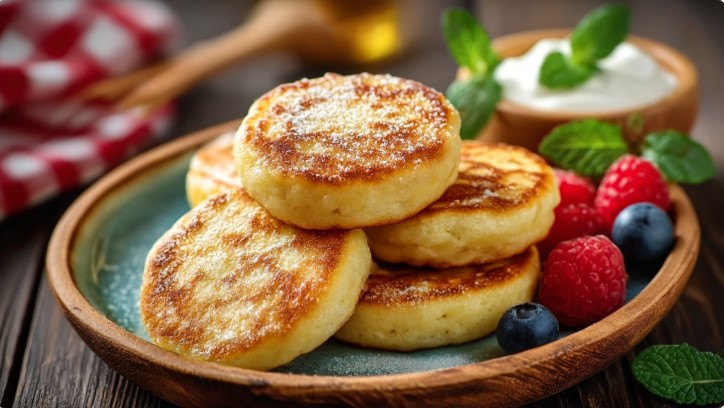
How Cheesecakes Can Become Your Favorite Breakfast
Over time, cheesecakes stop being a ‘scary trial’ and become a regular, even favorite dish. They cook quickly, don’t require expensive ingredients, and the taste is always different — depending on mood and cheese. For me, cheesecakes are an opportunity to start the day with something warm and understandable, even if the previous day was hard.
Gradually, the desire to experiment appears: add raisins, zest, nuts, change the type of cheese. But the base is always the same — understanding the process. When you feel it, it’s no longer scary that something might go wrong. Cheesecakes are a space for small victories in the kitchen. Here’s more about tender cheesecakes for a Christmas breakfast.
Many friends who were afraid to make cheesecakes now make them for guests, children, even take them to work. The main thing is to give yourself a chance for the first successful cheesecake and not be afraid of failures.
Cheesecakes are not about perfection, but about comfort and confidence. Allow yourself to love this process, and it will reward you with delicious breakfasts.
That’s it. The first attempt is not the end, but the beginning. How was it for you with your first cheesecakes? Share your story — it’s interesting what your first cheesecake was memorable for.
Most Common Questions with Answers for Beginners
What are cheesecakes?
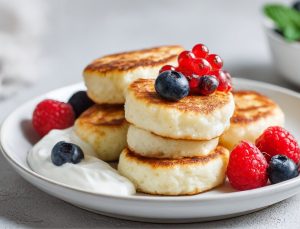
Cheesecakes are fried cheese pancakes made from quark or farmer’s cheese, mixed with flour, eggs, and a small amount of sugar, a traditional dish of Ukrainian and Eastern European cuisine
What cheese is best for cheesecakes?
The best is quark / farmer’s cheese. If you use regular cheese with large grains, the cheesecakes may be denser or fall apart, so it’s recommended to drain excess moisture or strain the cheese before mixing the dough.
Can quark be replaced with another cheese?
Yes — you can use ricotta or well-drained cottage cheese, but the texture and taste will change slightly. Quark often provides the classic cheesecake structure.
How much flour is needed to prevent cheesecakes from falling apart?
It depends on the moisture of the cheese — if the cheese is very moist, a bit more flour is needed; the main thing is for the dough to be pliable but not too dry. Add flour gradually to avoid tough cheesecakes.
How to prevent cheesecakes from burning?
Fry on medium heat, not high. If the heat is too high or the moisture too high, the cheesecakes may burn on the outside and remain raw inside.
How to serve cheesecakes?
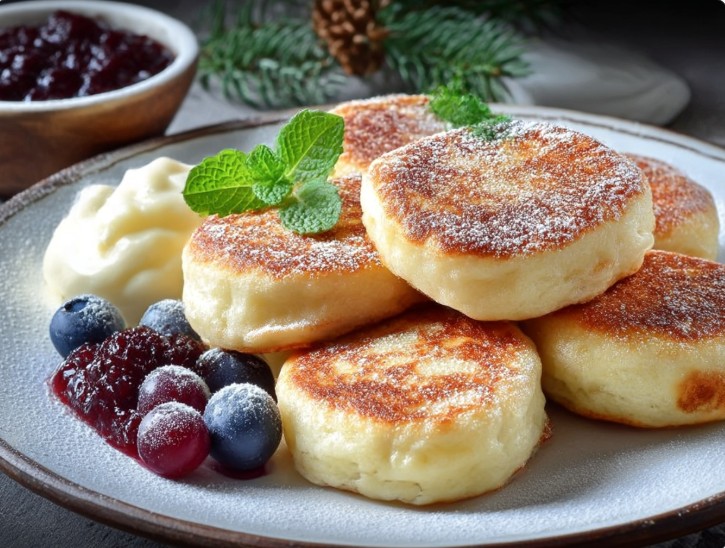
Traditionally, cheesecakes are served with sour cream, jam, honey, fresh berries, or powdered sugar. You can also add other toppings like yogurt or fruit sauces if desired.
Can cheesecakes be made for dietary or alternative nutrition?
Yes — many people replace flour with whole grain, almond, or coconut for fewer carbohydrates, and also use sweeteners or gluten-free alternatives.
How to store cheesecakes after cooking?
Cooked cheesecakes can be cooled and stored in the refrigerator for up to 3-4 days; it’s better to reheat them before consumption. They can also be frozen before frying — lay them out on a baking sheet, freeze, and then transfer to a freezing bag.
Why can cheesecakes be too hard?
If too much flour is added to the dough or the dough is mixed too vigorously, the cheesecakes can come out dense. Add flour gradually and don’t mix too strongly.