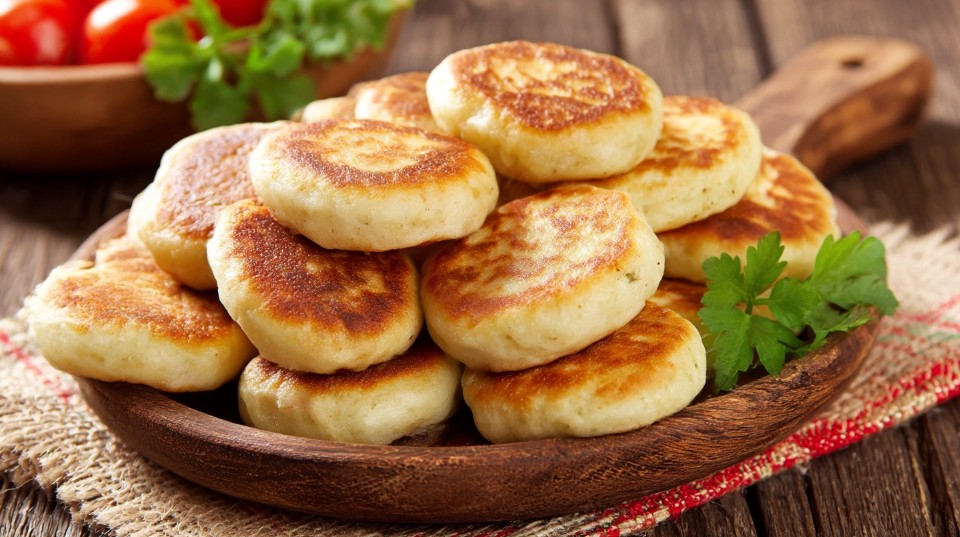
Cheesecakes or Cottage Cheese Casserole: Which is Healthier for Breakfast

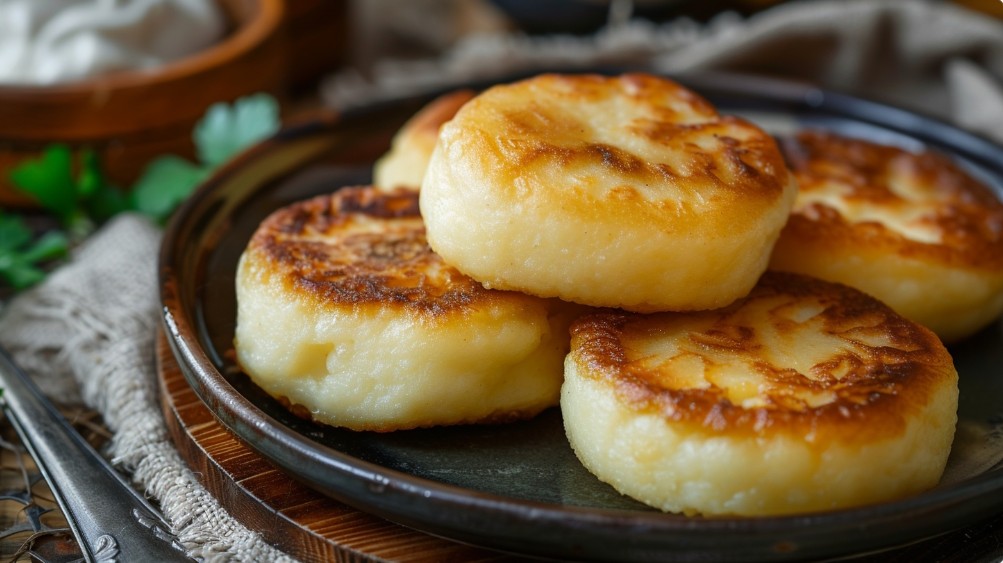
Morning can start in different ways. Sometimes, you wake up early while everyone else is still asleep, and a question is already spinning in your head: what’s for breakfast today? And then comes the internal dialogue — cheesecakes or casserole? There’s a pack of cottage cheese in the fridge, some eggs, kefir, even raisins. And at this moment, the dance of compromises between taste, satiety, and what we want to call ‘healthy’ begins. What does ‘healthier’ even mean when it comes to homemade food? I’ve long realized: no one measures health with a spoon or numbers on a phone. It all comes down to how you feel after breakfast and how easily you can keep yourself from extremes.
Balance in Breakfast: Why There’s No Perfect Choice
People often seek the perfect: the ‘right’ breakfast, the ‘healthy’ product, the universal recipe for happiness. I used to chase this too. Now, I am closer to the idea that breakfast is not about rules but about the habit of taking care of oneself. Both cheesecakes and casserole are about warm food that gives a sense of home. Balance is not in how much of what is in the composition, but in how you feel afterward — and whether you want to eat something extra because you weren’t satisfied.
I remember a shift at a restaurant when a colleague, who always awaited lunch like manna from heaven, once said, “If you don’t think about food for two hours after breakfast, it was successful.” I’ve tested this on myself dozens of times. If cheesecakes or casserole don’t give this effect, something needs to change in the composition or portion, not search for a ‘healthier’ version.
Cheesecakes and Casserole: The Difference We Actually Feel
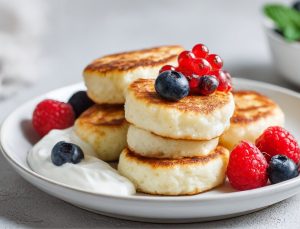
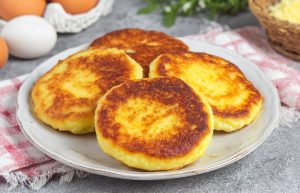
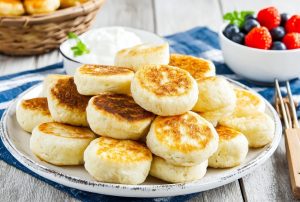
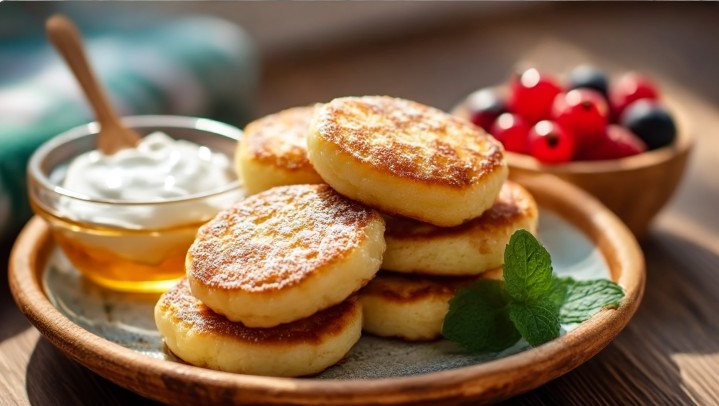
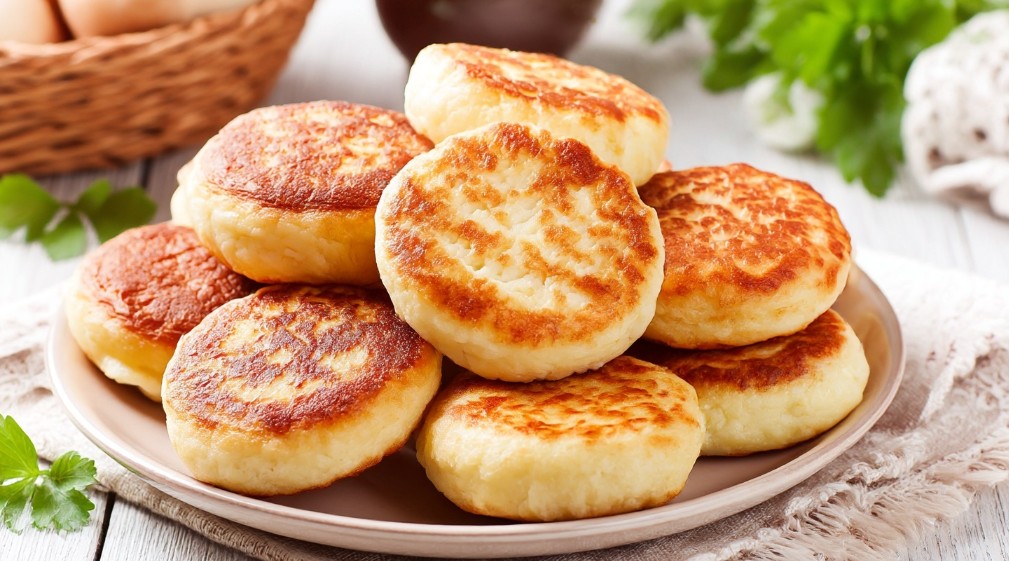
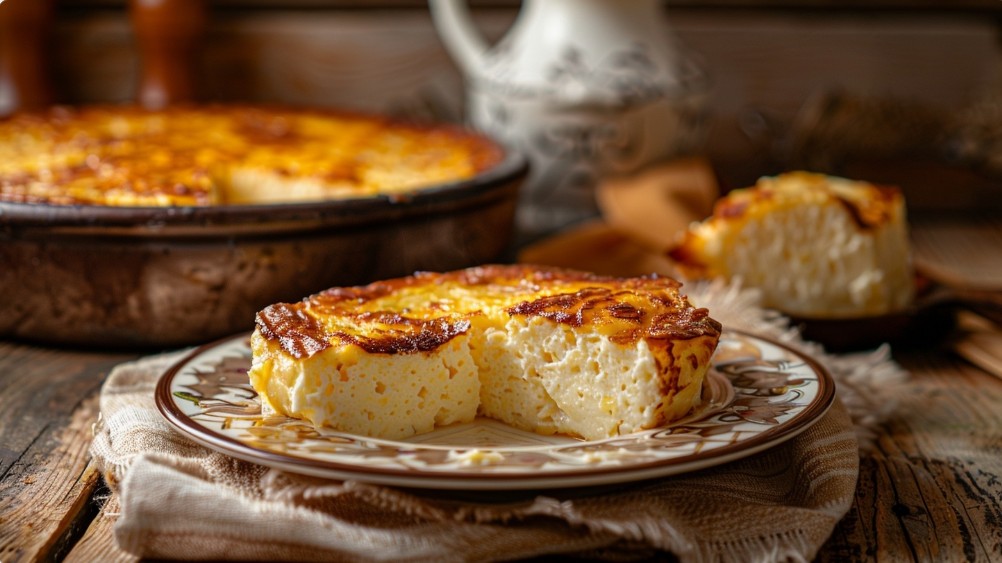
If you look at these dishes from the perspective of real life, the difference between them is not just in form or texture. Cheesecakes are about speed, a crispy crust, a slightly moist center. Casserole is a softer story, something between dessert and breakfast, sometimes even a bit festive. For me, casserole always associates with Sunday — when you’re not in a hurry, and cheesecakes are about weekdays when you need to quickly feed the kids and get on with your day.
In cheesecakes, a lot depends on the temperature of the pan, the thickness of the dough, even the mood of the person at the stove. Casserole forgives more — it can be prepared in advance, holds its shape, and doesn’t require immediate attention. But here and there, balance plays a role: is there too much flour, too much sugar, is there something ‘personal’ in the recipe?
Textures and Feelings
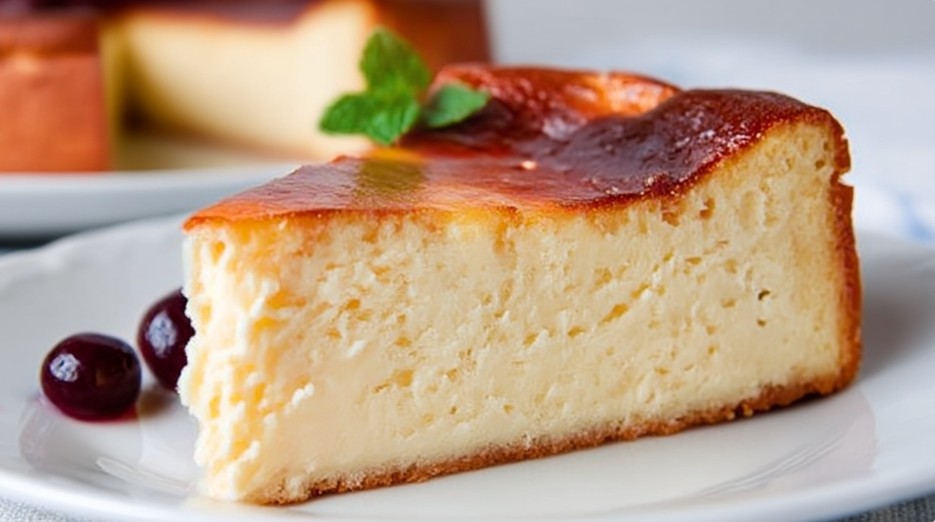
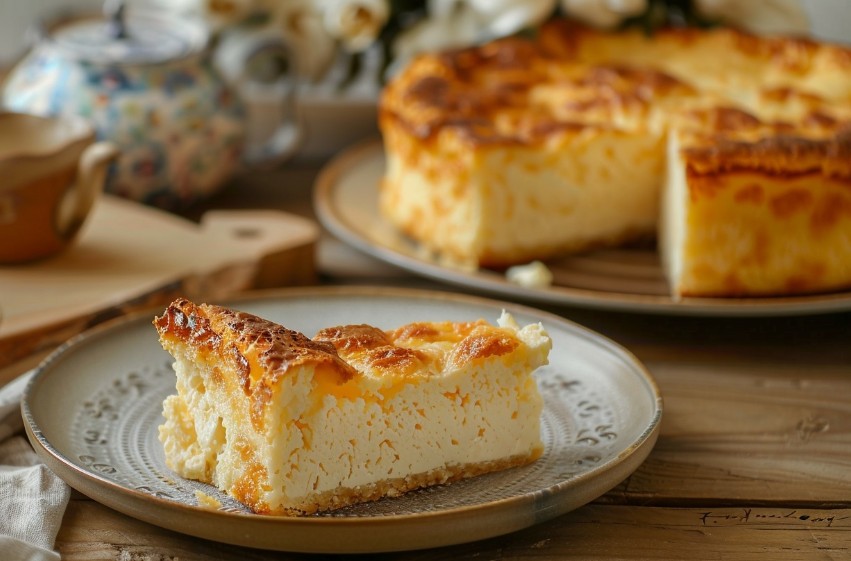
Honestly, the difference between cheesecakes and casserole is very noticeable at the moment of the first bite. Cheesecakes are springy, warm, with a crispy crust that slightly crackles under the fork. Casserole is tender, moist, slightly sweet, holds together in a piece but melts in the mouth. Sometimes, this determines the choice: if you want something ‘chewy,’ make cheesecakes; if you crave something tender, go for the casserole.
Micro-story #1
Once, when I was making breakfast for my daughter before school, she said, “Dad, today make that thing you can cut with a knife, not cheesecakes.” It turned out that after several days of cheesecakes, she wanted a casserole. And I realized: even children need a change of pace in food, not just adults.
Satiety and Satisfaction: How to Listen to Yourself
One of the key moments often ignored is the personal feeling of satiety. I’ve often encountered that after cheesecakes, there’s a lightness, but you want a snack before lunch. Casserole, especially if you add some nuts, apple, or a bit of semolina, gives a longer feeling of fullness. It all depends on what you put into the dish and how you eat it — with tea, yogurt, or just like that.
For myself, I’ve developed a simple rule: breakfast should give energy but not take away the desire to work. If after cheesecakes you feel light but quickly get hungry, next time add a bit more cheese or egg. If the casserole seems heavy, reduce the semolina or sugar. There’s no ‘right’ or ‘wrong’ — there’s your answer to your own body.
Micro-story #2
In my practice, there was a case when an acquaintance tried to replace breakfasts with vegetable salads because ‘it’s healthier,’ but after a week returned to cheesecakes. She simply missed the feeling of warmth in the morning. After cheesecakes, she felt more alive — as she said, ‘finally woke up properly.’
Tip: Listen to your feelings after breakfast — they will tell you if this dish truly suits you.
Flexibility and Habits: Why You Shouldn’t Go to Extremes
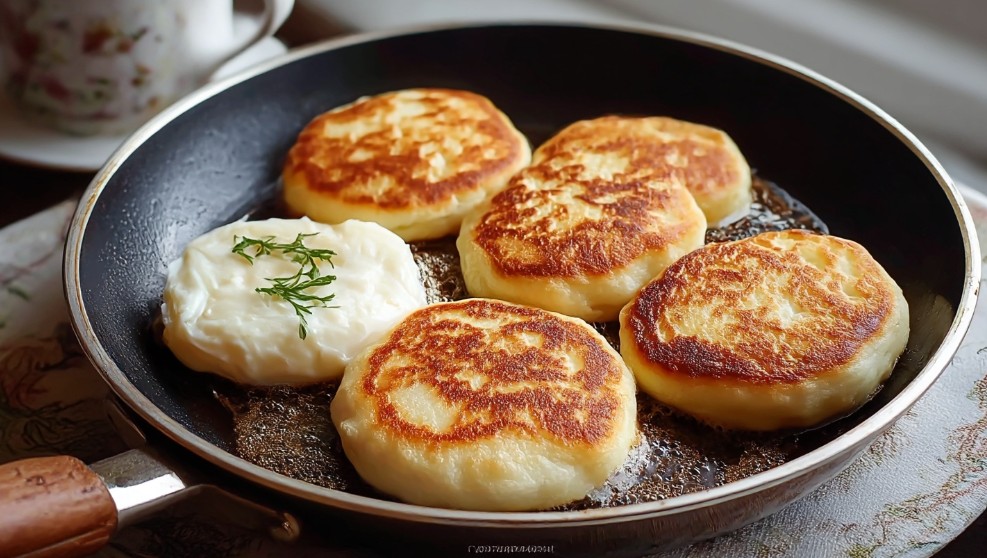
Many try to eat ‘perfectly’ — it’s easy to fall into this when there are so many tips and prohibitions around. But no dish makes a diet healthy or harmful on its own. The main thing is the habit of not forbidding yourself food. Cheesecakes or casserole can be part of a balanced breakfast if you don’t set strict limits and don’t blame yourself for an extra piece.
During busy work weeks, I often see even experienced chefs skipping breakfast or eating poorly. Then they eat everything at night. The main thing here is not the perfect dish, but consistency: if you’re used to eating something warm and filling in the morning, it’s easier for the body to keep the rhythm. And then the question of what’s healthier — cheesecakes or casserole — becomes secondary.
Lifehack: Small Changes
- Add a bit of fruit or berries to cheesecakes or casserole — it refreshes the taste and adds vitamins without extra fuss.
- Instead of complex substitutes, just reduce sugar or flour — the taste won’t suffer, and the dish will be lighter.
Mistakes in Choice: What Prevents Enjoyment
One common mistake is comparing cheesecakes and casserole by ‘caloric content’ or ‘correctness’ of the recipe. I’ve seen more than once how people try to make cheesecakes ‘without everything’ — no flour, no salt, no sugar — and end up with something completely unlike the usual dish. The result is disappointment and the feeling that nothing tasty can be eaten.
Another mistake is cooking on autopilot. You can make cheesecakes or casserole that only taste good because you’re hungry. I was guilty of this myself when cooking for a large family: I rushed, didn’t pay attention to details, and the dish turned out ‘bland.’ But if you give yourself a minute and make it with love, even the simplest breakfast becomes a celebration.
Tip: Don’t try to make the ‘perfect’ dish — make the one that will taste good to you today.
Feeling Full: Why It’s More Important Than Ingredients
Sometimes it seems that healthiness is about ingredients, but it’s really about the feeling after eating. If after cheesecakes you’re drawn to eat something else, add some nuts, slice an apple, drink green tea. If after casserole you feel sleepy, make it a smaller portion, add a dairy product on the side. Over the years, I’ve realized: satiety is not about the weight of the portion, but about the balance of taste, texture, and how food fits into your morning.
Casserole often gives a longer feeling of fullness, especially if you eat it slowly, while cheesecakes are quick energy but not always for long. Vary recipes and additions — and your body will tell you what suits it better.
Micro-story #3
Once I conducted a master class for teenagers. Everyone wanted cheesecakes because they’re ‘tasty,’ and casserole seemed boring. But when we added some baked apples and cinnamon to the casserole, the kids ate it faster than the cheesecakes. And they said that such a breakfast was missing at home. The feeling of fullness and satisfaction is what gets remembered.
Macronutrients Without Fanaticism: Guidelines of Common Sense
Many breakfast discussions come down to the balance of proteins, fats, and carbohydrates. I don’t like counting — it takes away time and joy from eating. It’s simpler to think like this: both cheesecakes and casserole have the same base — cottage cheese. That’s already a good start. Add an egg — you’ll have a bit more protein, add a bit of flour or semolina — you’ll get carbohydrates. Butter or sour cream is about the feeling of fullness. If you don’t overdo it, the balance maintains itself.
I’ve noticed that if you eat something warm with cheese in the morning, it’s easier to keep your appetite until lunch. Casserole is a bit more ‘stable’ because it’s baked in a form, not as dependent on details as cheesecakes. But in both, you can add fresh berries, honey, a piece of fruit to diversify the taste without extremes.
Tip: Treat macronutrients as a guideline, not a strict instruction. Listen to your body, not tables.
Lifehack: Cook for Several Days
Casserole is especially convenient if there’s no time in the morning. You can prepare it the day before, cut it into pieces, store it in a container — and take it with you or reheat it in the microwave. Cheesecakes are more about the moment here and now. If time is short, casserole saves the day.
Cheesecakes and Casserole in Routine: How Not to ‘Break Down’ and Blame Yourself
I know from experience: there are days when you want breakfast ‘like in childhood,’ and there are days when you simply don’t have the energy to cook. If you skip breakfast, it’s not a big deal. If you eat an extra piece, it’s also not the end of the world. Healthy eating is not about perfect days, but about the ability to forgive yourself small ‘departures.’
I’ve noticed that flexibility works best: not forcing yourself to eat cheesecakes or casserole just because it’s ‘healthier.’ It’s better to take a break, eat what you truly want, and not get hung up on ‘correctness.’ Experience suggests: if you treat yourself more gently, food becomes a joy, not a test of willpower.
- Cook cheesecakes or casserole when you’re in the mood, not because you ‘have to.’
- Don’t compare your breakfasts with others — everyone has their own rhythms and needs.
- Leave room for mistakes — it’s normal.
Breakfast for the Whole Family: How to Find a Common Approach
It’s not always easy to please everyone in the family. One wants cheesecakes, another wants casserole, a third doesn’t want anything in the morning. I’ve found a simple solution — make both options alternately. And sometimes mix: fry part of the cheese mixture as cheesecakes, pour the rest into a form and bake it. This way, everyone gets their own, and no one feels deprived.
This, by the way, is a good way not to ‘break down’ and not to have battles over a ‘healthy breakfast.’ When there’s a choice, it’s easier to maintain balance and not argue over trifles.
Micro-story #4
Once I was making breakfast for a large company. Half the guests were children, half were adults with different eating habits. I made two casseroles: one classic, the other with banana and cinnamon. For the kids, cheesecakes with raisins. Everyone was satisfied, and most importantly, no one argued about what was ‘healthier.’
Food as Part of Life, Not a Point System
The last thing you want is to turn food into a source of stress. I’ve seen people reduce eating to a competition with themselves: who eats ‘cleaner,’ who eats ‘healthier,’ who ‘sins’ less. In reality, food is about life, about energy, about moments. Cheesecakes or casserole are not a grade for you, but an opportunity to make the morning warmer and tastier.
Over the years, I increasingly value the opportunity to share breakfast with loved ones without thinking about ‘perfection.’ When food becomes a source of joy, not worry, then nutrition truly helps — both body and soul.
Ultimately, both cheesecakes and cottage cheese casserole are just breakfast options. Healthiness is not in the ingredients, but in the feelings, balance, and ability to be flexible. Don’t box yourself in — listen to yourself, your loved ones, and enjoy the simple things. What do you prefer more — cheesecakes or casserole? Why? Share your stories in the comments — it’s interesting to hear different experiences.