At the market, I’m often asked about chia. Someone stands by the counter with a packet in hand — their eyes attentive but a bit confused. They’ve read about the ‘superfood,’ but aren’t sure whether to buy it, if it’s worth it, or what to do with it next. I understand this confusion. Chia is like a bolt from the blue: it seems like just yesterday we hadn’t heard of them, and today they’re sold in stores, on Instagram, and even in spice shops at the market. Everyone around keeps repeating: ‘it’s healthy, trendy, a must!’ But honestly, my attitude towards chia is simple and practical. I don’t chase trends; I try to understand the product by taste, touch, and results. So let’s talk without the hype — how they actually behave, how not to overpay for packaging, and what you need to know before buying.
What Are Chia Seeds and How to Recognize Them
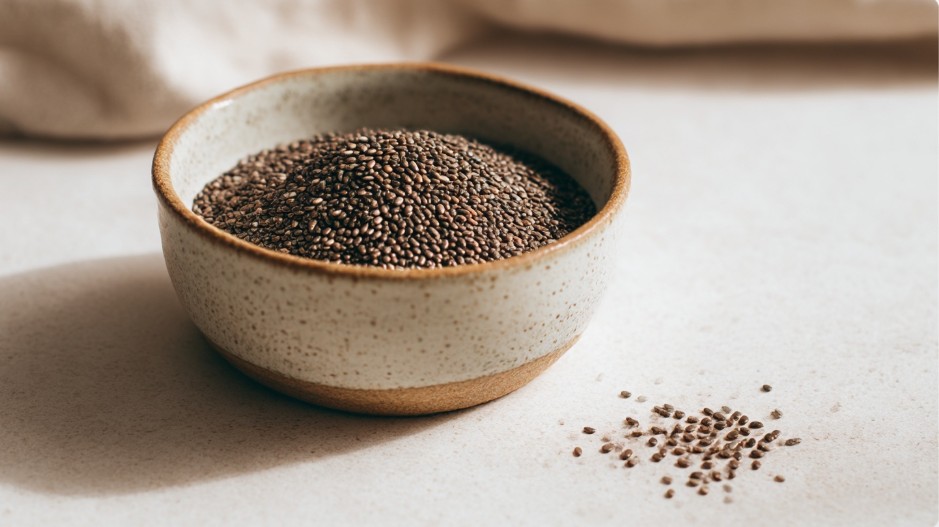
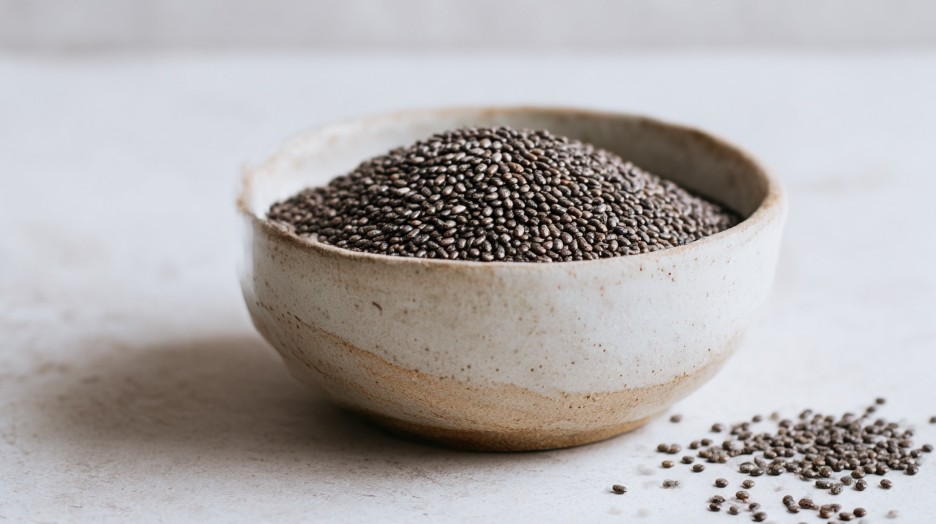
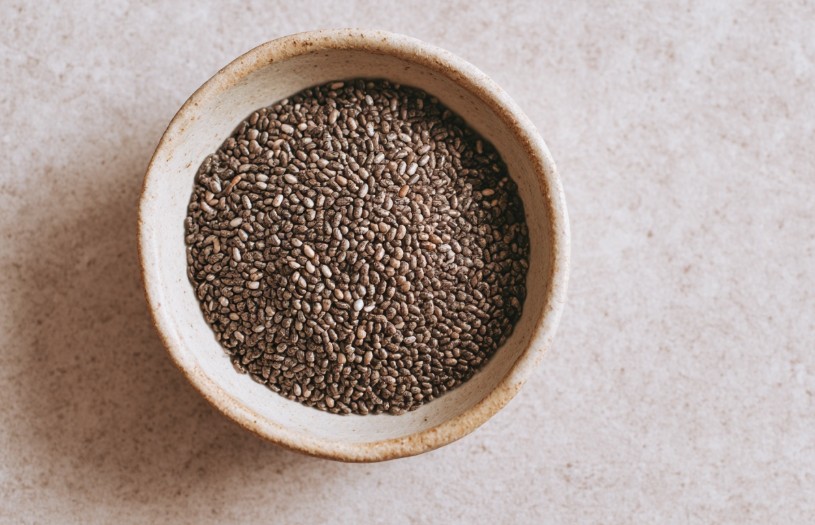
Chia is the tiny seed of the Salvia hispanica plant. They are tiny, like poppy seeds, but harder, and appear in various colors: from light gray to almost black. If you rub chia between your fingers, they are smooth, have no smell, and don’t crumble. For me, this is always a marker of quality: the seeds should not be moist, clumped, or cracked. Fresh chia seeds are dry, loose, and free of dust or foreign impurities.
I remember the first time I tried chia at a market in Prague. The seller poured a handful right into my palm: ‘Smell it, look at the color.’ And indeed, good seeds are odorless, shiny, and have no ‘mustiness.’ If the seeds smell like old nuts, it’s a sign they’ve been sitting in storage for a long time.
Color does not determine usefulness: both black and white chia are the same in properties. The main thing here is color uniformity, without spots or mold.
How to Choose Quality Chia Seeds: At the Market and in the Store
The main principle is not to trust a pretty label or loud advertising. Look at the product, not the packaging. At the market, I always ask the seller to scatter some seeds — it’s easier to assess the smell and texture this way. In the supermarket, I pay attention to transparent windows on the packaging. If there are none, I look at the expiration date and country of origin.
Color: the seeds should be uniform, without foreign inclusions or dust. The presence of white or brown spots is a signal that something is wrong.
Smell: fresh chia has almost no smell, at most a light nutty note. Any sour, bitter, musty, or moldy aromas are a minus.
Texture: dry, crumbly, not clumping into lumps.
Packaging: dense, without damage, preferably with a zip-lock. If the packaging is transparent, that’s a plus, but not the only sign of quality.
Expiration Date: chia should not be stored for years. Ideally, up to 12 months from the date of harvest.
Sometimes people buy by weight, ‘by the scoop.’ The risk is higher here. In such cases, I choose only where I know the seller and am confident in the freshness. I’ve seen how old seeds are mixed with new ones at the market — to avoid waste. Here, smell and personal experience help.
Tip: If you’re buying for the first time, take a small portion for a trial. Try soaking a few seeds in water at home: quality seeds swell quickly, becoming slimy in 10-15 minutes.
How to Choose Quality Chia Seeds
Marketing Traps and Overpriced Products
Chia is now sold everywhere — from bio stores to small shops. Labels often mention ‘organic,’ ‘natural,’ and add the word ‘superfood,’ which automatically raises the price. But I’ve noticed: the same product is sold in different stores with a price difference of two to three times. Why is that? Sometimes it’s due to packaging, sometimes due to ‘trendy’ imports, even though chia is grown in both Europe and South America.
Don’t fall for promises of ‘100% organic’ if there’s no proper certification. And don’t overpay for a brand: chia seeds hardly differ in taste or benefit if they are fresh and stored correctly. I’ve seen ‘chia from Peru’ and ‘chia from Italy’ at the market — the difference is minimal.
Another trap is chia mixes with other seeds, where the proportion of chia itself is minimal, but the price is maximal. They like to add flax or sesame — it’s cheaper, but the package says ‘chia mix’ in large letters. Pay attention to what you’re actually buying.
Don’t overpay for a ‘trendy’ brand
Mixes aren’t always a good deal
An organic certificate is a document, not just a word
I had a case: a colleague bought ‘super chia’ in a beautiful box, only to find at home that half of it was ordinary poppy and flax. A nice wrapper is not a guarantee of quality.
Seasonality and Freshness: When to Buy
Chia grows in warm countries but reaches our market year-round. There’s no real ‘seasonality’ like with strawberries or tomatoes, but it’s important to focus on the harvest date and transportation time. Fresh seeds always look shinier and more resilient, while old ones become dull, brittle, and sometimes even slightly bitter.
I once ordered a large batch of chia for a workshop. The first packages were perfect, but the rest were slightly moist, with a sour smell. It turned out that different batches arrived at the warehouse at different times. I always advise: it’s better to buy a little less but more often than to buy a large bag ‘for stock.’
Remember — chia retains maximum beneficial properties only for a few months after harvest. Over time, the oils in them begin to oxidize, and the benefits decrease.
Tip: When buying chia in the summer, when it’s hot, choose packaging with the shortest time from the harvest date. Humidity and heat accelerate spoilage.
How to Store Chia to Keep Them Fresh
Chia seeds are not very demanding, but there are nuances. The worst for them is moisture and direct sunlight. Keep them in a tightly closed jar or bag with a zip-lock, in a dark, dry place. I store chia in a small glass jar on a shelf, far from the stove: heat and steam are enemies for any oily seeds.
Chia can also be kept in the fridge, but it’s not necessary if the kitchen isn’t too hot. Important: don’t transfer them to a disposable plastic bag — they often let air through, and the seeds quickly absorb odors.
Avoid moisture — seeds can mold
Keep in tightly closed containers
Don’t store near spices or coffee — chia easily absorbs foreign aromas
Chia can be stored for up to a year, but I recommend using it within 4–6 months after opening the package. If you notice the seeds have clumped, stick together, or smell different — it’s time to throw them away.
Tip: If you buy chia ‘by weight,’ transfer it immediately at home to a clean, dry jar. Don’t leave it in market bags.
How Chia Behaves in Cooking: Texture and Taste
Chia is unique in that in water or milk, they quickly swell and become slimy, almost like jelly. This property is the basis of all ‘chia puddings.’ When I first made chia with milk, I was surprised: from the spoon flows something like caviar, only without smell and taste. The seeds themselves are neutral in taste, almost imperceptible, but they give an interesting texture.
If you add chia to hot porridge, they also swell, but faster, and the mass becomes slightly viscous. Adding to baking, chia can replace eggs: they retain moisture and make the dough more elastic. In salads or sauces, chia is practically imperceptible, but can give a slight crunch if not soaked in advance.
It’s worth remembering: if you add too much chia, the dish will be ‘rubbery.’ I always recommend adding gradually until you find your ideal consistency.
Tip: For chia pudding, the optimal ratio is 1 tablespoon per 100 ml of liquid. If you want a crunchy texture, soak for less time.
Adding dry seeds to baking is possible, but they won’t give that ‘highlight’ as when pre-soaked. In smoothies, chia also dissolves easily but thickens slightly over time — keep this in mind if preparing in advance.
Chia: Benefits Without Illusions and Skepticism as a Shield Against Hype
Chia is talked about as a source of incredible benefits: ‘omega-3, fiber, superfood!’ But if you set aside marketing, chia is just a good seed that can add variety to your diet. I don’t see the point in looking for a ‘magic pill’ in it or expecting miracles. Chia won’t replace vegetables or regular grains, but it can be a supplement.
From my own experience, I’ll say: chia is convenient when you need to quickly make a light breakfast or add texture to a dish without extra flavor. But if you have a seed allergy or digestive issues, it’s better not to experiment. I’ve seen people buy chia by the ton, hoping for ‘healing,’ only to complain of bloating or heaviness. Everything is good in moderation.
Chia is not medicine, but food with an interesting texture
Does not replace vegetables, fruits, or main grains
Usefulness is in variety, not quantity
I had a case: a friend started eating chia daily in large portions, and within a week complained of discomfort. I advised reducing the amount — it got easier. Don’t believe in ‘magic,’ better listen to your body.
Common Mistakes When Buying and Consuming Chia
The most common mistake is buying large packages ‘for stock,’ only to find rancid, musty seeds in the cupboard. Another is hoping for a ‘healing effect’ and eating several tablespoons daily. Chia is a supplement, not the basis of the diet.
Overpaying for brand and packaging
Buying without assessing smell and appearance
Storing in open bags
Excessive consumption without a habit of seeds
Ignoring the body’s reaction
Another mistake is soaking chia in very hot water: they clump and become sticky. It’s better to use cool or room temperature liquid.
Sometimes people buy chia without knowing how to use them and just add them to all dishes indiscriminately. The result is not always pleasant, as excess can spoil the texture or taste.
Tip: Start with a teaspoon a day and see how your body reacts. No need to compete in ‘super healthiness’ — listen to yourself.
Chia is talked about as a source of incredible benefits
Chef’s Lifehacks: How to Get the Most Benefit and Enjoyment
For freshness — always transfer chia to a glass jar after purchase. It’s easier to control the condition of the seeds and smell.
Don’t buy a large package ‘for trial.’ It’s better to take 100–200 grams to understand if you like the texture and taste.
Add chia to yogurt or kefir — it’s the simplest and quickest way to find out if you like their slimy layer.
Don’t use plastic spoons for stirring chia — seeds stick, and it’s hard to wash later. Better to use a wooden or metal spoon.
To avoid lumps, first mix chia with a small amount of liquid, then add the rest.
Personally, I like adding chia to salads for crunch. But only fresh seeds — old ones don’t give that feeling. There was a case: I forgot chia at the bottom of the jar, and when I took them out, they already smelled like old oil. I threw them away without regret. Don’t regret — it’s better to buy new than to spoil the dish.
Tip: If chia doesn’t swell even after 30 minutes — it’s old or overdried product. Better not to use it in dishes.
When It’s Worth Paying More: Price and Common Sense
Chia is not the cheapest product, but it’s not a luxury either. I always rely on common sense: if the price difference between regular and ‘organic’ seeds is two to three times, and the quality is the same — I choose cheaper. I pay more only when I see real advantages: fresh batch, transparent packaging, presence of origin certificate. Sometimes, if you buy from a familiar farmer or at a proven market — it’s also worth the extra cost.
I’ve seen people buy ‘bio-chia’ for crazy money, only to store it in an open bag under the sun. The whole point of such savings is lost. Pay more only when there are grounds for it: freshness, guarantee of origin, convenient small packaging.
For home use, it’s quite enough to take the mid-price segment. Cheap seeds are often old or poorly cleaned, and the most expensive are just promoted by the brand.
Tip: If unsure about the quality, buy two small packages from different manufacturers and compare at home. Choose what you like more in taste and texture.
Chia in the Diet: How and How Much to Consume Without Harm
Chia is not a staple food, but a supplement. I always start with a small amount — a teaspoon, and watch the body’s reaction. For most people, 1–2 tablespoons per day is quite enough. It’s not worth eating chia in large portions: it won’t bring more benefits and may even cause discomfort in the stomach.
Chia is well absorbed if pre-soaked. Dry seeds can be hard to digest, especially in large quantities. If you have chronic stomach problems or a seed allergy — be careful. I’ve seen people complain of bloating or discomfort when suddenly increasing the portion.
Remember: chia contains a lot of fiber, but that’s not a reason to replace it with vegetables or fruits. I use chia as an interesting accent — in breakfasts, baking, salads. And I always monitor my own well-being.
Start with small portions
Soak in water, milk, or yogurt
Don’t eat ‘for health’ if you don’t like the taste or texture
For me, chia is just another tool in the kitchen, not a ‘superfood.’ Sometimes I add it, sometimes I forget about it for a month. The main thing is not to make a cult out of it.
In summary, chia seeds are simply a convenient product that can diversify your kitchen. Don’t get hung up on fashion, choose quality, and listen to yourself. Have you tried adding chia to your dishes? What do you think about this ‘superfood’? Share your experiences in the comments — it’s interesting to hear real stories.
Why do potatoes turn out so differently in gas ovens compared to electric ones? From taste to texture and crust, find out which is more convenient at home.
Please note:
This action will also remove this member from your connections and send a report to the site admin.
Please allow a few minutes for this process to complete.