What to Replace Pizza and Sausages with for Dinner

When you come home after a tough day, the thought of dinner can sometimes weigh more heavily than the entire workweek. You want something quick, simple, and hassle-free. The easiest route is pizza or sausages. Convenient, familiar, but eventually, the question arises: “Can’t it be better?” Many have caught themselves realizing that these “saviors” turn into a habit, bringing with it a sense of guilt or just dissatisfaction. I’ve been there too — and that’s why I want to talk about a real alternative: how not to spend a lot of time, not to stress, and not to eat the same thing over and over. Because even in a simple kitchen, you can cook in a way that doesn’t tire you out and doesn’t lose flavor.
Why We Often Reach for Pizza and Sausages
Something familiar, quick, without surprises — that’s what pizza or sausages are for dinner. Maybe you’ve noticed: your hand reaches for the freezer or fridge when you’re too tired for experiments. You understand it’s not the best choice, but the familiar feeling — “just not to spoil,” “just not to be hungry,” “just not to bother.” That’s the trap.
I know this feeling: you come home tired, and the kitchen is silent and cold. You don’t want experiments, you don’t want to risk. Yet, the reason lies here — not fear of new dishes, but fear of failure, “spoiling” the product, wasting time. And it’s important to understand: you’re not alone with this feeling.
In my kitchen, I’ve often observed myself and others: even those who cook well sometimes take the easy road. It’s normal. But if you want to change the habit — you need to understand why your hand reaches for pizza or sausages, and what can be done differently.
How to Find a Better Alternative: Principles of Replacement
Replacing pizza or sausages for dinner doesn’t mean giving up convenience or speed. It’s important to understand the main thing: the alternative should be just as easy but offer more — benefits, taste, the feeling that you took care of yourself.
I see several principles that help not to fall back into “fast food”:
- Understand what you really want: satiety, warmth, familiar taste, or just “something to snack on.”
- Work with what you have on hand. No need to reinvent the wheel — often, everything you need for a quick dinner is already at home.
- Don’t complicate. The simpler the technique — the less chance something will go wrong.
- Add a new flavor or texture to familiar products. Even one different approach to the same ingredient changes the whole feeling.
- Always have a backup “plan B” so you don’t resort to delivery or semi-finished products.
I always have a few “saviors” in the fridge — for example, frozen vegetables or a piece of cheese. They save the day when the mood to cook is against you. The main thing is not to be afraid to try new combinations and not to demand perfection from yourself.
Quick Dinners Without Fast Food: Tasty, Simple, and Healthier
Pizza and sausages often save the day when there’s no time or energy to cook, but over time, such dinners become boring and not always beneficial. In fact, there are many simple and interesting dishes that can be prepared in 10–20 minutes with available products. They are filling, diverse, and easily fit into the daily rhythm of life — without orders and extra calories.
Here’s a real list of interesting and quick dinner dishes that easily replace pizza and sausages. All options are quick to prepare, filling, and suitable for weekdays.
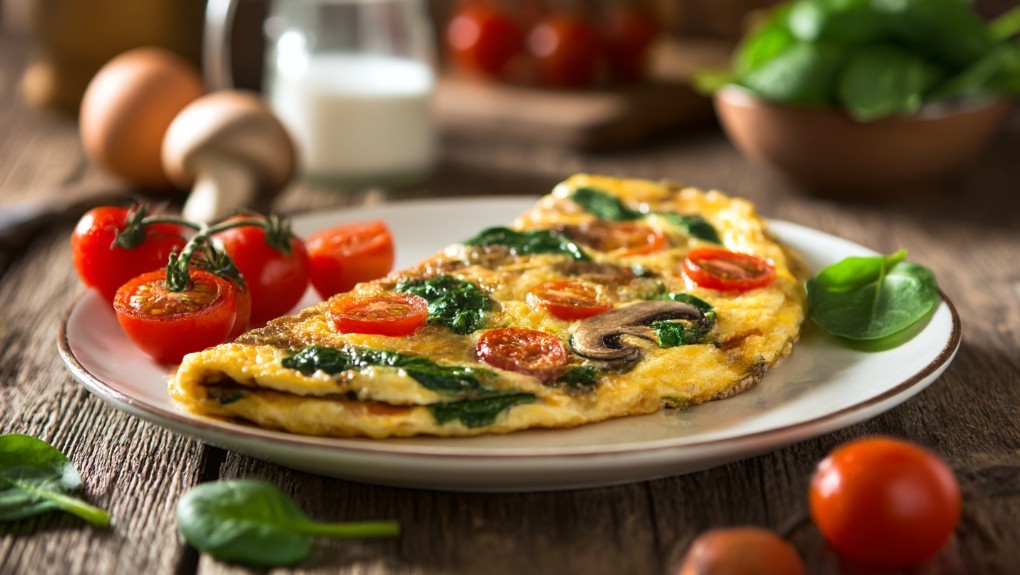
— Omelet with vegetables and cheese
Prepared in 10–15 minutes, it fills well and allows you to use any vegetables from the fridge. You can add spinach, tomatoes, mushrooms, or broccoli — whatever is at hand.
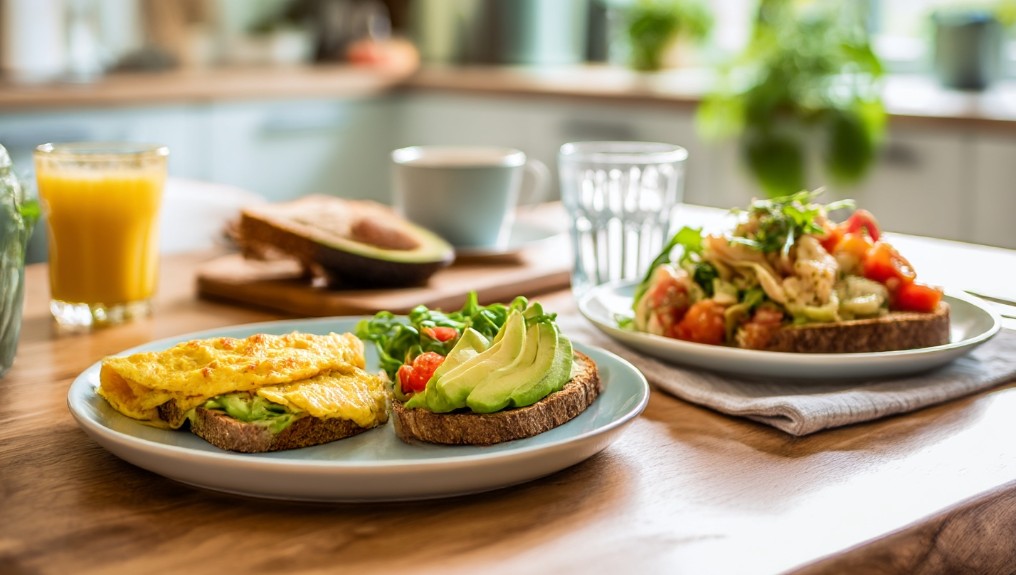
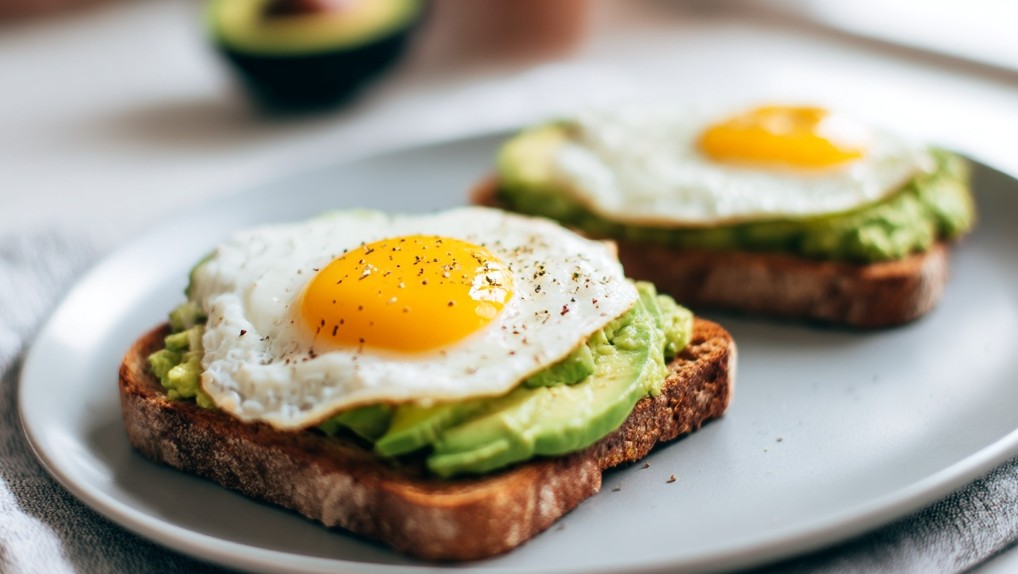
— Toasts or bruschettas with avocado and egg
Crispy bread, soft avocado, and egg (poached or fried) — a simple but balanced dinner that looks appetizing and doesn’t require much time.
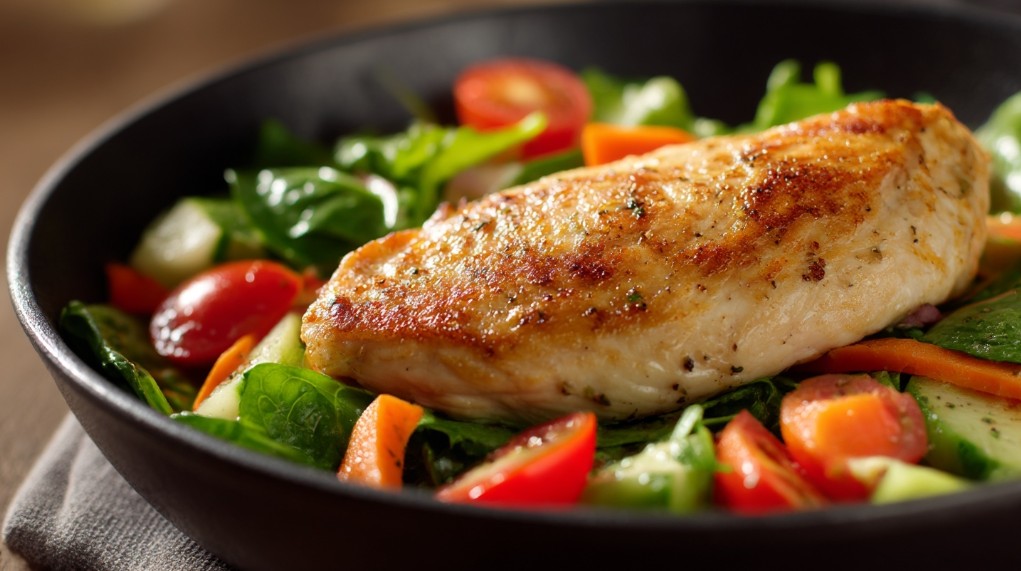
— Chicken fillet in a pan + salad
Fillet is quickly fried with spices or soy sauce, and a light salad of greens and vegetables complements the dish without feeling heavy.
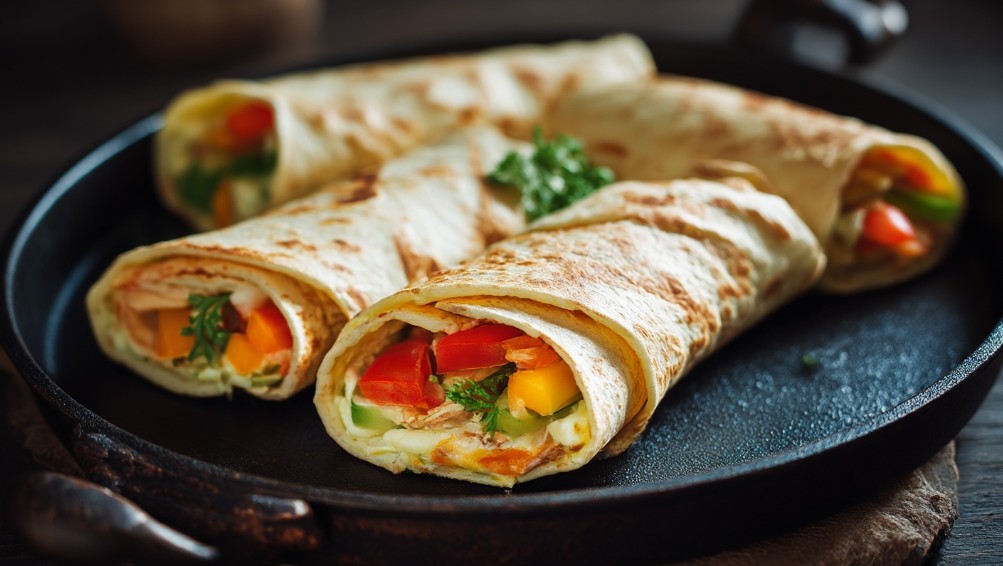
— Lavash with filling
A quick alternative to pizza: lavash, cheese, chicken, or vegetables, a few minutes in a pan or oven — and it’s ready. Fillings can be changed daily.
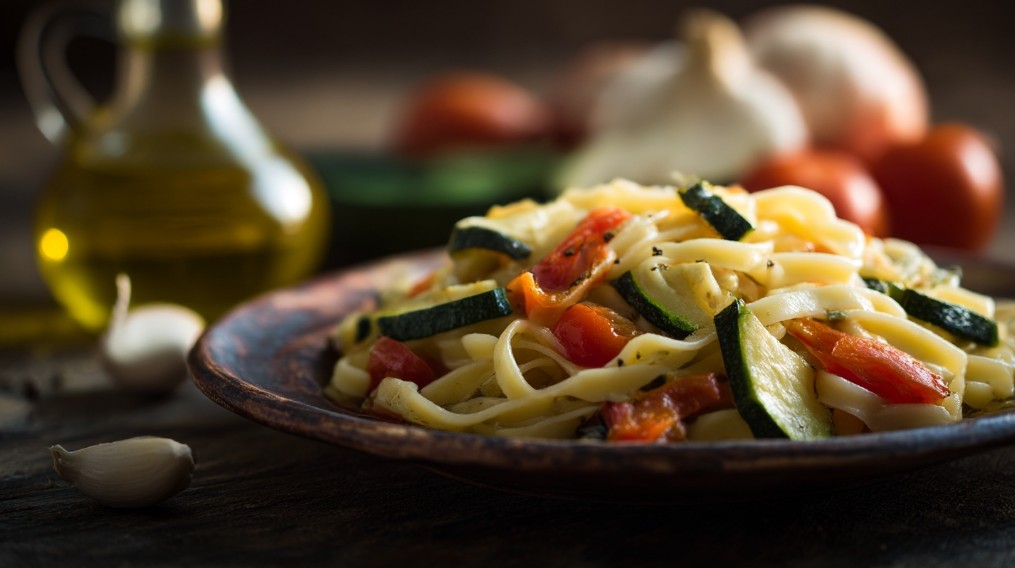
— Pasta with a simple sauce
Pasta with olive oil, garlic, tomatoes, or cream and cheese is prepared faster than pizza delivery and tastes much fresher.
— Rice or bulgur with vegetables and egg
An excellent option if you want something warm and filling. Grain + fried vegetables + egg or sauce — a simple combination without extra ingredients.
— Salad with tuna or egg
A nutritious dinner without cooking: salad leaves, vegetables, canned tuna, or boiled eggs. Suitable when there’s no energy to stand by the stove.
— Baked vegetables with cheese
Zucchini, eggplant, pepper, or cauliflower with cheese — a light but tasty dinner that doesn’t overload the stomach.
— Homemade quesadillas
Tortilla with cheese, chicken, or beans is fried in a few minutes and well replaces fast food, but with controlled ingredients.
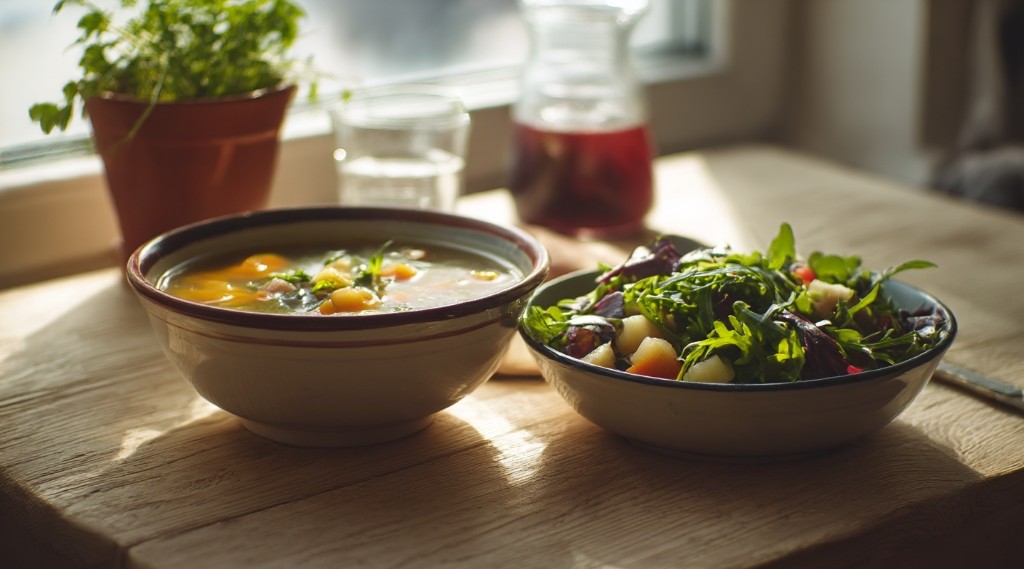
— Soup-puree or quick broth
If you don’t want anything heavy, a warm soup from frozen vegetables or ready broth is the perfect option for the evening.
Temperature, Time, and Texture: Three Main Allies
Cooking quickly doesn’t mean cooking carelessly. Everything here relies on three things: temperature, time, and texture. Many fear “ruining” dinner because they don’t know how a product behaves in a pan or oven.
Here’s a real-life example. Once, I decided to make vegetables as a garnish — threw everything together on a cold pan, turned on the stove, and went to wash dishes. I returned to find water, steam, and “mushy” vegetables. All because I didn’t let the pan heat up. If you want a crispy crust — heat the pan before putting anything on it. This applies to meat, vegetables, and even bread. Don’t rush.
With time — it’s a different story. The main thing is not to fuss. If you start opening the oven or stirring food in the pan too often, the dish will lose texture. I’ve learned to count not by minutes but by appearance: has a golden crust appeared, has the smell changed? This is real control — not by timer, but by “feeling.”
Texture is what “fast” food often lacks. If you’re replacing pizza with something else, make sure there’s something crispy, something soft, something juicy. Even a simple toast can be made more interesting if you add something with a different texture — like a slice of avocado or browned vegetables.
Working with Products: How Not to Complicate and Ruin
Many people get scared here: “What if I do something wrong?” or “What if I ruin everything and have to eat the same thing as always?” It’s familiar. I’ve had periods when I was afraid to ruin even scrambled eggs. It’s important to understand: most “failures” in the kitchen are not bad hands, but a wrong start.
One of the biggest fears is ruining the product’s structure. For example, if you frequently flip vegetables in a pan, they “fall apart.” If you pour an egg onto a too-hot pan — the bottom will burn, and the top will remain raw. A simple principle helps here: don’t rush and don’t touch unnecessarily. It’s better to flip once and leave it alone.
From my experience, products are most often “broken” due to fear. Once, a friend tried to make croutons but was so afraid they would burn that he constantly lifted and checked them. As a result — broken bread, half croutons, half mush. It’s no joke. I taught him: put it down — wait, let the product do its job. The kitchen doesn’t like fuss.
Tip: if you’re afraid of “over-drying” or “over-frying” — it’s better to remove from heat earlier and let it finish under a lid. Products finish cooking without heat.
Typical Mistakes When Attempting a ‘Quick’ Dinner
When someone starts looking for an alternative to pizza or sausages, the same mistakes arise. I’ve seen them more than once — in myself and in acquaintances:
- Overloading the dish. The desire to “make it better” leads to everything from the fridge being thrown into one pan. The result — mush, no taste.
- Lack of flavor balance. People throw in everything salty or everything “bland” because they’re afraid to experiment with spices or acidity.
- Too strong or weak heat. A little patience — and the crust will be just right. Haste leads to a gray, “boiled” appearance.
- Fear of “ruining”. This is the main cause of all problems in the kitchen. When you’re afraid, your hands tremble, and the food turns out nervous.
I’ve often caught myself thinking: “What if I ruin it? What then?” And the answer is simple — nothing terrible. Even if something didn’t work out, it’s not a reason to return to pizza. It’s experience, and the real taste is in trials and errors.
How to Learn to ‘Read’ Products: Smell, Appearance, Sound
One of the main secrets in the kitchen is being able to read products like a book. All processes are visible and felt: vegetables start to smell sweeter, meat changes color, butter sizzles and turns golden. I advise not to focus on minutes, but to look, listen, smell.
For example, if the pan starts to smell nutty or a light smoke appears — it’s a signal that it’s time to put something on. If you hear vegetables “sizzling” — it means the temperature is right. If the smell becomes sharply sour — something is overheating or burning. These are simple signals that help avoid mistakes.
I’ve learned to feel the moment when it’s time to turn off the heat by smell. When the smell becomes deeper, “tastier,” it’s time to act. Sound is also important: first a sharp “sizzle,” then it quiets down — it means the product has given off moisture and is starting to fry. These are things no instruction will teach — only practice.
Tip: if you’re unsure if a product is ready — cut, look, smell. Don’t be shy to “check.”
Practical Life Hacks for Quick and Tasty Dinners
There are a few things that really help me not to fall back into “fast” food and not to waste extra time:
- Prepare in advance. Chopped vegetables, greens, even boiled eggs are stored for several days in a container. These are not “semi-finished products,” but your own time reserve.
- Always have something “different”. In the fridge or on the shelf, there should be products with different textures: crunchy (croutons, crackers), soft (avocado, cheese), fresh (vegetables, greens).
- Use the “warm” trick. If you want to quickly reheat something or make something juicier, put it under a lid — and let it “finish” with its own heat.
- Change the presentation. What was a side dish yesterday can be the base today. Yesterday’s vegetables — today’s toast with the same vegetables and egg.
- Experiment with spices. Even a pinch of paprika, lemon zest, or a drop of soy sauce changes the usual taste.
I like to keep sauces or marinades on hand — even the simplest ones. They add depth of flavor without extra effort. Try adding a little mustard or honey to an ordinary dinner once — and the dish is already different.
Tip: don’t be shy to use leftovers — yesterday’s rice, potatoes, even a piece of chicken can be “revived” with a new presentation.
What to Do If Something Goes Wrong
We all make mistakes. The main thing is not to panic. If the dish is too salty — add a little grain or bread, they will “pull out” the excess salt. If something is burnt — remove the top layer and use what’s left in a new dish. If the dish turned out “mushy” — serve it as a spread or “warm salad.”
I’ve often saved my dinners with such “tricks”:
- Added a little water or broth to a dried-out dish and let it sit under a lid.
- Toasted bread or toasts and served with the “failed” dish — texture saves everything.
- Added lemon juice or vinegar — fresh acidity covers excess fat or sweetness.
- Used spices to “mask” a weak taste.
The best thing in these situations is not to get angry at yourself. Most discoveries in the kitchen are born from mistakes. Once, I overcooked vegetables to a semi-black state, but then mixed them with cheese and greens — and got a new favorite “spread.”
Tip: if it didn’t work out, don’t rush to throw it away. Think — how can this be used differently? Often “failure” becomes a highlight.
Micro-Stories: When the Usual Becomes New
I remember how my friend always cooked sausages for dinner because “otherwise the kids won’t eat.” One day she just fried zucchini slices with cheese and served them on a crispy toast. The kids didn’t even notice it wasn’t “their” food — the presentation and taste were important.
Another story — my colleague always bought pizza. I suggested he take the same products but not make “pizza,” instead make a “warm appetizer”: bread, a little tomato sauce, a slice of cheese, and a few olives. It turned out even more interesting — less time, and a new taste.
In my childhood, when there was no time, my grandmother always made a “tricky omelet” — just added everything left from the previous lunch to the egg. There was no feeling of “leftovers” because the taste was new every time. That’s what it means not to be afraid to experiment.
Comparison: How It Should Be and How It Often Is
When replacing pizza or sausages for dinner, the main thing is not to expect perfection. Many think: “What if it’s worse?” In practice, the difference is felt after the first tries. You start to feel the taste of the product, texture, aroma, and even simple things become more saturated.
How it often is: you open the freezer, take out the pizza, heat it — but there’s no feeling of a “real” dinner. Just satiety, without emotions. But when you try something new — even if it’s a simple toast with vegetables — there’s a feeling that you took care of yourself.
I’ve always noticed: when dinner is made “with love,” even without complex techniques, it tastes completely different. And not because it’s fashionable or right, but because you truly feel control over the process. That’s the main difference.
How Not to Fall Back into ‘Fast’ Food
Changing a habit is hard. The first few times, your hand still reaches for pizza or sausages. One thing helps here: planning. I’m not talking about complex schedules or lists, but a simple habit of thinking ahead. If you know tomorrow will be a tough day — prepare something the day before. Chop vegetables, boil eggs, come up with one “base” dish that can be assembled from different pieces.
Another trick is to allow yourself “fast” food once a week, but do it consciously. Then it’s not a habit, but a celebration. I sometimes specifically buy my favorite pizza, but eat it slowly, with enjoyment, not “on autopilot.” The taste changes even in such a small thing.
My advice: allow yourself experiments, don’t demand perfection, and don’t be afraid if something didn’t work out. Over time, your hand will naturally reach for other food — because you’ll feel the difference not only in taste but in mood after dinner.
Instead of a conclusion — a short thought: in the kitchen, perfect dishes are not important, but your attitude towards yourself. Don’t be afraid to try new things, even if it seems “better to just have pizza.” Share in the comments how you save your dinner when there’s no strength or inspiration. Maybe one of us has another “savior” that will come in handy for others.