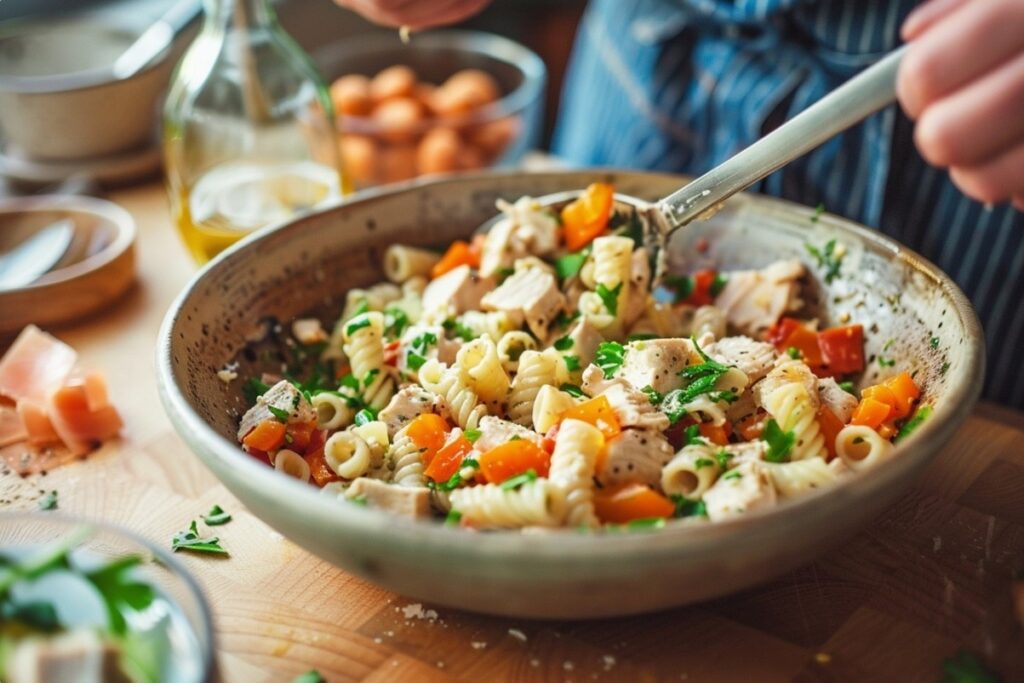
How to Make a Creamy Dressing for Pasta Salad

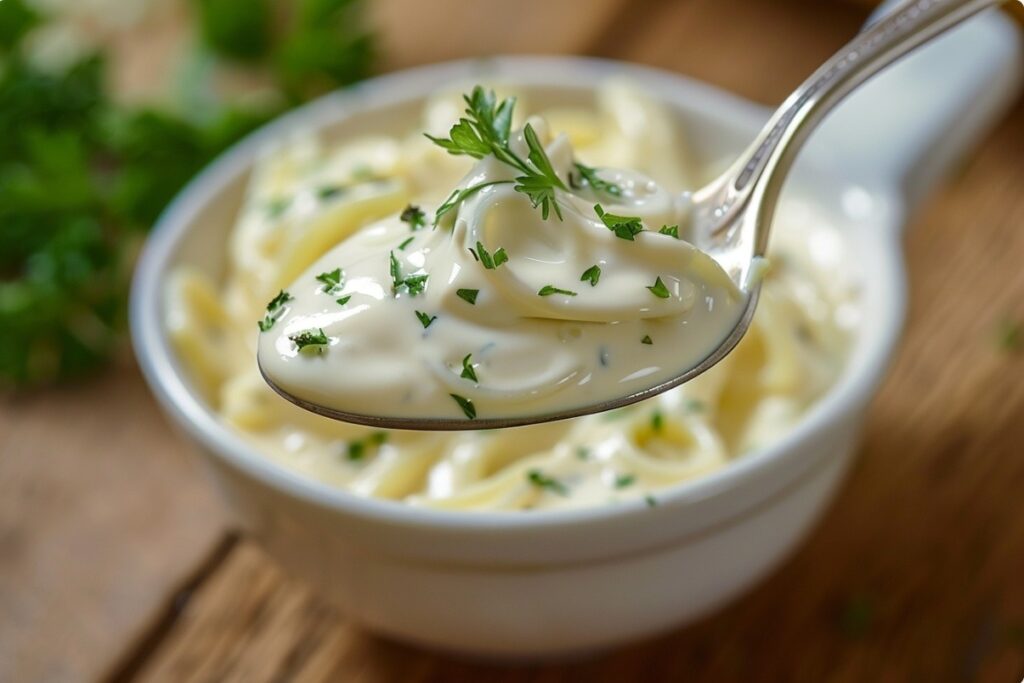
Pasta salad is sneaky. While it’s still a little warm, everything looks perfect: the pasta’s glossy, the veggies are crisp, it smells great. Then you pop the bowl in the fridge “for an hour,” pull it out—and it’s a whole different situation: the pasta is dry, the dressing has basically vanished, and there’s a weird watery puddle on top.
I’ve seen this hundreds of times—on home kitchens and in big ones. The issue is almost always the same: someone makes a creamy sauce “like for sandwiches” or “like for potatoes,” but pasta plays by its own rules. It keeps absorbing moisture, chilling changes the thickness, and the acidity from pickles or tomatoes can thin everything out right at the end.
The good news: a creamy dressing for pasta salad isn’t magic and it’s not a “secret recipe.” It’s a handful of simple principles: the right base, control the thickness, balance acid and salt, and one small trick about when to mix everything together.
I love these dressings because they save time. Once you understand the logic, you can throw pasta salad together on autopilot—without that nagging fear it’ll turn into a dry, sad bowl of noodles.
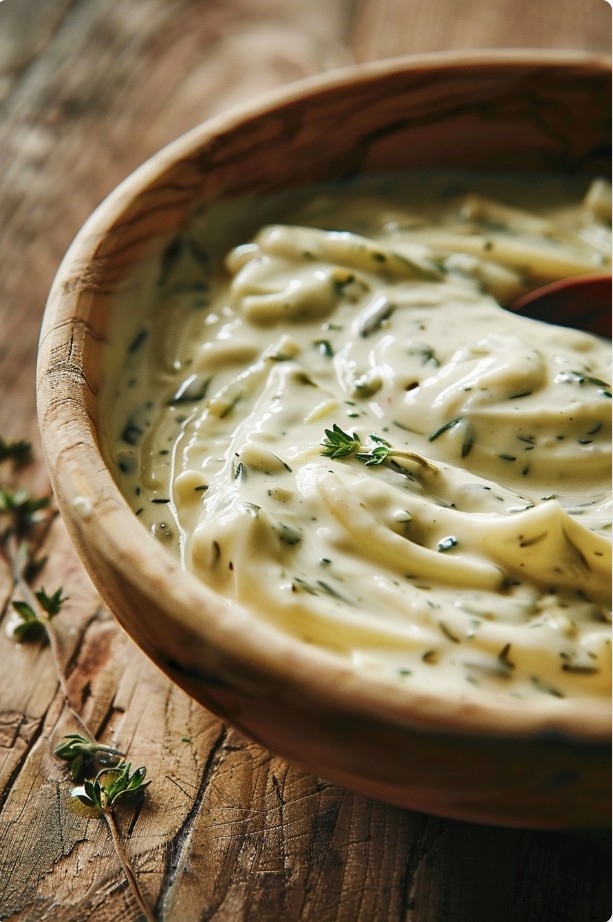
Why creamy dressing behaves differently in pasta salad than in hot dishes
When people say “creamy sauce,” they often picture something like a pasta sauce: hot, silky, rich. But pasta salad is a cold situation, and different mechanics kick in.
First: pasta is a sponge. Even after it cools, it keeps pulling moisture from whatever’s around it. At home it looks like this: you make a perfect dressing, toss it—beautiful. Twenty minutes later the dressing has been “soaked up,” and the salad feels thick and a bit dry. That’s not the dressing failing; that’s starch doing what starch does.
Second: cold makes fat firmer. Mayo, sour cream, yogurt, cream cheese—everything thickens in the fridge. A dressing that seemed loose in the bowl can turn into a dense mass after chilling. And then the salad isn’t “creamy,” it’s just heavy.
Third: moisture from add-ins causes separation. Cucumber, tomatoes, canned corn, even ham or chicken—everything gives off a little liquid. When that liquid meets a fatty emulsion (mayo-based or cheese-based), the dressing can “split”: water on top, richer part underneath. The look is off, and the texture is off.
Someone once brought me a pasta salad “for tomorrow” to taste. Yesterday it was great; today it looked like two different dishes: dry pasta and a puddle. We didn’t remake anything—we just added the right buffer to the dressing and changed the timing of mixing. The difference was night and day.
How it should be vs. how people usually do it
How it should be: the dressing clings to the pasta in a thin, even layer. It doesn’t run, but it also doesn’t “cement” everything together. After the fridge, the salad stays juicy—not glued.
How people often do it: they make a thick mayo-heavy dressing, add lots of acidic/watery ingredients, mix everything right away, and chill. A few hours later it’s dry, separated, or just mushy.
Shortcut: for pasta salad, the dressing almost always needs to be half a step looser than what feels “right” at the moment you toss it. The pasta will tighten it up.
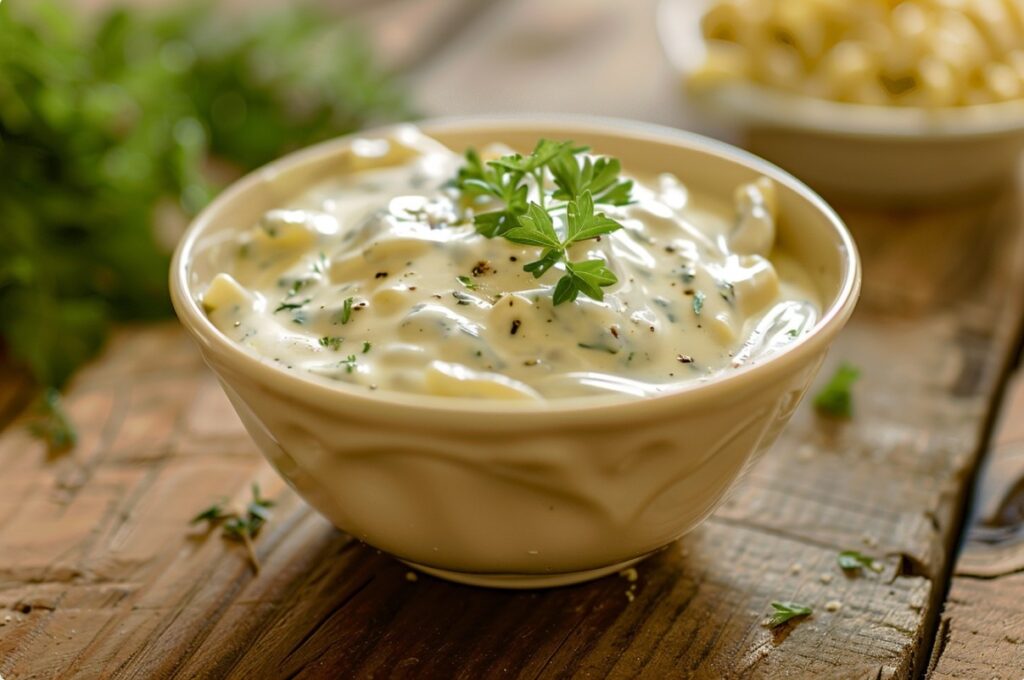
What a creamy dressing is made of: base, acid, saltiness, and “body”
I like to think of creamy dressing as a four-part build. Not a strict recipe—a system. That way you can make it from whatever’s in your fridge and it still works.
1) The base — where the creaminess comes from
The base is what gives you that “smooth, thick, coating” feel. At home, it’s usually one of these:
- mayonnaise (stable and holds texture well, but can feel heavy);
- sour cream (nice tang, but it thins more easily when moisture shows up);
- thick yogurt (fresh taste, but needs support so it doesn’t “run”);
- cream cheese (adds “body” and helps the dressing survive the fridge).
I often use a blended base: something richer for stability + something lighter for freshness. That way it doesn’t turn into a “mayo wall,” but it also won’t split the second a cucumber hits the bowl.
2) Acid — what makes the flavor pop
Without acid, creamy dressing tastes flat. But acid is also a risk: too much (or added at the wrong moment) can thin the emulsion.
At home, the acidity often comes not from vinegar or lemon, but from add-ins: pickles, capers, fermented veggies, even mustard. I like to add acid in small steps and taste as I go. The dressing should be a touch brighter than you want in the finished salad—pasta “eats” acidity the same way it eats salt.
3) Saltiness and umami — so the salad doesn’t taste bland
Creamy dressings love to hide salt. You swear you seasoned it, and somehow it still tastes dull. The reason is simple: fat mutes saltiness, and cold mutes flavor even more. So for pasta salad, you almost always need to season a bit more boldly than you would for something hot.
Quick story: I once made pasta salad for a big group and we tasted the dressing straight off the spoon—perfect. Tossed it with pasta, chilled it, served it… and everyone reached for the salt shaker. Since then, I always taste the dressing with a couple spoonfuls of pasta, not on its own. Totally different truth.
4) “Body” (a stabilizer) — so the dressing doesn’t disappear or separate
This is the key to a creamy dressing that survives the fridge. “Body” is the component that:
- holds onto moisture;
- adds thickness without that gluey, paste-like feel;
- helps the dressing cling to the pasta.
In a home kitchen, “body” often comes from cream cheese, a bit of finely grated hard cheese, a spoonful of mustard, or even the little bit of starch already on the pasta (as long as you didn’t rinse it until it squeaks).
Shortcut: if the dressing feels “watery,” don’t automatically add more mayo. Often it’s better to add a little something that gives “body” (like cream cheese)—it stabilizes instead of just making it fattier.
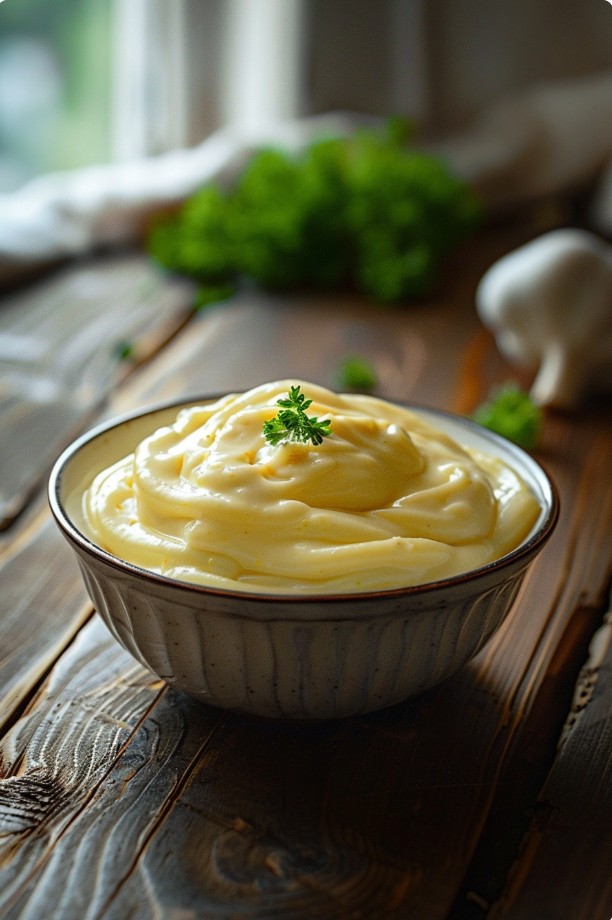
Emulsion mechanics: why dressing “breaks” and how to prevent it
Creamy salad dressings are almost always built on an emulsion—fat and water blended so they don’t separate into layers. Mayo is the classic stable emulsion. But once you start adding watery, acidic ingredients, the balance can shift.
What most often breaks a creamy dressing
- Sharp acid (a big splash of vinegar/lemon all at once) — the emulsion gets thinner, sometimes a little grainy.
- Water from vegetables — especially cucumbers and tomatoes. You didn’t “add liquid,” but the dressing thins anyway.
- Temperature shock — mixing a very cold base with warm pasta (or the other way around). The dressing can seize into little lumps or go runny.
- Overmixing — yes, it happens. If you stir aggressively for too long, especially with delicate add-ins, the dressing can turn slick and the salad can feel heavy.
How I keep the emulsion stable at home
I do two things that seem small, but they genuinely change the result.
1) I combine “watery” with “watery,” and “fatty” with “fatty.” If I’m using yogurt (more watery) and mayo (more fatty), I first make a smooth base, then add acid, mustard, spices. But pickle brine or lemon juice? I add it drop by drop, stirring and tasting.
2) I let the dressing sit for 5–10 minutes. This is my favorite non-obvious step. While you chop add-ins or cool the pasta, the dressing settles: salt dissolves, mustard blooms, and the consistency becomes clearer. Often after 10 minutes it’s already thicker—and nothing needs “saving.”
Shortcut: if you’re adding something acidic (lemon, vinegar, brine), do it at the very end and in small amounts. Acid is like volume—easy to turn up, almost impossible to turn down.
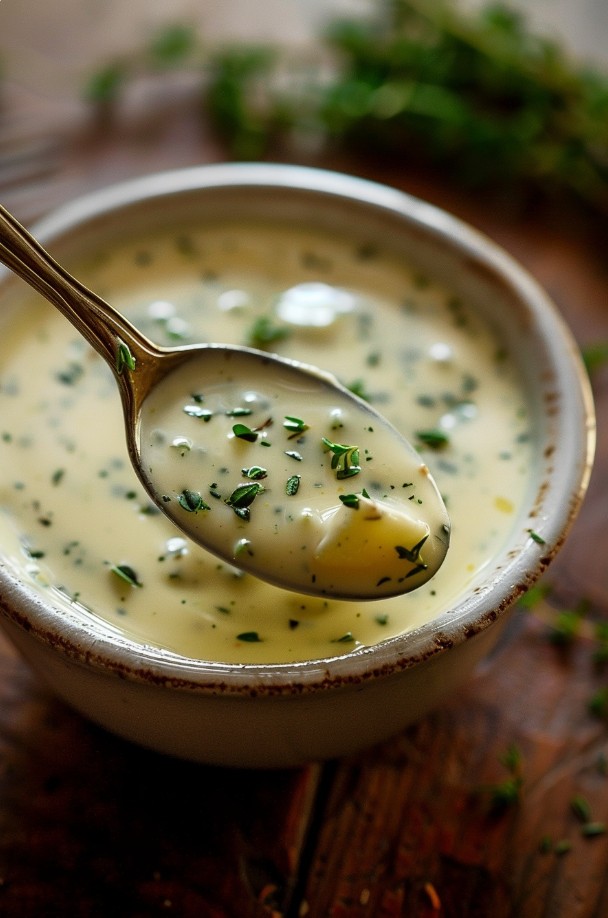
Texture and thickness: how to make dressing cling to pasta instead of sliding off
A creamy dressing for pasta salad has one job: coat every piece of pasta in a thin, even layer. Not a puddle at the bottom of the bowl, not dry patches—an actual coating.
I describe the “right” dressing like this: you drag a spoon through the pasta and see a glossy trail, but the spoon isn’t swimming in liquid. You can even hear it—no sloshing, just a soft, creamy rustle.
Why the “perfect” thickness isn’t one number
Thickness depends on three things:
- Pasta shape: spirals and elbows hold dressing in their grooves; smooth tubes or bowties can shed it faster.
- How cool the pasta is: warm pasta loosens the dressing at first; cold pasta shows you the truth immediately.
- How many “wet” add-ins you’re using: the more fresh/pickled vegetables, the higher the chance it’ll turn runny an hour later.
I don’t love rinsing pasta until it squeaks if it’s going into a creamy pasta salad. A little starch on the surface is a natural thickener and helps the dressing cling. Just don’t confuse that with sticky, clumped pasta—no need to go overboard.
Three fast ways to adjust thickness without panicking
- Too thick: add a little neutral liquid in small splashes (water, or a dairy component that’s already in your base). Stir and let it sit for 2 minutes—thickness often evens out with a delay.
- Too thin: add something that gives “body” (cream cheese/thick yogurt/a bit of grated cheese). Don’t dump in extra spices hoping they’ll “absorb” liquid—it almost never looks or tastes right.
- Fine now, but you’re worried it’ll dry out: hold back 10–15% of the dressing and add it right before serving. This is my go-to move for “tomorrow” pasta salad.
Shortcut: if the salad is for tomorrow, don’t chase “perfect” on day one. Make it a little juicier, but save some dressing for the finish—day two will taste freshly made.
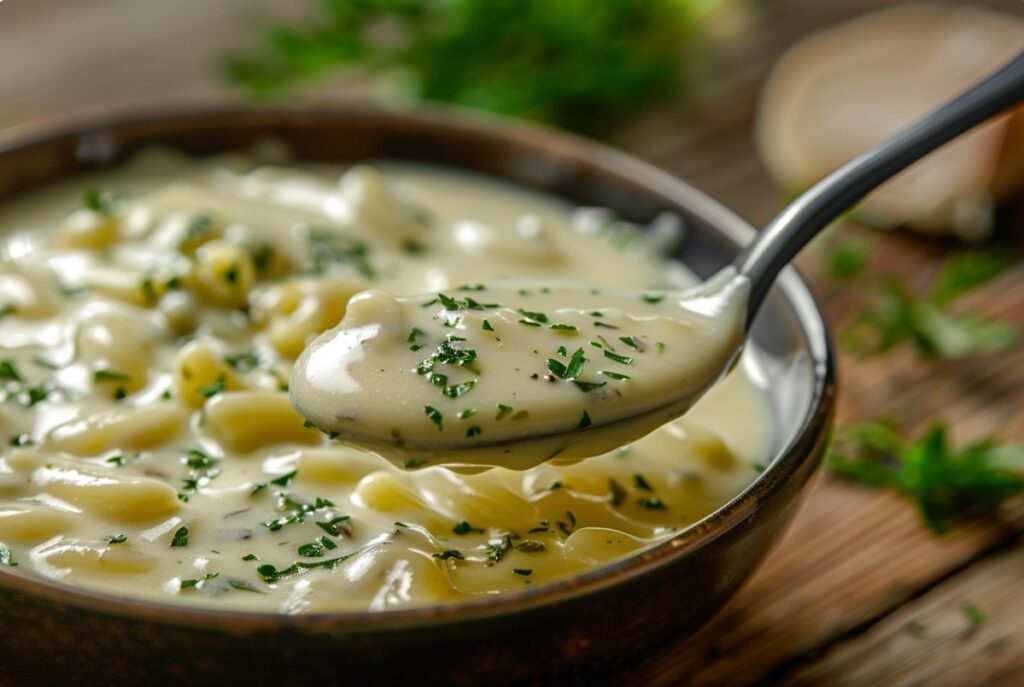
Flavor balance: how to make it taste like a salad dressing, not just mayo
A creamy dressing can be technically perfect and still boring. Pasta salad is often eaten in big portions, and if the dressing is heavy or one-note, you get tired of it fast.
I aim for three sensations: freshness, depth, and a gentle bite. Not necessarily spicy-hot—sometimes it’s just mustard or black pepper that lifts everything up.
What adds freshness
Freshness isn’t only lemon. It can be herbs, zest, a little garlic (carefully), a pinch of ground pepper. I like a dressing that smells alive when you open the container—not like “fridge.”
Small confession: I went through a phase of adding garlic to everything. In pasta salad it backfired—overnight the dressing got sharper and the smell got pushy. Now I either use just a tiny bit, or I go with a gentler option (like granulated garlic) if the salad will sit for a while.
What adds depth
Depth is what keeps the flavor from feeling flat. It comes from:
- mustard (not for heat, but for character);
- a little grated cheese (works as “body” and flavor);
- smoky notes from add-ins (more about the salad than the dressing).
One more thing: spices bloom more slowly in cold dressings. So I often season, stir, wait 10 minutes, then taste again. What seemed under-peppered suddenly lands exactly right.
Where the salt goes after the fridge
Chilling dulls flavor. So if you’re making the dressing “for now,” salt to a comfortable level. If it’s “for later,” salt to “a touch bolder, but not salty.” And always taste it with pasta, not off a spoon.
Shortcut: taste the dressing at two temperatures. Room temp and cold are basically two different dressings. If you have time, chill a teaspoon of dressing for 5 minutes and taste it.
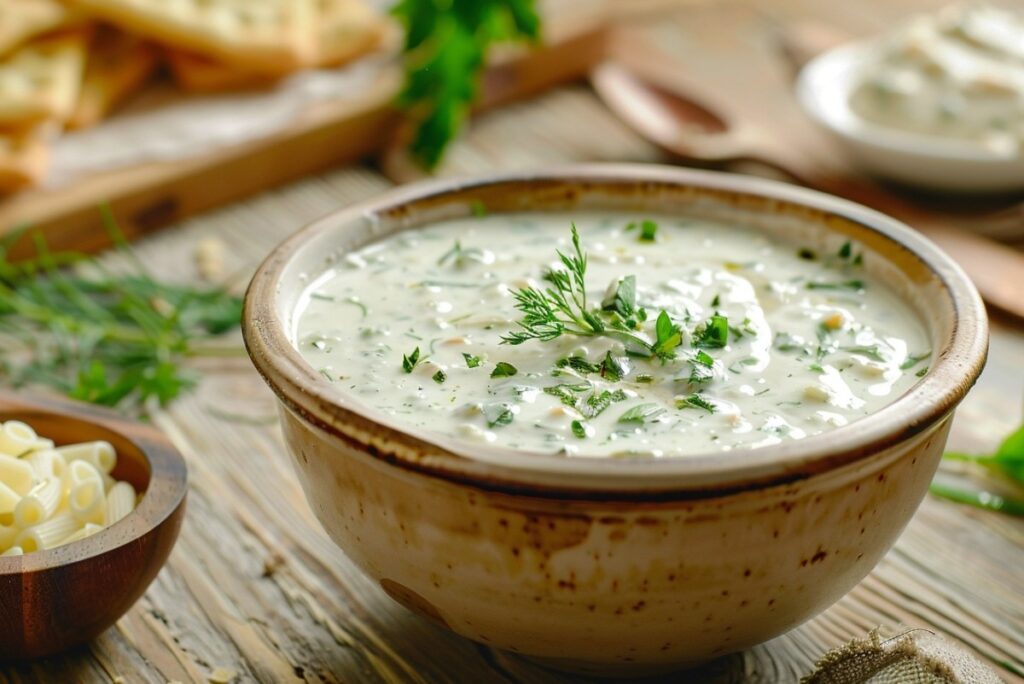
Common mistakes that make dressing heavy, watery, or “sticky”
Here are the mistakes I see most often. Not to scare you—more so you can recognize what’s happening and know what to adjust.
Mistake 1: making the dressing “like a dip”
A dip needs to be thick enough to cling to a chip. Pasta salad dressing should be more fluid, because the pasta will absorb some moisture. Start too thick and you’ll get a dry salad an hour later.
Mistake 2: tossing warm pasta with dressing and immediately refrigerating
Heat thins the dressing, the pasta absorbs aggressively, and then the fridge thickens everything back up. The result is confusing: it feels like there was plenty of dressing, then suddenly there isn’t—and the texture is odd.
My rule: the pasta should be at least warm-to-room-temp, not hot. And the dressing shouldn’t be ice-cold either. When the temperatures are close, the behavior is predictable.
Mistake 3: adding acid at the end “by eye”
One extra splash of vinegar and the dressing gets thinner, sharper, and sometimes even slightly curdles (especially with a dairy base). Add acid only in small amounts.
Mistake 4: not accounting for water from vegetables
Cucumber, tomatoes, even cooked vegetables—everything releases liquid. If you want stability, either remove excess moisture (drain, pat dry) or make the base more resilient (add “body”).
Mistake 5: salting “like you always do”
In a cold, fatty dressing, salt reads weaker. If you’re afraid of oversalting, you often end up bland. The fix is tasting with pasta and remembering the fridge effect.
Shortcut: if you’re nervous about oversalting, don’t drop the salt to near-zero—split the dressing in two. Season one part to taste, keep the other more neutral, then blend them to balance.
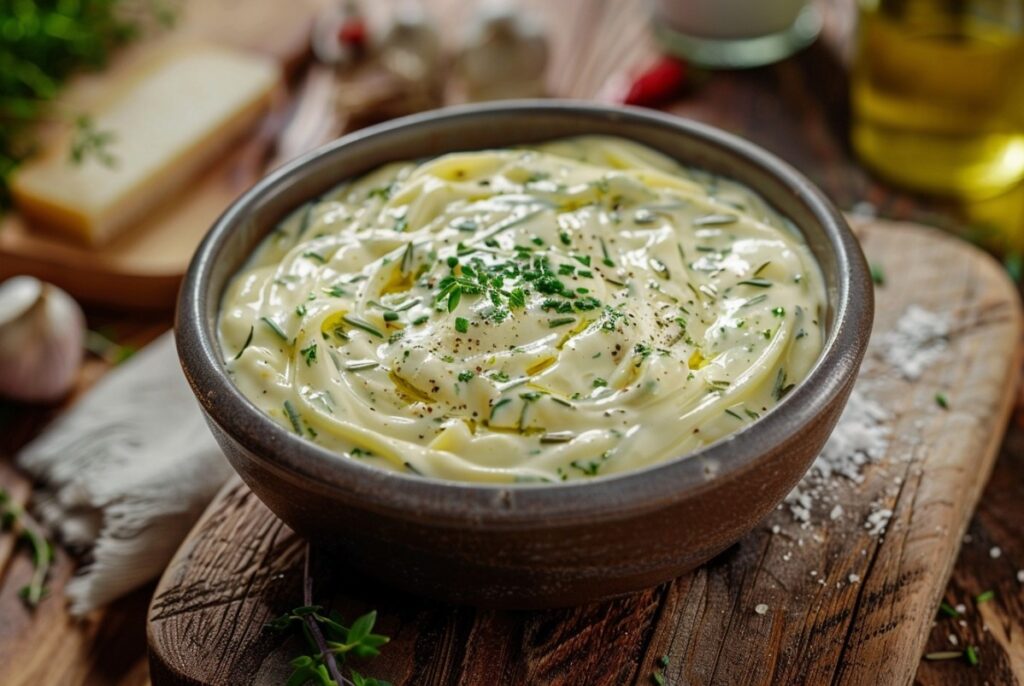
If something goes wrong: 6 scenarios and quick fixes
I like having a Plan B in the kitchen. Dressing is a living thing: today the sour cream is thicker, tomorrow the cucumbers are juicier, the next day the pasta is a little overcooked. Here’s how I fix things without drama.
1) The dressing is too thick and “cements” the salad
Don’t pour in a lot of liquid at once. Add it teaspoon by teaspoon, stir, then let it sit for 2 minutes. Thickness often adjusts with a delay. If it’s mayo-based, thin it with something that won’t wreck the flavor (a neutral liquid or a dairy component already in the base). If it’s cream-cheese-based, sometimes a thorough stir is enough to make it more pliable.
2) The dressing is runny and pools at the bottom
I go two ways: either add “body” (cream cheese/thick yogurt), or chill the dressing for 10 minutes and see what it does. Sometimes it’s just warm and that’s why it seems thin. If it’s still watery after chilling, then I reinforce the base.
3) The dressing separated: water on top, richer layer underneath
First: don’t panic and don’t dump the water right away. Often a vigorous stir fixes it, then a small spoonful of a binder (cream cheese or a bit of mustard) brings it back together. If the culprit is super-juicy vegetables, next time drain/pat them dry or add them closer to serving.
4) The dressing is too acidic
Acid is hard to remove, but you can balance it. I add a bit more rich/creamy base and sometimes a pinch of salt. I don’t automatically reach for sugar—it can make the flavor weird. If it’s really sharp, it’s better to increase the total volume with a neutral, non-acidic portion of the base.
5) The dressing tastes bland even though you salted
Check the temperature: cold steals flavor. Let a spoonful warm up in your mouth before judging. If it’s truly bland, add salt in small increments and taste with pasta. Often what’s missing isn’t salt but acid or pepper, which adds dimension.
6) After overnight, the salad is dry
Classic. This is where my favorite move works: add a little fresh dressing (which is why I like holding back 10–15% from the start). If you didn’t save any, make a small batch of the base and gently work it into the salad. Don’t try to revive it with water—it turns slippery and bland.
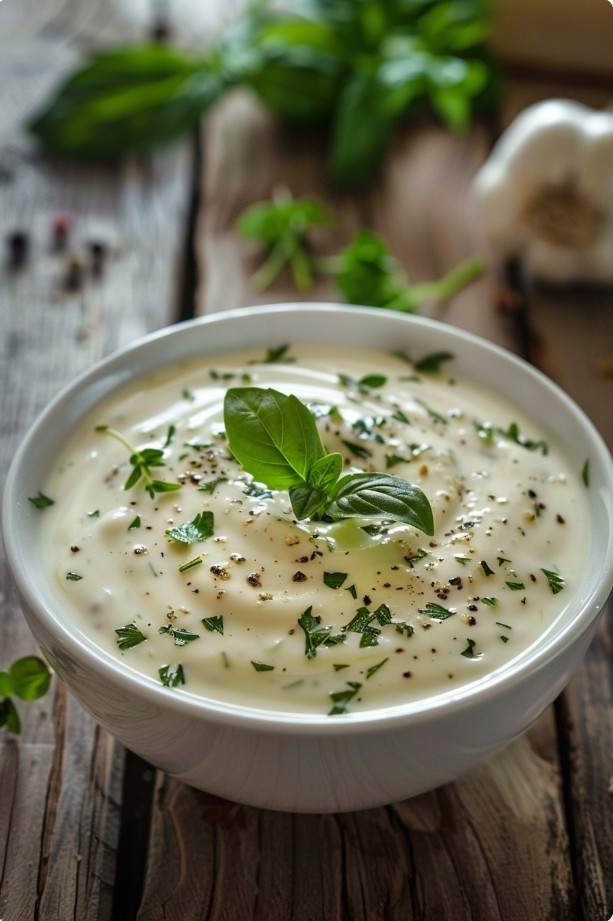
Kitchen shortcuts: save time and still get a creamy result
Here’s what genuinely makes life easier. Not “chef secrets”—just practical habits that work in a normal kitchen.
Shortcut 1: make the dressing in a jar
If the dressing isn’t super thick, I like mixing it in a jar with a lid: add everything, close, shake. Less cleanup, less time. And you can store that 10–15% “for tomorrow” right in the same jar.
Shortcut 2: keep “juicy” and “creamy” separate until the end
If you know the salad will sit, keep some of the juicy add-ins separate and fold them in closer to serving. It’s not about right or wrong—it’s about control. That way you’re not fighting the water that vegetables will inevitably release.
Shortcut 3: save a little extra dressing
I’ve said it already, but it’s worth repeating as a rule: save a bit of dressing separately. It’s the easiest way to make the salad taste “just made” the next day, without reworking the whole thing.
Shortcut 4: taste with a “test bite,” not a spoon
Two spoonfuls of pasta in a small bowl + a teaspoon of dressing. Stir, taste. It takes 30 seconds and can save the entire dish. Dressing can taste perfect on its own and still fall flat once it hits pasta.
Shortcut 5: control temperature, not minutes
People ask, “How long should I cool it?” I don’t go by time—I go by feel: the pasta shouldn’t feel hot to the touch. If you toss dressing with steaming pasta, you’re basically gambling with the final texture.
One last quick story: I once threw together a salad for a picnic in a hurry and mixed everything while it was still almost hot. At home it looked great; outdoors it turned into a dense mass I had to break up with a spoon. Since then, I’d rather spend 10 minutes cooling than explain why the salad is “not quite right.”
Creamy dressing for pasta salad isn’t about complexity. It’s about understanding how pasta drinks moisture, how cold changes thickness, and how vegetable water can wreck an emulsion. Once you feel that, you can make a stable, delicious dressing from whatever you’ve got on hand.
Do you usually make pasta salad “for now” or “for tomorrow”? And what tends to go wrong for you—dryness, watery separation, or the flavor?
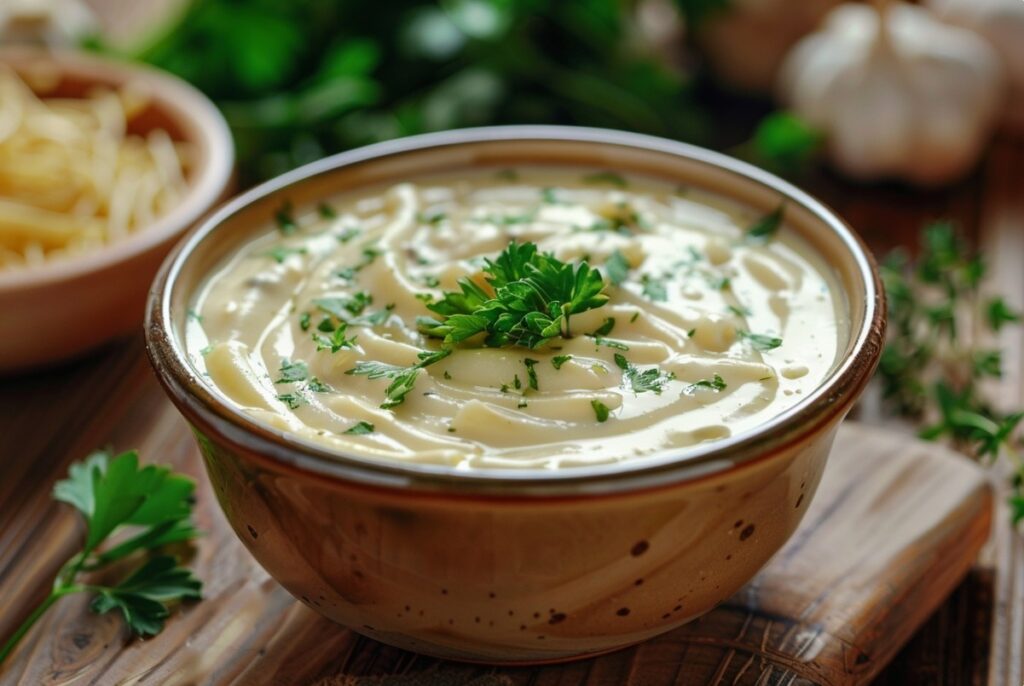
If you like trying different pasta salad recipes, it’s worth experimenting with dressings and mix-ins.
Questions & answers
What’s the best base for a creamy dressing?
Most often, people use mayonnaise, sour cream, or thick yogurt.
Can I make a lighter creamy dressing?
Yes. Swap part of the mayonnaise for Greek yogurt.
How can I make the dressing more flavorful?
Add mustard, lemon juice, garlic, or fresh herbs.
Is this dressing suitable for a cold salad?
Yes—creamy dressings are most commonly used for cold pasta salads.
How much dressing do I need for pasta salad?
Roughly ½–¾ cup of dressing per 400–500 g cooked pasta.
Can I make the dressing ahead of time?
Yes. Store it in the fridge for up to 2–3 days.
How do I make the dressing thicker?
Add a bit more mayonnaise or thick yogurt.
Can I add cheese to the dressing?
Yes. Grated Parmesan or another hard cheese boosts the flavor of a creamy dressing.