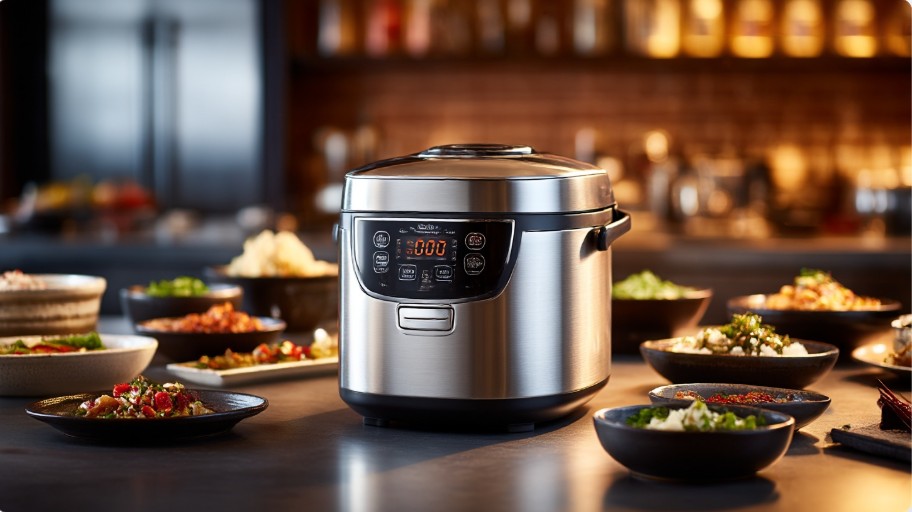
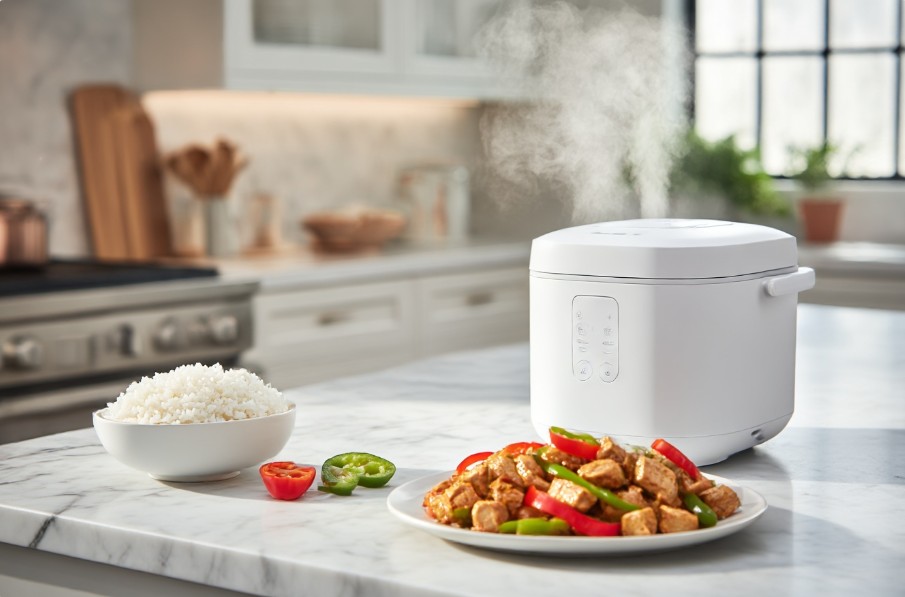
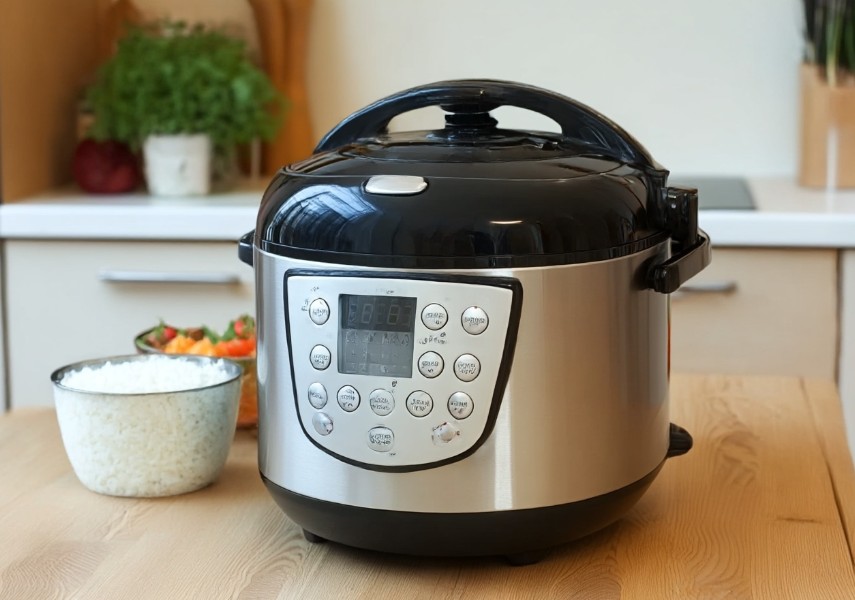
Everyone has things in their kitchen that once seemed essential but eventually ended up on a distant shelf. The multicooker is one of those items that people still debate about. Some consider it almost a magic wand, while others see it as just another dust collector. Honestly, I’ve been through this cycle myself: from excitement to disappointment, and eventually to a calm understanding of what it can and cannot do. There are things that the multicooker simplifies to the point of banality. But there are also times when its place is in the cupboard. Let’s calmly figure it out, without unnecessary pomp, advertising tales, or categorical conclusions. I’ll share how the multicooker affects everyday life, what to expect from it, and what not to expect at all.
Why People Actually Buy a Multicooker
Honestly, most people buy a multicooker not out of love for technology, but out of exhaustion. Constant lack of time, endless running around, a pile of tasks. You want lunch to cook itself without monitoring every step. Some have small children, some work from home, some are just tired of standing by the stove. The multicooker solves the attention problem: it doesn’t buzz, doesn’t burn, doesn’t require you to stand by. You put in the ingredients, press a button, and go about your business.
It especially helps when you need to prepare porridge or soup for the morning, and you have no energy left. I used to set the multicooker on a delayed start and wake up to the smell of fresh oatmeal. It feels like someone has your back. For families with babies, it’s a lifesaver when everything needs to be quick, clean, and without unnecessary manipulations. And honestly, for many, the multicooker is a way to avoid making a mess. One pot, one lid, and usually, one wash cycle.
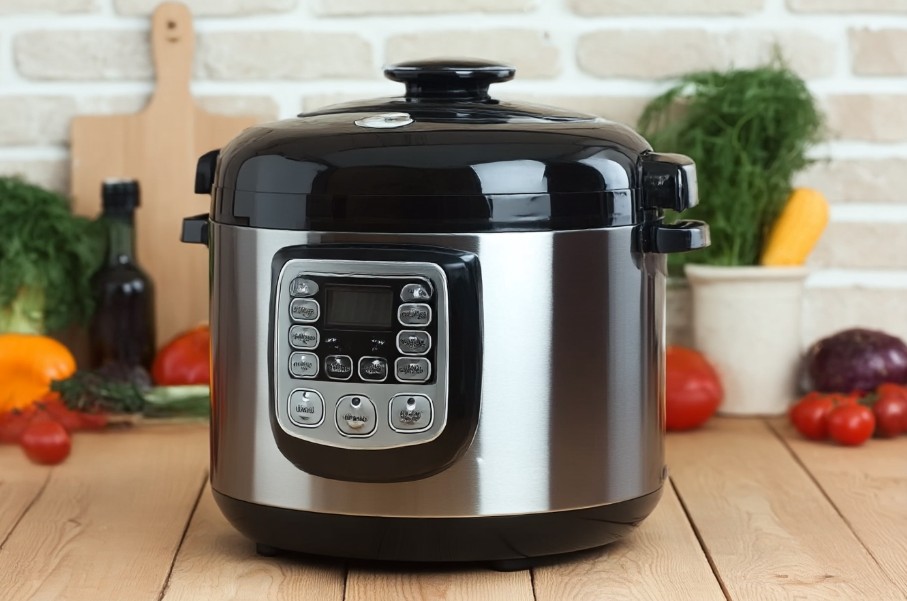
The multicooker is not a magic box
What a Multicooker Can and Cannot Do
The multicooker is not a magic box. It won’t completely replace the stove, no matter how much you want it to. It’s great for grains, stewed vegetables, simple soups, and steamed dishes. Some things, like pilaf or yogurt, actually turn out better than on the stove because the temperature stays consistent, nothing burns or boils over. It’s truly well-suited for anything that loves slow cooking.
But honestly, frying in it is not very satisfying. The “frying mode” is a compromise. Meat, for example, will never come out with a crispy crust like on a pan. Also, some dishes that require open flame, quick reactions, or delicate temperature work either won’t turn out or will require so many tricks that it’s easier to use a traditional stove. Another thing: the multicooker can’t caramelize or give that roasted crust aroma you crave after a hard day. It creates a warm, moist atmosphere, which is great for stewing but not for everything.
When the Multicooker Saves the Day
For example, when you need to feed the family different foods and have no time at all. You can throw vegetables for steaming for the child, rice with meat for yourself, and something dietary for the older generation. And all this at the same time, without watching each dish.
Tip: if you’re cooking meat in the multicooker, cut it a bit smaller than for the pan so it has time to stew and doesn’t remain raw inside.
Where the Multicooker Falls Short
I tried cooking potato pancakes in the multicooker a few times — the result was like boiled pancakes. Fried in it isn’t really fried, baked isn’t quite baked, and baking is for true enthusiasts. So, if you have a favorite pan, don’t rush to throw it away.
How to Choose a Multicooker: What to Watch Out For
Choosing a multicooker is a whole quest. Store shelves are filled with models boasting dozens of modes, lots of buttons, and shiny programs. But most people use three to five functions. From my own experience, I realized: the simpler the model, the less likely it is to break. Extra electronics mean extra headaches. Check that the bowl is easy to wash (it’s a separate pain when everything sticks to it or it’s hard to clean from grease). It’s better if the bowl has a non-stick coating and is easily removable. Otherwise, each wash is like a separate dish.
Another point is size. A too-small multicooker won’t save you if you have a family of three or four. Too large will take up half the kitchen and force you to cook “for two families.” The optimal volume for most families is 4-5 liters. Don’t chase after a hundred programs. Ask yourself honestly: what do you actually cook during the week? Is there anything among these dishes that truly requires a multicooker?
Tip: don’t fall for talks about “universality.” Only a knife can be universal — everything else is either for something specific or a compromise.
Common Mistakes When Choosing
Buying the most expensive model, thinking it’s automatically better
Choosing a multicooker just because of the number of programs
Ignoring the size and convenience of the bowl for washing
Not checking if there’s a service center in your city
I know people who, after the first burnt porridge, started blaming the multicooker for all sins. It turned out they just didn’t read the instructions and didn’t wash the bowl after previous use. Small details make a big difference.
The Place of a Multicooker in a Modern Kitchen
The kitchen is always a compromise between space and convenience. A multicooker can take up a significant corner on the table, and if you cook rarely, it quickly turns into a storage for lids. I’ve often seen multicookers being moved around to free up space for other tasks. In small kitchens, it can be a hindrance, so it’s important to honestly ask yourself: will you use it regularly? Or will it become another appliance that just sits there for years?
I had a period when the multicooker was in a prominent place and worked almost daily: porridge for the kids, stews for the adults, pilaf on weekends. But over time, as the kids grew up and there was more time for cooking, it gradually went into the cupboard. Now I take it out when I need to make something automatically — like boiling peas or making jelly that I don’t want to monitor for hours.
Tip: if space is limited, store the multicooker in the cupboard, but don’t hide it so far that you’re too lazy to take it out. Often, this is why it gathers dust.
Cleaning and Maintenance: What to Pay Attention To
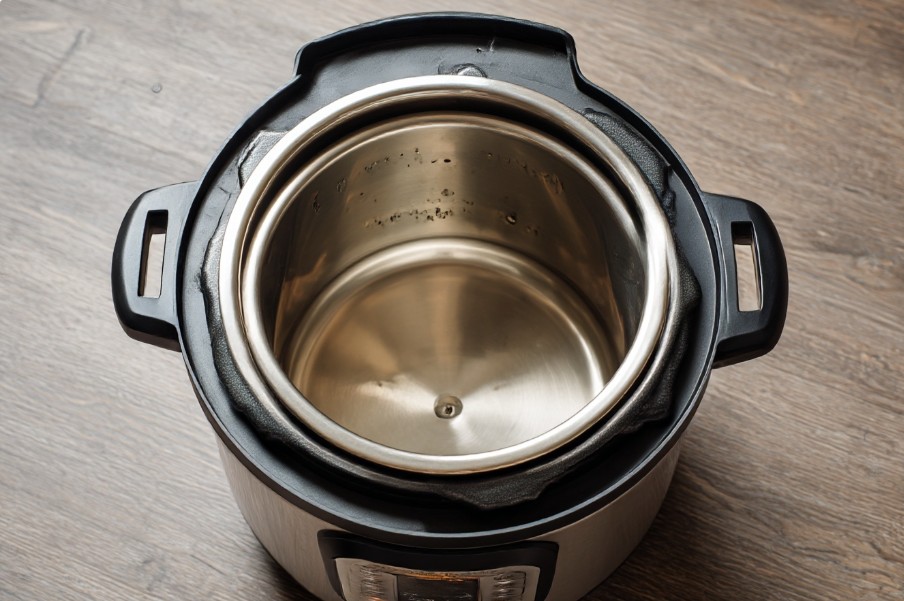
An important point often forgotten at the purchase stage is how to clean it. The multicooker bowl can be non-stick or metal. Non-stick is convenient but wears out over time, especially if washed with abrasive sponges or metal spoons. Metal is durable, but everything sticks more. There’s no perfect option; you just have to accept this compromise.
The lid is another detail that can either clean in seconds or become a zone of eternal grease. In some models, it is completely removable — this is a huge plus. If the lid is non-removable, it’s inconvenient to clean, and odors can linger. Most people stop using the multicooker regularly because of this: it’s convenient when cooking, but then you spend a long time cleaning it.
Tip: immediately after cooking, fill the bowl with a little warm water and a drop of dishwashing liquid — this way, food residues will soak, and everything will come off easily later.
Cleaning and maintenance of the multicooker
Multicooker Maintenance: Simple Rules
Do not use metal spoons for stirring
Wash the bowl immediately after cooking
Check the seals on the lid — they age over time
Do not leave food residues in the multicooker — odors seep into the plastic
I once had to clean the multicooker after a “rest” at the cottage. The smell of leftover soup was so strong that I had to soak the bowl for a day with citric acid. It’s an unnecessary hassle that can be avoided with simple actions after each use.
What Can Replace a Multicooker and Is It Worth It
Not everyone needs a multicooker. If you have a good pot with a thick bottom, a pan, and a steamer, most tasks can be done without a multicooker. A regular pot on the stove is a universal thing for boiling, stewing, even for making porridge. A steamer or a rack for steaming will help make dietary dishes. And if you have an oven with a convection mode, you can bake, stew, and even make yogurt.
But there’s a nuance: the multicooker gives a sense of peace. You can leave it unattended. With a pot, you can’t do that: pasta will boil over, milk will burn, porridge will dry out. Here, the multicooker really wins. If that’s not critical for you, you can easily do without it.
Tip: if you’re unsure whether you need a multicooker, try borrowing one from friends or family for a week. In that time, you’ll see if it becomes a helper or an extra item.
Microstory: How I Realized I Can Do Without a Multicooker
A few years ago, I lent my multicooker to friends during a kitchen renovation. It turned out that without it, I cooked slower, but the quality of the dishes didn’t change. I just had to be more attentive. But after getting the multicooker back, I started making porridge on a delayed start again. It’s about convenience, not taste.
What can replace a multicooker
Multicooker Longevity: What to Expect
Most modern multicookers last 3-5 years with regular use. The main component that wears out is the non-stick coating of the bowl. Once it deteriorates, food starts to burn, cleaning becomes difficult, and the taste of dishes changes for the worse. In some models, you can buy a new bowl, but it’s not always cheap or convenient. The lid with seals also loses its tightness over time, and the multicooker starts to “hiss” more than it should.
Another thing is electronics. If the multicooker is complex, with lots of programs and touch buttons, the chance of malfunction increases. In simpler models, everything is more reliable. I’ve seen multicookers that survived several moves and cottage seasons, and there were those that broke after a year. It’s always a lottery, but simpler is often more reliable.
Tip: don’t forget to check the condition of the rubber seals and contacts once a year — it’s a small thing that extends the life of the appliance.
Common Mistakes in Using a Multicooker
Even the most expensive multicooker won’t save you from simple mistakes. Here are a few things that happen most often and that I’ve had to fix more than once:
Overfilling the bowl — liquid overflows, and the valve gets clogged
Forgetting to wash the lid or seals — odors appear
Placing the multicooker under hanging cabinets — steam damages the furniture
Cooking dishes not suitable for the multicooker (e.g., crispy fried dishes)
Not letting the multicooker cool before washing — the coating gets damaged
I’ve caught myself a few times forgetting to wipe the lid after porridge in a hurry. After a week, a slight “aroma” appeared, and I had to clean everything thoroughly. Small laziness — big consequences.
Life Hacks for Comfortable Multicooker Use
From experience, I’ll say: the multicooker loves simplicity. No need to complicate things. Here are a few things that made my life easier:
Use the multicooker for cooking grains and legumes — it’s its element
Place a tray or towel under the multicooker if cooking liquid dishes — avoid stains on the table
Open the lid carefully to avoid steam burns
Always leave space in the bowl for liquid expansion — otherwise, it will overflow
Don’t be afraid to experiment, but don’t expect miracles from complex dishes
Tip: for aromatic dishes, add spices and herbs at the very end — the multicooker “absorbs” aromas during long stewing.
Another personal trick: if you need to cook something quickly, use boiling water instead of cold water — the multicooker starts faster and doesn’t waste time heating.
Microstory: How the Multicooker Saved the Day on a Business Trip
A chef I know took a small multicooker on business trips. In hotel rooms where there’s only a kettle, the multicooker replaced both the stove and the steamer. A simple soup, porridge for breakfast, even eggs steamed — all this is possible without extra hassle. That’s where it was truly indispensable.
Do You Need a Multicooker in 2026: Without Illusions
Every year, a lot of new kitchen appliances appear. But the multicooker remains in the same place it was. Its main advantage is peace and automation. If you value the ability to let go of control and go about your business while the food cooks, you need it. If you love cooking, playing with flavors, trying new things, the multicooker won’t become the foundation of your kitchen, but it can be a pleasant support for simple dishes.
Don’t expect miracles from it. It won’t replace the stove, solve all problems, or make you a chef. But it really simplifies life where simplicity is needed. Its greatest value is in routine: cooking porridge, making soup, preparing pilaf, doing something steamed. No more, no less. The multicooker is like a good acquaintance: not always around, but sometimes very helpful. And that’s valuable too.
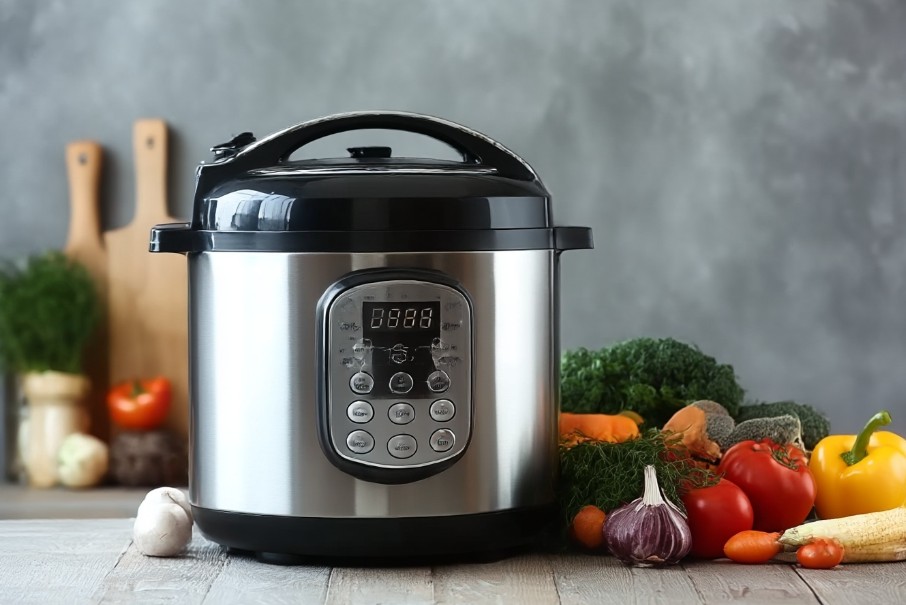
Do you need a multicooker
Most Popular Questions and Answers
The multicooker has remained one of the most discussed kitchen appliances for many years. Some consider it an indispensable helper, while others see it as an unnecessary gadget. We’ve gathered the most popular questions users often ask online and honest answers to them.
Does a multicooker really save time?
Yes, but not always. A multicooker significantly saves time on constant process control: you don’t need to stand by the stove, stir, or ensure the dish doesn’t burn. However, the cooking time for some dishes may be longer than on the stove.
Can you cook everything in a multicooker?
Almost everything, but with nuances. Soups, porridge, stews, pilaf, meat, baking, yogurt — the multicooker handles these well. But for quick frying, crispy crusts, or wok dishes, a pan or oven is better suited.
Do you need a multicooker if you have an oven and stove?
Depends on your lifestyle. If you often cook at home, have limited time, or don’t like monitoring the process, a multicooker will be useful. If you rarely cook or prefer classic methods, it might gather dust.
Is food from a multicooker really healthier?
Yes, in most cases. Thanks to its airtightness and stewing modes, products retain more nutrients. You can also cook with minimal oil or none at all.
Is a multicooker suitable for a small kitchen?
Yes, but it’s important to choose the right model. Compact multicookers can replace several appliances at once: a pot, steamer, rice cooker. But if the kitchen is very small, consider whether it will be used constantly.
Is it difficult to use a multicooker?
No, most models are intuitive. Modern multicookers have automatic programs, understandable buttons, and instructions. Even people without culinary experience quickly get used to them.
Does a multicooker justify its price?
Yes, if you actually use it. For families, busy people, students, or those who want to cook simple dishes without stress, a multicooker fully justifies the cost.
Who definitely doesn’t need a multicooker?
Those who hardly cook at home Those who love quick frying and complex techniques Those who already have a lot of kitchen appliances without free space
The multicooker is not mandatory but very convenient
The multicooker is not mandatory, but very convenient. It doesn’t replace the entire kitchen, but it can significantly simplify life, save time, and make home cooking regular and healthier.
And how about you? Has the multicooker become a permanent part of your kitchen, or does it collect dust on the shelf? Share your experiences in the comments — it’s interesting to read real-life stories.
Every December, I find myself thinking the same thing: there is no perfect time to prepare for Christmas. No matter how much you plan, something always goes wrong.
Please note:
This action will also remove this member from your connections and send a report to the site admin.
Please allow a few minutes for this process to complete.