Dried Fruits and Nuts: Why This Mix Works in Amosov’s Paste

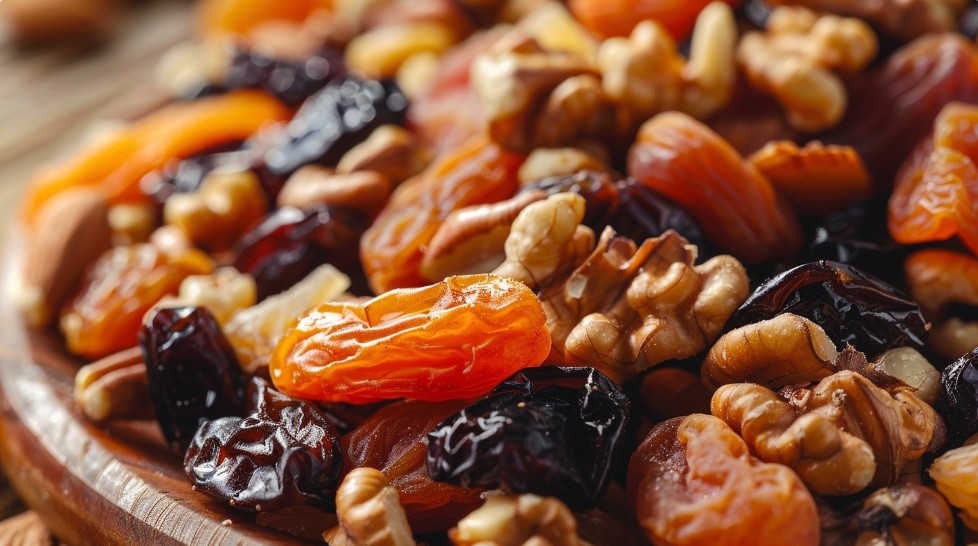
Standing by the market stall, I catch myself asking the same question again: which dried fruits should I take this time? Which nuts are truly fresh today? Not for some fancy dessert—just for myself, to make Amosov’s paste, which in my family has long become not a ritual but rather a household savior from hunger and apathy. There’s something profoundly right in this combination, even if you don’t delve into the praises of its benefits.
Too often we choose products on autopilot. We grab what’s closer, cheaper, more brightly packaged. And then at home—disappointment: the nuts are bitter, the dried apricots are rubbery, the raisins are sticky, and the whole mix somehow doesn’t please. I’ve learned over time: choose not in haste, but with feeling. Here, the smell will guide you, as will the color, and even the sound. Especially if you want everything in Amosov’s paste to work as it should—taste, texture, and even mood.
Dried fruits and nuts are not about “healthy” eating from the cover, but about simple things: how to fill an everyday snack with flavor, how not to waste money on bad products, how to preserve what you bought so it doesn’t spoil. Here, details decide everything. This article is about them. About how to choose without overpaying, how not to fall for fakes, how to store, and what to do if it’s already a bit late. And also—why this combination works so well in Amosov’s paste, from the perspective of live cuisine, not a laboratory.
How Dried Fruits and Nuts Work Together in Amosov’s Paste
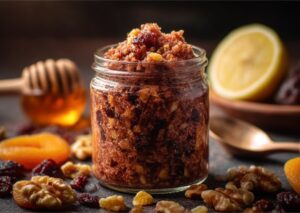
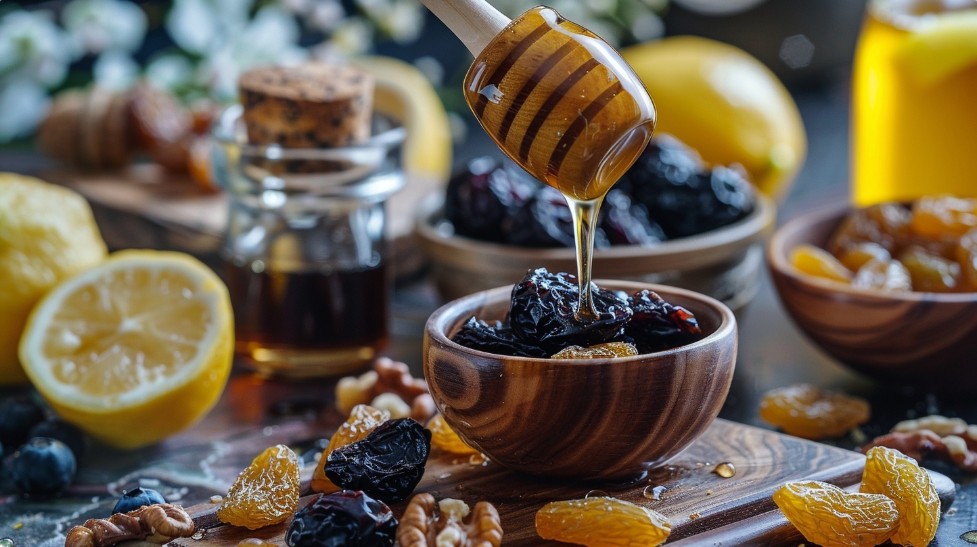
I’ve often had to explain to friends: why Amosov’s paste is not just a mix, but a holistic product. There are no unnecessary ingredients here, and each adds its own. Dried fruits provide sweetness, moisture, stickiness, while nuts offer crunch, satiety, and that very hint of “fatty” taste that changes the entire texture.
If someone offered me a paste made only of nuts—I wouldn’t agree. It quickly becomes boring, and it’s too “heavy” for the stomach. And if only of dried fruits—it becomes cloying and somehow too sticky. The secret is in the combination: nuts balance excessive sweetness, and dried fruits soften the dryness and heaviness of the nuts.
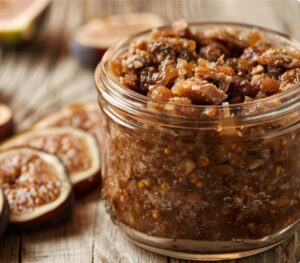
A micro-story from practice: once, when I ran out of dried apricots, I decided to replace them with figs. The mix changed: it became less moist, but an interesting grainy texture appeared. This once again proved that even a difference in one ingredient changes everything. So, if you want Amosov’s paste to truly be yours, experiment with proportions. But the main thing is to choose a quality product, otherwise all the magic will disappear.
Color, Smell, Texture: How to Choose Dried Fruits
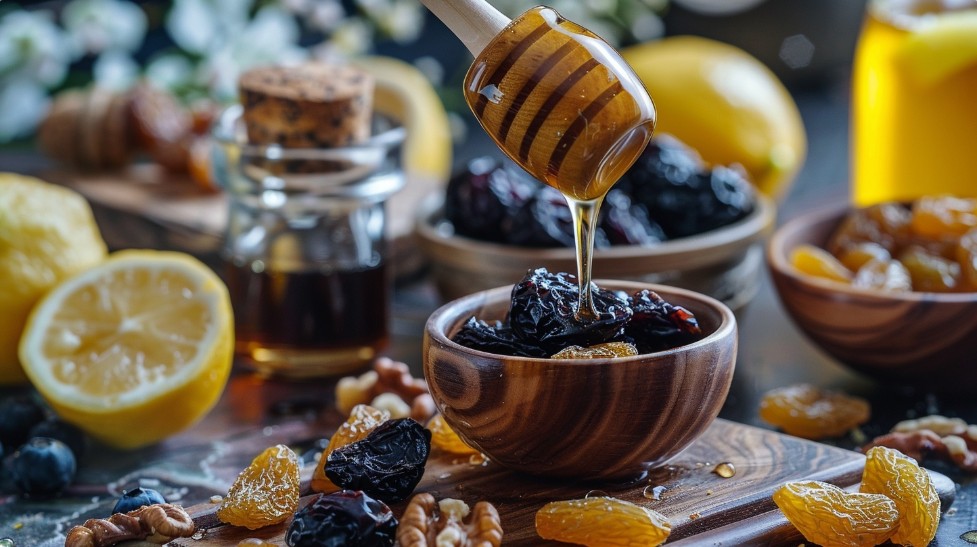
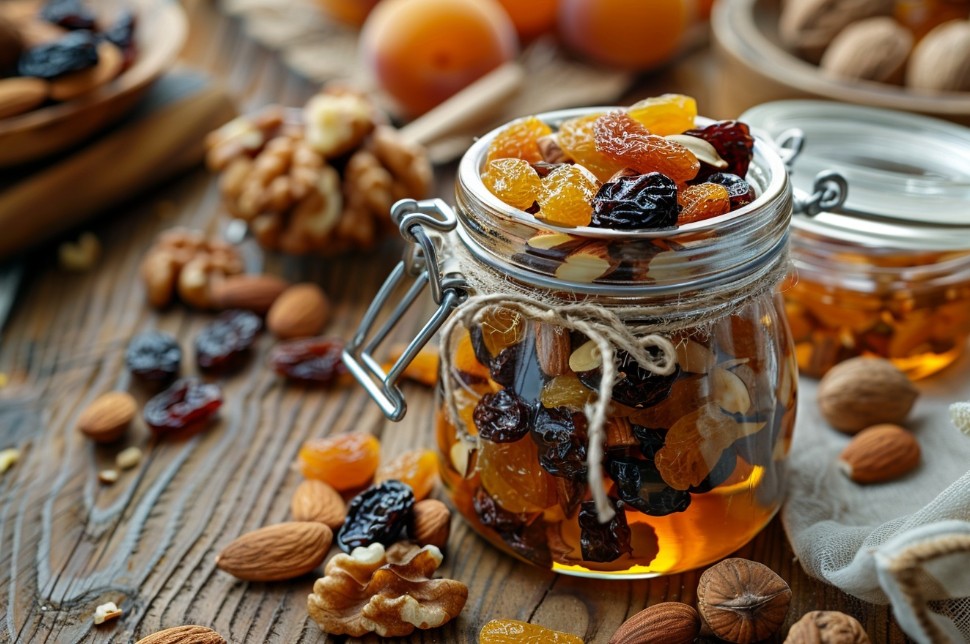
In this matter, I always advise relying on the senses, not the label. Whether at the market or in a store—the essence is the same: dried fruits should smell like fruit, not sulfur, smoke, or something chemical. Too bright a color is a reason to be wary. Soft, unnatural dried apricots, orange like a marker? It means they were treated. Dark, slightly wrinkled—that’s closer to the real thing.
With raisins, it’s even simpler: they should be elastic, but not too hard, slightly matte, without traces of mold or stickiness. If the raisins shine as if polished—it’s often a sign they’ve been treated with oil or wax for preservation. Smell is always key: it should be grapey, clean, without a hint of alcohol or sourness.
Prunes are my separate pain. Good prunes will never be perfectly uniform in size and color. They should be elastic, not dry, not too soft, without sugar crystals on the surface. If you see fibers, not mush, when broken—take them.
- Color: dull, natural, not perfectly uniform
- Smell: fruity, without “chemicals,” without smoke
- Texture: elastic, not falling apart, not sticky
Tip: if they offer a taste—don’t refuse. The taste immediately reveals the quality.
How to Choose Nuts: Freshness, Crunch, and Marketing Tricks
Nuts are a science in themselves. I’ve been burned more than once by buying pre-packaged ones, only to find mold, bitterness, and a dull smell at home. The most reliable way is to buy “by weight,” so you can see and smell. Fresh nuts smell like oil, with no foreign notes. The color is even, without spots, without gray or dark dots.
Walnuts are often sold already shelled, and here the main thing is not to be fooled. If the kernels are too dry, break in your hands, if they smell of dust or old paper—pass by. I’ve encountered a case where the seller advises: “Take these, they’re cheaper.” But they’ve long lost their taste, and will add nothing but bitterness to the paste.
Almonds are even more complicated. They’re often treated to extend shelf life, so it’s better to take them with the skin. It should be undamaged, without cracks. Pistachios—if they’re too wide open, it means they’re over-dried. Also not the best option for paste: they’ll crumble, not crunch.
- Smell: fresh, nutty, “alive”
- Color: even, without spots, not dull
- Texture: dense, not crumbling, not moist
Life tip: if the nuts are already shelled—buy in smaller portions, they quickly lose freshness.
Seasonality and Price: When to Pay More and When Not
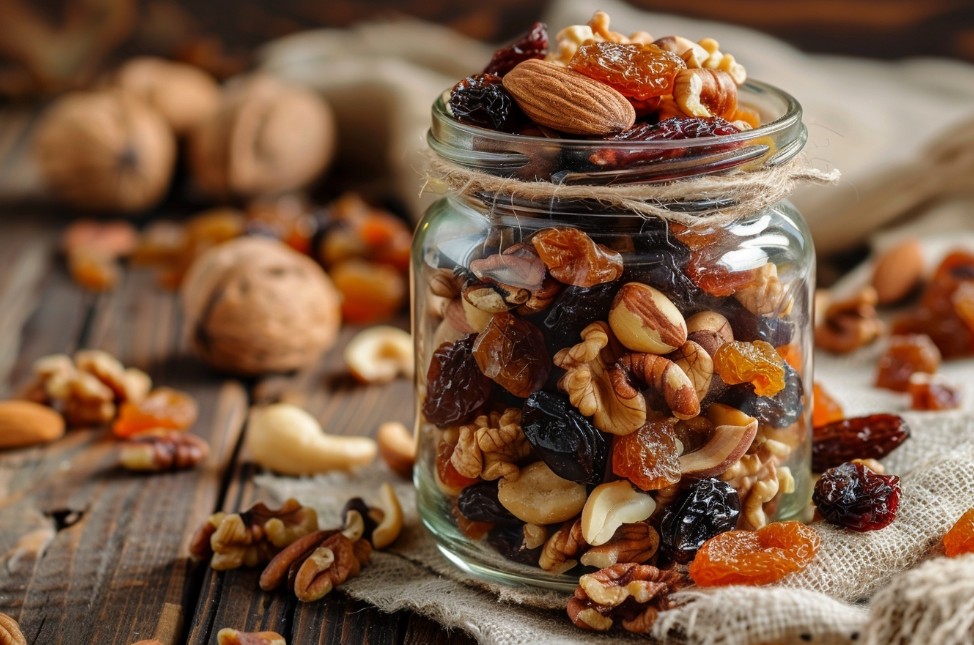
Many are surprised: why can the same dried apricots or walnuts drastically change in price throughout the year? The reason is simple—seasonality. Fresh nuts appear in the fall, then they are the best in taste and texture. Storing them for more than a year is a risk. Dried fruits are best in winter when they are prepared after the harvest.
There’s a temptation to buy something cheaper, especially at the end of the season. But here, savings can play a cruel joke: old nuts become bitter, dried fruits dry out or, conversely, become moldy. It’s better to take less, but of higher quality, than to throw away spoiled goods.
Price is not a guarantee. Often, more expensive doesn’t mean better, just more fashionable packaging. I’ve bought dried apricots in a beautiful box more than once, only to find at home that inside was a soft mass. At the market, you can negotiate, try, feel the product. Where there is contact and trust, the chances of encountering a fake are less.
Life hack: if you see a very low price—find out why. It may be leftovers from the old harvest or a product on the verge of expiration.
Typical Mistakes When Choosing and Buying
Over time, I’ve noticed that the same mistakes are repeated by everyone—both me and my acquaintances. The most common is buying in a large supermarket in bright packaging, without paying attention to the packaging date. Often such products sit on shelves for months. The second mistake is ignoring the smell. Dried fruits and nuts should not smell like anything but themselves.
Another trap is believing the label “organic,” “eco,” “sugar-free.” This is not a guarantee that everything inside is good. I once bought such “organic” dried apricots—and threw away half the pack because of a suspicious film on the surface.
Don’t buy dried fruits if they’re stuck together in a tight lump—this is a sign of improper storage or excess moisture. With nuts, it’s even simpler: the presence of shell pieces, dark inclusions, or a musty smell is a sign that the product is long past fresh.
- Ignoring the packaging date
- Buying blindly, without tasting
- Choosing based on packaging appearance, not the product
- Trusting “trendy” labels without checking the contents
The main principle: your nose and eyes know more than any label.
How to Store Dried Fruits and Nuts at Home
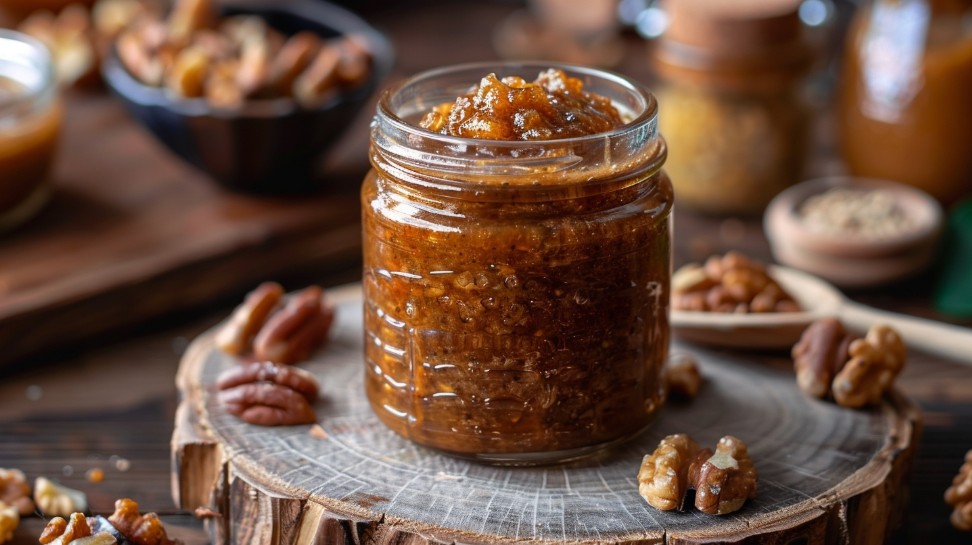
Buying is not yet a victory. Now the question is how not to lose everything in a week. Dried fruits don’t like moisture and light. I store them in glass jars with lids in a cupboard, away from direct sunlight. If the pack is large, I pour it into small containers so as not to open the whole volume each time.
Nuts are even more demanding. The best way is to keep them unshelled, in a cloth bag or paper package. Shelled ones—in an airtight jar in the refrigerator. This way they stay fresh longer. A damp place is taboo: mold appears, and this is not only about taste but also about safety. There was a case when a friend stored walnuts in cellophane on a kitchen shelf and then wondered why they were bitter and smelled “old.”
- Dried fruits—glass jar, dark place, not the refrigerator
- Nuts—unshelled: bag, paper; shelled: airtight container, refrigerator
- Don’t mix dried fruits and nuts together—different moisture, different “life” span
If you see signs of mold, alcohol smell, or bitterness—don’t save, throw it away. A spoiled product won’t “recover.”
What to Do If the Product Is No Longer Perfect
It happens that even the most attentive buyer misses the moment. Dried fruits are too dry or, conversely, sticky? Nuts have lost their crunch? It’s not always the end.
You can slightly revive dry dried fruits—pour boiling water over them for 5 minutes, drain the water, dry them on a towel. But if after this they have a sour smell or fall apart into mush—it’s better not to risk it. Sticky raisins can sometimes be saved: rinse in warm water, dry, but again—if there’s a suspicious smell, it’s better not to use them.
Nuts that have become dull can be tried toasting on a dry pan—sometimes this restores aroma and crunch. But if there’s bitterness or signs of mold—the trash is the only way out. It’s not worth risking health for a few pennies.
Life hack: if nuts have slightly lost their aroma, dry them in the oven at 100°C for 10 minutes, let them cool—this is usually enough.
How Dried Fruits and Nuts Change the Taste and Texture of Amosov’s Paste
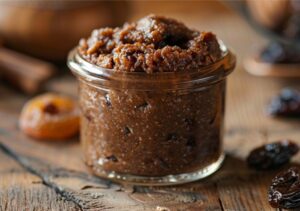
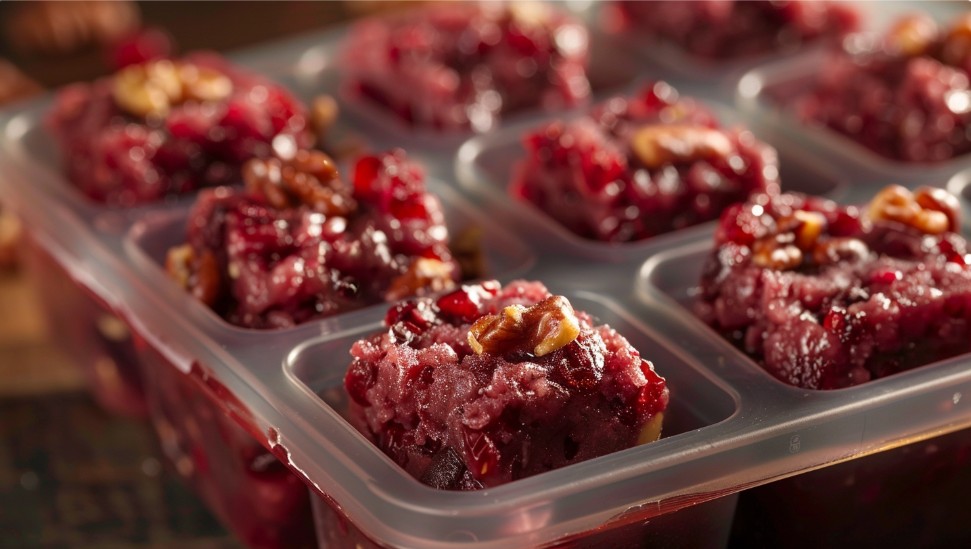
I like that Amosov’s paste is always a surprise. It depends on what was at hand, what the mood was at the market. The mix is always different: one time more dried apricots—the paste is soft, bright, with a tang; more raisins—sweeter, stickier; added prunes—there’s depth, even a slightly smoky note.
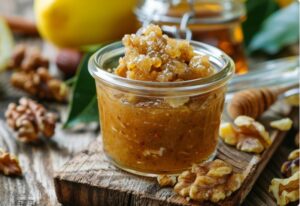
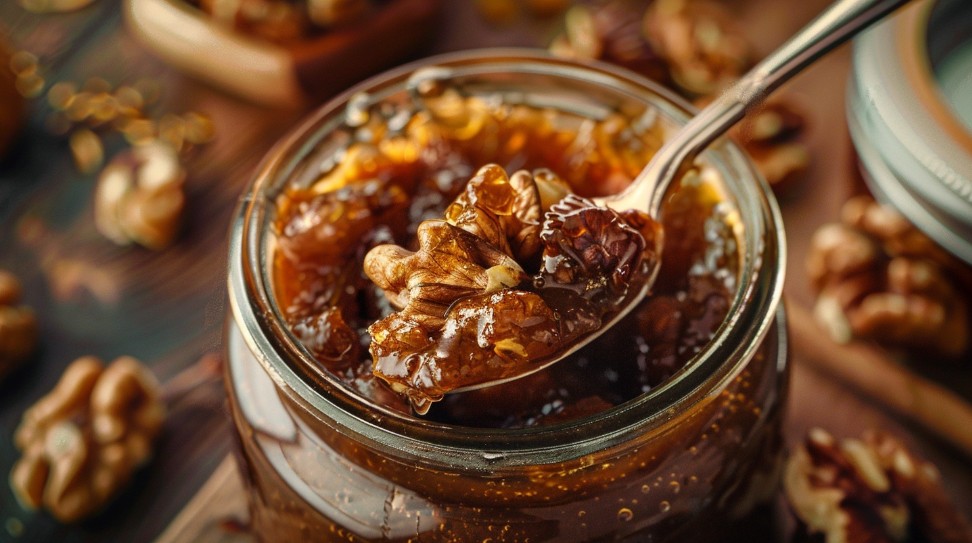
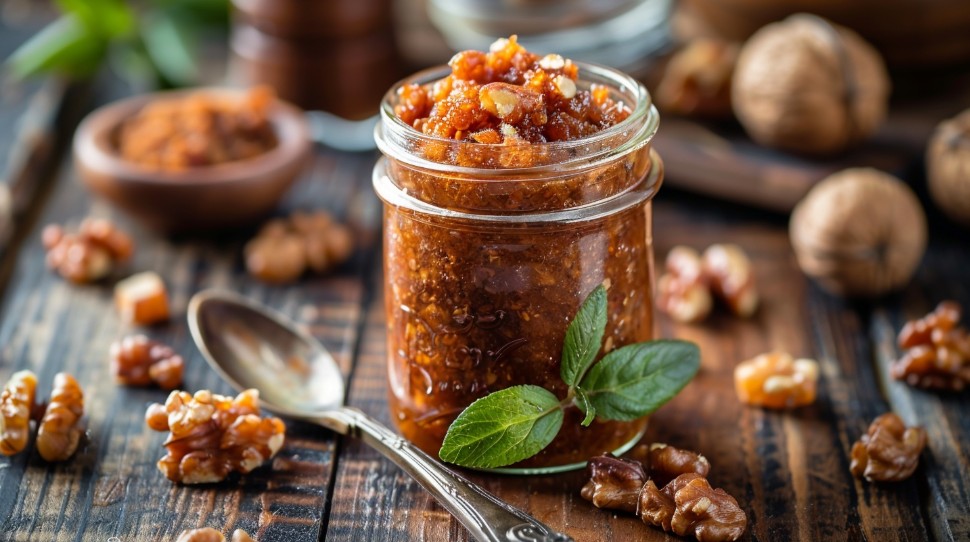
Nuts give “body” to the paste. Walnuts are classic, soft and crunchy at the same time. Almonds are harder, adding a clean taste and a slight bitter note. Hazelnuts are crunchy, buttery. When mixed with dried fruits, the paste doesn’t become boring: in every spoonful, there’s a new texture, a new micro-flavor.
Once I accidentally added a bit of pistachios—and the paste became completely different: fresh, with a light aroma of green nuts. It turned out that even a small change in composition can give an unexpected result. That’s why it’s important to understand what product you’re buying: the difference between quality and “ordinary” is noticeable after the first spoonful.
Marketing Traps and How to Avoid Them
In recent years, manufacturers have learned to sell air. Dried fruits in airtight packages labeled “100% natural,” nuts with perfect calibration. This is not always a guarantee of quality. Sometimes inside is a dull, tasteless product.
I’ve experienced it myself: the best dried fruits are from people who know what they’re selling. At the market, from trusted farmers, where you can smell, taste, ask questions. In the store, it’s always a lottery. The biggest mistake is buying blindly because of “nice packaging” or “promotion.”
Another trap is excessive dryness or, conversely, moisture. Often the product is over-dried to last longer or moistened to look fresher. As a result, the taste is lost, and the texture becomes either rubbery or sticky.
Life hack: if possible, always choose loose goods, not packaged. Quality is easier to assess by sight and smell.
Practical Life Hacks for Daily Use
- Don’t buy a large quantity at once—better to refresh the stock more often
- Mix dried fruits before preparing, not in advance—so they don’t “pull” moisture from each other
- Add nuts to the paste just before consumption—crunchiness lasts longer
- For a brighter taste, slightly toast the nuts before mixing—the aroma is stronger
- If dried fruits seem too sweet, add some cranberries or figs—the balance of tang and sweetness changes the taste
Personal life hack: I always keep several different jars—separately for dried apricots, raisins, prunes, and each type of nut. It’s easier to control freshness and combine according to mood.
In summary, dried fruits and nuts are not just components of Amosov’s paste. It’s a small science of choice, attention to detail, and a bit of personal experience. There’s no room for randomness here if you want it to be truly tasty. I always advise: don’t be lazy to taste, smell, examine—and then even the simplest paste will become a feast of taste.
And how do you choose dried fruits and nuts for your Amosov’s paste? Do you have any personal rules or secrets? Share in the comments—it’s always interesting to learn new approaches.