Which Knife Do You Really Need in the Kitchen? A Guide Without the Marketing Noise

Imagine standing in the kitchen with a pile of vegetables, meat, or bread, and in your hands, a knife that doesn’t cut but slides, or conversely, is dull and just smears the product. Familiar situation? I’ve seen even experienced cooks fall into the trap of marketing promises, buying a whole army of unclear ‘super tools’ that end up lying idle. A knife is a tool that should work for you, not the other way around. And you don’t always need a whole collection to cook with comfort and pleasure.
The problem is that the knife market is now oversaturated: from cheap Chinese factories to custom exclusives with titanium inserts. Choosing ‘your’ knife becomes a real puzzle. People don’t know what to pay attention to, how to choose a knife for daily use properly, and whether it’s worth overpaying for brands. As a result, the kitchen tool either breaks quickly or just turns into junk in the drawer.
I’ll tell you how to choose a knife that is truly needed in your kitchen, without unnecessary pomp and advertising tricks. I’ll share my own experience, talk about basic principles, typical mistakes in selection and use, and give some life hacks that will help keep your knife sharp and comfortable for years. After this, you’ll be able to confidently look at shelves with knives and choose what really works.
Why Choosing a Knife is Important and What Lies Behind This Tool
A knife is not just a piece of metal with a handle. It’s your partner in the kitchen, without which cooking turns into torture. I’ve noticed in my practice that people often underestimate this tool and wonder why cutting takes forever or products ‘spoil’ the knife. A properly chosen knife is comfort, speed, and safety. It should be comfortable in the hand, sharp, and match the style of your kitchen.
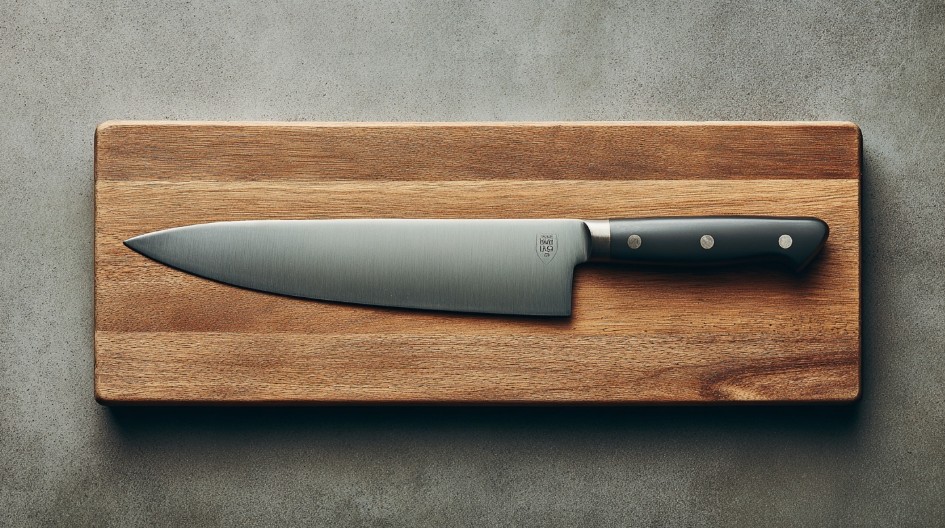
Every knife has its ‘specialization’, but you don’t necessarily need to buy 10 types of knives to cook properly. It’s more important to understand the basic principles of selection and use. Take, for example, a classic kitchen knife — it should be versatile and not let you down in the most diverse tasks.
Another point is the quality of materials and proper care. I’ve seen inexpensive knives ‘die’ after a few months of use due to improper storage or washing. Therefore, the choice is not only about design and price but about the balance between characteristics and your needs.
How a Knife Affects Cooking Results
A sharp knife is like a good friend in the kitchen. It doesn’t ‘twist’ the texture of the product but preserves the structure and taste. For example, when slicing a tomato with a dull knife, you just crush the fruit, turning it into mush. With a sharp one, the cut is clean, and the taste and presentation are top-notch.
What Determines the Comfort of Using a Knife
Comfort is not only about the weight of the knife but also about balance, handle shape, and blade length. I’ve noticed that knives that ‘sit’ in the hand allow you to work without fatigue, even for hours. Even if you don’t have a professional kitchen, this is something that really changes your attitude towards cooking.
Basic Principles of Choosing a Knife: What to Pay Attention To
Let’s start with the main thing — what knife characteristics matter and how not to get lost in the sea of offers. I won’t talk about super expensive materials or innovative coatings, but I’ll suggest what’s really important for everyday use.
First of all, the knife should be comfortable for you. It sounds banal, but it’s the main criterion. It doesn’t matter how beautiful or expensive it is if you can’t comfortably hold and cut with it — you don’t need it.
Blade Material
The most common material is stainless steel. It doesn’t rust and is not that difficult to care for. But not all stainless steel is the same. There are steels with different carbon content, which affects sharpness and durability. For example, high-carbon steel holds sharpness longer but requires more careful maintenance.
Additionally, there’s Damascus steel — it’s not just marketing but a combination of layers of different steel, providing a balance of flexibility and sharpness. However, it’s more expensive and also requires care.
Blade Shape and Length
The shape determines how well the knife ‘fits’ for specific tasks. A classic kitchen knife has a length of 18-20 cm — the golden standard for versatility. Short knives (10-15 cm) are convenient for small work, while long ones (over 20 cm) are for large pieces of meat or vegetables.
The blade shape affects the cutting technique. For example, a curved blade facilitates slicing with rocking motions, while a straight edge is for precise cuts.
Knife Handle
Handle materials vary: wood, plastic, composite materials. The most important thing is that the handle is not slippery and fits comfortably in the hand. One of my favorite handles is made of wood or micarta: pleasant to the touch and holds shape for years.
How to Choose a Knife Correctly: Step-by-Step Tips for a Winning Choice
To not get lost in the selection, I’ve compiled a step-by-step guide that really helps when buying a knife. These tips are based on my own mistakes and the experience of colleagues.
- Determine your needs. Think about what you cook most often. If it’s mainly vegetables and fruits — pay attention to medium universal knives. If meat — look for longer and sturdier blades.
- Pay attention to balance. Take the knife in your hand and twist it. It should be balanced between the blade and handle — not too heavy at the front and not too light.
- Check sharpness. You’ll feel the difference even on paper. A good knife easily cuts through a sheet without crumpling it.
- Evaluate the handle material. It should be comfortable, not slip, and not rub your hand. If possible, try it in the store — definitely do it.
- Check the blade type. It’s important that it matches your tasks. For example, serrated knives are good for bread but not for fillets.
- Look for reviews and recommendations. Real user reviews and professional opinions help avoid disappointments.
- Don’t rush to buy. Often a beautiful knife is not always functional. It’s better to take your time and choose your tool.
Common Mistakes When Choosing and Using a Knife and How to Avoid Them
Over the years of working in the kitchen, I’ve seen many situations where the wrong choice or care of a knife led to disappointments and even injuries. Here are the most common mistakes to avoid.
1. Buying a Knife Just for Its Appearance
A knife can be beautiful but uncomfortable. I’ve seen people take a knife with a nice design and then complain that their hands get tired quickly. It’s important to hold the knife in your hand before buying.
2. Using a Kitchen Knife for the Wrong Purpose
For example, trying to cut bones with a universal knife or open cans. This quickly ruins the blade and can lead to injuries.
3. Neglecting Knife Care
Washing in the dishwasher, improper storage, long contact with acidic products — all this destroys the steel. Remember, a knife is a living tool, and it needs care.
4. Lack of Regular Sharpening
Even the best knife dulls over time. Many believe that sharpening is complicated and expensive, but it’s not. Timely honing preserves the sharpness and health of the knife.
5. Poor Choice of Handle Material
Plastic handles made of cheap materials break quickly or slip, which is dangerous. It’s better to choose durable materials that don’t fear moisture and mechanical stress.
Life Hacks and Secrets to Keep Your Knife Sharp and Convenient
Caring for a knife is an art accessible to everyone. Here are some tips that help me keep knives in shape for years.
- Sharpen the knife regularly. Even if it seems sharp — a few minutes on a sharpening stone or sharpener will give it new life.
- Wash the knife by hand. Warm water, a soft sponge, and immediate drying are the best ways to preserve the blade.
- Store the knife in a special case or on a magnetic strip. This protects the edges from damage and ensures safety.
- Don’t use the knife on hard surfaces. Glass, stone, or metal boards quickly dull the blade. Choose wooden or plastic ones.
- Don’t cut frozen foods with a dull knife. This leads to chips. It’s better to let the product thaw a bit or use a special knife.
- When slicing large pieces, hold the knife properly. The handle should be securely gripped for control and safety.
- Use special scissors for small tasks. This saves the knife and makes the work easier.
What You Should Know If You Want to Understand More: Nuances and Features
If you already feel that you want more than a basic set of knowledge, here are a few points that will help you better understand knives and work with them professionally.
Types of blade sharpening. There are different sharpening angles — from sharp 12-15 degrees for Japanese knives to 20-25 degrees in European ones. The sharper the angle, the sharper the knife, but also less durable. This affects the choice of knife for your cooking style.
Differences in steel. If you’re interested, pay attention to the steel brand. For example, 440C is a popular stainless steel, while VG-10 is a Japanese high-carbon steel known for its sharpness and durability.
Knife balance and cutting technique. It’s important to learn to work with a knife correctly to avoid unnecessary effort and injuries. For example, the ‘rocking’ motion, where the knife slightly rocks back and forth, is effective for vegetables.
Professional knives vs. household ones. Professional knives are usually heavier, with a sharper sharpening angle, but also less forgiving of care mistakes. Household ones are simpler to use and maintain.
Frequently Asked Questions About Kitchen Knives
Which Knife to Choose for a Beginner to Avoid Mistakes?
For a beginner, the best option is a classic universal kitchen knife with a blade length of about 18 cm and a blade made of medium-hardness stainless steel. It is suitable for most tasks and does not require complex maintenance. It’s important that the knife is comfortable in hand — so it’s recommended to hold it before buying.
How Often Should a Kitchen Knife Be Sharpened?
Depending on the intensity of use, but usually it’s enough to hone the knife every 1-2 months. If you cook daily, you can do it more often. Additionally, it’s worth regularly honing the knife on a stone or sharpener to keep the edge sharp.
Is It Worth Buying a Set of Knives from a Famous Brand?
A well-known brand is not always a guarantee of quality, but often it’s a sign of a certain level of durability. However, it’s not worth buying a whole set if you only need a few knives. It’s better to choose individual knives with good reviews that suit your cooking style.