Fall Pasta Salad Ideas (That Don’t Turn Mushy)

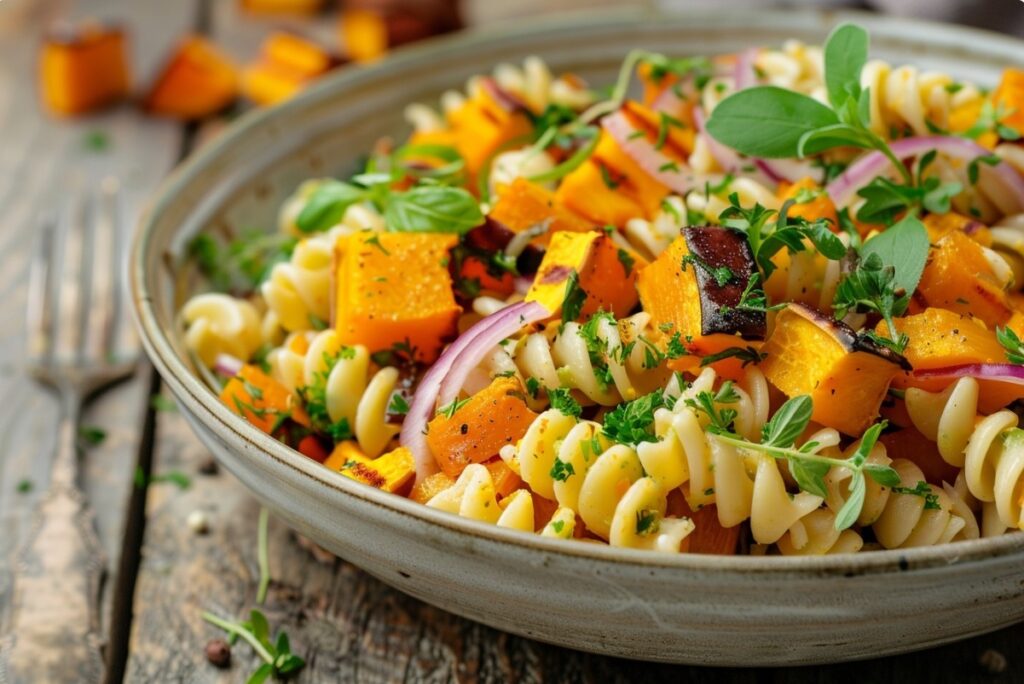
Every fall I end up with the same kitchen scene: market bags taking over the counter, apples rolling out of a bowl, peppers perfuming the windowsill, and half a head of cabbage in the fridge that “needs to be used up.” You stand there looking at all that goodness and think: I want something easy and filling, but not heavy. Something that works for lunch, packs well, and tastes great cold.
Pasta salad fits that mood perfectly. It doesn’t demand precision, it doesn’t need anything exotic, and it absolutely loves fall ingredients: roasted pumpkin, crunchy cabbage, mushrooms, apples, roasted beets, nuts. The catch is this: if you grab “whatever pasta,” “whatever vegetables,” and drown it all in “something from a bottle,” you’ll end up with a sticky, heavy bowl that gets tiring after three bites.
I like to approach this kind of salad the way I shop at a market: pick the right ingredients first, think about how they’ll behave once they’re all in the same bowl, and only then start assembling. That’s how you get a salad that feels alive—something crunchy here, something creamy there, a little smoky roasted aroma in one bite, a bright apple tang in the next. And yes, it’s genuinely simple once you know a few small tricks.
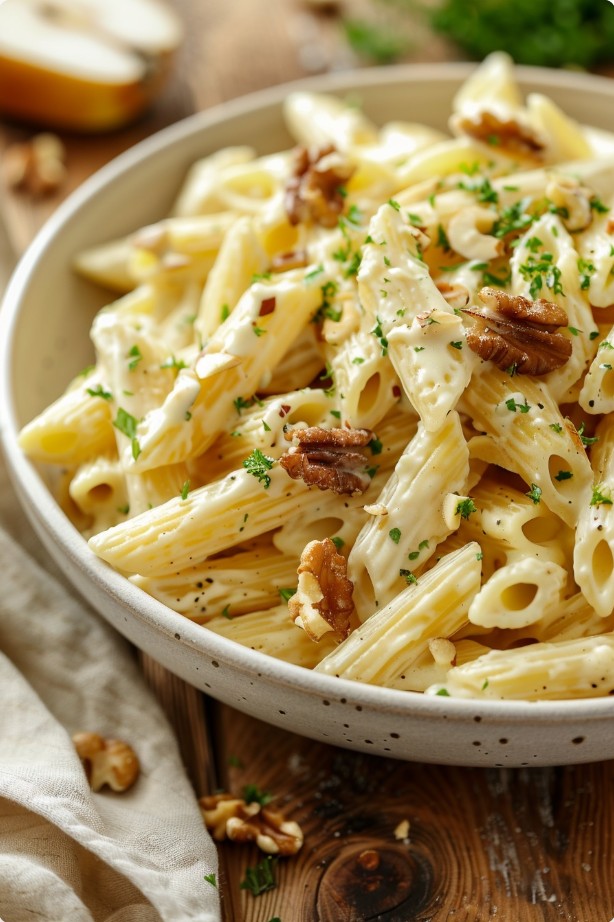
Which pasta to use for a fall pasta salad: shape, texture, and how it behaves in the bowl
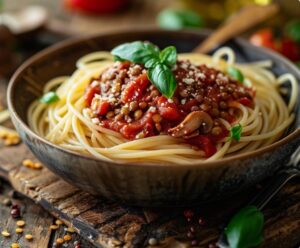
Pasta in a salad isn’t a “side”—it’s the framework. It needs to hold onto dressing, stay intact, and not collapse into a starchy mess. I’ve watched people use thin spaghetti, snip it up with scissors, then wonder why everything clumps into one sad tangle. It’s not their fault; it’s just the wrong shape for the job.
For fall versions, I almost always reach for pasta with ridges or a hollow center—something that grabs dressing and catches little bits of veg. In the supermarket, that’s the simplest strategy: don’t get distracted by the fancy name; look at the shape.
Shapes that work the most reliably
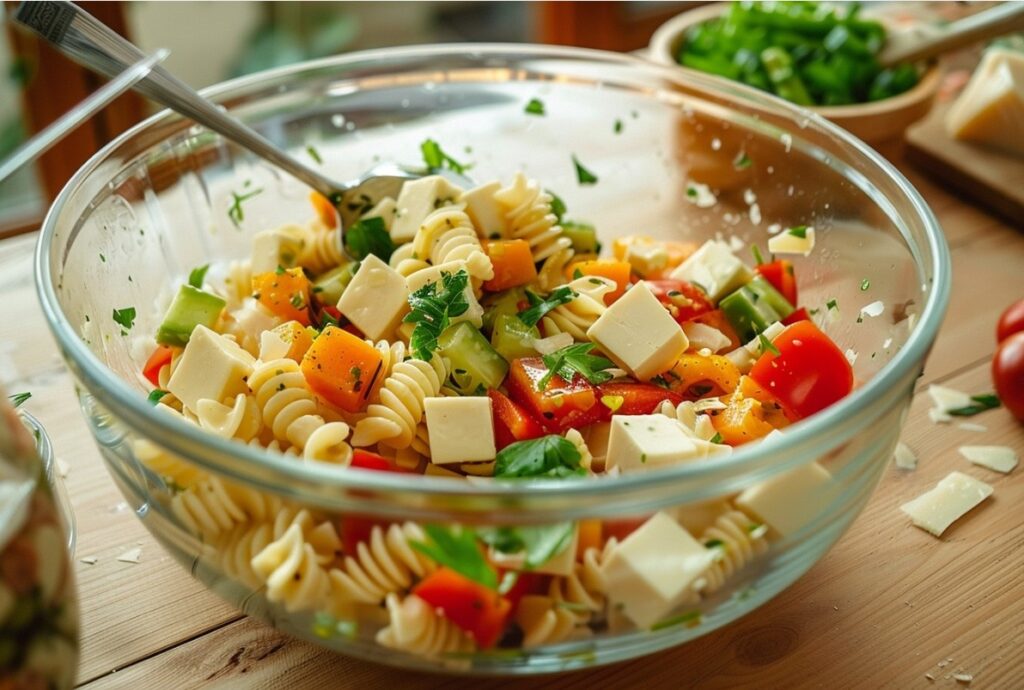
- Fusilli, rotini, spirals — the grooves hold dressing beautifully; they’re great with roasted vegetables and mushrooms.
- Penne, rigatoni — the hollow center catches dressing, and chunks of pumpkin or beet cling to the cut edges.
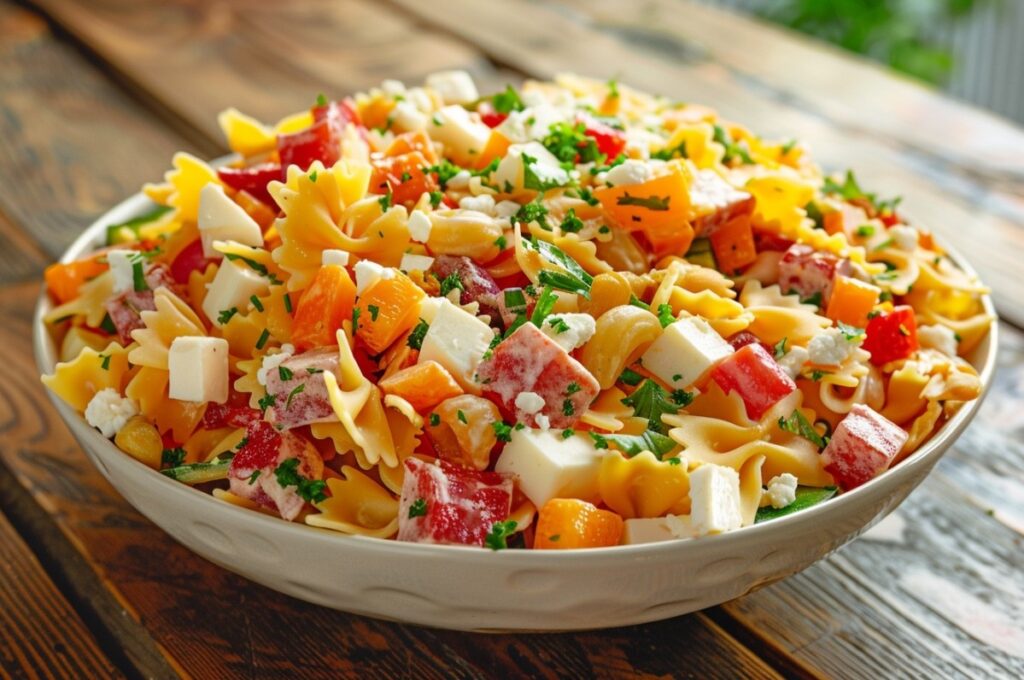
- Farfalle — cute, but don’t overcook them; the “wings” go soft fast.
- Orzo (tiny rice-shaped pasta) — perfect with apples, nuts, and soft cheeses; it eats more like a grain salad.
If I want a heartier, more “fall” texture, I buy durum wheat pasta with a rough surface. You’ll often see trafilata al bronzo on the package—nothing mystical, it just means the pasta comes out more matte, so dressing clings better. Still, don’t treat it like the only “correct” option. Basic spirals at a reasonable price can do the job just as well.
Kitchen tip: for pasta salad, I cook the pasta 30–60 seconds less than my usual al dente. In the bowl it will absorb dressing and finish “settling,” but it won’t turn cottony.
Common pasta mistakes that ruin everything
- Overcooking — the salad turns heavy and sticky, and any dressing starts to look like glue.
- Rinsing under the tap — yes, it cools the pasta, but it also washes off the starch that helps dressing cling. There’s a better way to cool it (more on that below).
- Adding oil immediately after draining — it seems logical to prevent sticking, but oil creates a slick film and the dressing slides right off. If you add any, keep it to about 1 teaspoon and only once the pasta has cooled a bit.
- Using tiny pasta with big chunks — like orzo with large cubes of pumpkin. In your mouth it feels like “grain over here, vegetable over there,” instead of one cohesive bite.
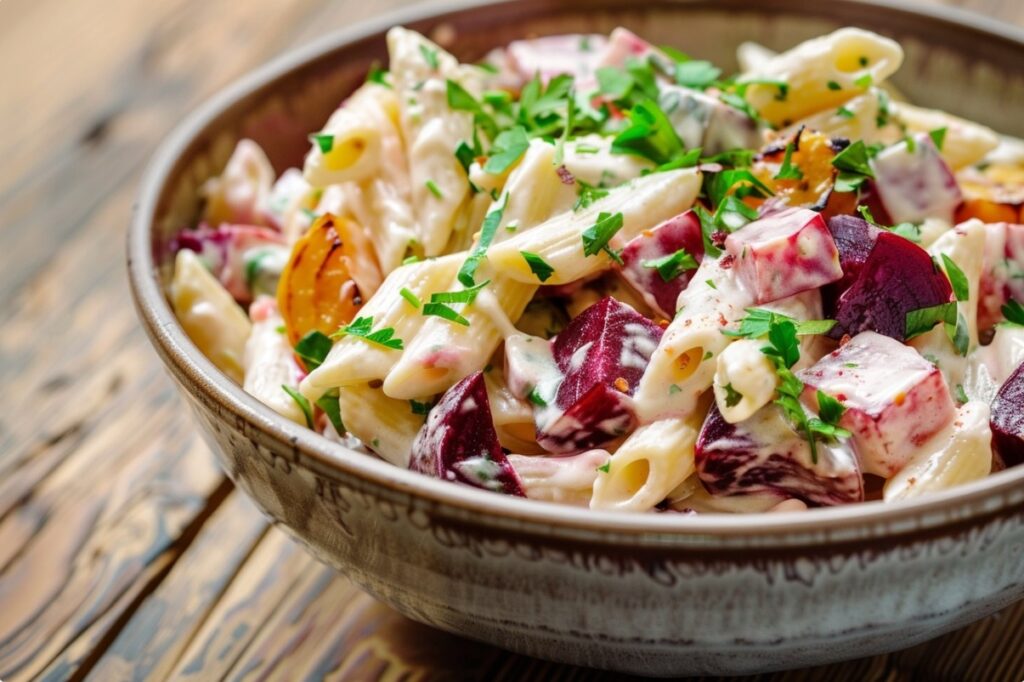
Fall vegetables and fruit: how to choose them (market or supermarket) so your salad is flavorful, not watery
Fall is generous, but it can be sneaky: plenty of produce looks perfect, then at home it turns out watery, bland, or weirdly “glassy.” In pasta salad, extra moisture is a big deal—it dilutes the dressing and makes the pasta go limp.
My rule of thumb: include at least one sweet element (pumpkin, roasted pepper, apple), one crunchy element (cabbage, celery, cucumber—if you can still find a good one), and one umami element (mushrooms, roasted onion, sun-dried tomatoes). Even a simple lineup tastes interesting with that structure.
Pumpkin: not every one is salad-friendly
For salads, I like pumpkins that hold their shape after roasting. At the market I’ll pick a small one that feels heavy for its size, with a dry stem. If it’s been cut, I look at the flesh: it should be firm, not watery with translucent streaks. The smell should be sweet, but not sharp.
A little marketing trap: “sweet pumpkin for porridge” sounds lovely, but for salad you don’t always want the sweetest one—you want a more nutty, dense texture. You can always add sweetness with apple or a touch of honey in the dressing (if that’s your thing). You can’t fix a mushy texture later.
Beets: don’t buy the biggest ones
Very large beets are often fibrous. For salads I go for medium or even small—they’re sweeter and roast more evenly. The skin should be smooth, with no soft spots. An earthy smell is fine, but it shouldn’t smell musty or like an old cellar.
Cabbage: crunch is everything
Green cabbage, red cabbage, Napa cabbage—any of them can work, but check for density and freshness. The head should feel tight; the leaves should be clean, with no slime and no dark wet patches. If the cabbage is limp, the salad will feel sad no matter how good the dressing is.
Kitchen tip: if the cabbage is a bit tough, I massage it with a pinch of salt for 30–40 seconds, then squeeze it out. It softens, but keeps its crunch.
Apples and pears: acidity keeps fall flavors from feeling heavy
For pasta salad, I love tart apples—they brighten everything and keep roasted vegetables from tipping too sweet. Choose firm apples with no soft bruises. If you can smell the apple through the skin, that’s a great sign. Pears are trickier: I only use firm ones. A ripe, soft pear turns to purée and makes the salad look messy.
Mushrooms: you can spot freshness instantly
Button mushrooms should be dry, springy, and free of slime. If I see condensation under the plastic film in the tray, I skip it. Wild mushrooms are their own story, but the rule is simple: the smell should be clean and mushroomy, not sour. And yes—I almost always cook mushrooms for salad. The flavor gets deeper and the texture is much nicer.
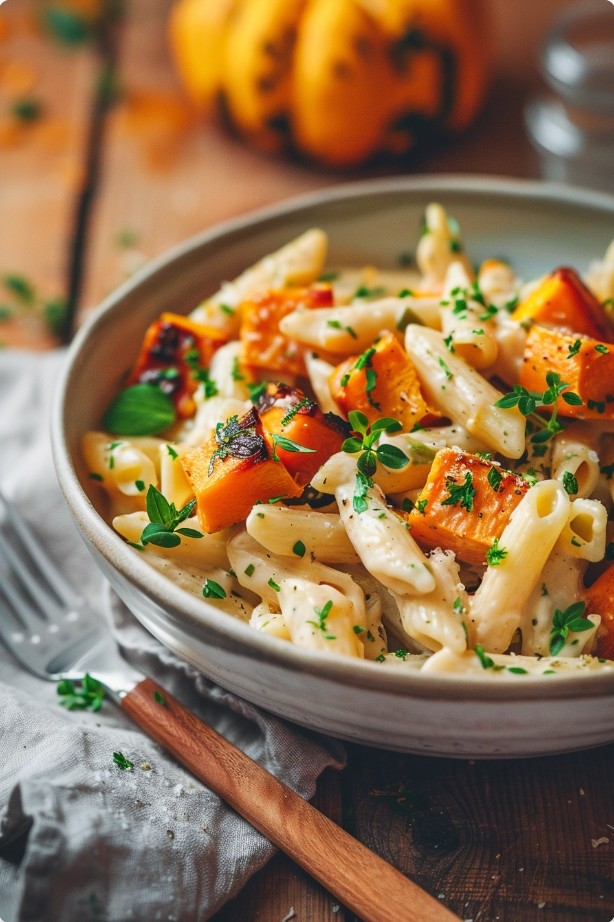
Fall “flavor anchors”: cheese, meat, legumes, nuts—what’s actually worth buying
Pasta salad is easy to make satisfying without feeling like you ate a whole pot. The add-ins do the heavy lifting: a bit of cheese for creaminess, something protein-rich to keep you full, a handful of nuts for crunch. The key is not turning the bowl into a dumping ground for everything in the fridge.
I usually pick one main “booster” and one or two supporting ones. For example: feta + nuts. Or chicken + a hard cheese. Or chickpeas + seeds. It keeps the flavor clean and intentional.
Cheese: how not to buy “salty rubber”
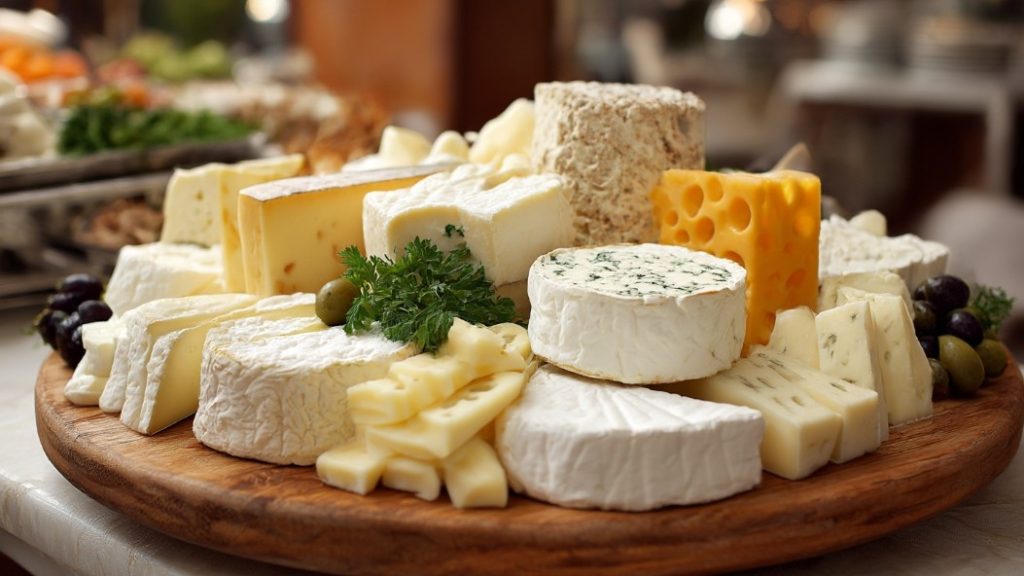
For fall salads I lean in two directions: brined cheeses (feta, bryndza-style) or hard/aged cheeses (Parmesan-like, Gouda, Gruyère—whatever is accessible).
- Feta/bryndza-style: look for cheese stored in brine, or at least not dried out. The smell should be clean and milky. If it crumbles into dust and squeaks on your teeth, it’s often over-salted or poorly stored.
- Hard cheese: the surface shouldn’t feel sticky. If you’re buying pre-sliced, check the edges—dark, dried-out edges usually mean it’s been sitting around too long.
When is it worth paying more? When cheese is one of the main flavor notes. If you’re making a roasted beet and feta pasta salad, the feta really matters. If it’s just a little sprinkle on top for saltiness, a simpler option is totally fine.
Legumes: the budget way to make a salad “last”
Chickpeas, beans, lentils (especially green lentils) feel very fall to me. If I’m buying canned, I check that the can isn’t bulging and that the liquid looks fairly clear, not full of odd flakes. If I’m buying dried, I look for fewer broken pieces and less dust.
Kitchen tip: I always rinse canned chickpeas and let them dry on a towel for 1–2 minutes. They absorb dressing better and lose that “canned” taste.
Meat and fish: simple beats “delicacy”
If you want something meaty, fall pasta salads love roasted chicken, turkey, good-quality ham, or smoked fish. The trap is going too aggressive with smoky flavors—one overpowering ingredient can drown out everything else.
Signs of decent sliced ham/turkey: it smells like meat (not “perfume”), the cut surface isn’t slimy, and the color looks natural (not neon). If it smells so smoky it stings your nose, it’ll dominate the salad—and not always in a good way.
Nuts and seeds: the small detail that makes it feel restaurant-y
Nuts should taste fresh, with no bitterness. At the market I’ll sometimes ask to smell them—if I get that “old oil” aroma, I’m out. For packaged nuts, I check the date and look for any condensation inside the bag.
One more thing: don’t toss nuts in straight from the bag. Toast them briefly in a dry pan. The aroma turns warmer and nuttier, and the whole salad instantly tastes more expensive—even if the ingredients are simple.
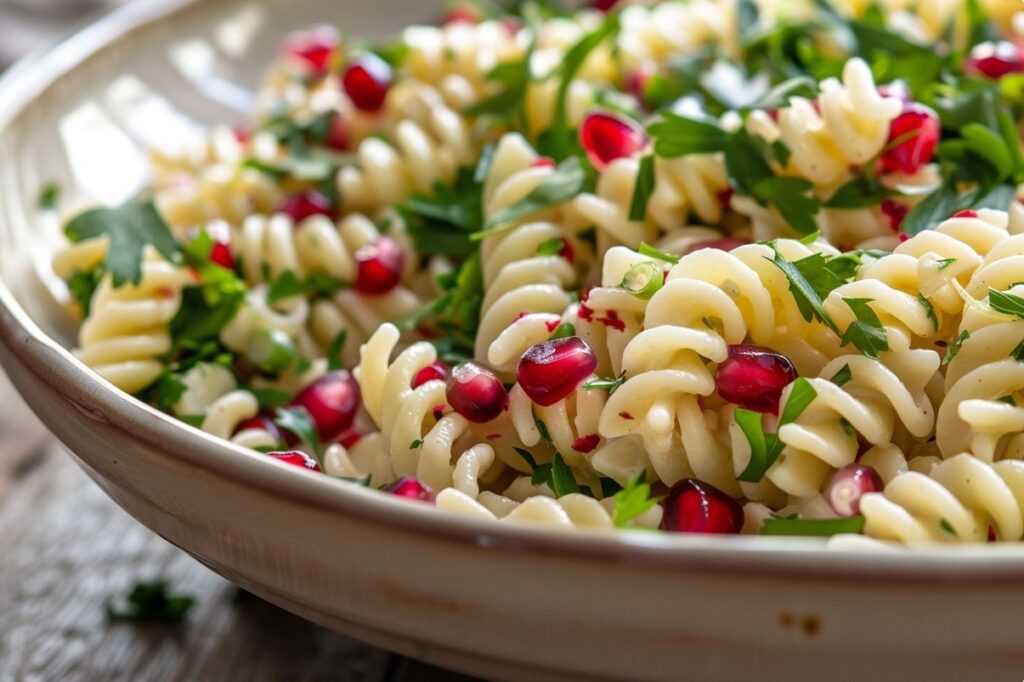
Dressings for fall pasta salad: keeping the balance between tangy, salty, and “warm”
Dressing is what either pulls the salad together or makes it feel like a random pile. In fall it’s especially easy to overdo the oil: roasted vegetables are already soft, pasta is already filling—so if you pour generously, you’ll want a nap.
I like fall dressings with a bit of tang (vinegar, lemon, apple juice, even a splash of pickle brine—yes, sometimes), a little mustard or horseradish for backbone, and something “warm”: honey, maple syrup, or simply the sweetness of roasted veg, nudged along with a pinch of cinnamon or smoked paprika (careful—those aren’t right for every salad).
Three reliable directions (no strict recipes—just the logic)
- Oil + acid + mustard: a universal combo for cabbage, mushrooms, ham, and hard cheeses. Mustard helps emulsify, so the dressing doesn’t sink to the bottom.
- Yogurt/sour cream + acid: a gentler option for roasted beets, apples, and chicken. Keep it lighter so it doesn’t turn into a mayo-style situation.
- Pesto-style dressings (herbs, nuts, oil, a bit of cheese): great when the vegetables are simple but you want something bold. In fall it doesn’t have to be basil—parsley, arugula, even dill can work when it makes sense.
A quick story from my kitchen: I once made a salad with roasted pumpkin, feta, and pasta, and dressed it with “just oil.” It was fine, but flat. The next day I added 1 teaspoon of mustard and a splash of apple cider vinegar to the same bowl—and it woke up. Not because vinegar is “better,” but because it added contrast to the sweet pumpkin.
Kitchen tip: if a dressing tastes too sharp, let it sit for 5–10 minutes. Mustard, honey, and spices bloom, and the flavor smooths out without needing extra oil.
Marketing traps: bottled dressing doesn’t always save time
Store-bought dressings can help, but a lot of them are either too sweet, too vinegary, or weirdly perfumed. I’m not against them—I just read labels like a cook. If sugar and flavorings are at the top, it can taste off with roasted vegetables.
When I do buy one, I treat it as a base: I’ll add lemon, mustard, black pepper, and sometimes a spoonful of water or brine to make it less heavy.
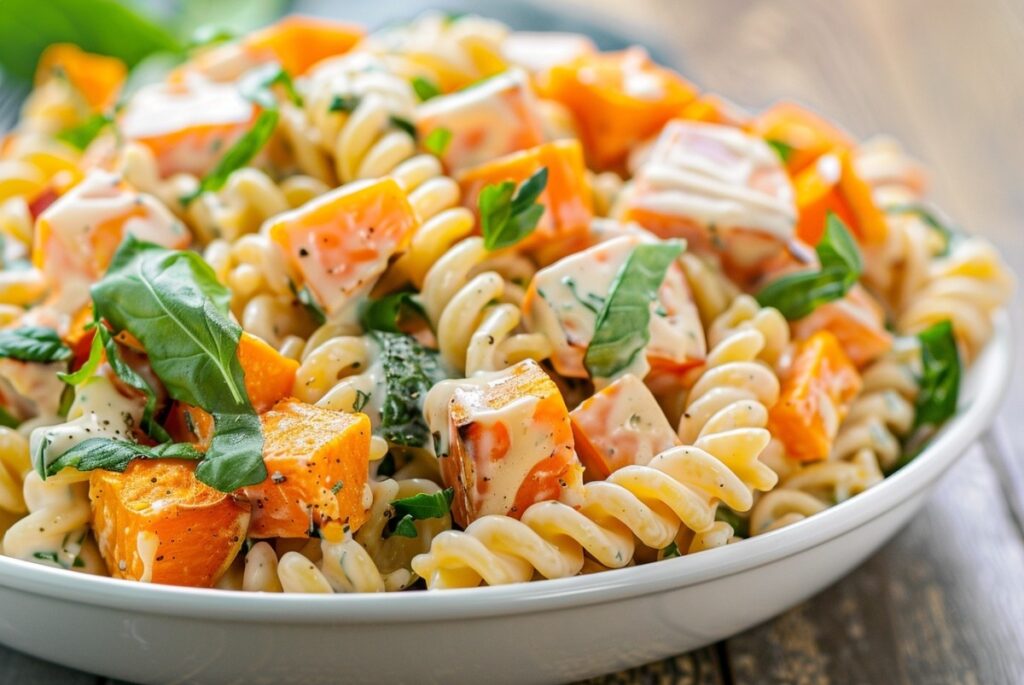
How to build a fall pasta salad so it doesn’t turn into mush: temperature, moisture, and order
The most common issue with these salads: they’re great for the first 10 minutes, then they turn tired. That’s not “the wrong recipe,” it’s physics. Hot pasta steams, roasted vegetables release juices, greens wilt, cheese melts where you don’t want it to.
I assemble pasta salad like a tiny project: every component needs to enter the bowl in the right condition.
Cooling pasta without rinsing
After cooking, I drain the pasta, let it sit in the colander for a minute, then move it to a wide bowl. I add just a few drops of oil or a little dressing (not much), toss, and spread it out in a thinner layer—this cools it quickly and prevents sticking.
Kitchen tip: if you need it fast, set the bowl of pasta on a cold baking tray or a metal surface. It pulls heat away much quicker than a deep plastic bowl.
Roasted vegetables: don’t toss them in hot
Pumpkin, beets, peppers, onions—straight from the oven they smell incredible: warm, a little caramelized. But if you add them hot to pasta, they’ll “weep,” release juices, and soften everything around them. I let them cool at least to warm, and ideally to room temperature.
Quick cautionary tale: at a catered event we were rushing and mixed warm beets with pasta and a yogurt dressing. Fifteen minutes later the salad turned into a pink “mousse.” Taste was fine; the look was not. Since then, beets always cool separately in my kitchen.
Mixing order: start with what likes to marinate
Some ingredients get better after a little time with dressing: cabbage, onions, mushrooms, legumes. Others are best at the end: greens, nuts, crisp apples (especially if you don’t want them to brown).
- First into the bowl: pasta + part of the dressing.
- Then: sturdier add-ins (roasted veg, mushrooms), legumes, meat.
- Next: cabbage/leafy components if they’re prepped.
- Last: crumbled cheese, nuts, apple, herbs/greens.
It’s not a law, but this logic saves texture. The salad should feel “assembled,” not beaten up.
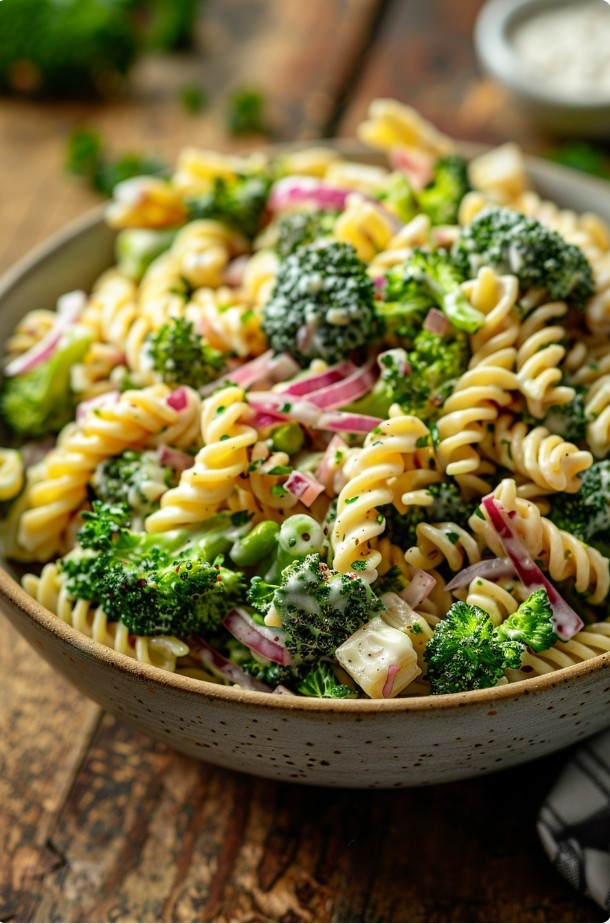
Fall flavor combos: what goes with what (and why it works)
When people ask me for “pasta salad options,” they usually don’t want strict proportions—they want ideas: what to pick up on the way home and how to combine it so it tastes like fall. Here are a few directions that work reliably for me, both at home and when I need to make a lot of portions without stress.
Pumpkin + feta/bryndza-style cheese + nuts + greens
This one’s a classic because it’s all contrast: sweet, soft roasted pumpkin; salty cheese; crunchy nuts; fresh greens. The dressing wants some tang—apple cider vinegar or lemon. If you have arugula, it adds a gentle bitterness so the salad doesn’t drift into dessert territory.
How pumpkin behaves: roasted in chunks, it dries a little at the edges and holds its shape. Stewed, it’s softer—but for salad I’d choose roasting to keep moisture down.
Roasted mushrooms + caramelized onions + hard cheese
This version smells like an autumn forest—even with basic button mushrooms, as long as you roast or sauté them until browned. The goal is to cook off the moisture so they’re not “boiled,” but have those toasty edges. Hard cheese adds salt and a bit of body.
Small story: I have a friend who swore he hated mushrooms “because they’re like a sponge.” We stopped stewing them under a lid and started frying them in small batches over high heat. Same mushrooms, completely different result. In salad, they stop being spongey too.
Beets + apple + goat or brined cheese (or a yogurt dressing)
Beets bring sweetness and juiciness; apple brings tang and crunch. Moisture control matters here: roast the beets instead of boiling them so they’re less watery. If you’re using a yogurt dressing, keep it light so you don’t end up with a spreadable “salad paste.”
Cabbage (green or red) + ham/turkey + mustard dressing
A very practical lunch option: it holds up well, doesn’t wilt quickly, and handles the fridge like a champ. Cabbage gives crunch, meat adds staying power, mustard brings attitude. Use a sturdy pasta shape (penne, fusilli) so it doesn’t get lost.
Chickpeas/beans + roasted pepper + herbs + seeds
If you want a meatless version, this direction saves the day. Roasted pepper brings sweetness and aroma, legumes give the “center,” seeds add crunch. Dress it with oil and lemon, or add tahini if you have it. Even without tahini it works—just be generous with black pepper and herbs.
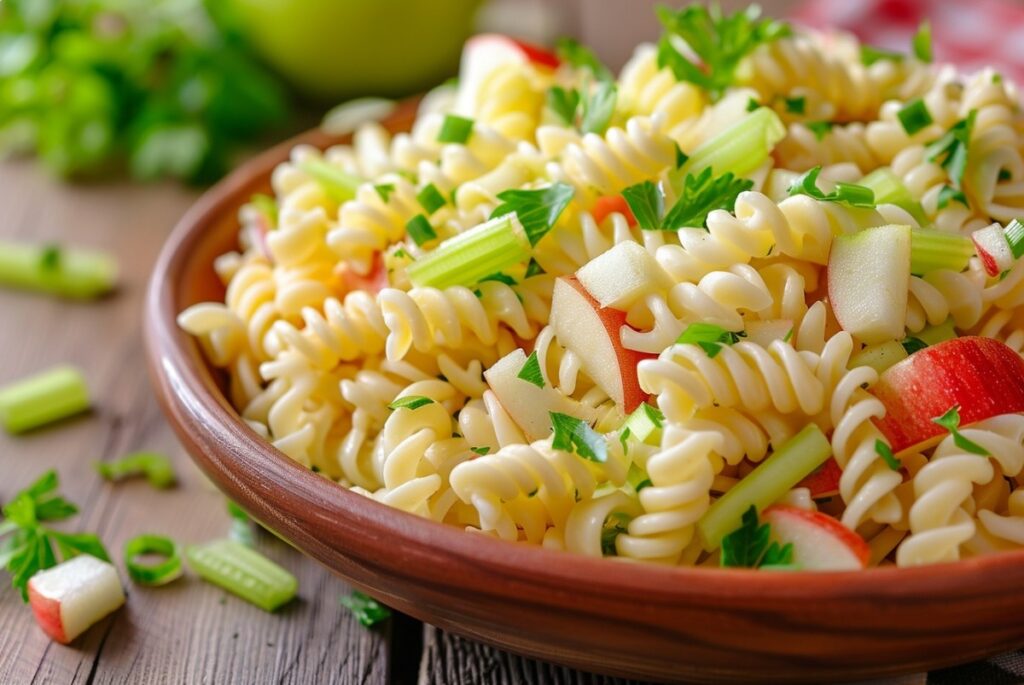
Common shopping and cooking mistakes: why your salad turns bland, wet, or heavy
I love simple food, but simple dishes are where the little details decide everything. These are the mistakes I see most often—and yes, I made all of them before I learned the hard way.
Mistake 1: buying “pretty” produce without checking smell and texture
Fall peppers can look glossy and still taste like nothing. Apples can be huge and red but mealy. Mushrooms can shine because they’re wet. I always try to do at least one thing: smell it or gently press it. Springiness and aroma are more honest than color.
Mistake 2: too much sweetness with no acidity
Pumpkin + beets + a sweet dressing, and suddenly the salad is just… sweet and boring. Fall produce is often naturally sweeter than summer produce, so acidity isn’t optional—it’s balance. Even a few drops of lemon can pull the flavor into focus.
Mistake 3: “eyeballing” the dressing (and your eye is generous)
When there’s too much oil or a rich sauce, the pasta feels heavy and the vegetables go slack. My approach: add some, toss, taste, then add a little more if needed. It’s easier to add at the end than to fix an oily salad by throwing in more pasta (which creates a whole new problem).
Mistake 4: cutting everything the same size
It sounds odd, but it matters. If the pasta is medium and the vegetables are huge cubes, your mouth “trips.” If everything is tiny, the salad becomes uniform and gets boring fast. I like a mix: pasta as the base, roasted veg in medium pieces, nuts roughly chopped, herbs in bigger leaves, cheese crumbled.
Mistake 5: making it ahead and mixing everything at once
For lunchboxes, I often do a “build-your-own”: pasta with part of the dressing in one container, crunchy bits (nuts, seeds) separate, greens separate. Mix right before eating. The salad stays fresh longer and doesn’t turn into a wet mass.
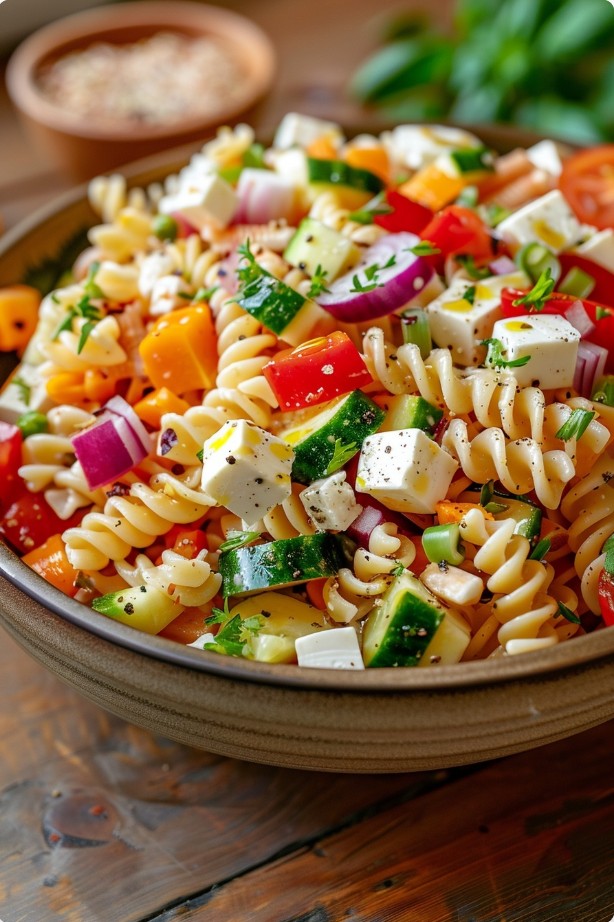
Storing pasta salad: how to keep it fresh, crunchy, and good-looking
Fall pasta salads are often made “for tomorrow,” and that’s completely fine. Just be honest about what happens: pasta absorbs dressing, vegetables release moisture, greens wilt. The goal is to slow those processes down.
How long it keeps
If there are no delicate greens and the dressing is oil-based, it will happily keep in the fridge for 24 hours. Versions with yogurt/sour cream are best eaten sooner—they lose freshness and can turn watery. Salads with apple are better if you add the apple closer to serving, or at least make sure the dressing has enough acidity so the apple browns more slowly.
Containers and small tricks
- A tight lid — so the salad doesn’t absorb fridge smells (especially if there’s fish, deli meats, or strong cheeses nearby).
- Keep crunchy things separate: store nuts/seeds in a small bag or a separate compartment.
- Keep greens separate if it’s arugula, spinach, or salad mixes. Parsley and dill hold up better, but they still prefer staying dry.
- Add a final splash of acidity before serving: the next day, salads often taste a bit muted. A squeeze of lemon or a splash of vinegar brings it back.
Kitchen tip: if the salad has been sitting and feels a bit dry, don’t immediately pour in more oil. Try adding 1 teaspoon of water or a little brine (from olives/pickles) and toss—your dressing comes back to life without extra fat.
How ingredients change over time
Roasted pumpkin softens over time and may start to break down a little—normal, just don’t cut it too small. Beets stain everything, so if you want a cleaner look, toss them with a bit of dressing separately and add them to the pasta afterward. Cabbage softens after salting and dressing, but it keeps crunch longer than leafy greens. Nuts absorb moisture and lose crunch—hence storing them separately.
Fall pasta salads aren’t about complicated tricks. They’re about everyday ingredients you can actually find, plus a few decisions that protect flavor and texture: the right pasta shape, moisture control, sweet-and-tangy contrast, and a smart mixing order. Once you’ve got that in your hands, pasta salad stops being “just another bowl” and becomes a genuinely useful everyday meal.
So what fall ingredients most often end up in your fridge with “no plan”—pumpkin, beets, cabbage, mushrooms? I’m curious what you usually start with when you want to throw together a quick, filling salad.
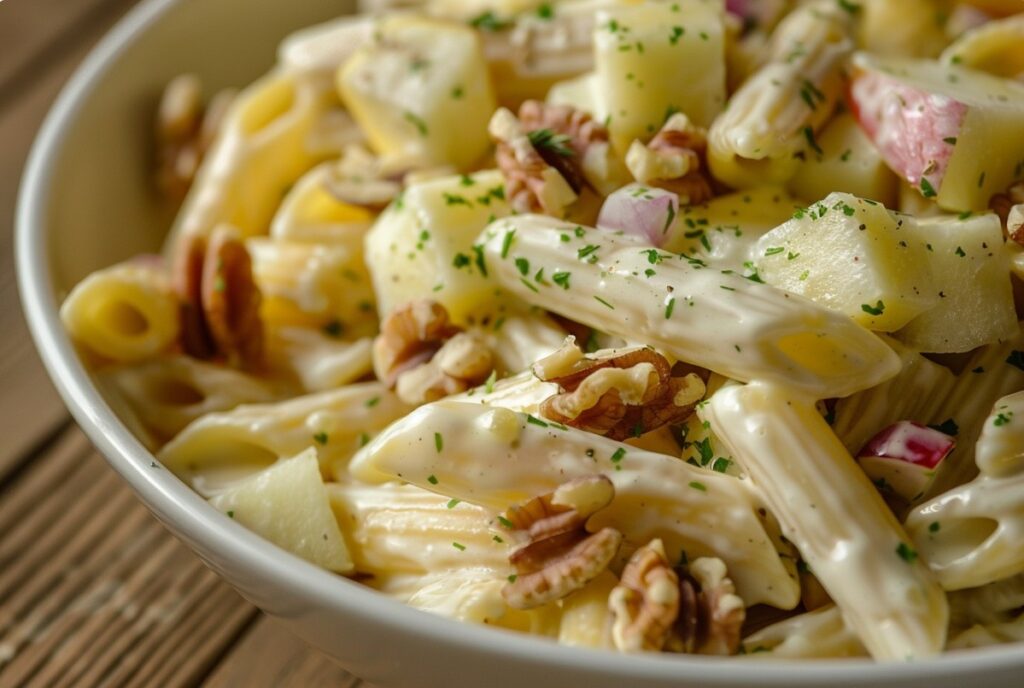
If you’re into hearty pasta salads, it’s worth playing with different ingredient combos and dressings. You’ll find more ideas for homemade pasta salads on the GOTUYMO site.
Questions & answers
Які макарони найкраще підходять для салату?
Найкраще працюють короткі макарони: фузіллі, пенне, фарфалле або ротіні. Вони добре тримають заправку.
Чи можна використовувати теплі овочі?
Так, запечені овочі часто додають саме теплими — вони краще поєднуються з пастою.
Коли додавати заправку до салату?
Найкраще змішувати заправку, коли макарони вже трохи охололи, але ще залишаються теплими.
Які осінні інгредієнти найкраще підходять?
Гарбуз, броколі, запечена морква, карамелізована цибуля, сир та горіхи.
Чи можна приготувати салат заздалегідь?
Так, макаронні салати добре зберігаються в холодильнику до 24 hours.
Як зробити салат більш ароматним?
Додайте свіжу зелень, трохи лимонного соку або гірчицю до заправки.
Чи підходить майонез для макаронного салату?
Так, але його часто змішують із йогуртом або сметаною для легшого смаку.
Чи можна додати сир до салату?
Так, сирні кубики або тертий сир добре поєднуються з пастою та овочами.