Your First Tuna Salad: What You Should Know

Your first tuna salad usually looks almost too easy: open a can, toss in some veggies, done. But that simplicity is exactly where things go wrong. One small misstep and the salad turns dry, watery, or just… bland.
The good news is there are a few basics that change everything. Once you get them, even the most “whatever’s in the fridge” tuna salad comes out tasty, juicy, and balanced. Here are the little details worth knowing before you make it for the first time.
There’s a familiar moment: you’re standing in the kitchen, you open the cupboard, and there it is—a can of tuna. It feels like the easiest meal in the world: mix it with something, add a dressing, and you’re set. But “mix it with something” is exactly where it usually falls apart. The salad ends up either dry and dull, or wet and heavy, or with that odd smell you really don’t want to remember later.
I’ve seen this so many times with people who are just getting comfortable in the kitchen: they buy tuna “because it’s healthy,” they’ve got some vegetables, they’ve got mayo or yogurt… and the result is disappointing. Then the spiral starts: “Maybe I can’t cook,” “Maybe I just don’t like tuna,” “Maybe salads aren’t my thing.”
In reality, tuna salad isn’t about “having skills.” It’s about a few small choices: which tuna to buy, how to prep it, what to add for juiciness, how not to mash everything into paste, and how to make sure every bite actually tastes like something. Once you understand that, tuna salad becomes that quick, reliable after-work meal that doesn’t let you down.
I’m going to lay it out the way I’d explain it to someone standing next to me at the cutting board: no pressure, no perfect photos, clear “ready/not ready” signs, and what to do if something has already gone sideways.
Where a good tuna salad really starts: choosing the can and that first impression
A first tuna salad often gets ruined before you even grab a knife or a bowl—right at the store. Not because there’s “bad” tuna, but because different cans behave differently. If you expect one type to taste and feel like another, disappointment is almost guaranteed.
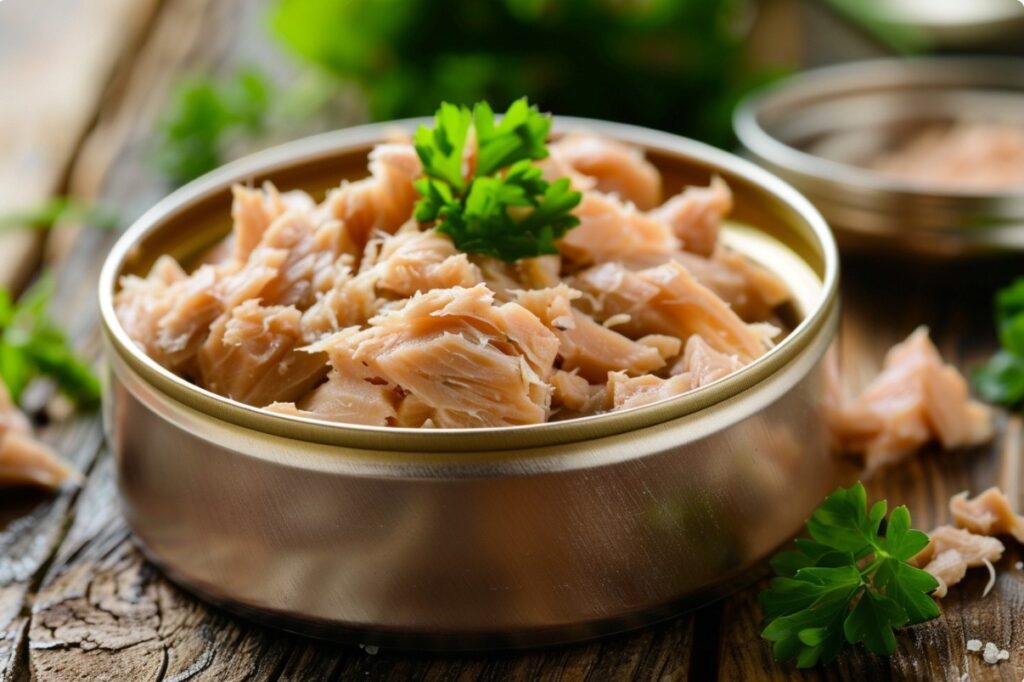
The most common options are tuna in water (or its own juices) and tuna in oil. In water, it usually feels leaner: the flakes can be drier, the flavor is cleaner, and it often needs a dressing or something juicy alongside it. In oil, it’s softer and more aromatic—sometimes pleasantly “canned” in the best way—but it’s easy to overshoot on richness if you also add a generous dressing.
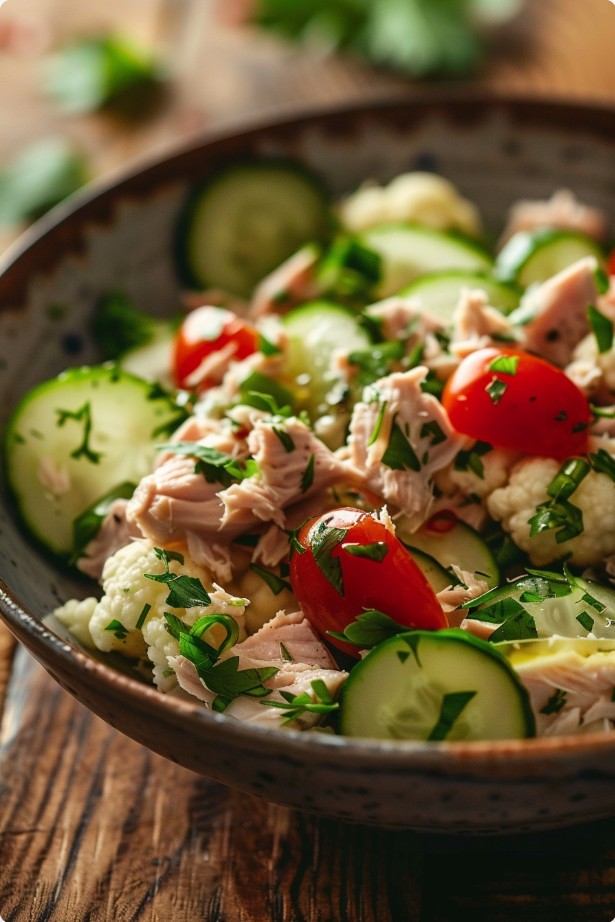
There’s another detail beginners often miss: the cut. “Chunks” tend to hold their shape and feel better in a salad. “Flaked/shredded” tuna turns into a spread fast, especially if you stir enthusiastically. For your first try, I’d pick something that looks like real pieces—texture is much easier to control.
And let’s talk smell. When you open the can, you should get a clean ocean/fish aroma—not a sharp “fishy punch.” If it smells harsh, metallic, or kind of stale, don’t talk yourself into “it’ll be fine once I add lemon and pepper.” It won’t. I once watched a cook try to rescue a can like that with lemon and black pepper—what we got was basically lemony fish disappointment.
A quick real-kitchen story
I had a friend who kept trying to make tuna salad “like in a café,” but hers always came out dry. Turns out she only bought tuna in water and drained it to the last drop, then barely added any dressing because she “didn’t want the calories.” She didn’t lack technique—she lacked moisture and a bit of fat (which carries flavor). The moment she left just 1–2 teaspoons of the liquid from the can and added something juicy (cucumber/tomato/a spoonful of yogurt), the salad changed completely.
Tip: if you’re using tuna in water, don’t drain it bone-dry. Leave a little liquid behind, or make up for it with juicy vegetables or a gentle dressing—the salad will feel more alive.
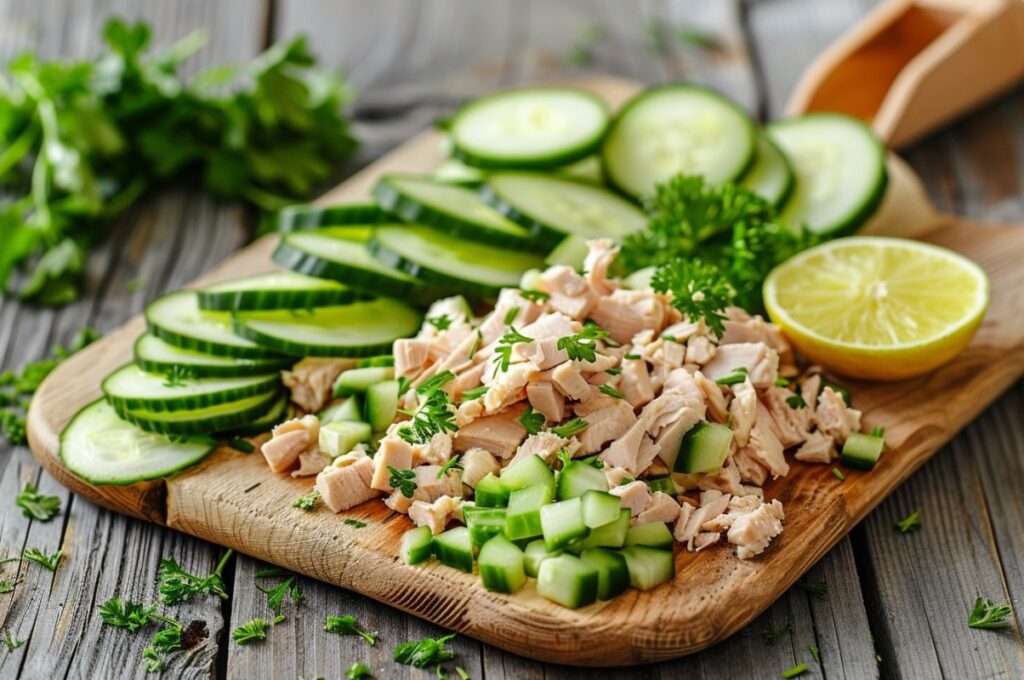
How flavor works: why tuna salad tastes bland (and how to fix it without magic)
Tuna has plenty of personality, but in a salad it can turn into “nothing special” surprisingly fast. The reason is simple: cold food reads differently than hot food. Warmth opens up aromas, fat tastes more vivid, and salt hits faster. In a cold salad, everything is muted—so if you don’t build the flavor, it tastes flat.
I think of salad flavor as three supports: salt, acid, and fat. Not a lot—just present. Salt brings out the tuna and vegetables. Acid (lemon, vinegar, pickle brine, even the tang from pickles or apple) makes the whole thing feel sharper and fresher. Fat (oil from the can, olive oil, yogurt, mayo) carries aroma and gives you that satisfying, rounded mouthfeel.
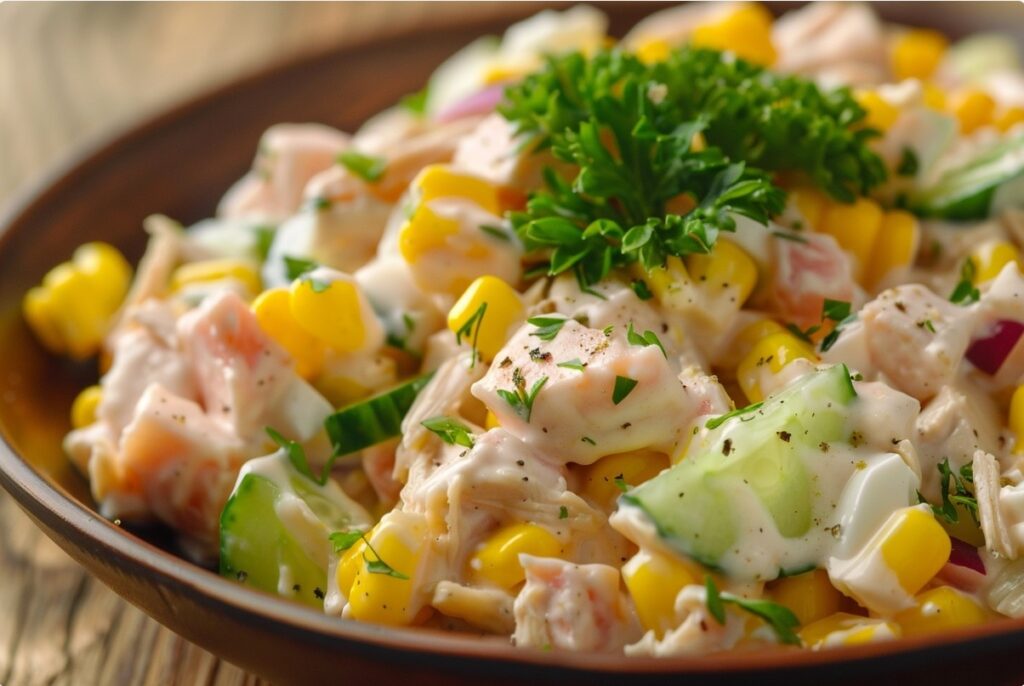
A classic beginner move is tuna + cucumber + corn, then a little salt and that’s it. You end up with something that smells like tuna but doesn’t have any “lift.” Add a few drops of acid and suddenly the tuna tastes more defined, the vegetables taste sweeter, and the salad feels pulled together.
How to tell what it’s missing
This is what I do: mix the base, then take a small spoonful and taste. Not to judge “good/bad,” but to ask: what exactly is off?
- Bland and “empty” — usually needs salt or acid. Start with a pinch of salt, then add a few drops of lemon/vinegar.
- Flavor is there, but it feels heavy — too much fat or not enough acid/freshness. Add something crisp and watery (cucumber, celery), or add acid.
- Too intensely fishy — often needs acid and herbs. Lemon, dill, parsley, and green onion make the aroma feel cleaner.
Tip: in a cold salad, salt shows up more slowly. Salt it, toss, let it sit for 3–5 minutes, then decide if it needs more.
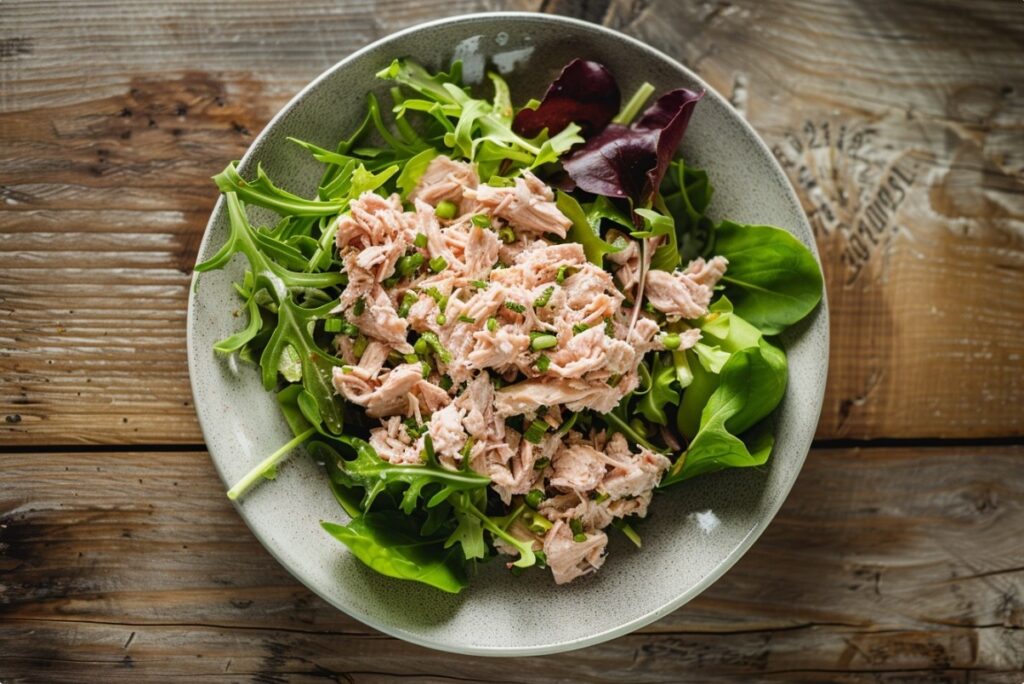
Texture: how not to end up with mush—and why tuna deserves a gentle hand
Tuna salad can be genuinely great because of texture: tender fish, crunchy vegetables, something soft to balance it out. But it can also turn into a uniform mush—and then it’s boring to eat, even if the flavor is fine.
Mush usually happens for two reasons: tuna that’s already too finely flaked and over-mixing. Especially if your salad includes anything that smears (boiled eggs, avocado, beans, soft cheese) or if the dressing is thick.
A simple habit helps me: I don’t “stir a salad,” I assemble it. Prep everything first, then combine gently with broad motions, lifting from the bottom. If the tuna is in chunks, I break it up with a fork into 3–4 larger pieces—not tiny threads. Little “islands” of tuna in the bowl are a good thing.
Temperature affects texture too
Here’s a sneaky one: tuna straight from the fridge feels firmer and drier than it really is. Let it sit at room temperature for just 10 minutes and the flakes soften, the aroma warms up. I’m not saying leave it out for hours—just let the ingredients lose that deep chill. It’s a small step you can actually taste.
How it should be vs. how it often goes
- How it should be: tuna stays in pieces, the dressing coats but doesn’t drown, vegetables still crunch.
- How it often goes: tuna gets mashed into crumbs, thick dressing goes in, everything gets mixed until smooth—and you end up with a paste.
Tip: if you’re using soft ingredients (egg, avocado), add them at the end and fold 2–3 times. Slightly under-mixed is better than “perfectly” mixed.
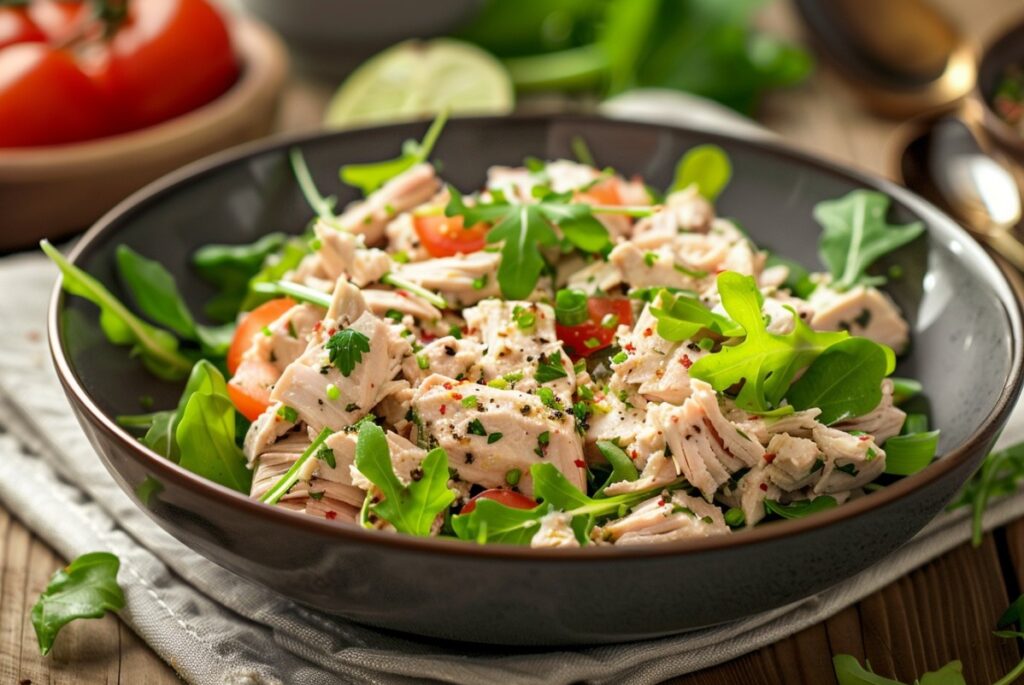
No-recipe combinations: how to build a tuna salad from what you have and not regret it
When people ask for “the simplest tuna salad,” they usually don’t want a strict ingredient list—they want a sense of what goes with what, and what makes things weird. That’s how I learned too: not by memorizing recipes, but by understanding the logic.
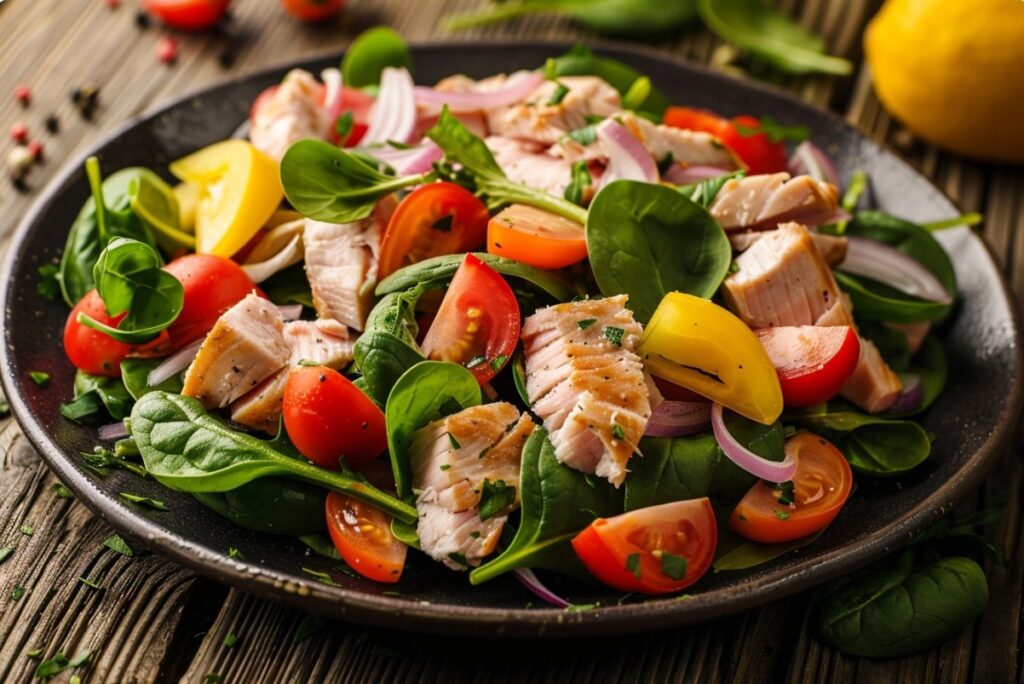
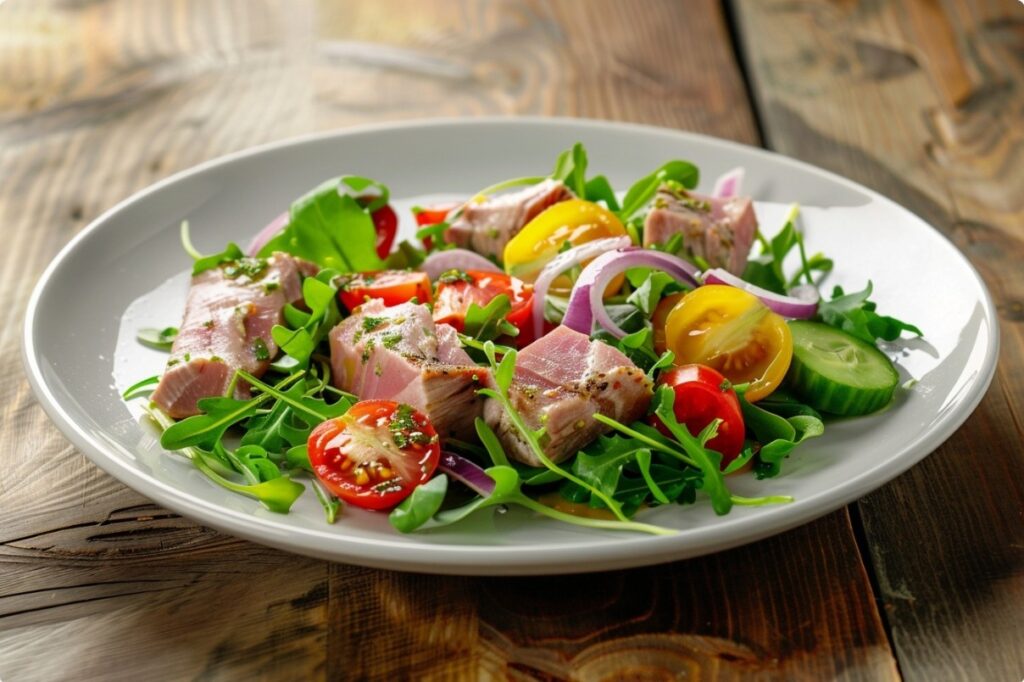
Here’s how I think when I’m building a tuna salad from whatever’s in the fridge: I need contrast and balance. Tuna is salty, protein-heavy, and sometimes a bit dry. These work especially well next to it:
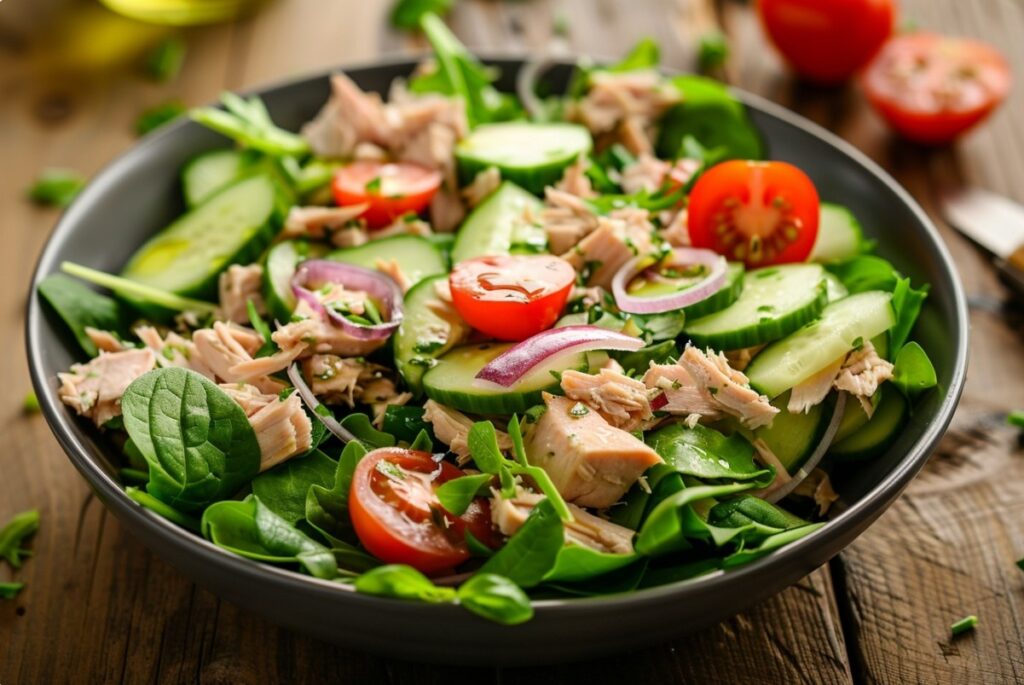
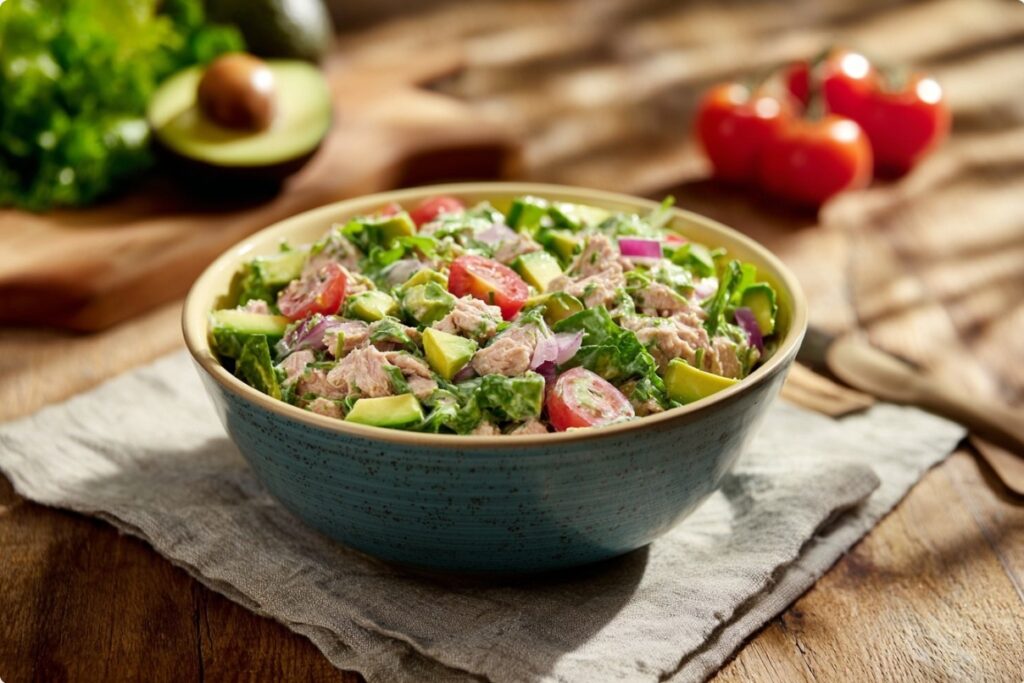
- Crunchy and watery: cucumber, celery, radish, salad greens. They bring freshness and that satisfying crunch that makes a salad feel alive.
- A little sweetness: corn, sweet pepper, tomatoes (especially ripe ones), a bit of apple. Sweetness softens that “canned” vibe.
- Tangy/pickled: pickles, capers, a bit of pickled onion. Think of it as turning the flavor knob up and pulling everything together.
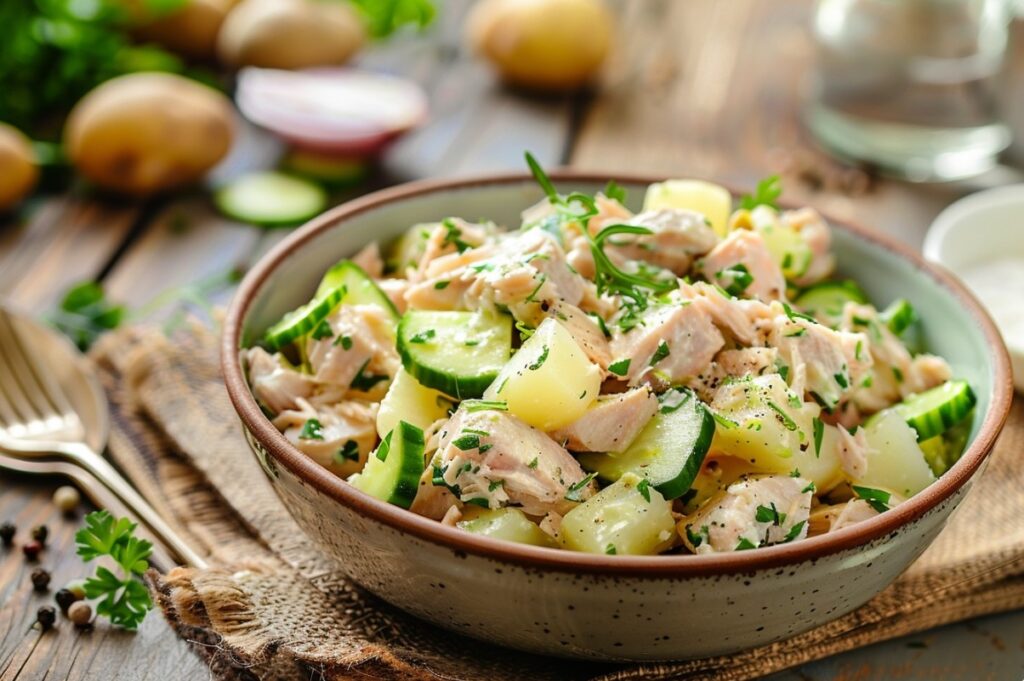
- Soft for roundness: egg, beans, potatoes, avocado. They make it more filling, but they’re also where “too heavy” happens fast.
- Herbs: dill, parsley, green onion. Not decoration—an actual tool. Herbs freshen the aroma and make the flavor feel cleaner.
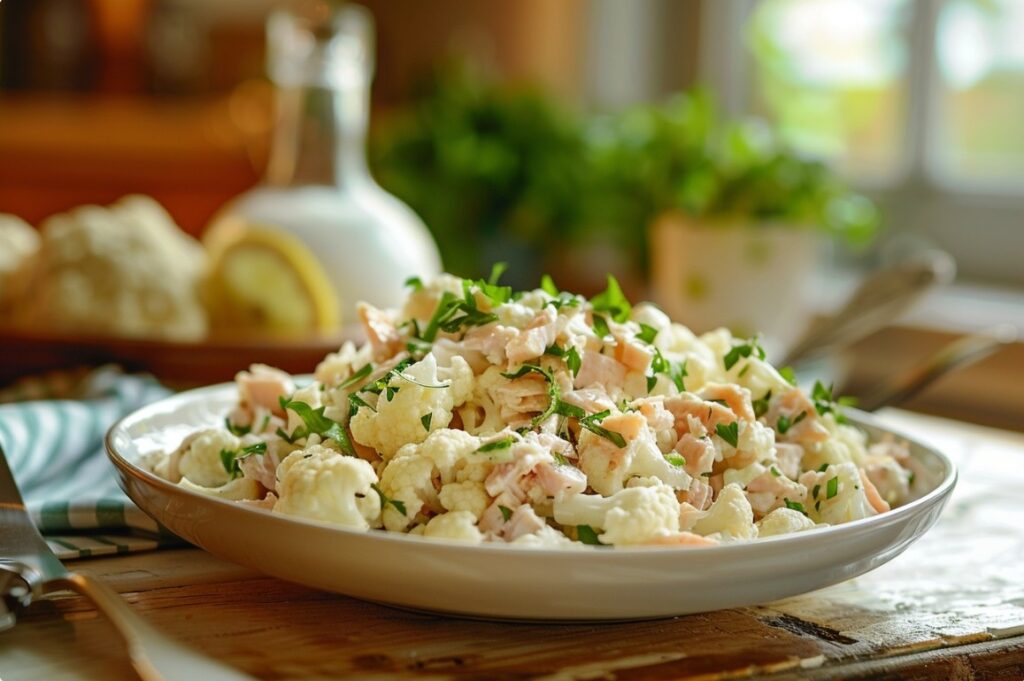
Now for what often trips people up: too many starchy or very soft ingredients at once (lots of potato + lots of mayo + flaked tuna) heads straight toward that same mushy texture. If you want it filling, add one “heavier” element—not three at the same time.
A quick “what’s in the fridge” story
One evening I got home late and hungry, and the fridge situation was bleak: a cucumber, a bit of green onion, a can of tuna, and a lemon. It didn’t feel like “a salad.” But I diced the cucumber small, added the onion, squeezed in a little lemon, and used a bit of the oil from the can—and it turned into something I’ve repeated plenty of times since. Nothing fancy, just each ingredient doing its job: cucumber for crunch and water, lemon to brighten, oil to round it out.
Tip: if you’re stuck on what to add to tuna, add something crunchy + something tangy. It almost always takes a salad from “meh” to “one more bite.”
Dressing without fear: how much, when, and why “drowning it” ruins everything fast
Dressing in tuna salad is like music in a movie: you want enough to support the scene, not so much that it takes over. Beginners usually swing to one extreme or the other—either barely any dressing (“tuna is moist anyway”), or so much that the salad becomes sauce with add-ins.
My rule is: start small. Add, toss, taste. The dressing should lightly coat, not pool at the bottom. If you see liquid collecting into a little puddle, that’s your sign: too much dressing, watery vegetables, or both.
Why it suddenly turns watery
Classic scenario: you chop cucumber and tomato, salt them, add tuna, mix—and 10 minutes later everything is swimming. Salt pulls water out of vegetables. If the veg is juicy and the dressing is on the thin side, you’ve basically made salad soup.
What I do at home to avoid it:
- Salt closer to serving, not right away.
- If the cucumber is extremely watery, I sometimes squeeze it lightly through a sieve or towel (no need to go overboard).
- Add dressing last, in small amounts.
Mayo, yogurt, and oil—no lectures
I don’t believe there’s one “correct” dressing for tuna. There’s the one that fits your taste and your mood. Mayo gives creaminess and that familiar comfort flavor—but it’s easy to overdo. Yogurt is lighter and tangier, but if it’s very runny the salad can go watery fast. Oil (including oil from the can) adds aroma and silkiness, but without acid it can taste flat.
If this is your first tuna salad and you want the lowest-risk approach, think: creamy base + a splash of acid. Use what works for you, then add lemon or something pickled. That alone makes it much harder to mess up.
Tip: if you’re worried about adding too much dressing, mix it in a small cup first, taste it, then add it to the salad one spoonful at a time.
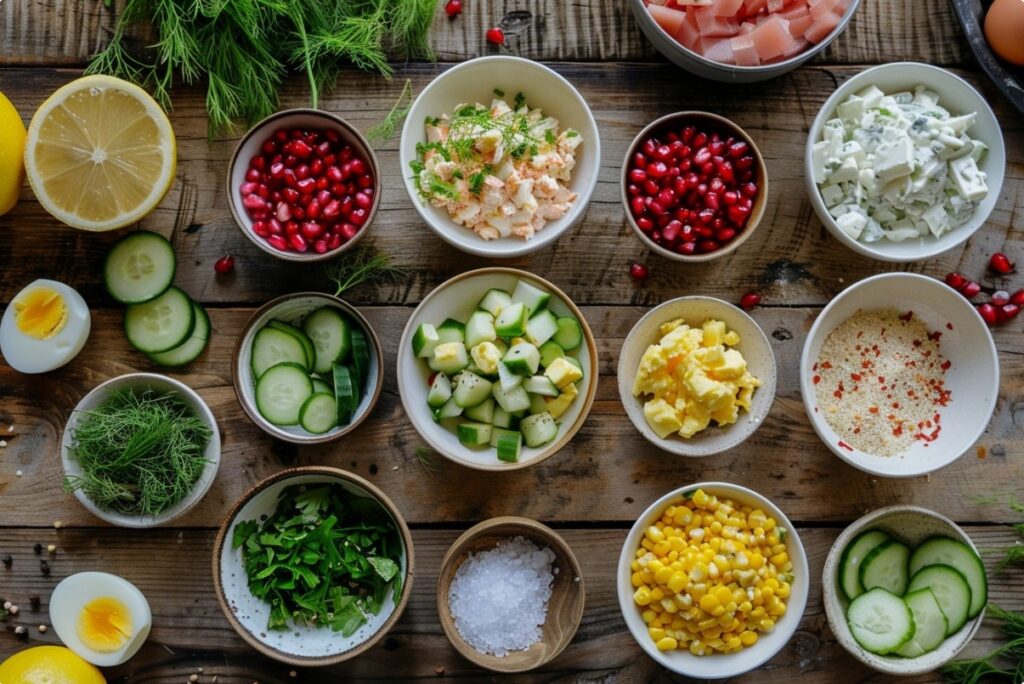
Common beginner mistakes: not to scold you—just so you catch yourself in time
I like this list not because it’s “the rules,” but because it saves groceries and nerves. Most tuna-salad mistakes aren’t disasters—they’re small imbalances.
- You drained the tuna until it was dry, then didn’t replace that moisture. Result: a dry salad that makes you reach for water.
- You mixed too aggressively. Especially with flaked tuna—everything turns uniform.
- You salted juicy vegetables right away and let them sit. After 10–15 minutes the salad is different: softer, wetter.
- You added too many “heavy” ingredients at once. Egg + beans + potato + mayo can be tasty, but for a first try it often turns dense and dull.
- You didn’t add anything acidic. Then the tuna tastes more “canned,” and the salad feels flat.
- You only tasted at the end. It’s easier to adjust in small steps: after the base, after the dressing, after the salt.
A quick “but I did everything right” story
Once a friend made a salad: tuna, egg, cucumber, a little mayo. He said, “It’s all normal stuff, but it tastes bad.” I tried it—everything really was “correct,” but the flavor was like white noise. We added a pinch of salt, a few drops of lemon, and a handful of dill, and it came alive. He wasn’t shocked that lemon helped—he was shocked that small things could change the whole experience that much.
If it’s already gone wrong: quick ways to save the salad
Best news: tuna salad is almost always fixable. Not “turn it into a different dish,” but genuinely make it pleasant. I’ve rescued salads right before serving—at home, at work, and at friends’ places when someone asked, “Can you taste this? Something’s off.”
If the salad is dry
Signs: it’s hard to swallow, the tuna feels stringy, the flavor is there but doesn’t open up.
- Add a bit more dressing (1 teaspoon at a time), folding gently.
- Add something juicy: cucumber, tomato with excess juice removed, a bit of apple, or even a spoonful of the can liquid (if it tastes clean).
- A drop of oil + a drop of acid often works better than another spoonful of thick sauce.
If the salad is watery
Signs: liquid collects at the bottom, the flavor is diluted, the vegetables go limp.
- Drain off the extra liquid (yes, right now). It’s not embarrassing—it’s just cooking.
- Add something that absorbs and gives structure: beans, corn, chunks of egg, croutons (if that’s your thing). Not a lot—just enough to bring back some body.
- Next time: salt later and add dressing in portions.
If it smells too “fishy”
Signs: the smell dominates and drowns out everything else.
- Add acid: lemon, a little vinegar, pickles/capers.
- Add herbs: dill, parsley, green onion.
- Add something fresh and crunchy: cucumber, salad greens—they dilute the aroma.
If you oversalted it
It happens more often than people admit—especially when the salad already includes salty ingredients (tuna, pickles, sauces).
- Add a neutral, unsalted base: more vegetables, boiled egg, a bit of beans.
- Add acid carefully: it won’t remove salt, but it distracts and makes the flavor feel more balanced.
- Don’t try to “cover” saltiness with extra mayo—often it gets worse because the salt stays and the salad just gets heavier.
Tip: if you’re unsure about salt, add something acidic first, then salt. Acid often makes the flavor brighter without needing extra salting.
Serving and storing: how to keep it tasty for longer than “the first 5 minutes”
Tuna salad is often made “for later”: for work, for a snack, for a quick dinner. And here’s the part people don’t say out loud enough—many salads taste best right away, then turn limp an hour later. It’s not necessarily your fault. Vegetables release water, dressing softens anything crunchy, and tuna absorbs sauce.
If you want it to hold up better, think separation. I do this a lot: base in one container, dressing in another, mix right before eating. It sounds fussy, but in real life it’s two minutes—and the difference is obvious.
Signs the salad has settled (and it’s time to eat)
Sometimes a 10-minute rest is actually a plus. The dressing distributes, the salt dissolves, and the flavor evens out. These are the signs I look for:
- The aroma is softer, not sharp.
- The vegetables still hold their shape and crunch.
- There’s no puddle at the bottom (or it’s minimal).
A quick “pack it to go” story
Once I packed a salad into a container in the morning, opened it at lunch, and it was a sad, wet situation. Since then I do it differently: tuna and sturdy ingredients in one container, cucumber/greens in another, dressing in a small jar. Mix on the spot and it’s a salad again—not a compromise.
One more small thing that works: if the salad has been in the fridge, take it out 5–10 minutes before eating. Cold dulls flavor. As it warms slightly, the aroma gets fuller and you’re less tempted to keep adding salt.
Your first tuna salad isn’t a test of your cooking skills. It’s getting to know an ingredient that can be incredibly convenient once you understand its personality: it loves acid, it rewards gentle mixing, and it needs the right balance of moisture and fat.
What kind of first tuna salad are you aiming for—more crunch and freshness, or more filling and hearty? And what worries you most: the smell, the texture, or the fear that it’ll turn watery?
FAQ
What tuna is best for a first tuna salad?
Start with canned tuna in water (or its own juices). It’s lighter and makes it easier to control richness and learn the salt–acid–fat balance.
Why does tuna salad turn out dry?
Usually the tuna was drained too dry or there isn’t enough dressing/juicy ingredients. Leave a little moisture or add cucumber, tomato, yogurt, or a bit of oil plus lemon.
How do I prevent watery tuna salad?
Dry vegetables well, salt closer to serving, and add dressing gradually. Very juicy cucumbers can be lightly squeezed to remove excess water.
Can I use mayonnaise in tuna salad?
Yes—just go easy. For a lower-risk first try, olive oil plus lemon juice (or a little yogurt plus lemon) keeps the flavor bright and less heavy.
What’s the biggest beginner mistake with tuna salad?
Over-mixing, especially with flaked tuna. Fold gently so the tuna stays in pieces and the salad doesn’t turn into a paste.
Should tuna salad be chilled before eating?
A short rest can help—about 10–15 minutes lets flavors settle. For best taste, don’t serve it ice-cold; let it sit 5–10 minutes at room temperature first.
How many ingredients should I use the first time?
Keep it simple: 3–5 ingredients is ideal. It’s easier to balance flavor and texture without making the salad heavy.
How can I make tuna salad taste better fast?
Add something crunchy and something acidic. A squeeze of lemon, a spoon of pickle brine, capers, plus herbs like dill or parsley can wake up the whole bowl.