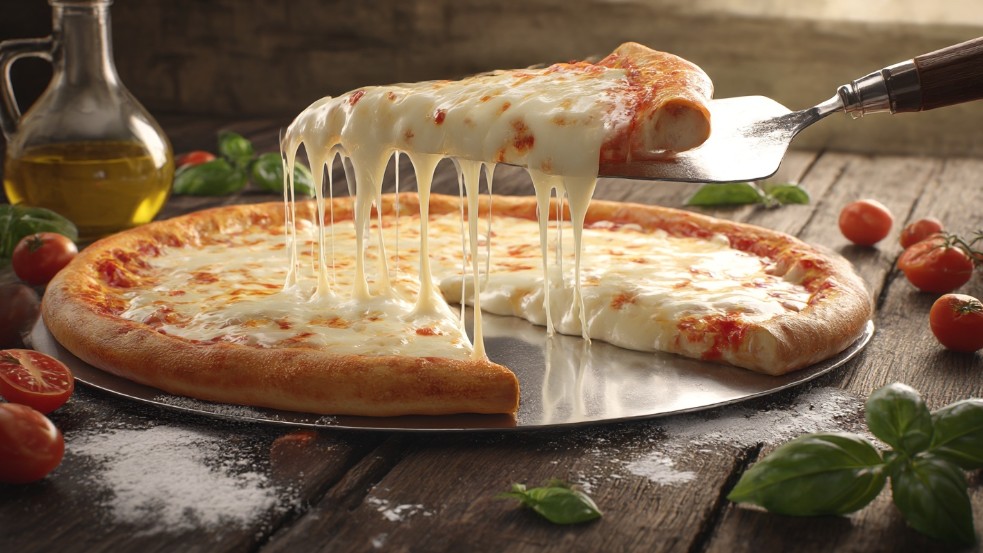
Fish Pizza: What Works and What Doesn’t

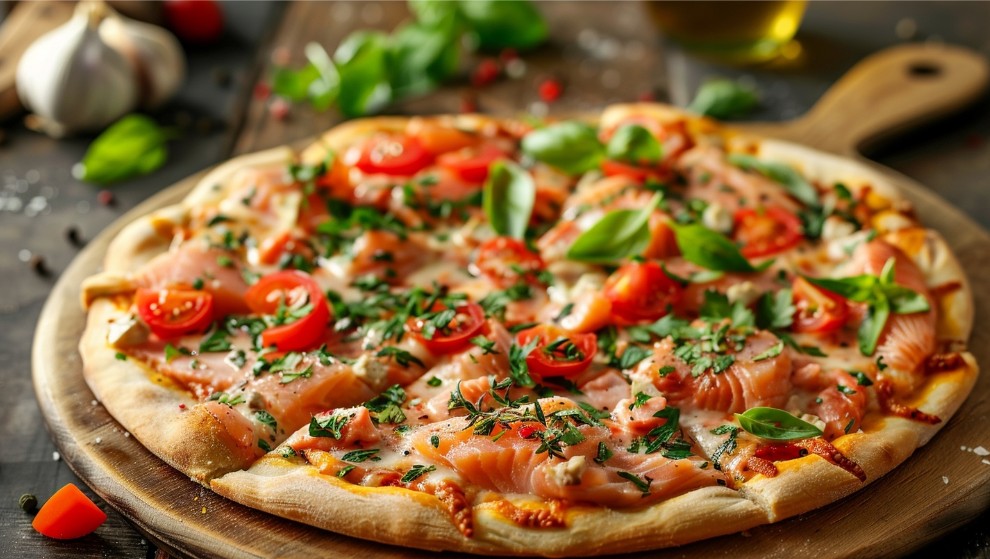
Imagine: you pull a hot pizza from the oven, cheese stretching, with pieces of fish on top. Those who have tried it know it’s either a delight or a disappointment. Fish is not sausage, not ham, not pepperoni. It’s delicate, sensitive, easily crossing the line between ‘subtle’ and ‘not quite right’. This isn’t about a recipe, but about the feeling and understanding: what pairs well and what clashes on a pizza. I’ve seen so many people approach fish on pizza with trepidation: ‘What if it smells?’, ‘What if the taste doesn’t blend?’. Fear of ruining it and not knowing what exactly spoils everything often stops attempts. But if you understand the mechanics, fish pizza can become your signature dish, especially if you love tenderness and freshness in food.

Why Fish on Pizza is a Different Story
Fish pizza is not about Italian classics, but about balancing two worlds: crispy dough and delicate marine flavor. When you place fish on a hot base, you start playing with a delicate matter. Cheese and sauce are rich and fatty, while fish quickly dries out, easily losing its aroma or, conversely, becoming too ‘marine’.
I’ve often seen at home parties someone deciding that ‘fish pizza is just canned tuna’. Logical, but it turns out not quite as desired. The taste is heavy, the smell is sharp. And the main reason here is not the product, but the way it’s cooked and added.
Fish on pizza is about nuances. It doesn’t like prolonged heating because it loses its charm. And after eating an extra piece, you realize how important it is to feel the balance: the fish should be noticeable but not dominate. What’s the secret here?

Freshness of Fish: Why It’s Critical
I’ll start with the obvious, but it’s really the root of everything: fresh fish is not only about safety but about taste. Even the best dough and the most expensive cheese won’t save a pizza if the fish was tired. Especially noticeable and visible in pizza, because here the fish doesn’t hide — it’s in sight, in sound, and in smell.
I’ve seen people buy ‘on sale’ fillets, only to smell something off at home. As soon as the fish starts smelling like anything other than the sea, the risk of losing the whole idea arises. In pizza, this is even more pronounced: in the oven, smells concentrate, and even a small mistake becomes apparent.
How to determine if fish is fresh for pizza? Look at the color — it should be bright, not dull. The smell — light, marine, without sharpness. Touch — firm, not sticky. If you’re buying lightly salted or marinated — choose dense, without a ‘runny’ texture. These are small details, but they decide everything.
Tip: If you’re unsure about the quality, it’s better to set the fish aside for another dish. Pizza doesn’t forgive compromises with freshness.
Which Fish is Suitable for Pizza, and Which Isn’t
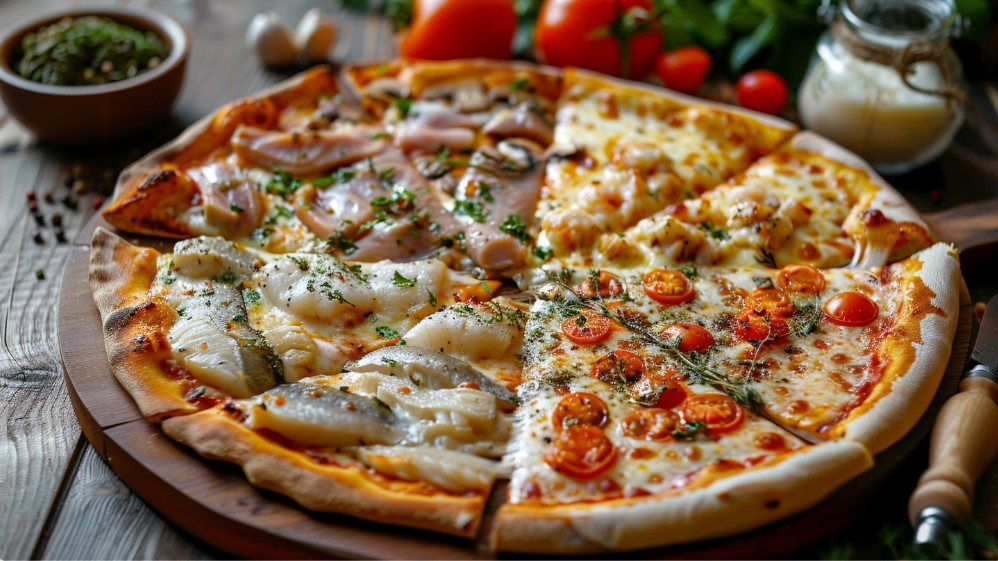
Most often, pizza is topped with tuna, anchovies, salmon, sometimes mackerel, or even shrimp. But ‘suitable’ is not only about taste. It’s important how the fish behaves when heated, whether it holds its shape, or releases too much liquid.
Tuna is a bit tricky. Canned tuna in its own juice is dense, doesn’t fall apart, but often becomes dry after baking. Anchovies add sharpness and saltiness, but for many, it’s too intense. Salmon is tender, but if it’s fresh fillet, there’s a risk of drying it out. Mackerel (especially smoked) adds character but can easily overshadow everything else.
I once tried adding pieces of cod to pizza — the result was strange: instead of a juicy layer, I got a watery spot, and the dough became raw. That’s why white fish with a lot of moisture is not the best choice for pizza. It simply doesn’t have time to ‘dry out’ in the oven, and everything turns into a mush.
What definitely works — lightly salted red fish (salmon, trout), anchovies, tuna (but not too much), smoked mackerel. It’s important not to overdo it with the quantity: fish is an accent, not the base.
- Lightly salted red fish: add after baking for softness.
- Anchovies: at the beginning of baking, but be careful with the amount.
- Tuna: lightly dry on a napkin before adding.
- Smoked fish: add at the end to avoid ‘over-smoking’ the taste.
The Mechanics: Temperature, Time, and Texture
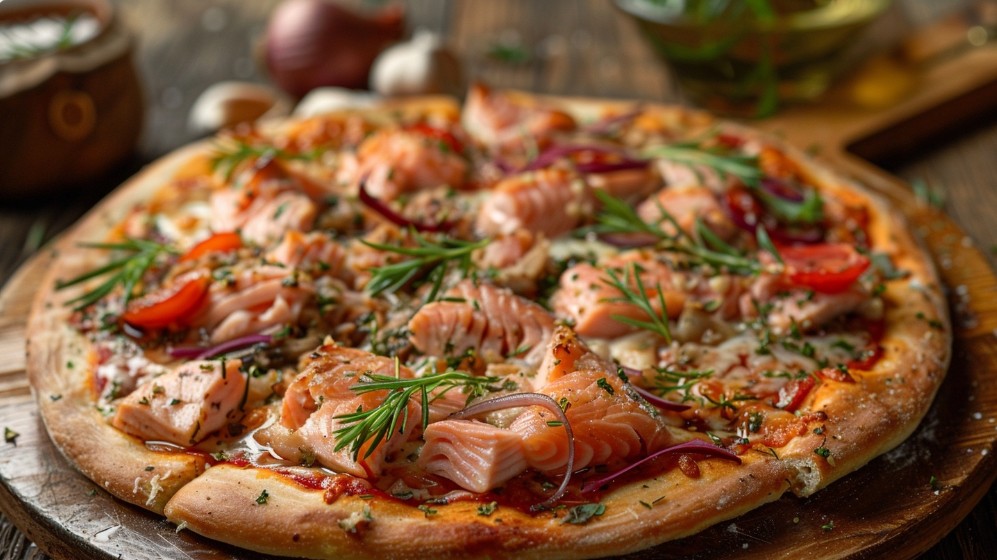
This is where the real game begins: how to keep the fish tender, retain its flavor, and prevent it from becoming rubbery or overly salty. In the oven, temperature and time decide everything. Pizza bakes quickly, but fish changes its texture even faster. If it’s fresh, it’s better to add it to the pizza after the main baking, not with the cheese and sauce.
I love experimenting: for example, I put part of the fish before baking and part after — the difference is noticeable. The one that was in the oven becomes denser, with a slight smoky aroma, while the ‘fresh’ one remains tender, almost creamy. If you put the fish with the cheese on raw dough — it easily dries out and becomes like cotton wool.
Oven temperature is another critical point. The higher it is (250–280°C), the less time the pizza and fish spend in the heat, and the more chances to preserve tenderness. At home, it’s rare to achieve such temperatures, so you have to play with positioning: place the pizza closer to the top heat so the cheese sets, and the fish doesn’t dry out.
Tip: For home ovens, it’s better to add fish 2-3 minutes before baking ends, not at the very beginning.
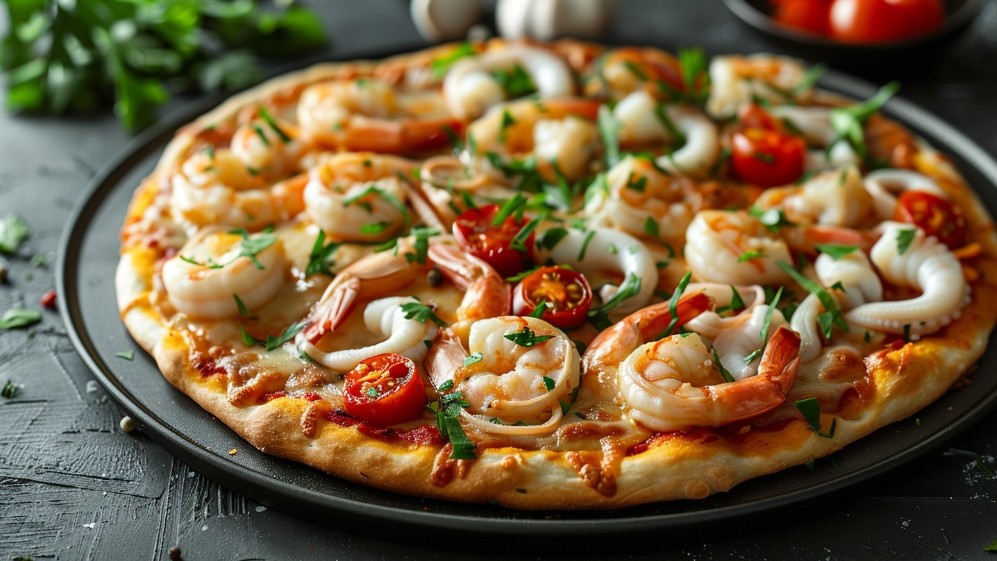
Fish pizza is a great choice for an interesting menu on a birthday, especially if you want to surprise guests with something non-trivial. It’s lighter than meat options, has a bright taste, and pairs well with other dishes on the table. Such pizza creates a sense of variety, doesn’t overload the festive dinner, and is suitable for those who love to experiment and guests who appreciate balanced, Mediterranean notes in festive dishes.
Aromas: How to Avoid a ‘Fishy Smell’ in the Kitchen
Many people don’t dare to make fish pizza precisely because of the fear: what if the smell is strong, and then the kitchen needs airing for a week. Understanding why the smell becomes sharp helps here. Most often, it’s a combination of old fish, improper storage, or too much product on one pizza.
I’ve observed several times how homemade pizza ‘failed’ at the start — precisely because of excess fish. As soon as the layer is thick, moisture doesn’t have time to evaporate, and the smell concentrates under the cheese. As a result, it’s heavy in taste, even heavier in smell. This is especially true for tuna and smoked fish. The rule here is simple: less is better. Fish should be in every piece, but not in a thick layer. And, of course, don’t forget about lemon juice or greens — they soften the marine notes.
- Use thin slices of fish.
- Always dry the fish on a towel before placing it.
- Add a few drops of lemon juice after baking.
Another trick that has saved me more than once: a little parsley or dill added after the oven dampens excessive ‘marine’ notes and adds freshness.
Sauce and Cheese: How They Transform Fish on Pizza
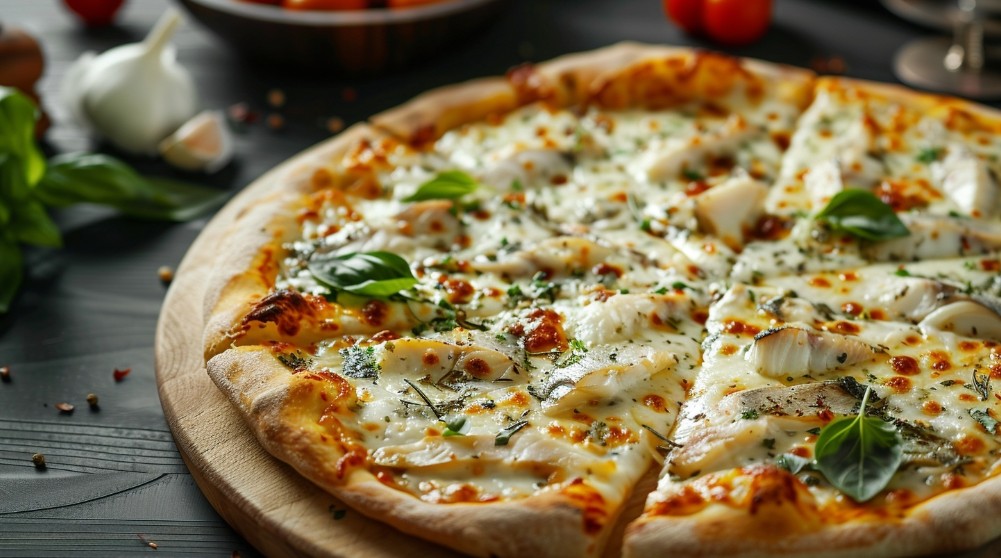
Think fish is the main thing? Not quite. Sauce and cheese set the tone for the whole composition. Classic tomato sauce is acidic, bright, but often argues with fish rather than befriends it. Especially if it’s salmon or trout. In such cases, I choose a white sauce (based on sour cream or cream). It emphasizes the tenderness of the fish, doesn’t overpower, but unites everything into a cohesive picture.
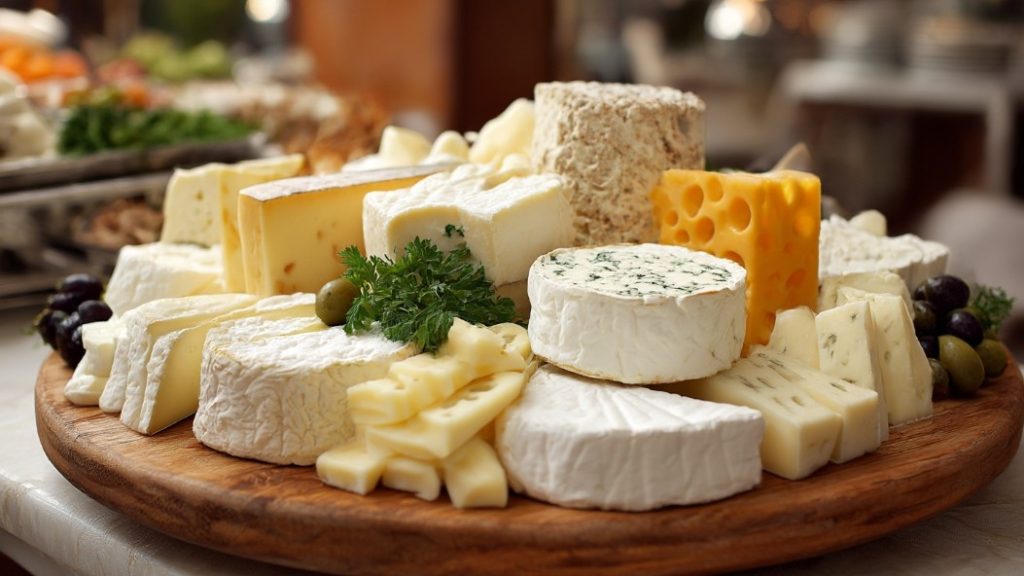
Cheese is another complex moment. Too salty (like parmesan or feta) can make the pizza heavy, while soft mozzarella is the perfect choice. It stretches, holds its shape, and doesn’t distract from the main thing. But if you love sharpness, you can add a bit of soft goat cheese or creamy cream cheese. Just don’t overdo it: fish doesn’t like ‘neighboring’ with sharp cheeses.
Tip: For fish pizza, choose cheese with a neutral taste and good meltability. Mozzarella is your friend.
From my own experience: once I decided to try smoked fish with parmesan. It seemed interesting, but I got a ‘conflict’ on every piece. It’s better to avoid combining two dominant flavors.
What to Do If Something Goes Wrong
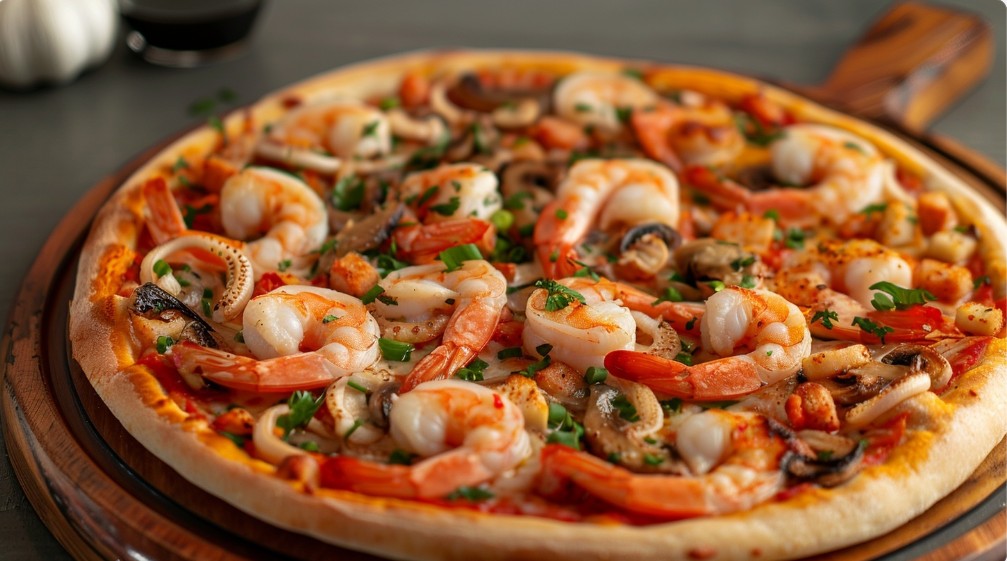
There are no infallible ideals in the kitchen. One of the most common cases is pizza coming out with too strong a smell. A little lemon juice, fresh herbs, or even a few drops of olive oil with rosemary can help here. If the fish has become dry — next time, add it at the end, and now try to ‘save’ the pieces by covering them with additional sauce.
Another typical mistake is the pizza becoming wet, the dough not baking through. This often happens if the fish was too moist or too much was added. You can’t fix it now, but for next time — be sure to dry the fish and don’t make a thick layer. If the taste seems too salty (especially after anchovies) — add some fresh cucumber or radish on top of the ready pizza, it will soften the sensation.
Tip: Don’t be afraid to improvise with serving. If the pizza isn’t perfect — serve it as ‘tapas’, cut into small pieces, and add something fresh on top.
Common Mistakes by Beginners and How to Avoid Them
I often encounter three things: too much fish (fear that it won’t be noticeable), using stale product, and incorrect cheese combinations. It’s very easy to spoil the taste if these points aren’t considered.
- Don’t layer fish thickly — it doesn’t bake through and adds excess moisture.
- Never use fish that already has a sharp smell or looks ‘tired’.
- Choose neutral cheese, don’t add everything: mozzarella and a bit of creamy — enough.
- Add fish closer to the end of baking, unless it’s anchovies or canned tuna.
- Don’t forget about acidity: lemon, capers, a bit of pickled onion — perfect accents.
I once ‘went off’ on a classic mistake: decided to squeeze both tuna, smoked mackerel, and a piece of salmon onto the pizza. It turned out something between ‘Shuba’ salad and winter barbecue. Since then — only one type of fish, maximum two, and only those that harmonize with each other.
Delicacy: How Not to Ruin Thin Fish
Fish on pizza is about a sense of measure. It doesn’t tolerate excessive aggression: neither spices, nor temperature, nor time. When working with salmon or trout, especially lightly salted, be as careful as possible: a few minutes in a hot oven is enough to keep it juicy. If it’s anchovies — it’s better to put them at the very beginning, as they withstand heat and even become softer. But everything else — add at the end or even on a ready, still hot pizza.
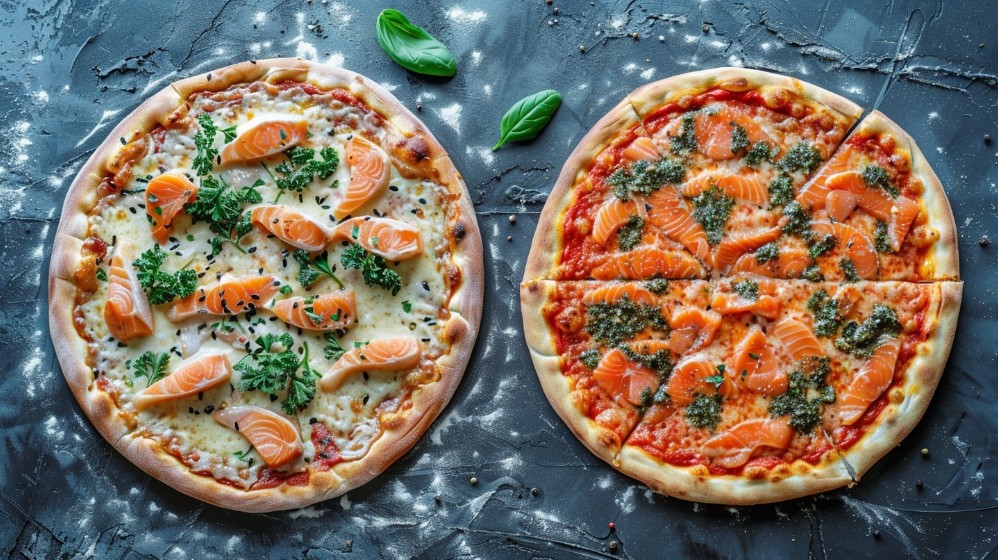
Texture is another nuance. If the fish is tender, don’t cut it into large pieces. Thin slices heat up faster and don’t lose juiciness. My favorite trick: thinly slice lightly salted fish, place it on already cooked pizza, drizzle with a bit of olive oil, and a few grains of black pepper. That’s it — the taste of freshness, not overcooked sea.
Tip: Don’t be afraid to leave the fish almost raw — if it’s quality, it’s only a plus for the pizza.
Life Hacks for Homemade Fish Pizza
- Always dry the fish on a napkin before baking — less moisture, more flavor.
- Use white sauce or just brush the dough with olive oil for delicacy.
- Add a few drops of lemon juice or zest after the oven for freshness.
- Try adding fish to already cooked pizza — it’s a new level of textures and flavors.
- Remember the greens: dill, parsley, basil soften the ‘marine’ note.
- Don’t experiment with many types of fish at once — simplicity wins here.
And one personal note: don’t be afraid to try new things. My first fish pizza was strange, but those mistakes helped me understand how balance works. Sometimes even failure is the best teacher in the kitchen.
If you stop being afraid and try to understand fish on pizza, you’ll surprise yourself and your friends. The main thing is not to chase perfection but to enjoy the process and trust your feelings. What have been your experiments with fish on pizza? I’m waiting for stories and tips in the comments.