Fish Without Fear: How to Choose, Clean, and Cook Without Overdrying

When I recall my first experience cooking fish, I think of the moment I stood with great skepticism in front of the fish counter, looking at all those shiny eyes and scaly bodies. Like many, I feared the fish would turn out dry, tasteless, or, worse, with a peculiar smell. But you know what? All these fears are just myths, and today I will show you how to dispel them.
The main issue even experienced cooks face is how to properly choose, clean, and cook fish so that it doesn’t turn out dry but remains juicy and tender. It may seem complicated, but it’s actually quite simple if you know a few important points.
In this article, we will explore how to choose quality fish, how to clean it properly, and, of course, how to cook it so that it is tender and delicious. After reading, you will be able to confidently buy fish and cook it without the fear of overdrying.
How to Choose Fresh Fish
Fresh fish never has a strong “fishy” smell. Its aroma is light, marine, or almost neutral. If the smell is sharp, sour, or simply unpleasant, it’s best to avoid such a purchase immediately.
The appearance of the fish also says a lot. It should look as if it just came out of the water and onto the counter, not as if it has been lying there for several days.
What to Pay Attention to First
🔹 Smell
Light, fresh, marine. Any sharp, “heavy,” or foreign notes are a clear sign of staleness.
🔹 Eyes
Clear, transparent, with a slight sheen and slightly bulging.
Muddy, sunken, or gray eyes are a warning sign.
🔹 Scales
Shiny, moist, tightly adhering to the body. If the scales are dry, easily fall off, or have spots, the fish is not fresh.
🔹 Gills
Bright red or pink, moist, without slime.
Brown, gray, or sticky gills are a reason to refuse the purchase.
🔹 Flesh
If you press with a finger, the indentation should quickly disappear.
Soft, flabby, or “spreading” flesh is a sign of old fish.
Whole Fish or Fillet: Which Is Safer?
It’s easier to assess a whole fish because all the signs of freshness are visible immediately. That’s why this option is considered more reliable for beginners.
Fillet should only be bought from trusted places, and its appearance and smell should be carefully evaluated.
For fillet, pay attention to:
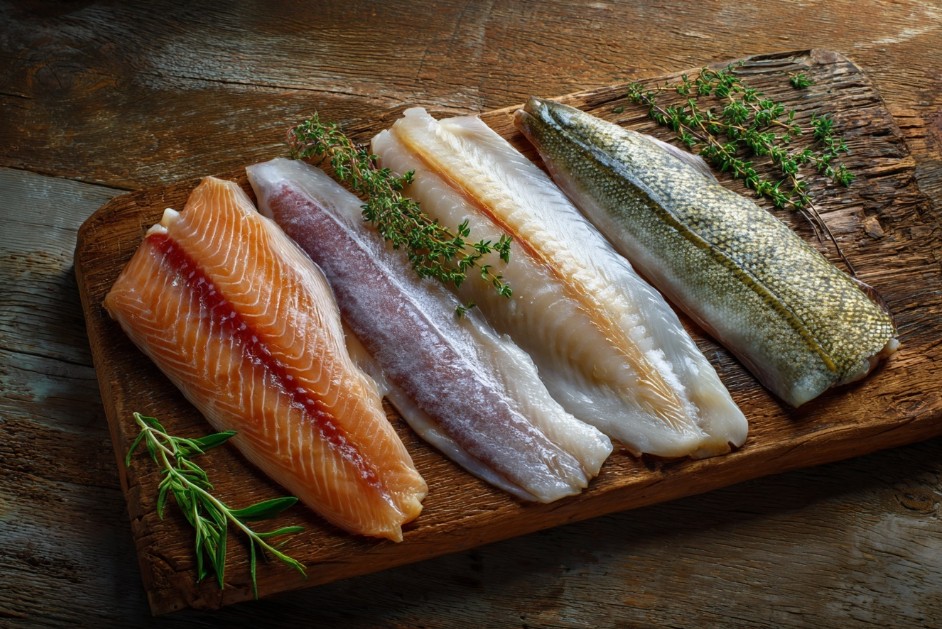
- even color without gray or yellow spots
- absence of excess moisture
- pleasant, neutral smell
Fresh or Frozen: Which Is Better?
Frozen fish is no worse than fresh if it has been properly frozen and stored without violations.
When choosing frozen fish, avoid thick layers of ice, check that the pieces are not stuck together, and always pay attention to the freezing date.
Repeatedly frozen fish is easily recognized by its dry texture and dull, lifeless color.
Where Is the Best Place to Buy Fish?
It’s best to buy fish in specialized fish stores or large supermarkets with a good reputation. At markets, choose only trusted sellers.
Don’t hesitate to ask questions: when was the fish delivered, how was it stored, and whether it was previously frozen.
If you have doubts, it’s better not to buy. Fresh fish does not cause fear; it looks appetizing and smells pleasant. With experience, you will learn to “read” fish at first glance.
Details in our article: How to Choose Quality Fish.
Cleaning Fish Properly
Cleaning fish is often intimidating, especially if you don’t do it every day. In reality, it’s much simpler than it seems. If you know the sequence of actions and don’t rush, the process will be quick, neat, and without unnecessary mess in the kitchen. Here are the details, which knife is really needed in the kitchen.
Before starting, rinse the fish under cold water to remove slime and make it more convenient to work with. This will also help you better see the condition of the scales and surface.
Main Steps of Cleaning Fish
🔹 Rinsing
Rinse the fish under cold running water, removing slime and possible dirt. This way, the fish won’t slip in your hands.
🔹 Removing Scales
Hold the fish by the tail and remove the scales with movements from tail to head, holding the knife at a slight angle. It’s more convenient to do this in the sink or under running water so that the scales don’t scatter around the kitchen.
🔹 Removing Guts
Make a careful incision along the belly from head to tail and gently remove the guts. It’s important not to damage the gallbladder, or the meat may acquire a bitter taste.
🔹 Cleaning Inside
Pay attention to the dark films and blood residues inside the fish. They are often the cause of an unpleasant smell after cooking.
🔹 Final Rinsing
Thoroughly rinse the fish inside and out under cold water again, then pat dry with a paper towel.
Helpful Tip
If the fish is very slippery, you can lightly rub your hands with salt — it will be much easier to hold. And the fresher the fish, the easier it is to clean.
With a few attempts, this process stops being a problem and takes only a few minutes.
Cooking Fish: Secrets to Tenderness
The most common mistake when cooking fish is overcooking it. This makes the meat dry, tough, and loses its natural flavor. To keep the fish tender and juicy, it’s important to follow a few simple but effective rules.
Before cooking, do not keep the fish at room temperature for too long, and during heat treatment, carefully monitor the time and temperature. Fish cooks quickly and does not like excessive heat.
Cooking Techniques
Frying, baking, and boiling are the most popular ways to cook fish, and each has its nuances. The main rule for any technique is not to overdry the product and allow it to retain its natural moisture.
🔹 Frying
Fry fish over medium heat, preheating the pan well. Fry until a golden crust appears, without flipping too often. As soon as the meat easily separates from the pan, the fish is ready. Here’s a delicious recipe for fish patties.
🔹 Baking
Bake fish in foil, parchment, or with a small amount of oil. This will help retain juiciness and tender texture. Do not exceed the recommended baking time, especially for fillet.
One of the simplest ways to overcome the fear of cooking fish is to start with recipes where it’s hard to mess up. For example, oven-baked dorado is perfect for this: it doesn’t require complex preparation, cooks quickly, and remains juicy even for beginners. This recipe well demonstrates that fish can be simple, understandable, and very tasty if you follow the basic principles of temperature and cooking time.
🔹 Boiling
For boiling, use the minimum amount of water. Add aromatic herbs, bay leaf, or a few peppercorns to emphasize the taste of the fish without overpowering it.
Helpful Tip
Fish is ready when the meat flakes easily with a fork but remains juicy. It’s better to remove it from the heat a little earlier — residual heat will bring the dish to perfection.
Common Mistakes and How to Avoid Them
One of the most common mistakes when cooking fish is too long a heat treatment. Fish cooks faster than it seems, and even a few extra minutes can make it dry and tough. It’s important to remember that the delicate texture of fish requires careful control of time and temperature. Learn the recipe for quickly preparing salmon in cream sauce.
Another common mistake is the excessive use of spices. They can overpower the natural taste of the fish instead of highlighting it. Also, do not cook fish from the refrigerator directly on a hot pan — a sharp temperature drop negatively affects the texture.
What to Do If the Fish Is Already Ruined
If the fish has become dry, don’t panic. The situation can be partially corrected by adding a sauce based on cream, sour cream, or olive oil. Short warming of the fish with the sauce over low heat also works well — it will help return some moisture.
For baked fish, a light sprinkling with broth or lemon juice before serving will work.
Micro Tips from the Chef
🔹 Work with fish that is close to room temperature. This will help avoid a sharp temperature drop during cooking.
🔹 Add a little lemon juice or zest just before cooking — this will keep the aroma fresh and unobtrusive.
🔹 For large pieces or whole fish, use a kitchen thermometer. This is the most accurate way to check readiness and not overdry the dish.
🔹 Let the fish “rest” for 1–2 minutes after cooking — this will help distribute the juices evenly.
How I Do It in My Home Kitchen
In my kitchen, I always try to treat fish with respect and without unnecessary haste. It all starts with choosing the product — I choose only fresh or well-frozen fish and never take it “just in case.” For me, it’s important that the fish is the main ingredient, not a background for spices or sauces.
During cooking, I use minimal additives. Salt, a little pepper, a drop of olive oil, sometimes lemon or fresh herbs — this is quite enough to emphasize the natural taste and tender texture. I always keep track of time and remove the fish from the heat a little earlier, allowing it to finish cooking with residual heat.
For me, home cooking is not about complex techniques but about attention to the product. This approach makes fish dishes simple, tasty, and something you want to return to again.
If you enjoyed these tips, share your impressions or ask questions in the comments. Maybe you have your own fish cooking secrets — I’d be happy to discuss them together.